

By Sarah Roman
World Nomads Contributor
All that flipping, racing, double axel-ing, and sledding have you amped up for winter sports this year? Sure, the Winter Olympics are thrilling to watch from the comfort of a living room couch, but imagine trading the screen for the snow and experiencing that adrenaline rush firsthand. The good news is that you don’t have to be a professional athlete to dabble in some of the world’s most iconic winter disciplines. You just need a weekend lesson, a sense of adventure, and the desire to transform an ordinary vacation into an extraordinary learning experience.
Enter the "skillcation"—a booming travel trend that marries the restorative nature of a vacation with the personal fulfillment of acquiring a new skill. As travelers increasingly seek out purposeful, passion-driven itineraries, winter getaways are undergoing a major transformation. Rather than simply lounging by a fireplace, modern explorers are hitting the ice, the bobsled tracks, and the alpine courses to test their limits.
Main Facts: The Shift Toward Passion-Driven Travel
The appetite for experiential and hobby-based travel has grown exponentially. According to a 2025 travel trend report, more than half of all surveyed travelers expressed a strong desire to center their trips around a specific passion, whether that involves mastering a new hobby, pursuing intensive learning, or embarking on a high-octane adventure.
This macro-trend has given rise to the winter skillcation. Instead of traditional leisure travel, vacationers are carving out time—and investing capital—into professional instruction. From learning how to navigate the terrifying speeds of a bobsled track to mastering the nuanced footwork of figure skating, travelers are actively seeking out legendary venues where they can learn directly from the infrastructure of winter sports history.
Crucially, these experiences are designed for novices. Major Olympic training sites across the United States have opened their doors to the public, offering tailored beginner clinics, expert coaching, and high-end equipment rentals. This convergence of elite athletic facilities and accessible tourism has democratized winter sports, allowing everyday travelers to step into the shoes of Olympians for a weekend.
Chronology: From Olympic Glory to Modern Public Access
To understand the current appeal of winter skillcations, it helps to look at the timeline of how these elite venues evolved into public playgrounds:
- The Mid-20th Century (1930s–1980s): Venues like Sun Valley, Idaho, and Lake Placid, New York, establish themselves as the epicenter of American winter sports, culminating in historic milestones such as the 1932 and 1980 Winter Olympics and the legendary 1980 "Miracle on Ice."
- The Post-Olympic Era (Late 20th Century): Following major global competitions—including the 2002 Winter Games in Salt Lake City—host cities faced the challenge of maintaining multi-million-dollar athletic complexes. Facilities like the Utah Olympic Park transitioned into year-round training grounds for elite athletes and developmental hubs for the public.
- The 2020s Boom in Experiential Travel: Post-pandemic travel behaviors shifted heavily toward "splurgecations" and experiential learning. Travelers began prioritizing quality, memory-making experiences over passive sightseeing.
- Present Day (2026): Skillcations cement themselves as a dominant travel category. Venues across the U.S. now seamlessly integrate high-performance athletic training with tourism infrastructure, offering structured packages for amateur learners.
Supporting Data and Destination Breakdown: Where to Go and How to Do It
While winter sports instruction can be found nationwide, certain destinations offer an elevated, historically rich backdrop for a skillcation. Here is a breakdown of top-tier locations where travelers can test their mettle.
1. Bobsledding: Park City, Utah
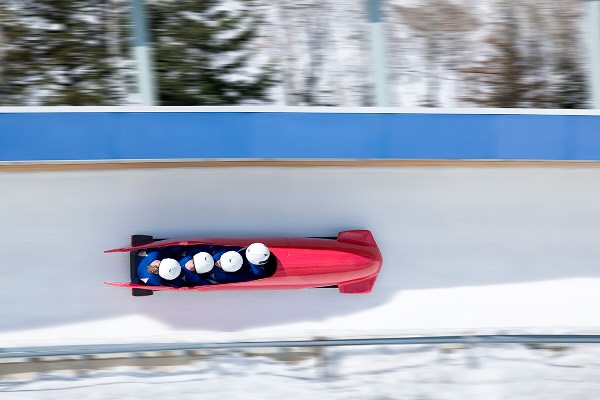
- The Sport: Bobsledding delivers one of winter’s purest adrenaline hits. Riders load into a streamlined sled, grip tight, and plunge down an icy track that twists and drops at unreal speeds. Even with a pro pilot, G-forces remind riders why this is an Olympic classic.
- The Where: Utah Olympic Park in Park City is located just 35–45 minutes from Salt Lake City International Airport, featuring direct flights from across the U.S. and regular shuttle services.
- The How: The Comet Bobsled experience pairs novices with a trained pilot and brakeman. After a safety briefing, riders hit speeds reaching 60–70 mph on a real Olympic track.
- Why Here: This is the authentic track from the 2002 Winter Olympics, which still trains world-class athletes today.
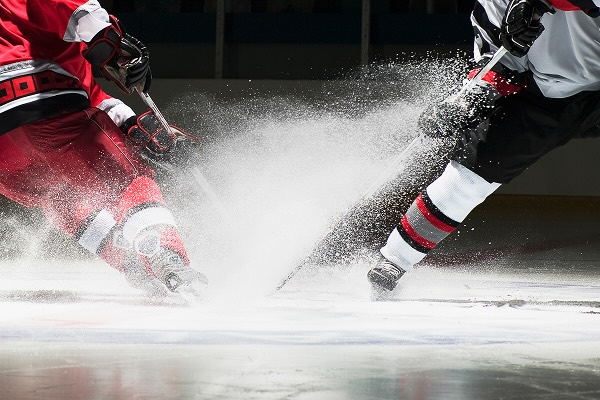
2. Ice Hockey: Lake Placid, New York
- The Sport: Ice hockey blends speed, precision, and strategy. Skates cutting into the ice inside an authentic arena provide an electric atmosphere for beginners and veterans alike.
- The Where: Tucked in the Adirondacks, Lake Placid is a two-hour drive from Albany International Airport or three hours from Burlington and Montreal.
- The How: The 1932 & 1980 Olympic Center offers beginner-friendly skating and hockey clinics, stick-and-puck sessions, and public skate times.
- Why Here: This is the historic site of the 1980 "Miracle on Ice," where the U.S. defeated the Soviet team. Skating on this ice connects visitors directly to living sports history.
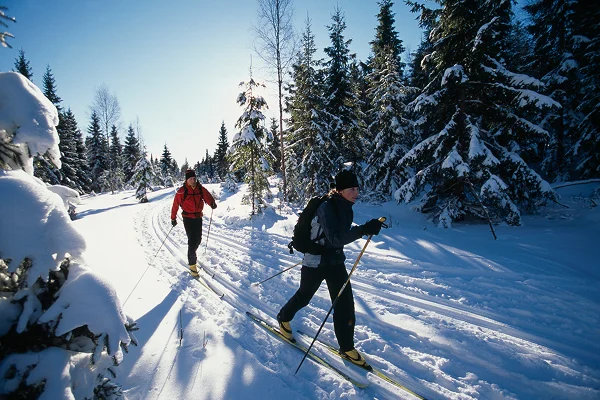
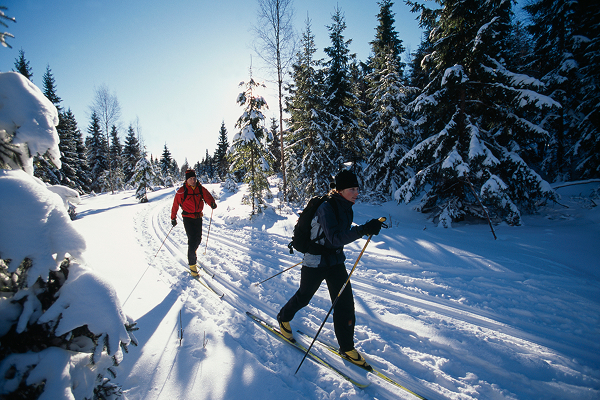
3. Cross-Country Skiing: Sun Valley, Idaho
- The Sport: Cross-country skiing offers a full-body workout blending endurance, rhythm, and quiet exploration through pristine snowscapes.
- The Where: Accessible via Friedman Memorial Airport in Hailey, Sun Valley’s Nordic Center sits conveniently near a charming, historic mountain village.
- The How: The Sun Valley Nordic Center provides lessons tailored to first-timers, complete with on-site gear rentals and miles of impeccably groomed trails.
- Why Here: Sun Valley has been a premier winter sports hub since the 1930s, offering Olympic-standard terrain combined with a classic, old-Hollywood alpine aesthetic.
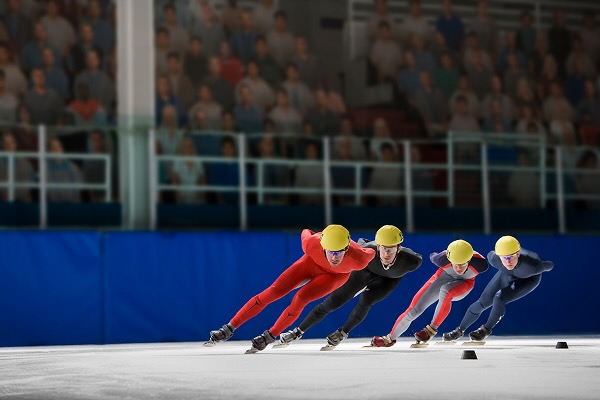
4. Speed Skating: Milwaukee, Wisconsin
- The Sport: Speed skating focuses on power, precision, and rhythm around an oval track. Beginners quickly grow hooked on the thrill of maximizing velocity on ice.
- The Where: The Pettit National Ice Center is located 15–20 minutes from downtown Milwaukee, easily reached via Mitchell International Airport.
- The How: Public lessons at the Pettit center guide novices through proper technique, cornering, and stride mechanics with on-site skate rentals.
- Why Here: It is one of only a handful of indoor long-track ovals in the world and serves as a year-round training ground for elite U.S. athletes.
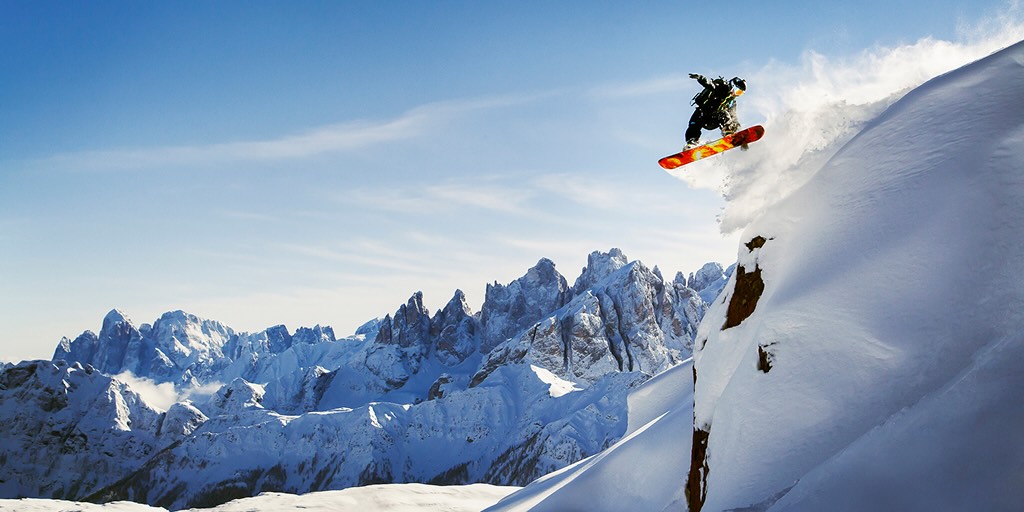
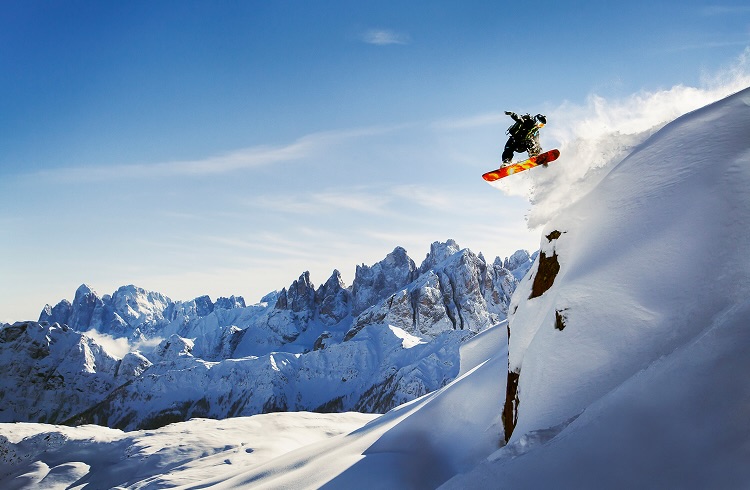
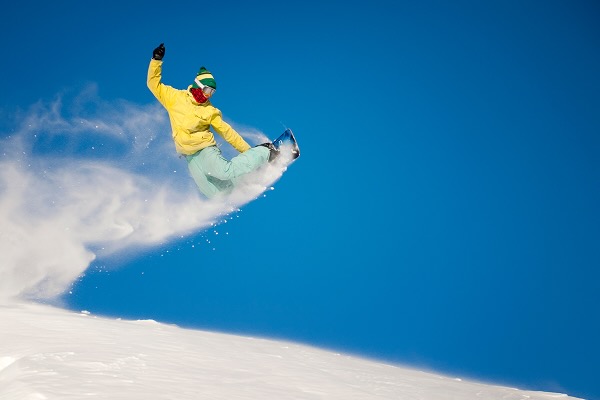
5. Snowboardcross and Alpine Racing: Mt. Hood, Oregon
- The Sport: Navigating gates, rollers, and banked turns tests balance, reflexes, and focus on skis or snowboards.
- The Where: Mt. Hood is situated just over an hour from Portland, with resorts like Mt. Hood Meadows and Timberline Lodge sitting directly on the slopes.
- The How: Dedicated lesson and race programs guide skiers and snowboarders through gate technique and progression drills using on-site rental equipment.
- Why Here: Mt. Hood features a remarkably long season, glacier views, and world-class training programs designed to build technical mastery safely.
6. Figure Skating: Colorado Springs, Colorado
- The Sport: Figure skating merges grace, strength, and spatial awareness, challenging balance and rhythm through spins, footwork, and precise glides.
- The Where: The Broadmoor World Arena is a short drive from downtown Colorado Springs and roughly 90 minutes from Denver International Airport.
- The How: Adult and youth Learn to Skate USA sessions offer step-by-step instruction from absolute basics to advanced footwork.
- Why Here: Widely considered the birthplace of U.S. figure skating excellence, this rink—alongside the nearby U.S. Figure Skating Hall of Fame—carries a legacy of producing world-class champions.
Official Responses and Industry Perspectives
Tourism boards, winter sports organizations, and insurance providers have taken note of the skillcation boom. Industry analysts note that travelers are no longer satisfied with passive consumption; they want to return home from a trip with a tangible takeaway, whether that is a physical souvenir, a memory, or a newly mastered athletic competency.
"Travelers are investing their discretionary income into transformative experiences," notes a tourism development specialist in the Mountain West. "When someone spends a weekend learning to skate where gold medalists train, they aren’t just visiting a destination—they are emotionally engaging with its history. That creates a much deeper, more loyal connection to the location."
Concurrently, sports safety organizations and hospitality groups have collaborated to expand instructional infrastructure. Resorts have significantly scaled up their beginner-to-intermediate coaching pipelines, recognizing that a safe, well-guided introduction is the primary catalyst for turning casual vacationers into lifelong winter sports enthusiasts.
Implications: Risks, Rewards, and the Importance of Travel Insurance
While the psychological and physical rewards of a winter skillcation are immense, stepping outside of one’s comfort zone introduces inherent risks. Icy tracks, high-velocity turns, and unfamiliar equipment mean that bumps, bruises, and unexpected medical events can happen to even the most cautious learners.
This is where the logistics of adventure travel meet practical preparedness. Industry experts strongly advise travelers embarking on high-activity winter trips to secure comprehensive travel insurance.
Why Travel Insurance Matters for a Winter Skillcation
- Medical Protection: Unplanned falls on the slopes can occasionally lead to injuries requiring immediate medical attention, emergency transport, or localized treatment far from home.
- Logistical Disruptions: Winter weather is notoriously unpredictable. Comprehensive plans can assist if severe storms cause sudden flight cancellations or extended travel delays.
- Gear and Baggage Issues: Whether an airline misplaces specialized winter apparel or transit delays disrupt an itinerary, insurance can provide a financial safety net.
Note: Travel insurance policies vary significantly based on the traveler’s country of residence, state, or province. It is vital for travelers to carefully read policy documents, terms, conditions, limitations, and exclusions to ensure their chosen activities are fully supported under their specific plan.
Ultimately, the winter skillcation represents a brilliant evolution in how we vacation. By trading passive relaxation for active engagement, travelers can challenge themselves, connect with sports history, and return home with far more than just photographs—they return home with a brand-new skill.
 Reynand Wu
  Asro
Asro  Neng Nana