

By Gabriel Mungarrieta
Published by World Nomads
Hot air balloons drifting in a synchronized ballet over the otherworldly, lunar landscape of Cappadocia at sunrise. Cave hotels carved meticulously into ancient, wind-whipped rock faces. Long, sun-drenched coastline lunches that roll lazily from the high noon heat into the cool, amber shadows of the afternoon. At first glance, Turkey presents itself as an aesthetic and cultural heavyweight—and consequently, a destination where a traveler’s budget might quietly, yet rapidly, evaporate.
It is textured, theatrical, and, to the untrained eye, undeniably expensive.
However, seasoned travel writer Gabriel Mungarrieta is here to challenge that prevailing assumption. Turkey does not have to be an exercise in financial depletion. Rather, it operates on a completely different rhythm for those willing to pay attention. By leveraging overnight transit networks, embracing worker-run lokantas (local diners), and making strategic, culturally attuned choices, travelers can avoid sacrificing authentic experiences. In fact, moving in sync with Turkey’s natural cadence reveals a country that is not merely "cheap" in the tired backpacker cliché sense, but one that richly rewards awareness, confidence, and a localized approach to economics.
Main Facts: The Economic Realities of Modern Turkish Travel
To understand how to navigate Turkey on a budget, one must first deconstruct the current travel landscape. Turkey’s tourism sector has experienced dramatic shifts over the past decade, characterized by fluctuating inflation rates, a surging influx of international visitors to key hubs like Istanbul and Antalya, and a growing divide between hyper-commercialized tourist zones and traditional domestic destinations.

- The Scale of Savings: By utilizing work-exchange platforms, travelers can completely eliminate their primary travel expense—accommodation—while gaining access to localized perks, such as steeply discounted hot air balloon excursions.
- Domestic vs. International Tourism Corridors: While international hotspots command premium, westernized prices, domestic vacation hubs—such as Yalova and Termal—maintain steady, affordable pricing structures designed for Turkish families.
- The Mechanics of Long-Distance Transit: Turkey boasts a highly structured, reliable long-distance bus network operated by companies like Kamil Koç, which effectively doubles as both transportation and a night’s lodging when utilized for journeys exceeding eight hours.
- Cultural Commerce: Bazaar culture is not a fixed-price retail environment; it is a social ritual predicated on respectful, phased negotiation where the opening quote is merely a baseline.
Chronology: A Step-by-Step Strategic Blueprint
The methodology of budget travel in Turkey is not built on sudden, erratic decisions; rather, it follows a deliberate chronological structure. From pre-trip planning to late-night improvisations on the ground, here is how a savvy traveler sequences an economical journey through the country.
Phase One: Securing the Foundation Through Volunteering
The most transformative tactical move a traveler can make in Turkey is to stop moving constantly and stay put. By utilizing international work-exchange platforms such as Worldpackers, travelers can secure free lodging—and frequently meals—in exchange for a modest commitment of a few hours of daily assistance.
Mungarrieta’s journey utilized this approach across Termal, Cappadocia, and Kaş. While most hosts request a minimum commitment of approximately two weeks, this structure rewards travelers who possess schedule flexibility. Beyond the financial savings of free accommodation, the indirect dividends can be staggering.
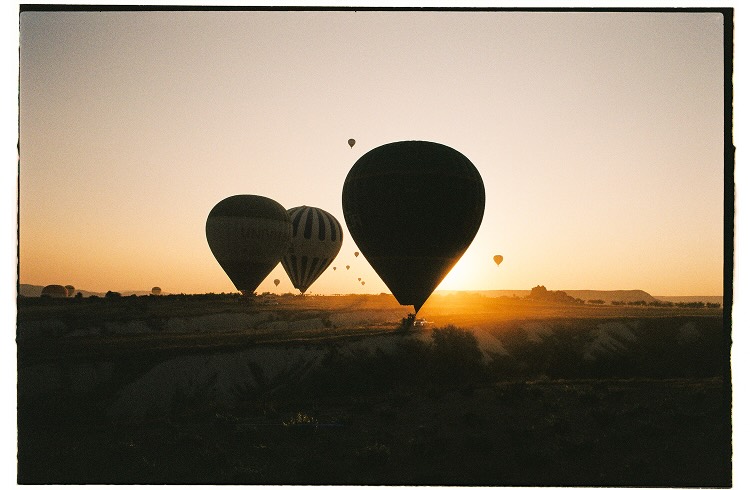
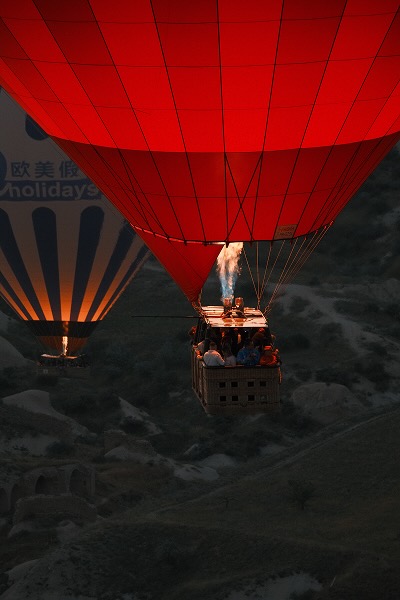
"Because I was working at the hotel in Cappadocia, I was offered a heavily discounted—around 70% off—hot air balloon ride, something I likely would have skipped at full price to fit within my ‘backpacker budget.’ The savings from that ride alone equalled several nights of accommodation," Mungarrieta notes.
Volunteering transforms budget travel from a chore of perpetual penny-pinching into a temporary immersion in community life.
Phase Two: Shifting Geographies to Follow Domestic Holiday Patterns
A golden rule of economical travel is to go where the locals go. In Turkey, this axiom applies directly to geographical selection. Prices remain stable and reasonable in regions favored by Turkish families rather than international tour groups.
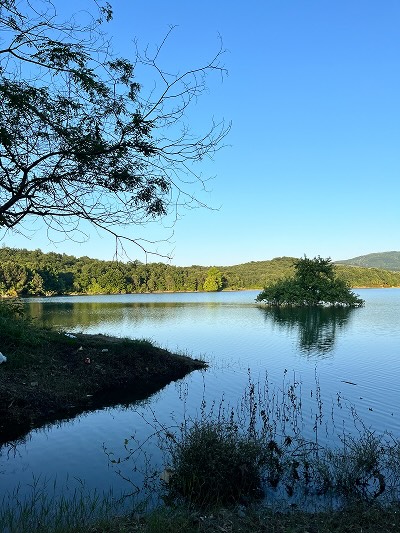
A prime example is Yalova, a vibrant coastal city reachable by ferry from Istanbul, and the nearby valley town of Termal. Largely overlooked by mainstream foreign itineraries, Termal has been celebrated for its healing thermal hot springs since the era of the Roman Empire. By choosing destinations deeply woven into domestic tourism rather than global bucket-list circuits, travelers bypass inflated pricing structures while gaining access to richer, more authentic cultural contexts.
Phase Three: Mastering Bazaar Diplomacy
Shopping in Turkey’s historic bazaars is an exercise in theatrical commerce. The initial price quoted by a vendor is rarely a fixed figure; it is the opening salvo in an intricate social ritual.
Mungarrieta outlines a simple psychological framework for navigating this environment:
- Internal Valuation: Before inquiring about an item, determine a price that feels genuinely fair to you, avoiding the trap of trying to force the absolute lowest numerical value.
- Graceful Declination: When the vendor states their opening price, respond without defensiveness. A light smile and a polite shake of the head are far more effective than aggressive pushback.
- The Walkaway Power: If the price remains misaligned with your internal valuation, politely walk away. In the vast majority of cases, the vendor will call you back with a significantly revised offer.
Bargaining in Turkey, when executed with calm respect, shifts from a stressful confrontation into an enjoyable cultural exchange.
Phase Four: Transforming Transit into Lodging
Long-distance bus travel in Turkey is exceptionally organized, comfortable, and reliable. For journeys exceeding eight hours, overnight transit serves as a dual-purpose asset.
Utilizing bookingaggregators like Obilet to compare operators—with Kamil Koç standing out for superior legroom, functioning climate control, and attentive onboard service—travelers can board an evening coach, equip themselves with earplugs and an eye mask, and wake up as dawn breaks in a brand-new city.
Most long-distance routes include complimentary Turkish tea and packaged snacks. By sleeping through transit, travelers effectively cancel out the cost of a hotel night while maximizing their waking hours for exploration upon arrival.
Phase Five: The High-Risk, High-Reward Late-Night Booking Strategy
For travelers operating outside peak holiday seasons who possess a healthy tolerance for uncertainty, a bold tactical move involves booking accommodation late in the evening.
An empty hotel room at 8:00 PM or 10:00 PM represents lost revenue for independent operators, particularly in smaller towns. Approaching hoteliers late in the day often invites a more flexible, relaxed conversation regarding room rates. While this strategy should never be attempted during high season or major festivals, it can yield remarkable windfalls for solo travelers just passing through. Mungarrieta recalls securing a family-run room at a fraction of its original cost late at night, complete with a warm, homemade meal and a welcoming atmosphere.
Supporting Data & Economic Observations
| Strategy | Primary Expense Reduced | Secondary Benefit / Return on Investment | Risk Factor / Requirement |
|---|---|---|---|
| Work-Exchange Volunteering | Accommodation (100%) & Food | Insider local knowledge; deep community immersion; massive discounts on premium activities (e.g., hot air ballooning). | Requires time commitment (typically 2-week minimum stays). |
| Domestic Tourism Hubs (Termal/Yalova) | Daily Cost of Living & Lodging | Exposure to authentic historical sites (Roman hot springs) with zero tourist crowds. | Less English spoken; requires cultural adaptability. |
| Overnight Intercity Buses | Accommodation (1 night) + Intercity Travel | Efficient time management; morning arrival in new destinations (e.g., Antalya/Kaş). | Sleep quality varies; requires adherence to rest-stop schedules. |
| Bazaar Negotiation | Retail Goods & Souvenirs | Cultural engagement; fair-market purchasing without overpaying. | Requires patience, emotional detachment, and polite demeanor. |
| Late-Night Hotel Booking | Accommodation (Up to 50-70% off) | Serendipitous hospitality; supporting family-run independent businesses. | High uncertainty; completely unviable during peak season or festivals. |
Official Responses and Tourism Sector Perspectives
While budget travel culture often operates on the periphery of official tourism boards, broader economic shifts in Turkey have brought alternative travel models into sharper focus. Representatives from regional tourism offices in areas like Yalova note a deliberate push toward diversifying visitor demographics.
"For years, international marketing was hyper-focused on Istanbul, Cappadocia, and the Mediterranean coastline," notes a regional tourism development consultant based in northwestern Turkey. "However, sustainable tourism models require distributing economic impact. Encouraging travelers to explore thermal towns, agricultural valleys, and utilize regional transport networks not only relieves congestion in major hubs but also provides a more resilient economic foundation for local family-run enterprises."
Furthermore, cultural anthropologists emphasize that traveler participation in local systems—such as communal lokantas, regional bus networks, and work exchanges—fosters mutual respect. Rather than insulating oneself within luxury Western-style bubbles, budget travel anchored in local infrastructure creates a reciprocal exchange of value between visitor and host.
Implications: The Paradigm Shift of "Generous" Travel
The ultimate takeaway from Gabriel Mungarrieta’s exploration of Turkey is philosophical rather than purely financial. Budget travel is frequently mischaracterized as an exercise in deprivation—a race to the bottom where travelers cut corners, endure discomfort, and miss out on the soul of a destination in the name of saving money.
In Turkey, that paradigm shatters.
When a traveler aligns with local systems—riding the overnight coaches, eating where the workers eat, sleeping in valley towns powered by thermal springs, and volunteering in exchange for community—the financial savings are merely a byproduct of a much deeper alignment.
Affordability in Turkey does not feel like holding back. It feels like participation. It looks like sipping hot tea in the afternoon steam of a marble hammam, watching the light break over open water from the deck of a ferry, and catching a sunrise balloon ride made possible by a local connection.
Ultimately, Turkey proves that a journey does not need to be exorbitantly expensive to be luxurious in experience. When approached with awareness, confidence, and respect for its rhythms, Turkey does not feel cheap.
It feels profoundly, unforgettably generous.
 Reynand Wu
  Asro
Asro  Neng Nana