

By Ellen Hall | World Nomads Contributor
Published: January 2, 2025
Main Facts: The Shift Toward Untouched Horizons
In an era of hyper-connectivity and over-tourism, where iconic European squares and Southeast Asian beaches regularly implement visitor caps and ticketing systems, a quiet counter-movement is taking shape. Believe it or not, there are still vast parts of the world that remain relatively undiscovered.
From underrated urban centers and overlooked sovereign nations to hidden geographical pockets tucked away inside global hotspots, travelers are increasingly seeking out off-the-beaten-path alternatives. These 10 less-touristy destinations offer a more tranquil, authentic, and culturally immersive experience for those willing to venture beyond the standard tourist tracks.
Chronology and Evolution: How the 2025 Travel Landscape Changed
The motivation to seek out uncrowded alternatives has accelerated sharply over the past several years. As traditional tourism hubs rebounded with a vengeance post-2020, infrastructure strains became undeniable. Local communities, environmental conservationists, and savvy globetrotters alike began recognizing the urgent need to redistribute global tourism revenue.
- Late 2024: The aviation and infrastructure sectors responded to this demand. Notably, Mexico inaugurated the Chalacatepec Airport in Jalisco to gently open up the secluded "Happy Coast" (Costalegre), while conservation groups pressed forward with integrating raw frontiers like Cape Froward into official protected park frameworks.
- Early 2025: Transportation networks across emerging corridors saw major upgrades. Nicaragua advanced its Carretera Costanera project to improve Pacific shore access, and regional train and ferry links between Central European capitals made micro-destinations like Bratislava more accessible than ever.
- The Road Ahead: Throughout 2025, travelers are prioritizing sustainable exploration, favoring destinations where infrastructure is developing with ecological mindfulness rather than unchecked expansion.
Supporting Data: The 10 Underrated Alternatives
1. Bratislava, Slovakia
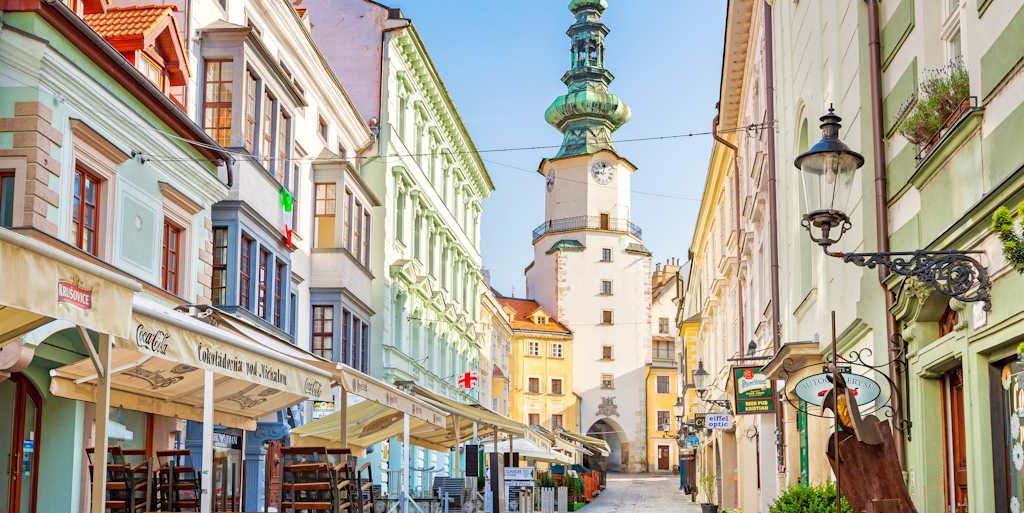
Overshadowed by the larger nearby metropolises of Prague, Vienna, and Budapest, Slovakia’s capital has been experiencing a quiet cultural renaissance. Featuring a compact, deeply walkable old town, an imposing Baroque castle perched above the Danube River, and a wealth of independent museums and galleries, Bratislava easily warrants more than a cursory glance.
- Culinary & Cultural Highlights: Sample traditional Slovak dishes like bryndzové halušky (potato and cheese dumplings), hunt down whimsical street art sculptures, and take in panoramic views from the futuristic "UFO Tower" atop Most SNP.
- Day Trips: Just miles outside the city center sits the 1,000-year-old Devin Castle, a critical regional archaeological site.
- Logistics: Easily reached from Vienna via a one-hour train or a 1.5-hour scenic ferry ride along the Twin City Liner. It remains one of the most affordable Eurozone capitals.
2. Ang Thong National Marine Park, Thailand
While Koh Samui remains a fixture of mass tourism, a serene marine sanctuary lies just to the east: Ang Thong National Marine Park. Spanning 42 uninhabited limestone islands, this archipelago’s cinematic beauty famously inspired Alex Garland’s cult novel The Beach.
- Getting Around: Accessible solely by boat from Koh Samui or Koh Pha Ngan. Travelers can bypass crowded group tour boats by hiring private speed charters to access hidden lagoons.
- Overnight Seclusion: For true tranquility, book a basic tent or bungalow on the main island of Ko Wua Talap. Once afternoon day-trippers depart, the islands belong entirely to overnight guests.
3. Zambia
Widely recognized as the birthplace of the walking safari—pioneered by conservationist Norman Carr in the late 1960s—Zambia offers an intimate wildlife viewing style distinct from traditional vehicular game drives.
- The Advantage: Though home to Africa’s coveted "Big Five" and thriving ecosystems, Zambia experiences a fraction of the visitor volume seen in neighboring Kenya, Tanzania, or Zimbabwe.
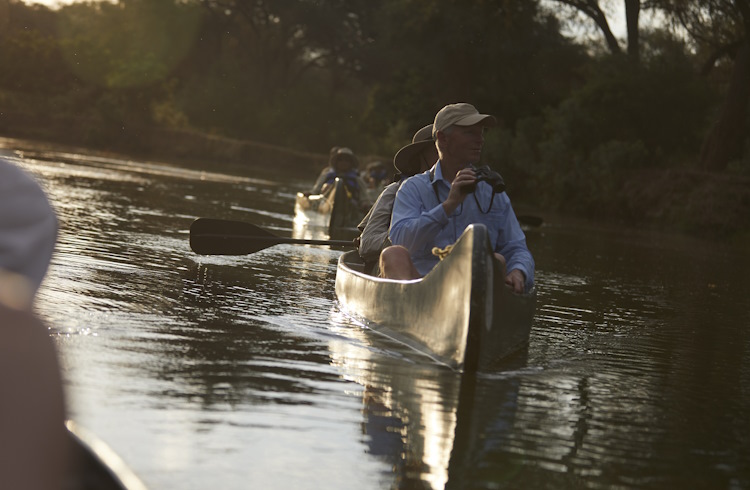
- Prime Locations: South Luangwa National Park remains a premier reserve for tracking on foot, while the Lower Zambezi offers immersive water-based safaris by canoe or small boat. Naturally, no trip is complete without witnessing the majesty of Victoria Falls.
4. Bolivia
Bolivia shares some of South America’s most celebrated natural wonders—including Lake Titicaca with Peru, the Amazon rainforest with Brazil, and surreal salt flats rivaling Chile’s Atacama. Yet, it stubbornly remains one of the least-visited and most affordable nations on the continent.
- Geographical Wonders: Bolivia uniquely hosts the world’s highest navigable lake, the highest administrative capital city, the largest salt flat, and massive tropical wetland ecosystems all within its borders.
- Infrastructure: While overland tourist infrastructure is more rustic than its neighbors, its internal bus and flight networks connect travelers to remote Andean peaks and deep jungle tracts alike.
5. Ha Giang Province, Vietnam
As popular hill-tribe regions like Sapa experience commercialization—with some cultural experiences tailored strictly for mass tourism—true seekers of authenticity are heading north to Ha Giang Province.
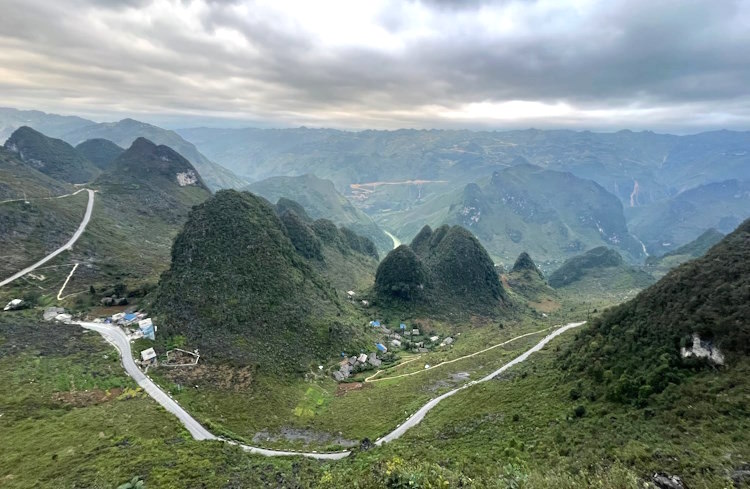
- The Experience: Home to ethnic minority communities including the Hmong, Tay, and Dao, Ha Giang’s dramatic karst mountain loops offer raw, untouched landscapes. Meghan Nelson of World Nomads notes: "The Ha Giang Loop was the highlight of our trip… we spent four days winding through lush mountains and rice fields, swimming in caves and under waterfalls."
- Access: Travelers typically take a bus from Hanoi to Ha Giang City, then engage licensed local motorbike drivers or join specialized jeep excursions.
6. Calabria, Italy
Occupying the toe of Italy’s geographical boot, Calabria shelters the country’s most pristine southern coastline. The "Coast of the Gods" along the Tyrrhenian Sea features cliffside towns like Tropea—voted Italy’s most beautiful village—paired with a contrasting rugged coastline along the Ionian Sea.
- Beyond the Beach: Calabria houses three expansive national parks defined by dramatic canyons and alpine lakes, deeply influenced by a rich historical blend of Greek, Byzantine, and traditional folkloric heritage.
7. Nicaragua’s Pacific Coast
Offering world-class surf breaks, pristine golden-sand beaches, and rainforests teeming with tropical biodiversity, Nicaragua mirrors the ecological appeal of Costa Rica without the heavy crowds.
- Infrastructure Growth: The ongoing construction of the Carretera Costanera coastal highway is dramatically improving access to surf hubs like San Juan del Sur, Playa Remanso, and Popoyo.
- Conservation: Near Popoyo lies the Río Escalante-Chacocente Wildlife Reserve, a globally critical nesting ground where massive arribadas of Olive Ridley sea turtles arrive between July and December.
8. Slovenia
Sandwiched between Italy, Austria, and Croatia, Slovenia delivers the same alpine majesty and red-roofed coastal charm as its neighbors while maintaining a remarkably low profile on the mass tourism radar.
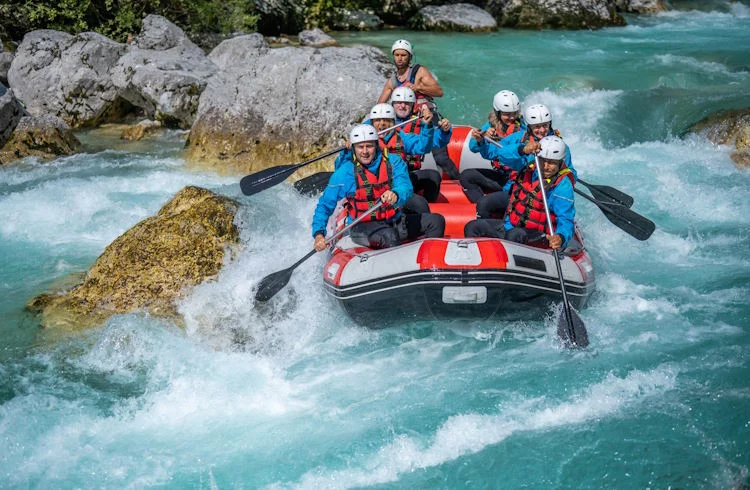
- Highlights: The ice-blue Soča Valley offers premier white-water rafting, canyoning, and paragliding above the Julian Alps. Meanwhile, the car-free coastal town of Piran provides a tranquil alternative to Venice, and Lake Bohinj offers a serene alternative to the heavily photographed Lake Bled.
9. Costalegre, Mexico
Stretching along the Pacific coastline from Puerto Vallarta to Manzanillo, Mexico’s "Happy Coast" has long remained secluded due to challenging driving distances. However, the recent opening of the Chalacatepec Airport in Jalisco is slowly introducing air connectivity.
- Sustainable Outlook: Unlike hyper-developed resort strips, regional stakeholders and eco-resorts are intentionally prioritizing low-impact, sustainable development to safeguard local biodiversity and pristine estuaries.
10. Cape Froward, Chilean Patagonia
While Torres del Paine national park frequently grapples with trail congestion, Chile’s broader "Route of Parks" encompasses 1,700 miles of protected lands stretching between mountains and fjords.
- The New Frontier: Cape Froward, the southernmost point of mainland South America, is the country’s newest national park addition. Protecting sub-Antarctic ecosystems, endangered huemul deer, and passing sei whales, it serves as the ancestral territory of the Kawésqar people, offering raw wilderness completely detached from mass tourism footprints.
Official Responses and Industry Perspectives
Global travel organizations and insurance providers have actively responded to this pivot toward uncrowded destinations.

- Risk Mitigation & Preparedness: Travel insurance and risk management bodies have updated their regional policies to address remote travel. Navigating remote walking safaris in Zambia, high-altitude trekking in Bolivia, or specialized surfing excursions along Nicaragua’s developing coastlines requires comprehensive coverage that extends beyond standard urban itineraries.
- Sustainable Stewardship Mandates: Tourism boards in regions like Calabria, Slovenia, and the emerging Costalegre corridor have issued official guidelines urging visitors to engage certified local guides, support locally owned eco-lodges, and respect fragile wildlife migration patterns—ensuring that these hidden corners of the world retain their pristine character for generations to come.
Implications: The Future of Mindful Exploration
The steady migration of travelers away from over-commercialized hubs toward under-the-radar destinations marks a structural maturation in global tourism. By choosing regions like Bratislava, Ha Giang, or Cape Froward, travelers are not merely seeking quiet photo opportunities; they are actively participating in a more sustainable economic model.
Spreading tourism revenue across underserved economies helps protect fragile ecosystems, honors indigenous heritages, and guarantees that the joy of genuine discovery remains alive in an increasingly crowded world.
 Reynand Wu
  Neng Nana