

By Mark Eveleigh
Published by World Nomads | Updated June 2024
Main Facts: Redefining the Geography of Bali
Bali has long battled a narrative of terminal overdevelopment. Ask the average traveler about the island, and they will likely paint a picture of bumper-to-bumper scooter traffic on narrow coastal roads, neon-lit beach clubs blasting electronic music in Canggu, and endless queues of tourists scrambling for sunset selfies at Tanah Lot or Uluwatu.
Yet, this vision of a hyper-commercialized paradise represents only a tiny fraction of the island’s actual landmass. Geographically speaking, claiming that Bali is entirely overdeveloped is akin to flying into JFK, spending a long weekend trapped in Midtown Manhattan, and then complaining that the United States has completely run out of wilderness.
The heavy footprint of modern tourism is concentrated almost entirely within a radius of less than 1.5 hours’ drive from the Ngurah Rai International Airport. Canggu, marking the western extremity of this heavily urbanized coastal strip, sits roughly an hour’s drive up the coast from the airport. Beyond this boundary, however, the landscape transforms drastically.
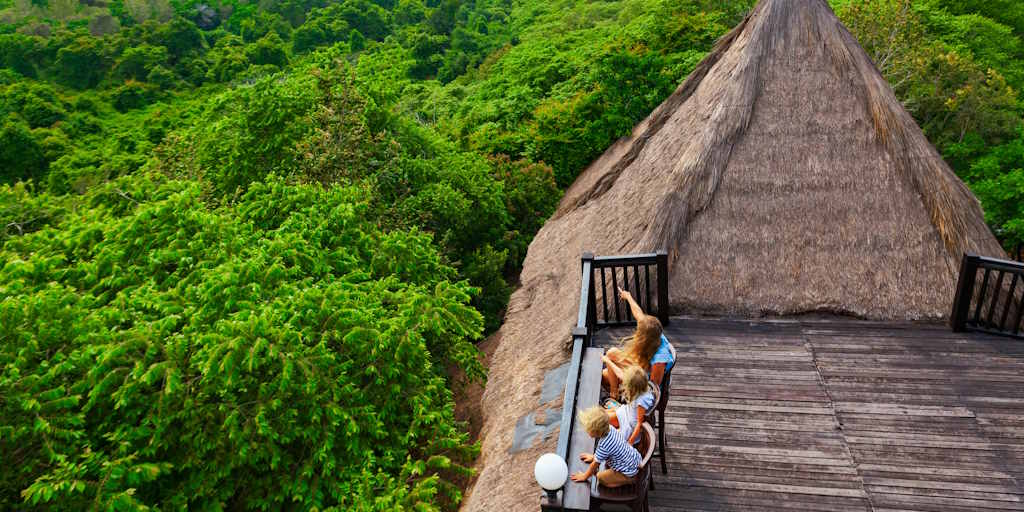
Just a few miles west of Canggu, the concrete gives way to an ocean of emerald rice paddies and tight-knit rural communities where foreign faces remain a novelty. Venture 30 miles (50 kilometers) west, and you enter a realm of sweeping coconut plantations, deserted black-sand beaches, unsurfed reef breaks, and vast, uninhabited jungle hills. Today, these pristine tracts still cover approximately one-tenth of the island’s total area. Welcome to Bali’s Wild West—a region rich in culture, wildlife, and natural beauty that remains defiantly off the global tourism radar.
Chronology and Exploration: A Journey Through Time and Terrain
To understand West Bali is to understand a region shaped by centuries of cross-cultural maritime trade, ancient spiritual migrations, and a steadfast dedication to preserving indigenous traditions.
The 16th-Century Legacy: The Story of Rambut Siwi
The historical weight of West Bali is perhaps best embodied by its sacred architecture. In the 16th century, the revered Javanese high priest Danghyang Nirartha—a foundational figure in the shaping of modern Balinese Hinduism—traveled along the island’s southern coast. According to local lore, he arrived in the Jembrana region during the grip of a devastating epidemic and successfully cured the local population.
In profound gratitude, the inhabitants begged him to stay. While he ultimately moved on, Nirartha left behind a lock of his hair as a spiritual shield for the community. This sacred hair—known locally as rambut, with siwi denoting worship—is still preserved within a specialized shrine at the Rambut Siwi Temple. Today, the temple commands sweeping views over 10 miles of deserted coastline, offering a stark, tranquil contrast to the crowded sea temples of the south.
The 1958 Foundation of Palasari
West Bali’s chronology is also defined by religious pluralism. While Hinduism forms the cultural bedrock of the island, the western region houses unique pockets of cultural synthesis. In 1958, deep within the interior hills of Jembrana, the Catholic community of Palasari was established. Over time, it grew into a thriving parish of more than 1,300 congregants. The construction of the Sacred Heart of Jesus Church here fused European structural scale with intricate Balinese architectural motifs, creating a living monument to religious harmony that has stood for over half a century.
Supporting Data: West Bali by the Numbers
- 1.5 Hours: The maximum driving radius from the international airport where the vast majority of Bali’s tourism infrastructure and traffic congestion are concentrated.
- 10%: The estimated portion of Bali’s total landmass still covered by vast, uninhabited jungle hills in the western region.
- 30 Miles (50 km): The distance from Canggu where commercial development abruptly fades into pristine wilderness, deserted beaches, and untamed surf.
- 205 Species: The rapidly expanding count of bird species recorded within the boundaries of the West Bali National Park, led by the critically endangered Bali starling.
- US $12 (Rp 200,000): The standard conservation entry fee required to access the protected habitats of West Bali National Park.
- 1,300: The approximate size of the Catholic congregation residing in the unique church-anchored village of Palasari.
Official Responses and Conservation Efforts: Protecting the Wild
As the pressure of global tourism creeps further outward from the south, local communities, conservationists, and authorities in West Bali are taking proactive measures to safeguard the region’s ecological and cultural assets.
Sustainable Heritage: The Pink Buffalo Initiative of Pekutatan
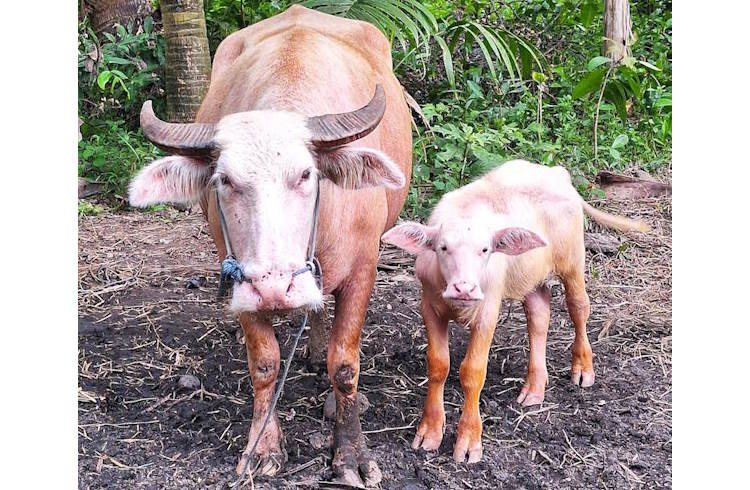
In the agricultural town of Pekutatan, local rice-farmer Pak Sudana has spearheaded a grassroots conservation model to protect one of the planet’s rarest agricultural anomalies: a dwindling herd of completely pink water buffalo. Historically, cattle in rural Bali faced perilous fates—either sold for sacred religious sacrifices or subjected to grueling exploitation in mekepung (traditional buffalo chariot races) held on Sunday mornings south of Negara city.
Rather than feeding into these high-stress industries, Sudana has pioneered a sustainable economic alternative. By inviting respectful travelers to take guided beach walks with his herd—highlighted by an exceptionally photogenic calf named Pinkko—he generates ethical tourism revenue. This financial model ensures the preservation and humane treatment of these rare animals without compromising traditional agrarian lifestyles.
National Park Protection and Wildlife Management
At the extreme northwestern tip of the island, the West Bali National Park serves as the ultimate stronghold for the island’s endemic fauna. Encompassing mangrove forests, savannahs, coral reefs, and mountainous rainforests, the park is tightly regulated to prevent the ecological degradation seen elsewhere in Southeast Asia.
Conservation protocols dictate that all visitors must be accompanied by certified local guides and pay mandatory conservation tariffs. Local authorities, in coordination with park rangers and community liaisons like wilderness guide Mohamed Idriss, strictly monitor human activity to protect fragile populations of the endemic Balinese ebony leaf monkey, giant black squirrels, wild sambar deer (menjangan), and the flagship species of the region: the stark-white Bali starling. Once brought to the absolute brink of extinction by poaching, intensive captive breeding and strict park protection programs have allowed this iconic "bird of paradise" to slowly reclaim its native canopy.
Five Unique Experiences in Bali’s Wild West
For travelers willing to look beyond the well-trodden paths of Ubud and Seminyak, West Bali offers an array of experiences found nowhere else on the archipelago.
1. Walk with Pink Buffalo in Pekutatan
Step away from the standard tourist itineraries and into the lush agricultural fields of Pekutatan. Here, amidst towering coconut palms and emerald terraces, you can walk alongside Pak Sudana and his astonishingly pink water buffalo. It offers an intimate glimpse into traditional Jembrana agrarian life and supports grassroots animal conservation.
2. Trek, Dive, and Encounter Wildlife at West Bali National Park
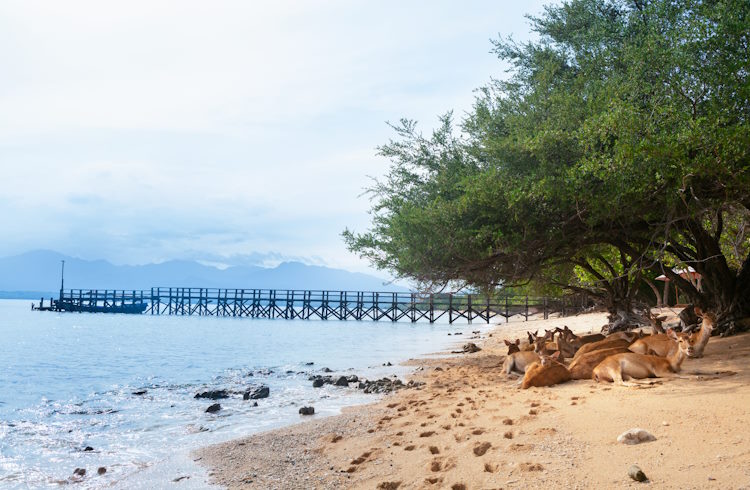
While Menjangan Island—sitting just a mile off the northern tip—draws snorkelers and scuba divers with its thriving populations of reef sharks, turtles, and occasional whale sharks, the terrestrial park demands equal attention. Traverse the jungle trails on foot, mountain bike, or horseback to encounter wild sambar deer wandering freely along coastal mangroves, alongside macaques, giant monitor lizards, and the elusive Bali starling.
3. Behold the Vibrant Fleet at Perancak
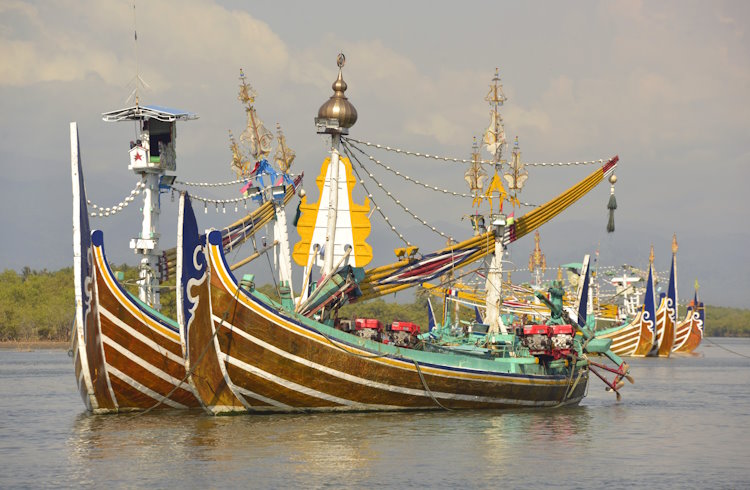
While surfers flock to the jagged reef breaks of Medewi, few venture a short distance further to witness the maritime spectacle of Perancak. According to the Australian National Maritime Museum, this inlet hosts the world’s most spectacular traditional fishing fleet. Over 100 brightly painted, 65-foot (20-meter) selerek vessels—outfitted with multi-propeller propulsion and gaudy, day-glo color schemes—mooor in pairs, operating poetically as "husband and wife" teams.
4. Explore Eclectic Temples and Multi-Faith Communities
Trade the crowded sunset viewfinders of Uluwatu for the solitary majesty of Rambut Siwi Temple. Beyond Hindu monoliths, West Bali’s cultural fabric is beautifully diverse. Discover the miniature Borobudur style of the Brahma Vihara Arama Buddhist monastery, or travel inland to Palasari to marvel at the Sacred Heart of Jesus Church—a monumental 1958 structure fusing European ecclesiastical architecture with distinct Balinese design elements.
5. Drive One of Asia’s Most Spectacular Jungle Roads
Embark on a dawn road trip along the solitary jungle artery connecting Pekutatan on the south coast to Seririt in the north. Ascending past cacao, rubber, and clove plantations, drivers pass beneath the natural canopy of the sacred Bunut Bolong tree—a living archway wide enough for large trucks to traverse. The route climbs through fruit orchards and coffee farms before descending toward the arid northern coast, where cactus, dragonfruit, and vineyards thrive under a completely different microclimate.
Implications: The Future of Sustainable Tourism in West Bali
The emergence of West Bali as an accessible frontier presents both an incredible opportunity and a profound warning. As overtourism chokes the infrastructure of the island’s southern districts, the temptation for rapid, uncontrolled commercial expansion in the west grows stronger.
The implications for the region hinge entirely on how growth is managed. If local governments, traditional village councils (desadat adat), and incoming travelers prioritize low-impact, community-based tourism—such as Sudana’s buffalo walks, strict national park guiding protocols, and eco-conscious accommodations—West Bali can serve as a blueprint for regenerative travel. It proves that economic development and cultural preservation are not mutually exclusive.
Conversely, an unmitigated rush of speculative real estate development risks destroying the very solitude, ecological integrity, and raw cultural authenticity that make the region so invaluable. For now, however, Bali’s Wild West remains a sanctuary—a place where the ancient rhythms of agriculture, maritime tradition, and untouched wilderness still dictate the beat of daily life.
Trip Notes for Travelers
- Getting There and Around: While the journey from the south is short, traffic heading toward Java on the main coastal arteries can be intense. Renting a scooter is economical, but navigating heavy transport requires confidence and experience. For safety and ease, it is recommended to hire a reliable local driver for the initial transit and rent a scooter locally upon arrival.
- Where to Stay: Tourism infrastructure is in its relative infancy compared to the south, but options range from budget-friendly guesthouses to boutique eco-resorts. Comprehensive regional lodging guides can be found via WestBali.net.
- Best Time to Visit: The dry season generally offers optimal weather, but the rainy season (November to March) features short, dramatic tropical downpours typically followed by bright spells of sunshine, making any month viable for exploration.
- National Park Permits: Accessing the West Bali National Park requires a standard conservation fee (approx. US $12 / Rp 200,000), and licensed guides are mandatory for all land and water excursions. Local coordinators, such as wilderness guide Mohamed Idriss (WhatsApp: +62 823 4018 5768), can assist in arranging permits and itineraries.
 Asro
Asro  Neng Nana