

By Gabriel Mungarrieta
Published by World Nomads
Main Facts: The Geography of the Milan-Cortina 2026 Winter Games
When global audiences tune in to the Winter Olympics, the athletic feats on the ice and snow inevitably capture the world’s attention. Yet, the true co-star of any Winter Games broadcast is the surrounding geography—the dramatic, snow-draped peaks, mirror-like frozen lakes, and timeless alpine villages that linger in the collective imagination long after the closing ceremony.
The Milan-Cortina 2026 Winter Olympic Games span an extraordinarily diverse swath of Northern Italy. This region does not merely serve as an athletic backdrop; it is a complex cultural and ecological tapestry. The 2026 Games footprint covers multiple distinct territories, extending from the hyper-modern design capital of Milan into the jagged limestone spires of the Dolomites and the deep glacial valleys of Lombardy and Trentino-Alto Adige.
This guide moves past the scoreboards and medal counts to examine the five core regions anchoring the Milan-Cortina 2026 Olympic zones. Far from being temporary sporting arenas, these destinations offer enduring travel experiences characterized by high-altitude wilderness, ancient thermal traditions, centuries-old artisan crafts, and world-class culinary heritage.
Chronology: From Ancient Routes to Modern Olympic Arena
The landscapes hosting the 2026 Winter Games have spent millennia evolving from isolated trade routes and rugged pastoral settlements into some of the most sophisticated travel destinations in the world.
Pre-Roman to Medieval Eras
Long before these valleys echoed with the cheers of sports fans, Northern Italy’s alpine passes served as vital arteries connecting the Mediterranean to Central Europe. Valleys like Bormio and Livigno were traversed by merchants, soldiers, and pilgrims. Bormio’s natural thermal springs, in particular, were utilized as early as the Roman Empire, recognized then—as they are today—for their therapeutic mineral properties.
The Rise of Alpine Mountaineering (19th Century)
The mid-to-late 19th century marked the birth of modern alpine tourism. British and European mountaineers began scaling the formidable peaks of the Dolomites, mapping the jagged ridgelines of Cortina d’Ampezzo and establishing mountain huts (rifugi). This era birthed the hospitality infrastructure that defines the region today, transforming subsistence-farming communities into havens for adventure seekers.
The 20th Century: Cortina’s First Turn on the Global Stage
Cortina d’Ampezzo played a pioneering role in Italian winter sports long before 2026. The town successfully hosted the VII Olympic Winter Games in 1956—the first Winter Olympics to be broadcast live on television globally. This event cemented Cortina’s reputation as the "Pearl of the Dolomites," blending Italian elegance with high-altitude sport.
The Milan-Cortina 2026 Era
Awarded the 2026 Winter Olympics, Italy adopted a decentralized model, leveraging existing infrastructure across Lombardy, Veneto, and Trentino-Alto Adige. This approach minimizes environmental impact while showcasing the vast economic and cultural breadth of Northern Italy. The Games unite the urban sophistication of Milan with the wild, remote frontiers of Livigno and the timeless valleys of Val di Fiemme, setting a new benchmark for regional tourism integration.
Supporting Data: Regional Profiles and Statistics
To truly understand the scale and diversity of the Milan-Cortina 2026 Olympic footprint, one must examine the metrics that define these five distinct regions.
| Region / Destination | Elevation / Key Geography | Defining Characteristics | Primary Appeal for Travellers |
|---|---|---|---|
| Livigno (Lombardy) | 1,816 meters (Valley floor) | Nicknamed "Little Tibet"; broad, sun-lit alpine bowls; high snow reliability. | Freestyle skiing, snowboarding, high-altitude spring hiking, duty-free shopping. |
| Bormio & Stelvio National Park (Lombardy) | Deep valley surrounded by three ridgelines; proximity to Stelvio Pass. | Ancient Roman thermal baths, steep championship ski slopes, rich medieval heritage. | Wellness tourism, historical exploration, demanding mountain passes. |
| Cortina d’Ampezzo (Veneto) | Cradled by the jagged peaks of the Dolomites. | The Enrosadira (alpenglow) phenomenon; high-end alpine glamour mixed with rugged wilderness. | Iconic photography, accessible deep-nature trails, luxury hospitality. |
| Val di Fiemme (Trentino) | Softer, heavily forested glacial valley. | Centuries-old source of resonance wood for Stradivarius violins; Nordic skiing hub. | Slow travel, acoustic heritage tourism, cross-country skiing, summer hiking. |
| Milan & Lake Como (Lombardy) | Urban metropolis paired with a 410-meter-deep glacial lake. | Italy’s financial and creative engine sitting just an hour south of alpine serenity. | Art, fashion, architectural contrast, reflective winter lakeside retreats. |
Detailed Regional Explorations
1. Livigno: The High-Altitude Wilderness
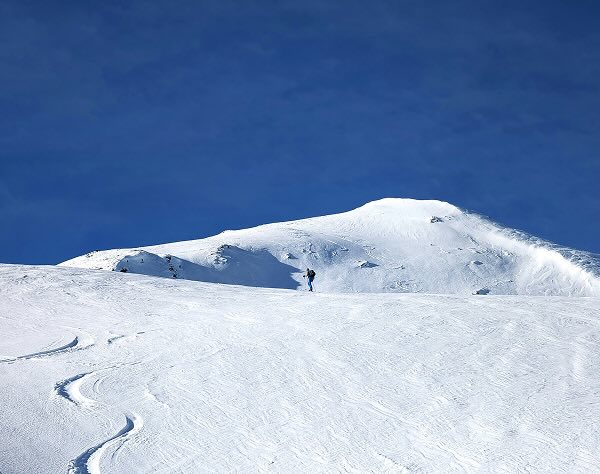
If you watch freestyle skiing or snowboarding clips during the 2026 Games, the dramatic white bowl looming behind the athletes is likely situated in Livigno. Sitting at an impressive elevation of 1,816 meters, the valley enjoys one of the longest and most snow-secure winters in Italy. Because of its isolated geography and wide, sweeping horizons, locals affectionately refer to it as "Little Tibet."
Livigno is far more than a winter sports mecca; it transforms seamlessly into a high-altitude hiking capital as the snow recedes in late spring. Trails leading directly into the sprawling Stelvio National Park begin right at the edge of the village, offering panoramic vistas that stretch across Lombardy toward the Swiss border. The atmosphere here is raw, remote, and deeply peaceful—providing a stark, refreshing contrast to the bustling pace of Italy’s major urban centers.
2. Bormio & Stelvio National Park: Thermal Waters and Ancient Culture
Located just over the mountain pass from Livigno, Bormio is an architectural marvel carved into a steep valley floor where three massive ridgelines converge. While internationally renowned for its punishing downhill ski courses, Bormio’s greatest secret lies underground: natural thermal waters that have flowed continuously since Roman times.
Travellers seeking an equilibrium of adrenaline and restoration will find few places better suited to their needs. Visitors can carve fresh tracks down championship slopes in the morning, wander through the remarkably preserved medieval old town in the afternoon, and soak in steaming thermal pools at night while gentle snowflakes fall around them. Bormio feels deeply rooted, offering an authentic window into centuries of unbroken Italian alpine culture.
3. Cortina d’Ampezzo: The Crown Jewel of the Dolomites
Cortina is arguably the most famous alpine postcard in the world, cradled by pale, jagged limestone peaks that ignite in brilliant shades of pink and orange at sunrise and sunset. This optical phenomenon—known as Enrosadira or alpenglow—is caused by the unique mineral composition of the dolomite rock and stands as one of Italy’s most breathtaking natural spectacles.
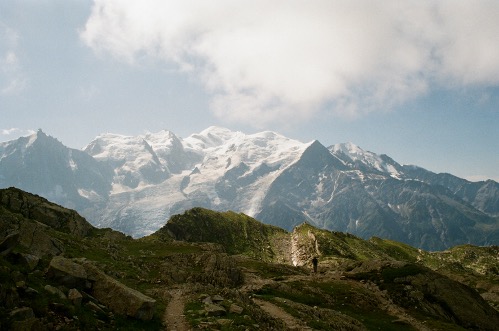
What sets Cortina apart is the remarkable accessibility of its wilderness. Within minutes of leaving the town center, travellers are fully immersed in pristine, untouched alpine landscapes. Even non-skiers are routinely captivated by the dramatic topography. Cortina successfully bridges two worlds, marrying high-end Italian elegance with raw mountain drama.
4. Val di Fiemme: The Slower Rhythm of Mountain Life
In contrast to the sharp, intimidating peaks of the Dolomites, Val di Fiemme presents a softer, more heavily forested landscape. While internationally famous as a premier destination for Nordic and cross-country skiing, the valley holds a fascinating cultural secret: its connection to Western classical music.
For centuries, the dense coniferous forests of Val di Fiemme have produced the hyper-resonant red spruce wood utilized by master luthiers to craft Italy’s finest violins, including those crafted by Stradivari. Traditional craftspeople still travel to these forests to personally select timber by hand, weaving acoustic history directly into the local economy. Quieter than Cortina and less isolated than Livigno, Val di Fiemme is the ultimate destination for slow travel, transitioning into an expansive hiking paradise during the warmer months.
5. Milan and Lake Como: From Urban Pulse to Glacial Serenity
While Milan serves as a high-profile host city for the 2026 Winter Games, it functions primarily as Italy’s creative, financial, and cultural engine. Brimming with world-class art galleries, cutting-edge fashion houses, and a striking modern skyline, the city maintains an electric energy throughout the winter months.
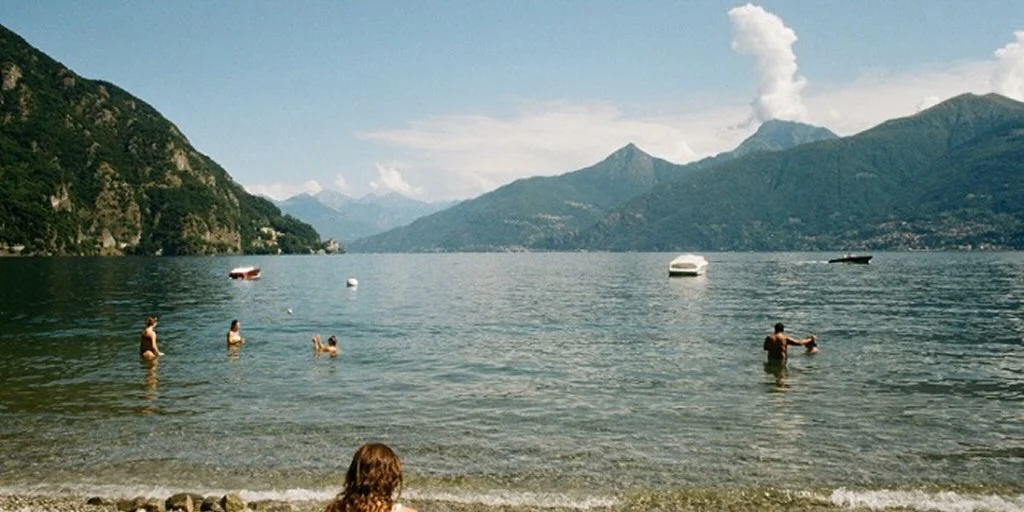
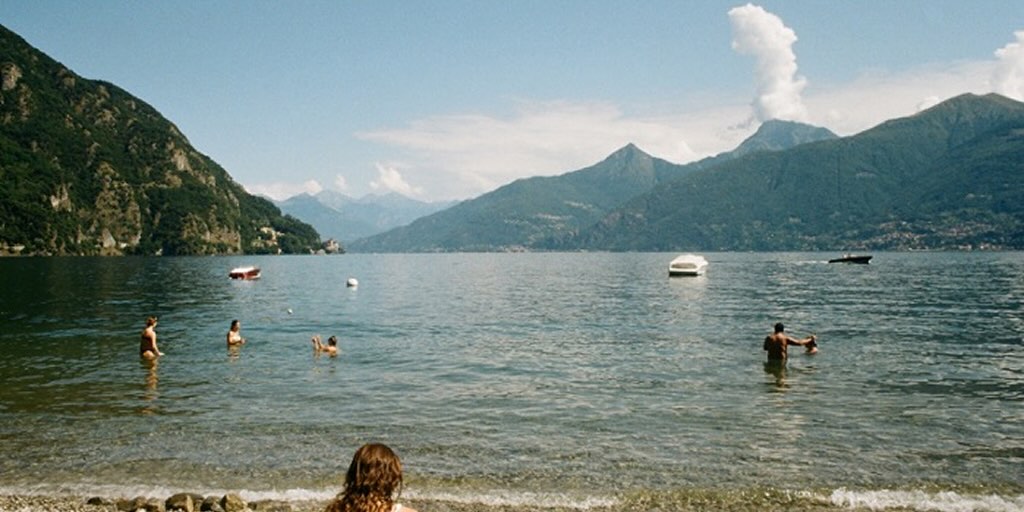
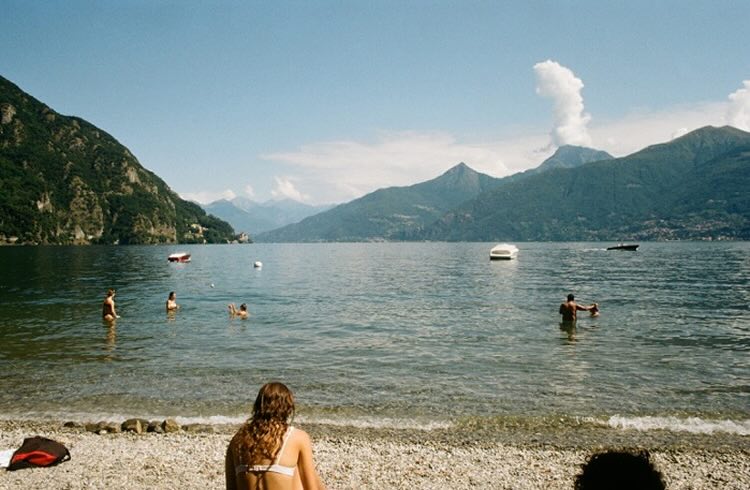
Yet, the true magic of Northern Italy lies in its geographical fluidity. Merely an hour north of Milan’s metropolitan buzz, the landscape dramatically softens. Lake Como emerges—still, deep, and framed by snow-dusted foothills. Reaching a maximum depth of 410 meters, Como is one of Italy’s deepest lakes, taking on a serene, contemplative quality in winter that contrasts sharply with its vibrant summer reputation.
Implications: Sustainable Tourism Beyond 2026
The Milan-Cortina 2026 Winter Olympics represent a pivotal moment for Italian tourism and regional development. By broadcasting these five distinct landscapes to billions of viewers worldwide, the Games act as an unprecedented catalyst for regional economic growth.
However, this global spotlight brings distinct responsibilities. Local authorities, environmental agencies, and tourism boards face the critical challenge of balancing international exposure with ecological preservation. Sustainable tourism initiatives—such as expanding electric public transit across alpine passes, protecting the fragile ecosystems of Stelvio National Park, and promoting off-season travel—are essential to ensuring that these landscapes are not loved to death.
For the independent traveller, the implications are clear. The infrastructure investments made for the 2026 Games make these regions more accessible than ever, but the true value of the trip lies in slowing down. Whether exploring the duty-free wilderness of Livigno, soaking in the Roman baths of Bormio, witnessing the alpenglow of Cortina, listening to the violin forests of Val di Fiemme, or pairing Milanese design with the calm waters of Lake Como, Northern Italy offers an invitation: to step off the sidelines, turn off the television screen, and experience the landscape firsthand.
 Asro
Asro  Neng Nana