

By Global Travel Desk
Published in partnership with World Nomads and Go2Africa
Main Facts: The Journey and the Vision
In the heart of southern Africa, far away from the curated aesthetics of digital travel influencers and algorithm-driven TikTok itineraries, lies a raw, unfiltered wilderness. For Darcy Keely, recipient of the prestigious 2024 World Nomads Travel Photo + Film Scholarship, the reality of the Zambezi River valley offered a profound paradigm shift.
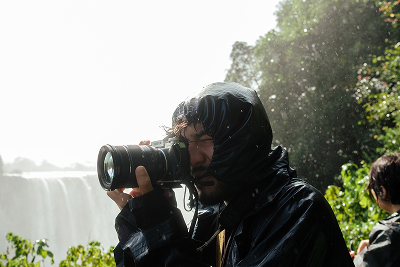
Curated and guided by Cape Town-based Africa safari specialists Go2Africa, the immersive photographic expedition was designed to test and refine the technical and artistic boundaries of emerging visual storytellers. Alongside fellow scholarship recipients Galia Kleinburg and Gabe, and under the expert mentorship of industry veterans Dan and Zora, Keely embarked on an assignment that transcended standard wildlife documentation.
Rather than chasing the elusive "hero shot" or scrambling to capture frantic animal action, Keely’s journey became an exercise in unlearning modern urgency. The experience underscored a timeless truth in travel journalism and wildlife photography: the most powerful stories are rarely captured by rushing; they are uncovered through stillness, deep observation, and the willingness to put the camera down.
Chronology: A Day-by-Day Awakening on the River
Arrival: Shattering the Digital Illusion
Long before stepping foot onto the African continent, Keely—like countless modern travelers—consumed hours of digital media. From Google Image searches to packing lists curated by lifestyle bloggers, the digital landscape promised a predictable adventure.
The reality of the Zambezi ecosystem, however, dismantled those expectations instantly. Stepping off the plane, Keely encountered a cold, biting air for which standard blogger-recommended wardrobes offered little defense. In the early morning hours, visible breath plumed into the crisp air, matching the collective hush of a landscape that seemed to hold its breath alongside him. This was not the commercialized Africa of slick tourism brochures or high-octane nature documentaries; it was deliberate, quiet, and profoundly grounding.
The Waterborne Epiphany
The turning point of the expedition occurred on the glassy surface of the Zambezi River. Drifting in a low-slung boat that grazed the water’s edge, the group moved silently toward a dense wall of river reeds.
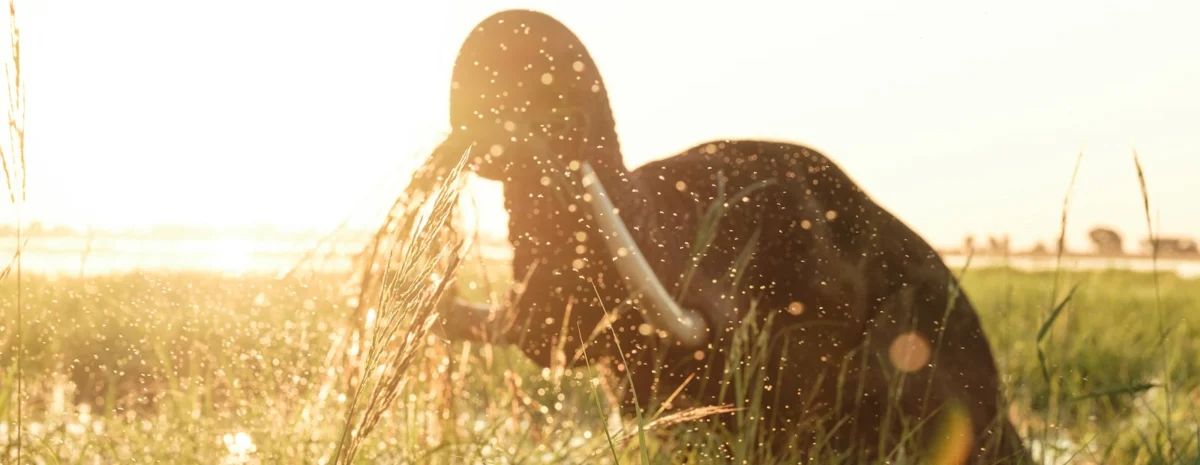
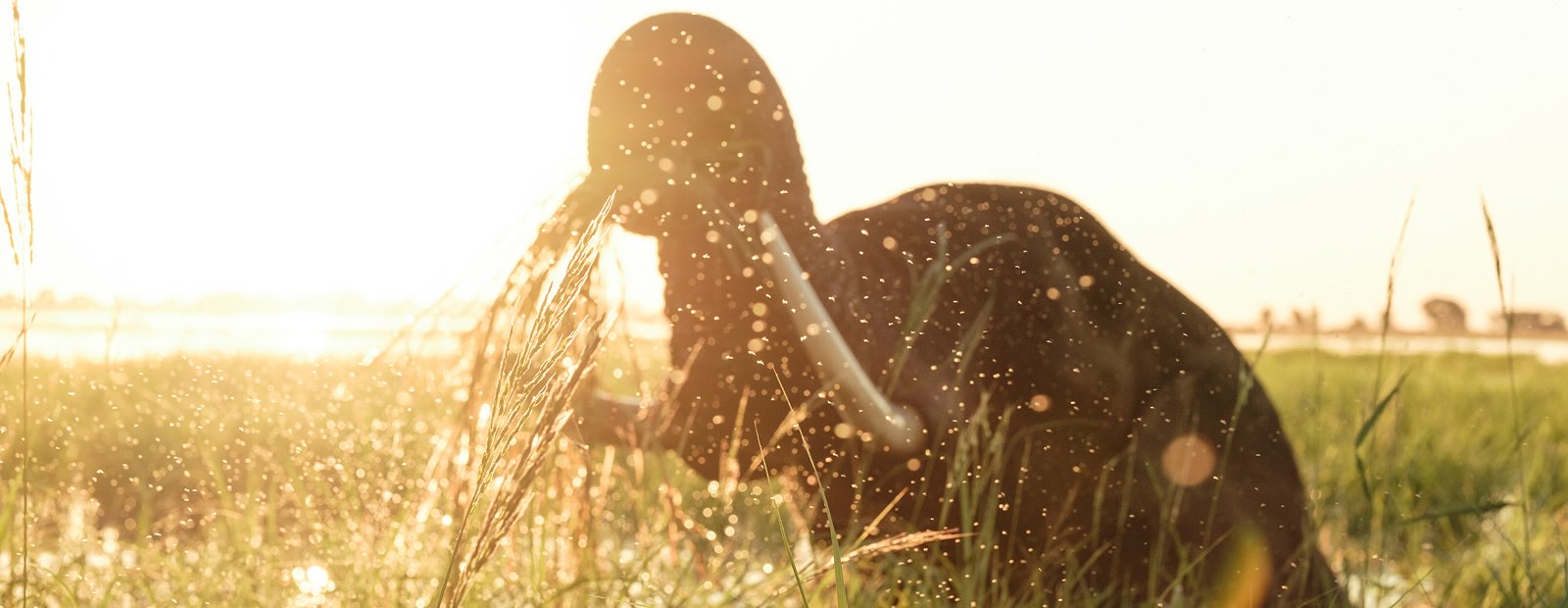
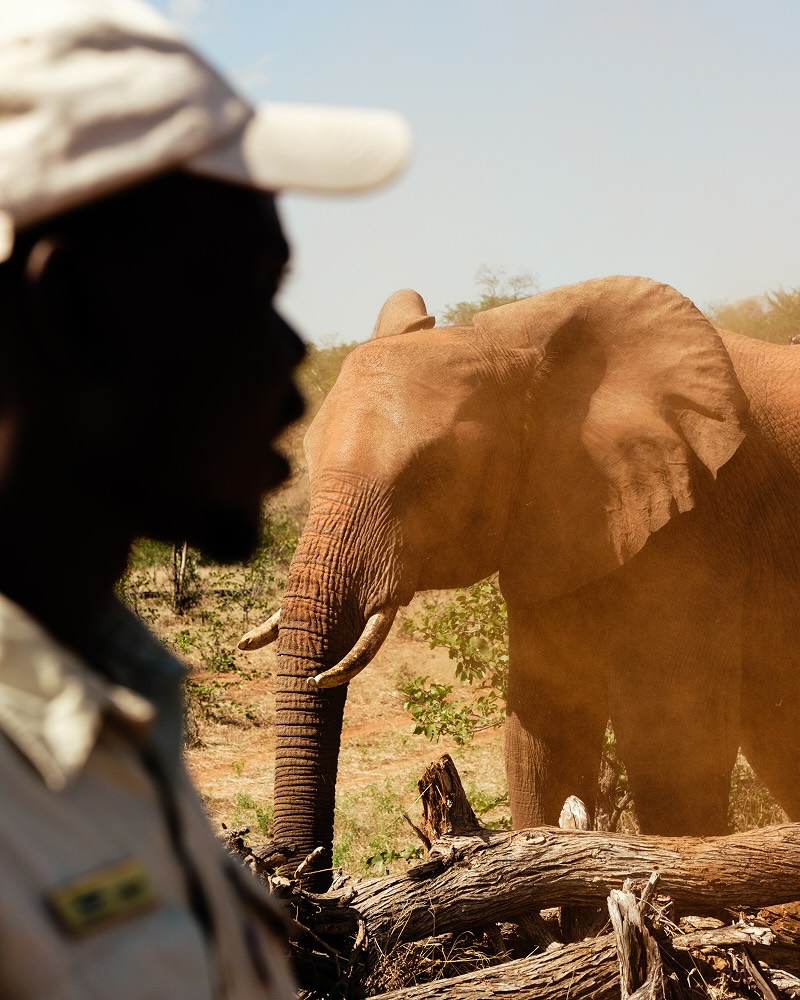
Without warning, three massive elephants emerged from the tall grass, moving with an innate, tranquil awareness of the boat’s presence. In that exact moment, surrounded by the sharp whine of mosquitoes and the infectious, unbridled grins of fellow scholars Galia and Gabe, Keely lowered his camera.
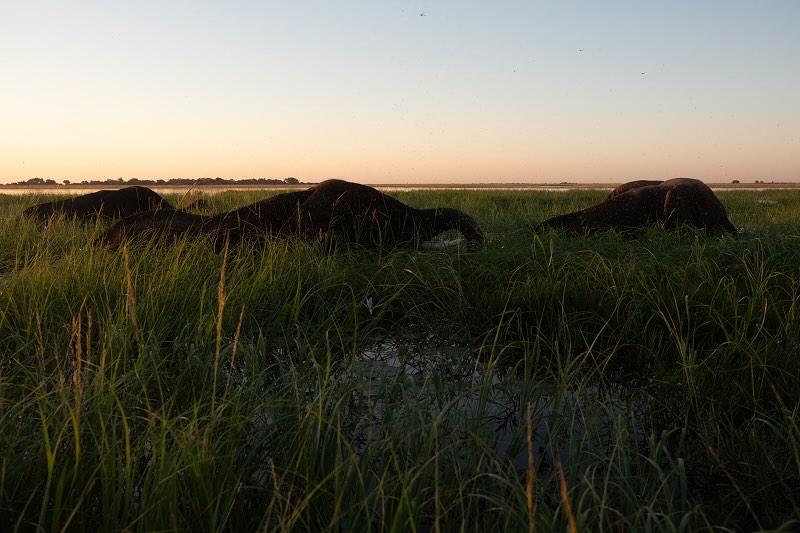
The realization struck him forcefully: the true magic of the safari was not rooted in novelty, nor was it captured in the frantic clicking of a shutter. It lived in shared humanity—witnessing seasoned mentors like Dan and Zora react with the same childlike wonder as novices experiencing the bush for the very first time.
Shifting Methodology: Letting the Day Dictate the Frame
Armed with this new perspective, Keely underwent a creative metamorphosis. The frantic anxiety of missing a shot gave way to deliberate patience. Instead of constantly changing lenses and panicking over passing action, he began making intentional compositional decisions early in the morning, trusting his instincts and allowing the natural rhythm of the day to guide his visual narrative.
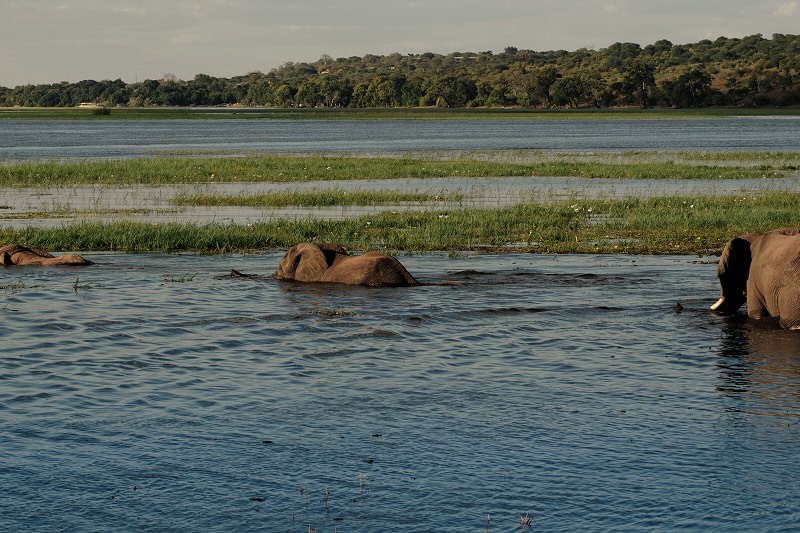
This newfound stillness brought unprecedented honesty to his work. The resulting photographs ceased to be mere records of wildlife encounters; they evolved into authentic explorations of mood, atmosphere, and environmental harmony.
Supporting Data & Observations: The Ecosystem of the Bush
The expedition was as much a lesson in human synergy as it was in wildlife observation. The scholarship cohort formed a tight-knit, collaborative "pack," defined by diverse artistic strengths and shared curiosities:
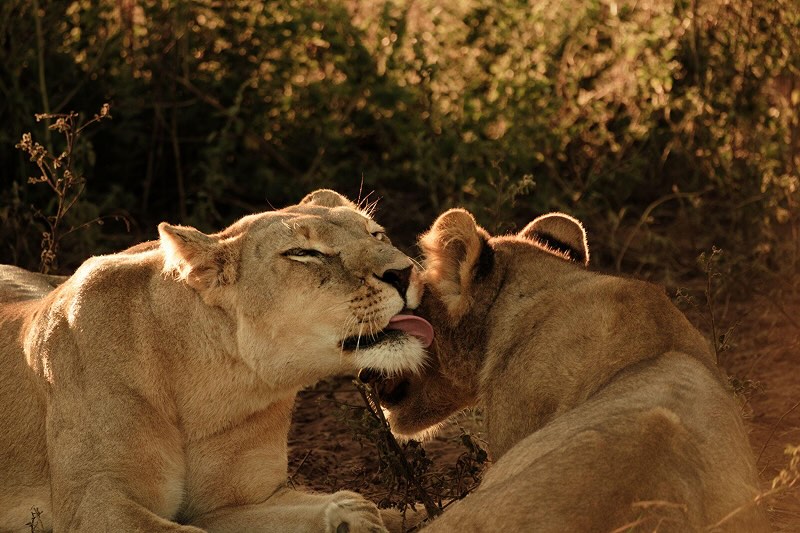
- Galia Kleinburg: Possessed an exceptional intuitive ability to capture atmospheric nuances and the poetic "in-between" moments of daily life in the wild.
- Gabe: Exhibited a rare, instinctive talent for framing the chaotic, dynamic energy of the natural world with precision and balance.
- Darcy Keely: Focused on developing patience, distilling narrative depth, and balancing technical precision with emotional presence.
Beyond the cohort, the local guiding team introduced the travelers to the cultural and ecological nuances that books cannot teach. Tracker Noel provided an unforgettable lesson in bush culture by introducing the group to a traditional pastime: competing to see who could spit springbok dung pellets the farthest. Far from a mere novelty, the lighthearted competition served as a metaphor for the entire journey—reminding the creators that while they came to observe the animals, the wilderness was ultimately teaching them how to see everything else.
Official Responses and Perspectives
The success of the 2024 Travel Photo + Film Scholarship highlights the vital role that expert-led mentorship plays in modern travel media.
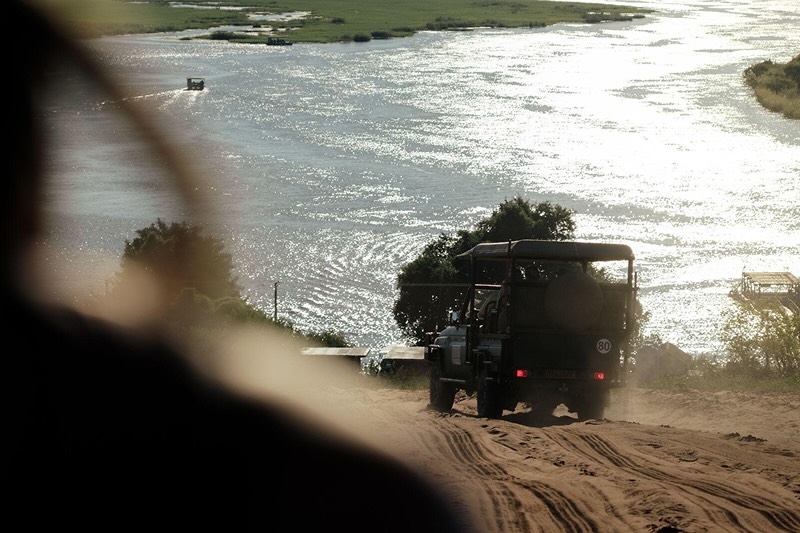
"You think you’re going to Africa to see the animals," reflects Darcy Keely in his field notes. "But the animals just teach you how to see everything else… Sometimes you need to look at something not human to really understand what it means to be human."
Go2Africa, instrumental in designing the logistical framework for the safari, emphasizes that authentic travel is rooted in immersive education rather than superficial sightseeing. By carefully selecting lodges and crafting activities that foster deep regional engagement, the partnership between World Nomads and Go2Africa continues to shape a new generation of empathetic, environmentally conscious visual journalists.
Implications: The Future of Travel Storytelling
As the tourism industry grapples with an over-saturation of digital content, fast-paced itineraries, and performative travel culture, Keely’s journey offers critical implications for the future of travel storytelling:
- Rejection of Instant Gratification: The obsession with real-time documentation often detaches travelers from the actual experiences they are paying to witness. Keely’s account proves that true engagement requires periods of absolute disconnection from the viewfinder.
- The Evolution of Wildlife Media: Audiences are increasingly fatigued by hyper-processed, high-speed wildlife videography. There is a growing demand for nuanced, patient storytelling that respects the dignity of both the animal subjects and the environments they inhabit.
- The Value of Mentorship: Programs like the World Nomads Scholarship demonstrate that nurturing raw talent through hands-on guidance from seasoned professionals produces storytellers who are not only technically proficient, but deeply ethical in their approach to global cultures and ecosystems.
Ultimately, Darcy Keely’s Zambezi expedition leaves readers with an enduring takeaway: whether navigating the unpredictable currents of a river in southern Africa or simply moving through daily life, the most compelling narratives are rarely found by rushing ahead. They emerge only when we pause, put down our devices, and allow the world to unfold on its own terms.
 Reynand Wu
  Asro
Asro 