

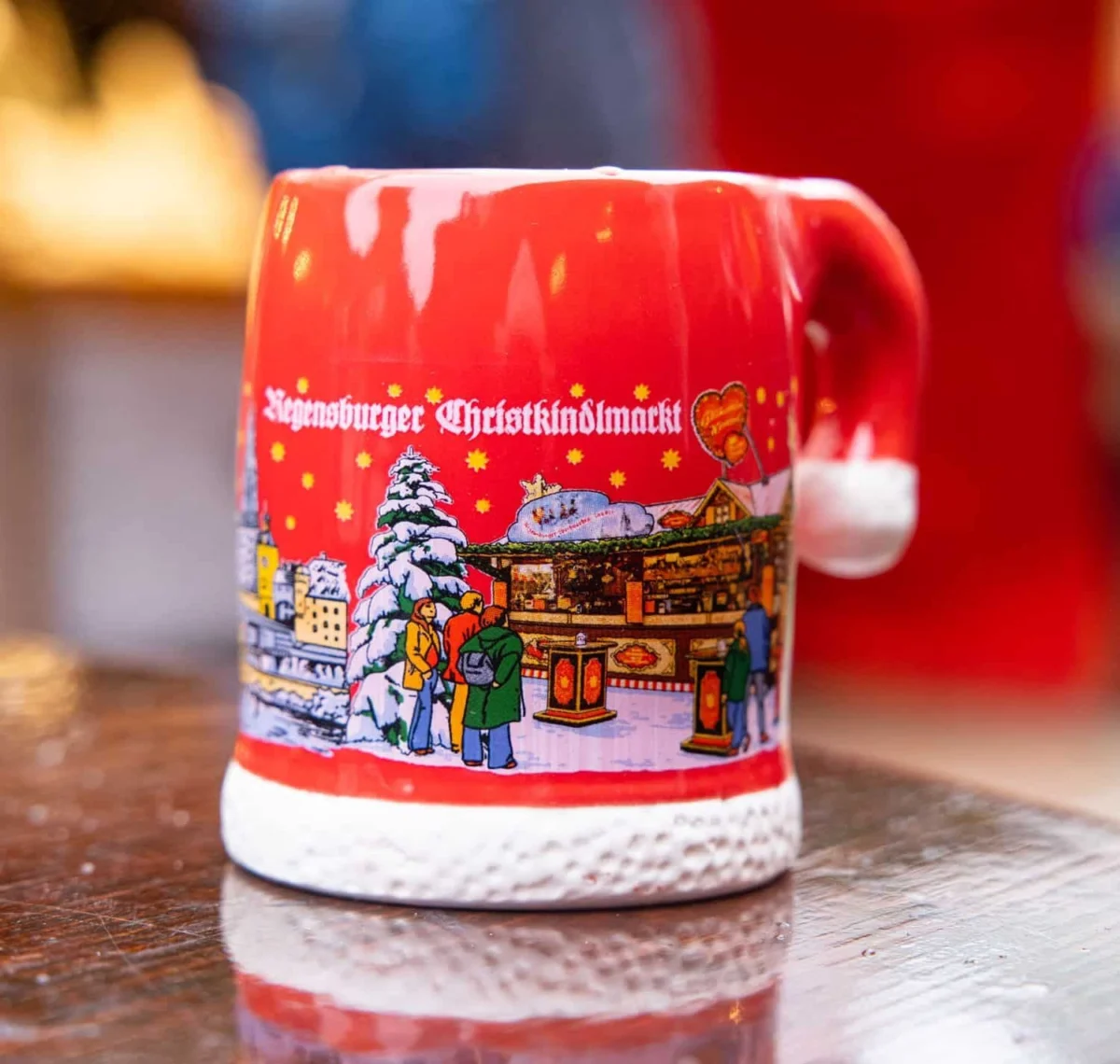
Across the cobblestone squares of Europe, from the historic heart of Vienna to the medieval nooks of Esslingen, a quiet but passionate subculture has taken root. It isn’t defined by grand monuments or high-art museums, but by something far more tactile and fleeting: the ceramic Christmas market mug. What began as a simple way to serve glühwein—hot mulled wine—has evolved into a sophisticated souvenir industry, turning casual tourists into dedicated collectors of holiday nostalgia.
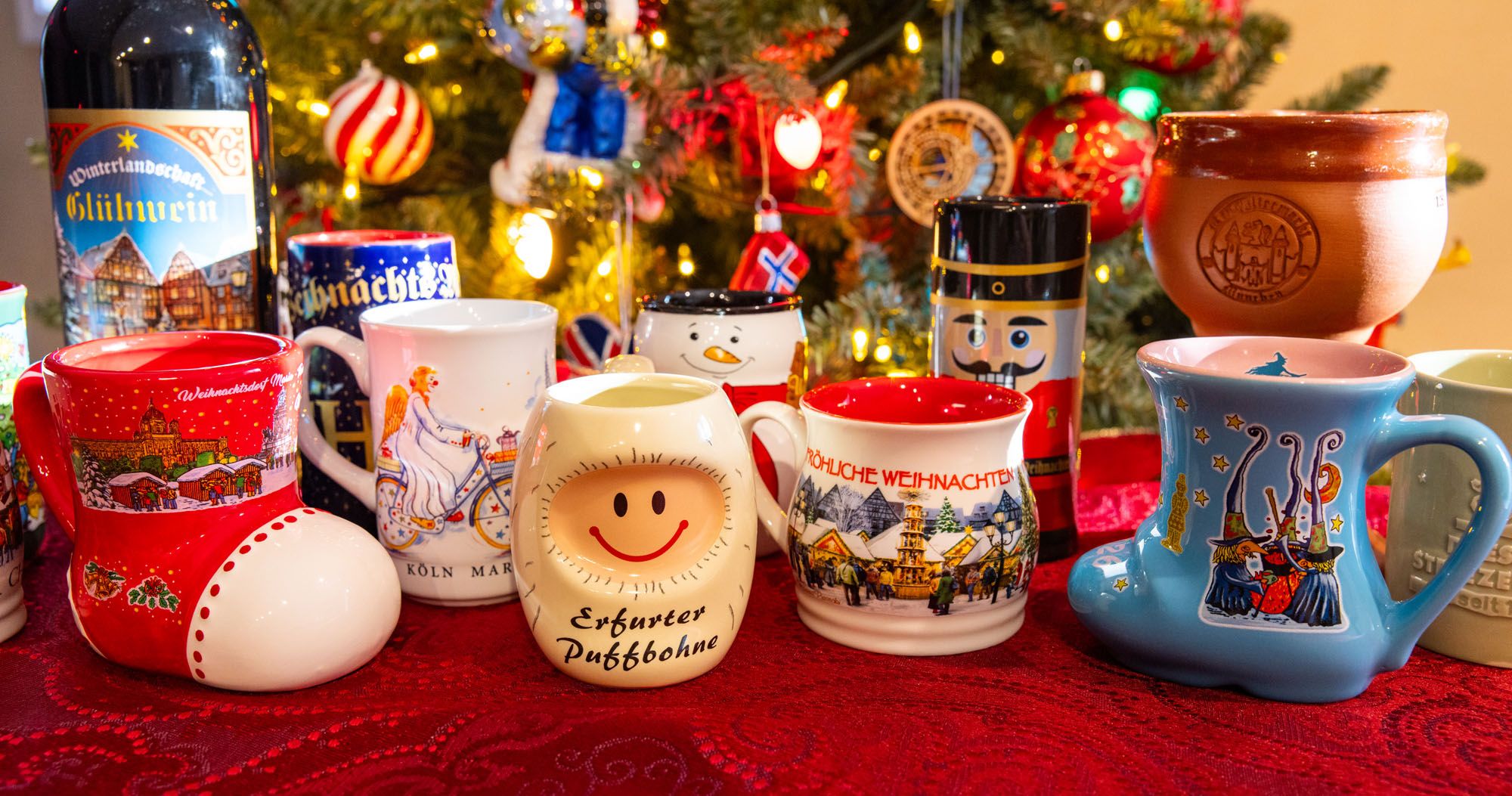
For millions of visitors, the "Pfand" (deposit) system is the gateway to a collection that spans continents. As travelers navigate the chill of a December night, the act of holding a steaming, uniquely designed vessel becomes a sensory anchor for the season.
The Mechanics of the Market: How the "Pfand" System Works
At the core of this tradition is a simple, effective circular economy. When a visitor orders a warm beverage—be it glühwein, Kinderpunsch, or hot chocolate—they pay a small surcharge known as a Pfand.
Typically, this fee ranges from two to five euros, though more elaborate artisanal goblets can command higher deposits. This acts as a reusable incentive; the market vendor provides the drink in a durable, ceramic or glass mug rather than a disposable cup. When the drink is finished, the collector faces a choice: return the mug to the vendor to recoup the Pfand, or keep the mug as a tangible memento of the experience.
This system is not merely a convenience; it is a vital sustainability measure that drastically reduces waste in public squares during the peak holiday season. For the collector, it represents a low-cost, high-sentimental-value souvenir that is literally "road-tested" in the atmosphere of the market itself.

A Chronology of a Growing Obsession
The tradition of the festive mug has gained momentum over the last two decades as European cities began to standardize their holiday branding. While the custom of drinking mulled wine in winter dates back centuries, the modern collectible mug—often dated or themed to specific local legends—really hit its stride in the early 2000s.
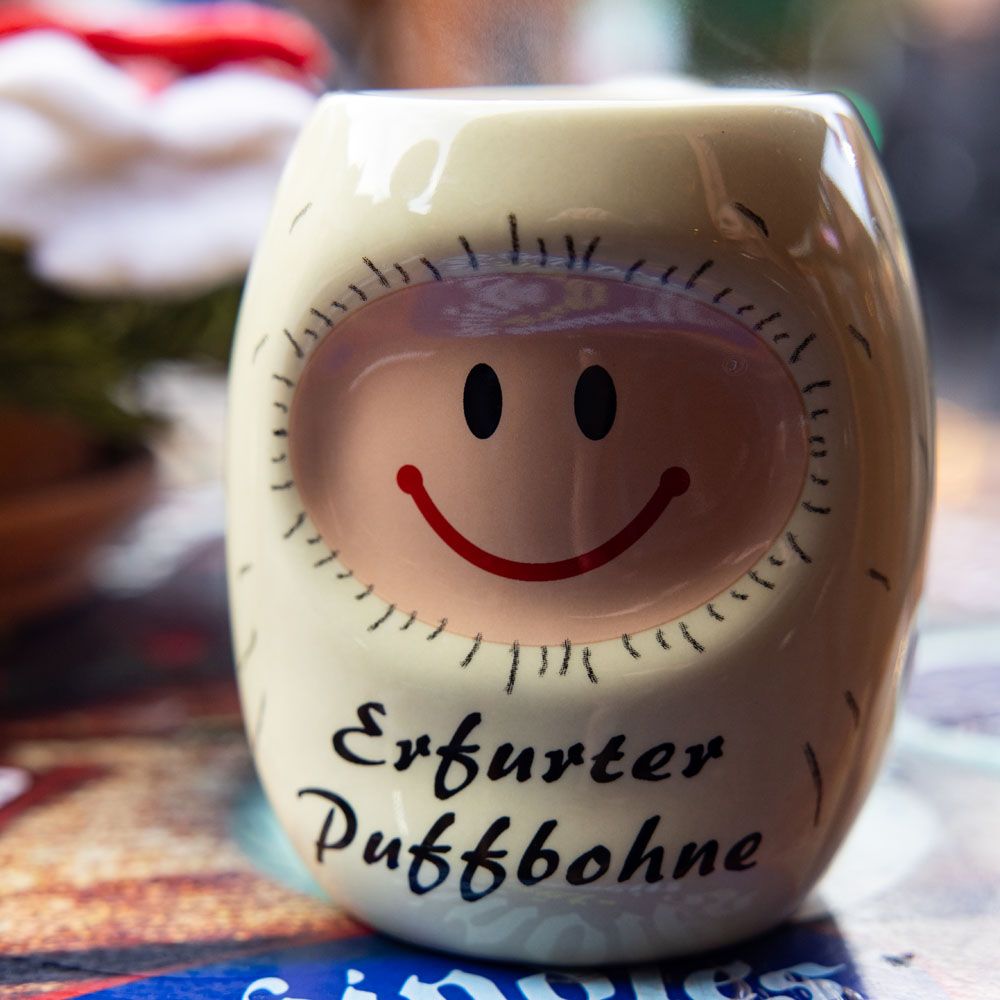
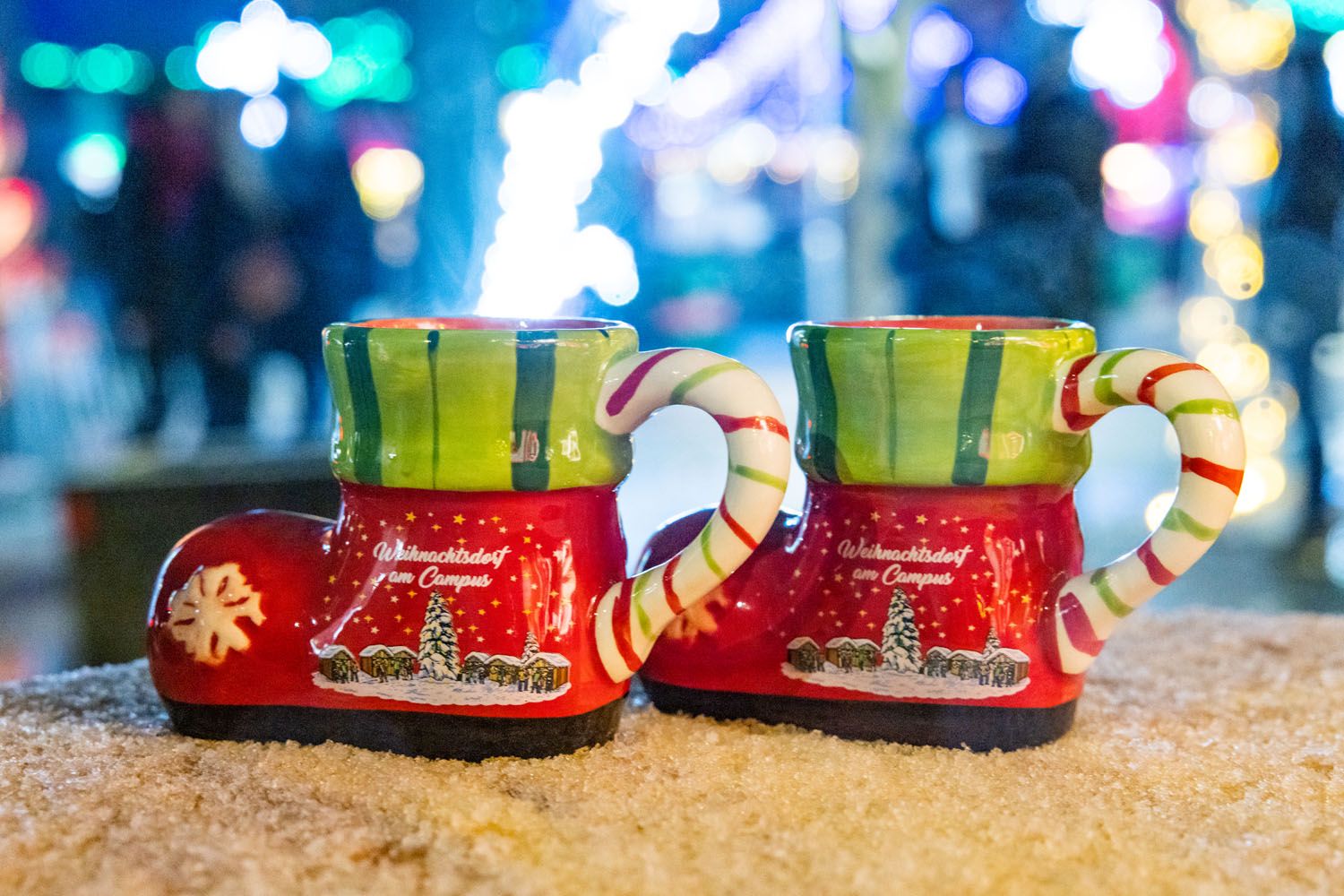
The evolution of the mugs reflects the evolution of the markets themselves. Initially, mugs were uniform, utilitarian vessels. Today, they are designed as seasonal artifacts. Collectors now look for specific markers: the current year, limited-edition colorways, and unique silhouettes like the famous "boot" mugs found in Austria and Poland. Some markets have even begun releasing series, such as the Puffbohne family in Erfurt, which features mama, papa, and baby bean-shaped characters, gamifying the collection process for returning visitors.

Supporting Data: Regional Highlights and Market Trends
The variety of mugs across Europe is vast, reflecting the regional pride of each host city. Data from repeat travelers suggest that while Germany remains the epicenter of the tradition, the stylistic range is impressive.

The German Strongholds
Germany boasts arguably the most diverse collection of mugs in the world.
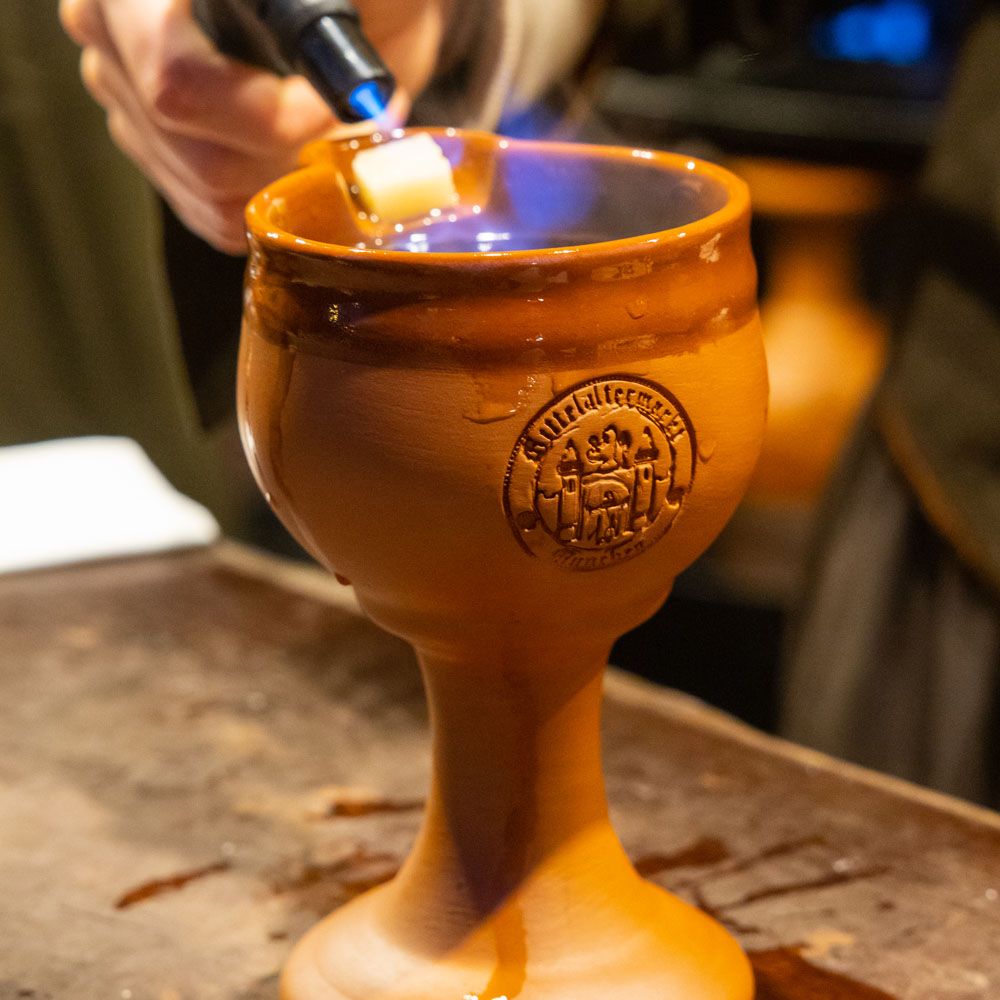
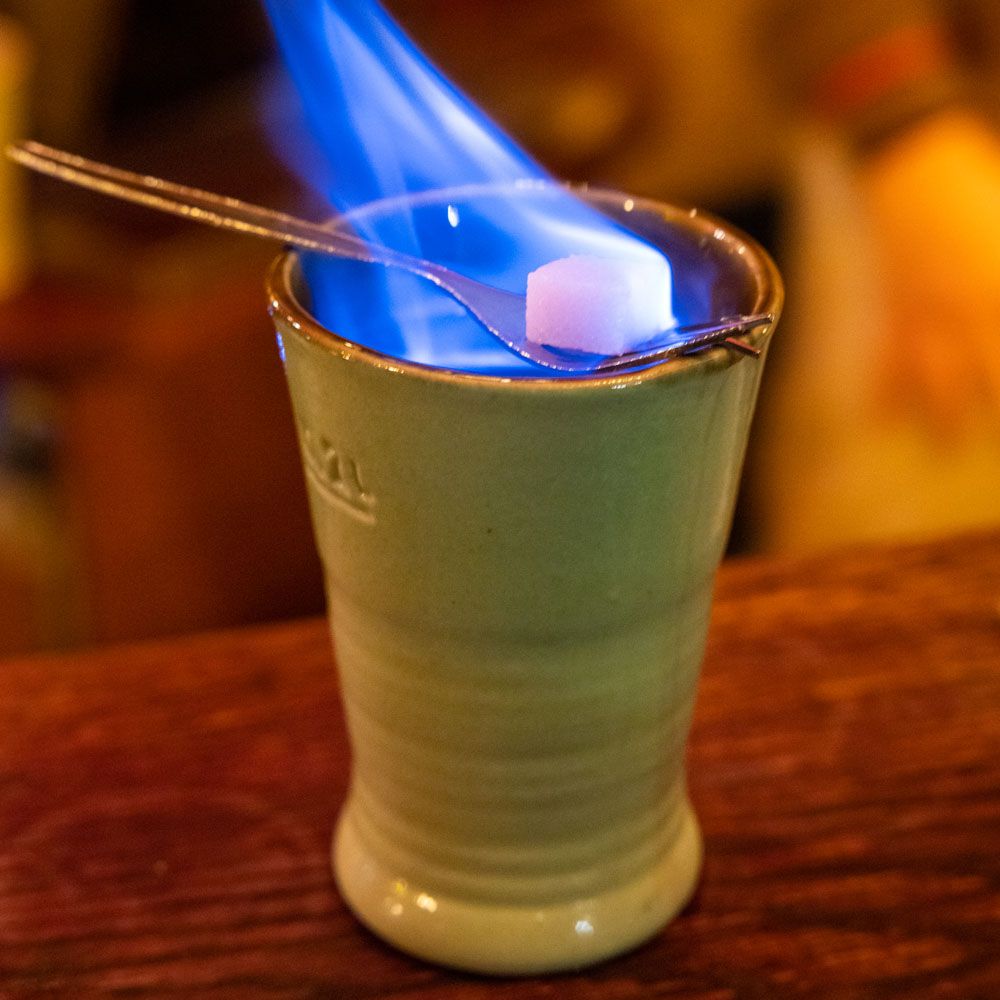
- The Medieval Influence: In cities like Esslingen am Neckar and Munich, the aesthetic leans toward the archaic. Collectors seek out heavy, green clay mugs or pewter-style goblets, often used for Feuerzangenbowle—a punch where a rum-soaked sugar loaf is ignited above the liquid.
- The Novelty Seekers: Regensburg is famous for its hat-shaped mugs, a whimsical design that deviates from the standard coffee-cup shape.
- The Cultural Icons: Erfurt’s Puffbohne mugs remain the gold standard for "cute" collectables, representing the local broad bean mascot that defines the town’s identity.
The Austrian Elegance
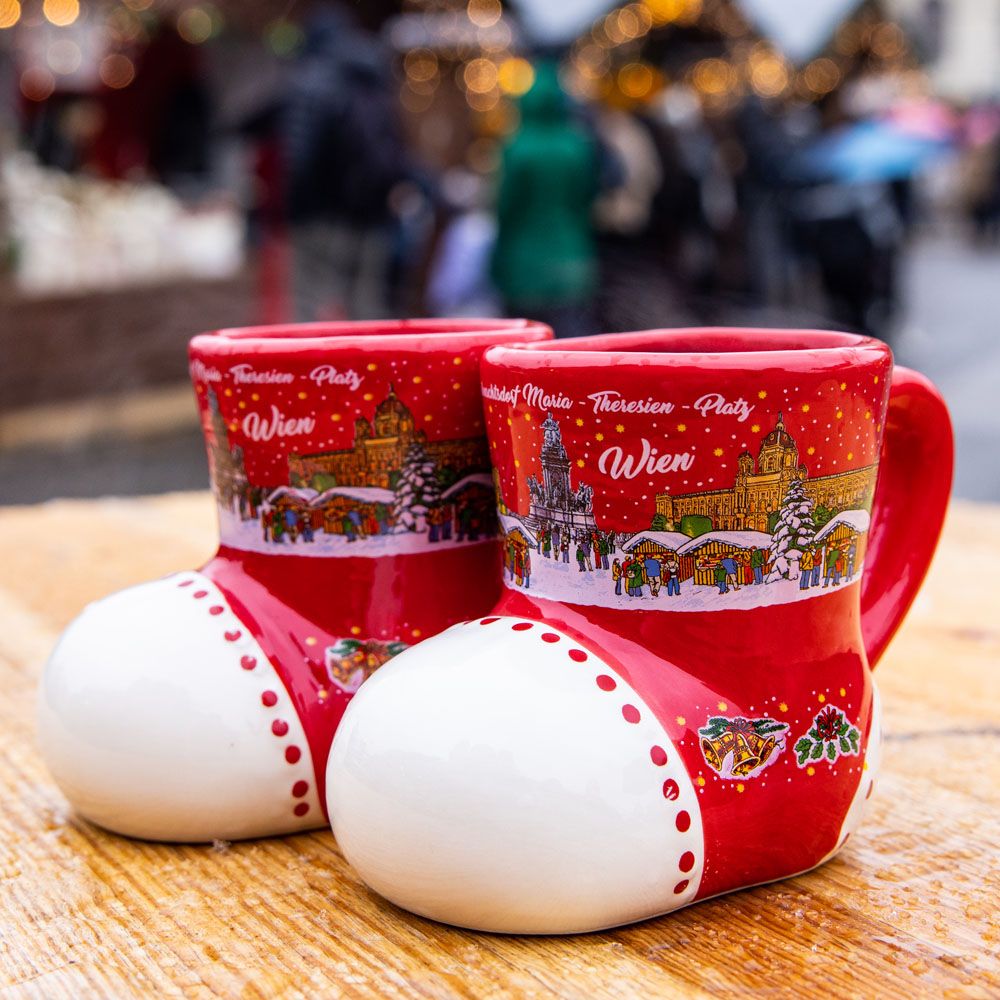
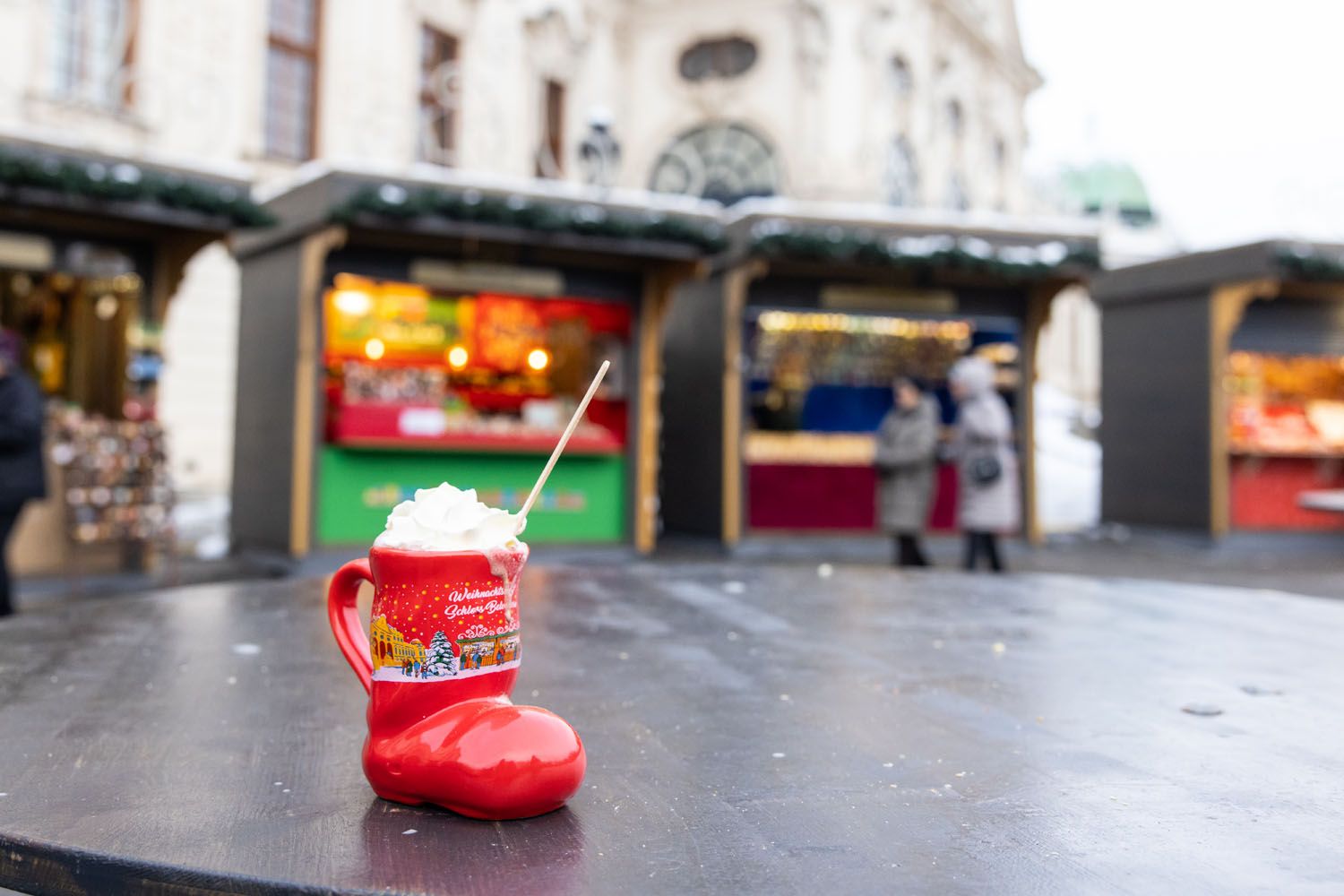
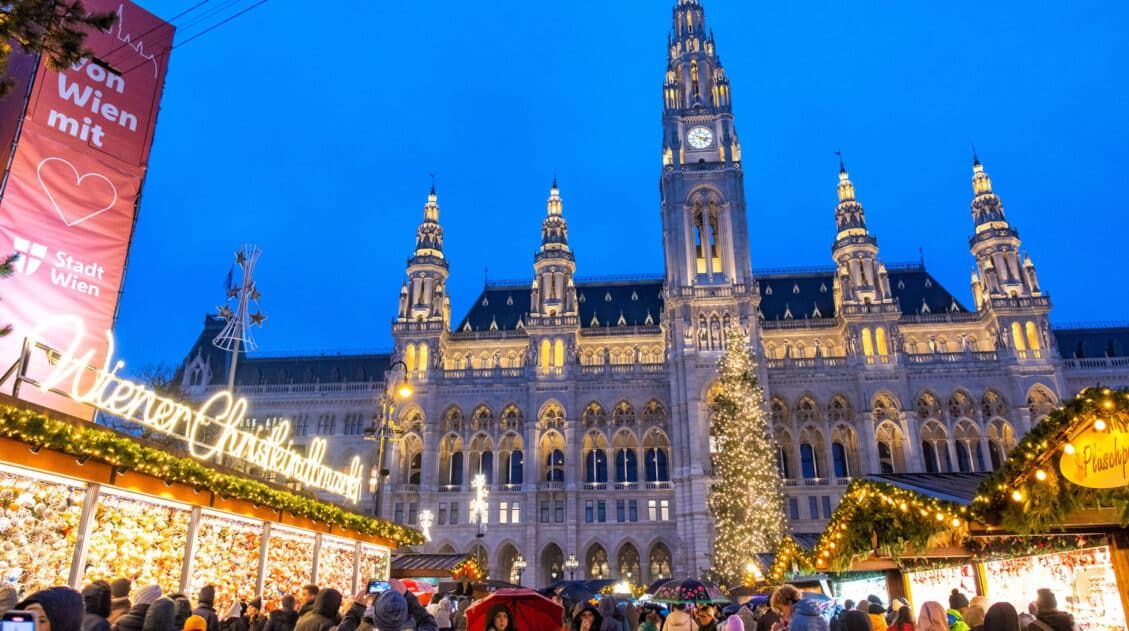
Vienna continues to dominate the "boot" category. From the Christmas Village at Maria Theresien Square to the market behind the Belvedere Palace, the boot-shaped mug has become a symbol of the Viennese holiday experience. These are often the first items a novice collector acquires, marking the start of a long-term interest in the hobby.
The Polish Alternative
Wrocław has emerged as an underrated gem for collectors. The market there features oversized, vibrant boot-shaped mugs that have become social media sensations. Their availability and distinct design make them a primary destination for those looking to diversify a collection beyond the German-speaking world.
The Role of the Collector: Professional Perspectives
While some travelers treat these mugs as transient items to be returned, a growing demographic of "serious collectors" has emerged. These individuals often research which stalls sell which designs before arriving at a market.

"The thrill is in the hunt," says one seasoned traveler who has spent four consecutive Decembers touring Europe. "Some markets have three or four different designs circulating at once. You don’t just walk up and order; you scan the crowd, look at what the locals are holding, and then choose the stall that offers the design you don’t have yet."

For many, the collection serves a dual purpose. It functions as a functional item—used for coffee and hot cocoa throughout the winter back home—and as a decorative piece. "Sipping from these mugs in my kitchen in July transports me back to the snow, the lights, and the music of the market," one collector notes.

Implications for the Future of Tourism
The mug-collecting phenomenon has significant implications for the tourism industry. As travelers prioritize "authentic" experiences over mass-produced souvenirs, the humble mug has become a high-value asset for municipal tourism boards.

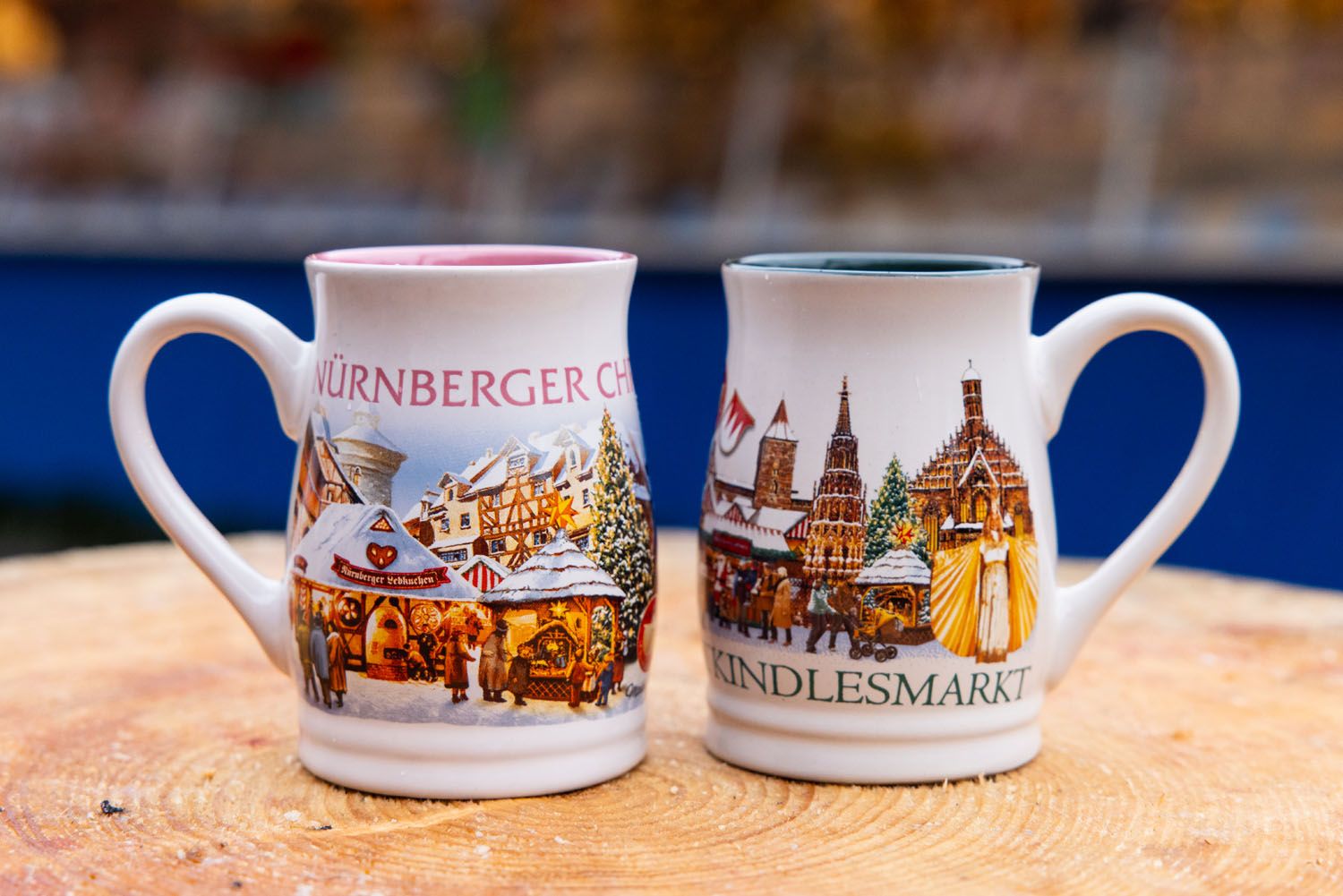
Cities that invest in thoughtful, collectible designs see higher levels of engagement. The "Pfand" system has effectively turned the consumption of holiday beverages into an immersive, branded experience. By turning a simple cup into a piece of local art, cities like Nuremberg, Dresden, and Cologne have successfully tied the memory of their markets to an item that sits on a kitchen shelf thousands of miles away.

However, there is a challenge on the horizon: the shift toward sustainability in some regions. In parts of France, such as Colmar and Strasbourg, there has been a move toward reusable, sometimes plastic-based vessels to simplify logistics and cleaning. While this is environmentally sound, collectors note that it lacks the charm and longevity of the ceramic tradition, potentially dampening the "souvenir" appeal of those markets.
Expert Tips for the Aspiring Collector
For those looking to begin their own collection, seasoned veterans offer several pieces of advice:

- The "Clean Swap" Strategy: If you want to keep a mug as a souvenir, you don’t have to carry a sticky, used cup all day. Many vendors are happy to exchange your used mug for a clean, brand-new one before you leave the stall.
- The "Purchase-Only" Inquiry: If you have already had your fill of glühwein but want a specific mug, don’t be afraid to ask the vendor if you can buy the mug empty. While not universal, many vendors will allow it for the price of the deposit plus a small fee.
- Check for Dates: Serious collectors prioritize mugs with the year printed on them, as these serve as a chronological record of their travels.
- Know the Local Speciality: Don’t just settle for the standard cup. Look for the Feuerzangenbowle mugs in Germany or the boot-shaped vessels in Austria to add structural variety to your display.
Conclusion: More Than Just Clay
The Christmas market mug is a microcosm of the modern travel experience. It is inexpensive, highly personal, and inextricably linked to the place and time of its acquisition. As Europe continues to celebrate its holiday traditions, these vessels will remain the most sought-after souvenirs on the continent. Whether you end up with a shelf full of ceramic boots or a single, cherished clay goblet from a medieval market, the collection represents the spirit of the season: a warmth that carries on long after the last market stall has closed and the winter snow has melted.
 Lina Hope
 Laily UPN
