

Towering above the fog-drenched coastline of Northern California, the world’s tallest trees stand as silent witnesses to millennia of history. Redwood National and State Parks (RNSP) is not merely a destination; it is a profound immersion into an ecosystem that feels, at every turn, like a remnant of a prehistoric era. In September 2025, during an extensive expedition—our 55th stop across 64 U.S. National Parks—we spent four days navigating the complex geography of this unique partnership between federal and state land management.
For the traveler seeking to experience the majesty of the redwoods, the sheer scale of the park can be daunting. With 50 miles of coastline and a complex mosaic of jurisdictions, careful planning is the difference between a frustrating road trip and a transformative encounter with nature.
Main Facts: Navigating the Redwood Complex
The most common misconception about Redwood National and State Parks is that it is a singular, contiguous entity. In reality, it is a collaborative partnership between the National Park Service and three California State Parks: Jedediah Smith, Del Norte Coast, and Prairie Creek.
- Geographic Layout: The parks are split into two primary zones. The northern cluster (near Crescent City) contains Jedediah Smith and Del Norte Coast. The southern cluster (near Orick) houses Prairie Creek and the central Redwood National Park lands.
- Optimal Duration: While a "highlights tour" can be achieved in 1–2 days, a 4-day itinerary allows for a deeper, more intimate exploration away from the heavy tourist traffic.
- Strategic Timing: The shoulder seasons—April to June and September to November—offer the most temperate weather and manageable crowd levels.
- Essential Logistics: For those short on time, prioritize the northern cluster for the most iconic old-growth groves and the southern cluster for diverse geological features like Fern Canyon.
A Chronological Perspective: A Four-Day Immersion
Our journey began in the north, moving systematically southward. This trajectory, typical for travelers arriving from Oregon or the Pacific Northwest, allows visitors to acclimate to the sheer scale of the redwoods before hitting the more diverse coastal features of the southern parks.

Days 1 & 2: The Northern Giants
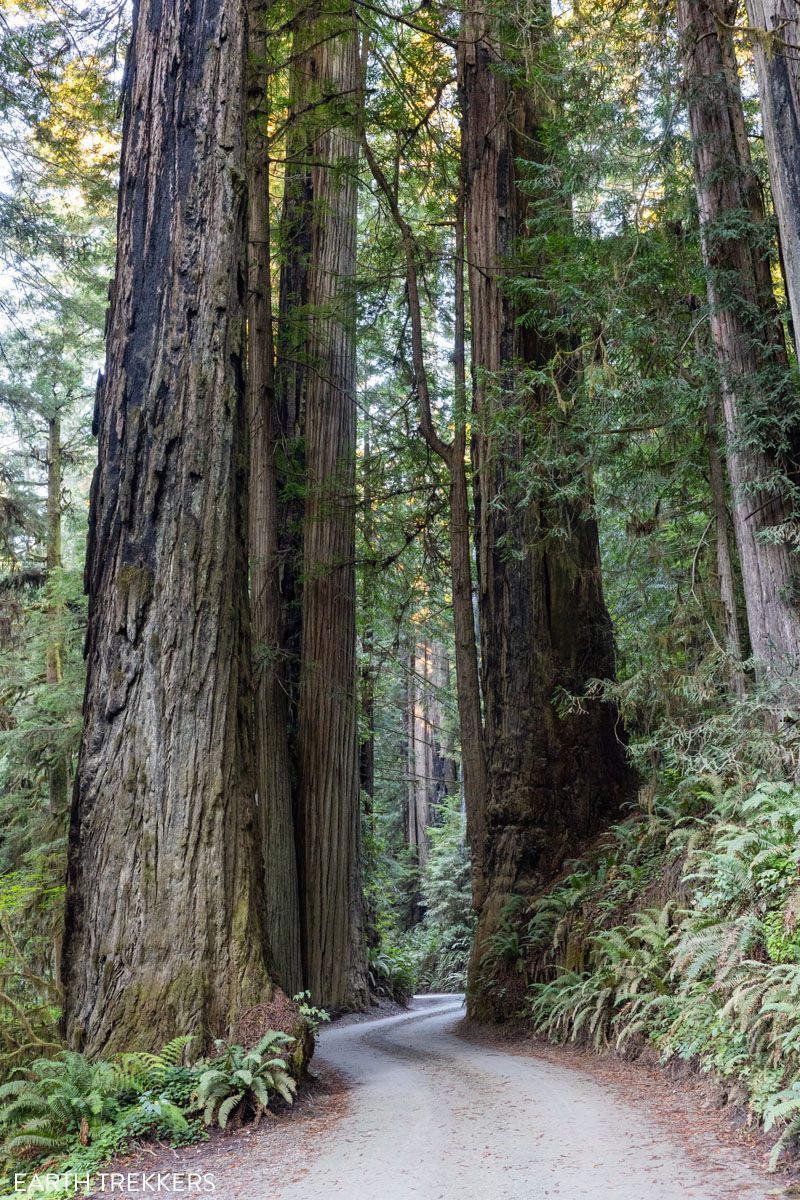
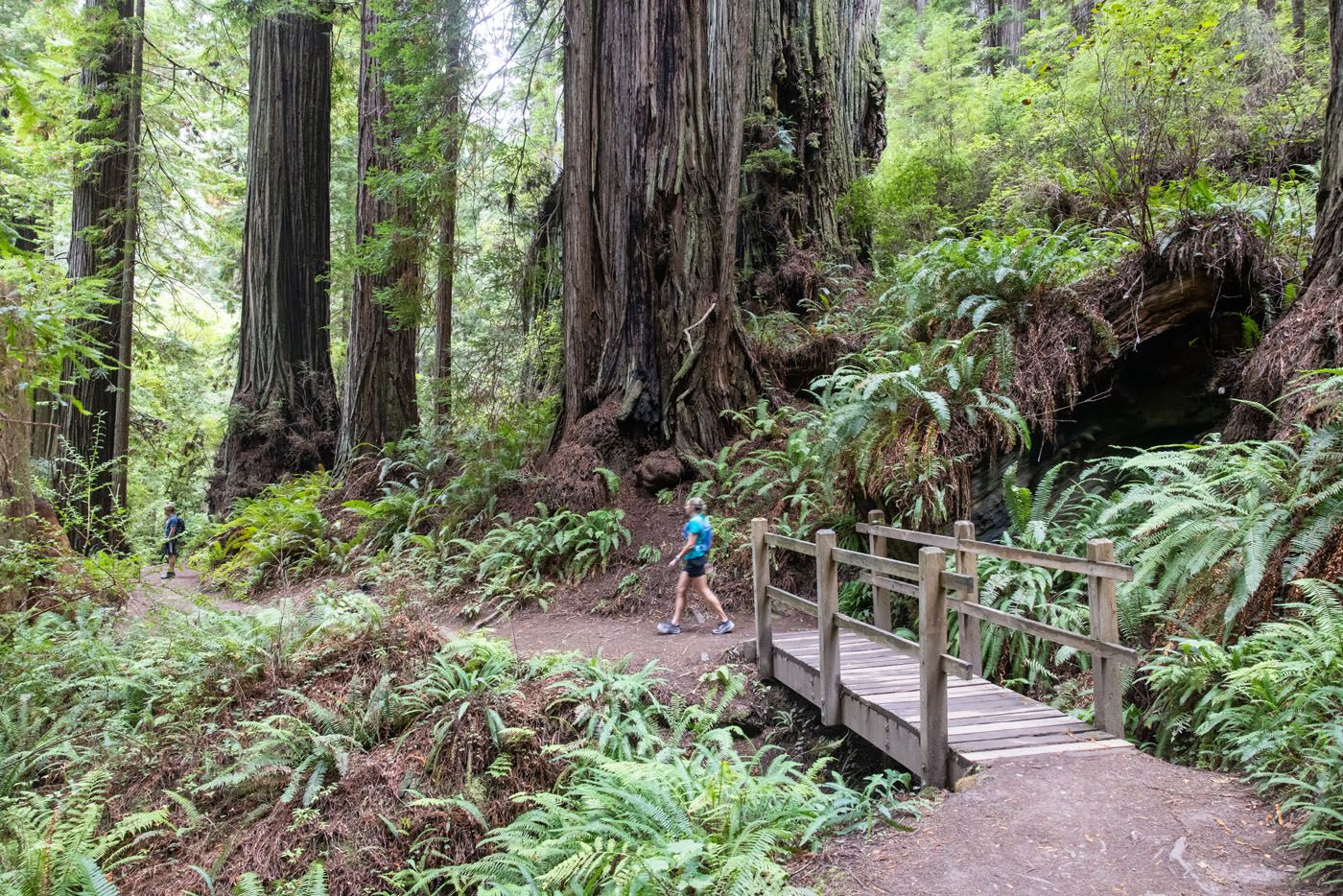
We centered our first two days in Jedediah Smith Redwoods State Park. Our introduction was the Howland Hill Road. This unpaved, narrow thoroughfare is the park’s "front door," offering an immediate, intimate experience where the trees are so close they can be touched from a car window. We recommend entering at dawn (around 7:30 AM) to secure parking and solitude.

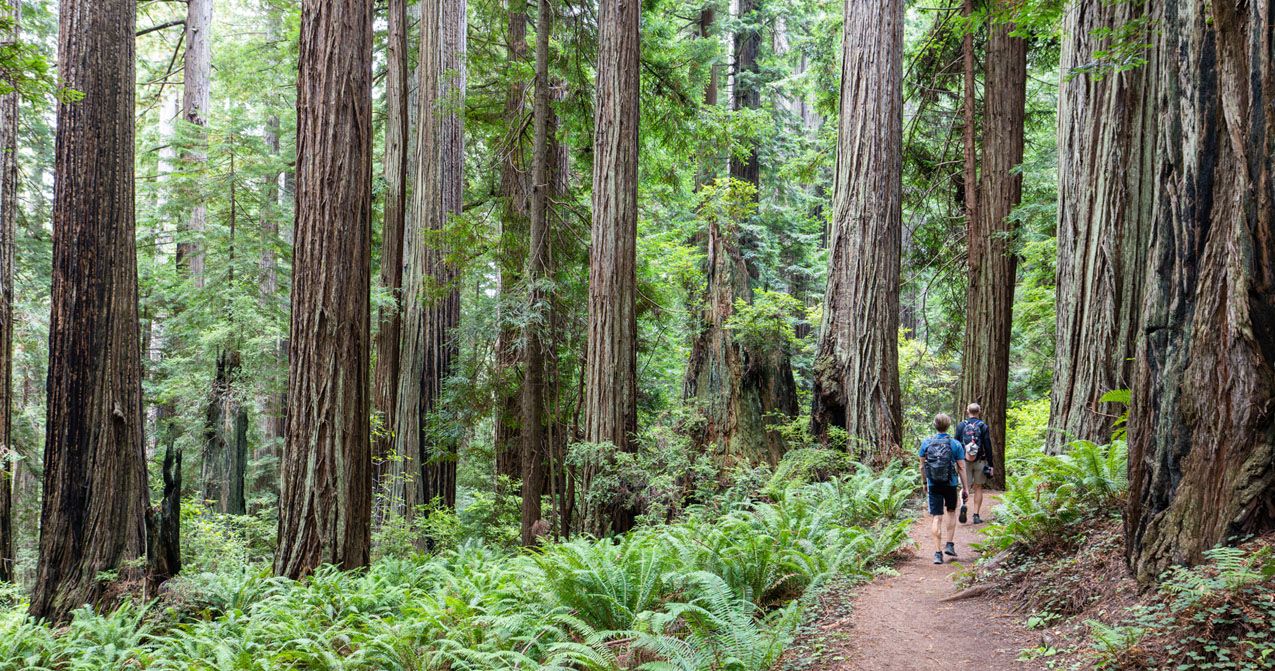
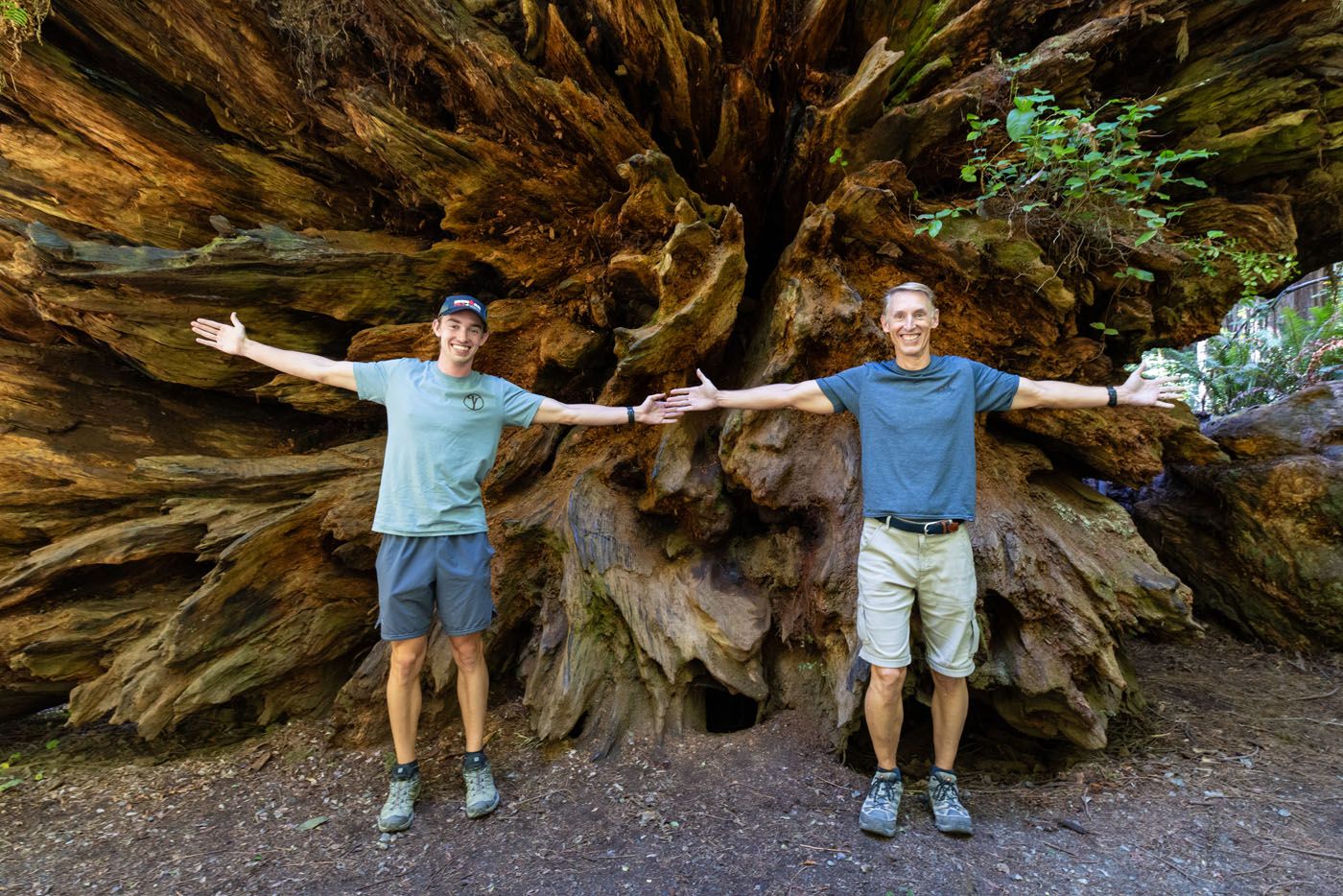
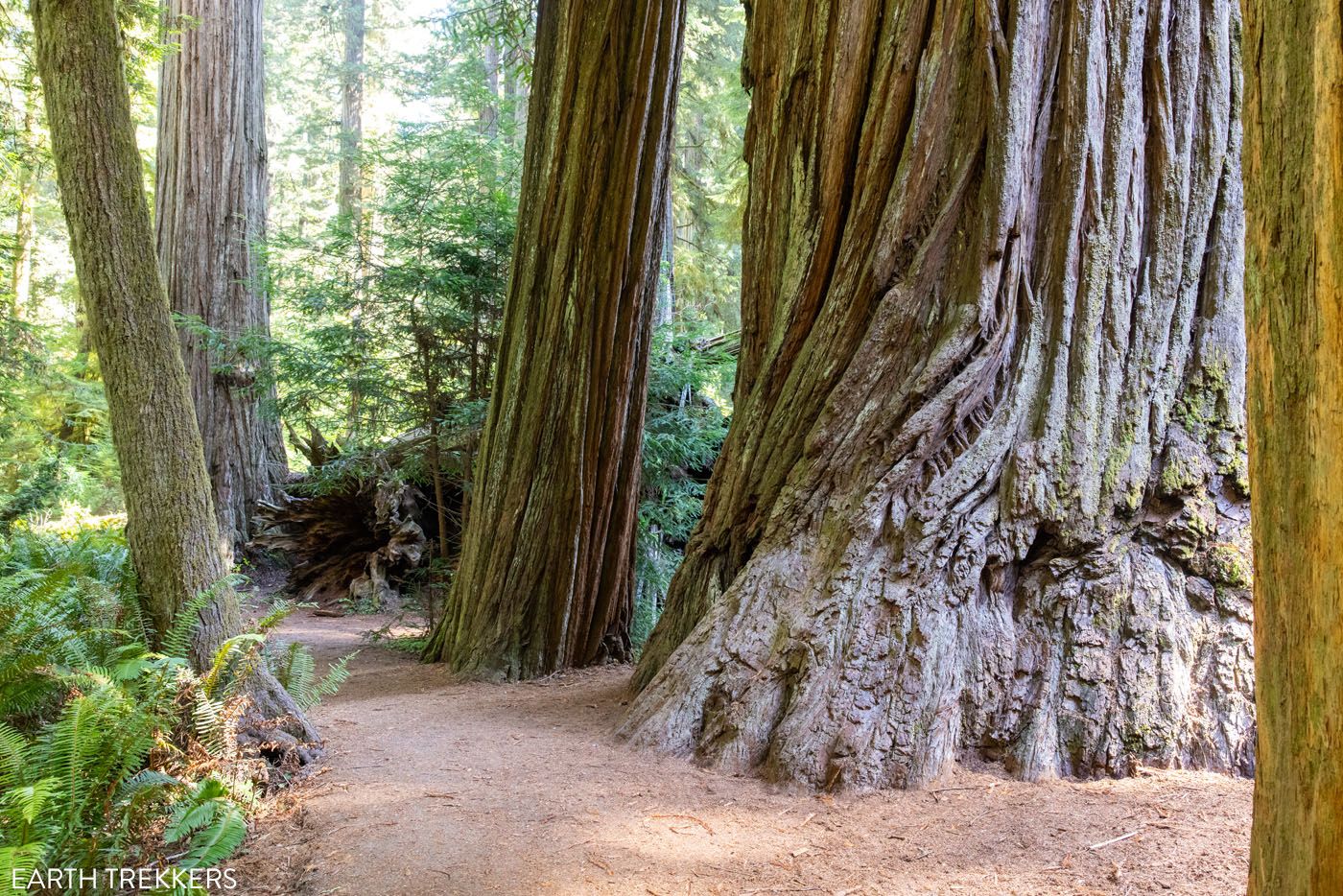
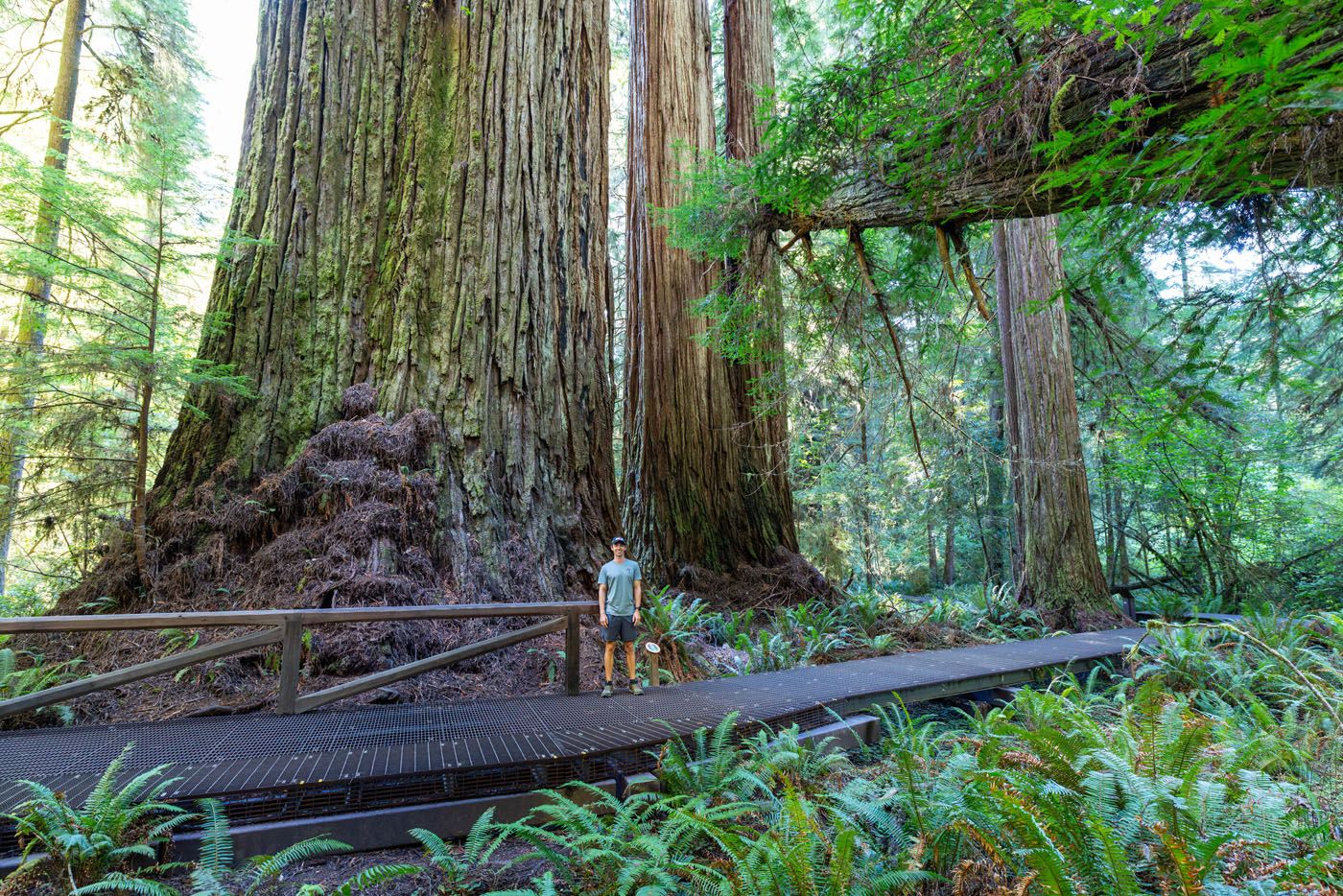
The highlight of the north is undoubtedly Stout Memorial Grove. A flat, 0.75-mile loop, it offers the highest density of old-growth trees. Standing at the base of the Stout Tree, a 325-foot titan, one gains an appreciation for a lifespan that spans over a millennium. For those seeking seclusion, the Simpson-Reed Trail offers a similar experience with a fraction of the visitor volume found at the more famous Grove of the Titans.

Days 3 & 4: The Southern Coast and Canyons
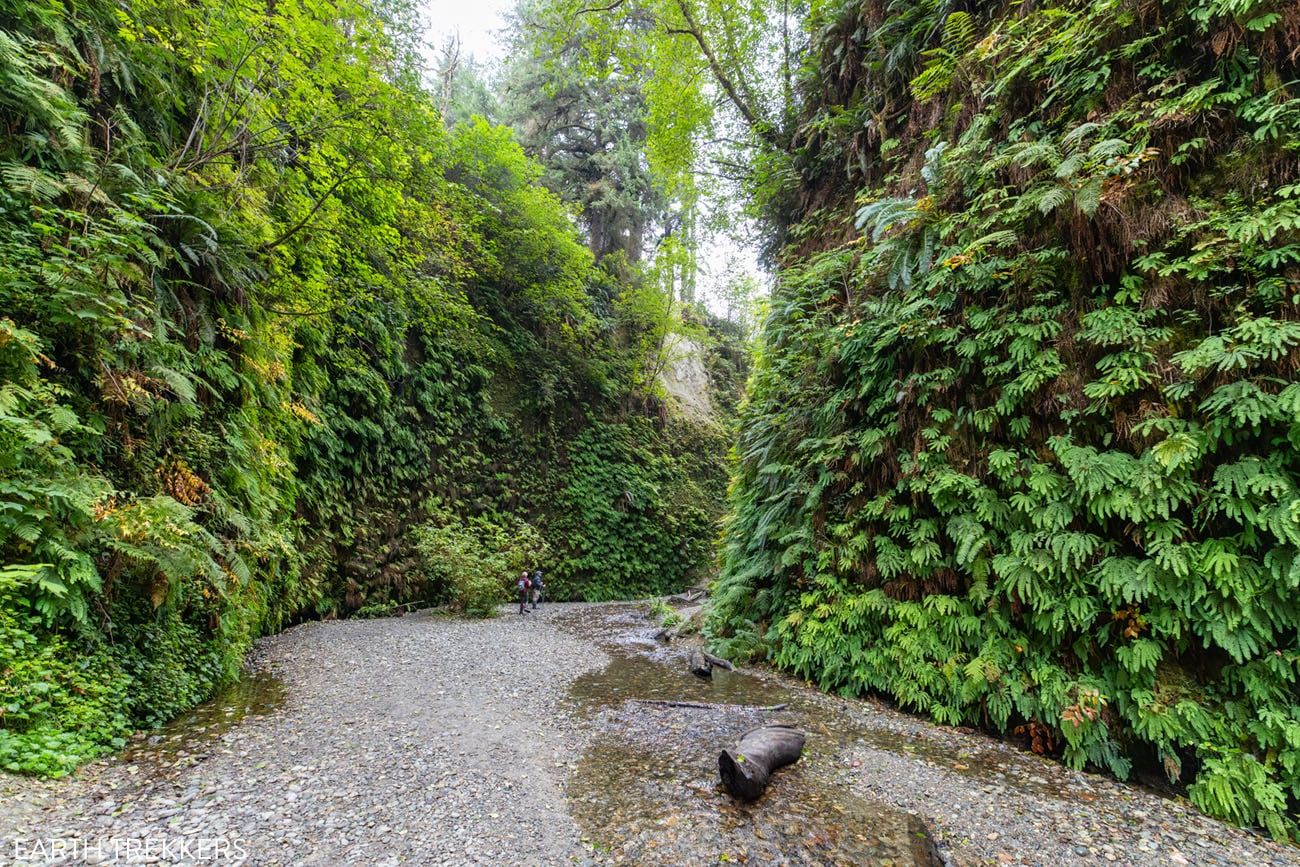
Moving south to the Orick area, the terrain shifts. Fern Canyon is the undisputed star of Prairie Creek Redwoods State Park. Featuring 50-foot walls draped in ancient ferns and carved by a pristine stream, this location served as a filming site for The Lost World: Jurassic Park. Note that access to this area requires a permit during the peak season (May 15–September 15), and a high-clearance vehicle is highly recommended.
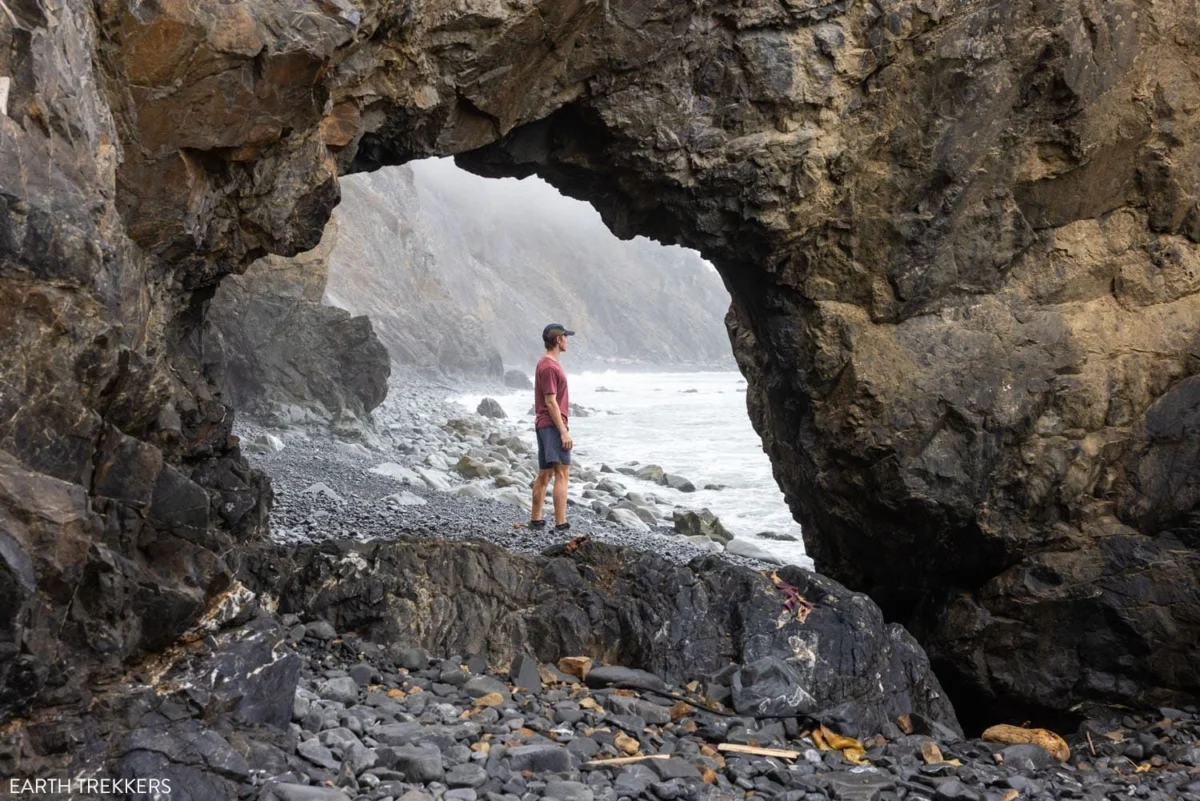
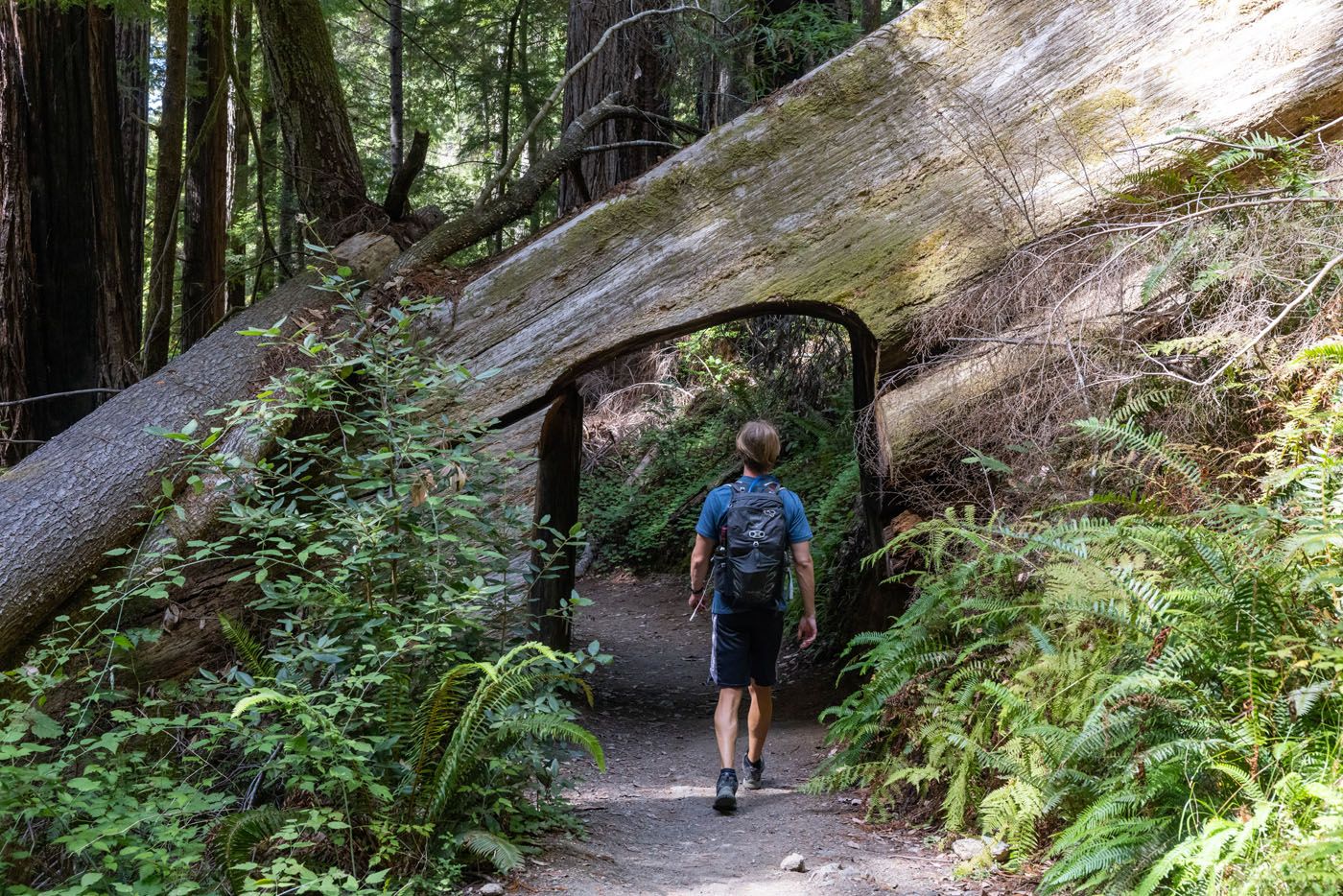
We balanced the forest treks with the Damnation Creek Trail in Del Norte Coast. This is one of the few points in the park where one can descend from the old-growth forest directly to a secluded, rocky beach. The 1,300-foot descent is deceptive; the return climb is a strenuous endeavor that rewards the hiker with dramatic, foggy coastal vistas.
Supporting Data: Recommended Experiences
For those planning their itinerary, we have ranked the following experiences based on visitor experience, environmental impact, and "bang for your buck":
| Experience | Park | Effort | Highlights |
|---|---|---|---|
| Stout Memorial Grove | Jedediah Smith | Easy | Highest concentration of massive trees |
| Howland Hill Road | Jedediah Smith | Easy | Immersive, narrow scenic drive |
| Fern Canyon | Prairie Creek | Moderate | Prehistoric fern-walled canyon |
| Damnation Creek | Del Norte Coast | Strenuous | Forest-to-beach transition |
| Boy Scout Tree Trail | Jedediah Smith | Moderate | Deep forest solitude |
| Tall Trees Grove | Redwood National | Moderate | Former world-record tallest trees |
Official Responses and Conservation Mandates
The National Park Service and California State Parks maintain a delicate balance between public access and environmental protection. This is most evident at the Grove of the Titans. Once a hidden gem, the site faced significant degradation from "social trails" (unauthorized paths created by visitors). The response was the construction of a permanent elevated boardwalk. While some purists argue this alters the "natural" feel, it is a vital intervention that allows the public to view these giants without compacting the sensitive root systems that keep these ancient trees alive.

Similarly, the permit system for Tall Trees Grove and Fern Canyon is not a bureaucratic hurdle, but a necessary conservation tool to prevent over-tourism from destroying the very landscapes that draw visitors. Travelers should always check the official National Park Service website for current reservation requirements before departure.

Implications: The "Beyond the Park" Experience
A trip to the redwoods is rarely complete without acknowledging the broader ecosystem of Northern California.

The Avenue of the Giants
Located within Humboldt Redwoods State Park, this 31-mile scenic byway runs parallel to Highway 101. Even after four days of exploring the national park, the Founders Grove Nature Loop here remains a standout. The scale of the "Dyerville Giant," a massive fallen tree, provides a humbling perspective on the life cycle of these giants.

The Novelty of "Drive-Through" Trees
Private roadside attractions, such as the Klamath Thru Tree, offer a nostalgic nod to mid-century American road-trip culture. While they serve as popular photo opportunities, they are not part of the national park system. We found that modern SUVs (like the Kia Telluride) struggle with the narrow clearances; these attractions are best suited for smaller, compact vehicles.
Final Thoughts for the Traveler
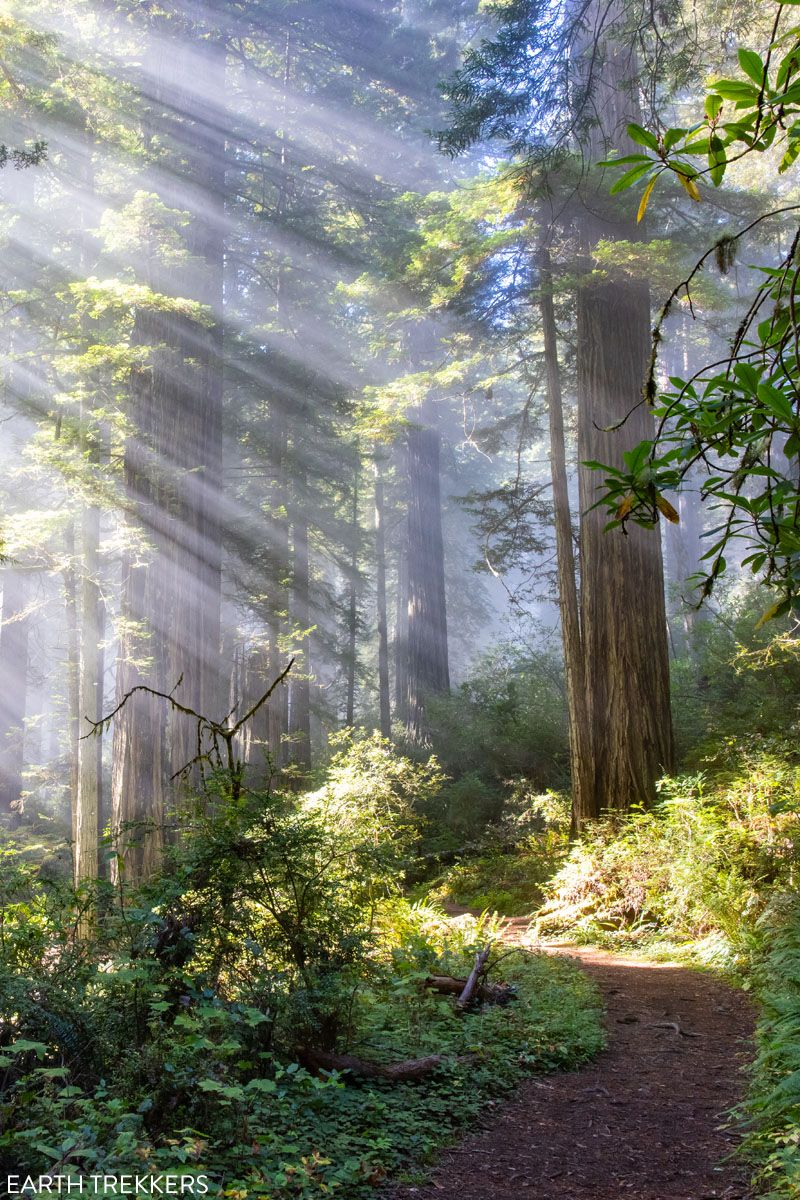
Redwood National and State Parks reward those who slow down. Whether it is the morning fog burning off the coastline to reveal the deep green of the forest floor, or the absolute silence of a hike on the Boy Scout Tree Trail, the park offers a reprieve from the noise of modern life.
Planning Summary:
- If you have 1 day: Choose either the northern cluster (Jedediah Smith) or the southern cluster (Prairie Creek/Redwood). Do not attempt to cross the entire park length in a single day.
- If you have 2 days: Dedicate one day to each cluster.
- If you have 4 days: You have the luxury of time to include the Avenue of the Giants and deeper, more strenuous hikes like the Tall Trees Grove.
The redwoods are not just trees; they are an invitation to contemplate time. As you walk through the groves, you are walking through the same air, the same light, and the same quiet majesty that has existed for thousands of years. Respect the trails, pack out your trash, and leave no trace—ensuring that these giants remain for the next thousand years of human visitors.
 Lina Hope
 Laily UPN
