

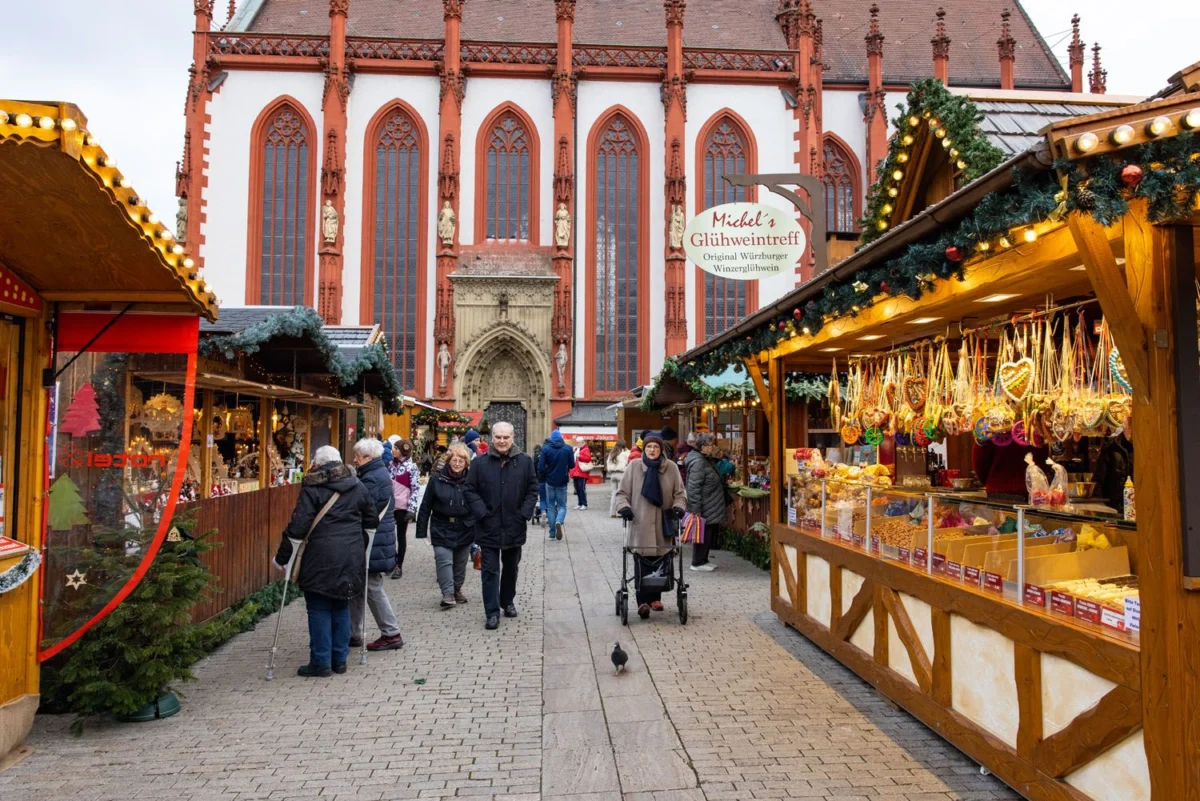
For those seeking the quintessential holiday experience, few destinations rival the atmospheric charm of Germany during the Advent season. Imagine medieval town squares illuminated by thousands of twinkling lights, the scent of toasted almonds and spiced Glühwein filling the crisp winter air, and the warmth of hand-carved wooden stalls offering treasures found nowhere else on earth. From world-famous historic gatherings to intimate, hidden gems, Germany’s Christmas markets are not merely shopping events; they are cultural institutions that define the European winter experience.
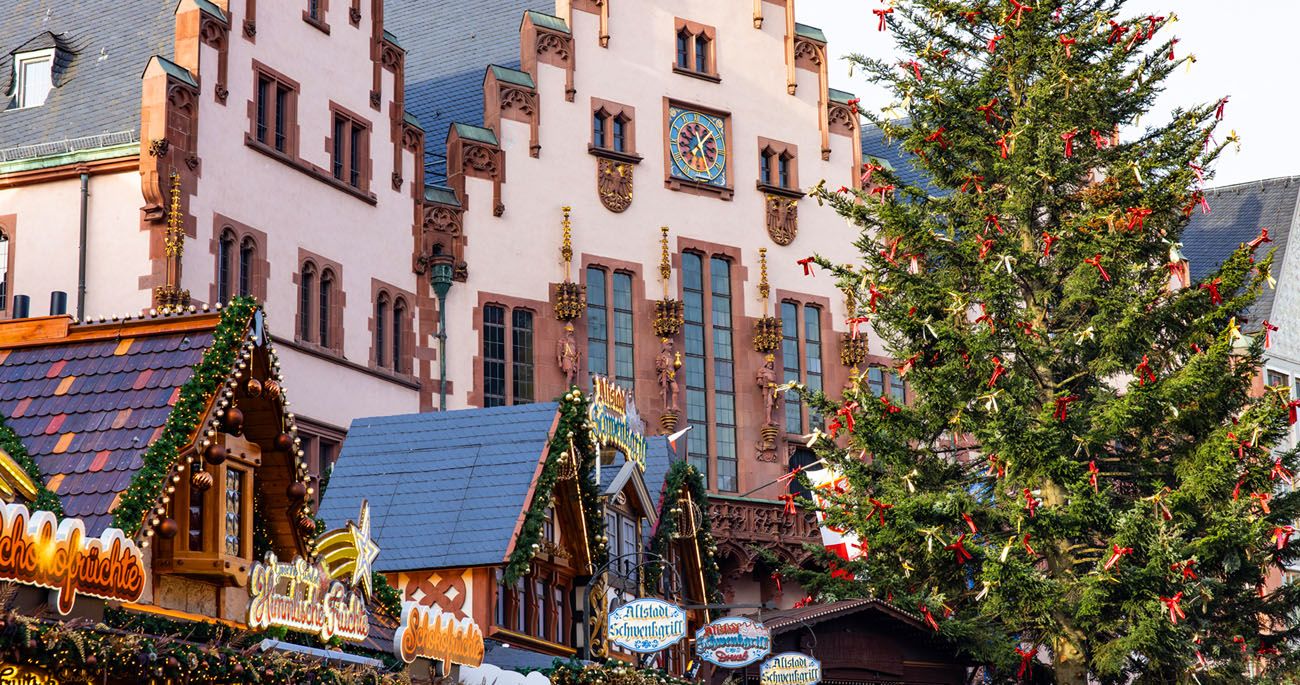
This guide provides a definitive, firsthand analysis of 20 of Germany’s most significant Christmas markets. Drawing from years of travel across Europe and multiple dedicated excursions to the German heartland, we have evaluated these destinations based on atmosphere, authenticity, culinary offerings, and overall visitor experience.
The Anatomy of an Ideal Christmas Market
What separates an unforgettable market from a mediocre one? Our evaluation criteria focus on four pillars:
- Setting: Does the architecture—half-timbered houses, cathedrals, or historic squares—enhance the festive spirit?
- Authenticity: Are the crafts hand-made, and is the food locally sourced?
- Atmosphere: Does the market offer a sense of wonder, or does it feel like a crowded, commercialized tourist trap?
- Logistics: Is the location accessible, and are the crowd levels manageable?
Chronology: When to Experience the Magic
German Christmas markets generally operate on a strict, tradition-bound schedule.
- The Advent Season: Most markets commence operations during the final week of November, typically between November 25th and 30th.
- Peak Period: Early to mid-December is the most vibrant time to visit. However, be advised that weekends from sunset until 8:00 PM see the highest foot traffic.
- The Closing Window: Many traditional markets conclude on December 23rd or 24th. However, in major metropolitan hubs like Berlin or Munich, select markets may remain open through December 26th, with a handful operating until New Year’s Day.
Traveler’s Note: For the most tranquil experience, prioritize weekday mornings. You will find shorter lines for food and a more authentic, local atmosphere.
Top-Ranked Markets: A Curated Selection
1. Esslingen am Neckar: The Medieval Marvel
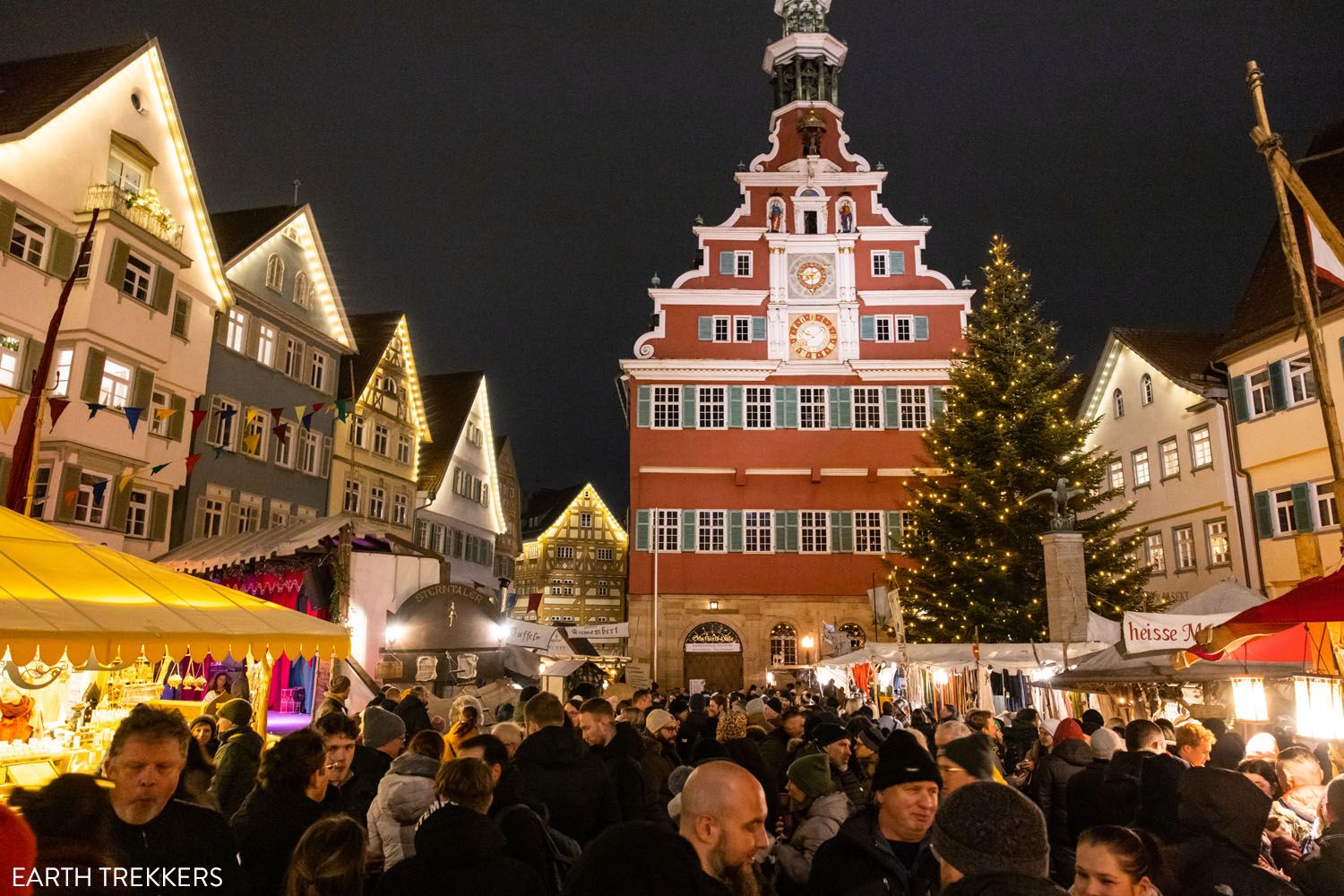
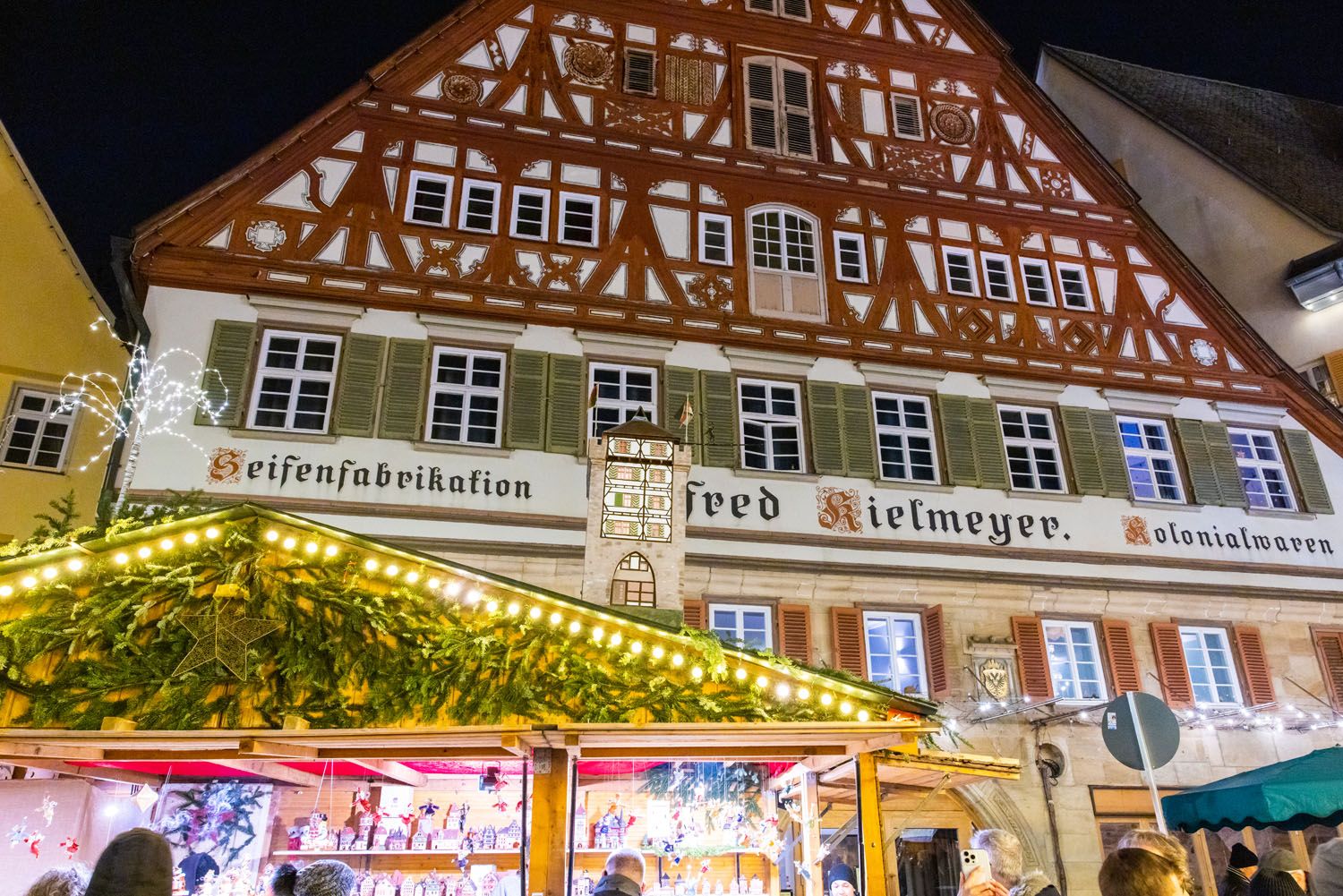
Esslingen earns our top spot as the most immersive market in Europe. It masterfully blends a traditional market with a medieval village theme. Beyond standard stalls, visitors are treated to fire-eaters, live folk music, and demonstrations of ancient crafts like axe throwing and candle making. The backdrop of Germany’s oldest continuous row of half-timbered houses provides a storybook setting that is truly unparalleled.
2. Dresden: The Historical Standard
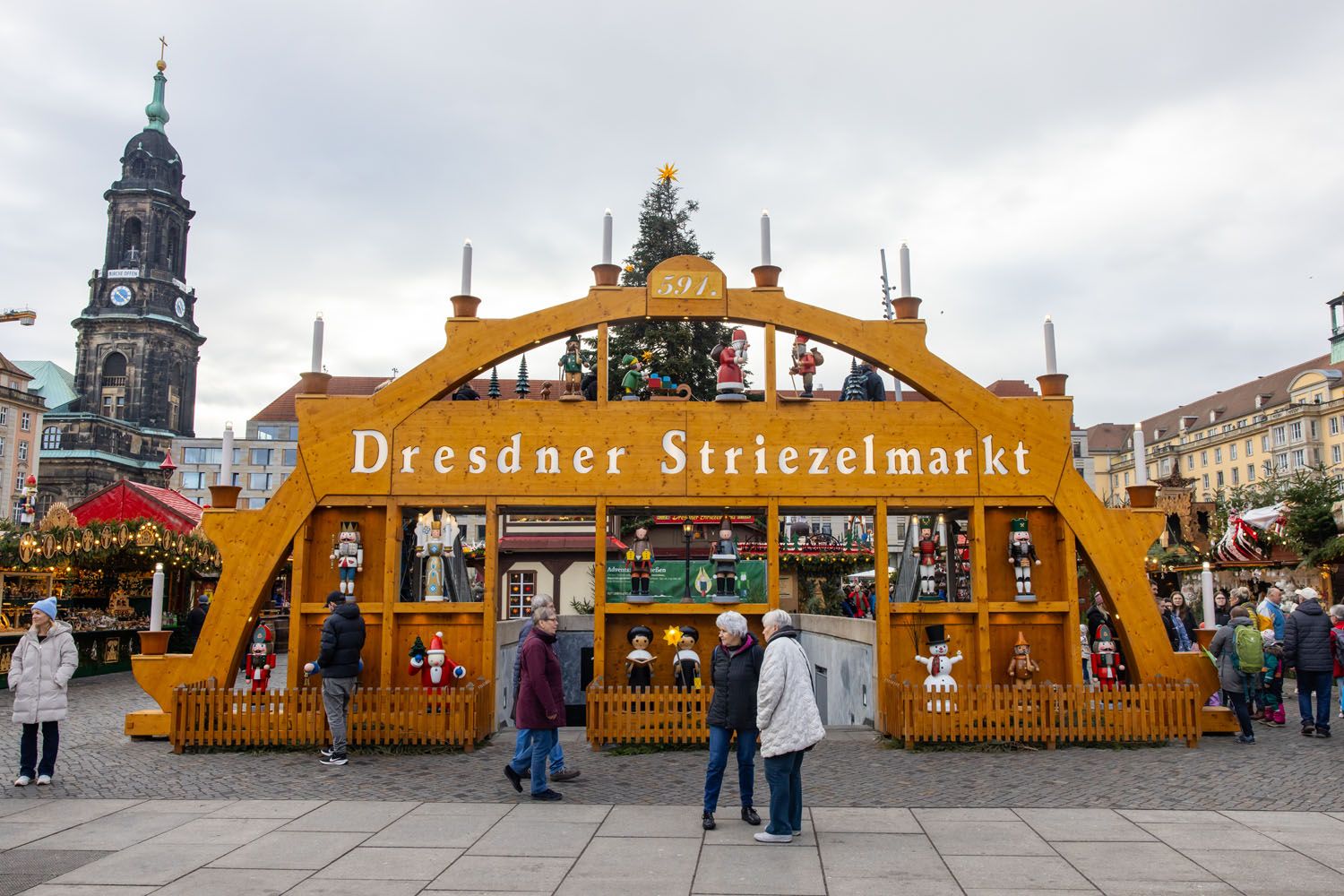
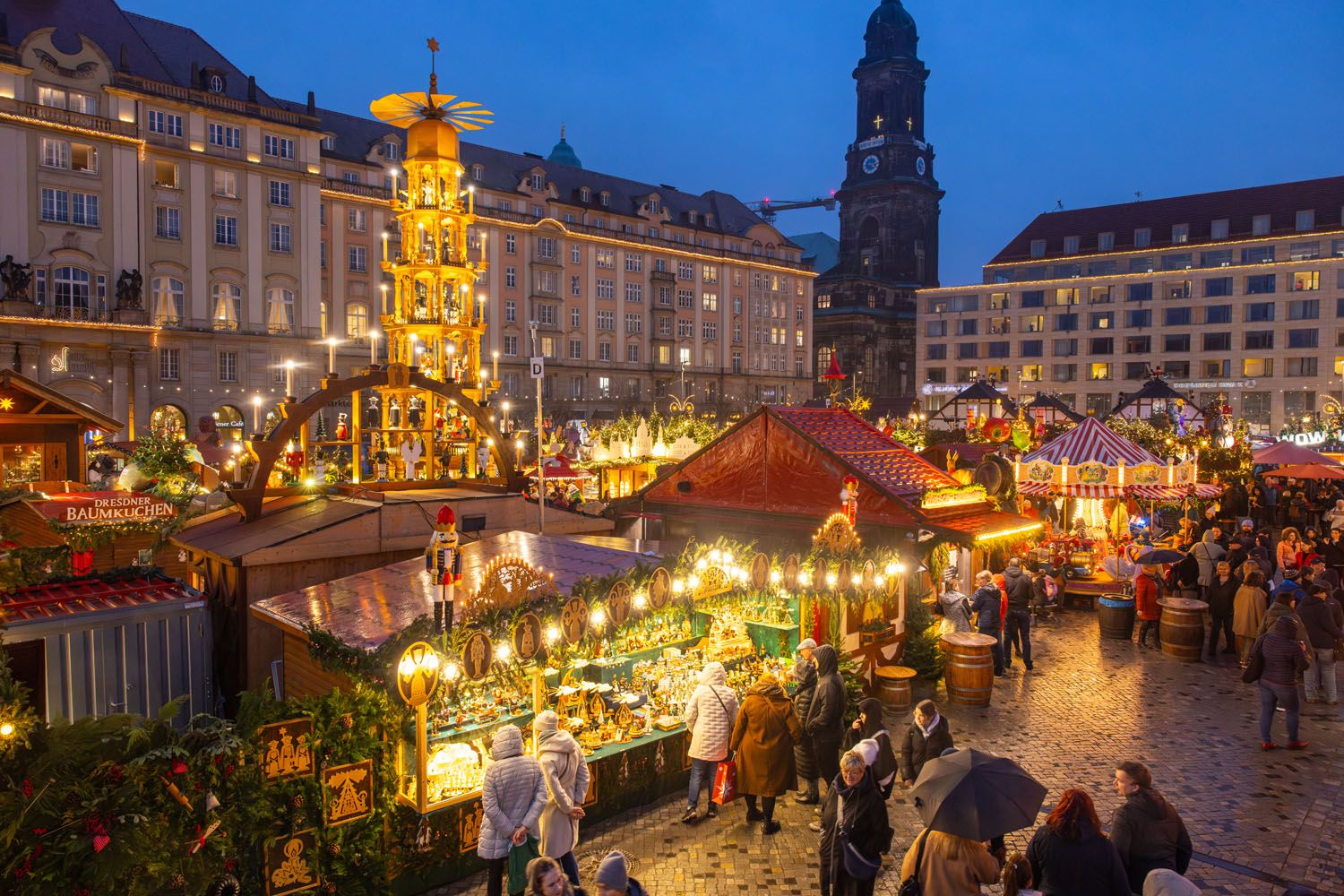
As the home of the Striezelmarkt—dating back to 1434—Dresden is the spiritual home of the German Christmas market. The scale is impressive, featuring over 200 stalls, an iconic Guinness World Record-holding Christmas pyramid, and the charming Stallhof Medieval Market. It is a city that feels like a living, breathing holiday postcard.
3. Nuremberg: The Culinary Capital
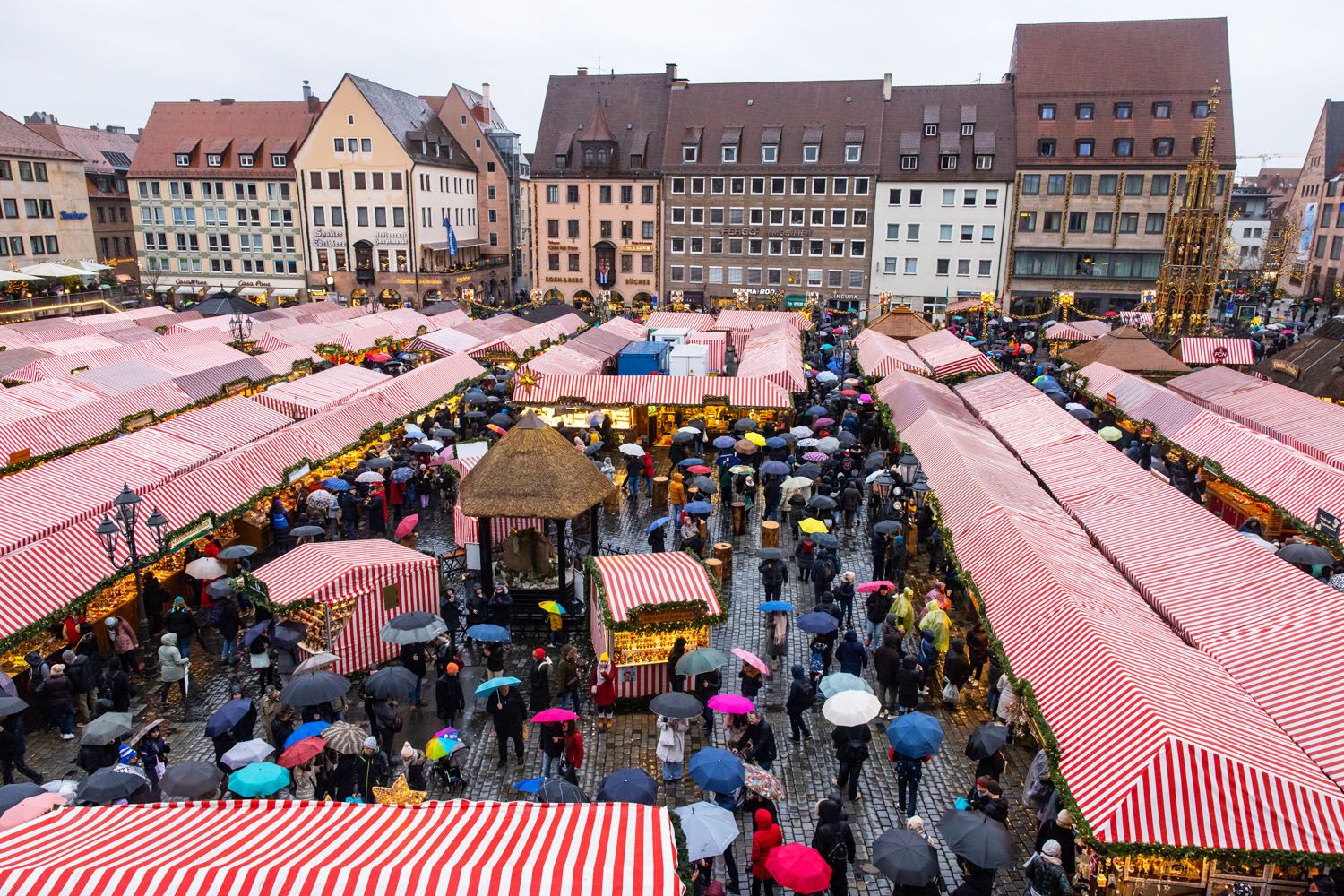
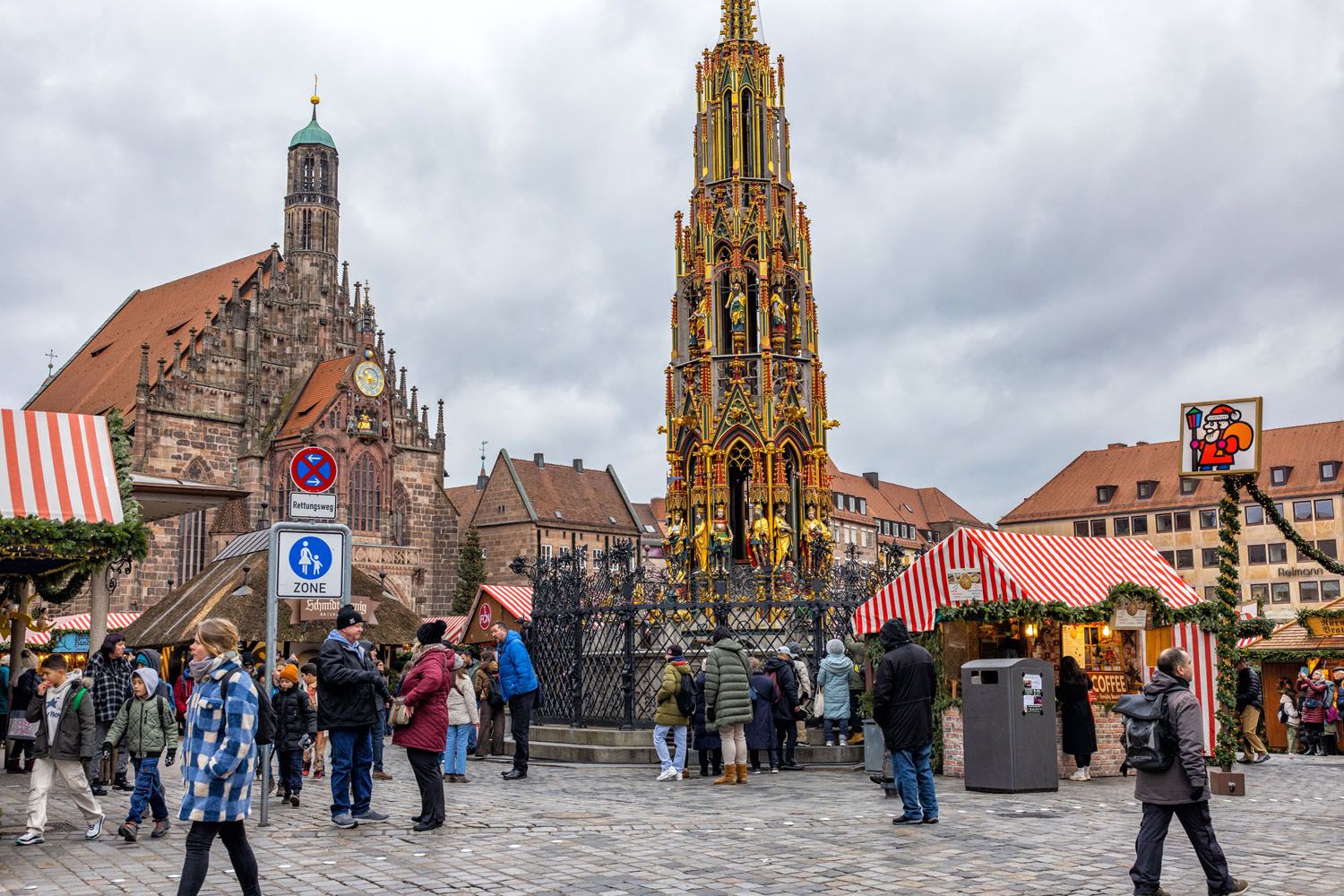
Christkindlesmarkt in Nuremberg is synonymous with tradition. Renowned for its high-quality artisanal goods, this market is the place to sample authentic Nuremberg Lebkuchen (gingerbread) and heidelbeer Glühwein (blueberry mulled wine). While crowds can be intense, the view from the Frauenkirche provides a breathtaking perspective of the sea of red-and-white striped tents below.
4. Munich: The Festive City
Munich offers a delightful variety, ranging from the central Marienplatz market to the quirky Pink Christmas Market and the enchanting Christmas Village at the Residenz. Munich serves as an ideal anchor for any Bavarian itinerary, offering a seamless mix of big-city convenience and deep-rooted Alpine tradition.
5. Stuttgart: The Decorator’s Dream
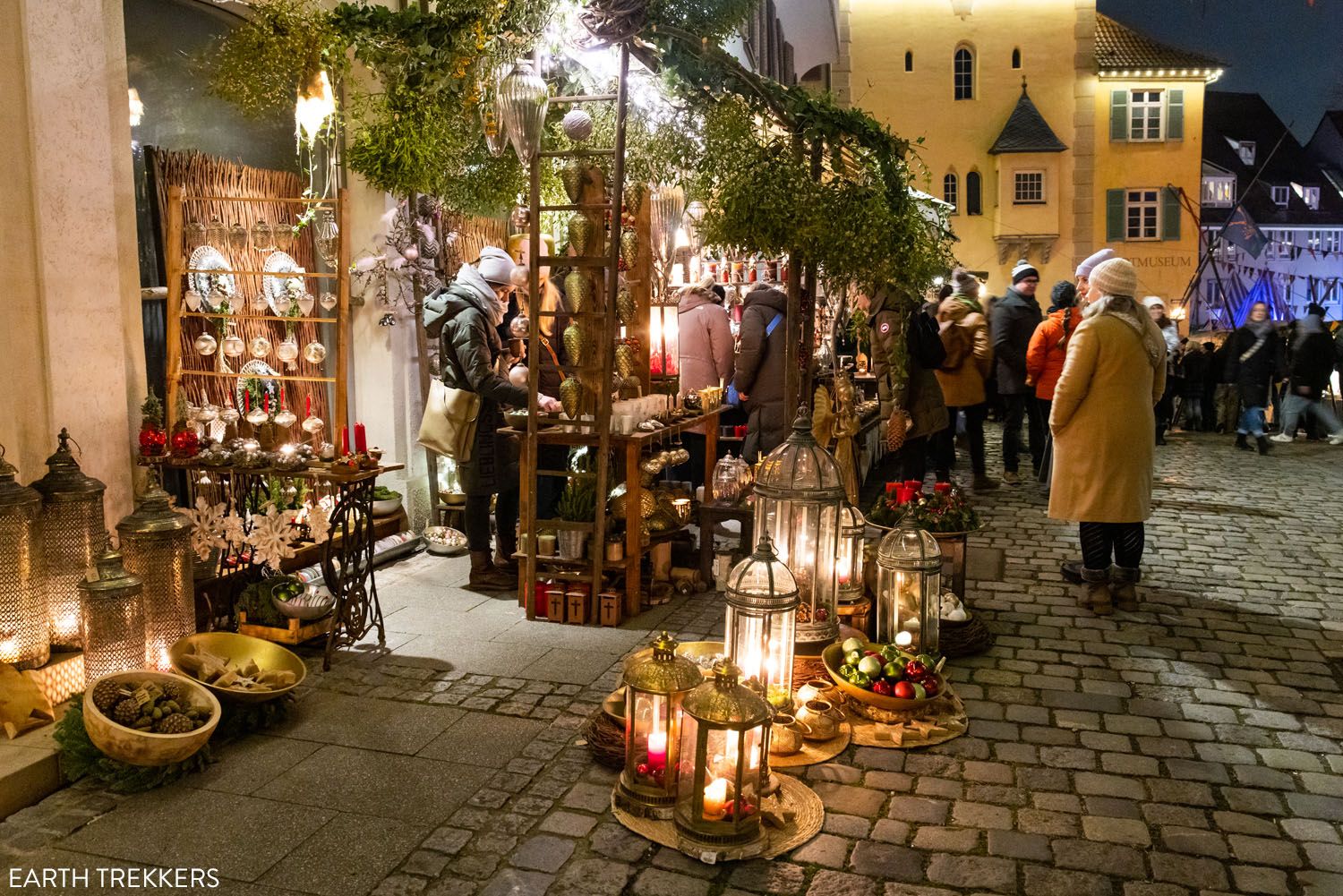
Stuttgart is distinguished by the sheer artistry of its stalls. The level of detail on display—from intricate roof sculptures to elaborate light displays—is unmatched. While the city center is more modern than others, the aesthetic effort put into every booth makes it a visual masterpiece.
Supporting Data: Navigating Costs and Logistics
Most German Christmas markets are free to enter. However, specific premium experiences, such as the Romantic Market at Thurn and Taxis Palace in Regensburg or the Ravenna Gorge market, require an entry fee.
The Pfand System:
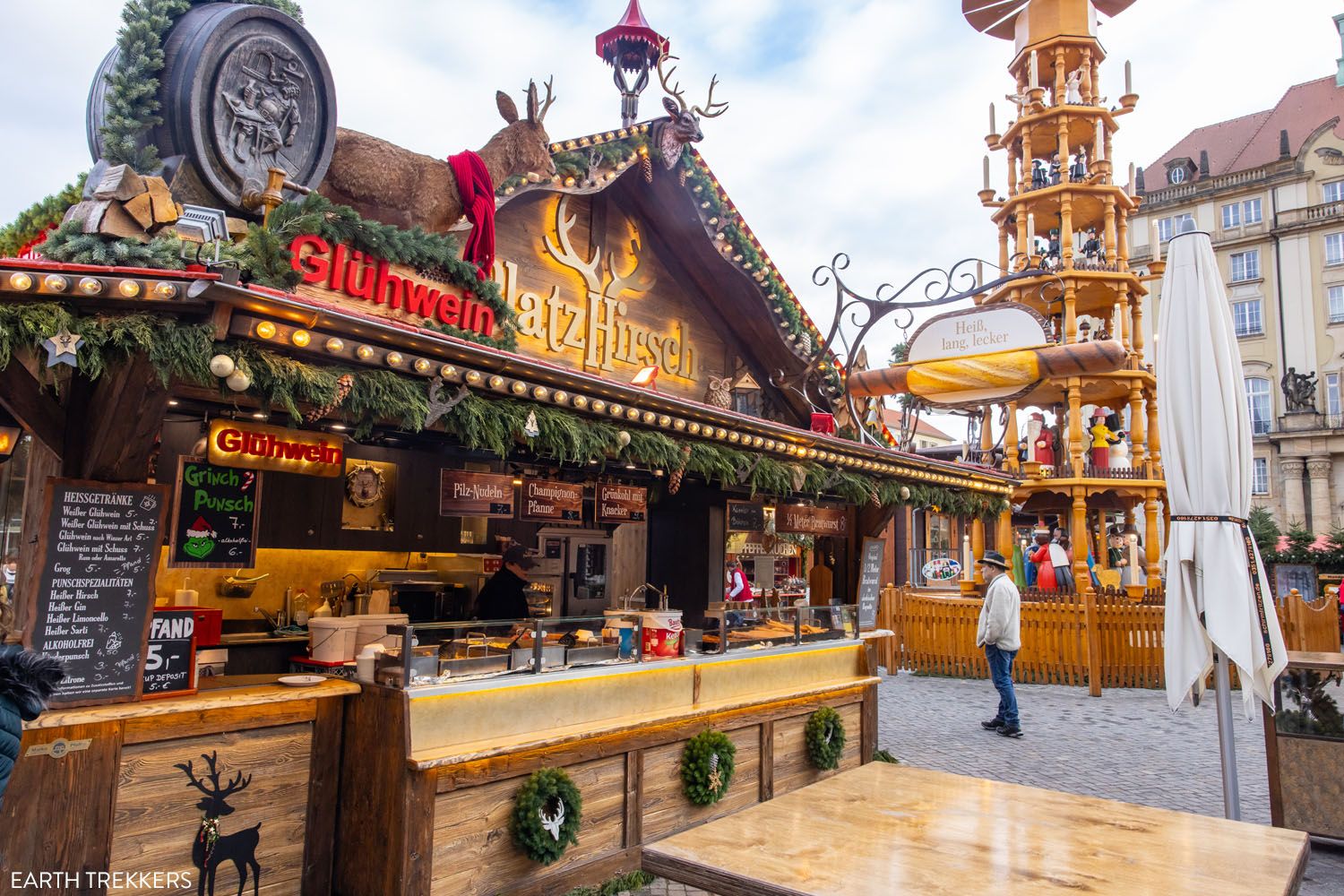
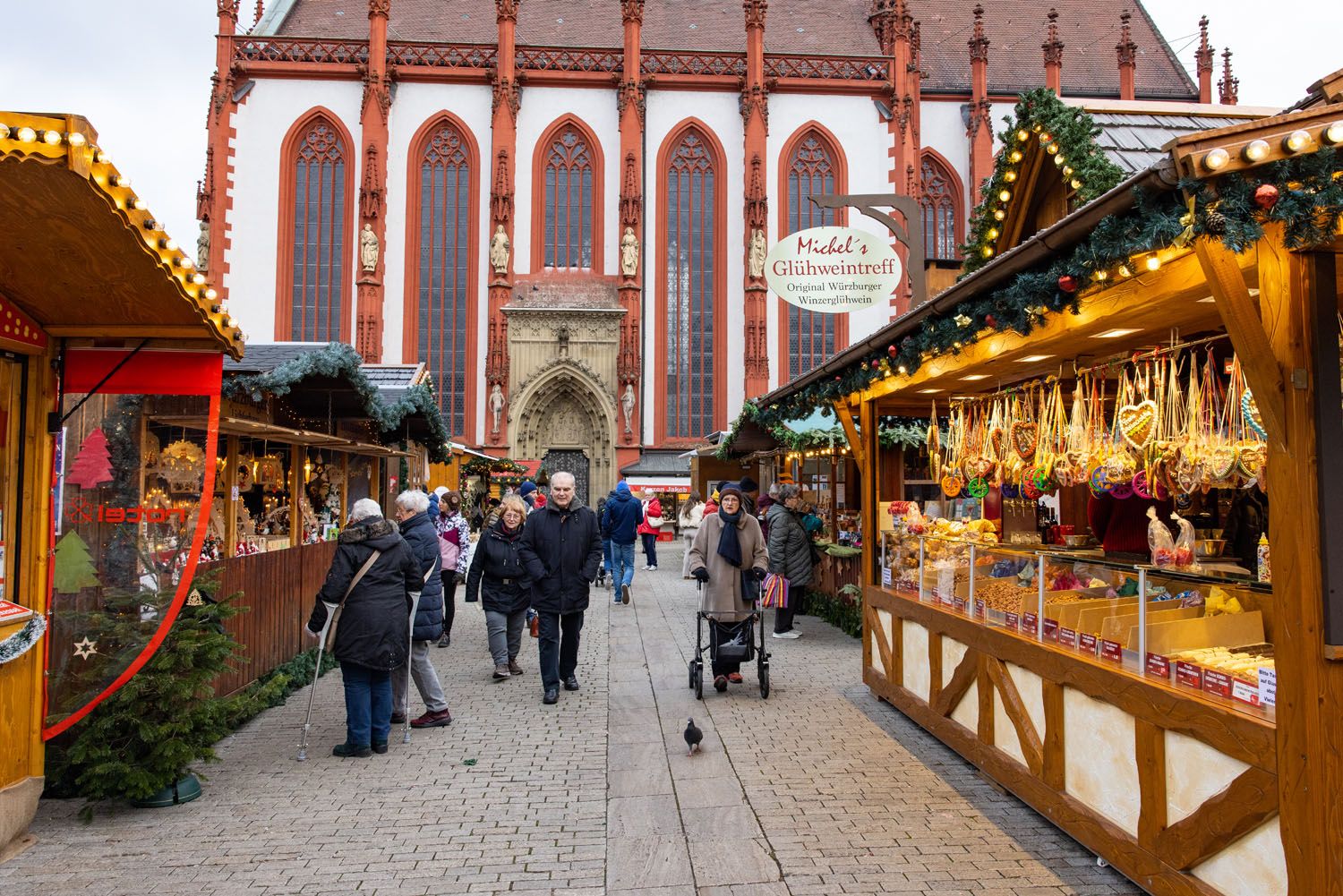
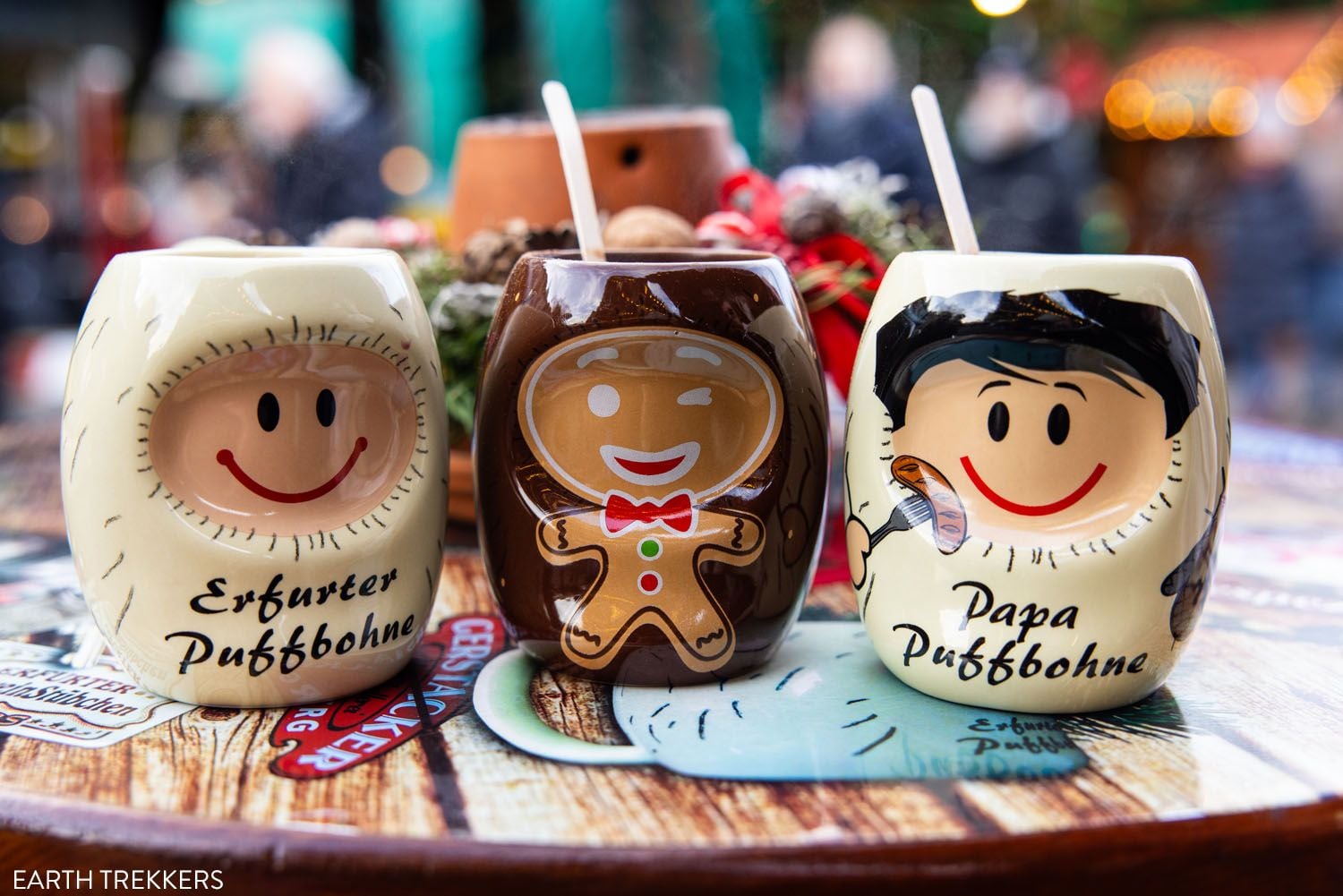
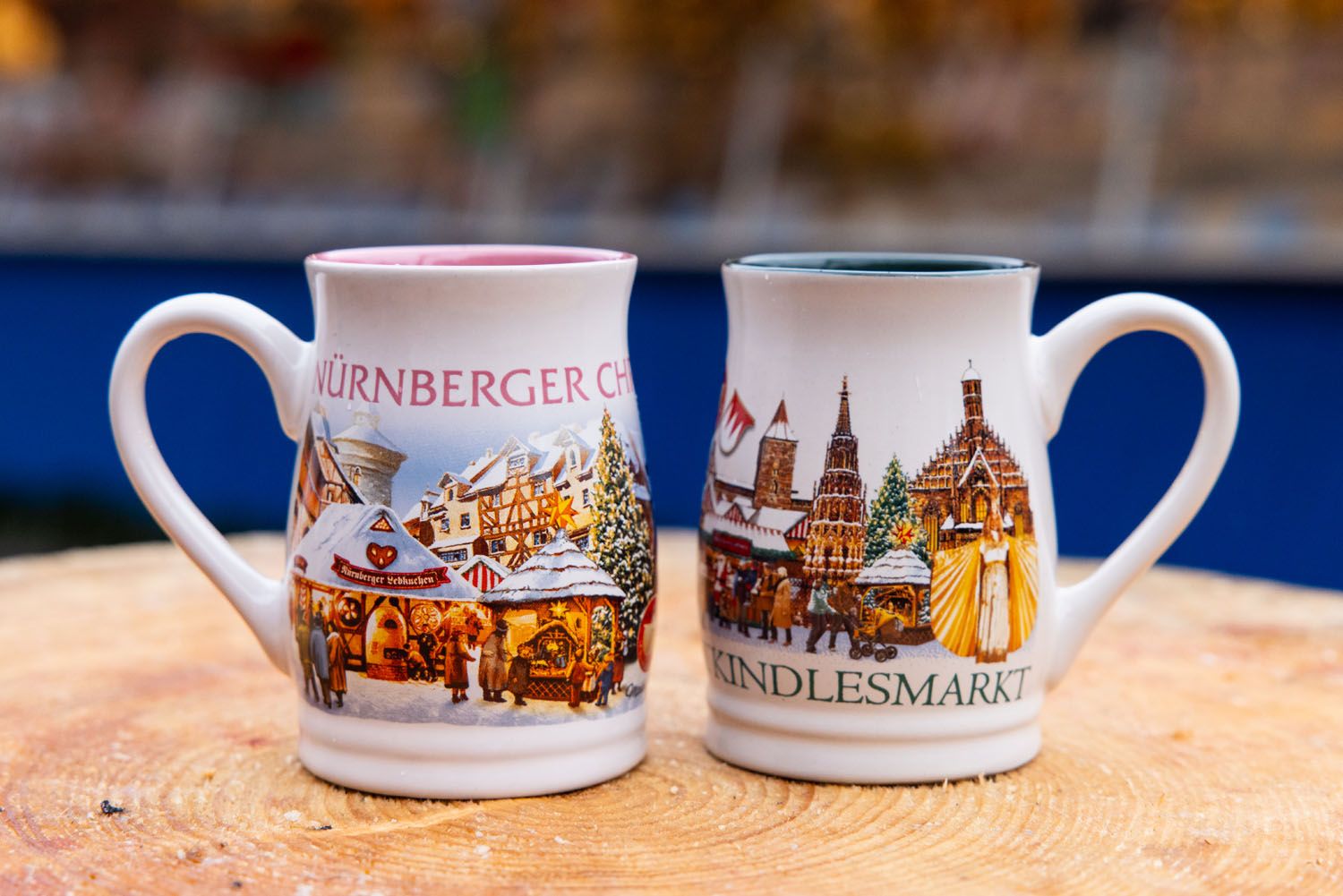
A quintessential part of the experience is the Pfand (deposit) system. When you purchase a drink, you pay a small deposit for the ceramic mug. You may either return the mug to receive your deposit back or keep it as a personalized souvenir. We highly recommend keeping them; they are the most authentic way to bring the spirit of the market home.
Official Perspectives: Managing Expectations
While the larger, more famous markets are undeniably iconic, they can become crowded to the point of discomfort. Cities like Berlin and Cologne host dozens of markets, and while the "Big Names" get the press, the smaller, regional markets often provide a more genuine, relaxed, and localized experience.
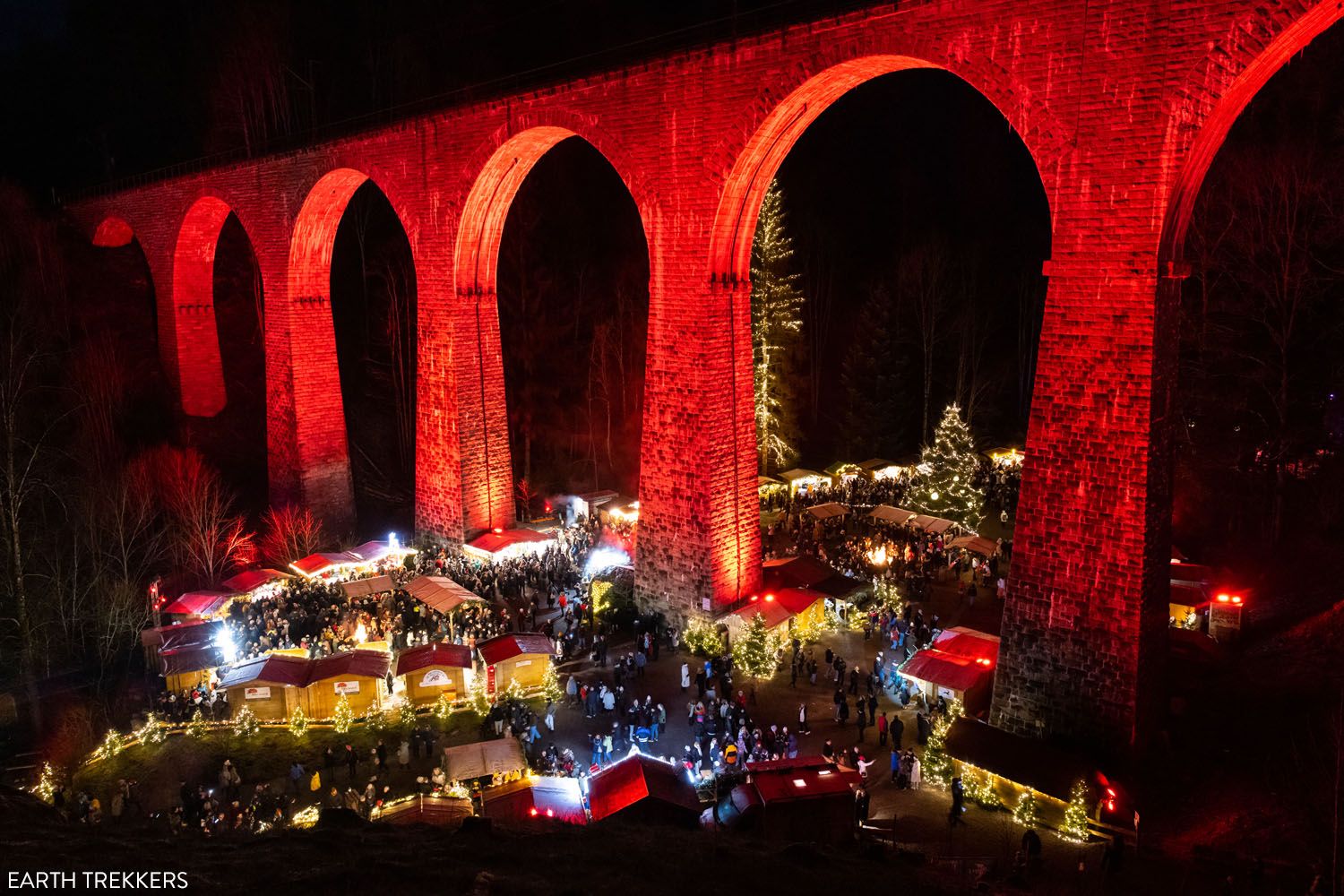
- Ravenna Gorge: While visually spectacular—situated beneath a massive, illuminated railway viaduct—it is logistically challenging. Tickets are required and sell out in hours. We advise caution for those who do not enjoy navigating shuttle bus logistics in cold weather.
- Rothenburg ob der Tauber: While the town itself is perhaps the most beautiful in Germany, the market is surprisingly small and can feel somewhat underwhelming compared to the grandeur of the town’s architecture.
Implications for Your Itinerary
If you are planning your inaugural German holiday trip, we recommend a "hub and spoke" model.
- The Bavarian Route: Spend 7 to 10 days utilizing Munich and Nuremberg as your primary bases. This allows you to explore nearby gems like Regensburg and Rothenburg without the stress of constant hotel changes.
- The Central/Western Route: For those interested in the Mosel wine region or the history of the Rhineland, combine Cologne, Aachen, and the underground wine cellars of Traben-Trarbach.
Essential Tips for Success:
- Carry Cash: While digital payments are increasing, many small, artisanal stalls remain cash-only. Keep at least 100 Euros on hand.
- Dress for the Elements: You will be stationary and outdoors for hours. Thermal layers, high-quality gloves, and comfortable, waterproof boots are not optional—they are essential.
- Use Wet Wipes: A pro-traveler tip: keep a small pack of wet wipes in your bag to clean your souvenir mugs before stowing them away. It prevents your luggage from becoming sticky with leftover glühwein residue.
- Embrace the Evening: While mornings are quiet, the markets truly come alive after sunset. The combination of early winter darkness and thousands of warm, glowing bulbs is what makes these markets legendary.
Conclusion
Germany’s Christmas markets are a testament to the power of tradition. Whether you find yourself sipping mulled wine in the shadow of a medieval cathedral or watching a fire-eater perform in a historic town square, the magic of the season is undeniable. Plan carefully, prioritize the markets that align with your personal interests, and above all, prepare to be enchanted by the warmth of the German winter.
 Siti Muinah
 Lina Hope
