

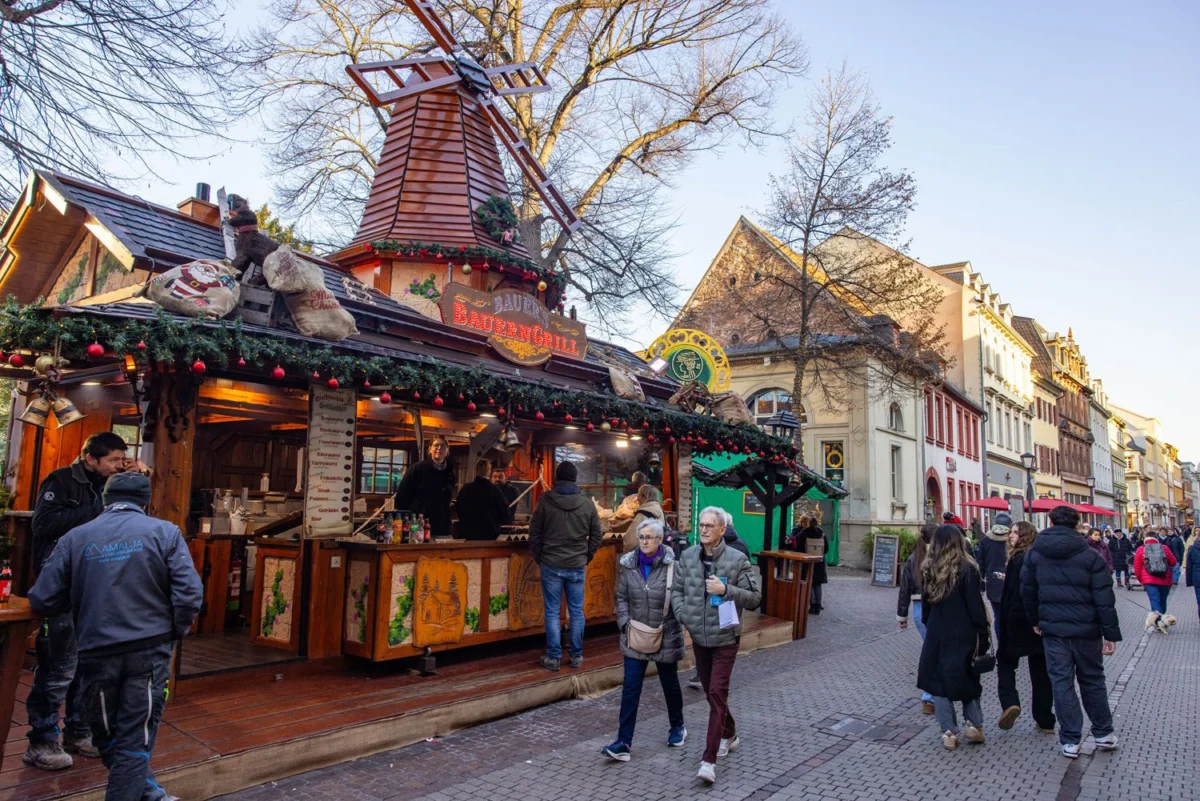
In the heart of Germany’s Baden-Württemberg region, where the Neckar River winds beneath the watchful gaze of ancient sandstone ruins, lies one of Europe’s most enchanting winter destinations. The Heidelberg Christmas Market is a testament to the enduring allure of German holiday traditions. While global travelers often flock to the sprawling, high-energy markets of Cologne or the historic grandeur of Nuremberg, Heidelberg offers something arguably more precious: an intimate, fairy-tale atmosphere that feels plucked from the pages of a 19th-century novella.
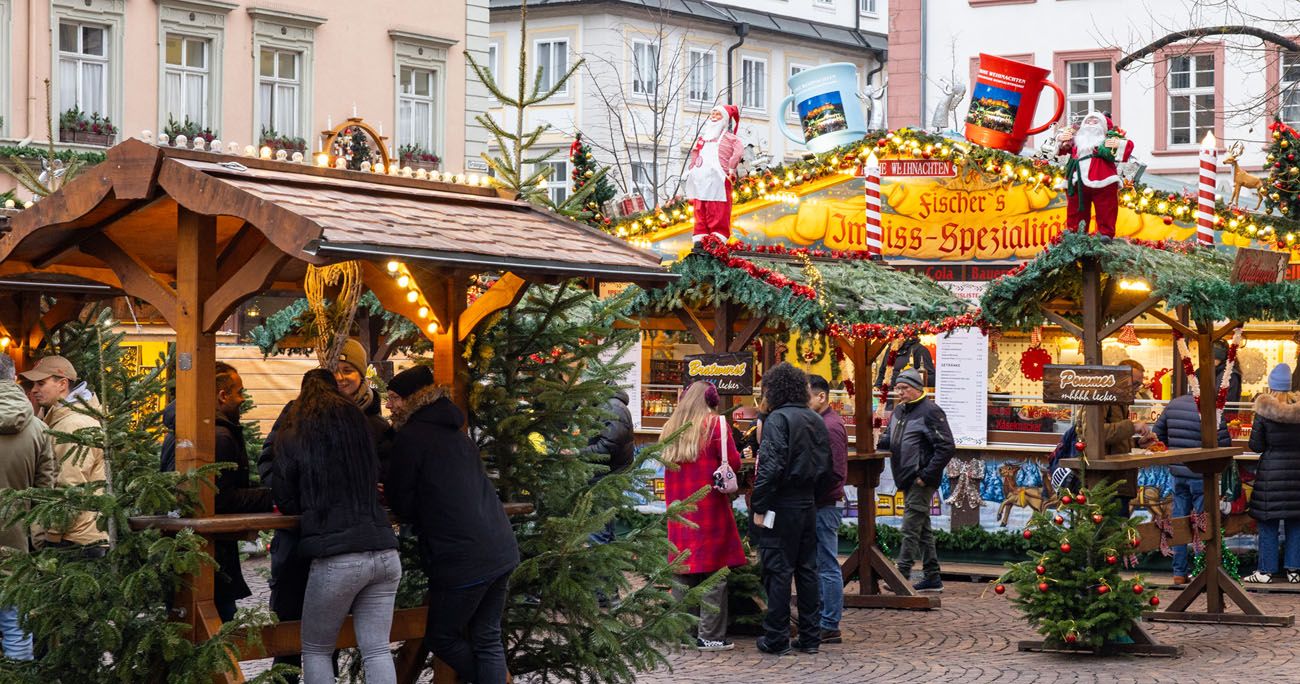
For those seeking the quintessential German Christmas experience—minus the overwhelming crush of metropolitan crowds—Heidelberg stands as a premier, if slightly underrated, choice.
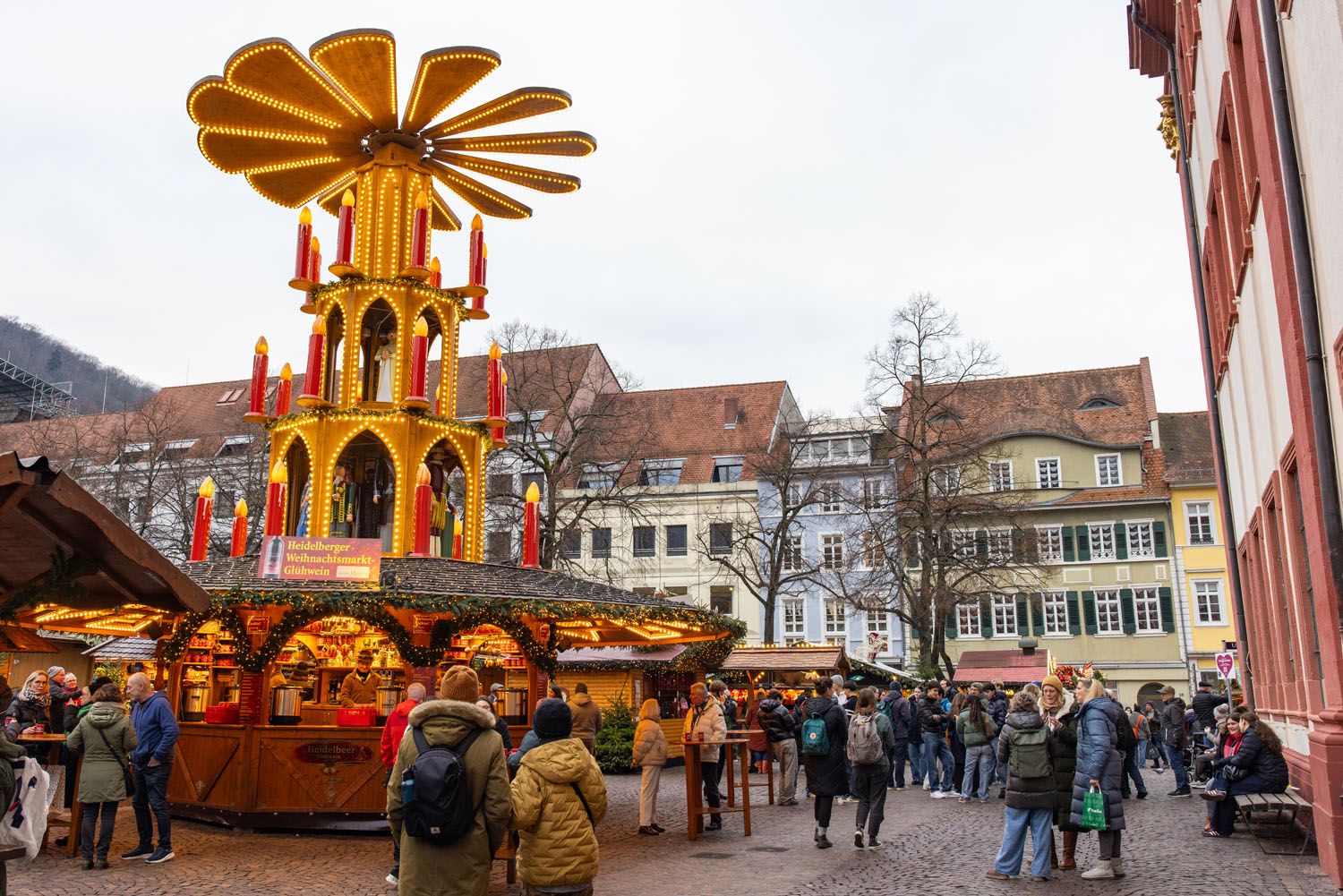
Main Facts: The Essence of Heidelberg in Winter
The Heidelberg Christmas market is not a single, centralized event, but rather a collection of festive pockets scattered across the city’s historic Old Town (Altstadt). Stretching from the transit hub of Bismarckplatz to the shadow of the Heidelberg Castle at Karlsplatz, the market is a linear celebration that invites visitors to walk the cobblestone streets of one of Germany’s most beautiful cities.
- Atmosphere: Romantic, historic, and local.
- Best For: Couples, families looking for a manageable pace, and history buffs.
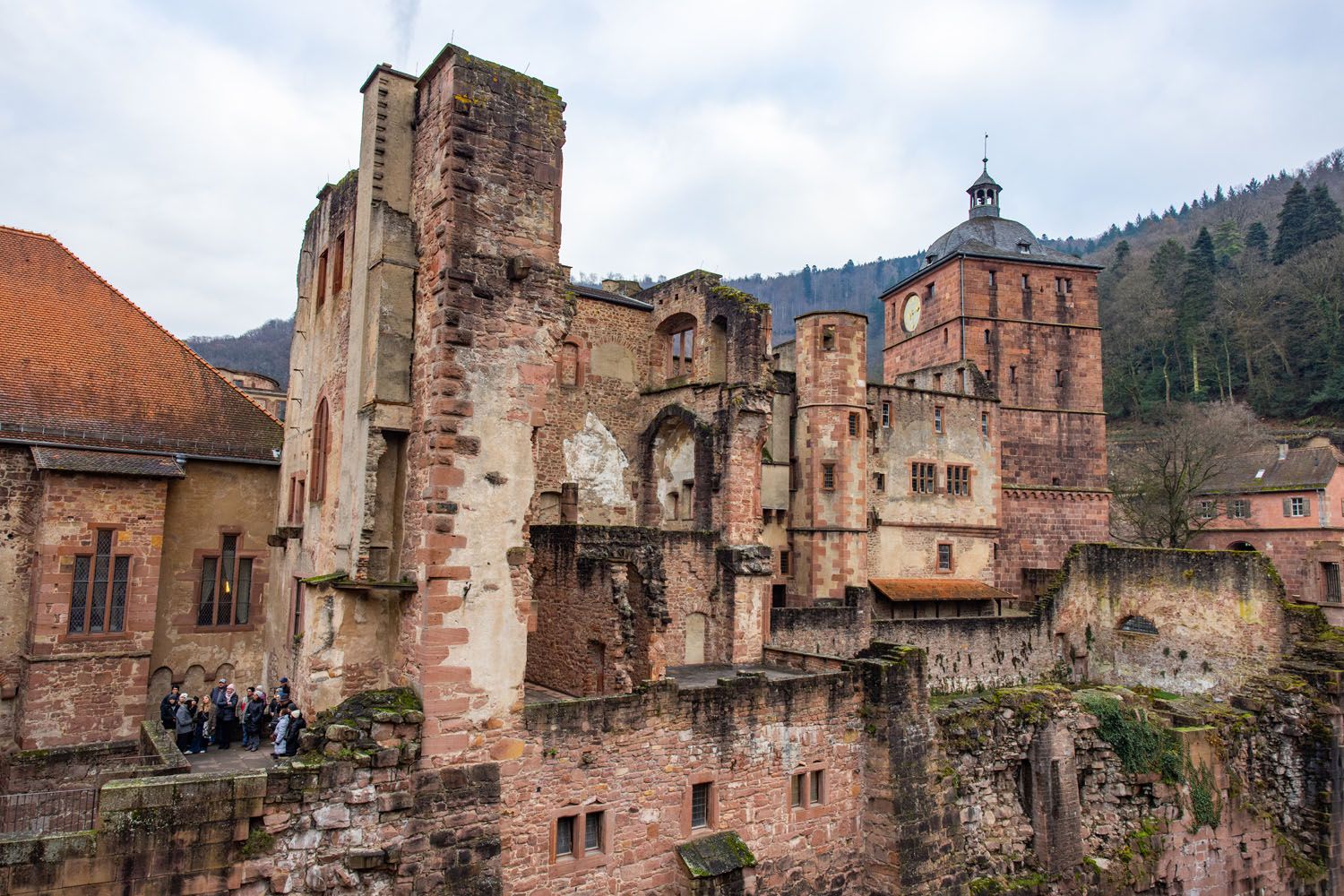
- Key Experiences: Sipping Glühwein beneath the ruins of the 16th-century Heidelberg Castle, crossing the iconic Alte Brücke (Old Bridge), and exploring the artisan stalls of the Universitätsplatz.
- 2026 Dates: The market is scheduled to run from November 23 to December 22, 2026.
- Operating Hours: Sunday through Friday, 11:00 AM to 9:00 PM; Saturdays, 11:00 AM to 10:00 PM.
Unlike the hyper-commercialized markets in larger cities, Heidelberg maintains a focus on high-quality craftsmanship, regional culinary delights, and a community-oriented spirit that makes it a favorite for those who have spent years traversing the European festive circuit.
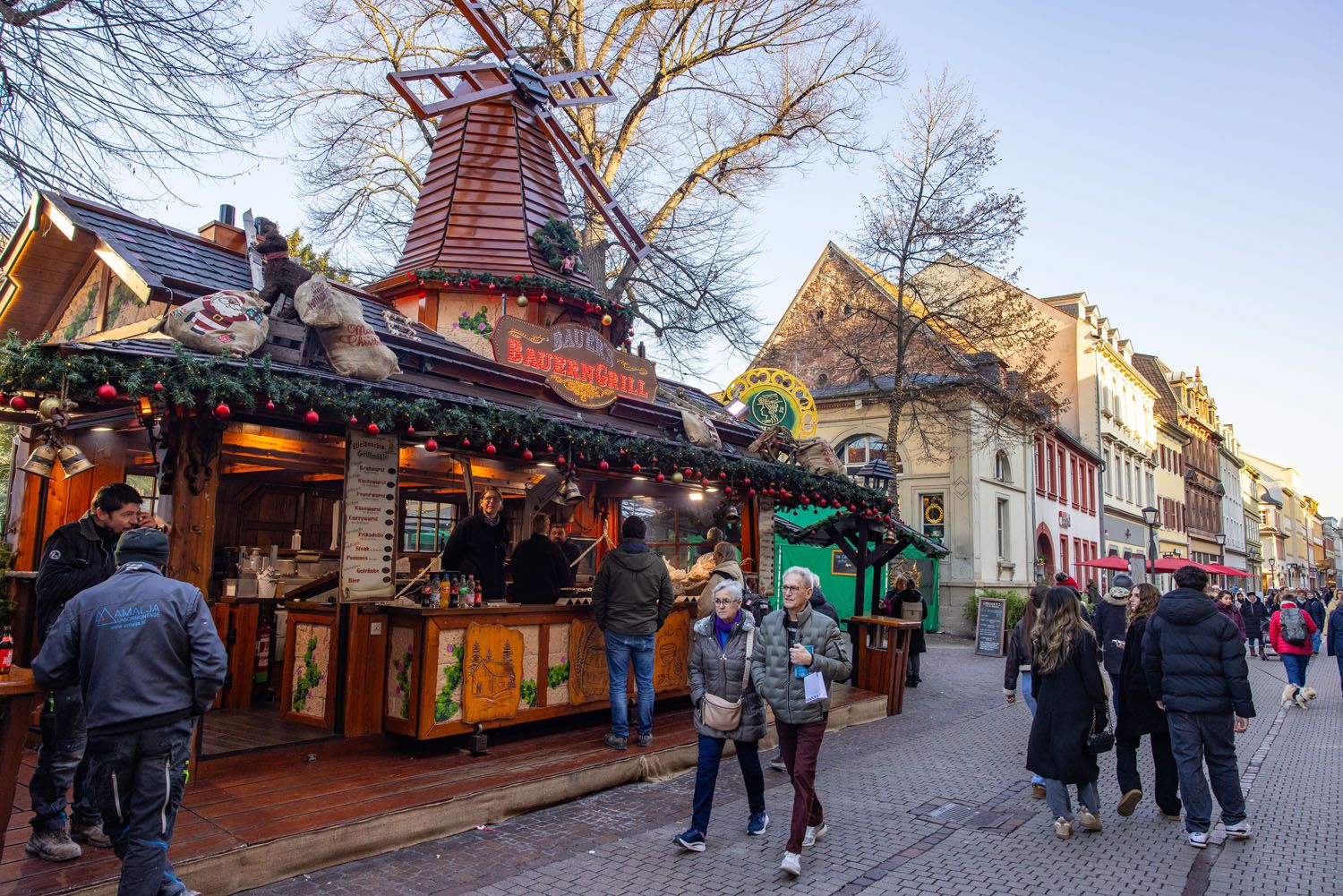
Chronology of a Perfect Visit: Structuring Your Day
To maximize your time in this historic town, a structured approach is recommended. While the markets can be explored in roughly two hours, a full day allows for a more immersive experience, including the ascent to the castle.
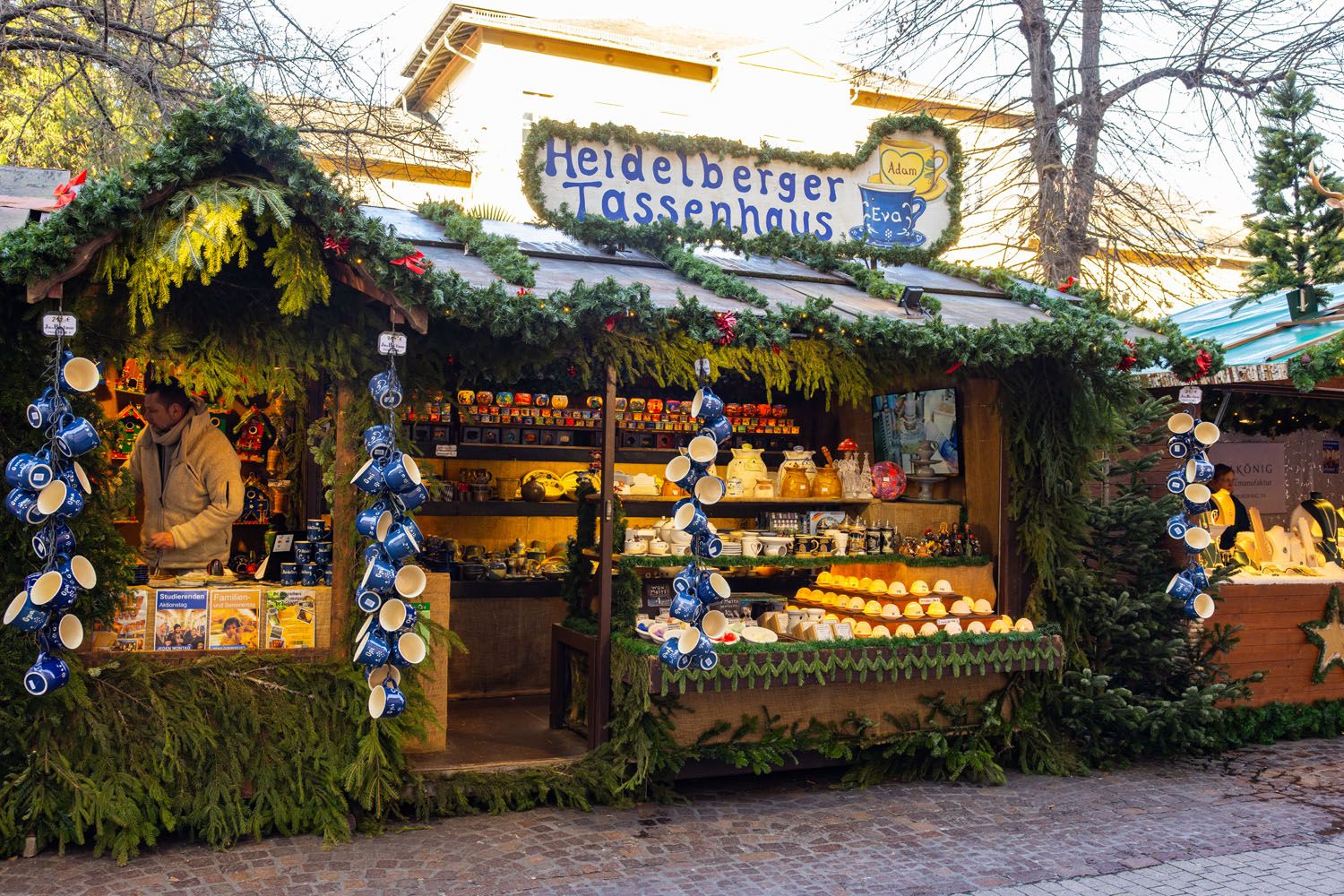
1. Morning Arrival and Bismarckplatz
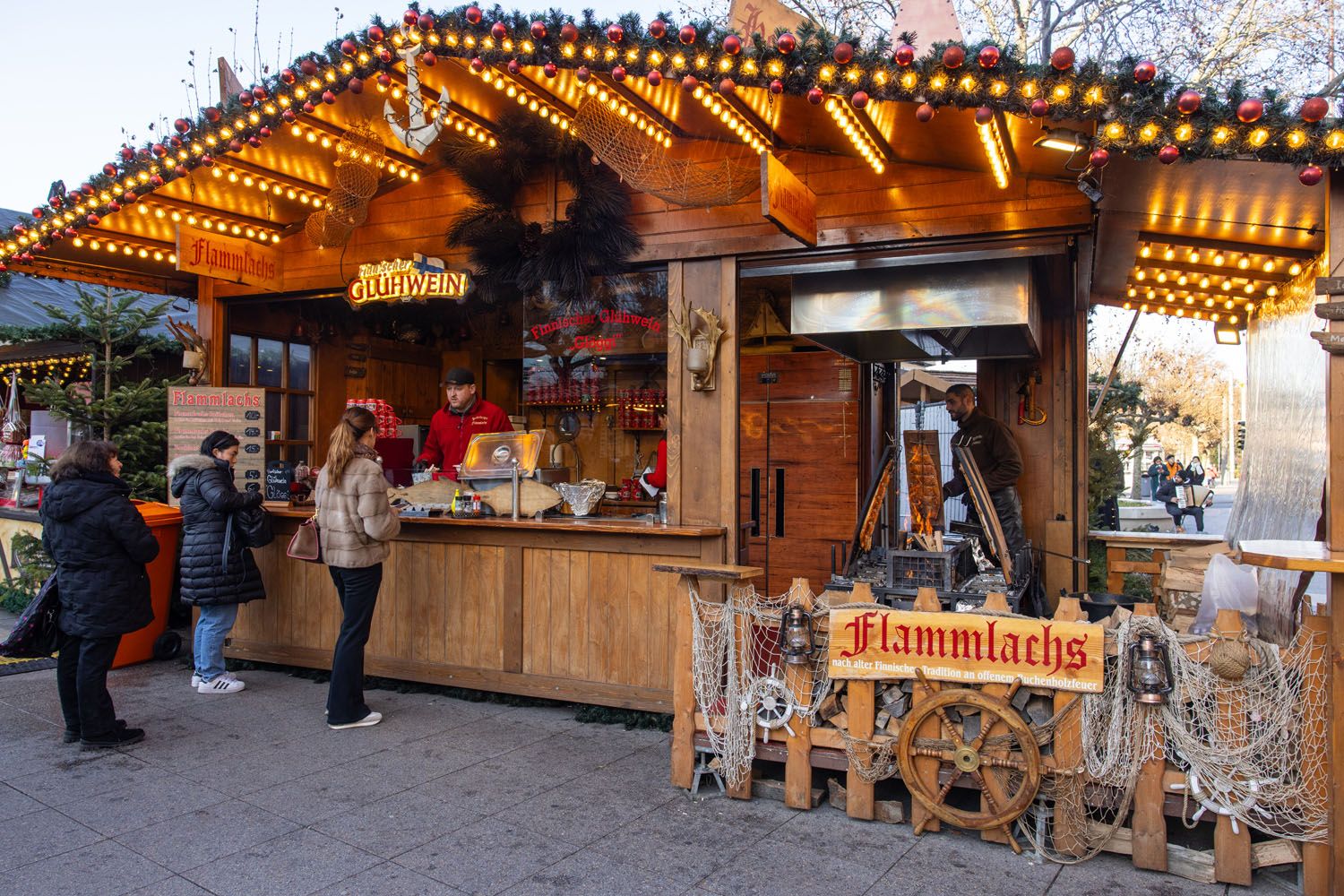
Begin your day at Bismarckplatz, the western gateway to the market. While this area is primarily a transport hub, it offers a gentle introduction to the festivities. There is a modest Ferris wheel here, perfect for families with younger children, and a handful of initial stalls serving traditional Flammlachs (roasted salmon).
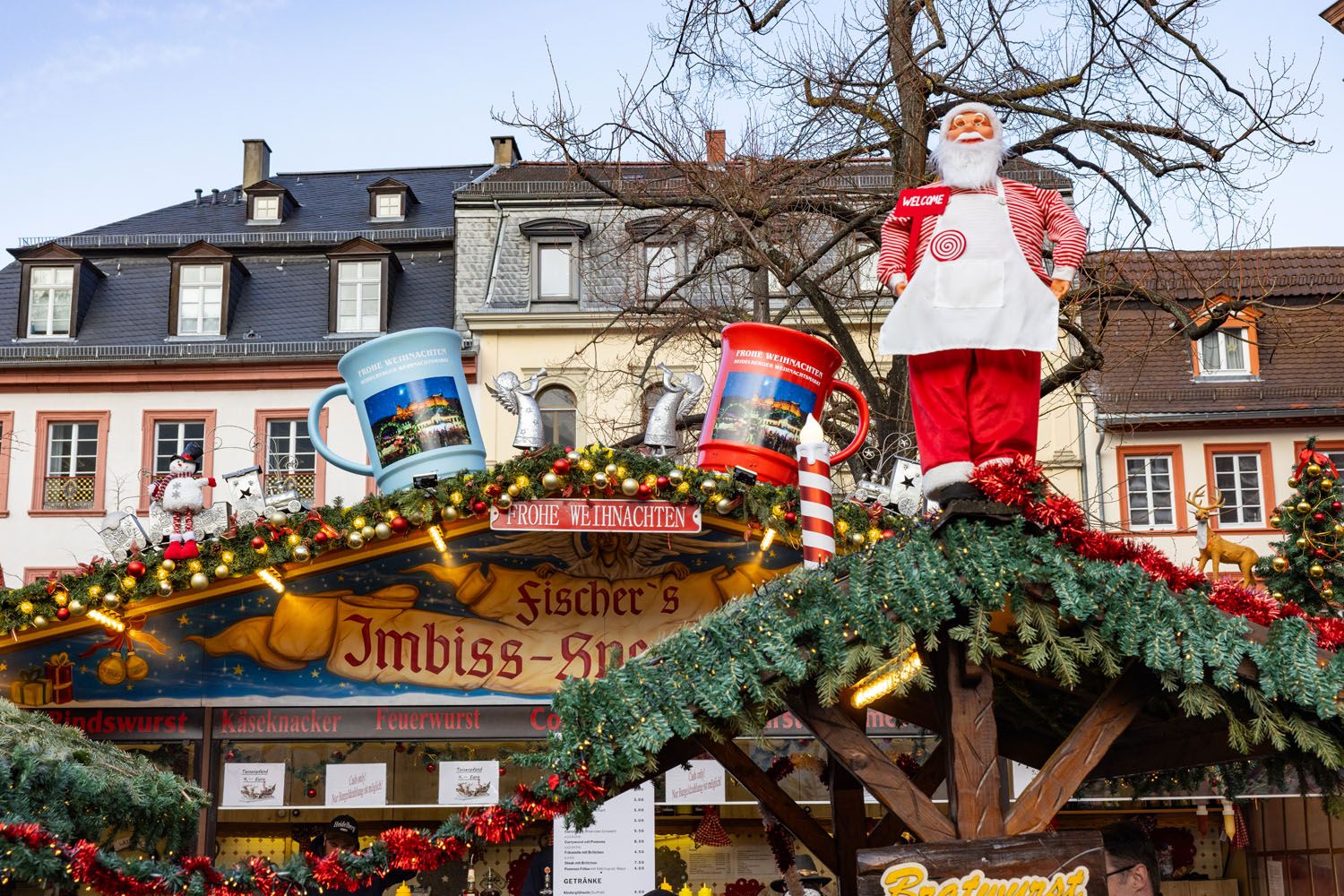
2. Midday: The Heart of the Old Town
As you progress east along the Hauptstraße—one of Europe’s longest pedestrian shopping streets—you will reach the Anatomiegarten. This section is notably more vibrant, featuring authentic wooden stalls selling handcrafted ornaments, beeswax candles, and local wood carvings.
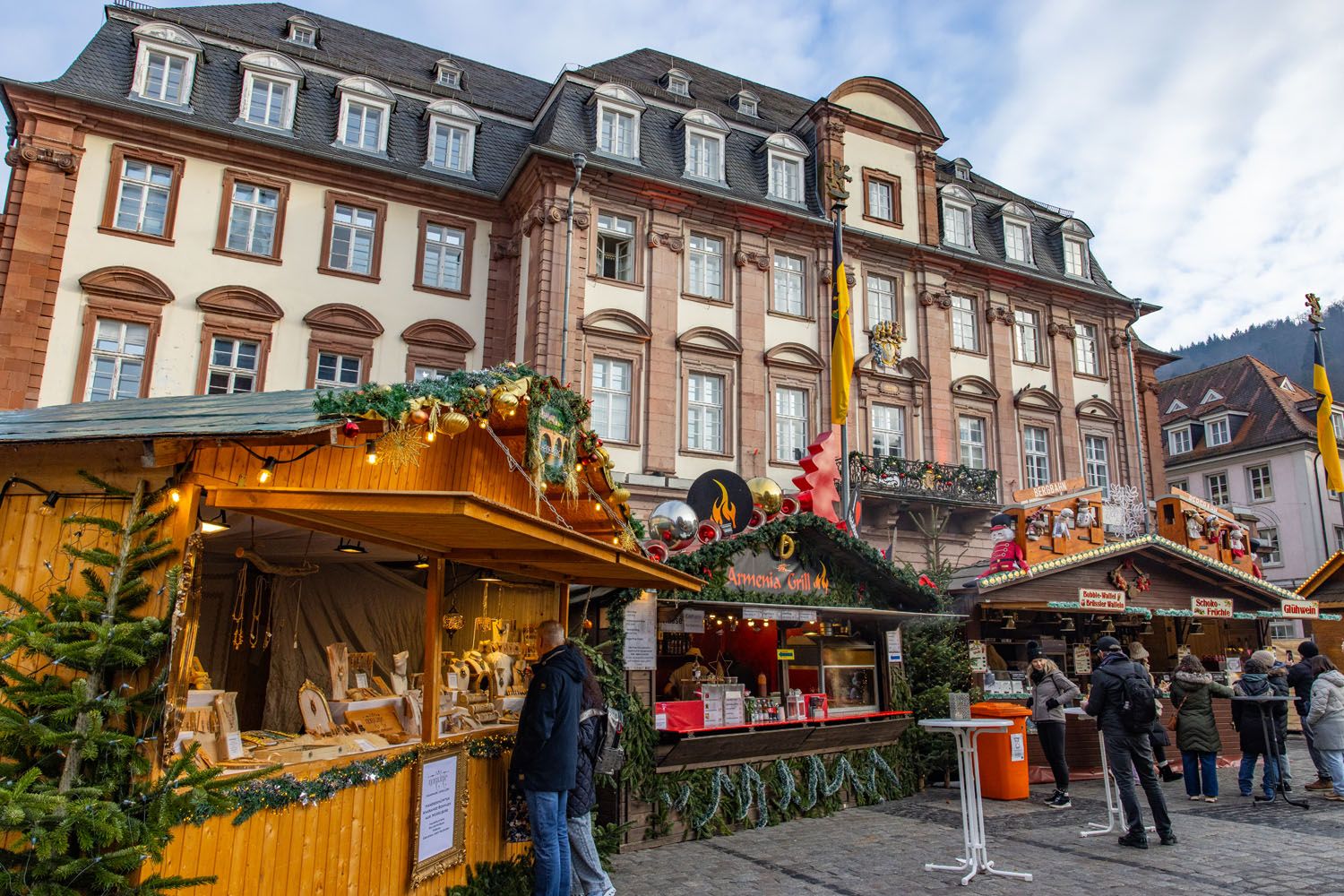
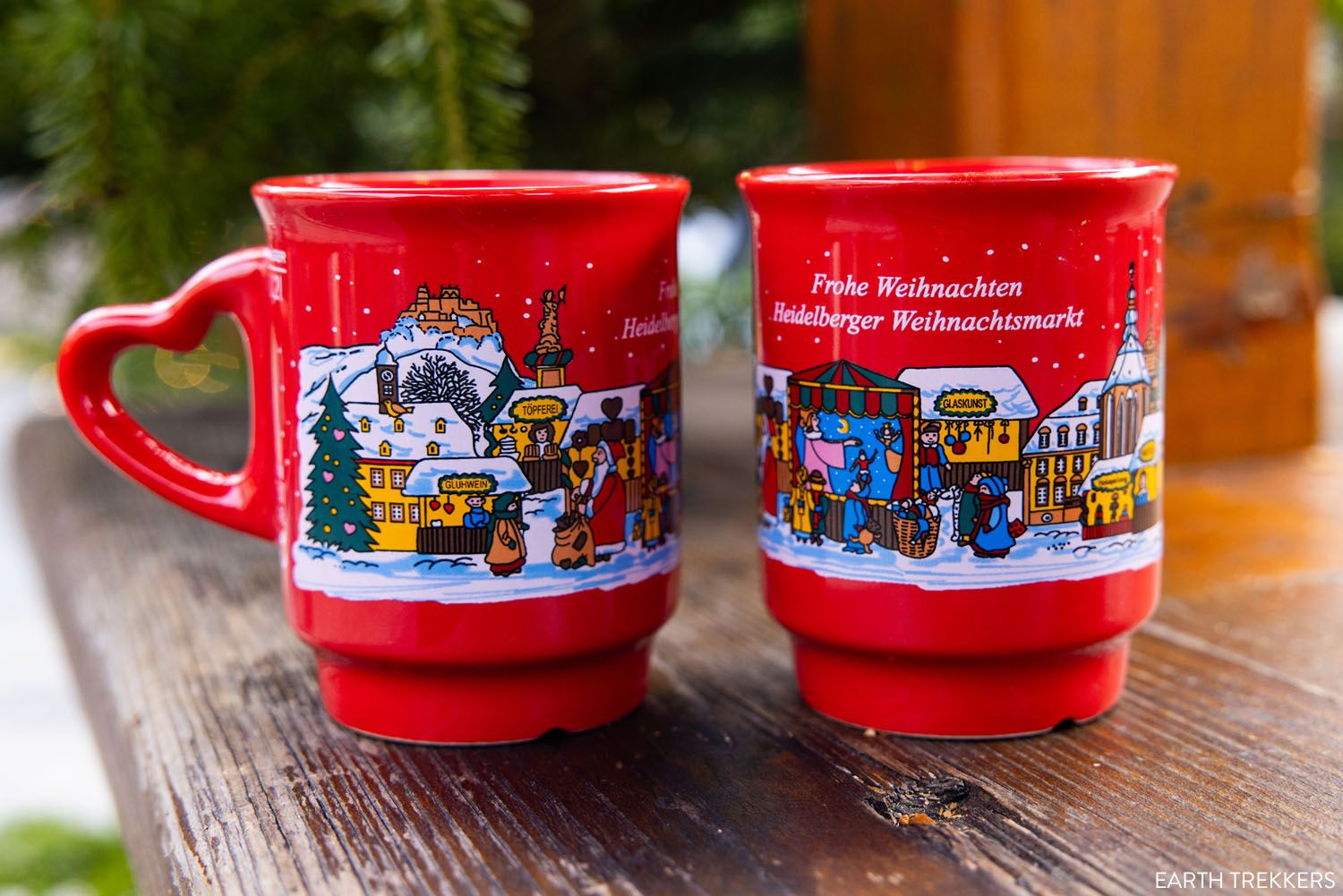
The true pulse of the market, however, is found at Universitätsplatz. As the largest of the market squares, it serves as the cultural heart of the event. Here, the aroma of cinnamon, roasted almonds, and spiced wine fills the air. This is the optimal spot for a midday lunch, where one can sample local bratwurst or currywurst amidst the backdrop of historic university buildings.
3. Afternoon: History and Views
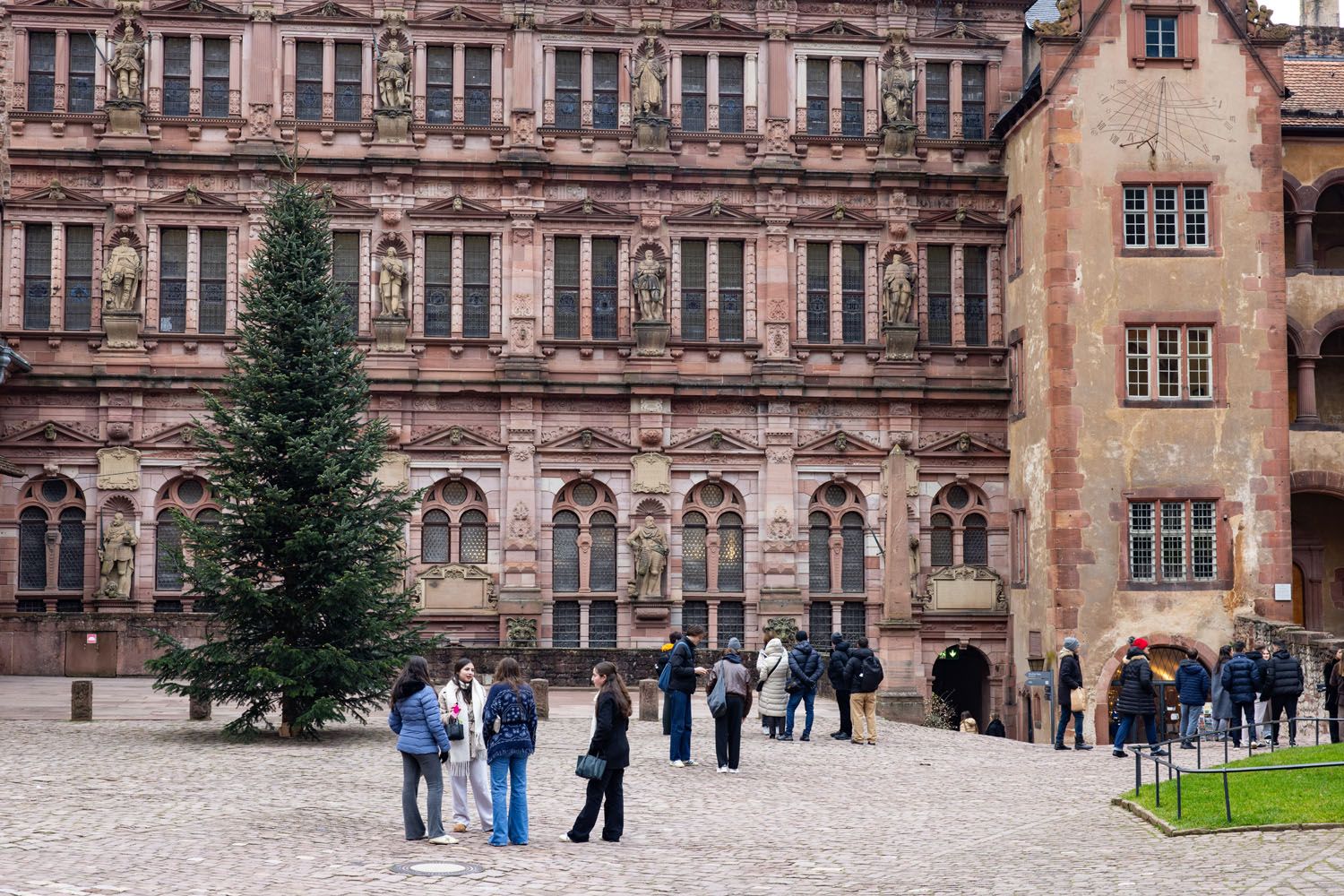
By early afternoon, divert your path toward Marktplatz. Situated at the foot of the Heiliggeistkirche (Church of the Holy Spirit), this square offers one of the most photographed settings in the city. The contrast between the illuminated market stalls and the gothic architecture of the church is breathtaking.
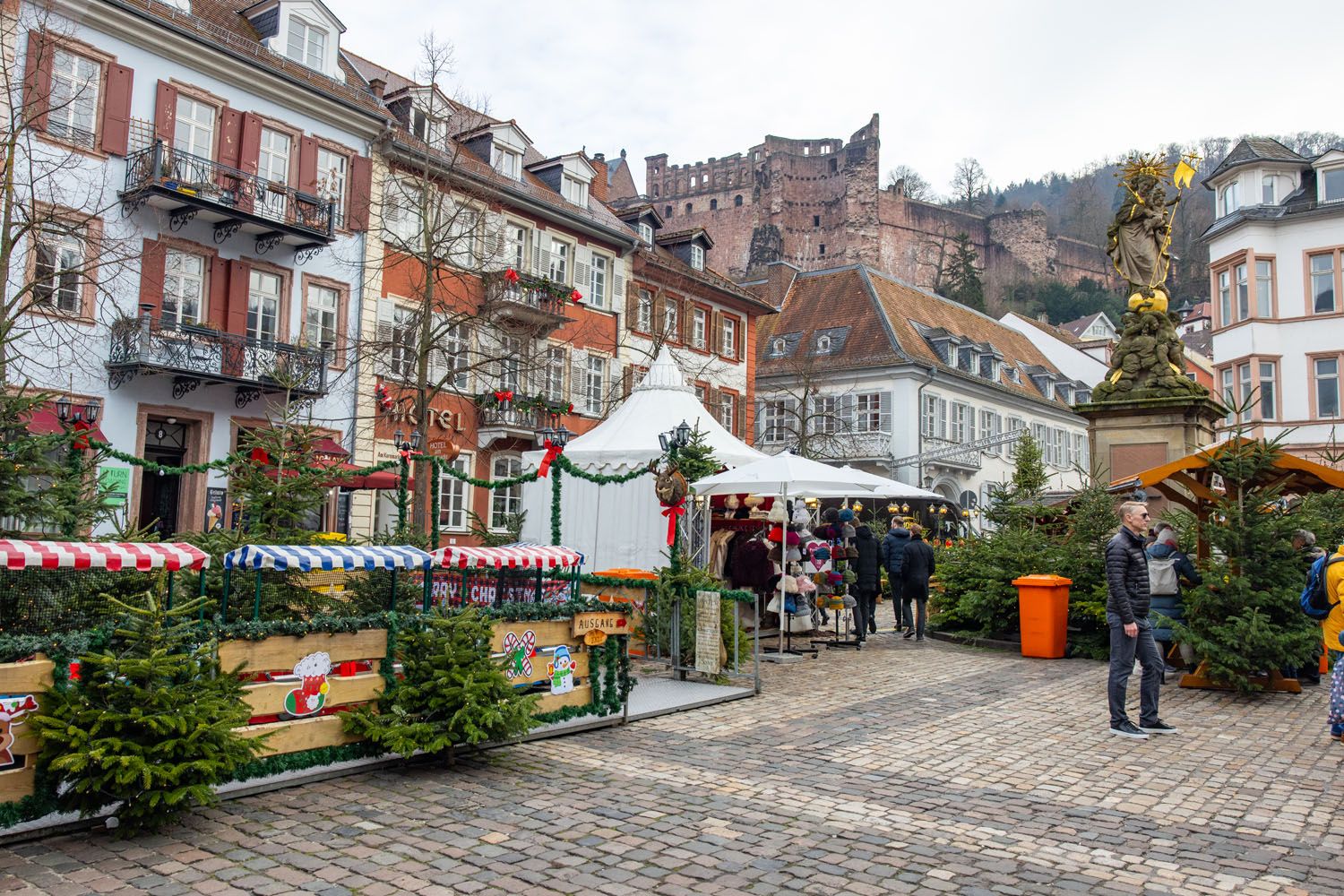
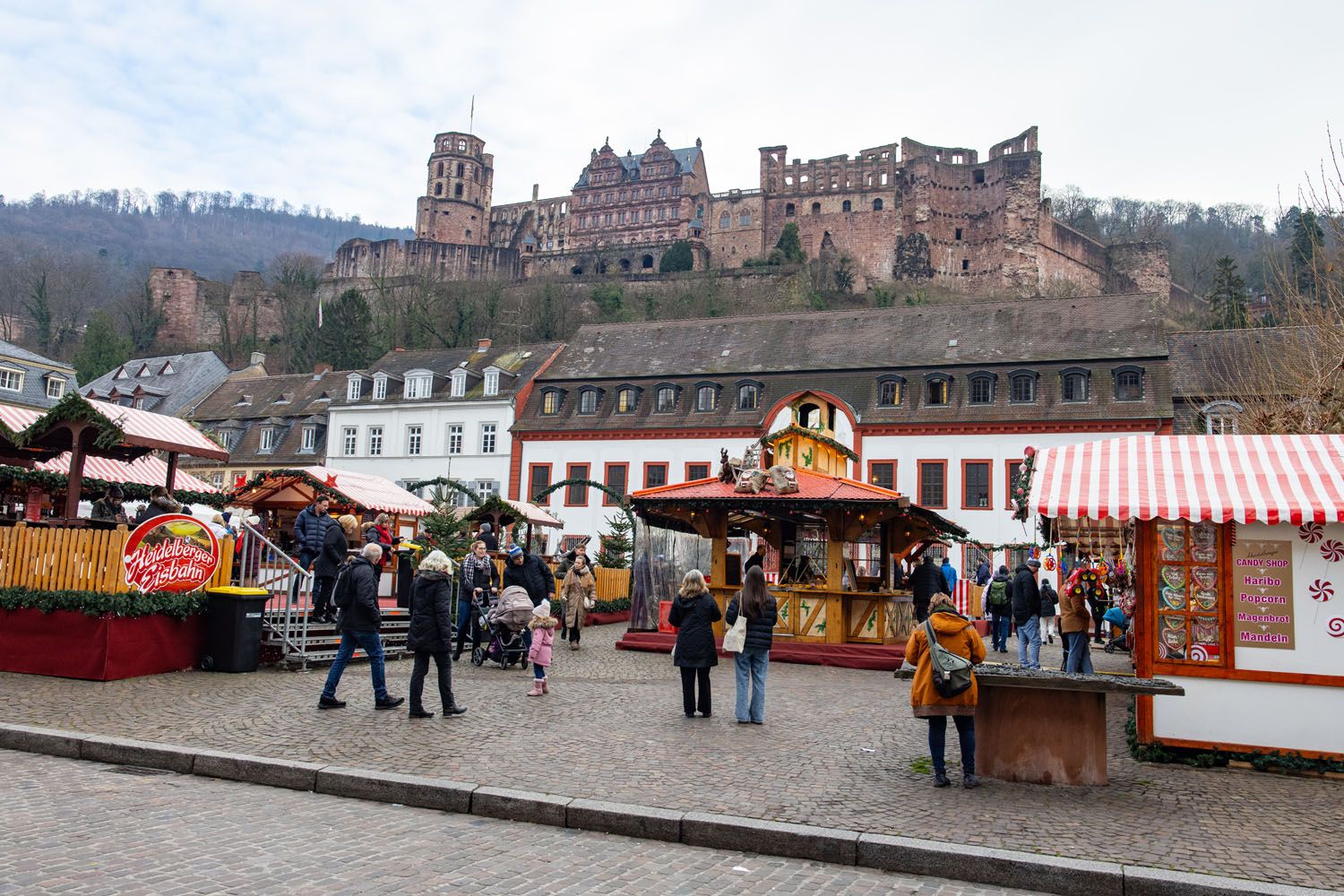
After refreshing yourself, head to the Kornmarkt for a quieter experience before making the final push to Karlsplatz. Though smaller than the main squares, Karlsplatz is non-negotiable for the photographer; it offers the most unobstructed, dramatic view of the Heidelberg Castle looming above.
4. Late Afternoon: The Castle and the Bridge
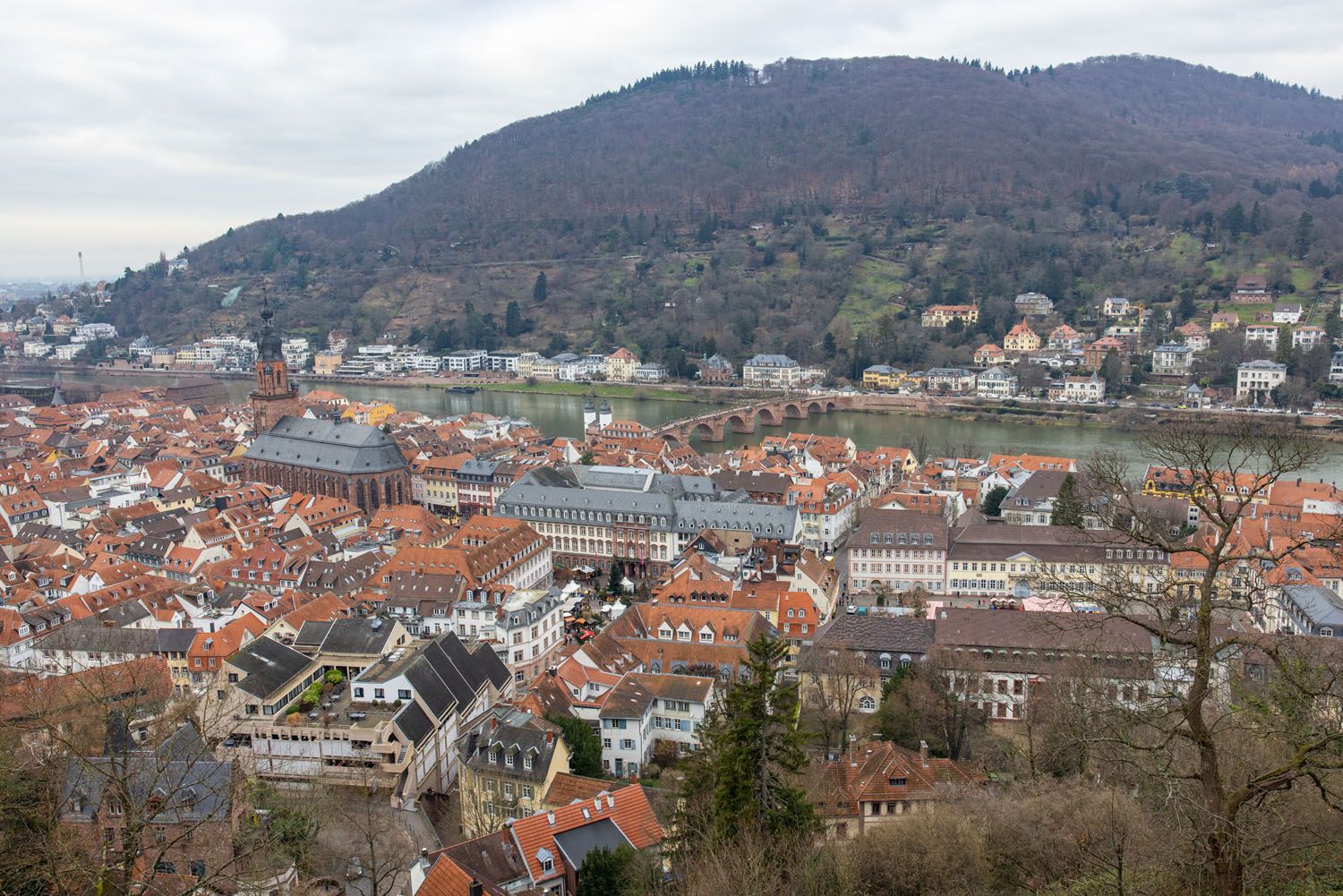
End your day by taking the funicular or walking the hillside path up to Schloss Heidelberg. Even if you skip the interior guided tour, the castle grounds provide a panoramic view of the city illuminated by thousands of twinkling holiday lights. As dusk settles, walk back down to the Alte Brücke to see the bridge and the reflection of the town’s lights dancing on the dark waters of the Neckar.
Supporting Data: Why Heidelberg Earns Its Reputation
For the seasoned traveler, the decision to visit Heidelberg is often a matter of "quality over quantity." Having evaluated over 20 Christmas markets across Germany, including the heavyweights in Munich, Berlin, and Dresden, the consensus among regular visitors is that Heidelberg ranks highly for its aesthetic cohesion.
- The "Underrated" Factor: Because it is not a "megamarket," you can avoid the shoulder-to-shoulder friction common in Cologne or Frankfurt. This allows for a more contemplative, romantic experience.
- Strategic Location: Its proximity to the Frankfurt International Airport (approximately one hour by car or rail) makes it an ideal "day-trip" addition to a larger 10-day German itinerary.
- Authenticity: The market authorities prioritize local vendors. You are more likely to find hand-turned wooden toys here than in larger, mass-market-oriented city centers.
Official Perspectives and Planning Tips
According to Heidelberg Marketing, the organization responsible for the city’s events, the goal of the annual market is to preserve the "Bürgerliche" or civic character of the city. They emphasize that the market is designed to be an extension of the town’s identity as a university and historical center.
Essential Planning Advice:
- Transportation: The train remains the most efficient mode of transport. The Heidelberg Hauptbahnhof is well-connected to the national network. From the station, a 20-minute walk or a short tram ride deposits you directly into the festivities.
- Booking: If you are traveling on a weekend during the Advent period, demand for rail tickets increases significantly. Secure your seat reservations well in advance.
- Parking: For those driving, avoid searching for street parking in the Altstadt. Use the designated parking garages (such as P12 or P13) to ensure a stress-free entry.
- Clothing: The combination of river air and hillside elevation makes for a chilly environment. Dress in layers, and prioritize waterproof, comfortable walking shoes, as the cobblestone streets can be slippery in winter.
Implications: A Model for Future Travel
The success of the Heidelberg Christmas market holds broader implications for the future of European tourism. As "over-tourism" becomes a concern in major hubs like Vienna or Prague, travelers are increasingly looking for "secondary cities"—destinations that offer the same cultural depth without the logistical strain.
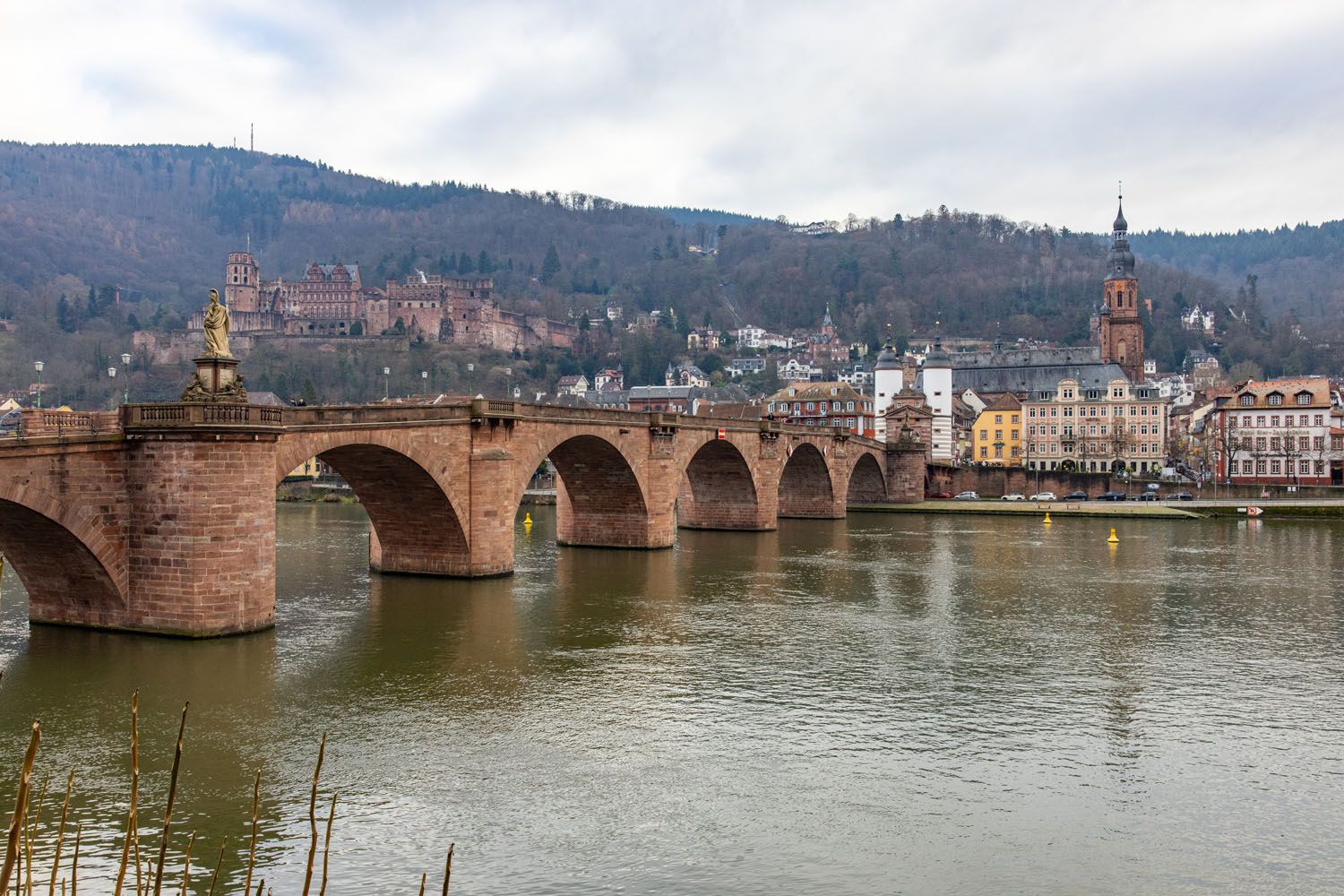
Heidelberg serves as a perfect model for this shift. It proves that a city does not need to be the largest in the country to provide the most memorable experience. By integrating its permanent assets—the castle, the university, the bridge—with the seasonal charm of the Christmas market, Heidelberg provides a holistic, multi-layered experience.
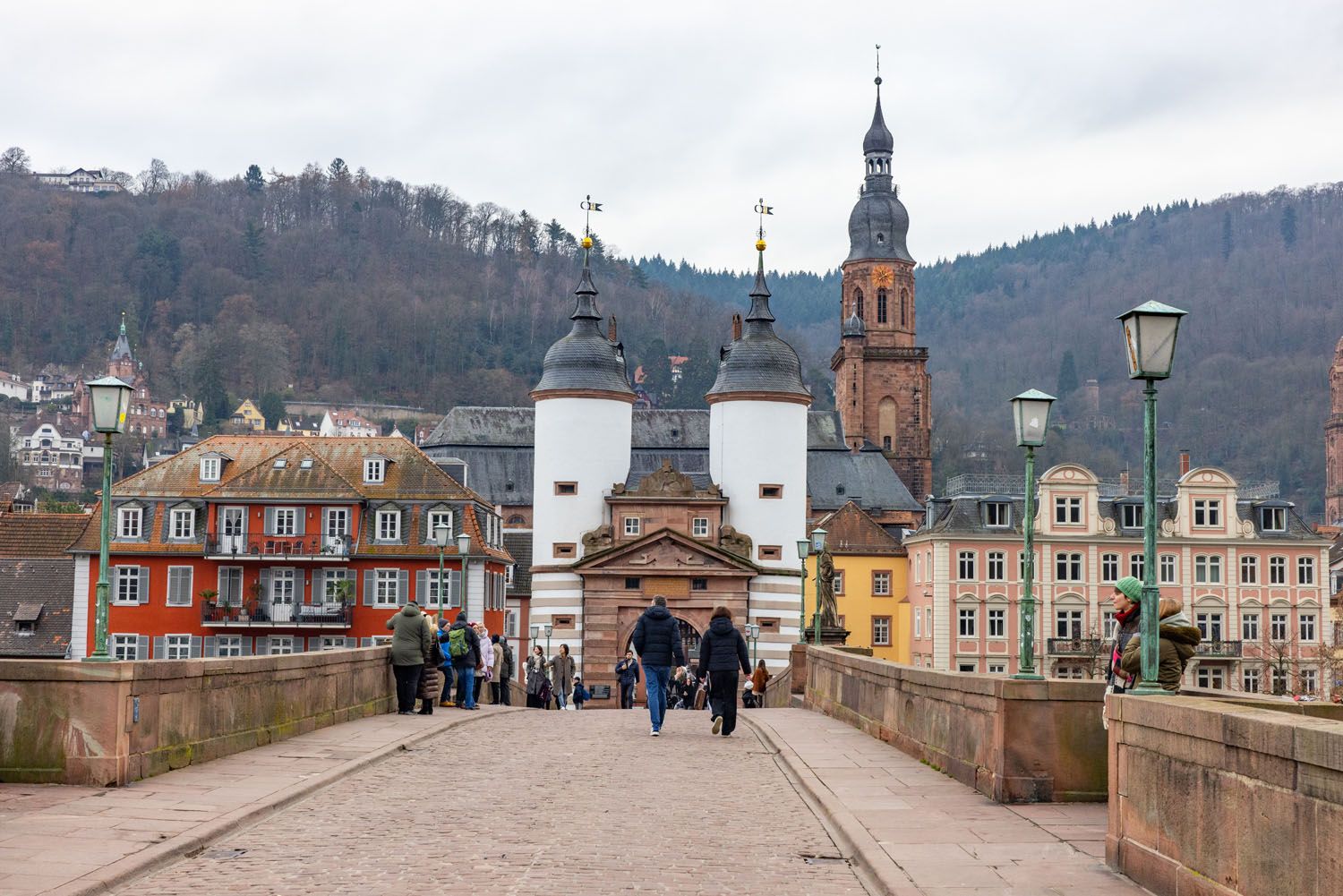
For the traveler planning a 2026 winter excursion, the lesson is clear: do not simply chase the most famous names on the map. The true magic of the holiday season in Germany is often found in the quiet, historic squares where the light of the season reflects off the stones of centuries past. Heidelberg is, without question, a crown jewel of this experience, offering a refined, beautiful, and deeply moving winter memory.
 Lina Irawan
  Nila Kartika Wati
  Siti Muinah