

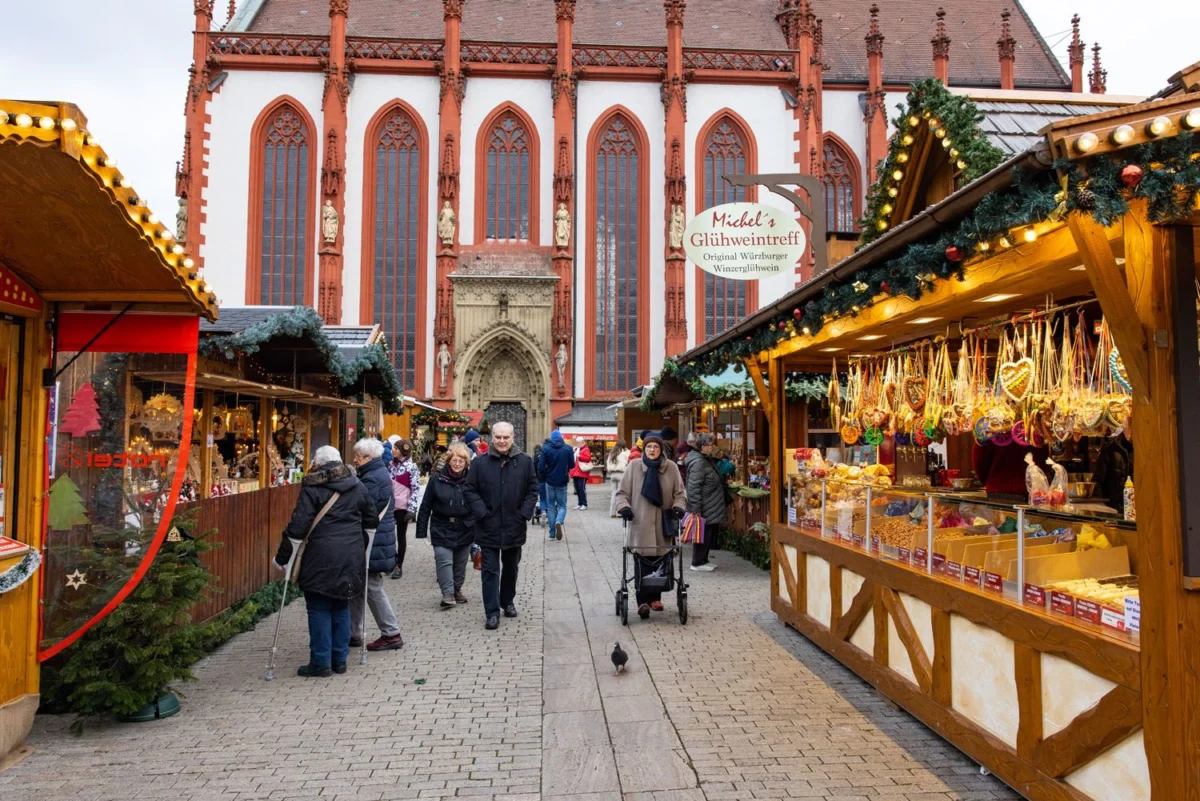
For centuries, the arrival of Advent in Germany has been marked by the transformation of town squares into shimmering, wood-scented wonderlands. From the towering spires of medieval cathedrals to the intimate, cobblestone lanes of rural villages, Germany’s Christmas markets (Weihnachtsmärkte) are the gold standard for holiday tradition. Drawing from years of firsthand exploration across Europe, this guide evaluates the premier destinations for your next winter escape, ranking them by atmosphere, authenticity, and the sheer magic of the experience.
The Essence of the German Christmas Market
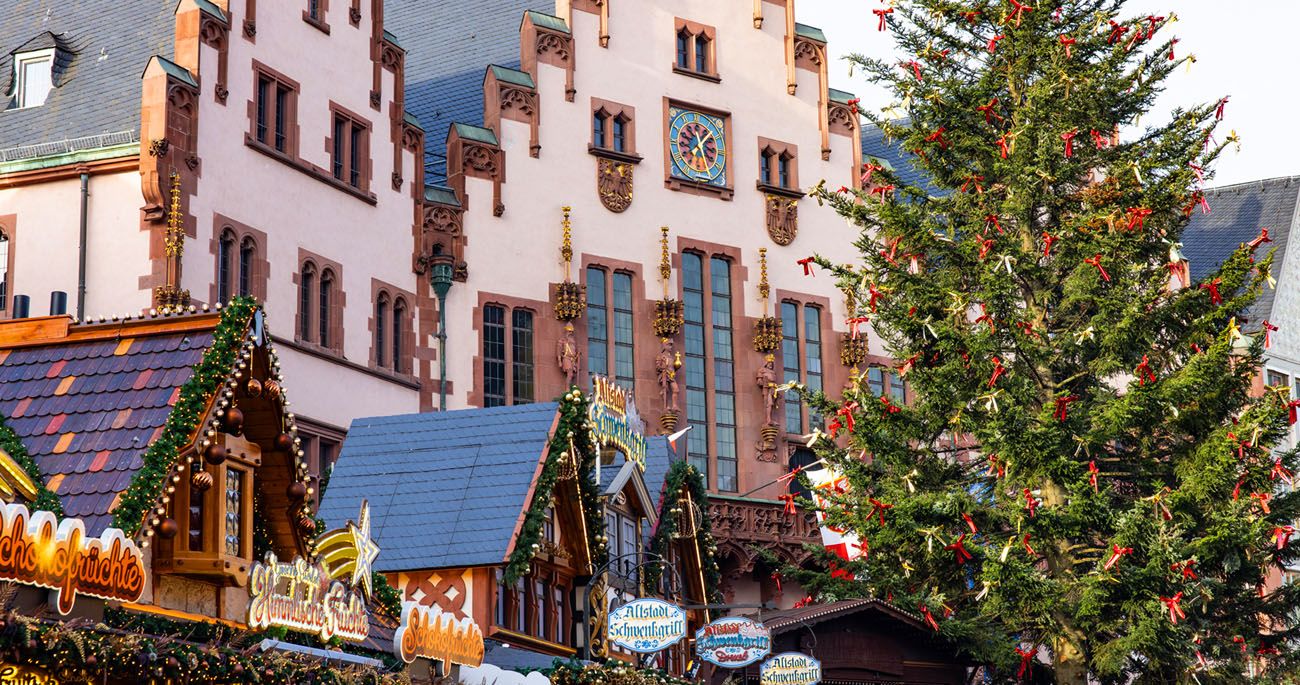
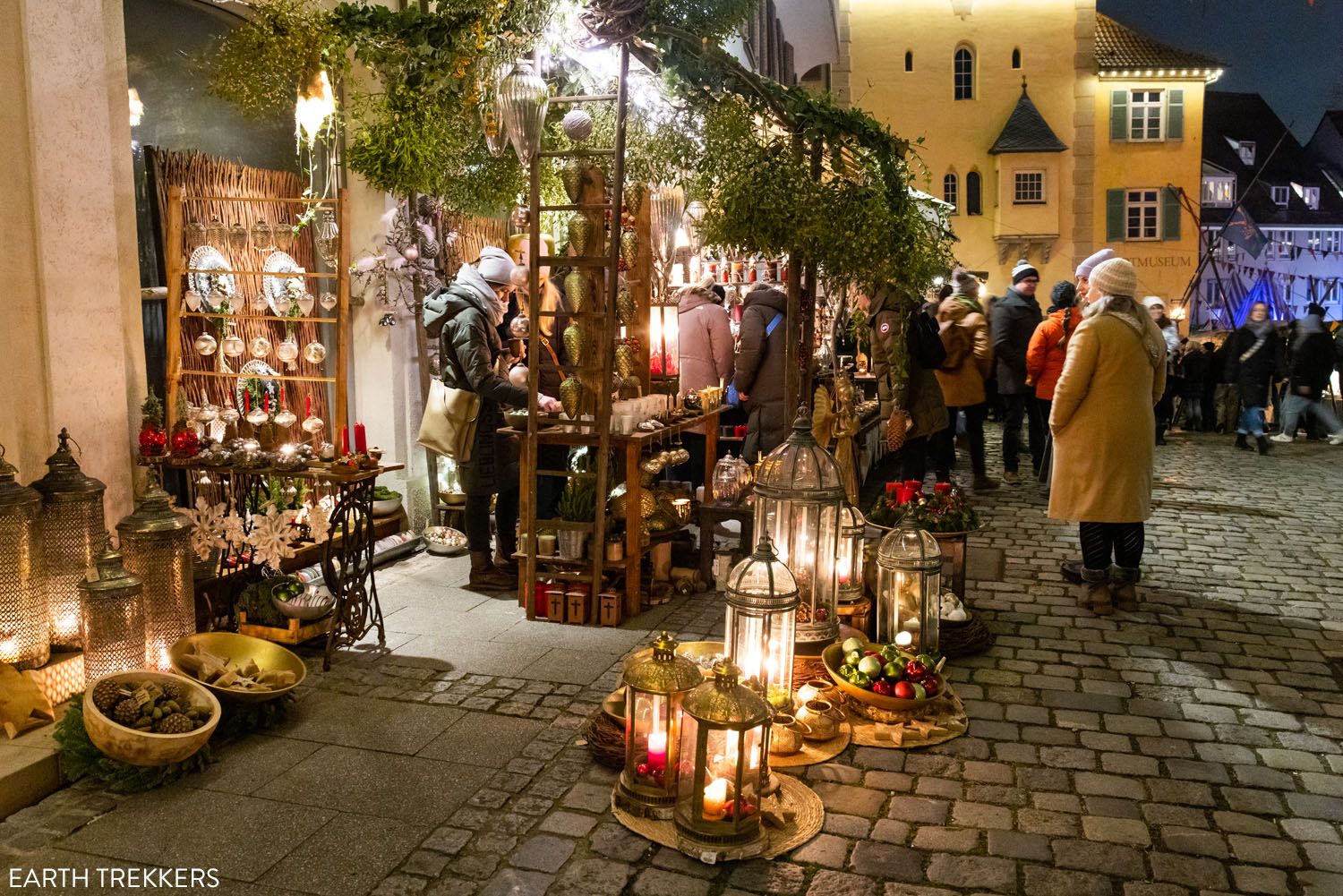
To visit a German Christmas market is to step into a living, breathing fairy tale. The experience is defined by a specific sensory palette: the glow of thousands of fairy lights against historic timber-framed houses, the warmth of a ceramic mug filled with spiced Glühwein, and the scent of roasting almonds and gingerbread hanging in the crisp winter air.
While many travelers flock to the famous metropolitan hubs, the true heart of the tradition often beats in smaller, medieval-themed settings where craftsmanship and local community take center stage.
Ranking the Top 20: A Curated Selection
We have visited 20 distinct market destinations across Germany. Our rankings are based on a rigorous set of criteria: aesthetic setting, quality of artisanal goods, culinary variety, crowd density, and the overall "magic factor."
1. Esslingen am Neckar: The Medieval Masterpiece
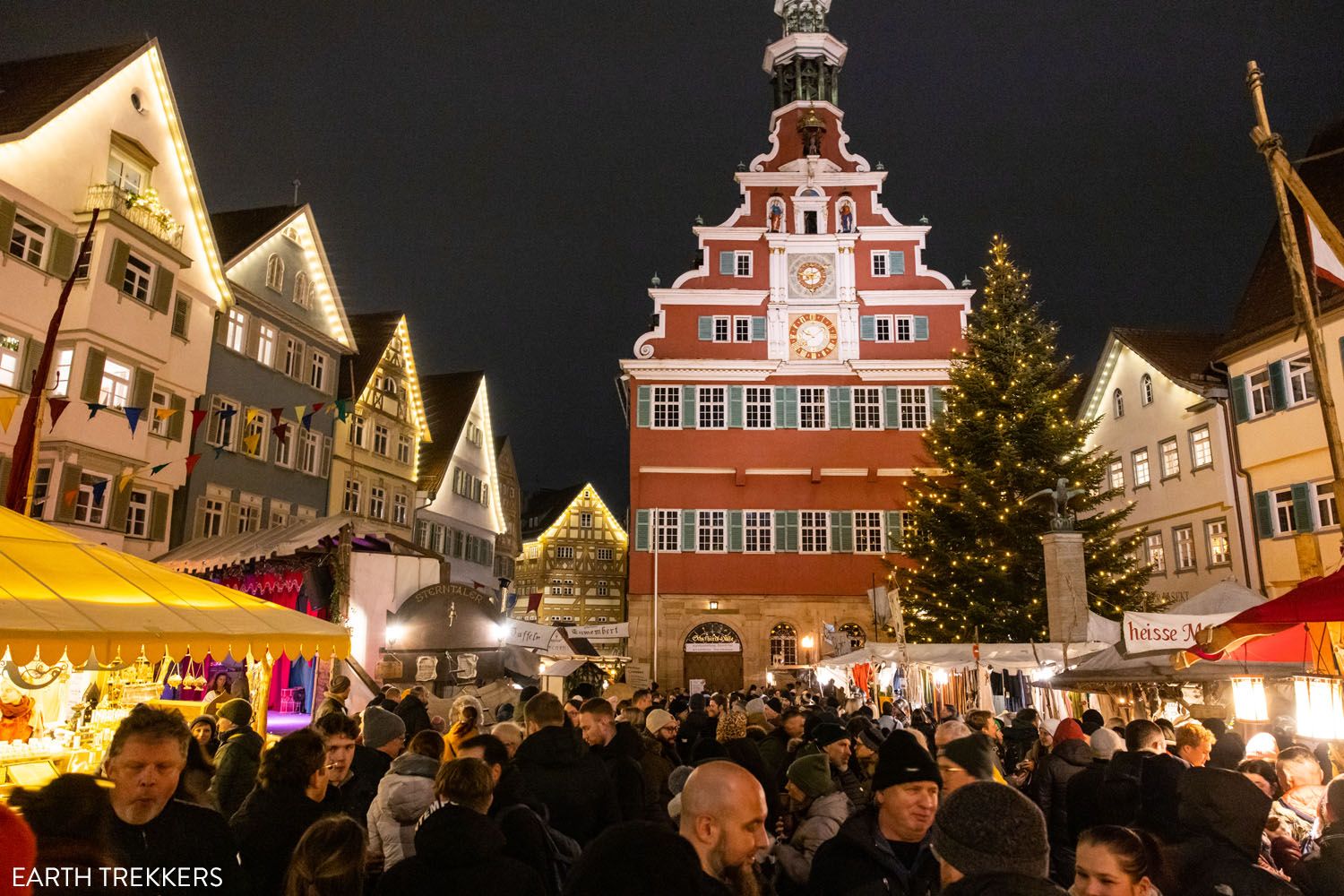
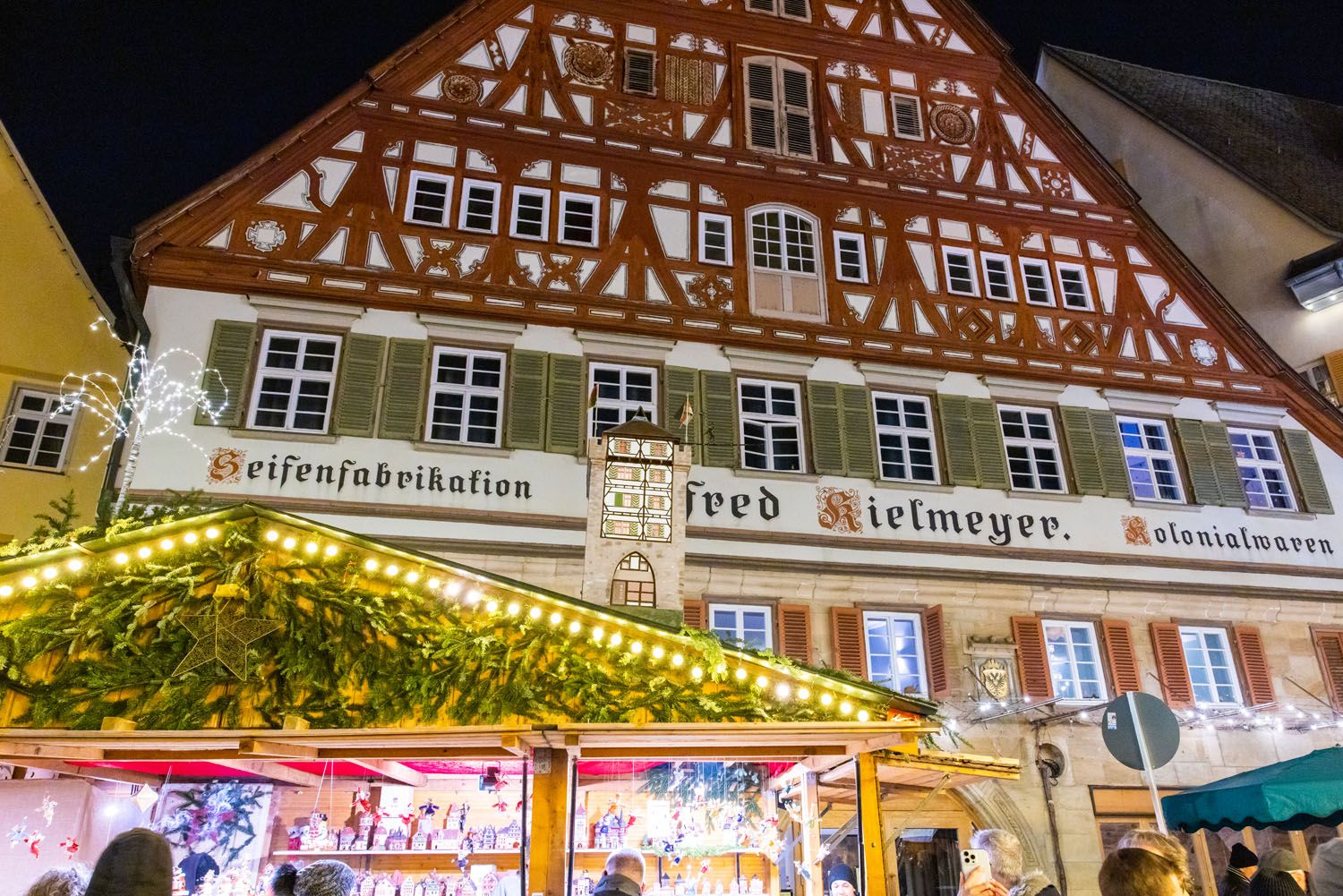
Esslingen stands unrivaled as our favorite market in Europe. Its unique selling point is its authentic medieval theme. Beyond standard stalls, the market features fire-eaters, roving musicians, and artisans demonstrating ancient crafts like archery and candle making. Set against the backdrop of the oldest row of half-timbered houses in Germany, it is an immersive historical journey.
2. Dresden: The Historic Titan
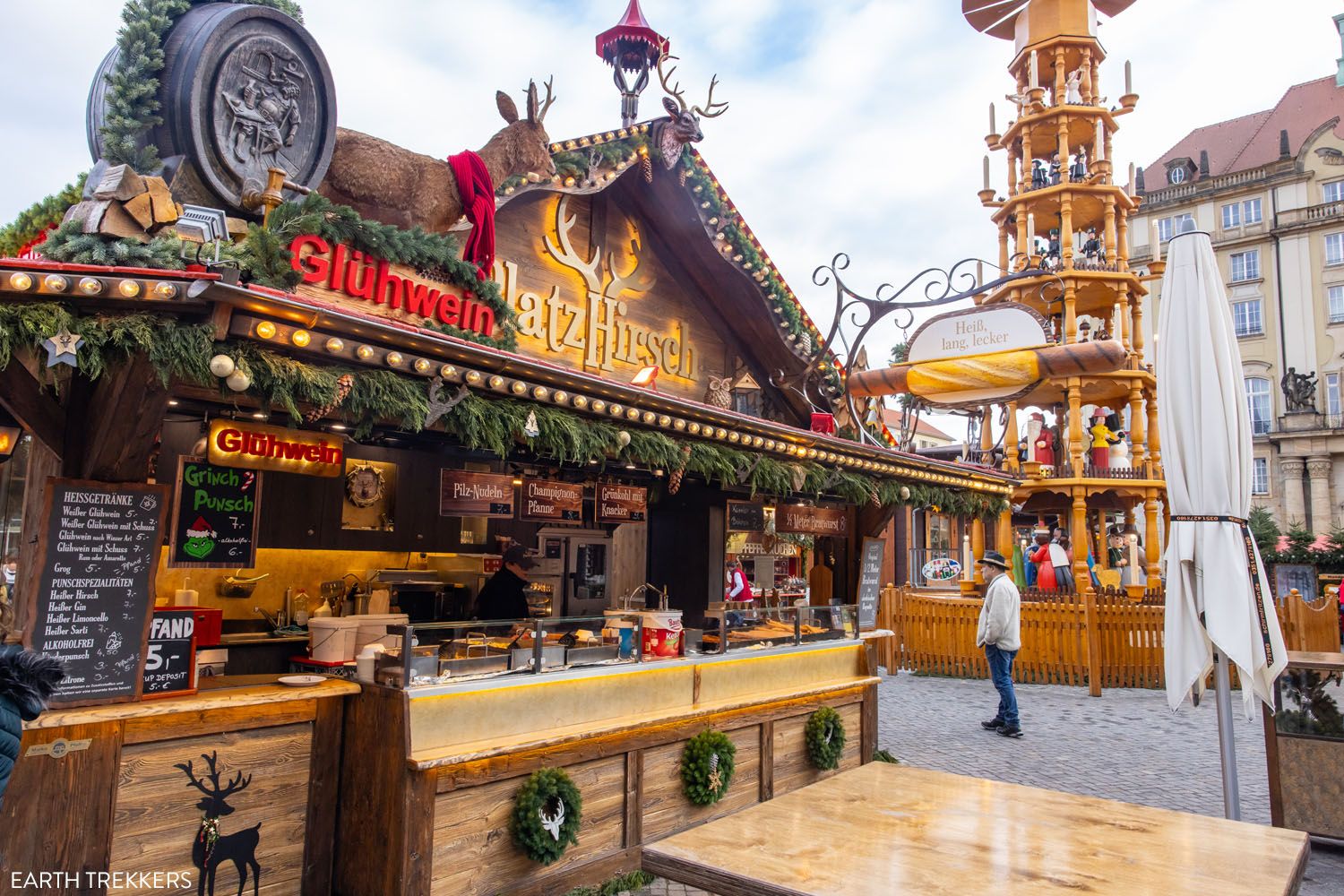
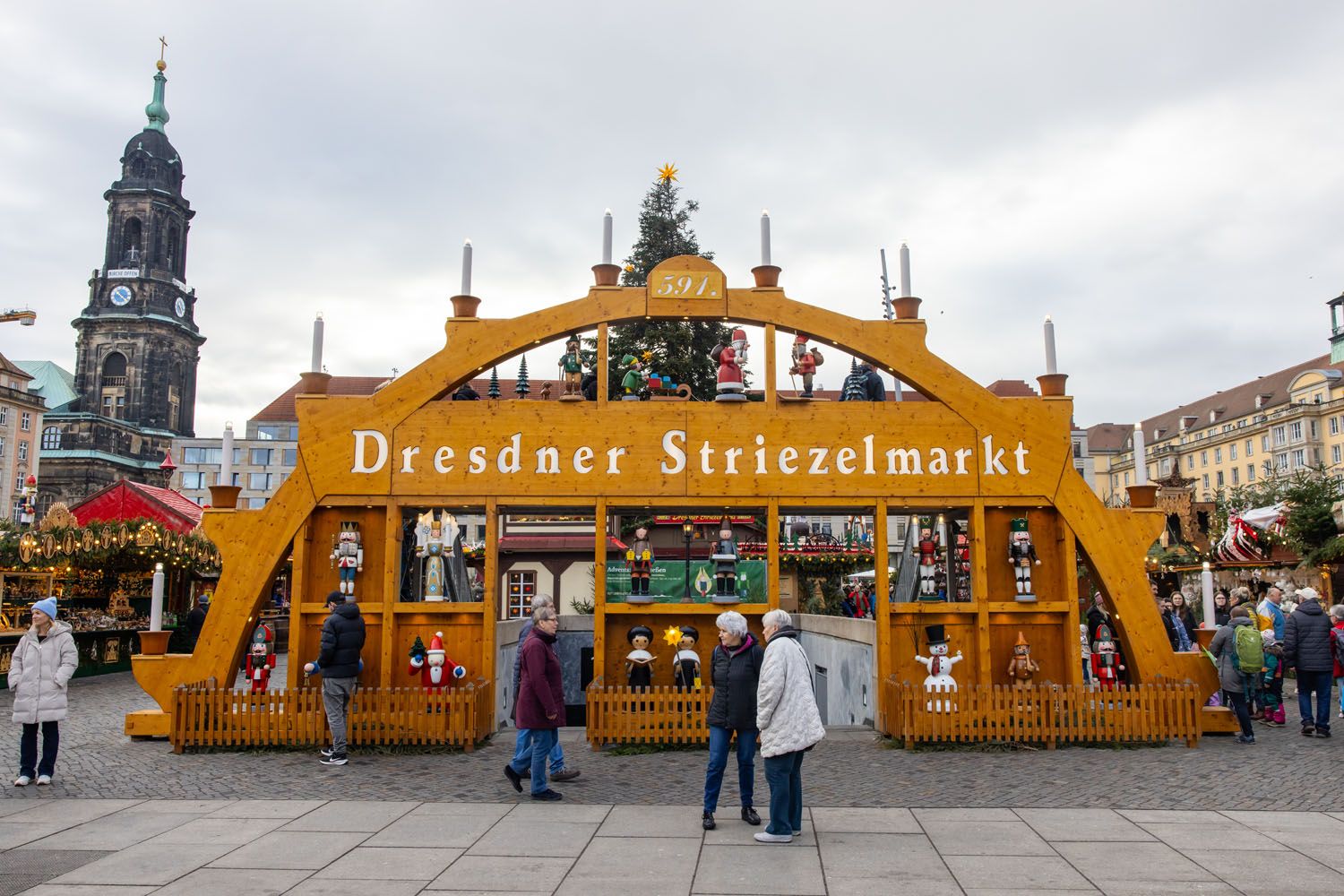
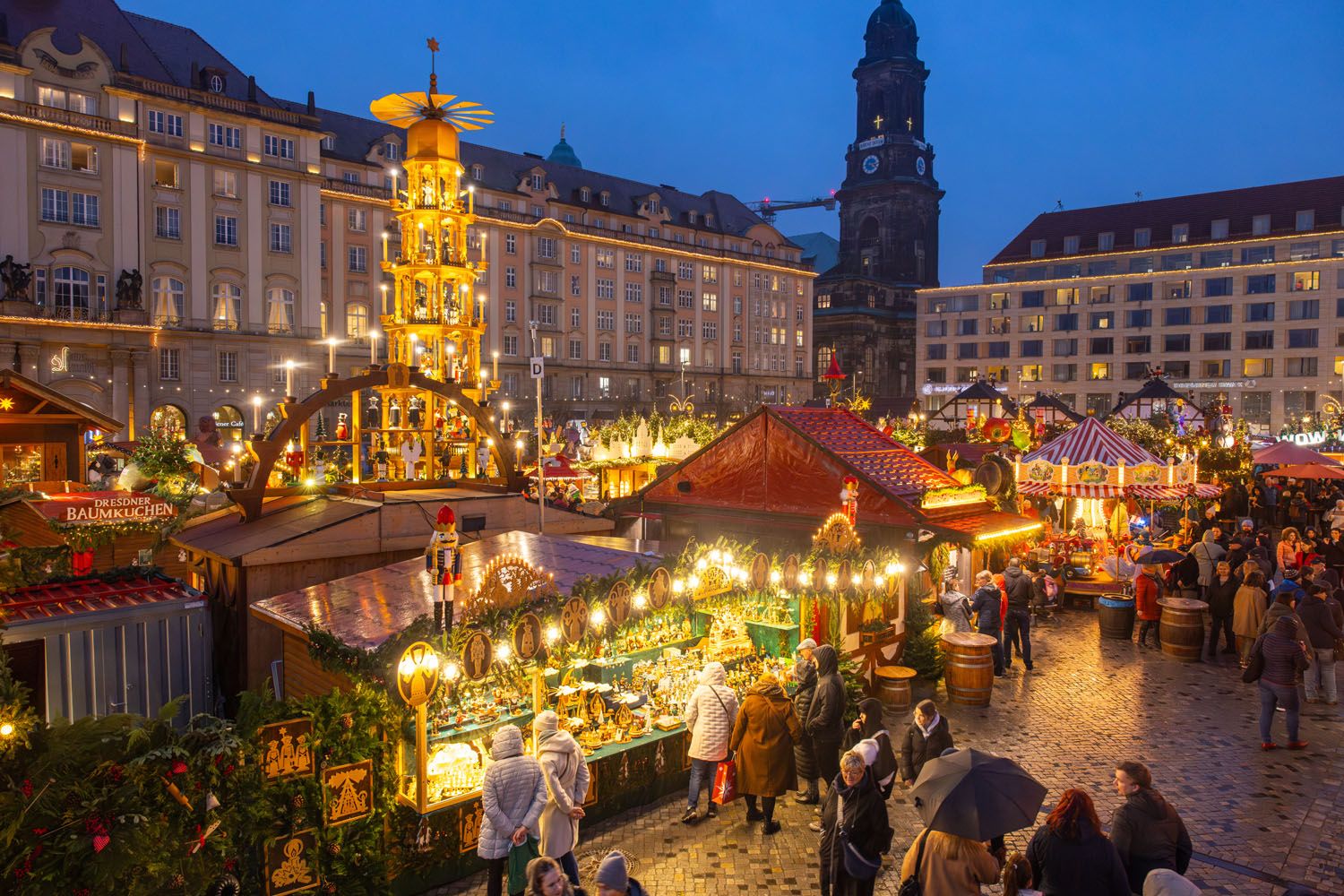
Dresden’s Striezelmarkt, dating back to 1434, is widely recognized as the oldest Christmas market in the world. Its massive Christmas pyramid and historic Striezel (fruit bread) tradition define the classic German holiday experience. The city’s surrounding architecture—elegant palaces and cathedrals—elevates the market into a grand, royal affair.
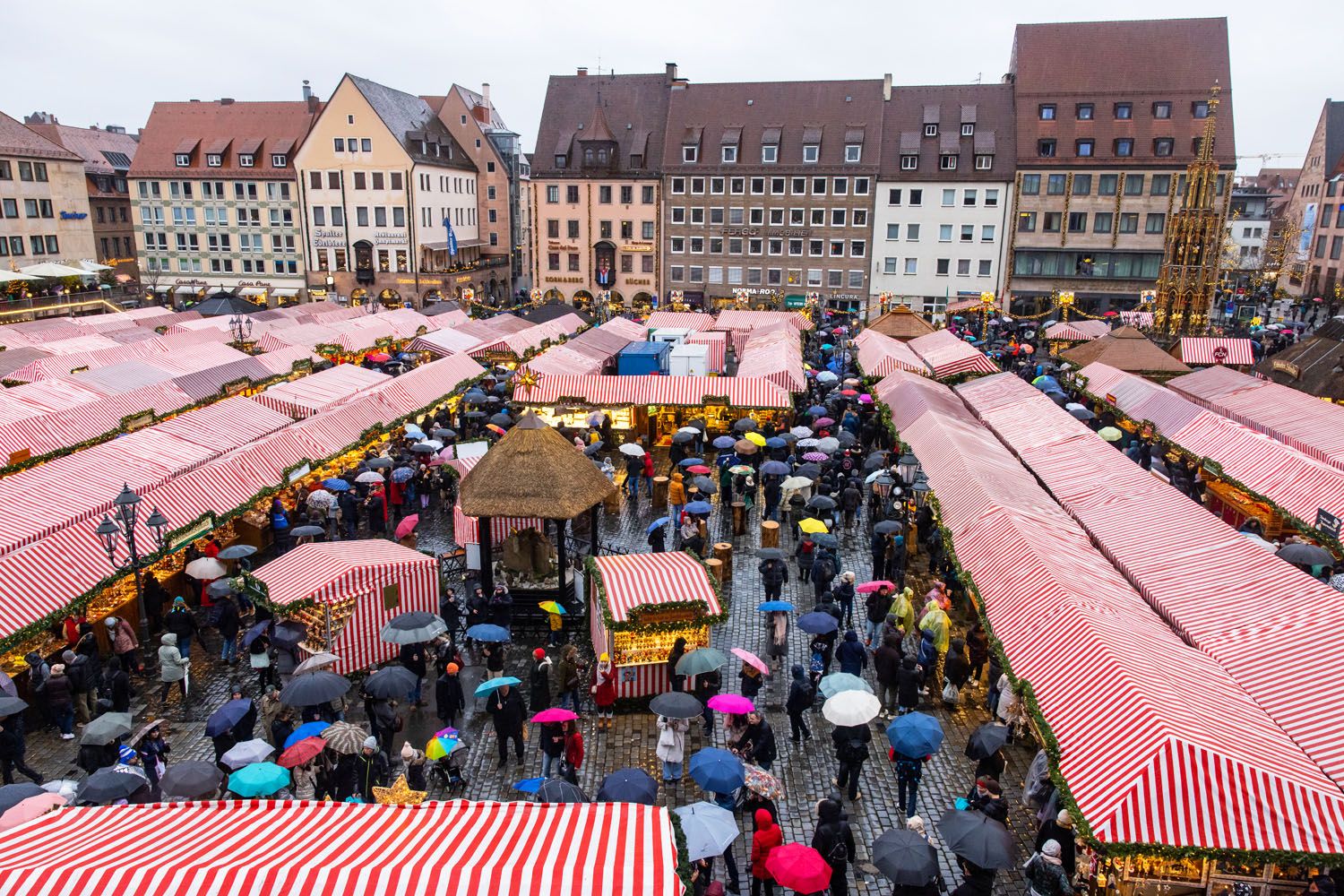
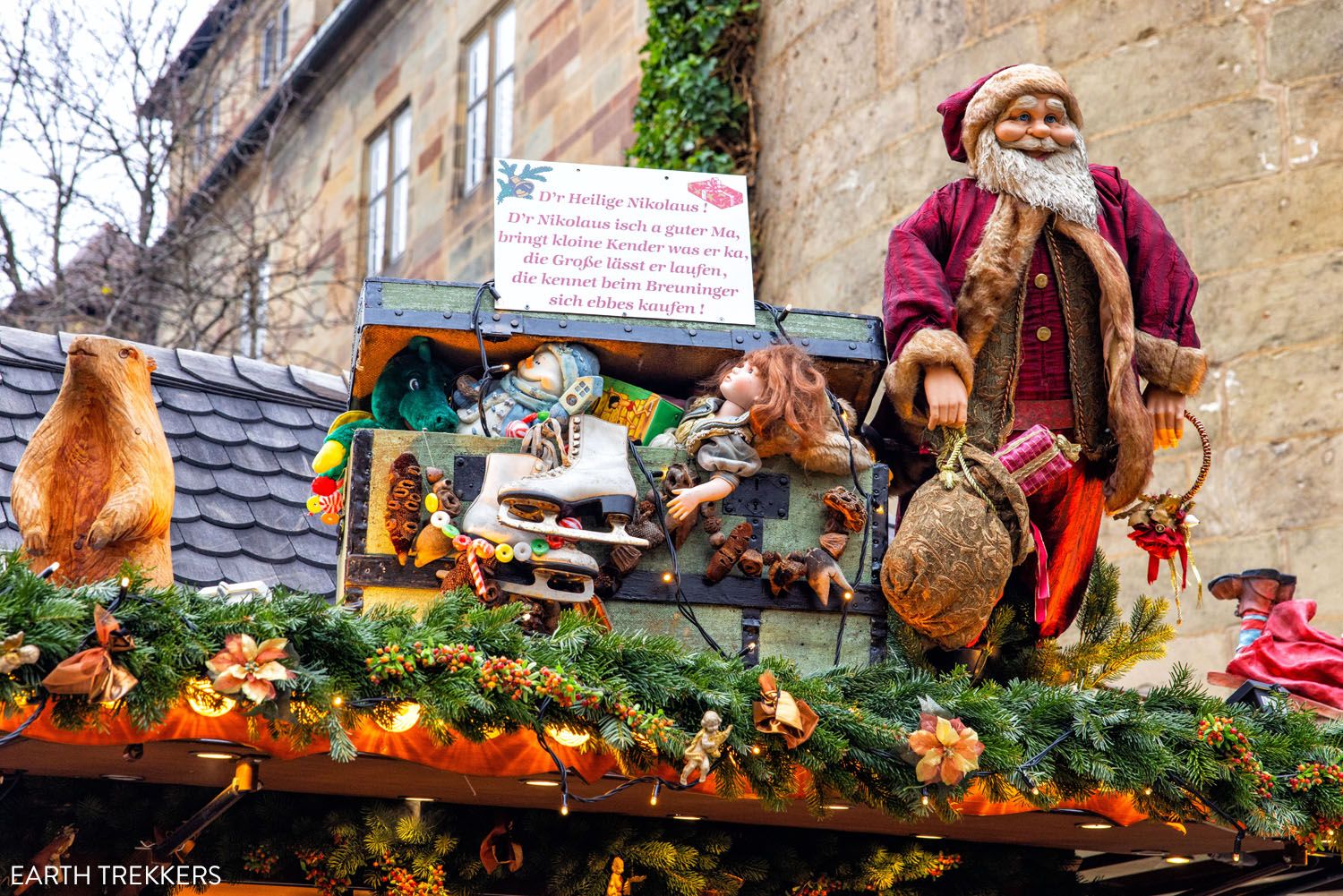
3. Nuremberg: The Traditional Icon
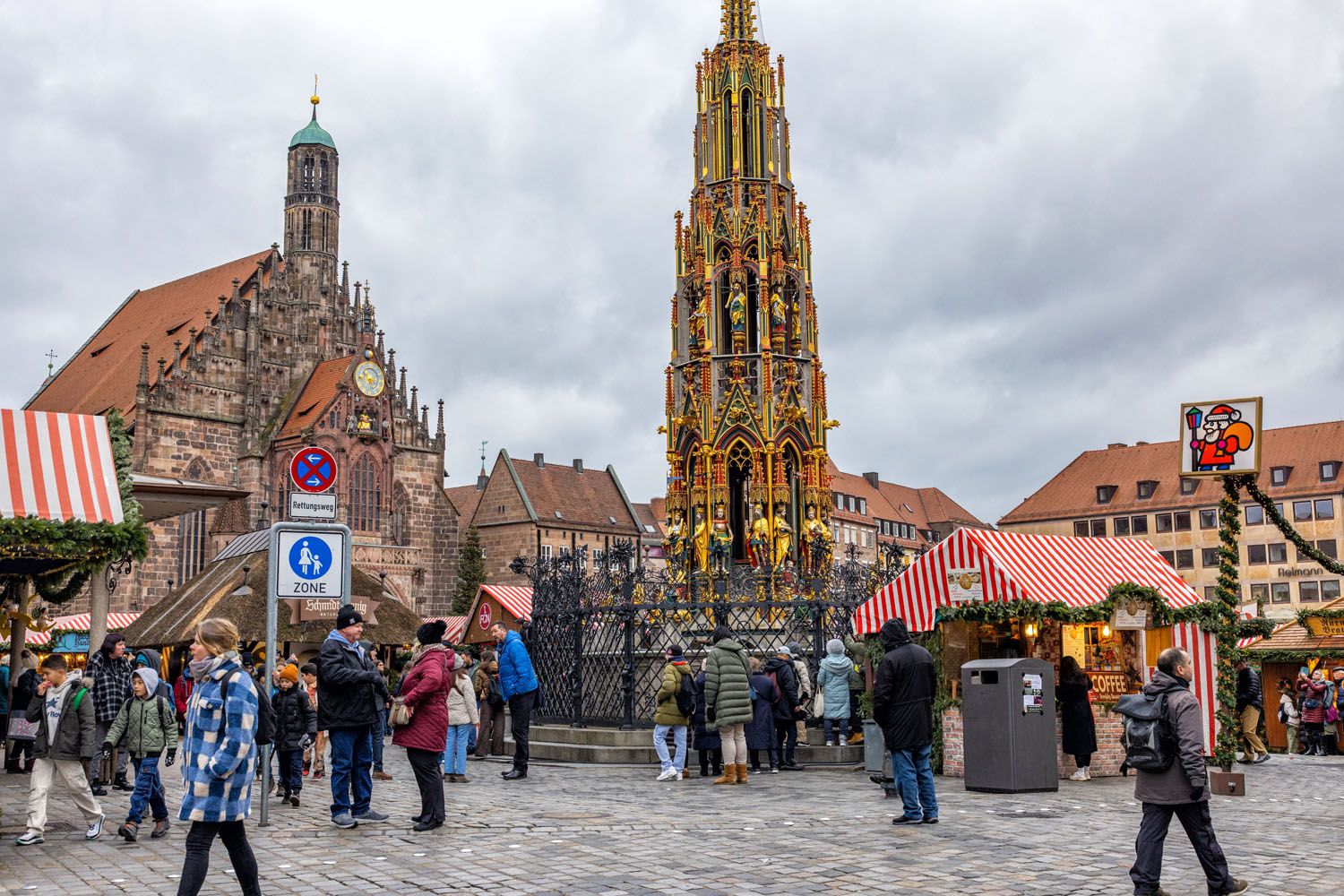
The Christkindlesmarkt in Nuremberg is synonymous with German Christmas. Famous for its high-quality regional crafts and the legendary Nuremberg Lebkuchen (gingerbread), it offers an authentic, albeit high-traffic, experience. Its location in the shadow of the Frauenkirche provides one of the most iconic backdrops in Bavaria.
4. Munich: The Festive Capital
Munich serves as a gateway to Bavarian culture. The market at Marienplatz is exceptionally photogenic, but the city’s strength lies in its variety. From the LGBTQ-themed "Pink Christmas" to the authentic Medieval Market at Wittelsbacherplatz, Munich offers a diverse range of festive expressions for every type of traveler.
5. Stuttgart: A Showcase of Decoration
If craftsmanship is your priority, Stuttgart is peerless. Each of its 300+ stalls is decorated with elaborate, hand-crafted motifs, ranging from intricate cityscapes to whimsical woodland scenes. The attention to detail makes it the most visually stunning market in our survey.
Chronology and Logistics: Planning Your Trip
German Christmas markets generally follow a synchronized schedule, though local variations exist.
- The Season: Most markets commence in the final week of November, typically between November 25th and 30th.
- The Climax: Markets are at their most vibrant during the first two weeks of December.
- The Conclusion: Many close on December 23rd or 24th, though major cities like Berlin or Munich may keep selected markets open through December 26th, or in rare cases, until New Year’s Day.
- Peak Times: To avoid the "mosh pit" effect of weekends, prioritize visiting on weekday mornings or early afternoons. Sunset (typically between 3:45 PM and 4:30 PM) is the "golden hour" for photography, as the transition from dusk to nightfall illuminates the lights at their most brilliant.
Supporting Data: Understanding the Experience
Our evaluation of these markets relies on more than just aesthetics. We analyzed three key factors that define the visitor experience:
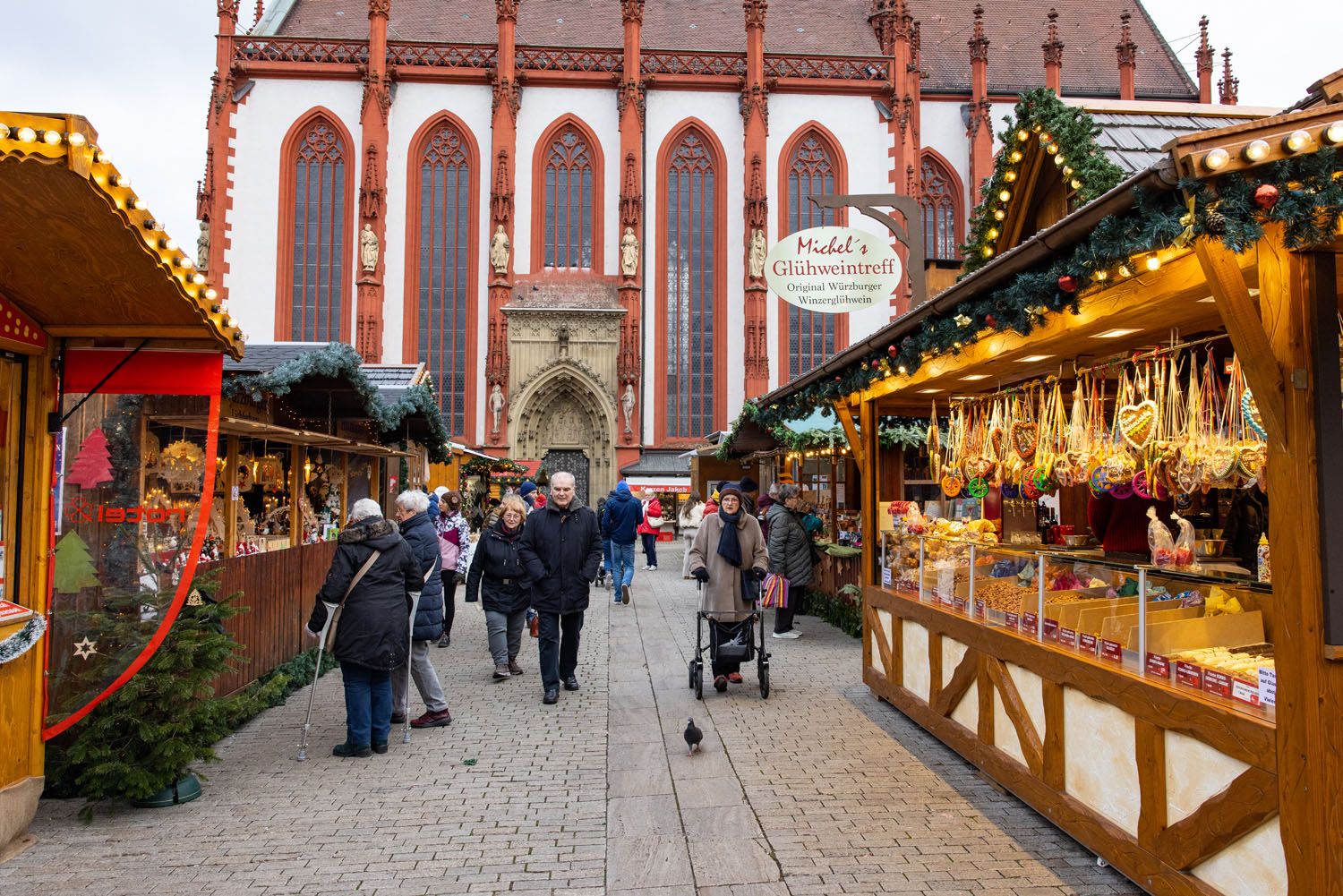
- Setting: Architecture is paramount. Cities like Würzburg and Erfurt excel here, as their markets are framed by cathedrals that feel like something out of a fantasy novel.
- Crowd Management: High-density areas like Cologne or central Berlin can be overwhelming. In contrast, smaller gems like Ludwigsburg and Würzburg offer a more relaxed, local feel that allows for genuine engagement with vendors.
- Culinary Authenticity: We prioritized markets that offered more than just mass-produced sausages. Look for regional specialties like Feuerzangenbowle (a rum-soaked sugarloaf burnt over mulled wine) and hand-baked Stockbrot.
Official Perspectives and Cultural Nuances
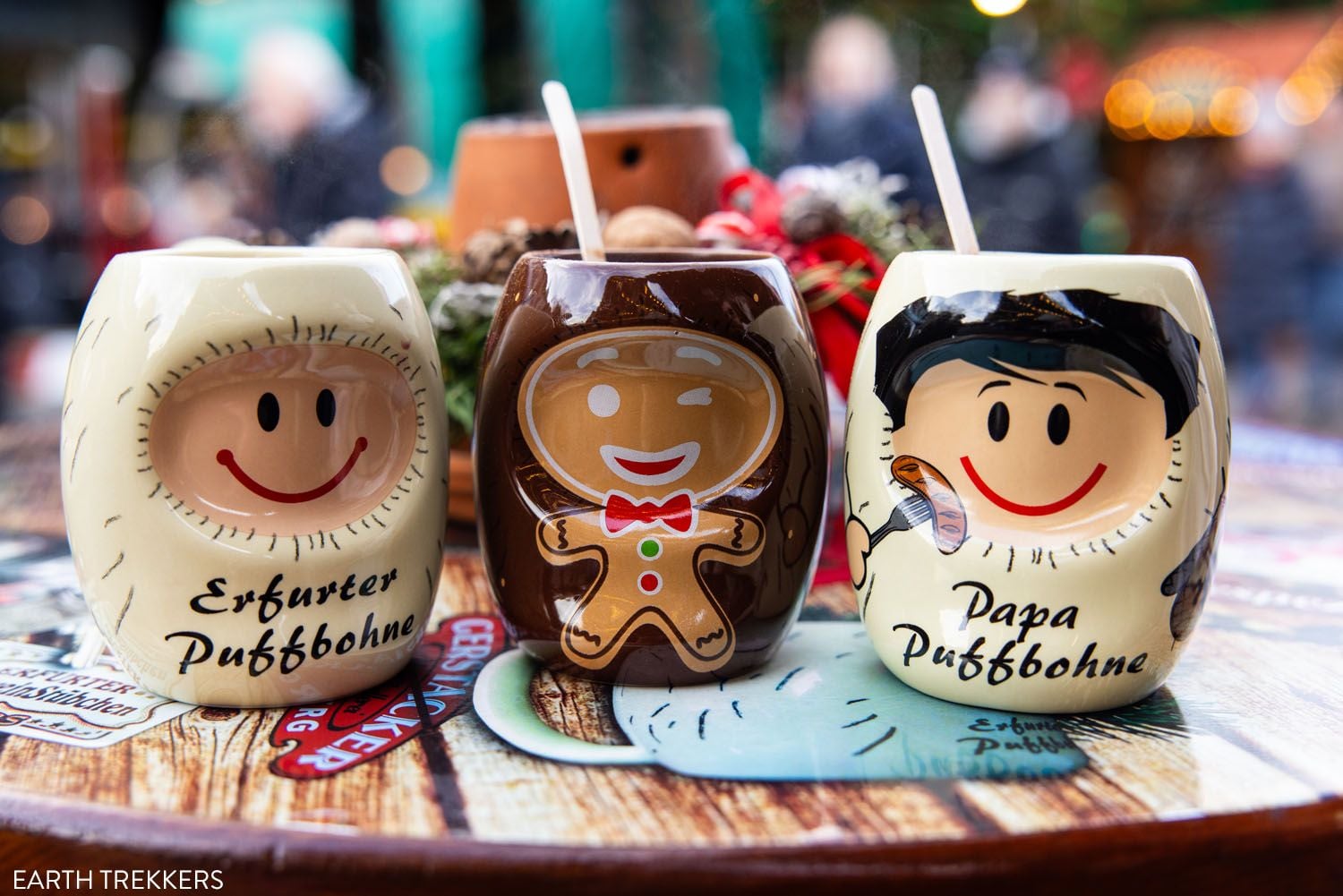
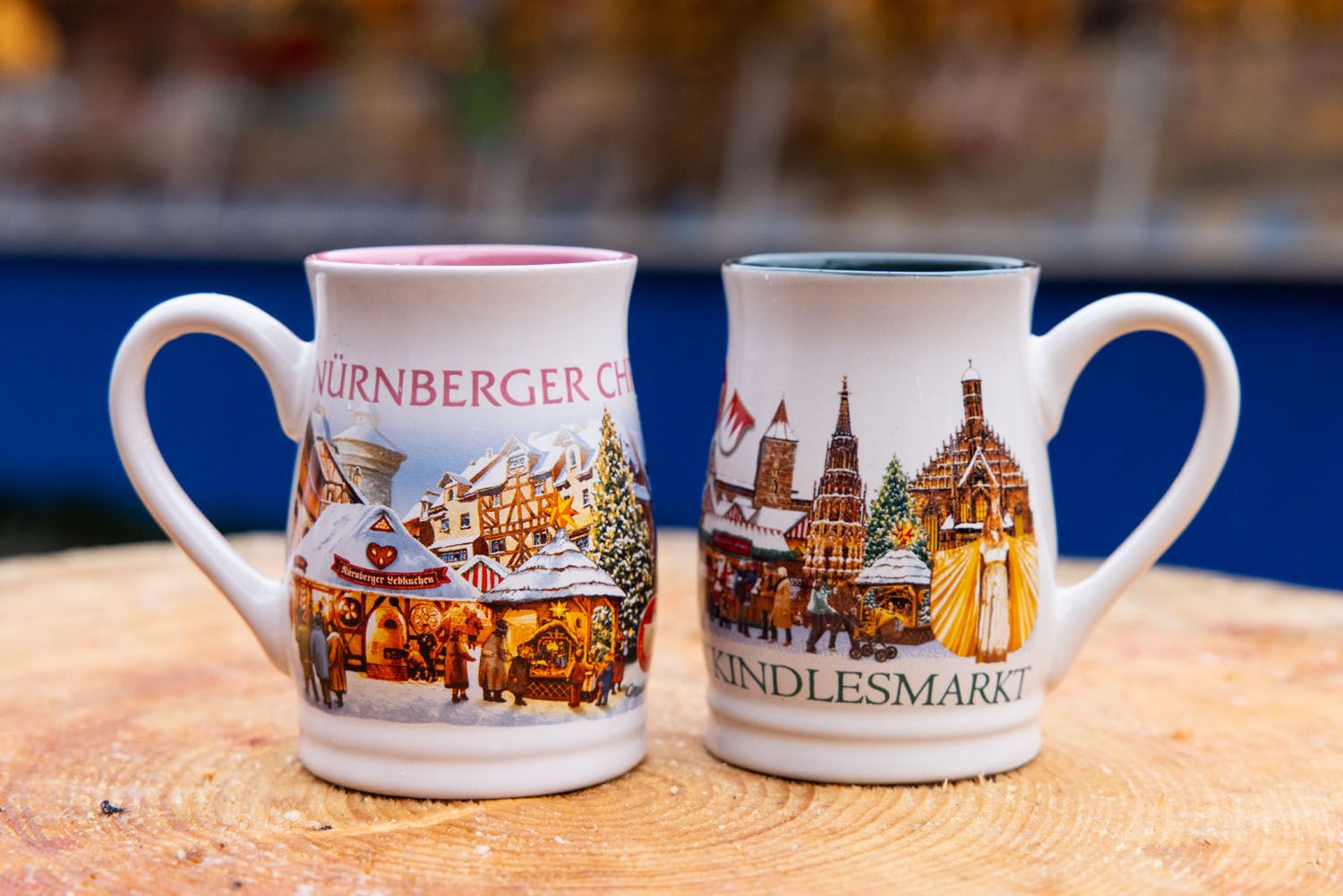
German authorities and local tourism boards emphasize that these markets are not merely commercial enterprises; they are vital pillars of local community and heritage. The Pfand (deposit) system, for instance, is a quintessential element of this. When you purchase a drink, you pay a deposit for the ceramic mug. You may either return it to get your money back or keep it as a unique, year-specific souvenir. This tradition has spawned a culture of "mug collecting" that serves as a tangible memory of one’s travels.
Implications for Future Travelers
As global interest in European Christmas markets grows, the "hidden gems" of yesterday are becoming the "must-see" destinations of tomorrow. For the traveler, this has several implications:
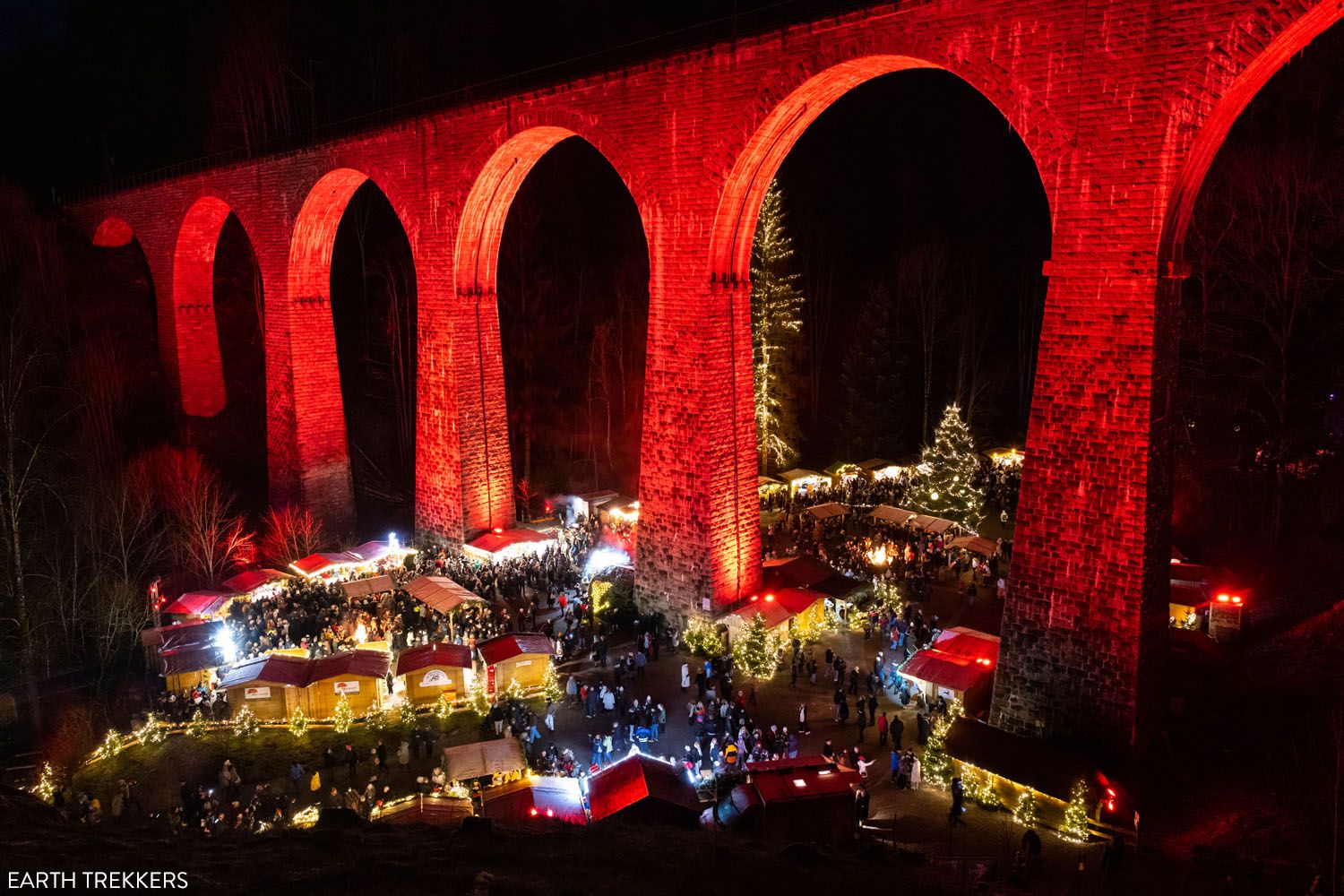
- Booking Early: For unique experiences like the Ravenna Gorge Market—which is located under a massive, illuminated railway viaduct—tickets must be purchased well in advance. They often sell out within hours of release in mid-October.
- Adaptability: Do not be afraid to venture off the beaten path. While Nuremberg and Dresden are spectacular, they are also the most crowded. Exploring cities like Erfurt or Würzburg provides an equally magical experience with a significantly higher degree of comfort and local intimacy.
- The "Traveler’s Mindset": Remember that these are working cities, not theme parks. The best approach is to combine market visits with traditional sightseeing, such as climbing the towers of cathedrals or exploring local museums.
Summary of Lesser-Known Gems
- Erfurt: Often cited as the biggest surprise, with a stunning cathedral backdrop.
- Ludwigsburg: Offers a Baroque setting with a low-crowd, local vibe.
- Regensburg: Features a UNESCO World Heritage backdrop and the exclusive, ticketed Romantic Market at Thurn and Taxis Palace.
Final Advice for Your Holiday Journey
As you prepare for your German Christmas odyssey, remember that the "best" market is often the one that aligns with your personal travel style. Whether you prefer the grand, historic spectacle of the major cities or the quiet, twinkling intimacy of a small town, Germany’s holiday traditions are guaranteed to leave a lasting impression.
Pack layers for the biting winter chill, bring a small bag for your artisanal finds, and—above all—keep an open mind. Whether you are sipping Glühwein under the gaze of a thousand-year-old cathedral or watching a fire-eater in a medieval square, you are participating in a tradition that has warmed the hearts of millions for generations.
Safe travels and Frohe Weihnachten!
 Muslim
  Nila Kartika Wati
  Siti Muinah