

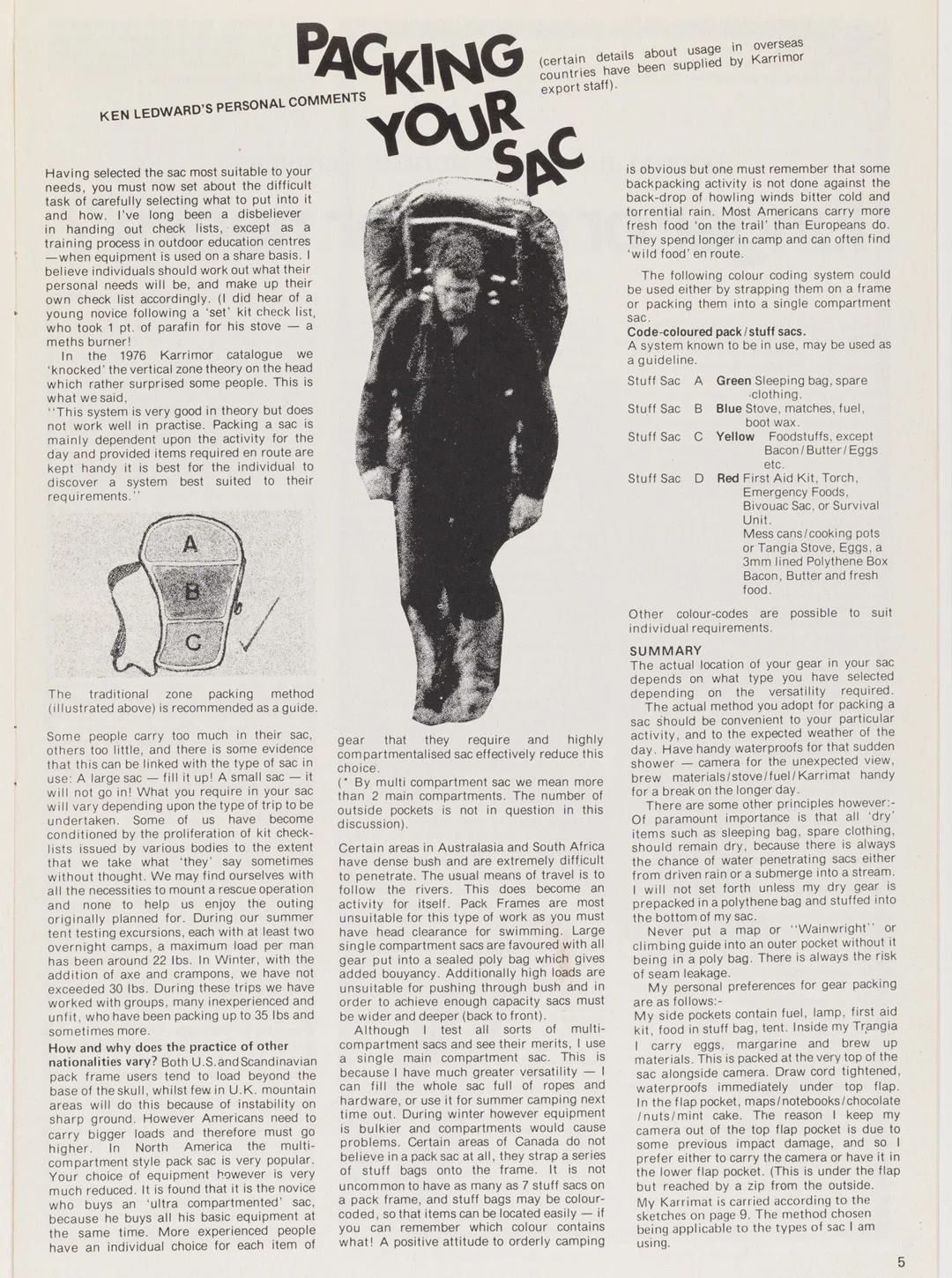
To the modern consumer, the name Karrimor may evoke little more than the ubiquitous, budget-friendly gear found on the high street. Yet, to those who understand the lineage of technical outdoor equipment, the name resonates with the gravity of a bygone era. Karrimor was not merely a brand; it was the backbone of the most radical, daring, and transformative period in British climbing history. Born from the ashes of the Great Depression and refined in the crucible of the Second World War, Karrimor’s story is one of relentless tenacity, generational ingenuity, and an unwavering commitment to the "Vector Generation" of alpinists.
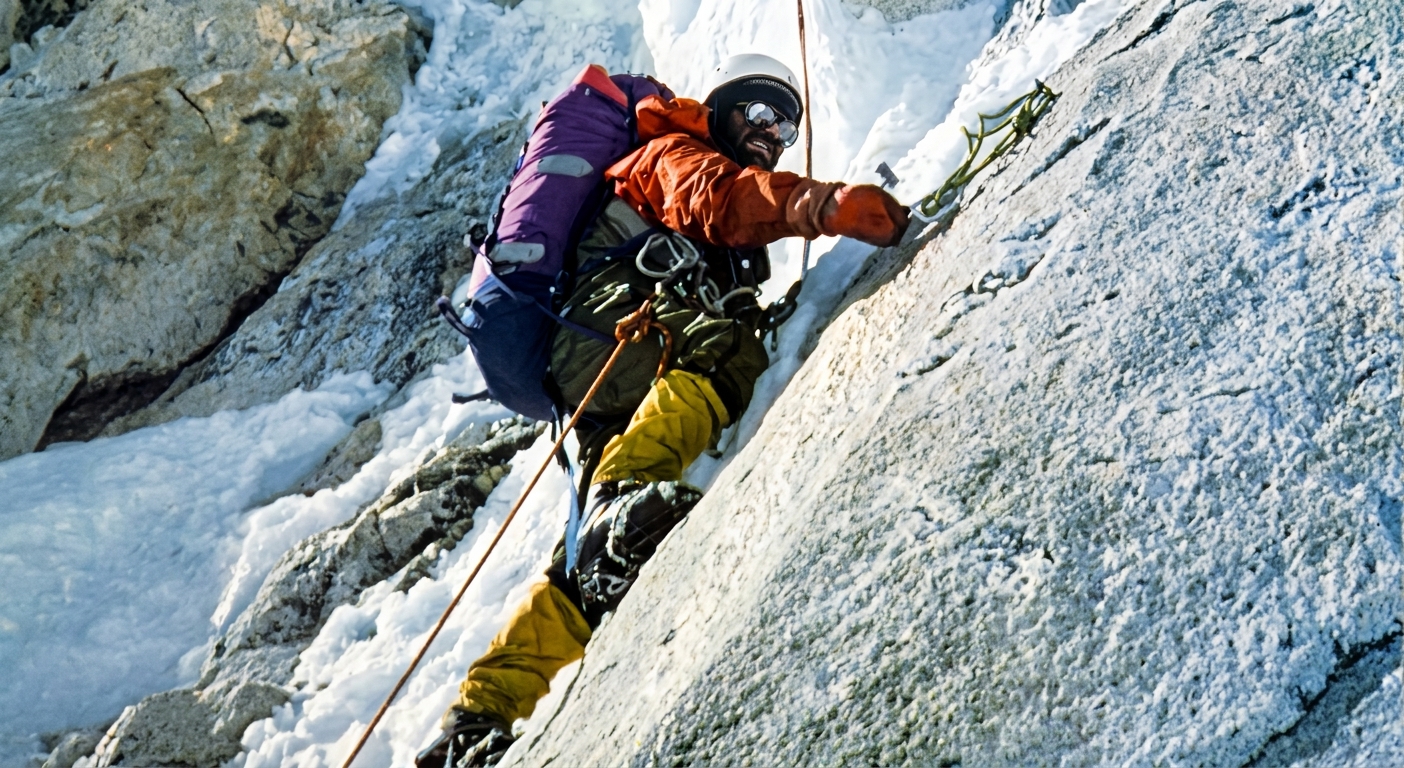
The Crucible of Resilience: Origins in the Depression
The Karrimor name was forged in the industrial heartland of Lancashire, England, during the 1930s. As the Great Depression ravaged the British textile industry, joblessness and destitution became the status quo in the mill town of Waterfoot. It was here that Charles Parsons, a man defined by a fierce independent streak and an obsessive love for cycling, sought to build a future.
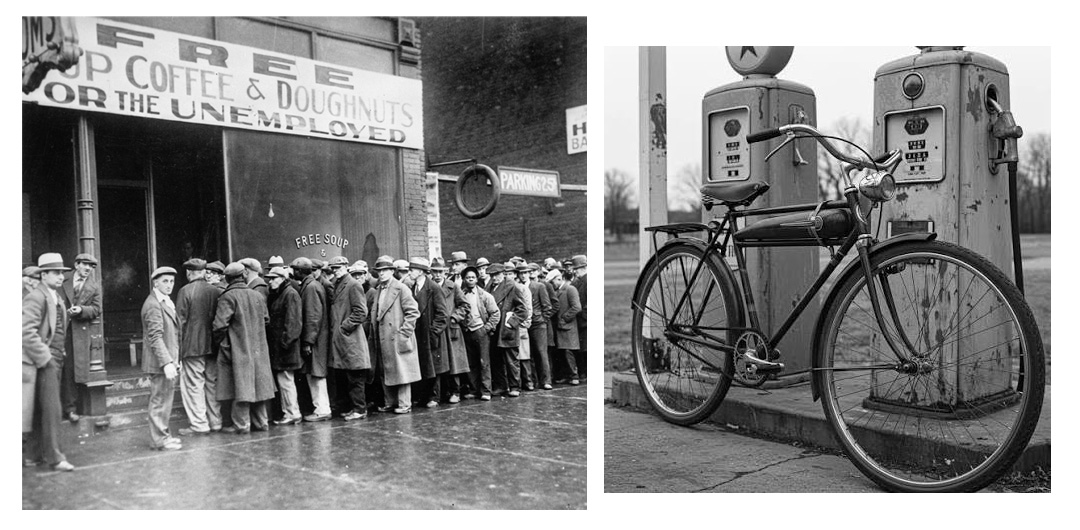
Parsons’ entry into commerce was fraught with the volatility of the era. He initially partnered with a fellow cycling enthusiast to open a modest shop. The arrangement was simple: his partner managed the daylight hours, while Charles performed repairs deep into the night. However, when a customer revealed that the shop was frequently shuttered during business hours, Charles realized his partner’s lack of commitment was a liability. Choosing independence over a failing partnership, Charles set up his own shop just down the street. This moment of pivot would establish the core ethos of the Parsons family business: self-reliance, rigorous product testing, and a refusal to yield to adversity.
Tragedy and Innovation: The War Years
The trajectory of the company took a sharp, tragic turn during the Second World War. While working late in his workshop, a horrific accident resulted in industrial-strength hydrochloric acid being splashed into Charles’s eyes. Despite undergoing a complex procedure in London, the chaos of German air raids forced surgeons to abandon the operation mid-procedure. The resulting complications led to a years-long decline in his eyesight, eventually leaving him completely blind by the 1950s.
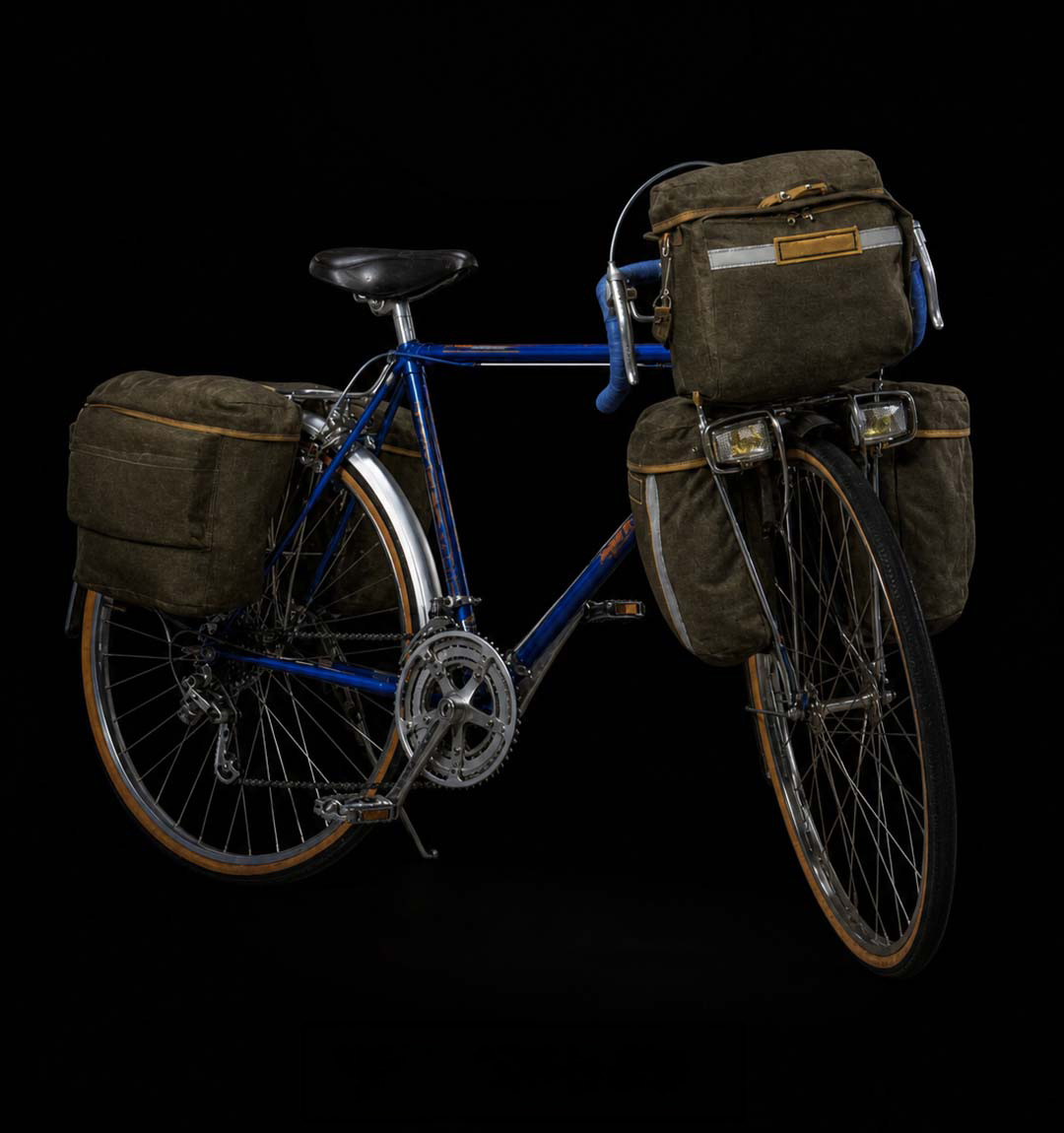
Rather than succumb to despair, Charles and his wife, Mary, doubled down. With war-time rationing making high-quality gear scarce, the couple pivoted to manufacturing. Drawing on the expertise of Mary and her sister Grace—both skilled seamstresses—the family began hand-sewing bike panniers and saddlebags from durable cotton-duck cloth. The brand was christened "Karrimor," a phonetic promise to "carry more." By 1946, the brand was formalized, providing affordable, high-quality gear to a nation struggling to rebuild.
Chronology: From Panniers to Peaks
The transition from cycling gear to mountaineering equipment was dictated by a massive shift in British social culture. As the post-war era unfolded, the democratization of leisure saw the working class take to the crags and mountains in unprecedented numbers. The 1953 ascent of Everest had sparked a national obsession with mountaineering, and the formation of the British Mountaineering Council (BMC) in 1944 provided the institutional framework for this new movement.
- 1930s–1940s: The foundation of the cycle shop and the birth of Karrimor during wartime rationing.
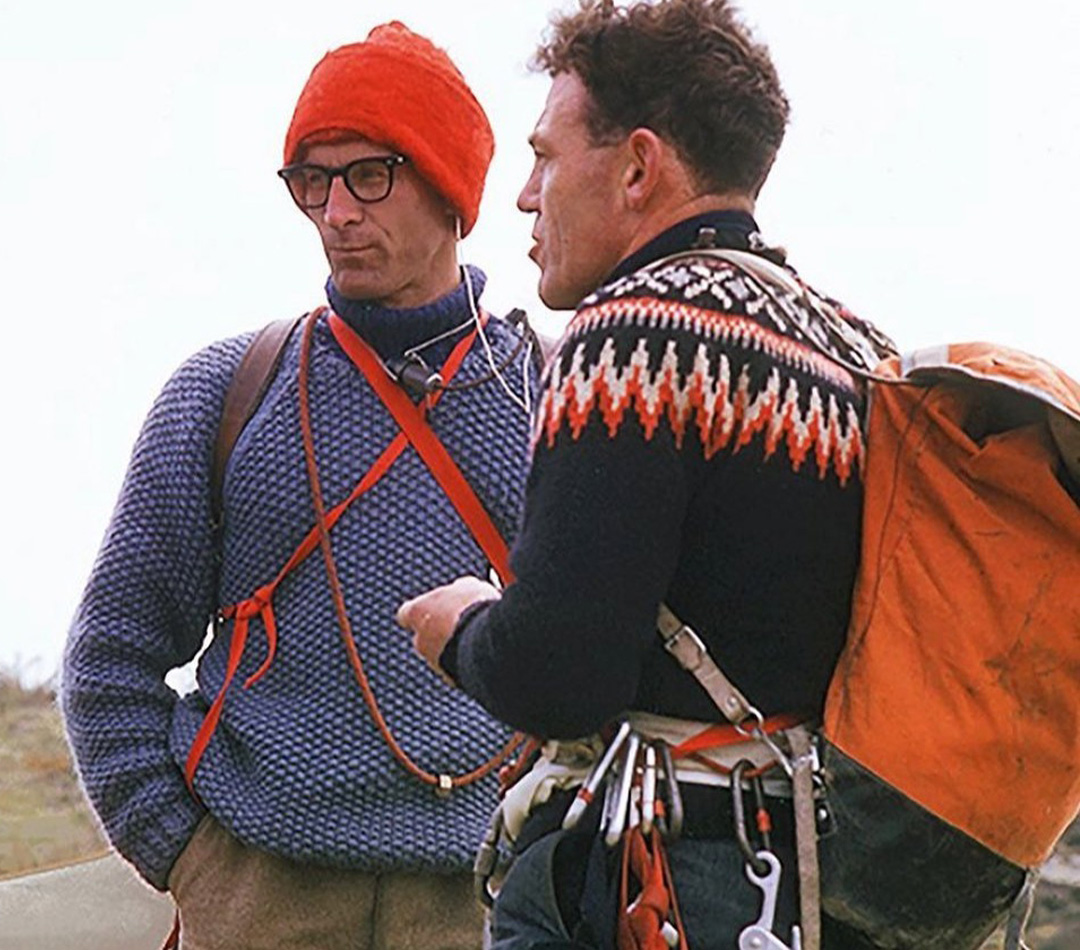
- 1950s: The "Outdoor Shift." As the bicycle market waned, the influx of working-class climbers—such as Don Whillans and Joe Brown—drove the demand for custom, rugged rucksacks.
- 1960s: Mike Parsons joins the family business. The introduction of the "Karrimat," a closed-cell foam pad that revolutionized sleeping comfort in the wild.
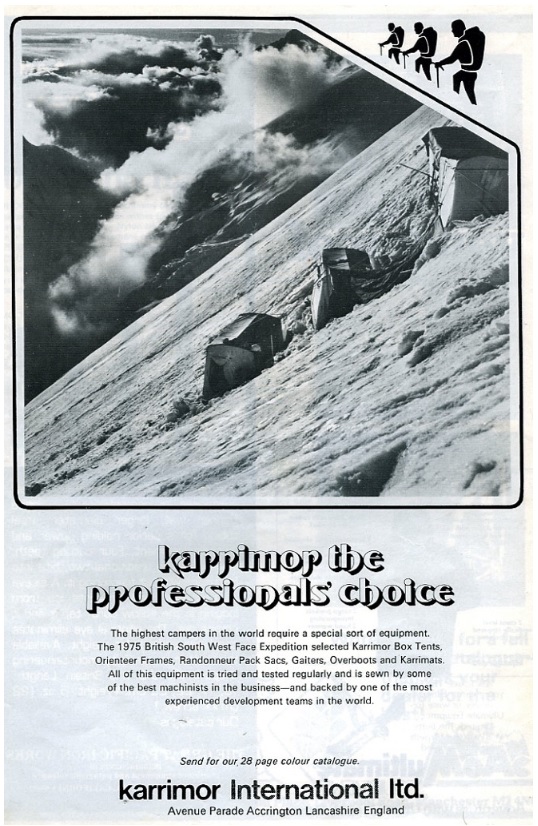
- 1970s: The Golden Age of Alpinism. Karrimor packs are chosen for major expeditions, including Chris Bonington’s 1975 Southwest Face of Everest ascent.
- 1996: Mike Parsons departs the company.
- 2004: The original Karrimor entity enters administration and is acquired by Sports Direct.
Supporting Data: Engineering the "Vector Generation"
The rise of the "Vector Generation"—the blue-collar mountaineers who dominated the 1960s through the 1990s—was intrinsically linked to Karrimor’s design philosophy. Mike Parsons, having learned the craft on the workshop floor, understood that true innovation occurred on the mountain, not in a boardroom.
The KS-100e Breakthrough
One of Karrimor’s most significant technical contributions was the development of the KS-100e fabric. Recognizing the limitations of traditional wax-proof cotton and leather, the Karrimor team developed a proprietary elastomer-nylon polymer-coating process. By utilizing a thick, texturized nylon core as an anchor, they applied a silicone-polymer blend that offered extreme durability and water resistance without adding unnecessary weight. This was an industry first, setting a benchmark that international competitors scrambled to emulate for decades.
Iconic Gear: The Alpiniste Series
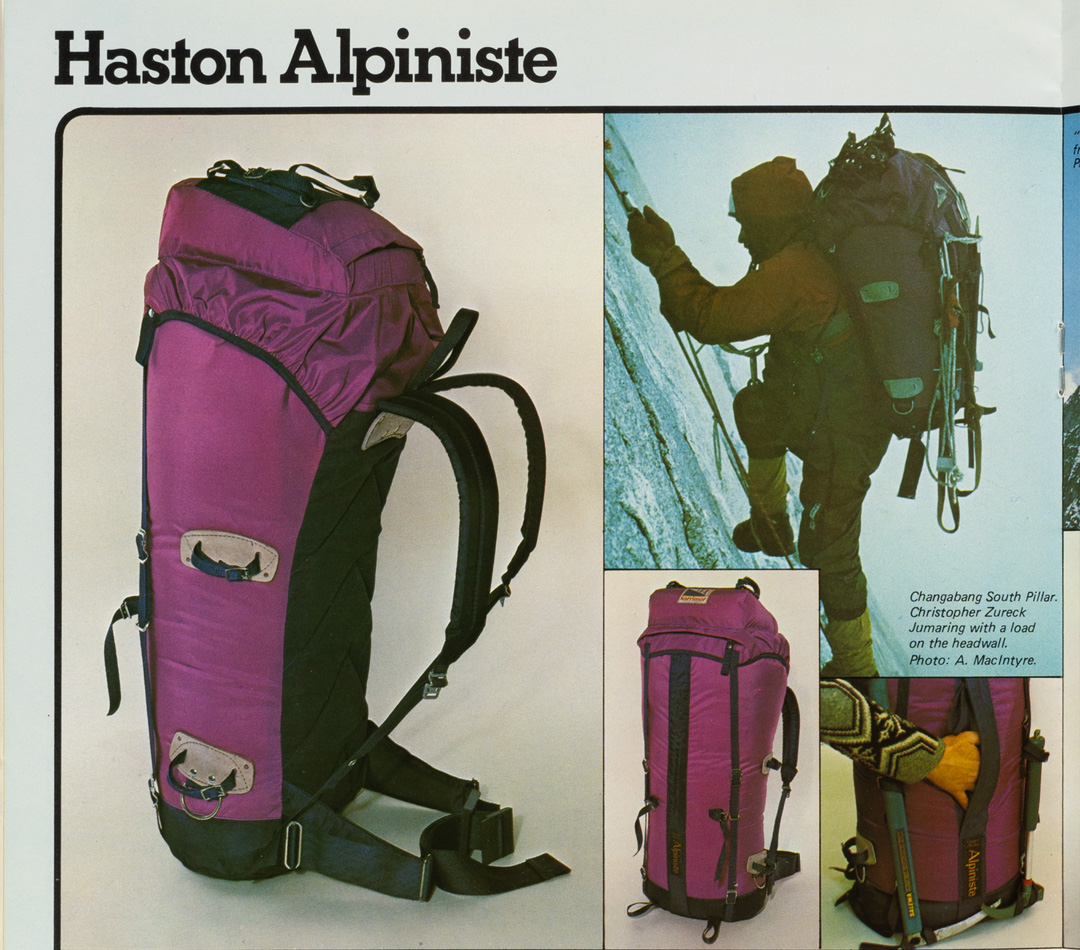
The partnership between Mike Parsons and mountaineers like Don Whillans and Dougal Haston produced legendary equipment. The Whillans Alpiniste, released in the 1970s, was the original "collab" pack. Weighing just 1,300g and featuring a suede base and slim profile, it became the gold standard for technical climbing. It was later superseded by the Haston Alpiniste, which introduced Cordura nylon, twin ice-axe loops, and a revolutionary removable back pad that doubled as a sleeping mat.
Official Responses and Industry Impact
The success of Karrimor was not built on marketing, but on relationships. Mike Parsons explicitly avoided relying on traditional advertising, choosing instead to build deep, consultative partnerships with the athletes using his gear. This "co-creation" model meant that every stitch, loop, and buckle was a response to a specific pain point encountered at 20,000 feet.
When Junko Tabei summited Everest in 1975 using a Karrimor pack frame, the brand solidified its position as the preferred choice for elite mountaineers. Yet, the 1990s brought an influx of low-cost, mass-produced imports from Asia, alongside fierce competition from established giants like The North Face and Berghaus. The pressure on margins and the shifting retail landscape eventually pushed the company toward its 2004 collapse.
Implications: The Legacy of a Brand
The decline of the original Karrimor is a cautionary tale of the outdoor industry’s transition from a specialized, craftsman-led market to a mass-market, commoditized one. While the British iteration of the brand today serves a different market segment, the essence of the "old" Karrimor continues to thrive in Japan, where a dedicated following preserves the spirit of Mike Parsons’ original designs.
The impact of the Parsons family on outdoor gear is permanent. They proved that equipment could be light, durable, and affordable without compromising on performance. They transformed the mountaineering experience, turning a "gentleman’s sport" into a discipline accessible to anyone with the tenacity to attempt a summit.
As Mike Parsons prepares to release his upcoming memoir, The gear that got us there … and back!, the industry is afforded an opportunity to reflect on the true value of heritage brands. Karrimor was a bridge between the industrial past of Lancashire and the modern era of global adventure. It remains a testament to the fact that when you build with purpose, you don’t just create products—you create history.
For the outdoor enthusiast, the name remains a reminder of a time when the equipment was as rugged as the individuals who used it, and when a small shop in Waterfoot, fueled by a blind man’s vision, was enough to conquer the highest peaks on Earth.
 Ali Ikhwan
  Pevita Pearce
  Nana
Nana 