

Long before the advent of high-tenacity Cordura nylon, aerospace-grade aluminum stays, or Fidlock magnetic buckles, humanity faced the foundational challenge of survival: how to transport vital resources across unforgiving terrain. From the high-altitude passes of the Himalayas to the vast, windswept grasslands of the Argentine Pampas, the question—where does the weight sit?—has been the primary driver of innovation for millennia.
While modern carry culture often prioritizes specialized features, modular compartments, and synthetic performance, a survey of historical load-bearing systems reveals a different philosophy. These ancient methods were not merely "storage solutions"; they were sophisticated biomechanical interfaces, deeply integrated into the cultural identity and physical landscape of their users. By examining these traditional systems, we gain a rare perspective on ergonomics and efficiency that challenges our contemporary assumptions about what it truly means to "carry well."
Chronology of Carry: A Global Evolution
The history of load-bearing is a history of adaptation. Each culture developed systems that acted as a silent language of their environment.

- 710–794 AD (Nara Period, Japan): The precursor to the furoshiki, known as tsutsumi, emerges as a method for protecting sacred temple treasures during transport.
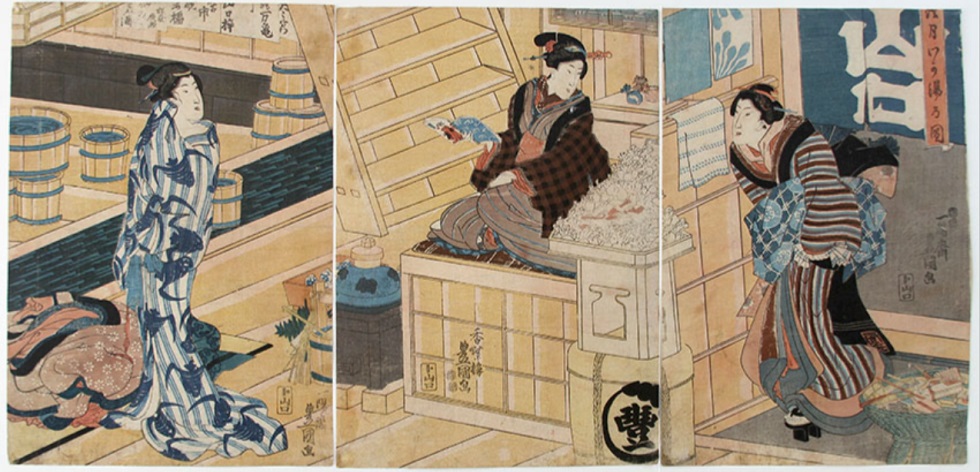
- 1336–1573 AD (Muromachi Period, Japan): The furoshiki (literally "bath spread") is standardized, becoming a common tool for public bathhouse goers to bundle kimonos and personal effects.
- 1600s–1800s (Edo Period, Japan): The utility of the furoshiki expands from aristocratic ritual to common urban usage, cementing its role in daily life.
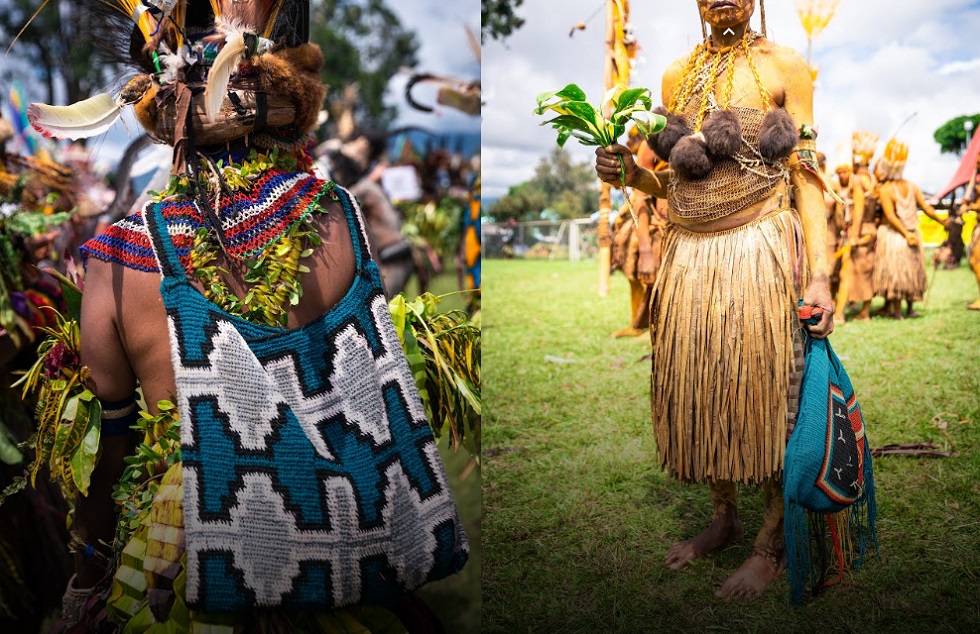
- Pre-Colonial to Present (Papua New Guinea): The bilum is perfected as a flexible, expanding carry system, representing not just a vessel but a social marker of lineage and identity.
- 19th–20th Century (Scandinavia): The kont reaches its zenith as a primary transport tool for Sami and boreal forest travelers, engineered to handle extreme moisture and cold.
- 2006 (Global): Japan’s Ministry of the Environment formally promotes furoshiki as a national initiative to combat plastic waste, reintroducing ancient principles to a modern climate-conscious audience.
The Geometry of Adaptability: Japan’s Furoshiki
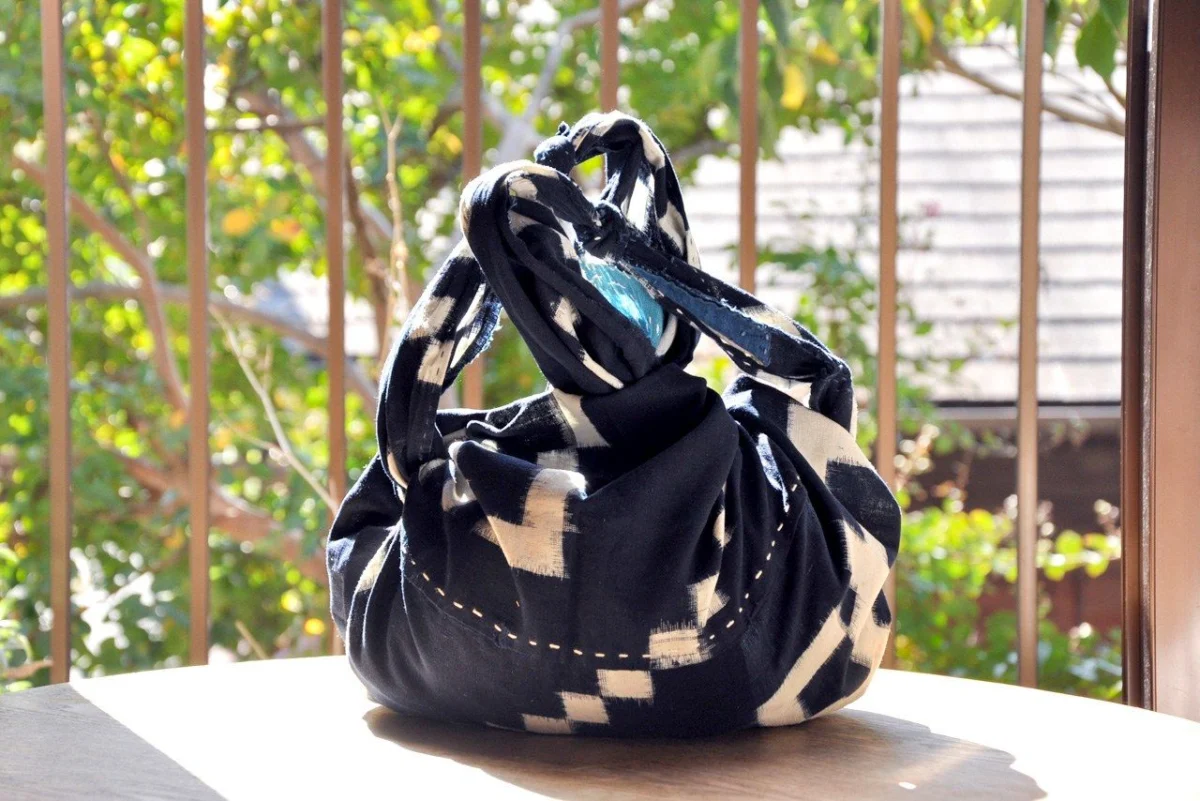
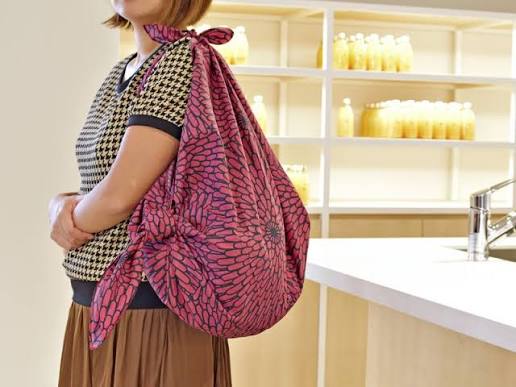
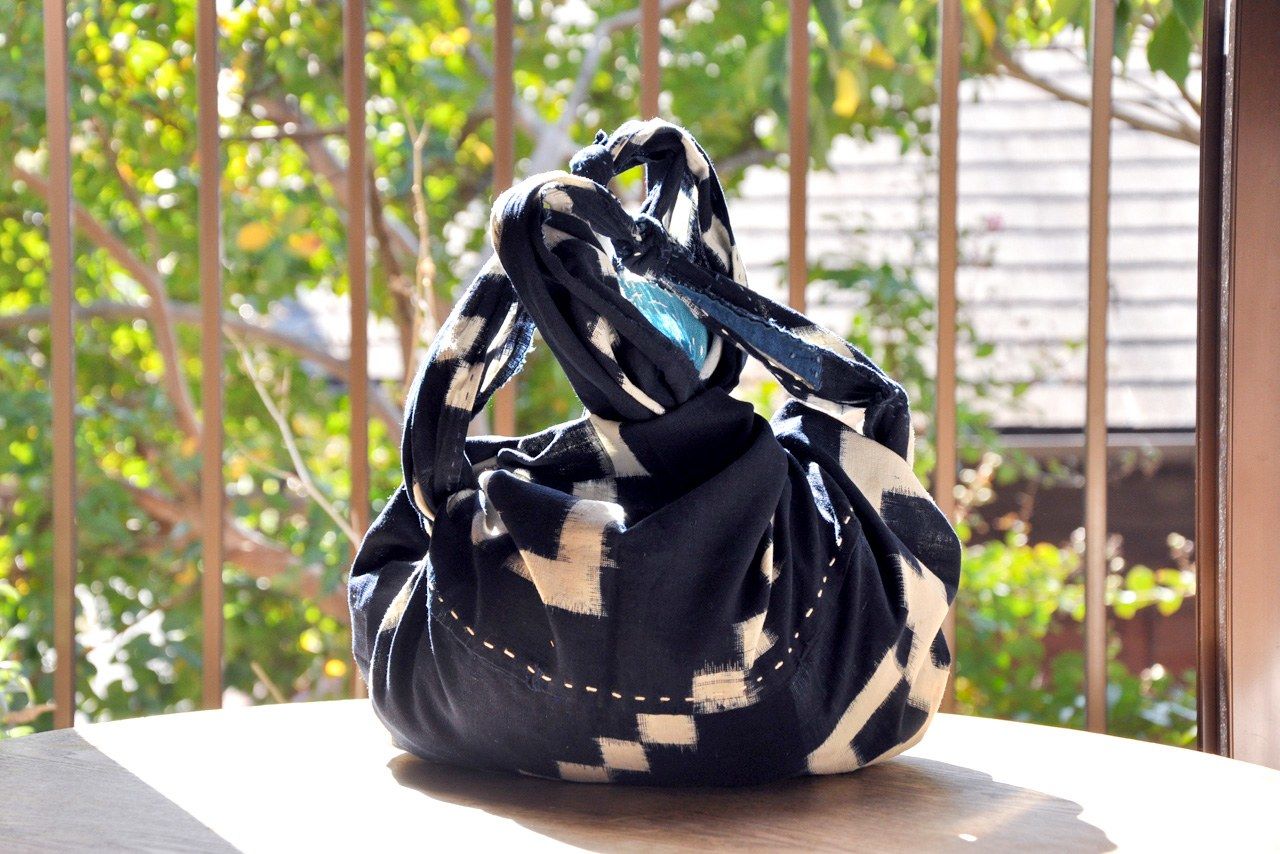
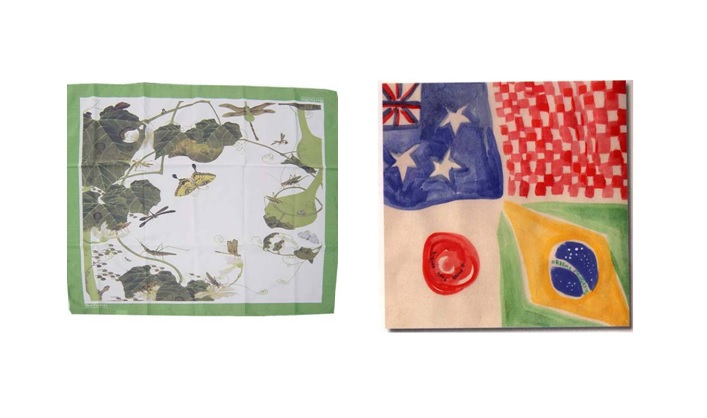
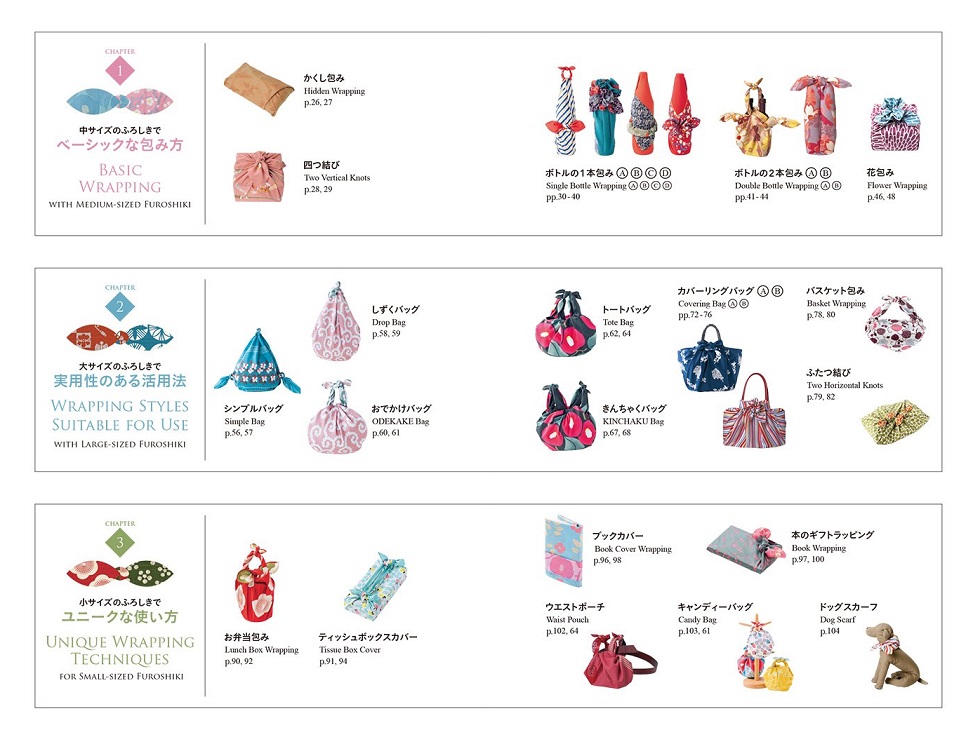
The furoshiki represents the ultimate rejection of hardware. While a modern backpack is a singular solution for a specific problem, the furoshiki is a platform for infinite possibilities. It is a square of fabric that, through the art of knotting, transforms into a grocery bag, a bottle carrier, a shoulder sling, or a gift wrap.
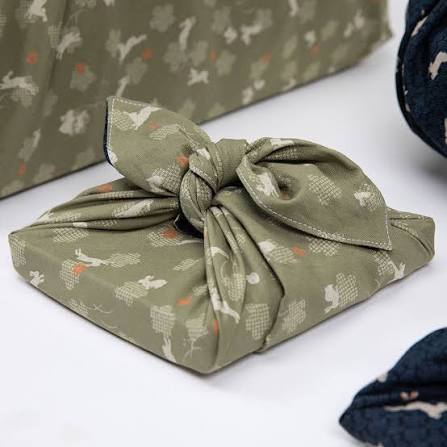
Its genius lies in its lack of structure. By relying on textiles rather than rigid frames, the furoshiki packs flat, weighs nothing, and is infinitely repairable. In a world of planned obsolescence, the furoshiki stands as a testament to the power of simplicity. As textile artist Yamada Etsuko has demonstrated in her contemporary work, the traditional wrapping cloth is not a relic; it is a design language that continues to inform modern minimalism and sustainable, waste-free living.
The Art of Expansion: Papua New Guinea’s Bilum
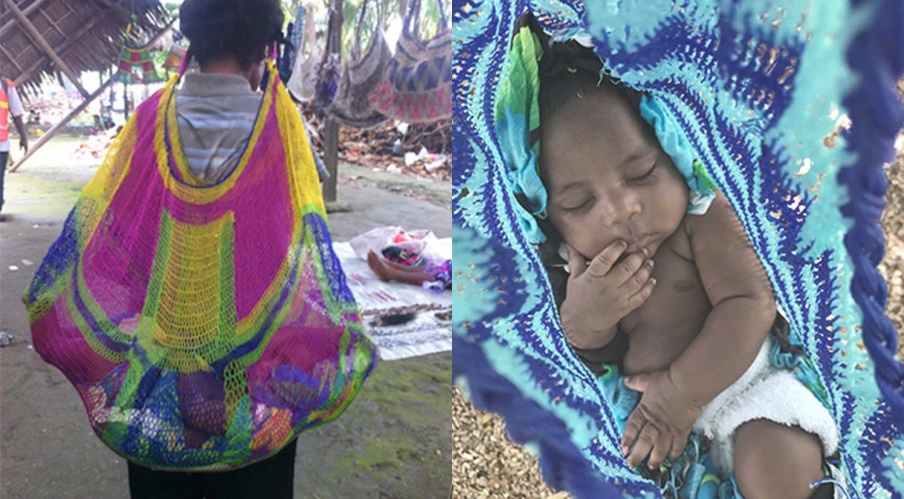
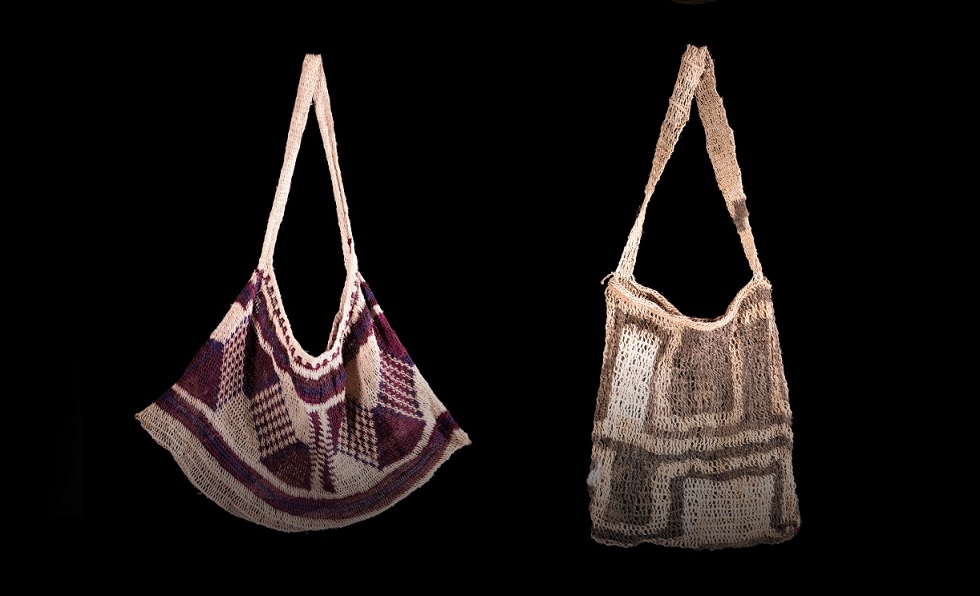
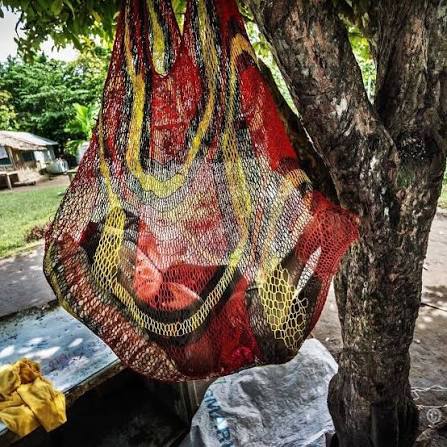
In Tok Pisin, the word bilum translates to "womb." It is a fitting description for a bag that is designed to stretch, hold, and protect. Unlike the rigid, prescriptive nature of a modern laptop bag or hiking pack, the bilum is an exercise in anatomical fluidity.
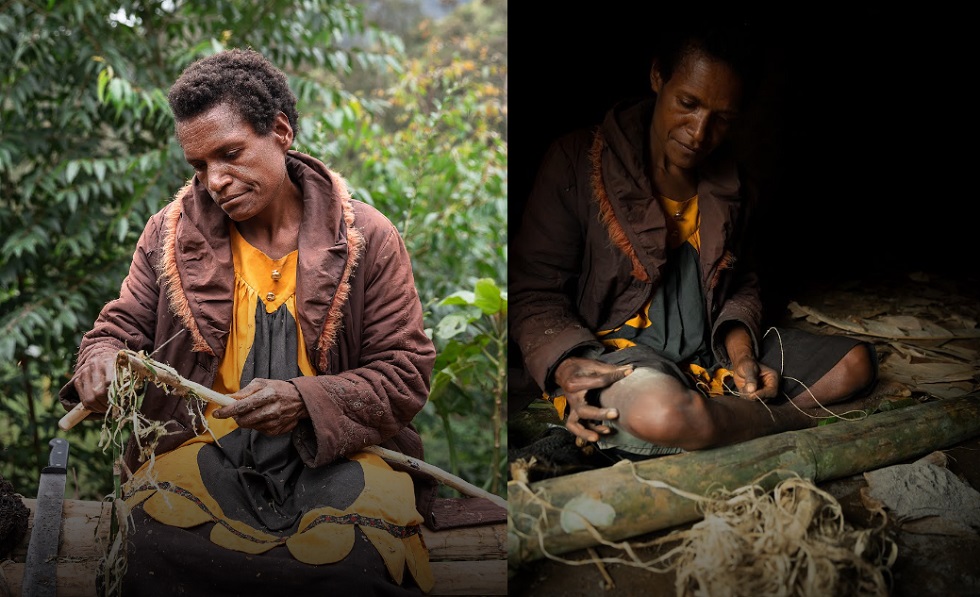
Crafted using a unique looping technique rather than knitting or weaving, the bilum is made from hand-spun fibers of tree bark, pandanus, or grass. The construction process is a grueling labor of love—stripping, drying, and twisting fibers against the weaver’s leg. The resulting bag is soft, conforming entirely to the shape of its contents and the body of the carrier. It does not force the body to adapt to the pack; the pack adapts to the body. Artists like Florence Jaukae Kamel have pushed the bilum into the realm of high fashion, successfully transitioning the craft from a traditional utility item to a symbol of economic independence and cultural pride.
Pure Physics: The Himalayan Namlo and Doko
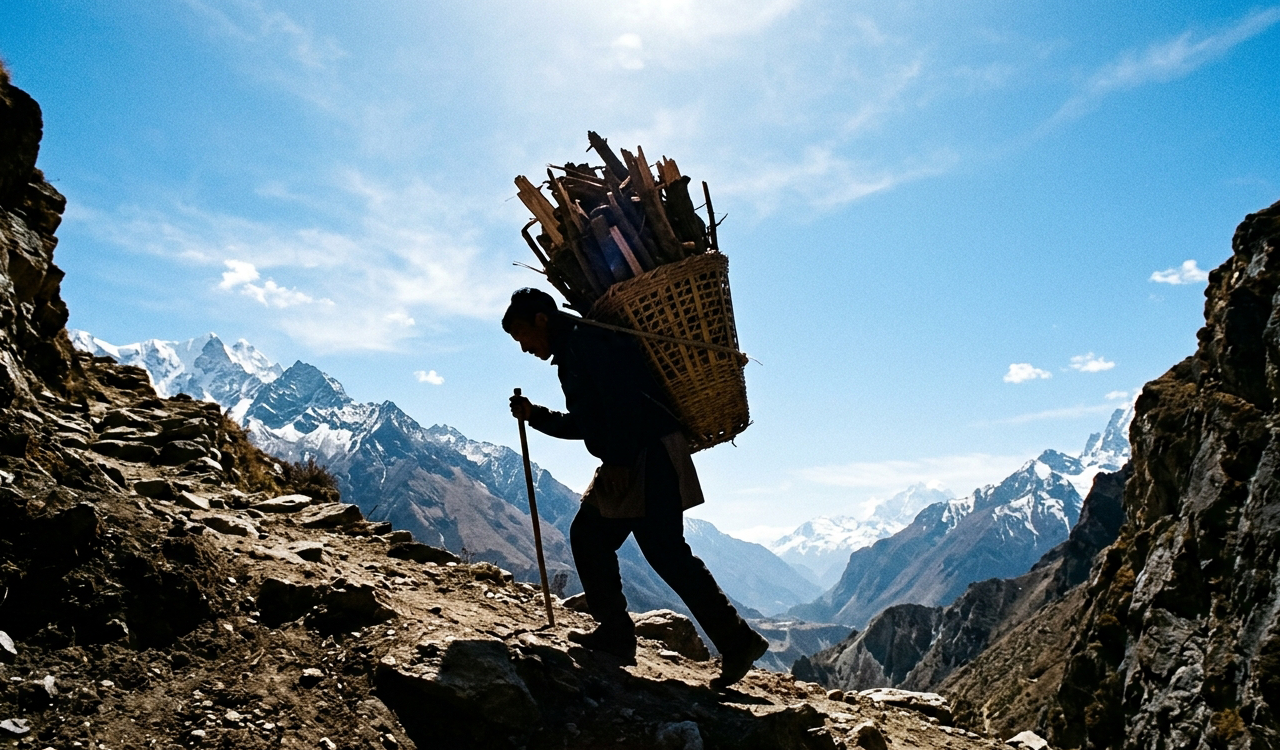
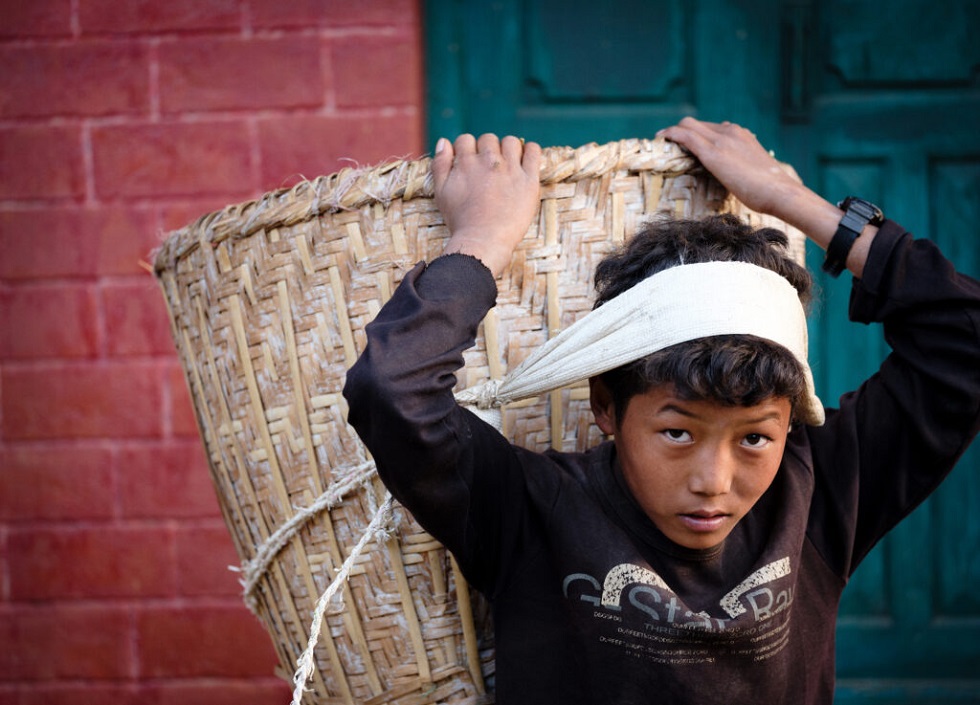
If the furoshiki is geometry and the bilum is anatomy, the namlo and doko system of Nepal is pure physics. A doko is a conical basket woven from split hill bamboo, while the namlo is a braided strap that connects the basket to the carrier’s forehead.
To the uninitiated, the system looks punishing. However, it is one of the most efficient load-bearing systems ever devised. By suspending the load from the head rather than the shoulders, the weight is aligned directly with the body’s center of gravity. The carrier leans into the slope, allowing the spine and lower body to bear the weight through natural alignment rather than relying on heavy, sweat-inducing padding or complex mechanical suspension systems. It is a design with zero points of failure: no zippers to jam, no buckles to freeze, and no frames to bend.
The Wearable Chassis: The South American Gaucho
The South American gaucho did not use a backpack. He did not need one. He achieved what modern "EDC" (Everyday Carry) enthusiasts strive for: complete integration. The gaucho’s gear—the facón knife, the faja sash, and the rastra belt—were not add-ons; they were part of the rider’s silhouette.
By carrying tools on the body, specifically near the pelvis, the gaucho maintained his balance in the saddle. The rastra belt, often decorated with silver coins, served as a dual-purpose object—a display of wealth and a secure mounting point for tools. This is the origin of the "chassis" concept: the body as the primary load-bearing platform. Modern running belts and tactical chest rigs are simply contemporary echoes of this centuries-old gaucho wisdom.
Collaborating with the Cold: The Scandinavian Kont
In the boreal forests of Lapland, moisture is the enemy. A traditional kont (or kontti) is a backpack woven from birch bark. Its properties are nothing short of miraculous: it is naturally waterproof, rot-resistant, and, crucially, breathable.
While modern synthetics can trap sweat, causing it to freeze against the back in sub-zero temperatures, the kont allows moisture to escape. It is a prime example of "place-based" design, where the material itself solves the environmental challenge. It serves as a reminder that true minimalism in extreme climates is not about resisting nature, but collaborating with the materials it provides.
The Kinetic Efficiency of Head Carrying
Perhaps the most controversial and misunderstood system is the African head-carry method. For years, Western researchers were baffled by the "free-ride" effect—the ability of experienced carriers to transport heavy loads with virtually no increase in metabolic energy expenditure.

Data from biomechanical studies suggests that these individuals have developed highly specialized gait patterns that allow them to oscillate the load in synchronization with their steps, effectively exchanging potential and kinetic energy. It is not a universal human trait; it is a learned, life-long skill. This system serves as a stark reminder that the most efficient suspension system on earth is not a piece of gear—it is the human body, when trained with intention and precision.

Implications for Modern Design
The divergence between traditional systems and modern packs is significant. Modern designs optimize for organization and accessibility, whereas traditional systems optimized for alignment and movement.
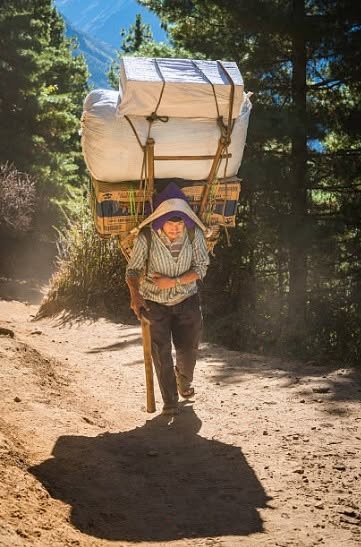
- The "Independent Machine" vs. The "Extension of the Body": Modern gear often feels like an external machine strapped to the back, necessitating complex harnesses to keep the weight from pulling the torso backward. Traditional systems, conversely, aimed to make the load an extension of the skeletal axis.
- Sustainability through Simplicity: The longevity of the kont or the furoshiki highlights a critical design flaw in modern gear: complexity is a vulnerability. The more moving parts, the higher the likelihood of failure.
- Repairability: Traditional gear was built to be fixed. When a bilum or a doko wears out, it can be mended with the same basic techniques used to create it. Modern synthetic materials are often impossible to repair, leading to a "throwaway" culture.
Conclusion
We currently live in a golden age of materials—Dyneema, carbon fiber, and laser-cut laminates offer performance levels previously unimaginable. Yet, in our pursuit of "more," we may have lost the "why."
The next frontier of carry design may not be a new type of foam or a more complicated adjustment system. It may be the quiet rediscovery of the principles that guided our ancestors: designing for the body’s natural movement, choosing materials that work with the climate rather than against it, and viewing the load not as an object to be stored, but as a weight to be balanced. By integrating the technical precision of the present with the ergonomic wisdom of the past, we might finally create a carry system that truly disappears, allowing us to move through the world with the grace and efficiency that has defined the human journey from the very beginning.
 Ali Ikhwan
  Pevita Pearce
  Raul Delapena Setiawan