

The road to the Karakoram is not merely a journey; it is a profound descent into the extremities of the human experience. For Neža Peterca, the founder of the boutique outdoor gear brand What Happened, the path to the base of the world’s most formidable peaks began long before she set foot on the Baltoro Glacier. It began in the quiet, exacting solitude of a sewing workshop in Slovenia, where the philosophy of "repair" transformed into a mission to craft the ultimate mountain companion.
When Peterca traveled to Pakistan, she was not merely a tourist or a climber; she was a designer seeking the "field test of a lifetime." Her objective: to subject her custom-built summit packs to the brutal, oxygen-starved reality of Gasherbrum I and Leila Peak. Yet, the mountain, in its infinite indifference to human plans, had other ideas.
The Architecture of an Expedition
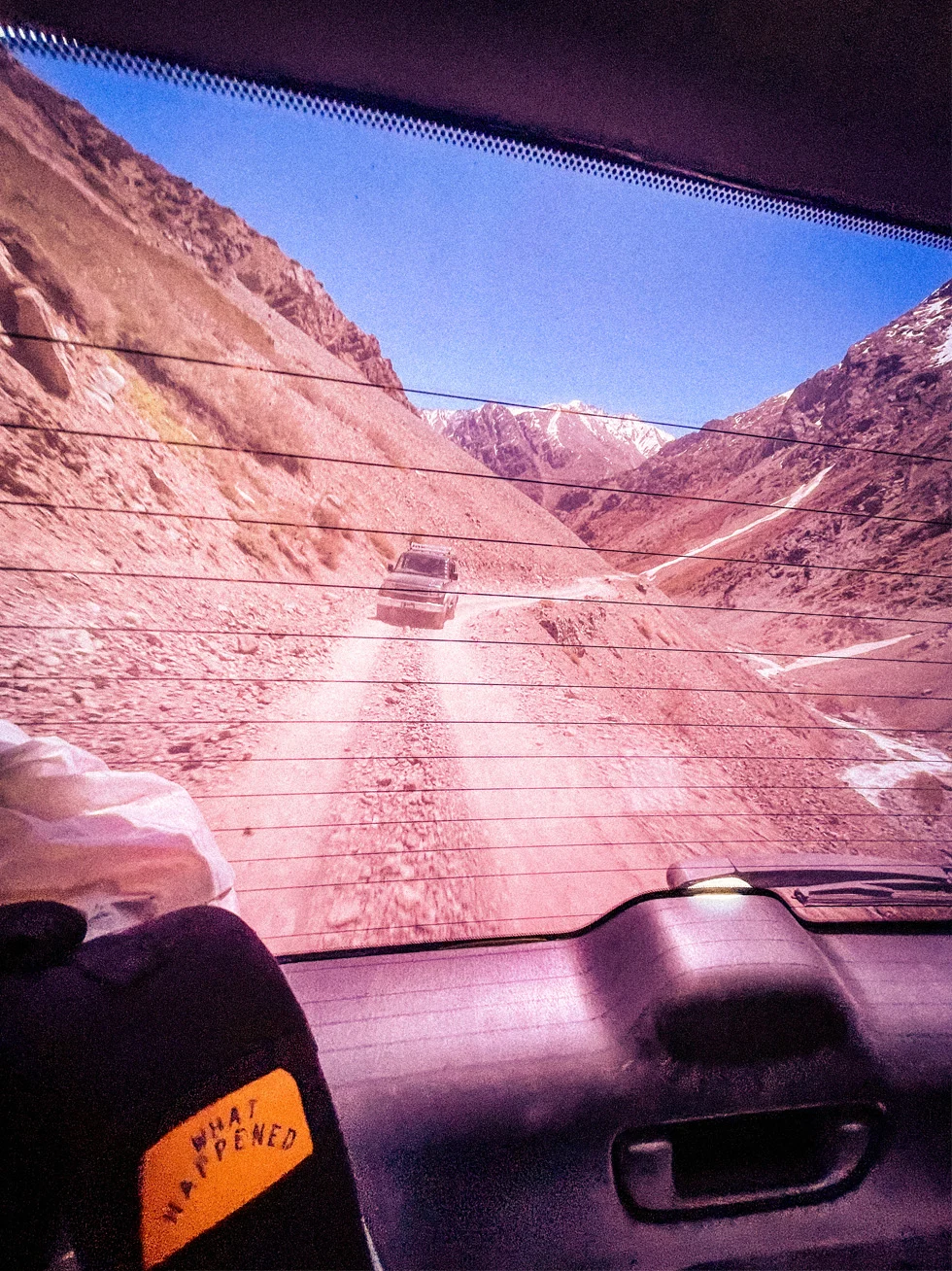
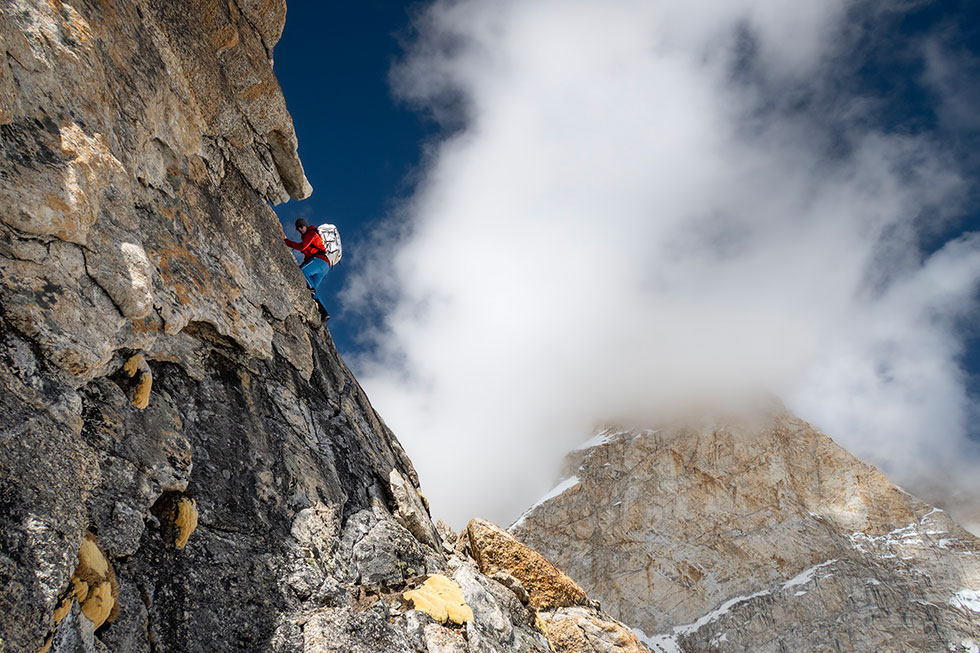
The logistics of reaching the Karakoram are staggering. The journey requires an international flight to Islamabad, followed by a precarious transit to Skardu—a town perched at the jagged confluence of the Indus and Shigar rivers. From there, the terrain shifts into a realm where the landscape becomes increasingly hostile with every kilometer. Following a ten-hour drive over crumbling, dust-choked roads, one must undertake a 120-kilometer trek across the Baltoro Glacier. It is a week-long walk toward peaks that have beckoned adventurers for centuries, including K2, Broad Peak, and the Gasherbrums.
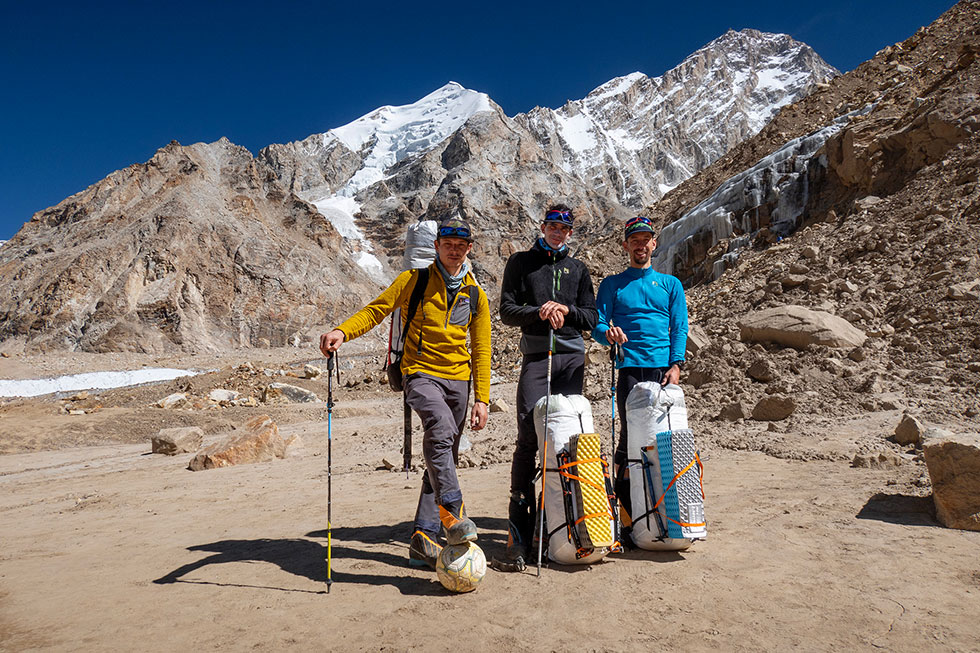
Peterca’s team was a microcosm of professional mountaineering: nine people, including her partner Aleš Česen, a seasoned climber on his ninth Pakistani expedition. The group also included a film director, a sound engineer, camera operators, and a journalist from Der Spiegel. Their mission was twofold: a summit push and the production of a memorial documentary for climbers lost to these mountains in years past.
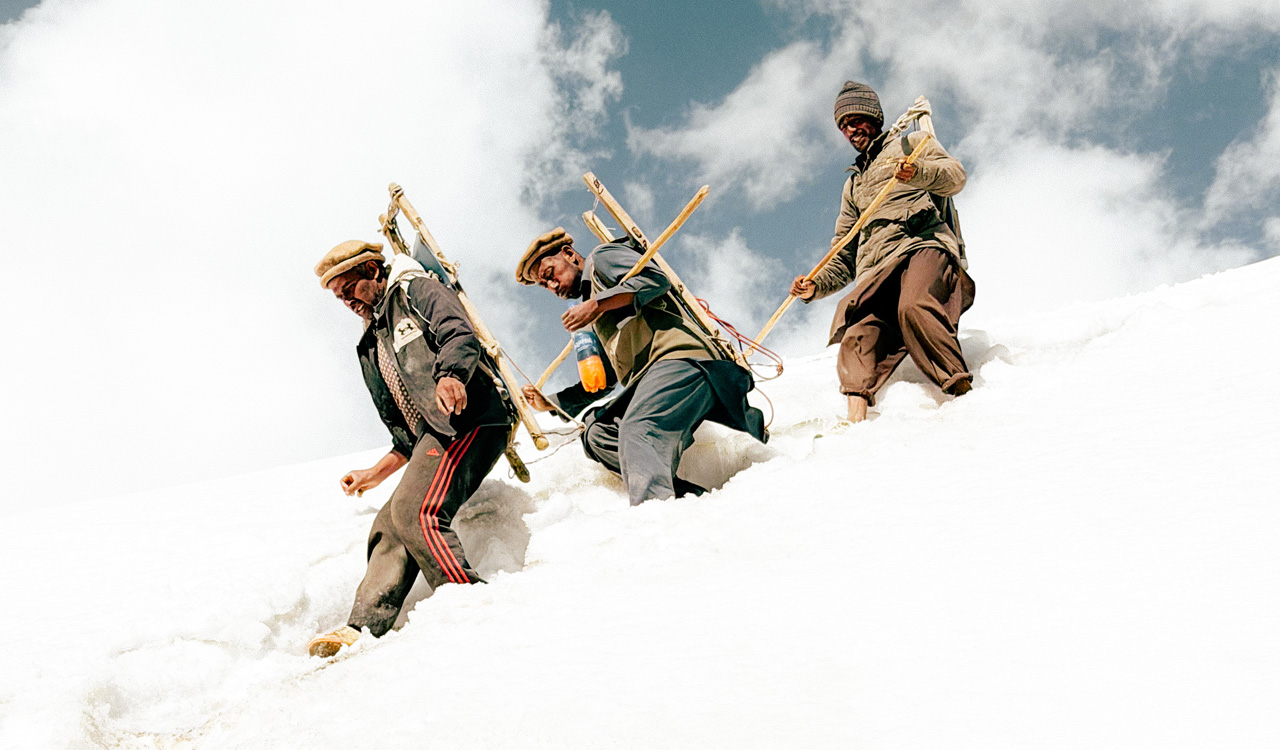
For Peterca, the experience was an exercise in cultural and professional navigation. As the only woman in a group of forty—including thirty-seven local porters who navigated the glacier in simple plastic shoes, fueled by grit and snow—she became a silent observer of a culture defined by rigid, unspoken codes. In the conservative environment of the Karakoram, she found herself effectively "invisible."
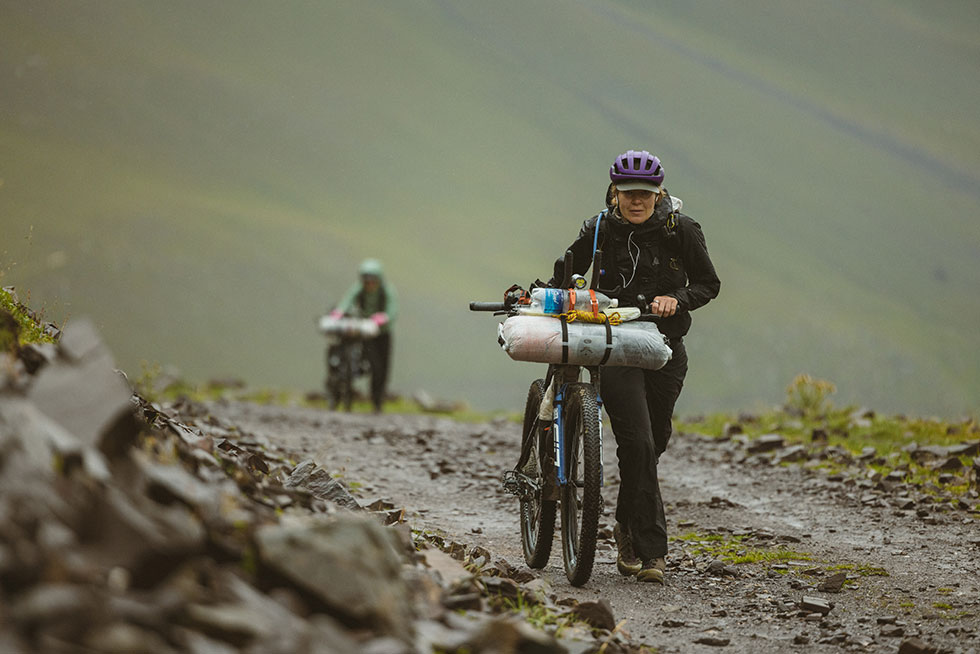
"It was interesting. It was difficult. It was real," Peterca reflects. While she had previously navigated Patagonia and Kyrgyzstan solo, this expedition offered a jarring recalibration of what "adventure" meant. She expected the harshest conditions, yet found herself at a base camp with tea service at 5,000 meters—a necessity of logistics, not luxury, designed to keep the team alive for the final, thin-aired push.
A Chronology of Unraveling
In mountaineering, there is an unwritten law: if three critical elements fail, you turn back. The Karakoram expedition, however, seemed determined to push well beyond that threshold. The signs of impending failure appeared early and often:
- The Bureaucratic Delay: The filming permit, contingent on complex military clearance for drones and high-altitude activity, stalled, forcing the team to endure sandstorms and stifling heat in Skardu.
- The Physical Toll: A co-climber suffered a near-disabling ankle injury; a rockfall resulted in a severe foot injury for another team member; and the film director fell so ill he required a mule to evacuate him from the glacier.
- Personal Tragedies: Peterca herself had to return home for her grandmother’s funeral, while the Der Spiegel journalist was forced to depart following the death of his mother.
- The Final Blow: Above 5,000 meters, Aleš Česen developed pneumonia—a condition that, in the oxygen-depleted death zone, is effectively a death sentence if not treated immediately.
When the team finally decided to abort the mission, they had long since passed the "three-strike" rule. The summit pack Peterca had spent months perfecting never touched the peak. As if to seal the futility of the attempt, the steering wheel of their vehicle fell off during the descent, nearly sending them into a river. The documentary was never filmed, the peaks were never summited, and the gear remained untested in its intended environment.
The Genesis of What Happened
To understand why Peterca designs the way she does, one must look at her evolution from a commercial designer to a craft-obsessed artisan. In 2011, as a co-founder of the urban cycling brand Blind Chic, she witnessed the cycle of mass-production and the "manufactured need" of the fashion industry.
"The bigger the brand grew, the less involved I was in the creative process," she notes. Disillusioned by spreadsheets and seasonal collections, she sought a path centered on longevity. She found her calling through repair. After training with Barbara Heinze—a pioneer in bringing Patagonia’s Worn Wear program to Europe—Peterca learned the exacting art of technical restoration.
She spent two years traveling with the Worn Wear tour, gaining a profound understanding of what users actually demand from their gear. When COVID-19 brought the world to a standstill, she returned to Slovenia to launch What Happened. The name was born from a simple, recurring question she asked customers bringing in broken gear: "What happened?"
Design Philosophy: Solving for Invisibility
What Happened is not a traditional brand; it is a bespoke service. Peterca focuses on mountain guides—professionals who use their equipment for over 200 days a year. This feedback loop is relentless. If a buckle fails or a seam abrades, she hears about it within weeks, not years.
Her design language is defined by a "less is more" approach:
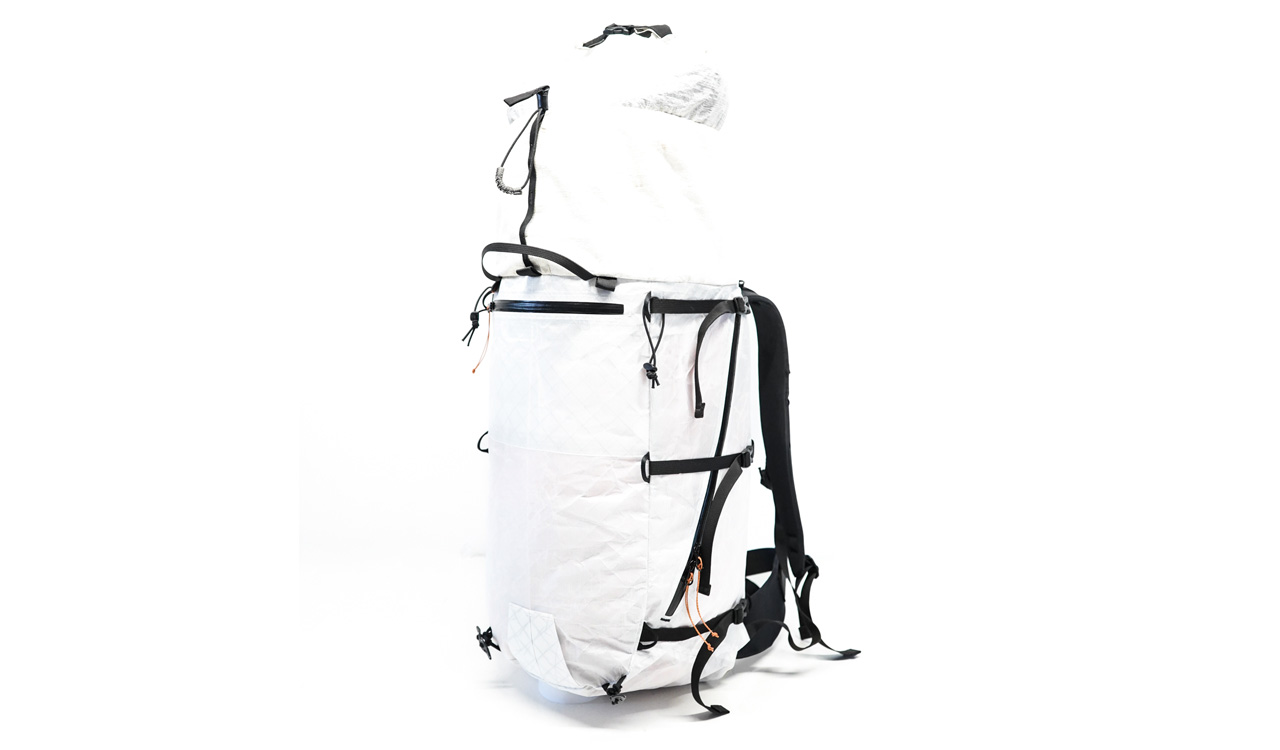
- Material Science: She utilizes woven Dyneema and Ultra fabrics for their extreme strength-to-weight ratios.
- Ergonomic Efficiency: She eliminates sharp corners to prevent abrasion and simplifies hardware to ensure functionality while wearing thick gloves.
- The "Invisible" Pack: Her goal is for the gear to be entirely unobtrusive. As she states, "The guides always say, ‘I don’t want to have a product which annoys me. It should be invisible.’"
Implications: A New Model of Consumption
The success of What Happened—which relies entirely on word-of-mouth rather than advertising—highlights a growing shift in the outdoor industry. Consumers are increasingly bypassing mass-market brands in favor of makers who prioritize transparency and repairability.
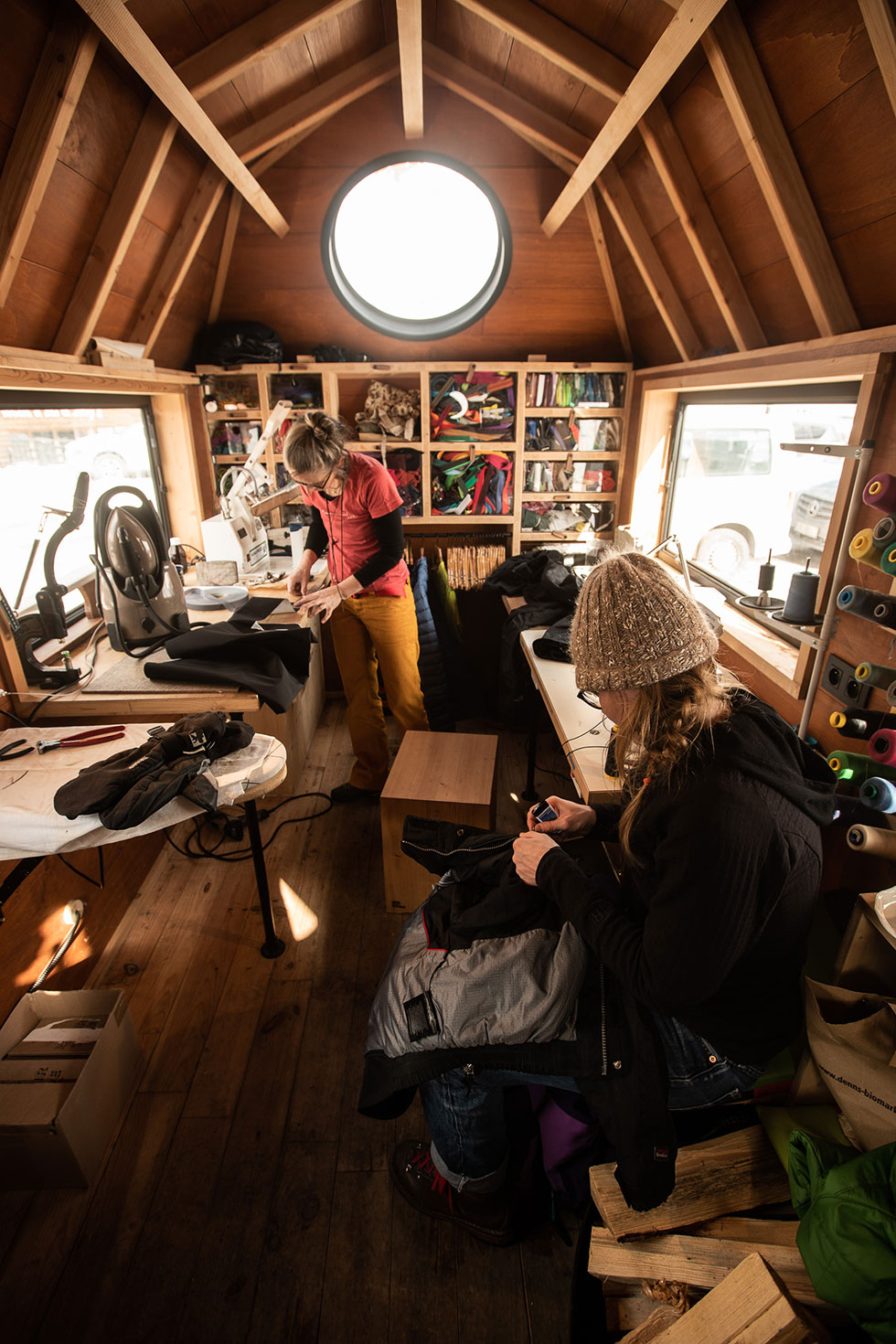
Every pack is made-to-order, eliminating stock waste and allowing for constant, iterative improvement. This model stands in direct opposition to the standard industry practice of seasonal SKUs and massive inventory. By maintaining a direct, personal relationship with her clients, Peterca has built a community that values the "stubborn, real conviction" of high-quality craftsmanship.
Official Reflections: The Value of the Journey
Reflecting on the aborted Karakoram expedition, Peterca sees the experience not as a failure, but as a defining education. She realized that while she respects the "strong fire" in professional mountaineers, her true passion lies in the creation of tools that enable their survival.
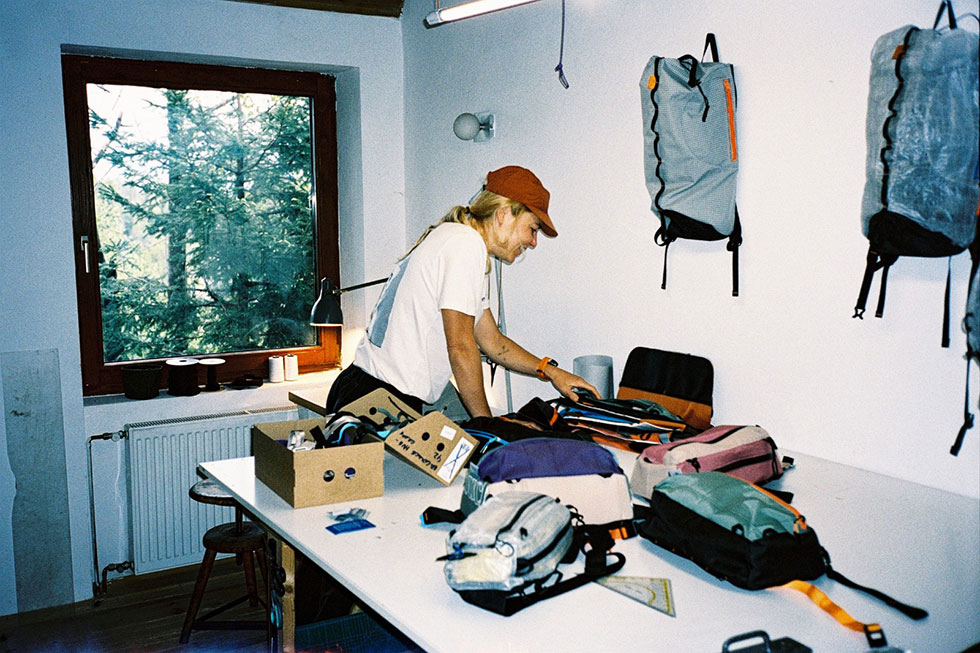
"I don’t think I’m made for that," she says of the grueling, high-stakes waiting game of elite mountaineering. "But I came home with a story I hadn’t planned to tell. The story of everything that can go wrong, and what you learn when it does."
This resilience is now being funneled into new ventures, including a collaboration with the French brand Valone, which shares her commitment to repairable, high-durability trail running gear.
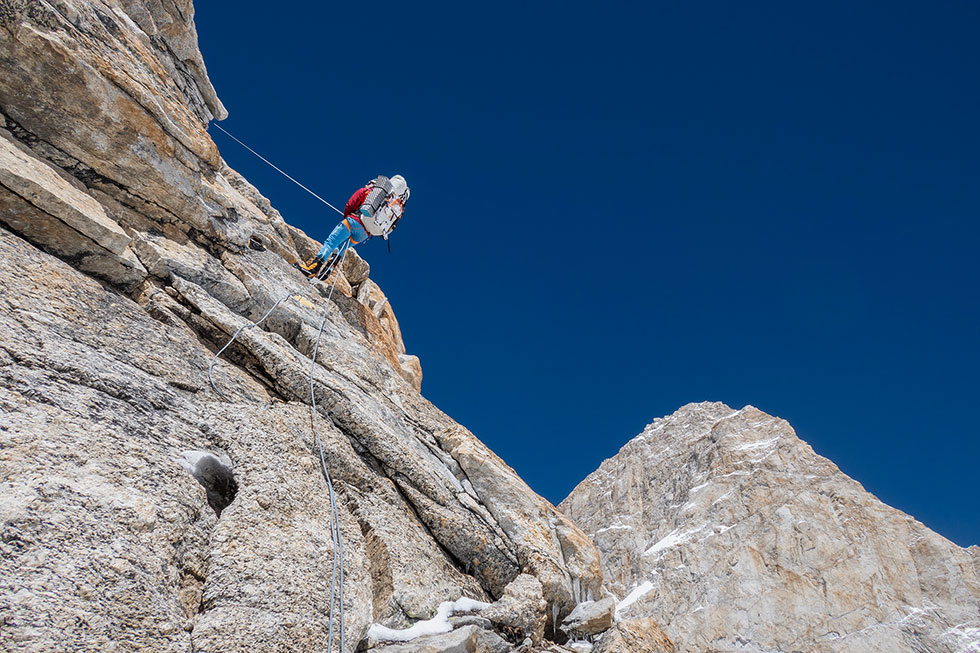
In the final analysis, Neža Peterca has proven that the value of an endeavor is not always found at the summit. Sometimes, the most important work happens in the quiet, focused space of a workshop, where the lessons learned from failure are stitched into the very fabric of the next creation. What Happened is not just about backpacks; it is about the quiet network of people who believe that the best reason to make something is because you genuinely care about it.
 Ali Ikhwan
  Nana
Nana  Raul Delapena Setiawan