

By Global Travel Desk
Europe’s tourism sector has officially turned the page on the post-pandemic era. According to recent data compiled from Euromonitor International, major global tourism studies, and local municipal tourism boards, the continent recorded over 793 million international arrivals, surpassing pre-pandemic benchmarks.
As travelers flood back into the continent’s historic quarters, cobblestone alleys, and bustling culinary capitals, multi-city itineraries are once again dominating vacation planning. To help travelers navigate this vibrant landscape, industry experts have mapped out the most visited cities in Europe, ranking them by annual visitor volume while offering critical insights into regional trends, economic shifts, and the ongoing challenge of over-tourism.
Main Facts: The Post-Pandemic Tourism Surge
The dramatic resurgence of European travel is driven by a pent-up global demand for exploration, improved international flight connectivity, and the widespread adoption of flexible remote-work policies. However, this historic influx has created a stark divide between major metropolitan hubs and secondary destinations.
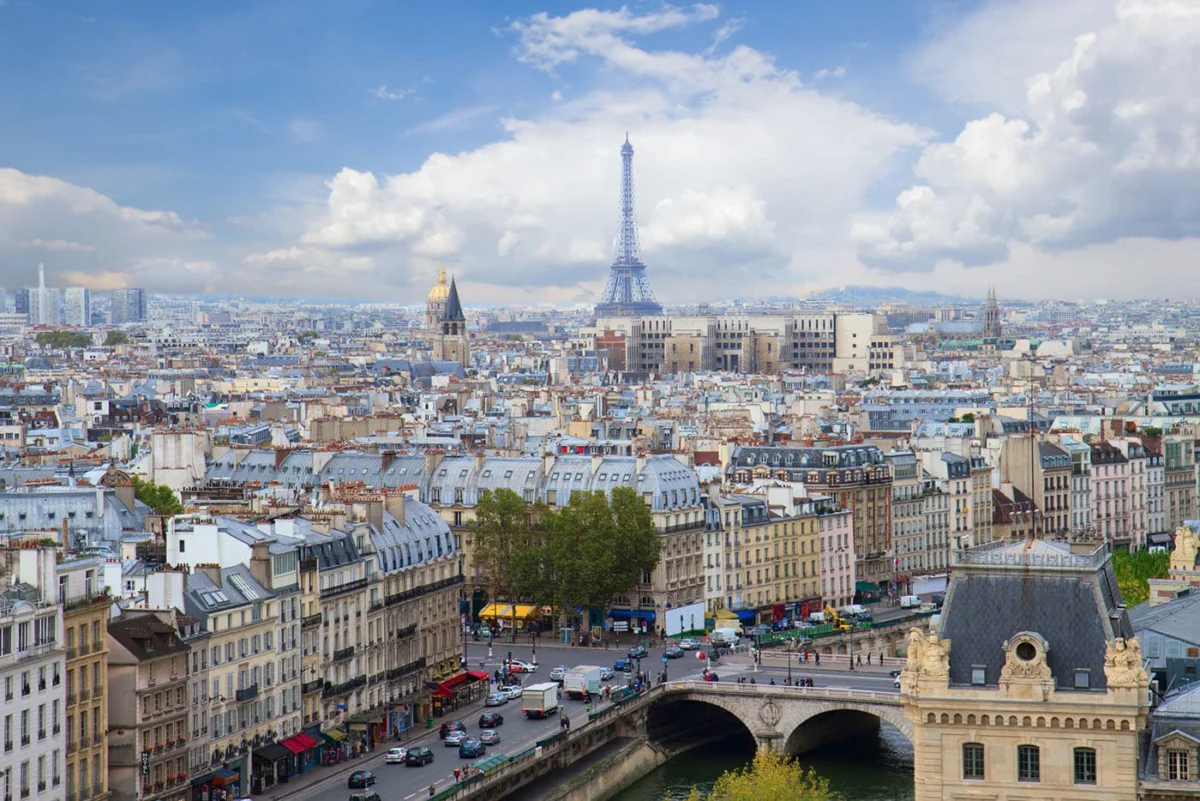
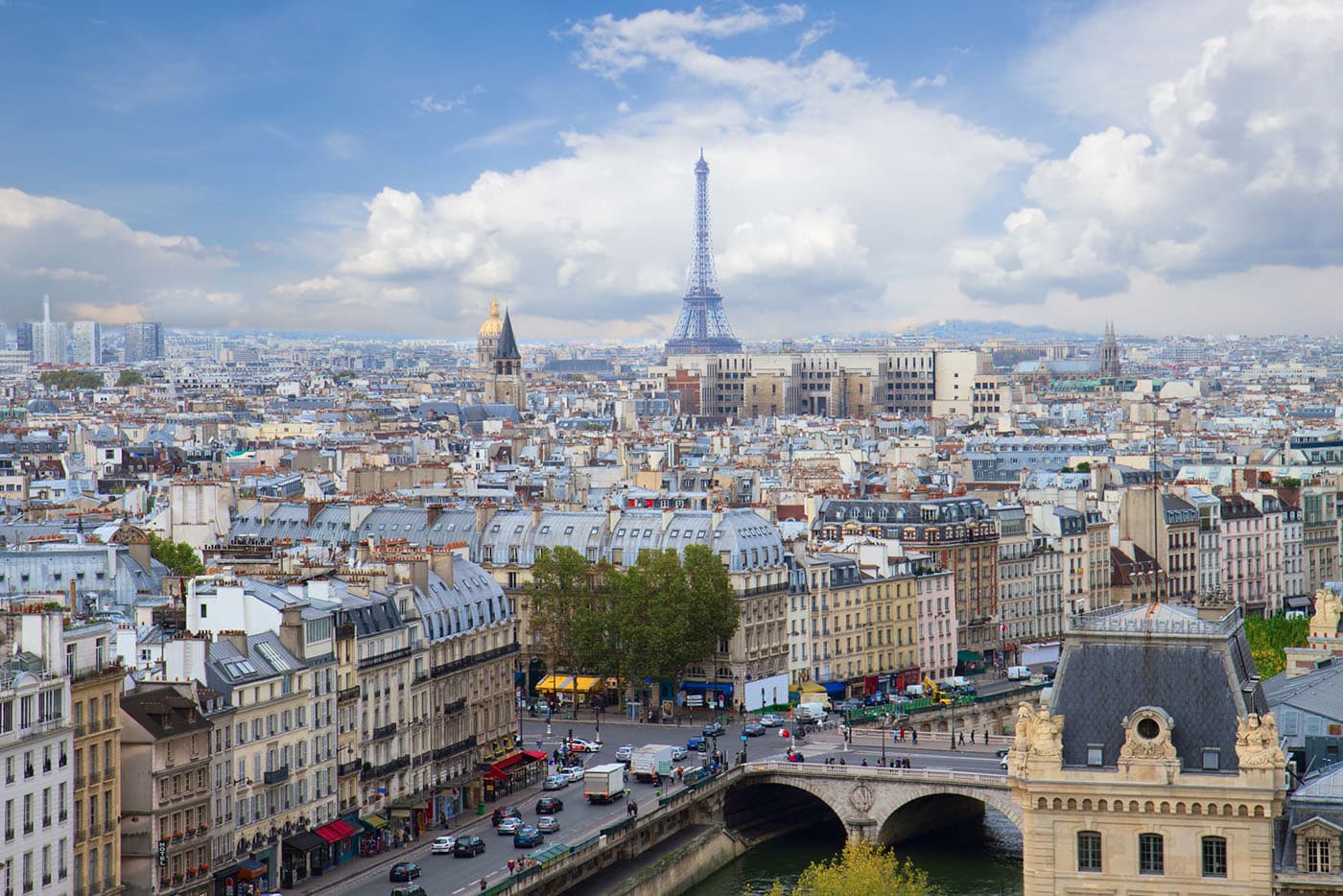
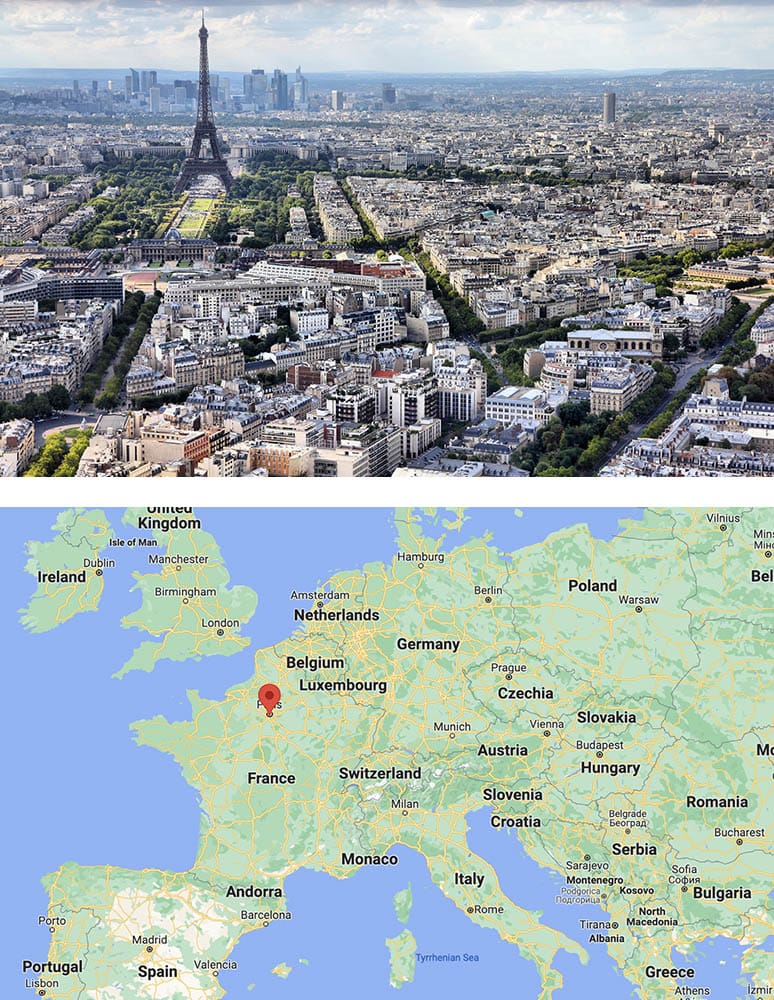
- Paris Reclaims the Crown: Narrowly edging out London, the French capital has recaptured the title of Europe’s most visited city, welcoming a staggering 50 million annual visitors. France as a whole remains the world’s leading tourism destination.
- The Shift Eastward: While Western European powerhouses like London, Rome, and Barcelona continue to command tens of millions of tourists, cities in Eastern and Central Europe—such as Istanbul, Budapest, and Prague—are experiencing unprecedented growth as travelers seek a blend of rich history and lower daily costs.
- The Over-Tourism Crisis: Iconic destinations like Amsterdam, Venice, and Dubrovnik are grappling with severe infrastructure strain. Local governments are increasingly implementing tourist taxes, limits on cruise ship docks, and crackdowns on short-term vacation rentals to preserve their communities.
Chronology of Europe’s Tourism Recovery
To understand how Europe’s urban centers reached these staggering visitor volumes, it is helpful to look at the timeline of the industry’s modern transformation:
- 2020–2021 (The Slump): Global travel ground to a near-total halt due to the COVID-19 pandemic. International arrivals plummeted by over 70%, leaving historic tourism hubs eerily empty and devastating local hospitality economies.
- 2022–2023 (The Rebound): Travel restrictions eased globally, triggering a wave of "revenge travel." Millions of tourists rushed back to major European capitals, catching municipal infrastructure off guard and sparking initial conversations about sustainable tourism.
- 2024 (The Turning Point): Comprehensive studies by Euromonitor International confirmed that European tourism had fully recovered and surpassed 2019 benchmarks. Cities began shifting strategies from pure promotion to visitor management and crowd control.
- 2025 and Beyond (The New Normal): With international arrivals surpassing 793 million, European destinations are focusing on long-term sustainability, affordable digital connectivity via eSIMs, and encouraging travelers to explore lesser-known shoulder seasons and secondary cities.
Supporting Data: Ranking Europe’s Top 35 Cities
Based on recent local tourism office statistics and international arrivals data, here is the definitive breakdown of Europe’s most visited urban destinations:
Tier 1: The Heavyweights (20M+ Annual Visitors)
- Paris, France (50 Million): Boasting world-class museums, an efficient Metro network, and the continent’s largest inventory of vacation rentals and hotels.
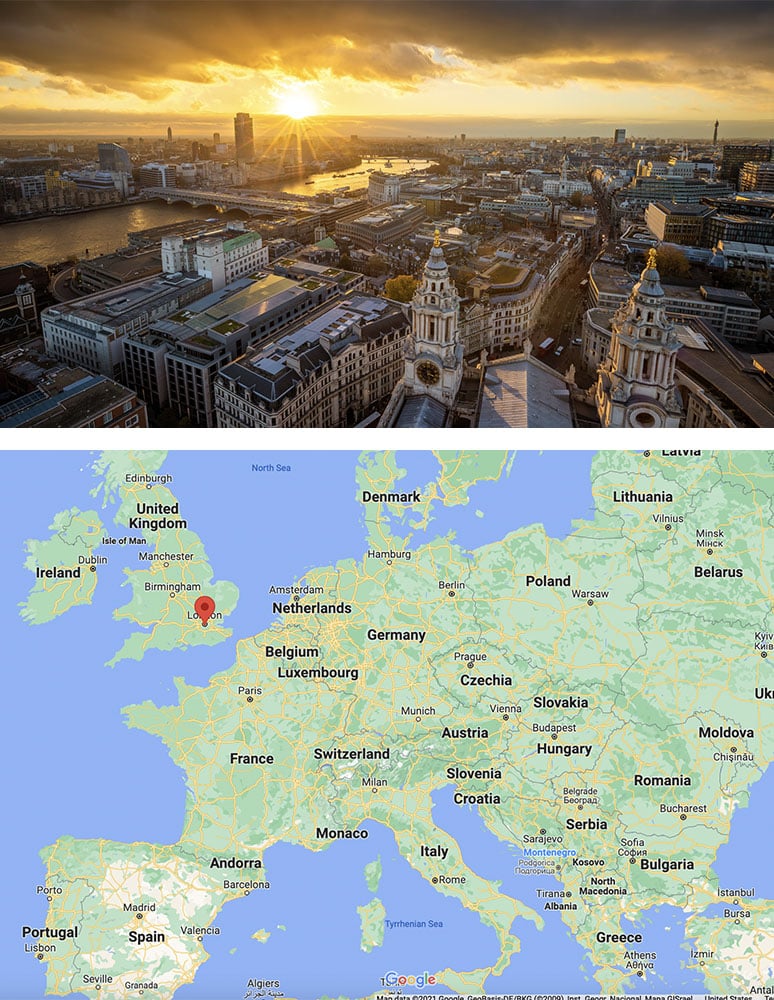
- London, United Kingdom (40 Million): Renowned for its major international airports, low-cost flight availability, and a lack of a language barrier for English-speaking global travelers.
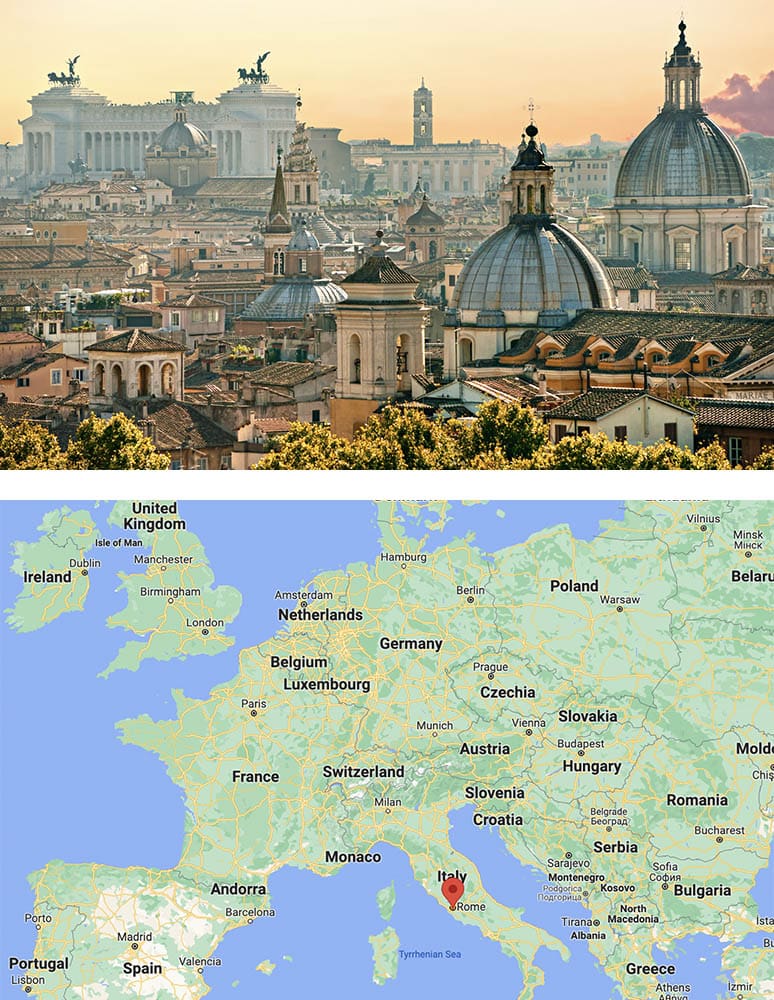
- Rome, Italy (35 Million): Celebrated as a global capital of history, art, and ancient architecture, acting as the ultimate gateway to the Italian peninsula.
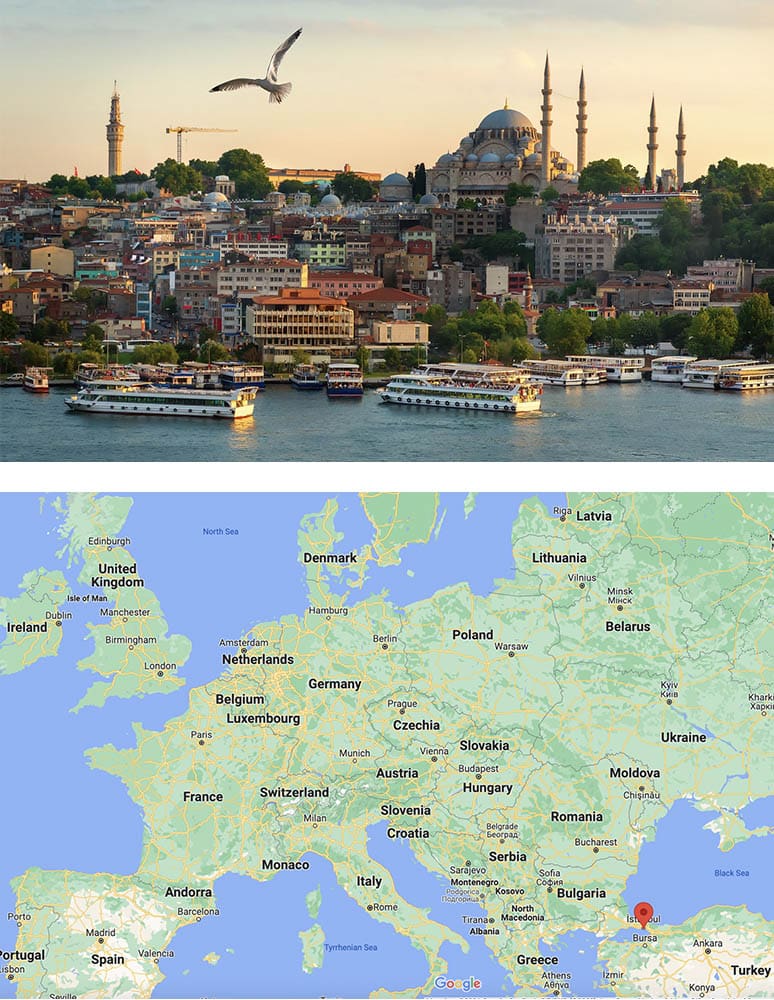
- Istanbul, Turkey (20 Million): Following a stabilization in security and political climate, this transcontinental bridge between East and West has seen tourism skyrocket.
Tier 2: Established Cultural Capitals (10M–19M Visitors)
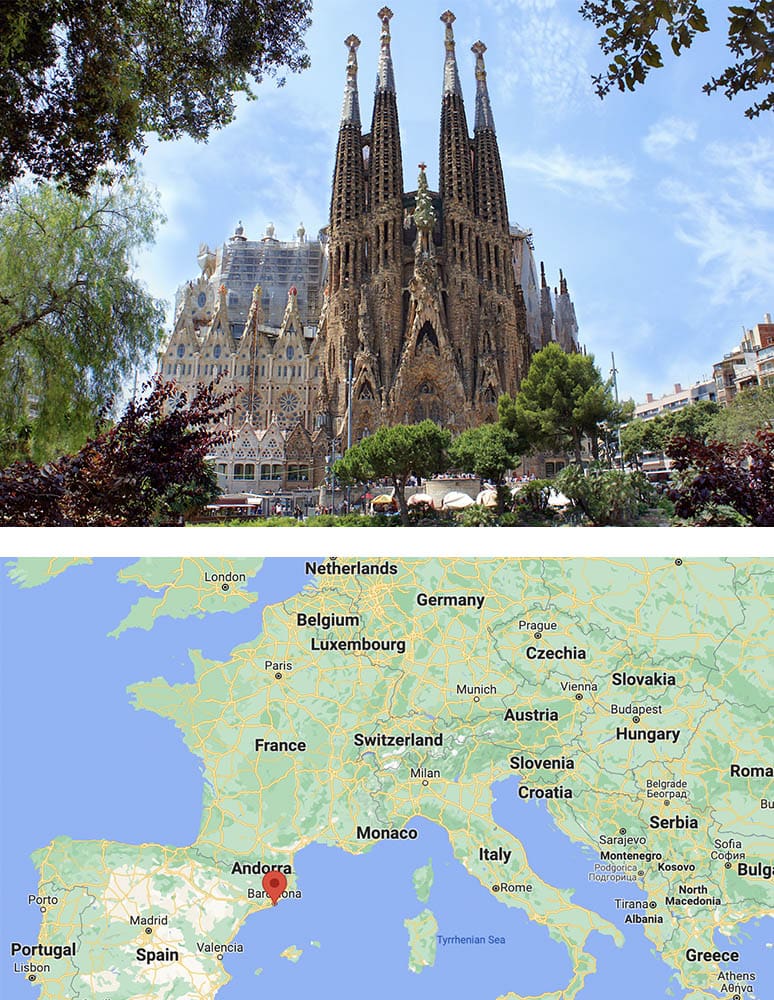
- Barcelona, Spain (16 Million): A coastal Mediterranean powerhouse offering historic architecture, pristine beaches, and world-renowned nightlife.
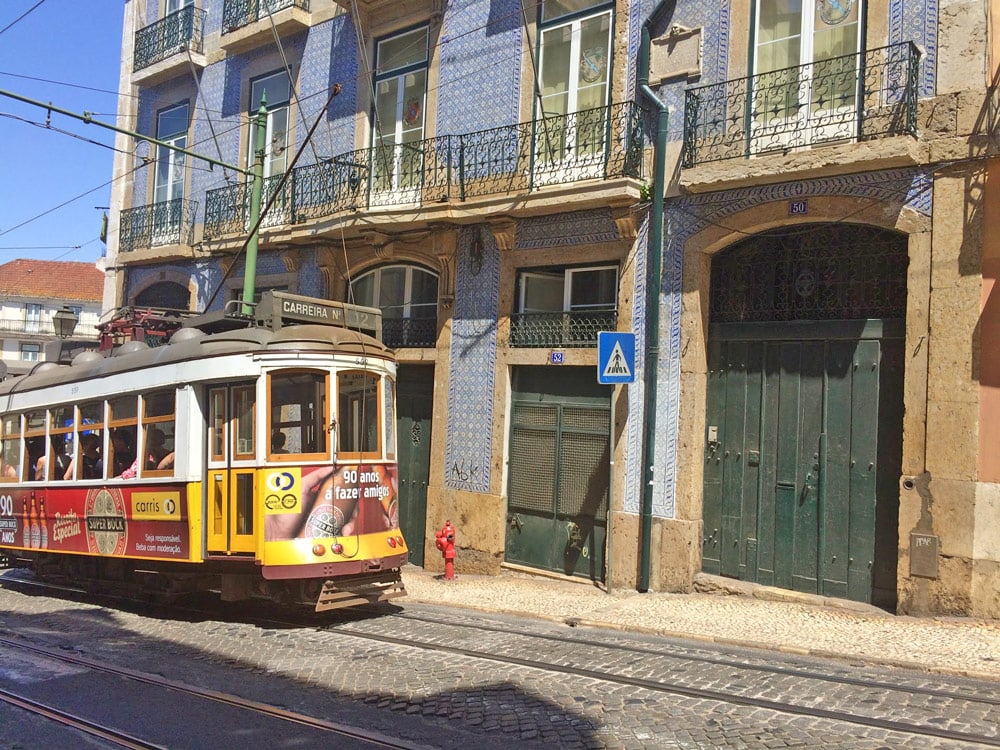
- Lisbon, Portugal (14 Million): A budget-friendly Western European hotspot famous for its pastel-hued buildings, café culture, and Atlantic charm.
Tier 3: Major Urban Hubs (5M–9M Visitors)
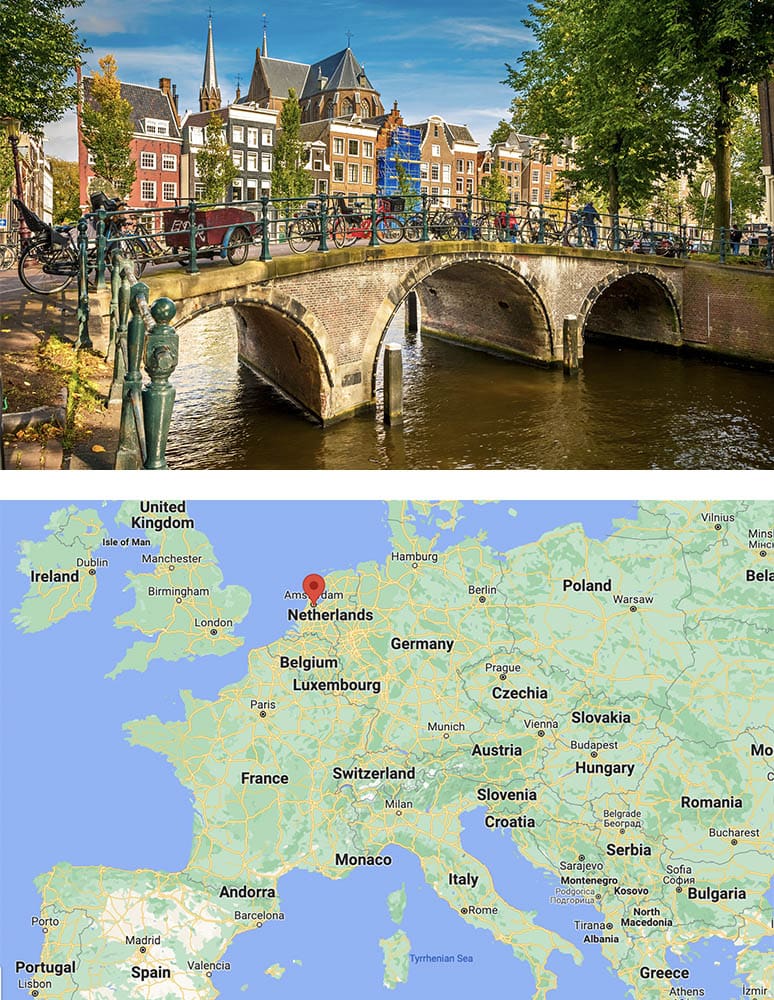
- Amsterdam, Netherlands (8.9 Million): Famous for its canals and progressive social policies, though currently struggling with severe over-tourism.
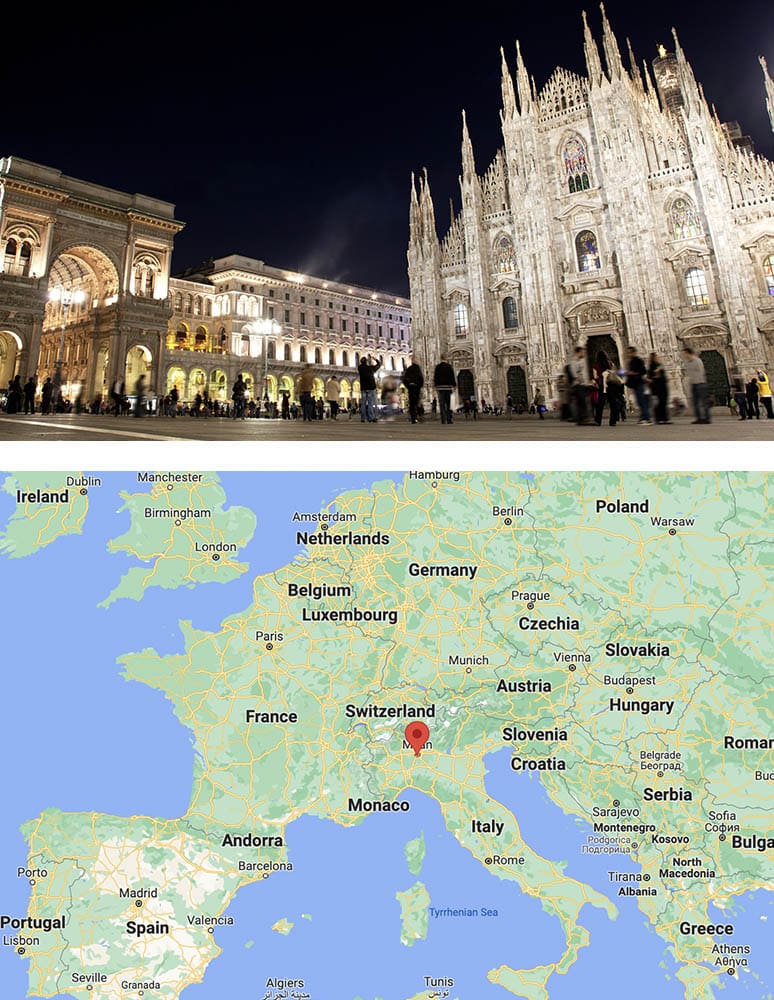
- Milan, Italy (8.2 Million): The financial and fashion capital of Italy, offering a sleek, modern contrast to Rome and Florence.
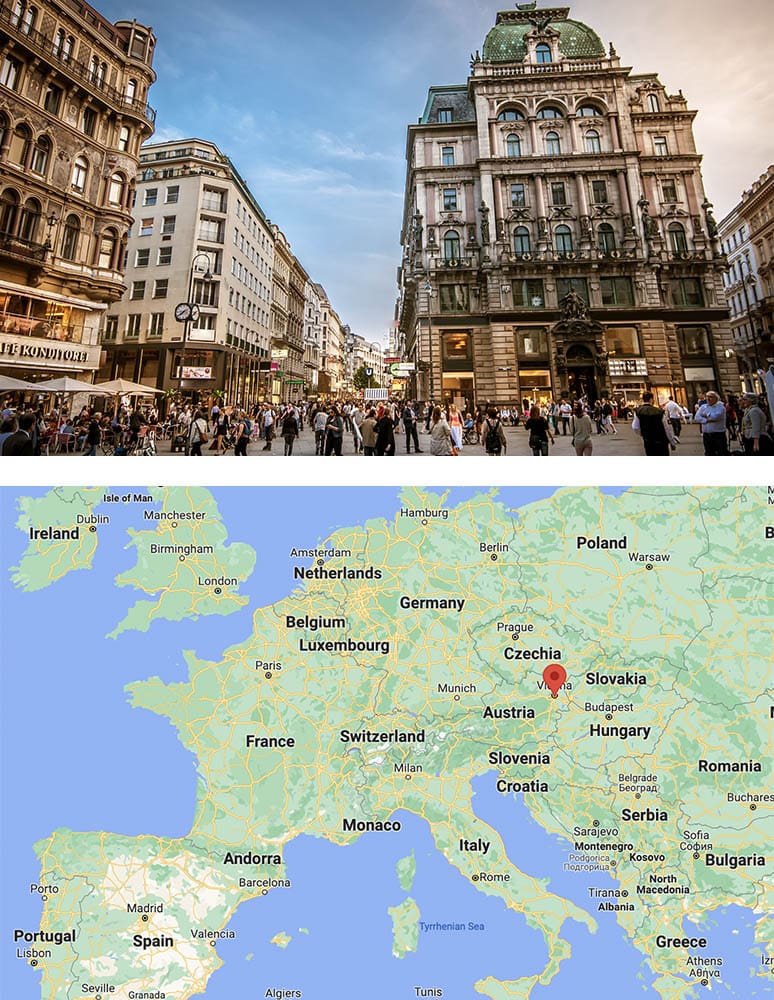
- Vienna, Austria (8.2 Million): Consistently ranked among the world’s most livable cities, celebrated for its imperial architecture and coffee-house tradition.
- Prague, Czech Republic (7.5 Million): A fairy-tale Gothic city offering remarkable affordability relative to Western Europe.
- Athens, Greece (6.5 Million): The historical heart of Western civilization and the primary jumping-off point for the Greek Islands.
- Berlin, Germany (6.3 Million): Known for its gritty subculture, affordable living, and world-class underground nightlife.
- Venice, Italy (5.6 Million): The sinking canal city that rewards overnight visitors once day-trippers and cruise passengers depart.
- Madrid, Spain (5.6 Million): Spain’s energetic political and cultural capital, blending modern infrastructure with vibrant nightlife.
- Dublin, Ireland (5.5 Million): A walkable, friendly, and youthful city celebrated for its legendary pub culture.
- Florence, Italy (5.1 Million): The cradle of the Renaissance, located just a short high-speed train ride from Rome.
Tier 4: Regional Favorites and Hidden Gems (Under 5 Million Visitors)
- Brussels, Belgium (4.3 Million): The administrative heart of the European Union, famous for beer, chocolate, and waffles.
- Munich, Germany (4.2 Million): Bavaria’s historic capital, home to centuries-old beer gardens and Oktoberfest.
- Hamburg, Germany (4 Million): Germany’s edgy, transformed port city boasting a burgeoning creative and culinary scene.
- Budapest, Hungary (4 Million): Often styled the "Paris of the East," offering thermal baths, stunning architecture, and budget-friendly nightlife.
- Tallinn, Estonia (4 Million): A remarkably preserved medieval walled city offering a unique blend of Nordic and Baltic cultures.
- Copenhagen, Denmark (3.2 Million): A progressive cycling haven regularly topping global happiness indices.
- Edinburgh, Scotland (3.1 Million): A magical destination defined by medieval architecture, dramatic castles, and world-famous summer festivals.
- Heraklion, Greece (3 Million): The bustling port capital of Crete, serving as a transit hub for island explorers.
- Kraków, Poland (2.9 Million): Poland’s intellectual capital, combining deep historic roots with a lively student-driven nightlife.
- Warsaw, Poland (2.8 Million): A resilient, sprawling capital rebuilt after WWII, steadily emerging on the international travel map.
- Frankfurt, Germany (2.7 Million): A sleek business and financial hub with modern skyscrapers and select cultural institutions.
- Stockholm, Sweden (2.7 Million): An archipelago city spread across 14 islands, offering stunning aesthetics alongside high living costs.
- Nice, France (2.6 Million): The crown jewel of the French Riviera, offering accessible Mediterranean charm.
- Porto, Portugal (2.5 Million): Lisbon’s rugged, affordable northern counterpart famous for wine and coastal views.
- Bruges, Belgium (2.5 Million): A picture-perfect medieval town best experienced after day-tripping crowds leave for the evening.
- Reykjavik, Iceland (2 Million): A dramatic northern outpost surrounded by raw nature, though notoriously expensive for travelers.
- Seville, Spain (2 Million): Southern Spain’s cultural treasure, celebrated for flamenco and historic palaces.
- Lyon, France (1.6 Million): Widely recognized as the gastronomic capital of France.
- Dubrovnik, Croatia (1.5 Million): The "Pearl of the Adriatic," experiencing massive popularity spikes due to its stunning walled old town.
Official Responses and Municipal Strategies
In response to the 793 million arrivals recorded across the continent, local authorities are taking proactive measures to safeguard their cultural heritage.
In Amsterdam, municipal leaders have actively restricted the construction of new hotels and cracked down on illicit holiday rentals to return residential neighborhoods to locals. Similarly, Venice has implemented pilot programs charging day-trippers an entry fee during peak holiday weekends—a move closely watched by other over-touristed municipalities like Dubrovnik and Barcelona.
Tourism boards are also shifting their messaging. Rather than marketing peak summer months in primary capitals, official bodies are promoting "slow travel," encouraging visitors to explore during the spring and autumn shoulder seasons or venture into emerging secondary cities like Porto, Tallinn, and Lyon.
Implications for Future Travelers
For those planning a multi-city European getaway, the post-pandemic landscape requires a higher degree of strategic foresight than in previous decades.
- Advance Booking is Mandatory: Iconic attractions, such as the Vatican Museums in Rome, the Louvre in Paris, or the Sagrada Família in Barcelona, regularly sell out weeks—sometimes months—in advance. Spontaneous sightseeing has become increasingly difficult.
- Budgeting for Inflation and Tourist Taxes: While destinations in Eastern Europe (like Budapest and Kraków) still offer exceptional value, Western and Northern European capitals have seen steep increases in accommodation and dining costs, compounded by newly introduced municipal tourist taxes.
- The Rise of Digital Connectivity: Staying connected while hopping between multiple countries has never been easier or more affordable. The widespread availability of prepaid eSIM data plans allows international travelers to secure high-speed mobile data across borders for a fraction of traditional roaming fees, eliminating the hassle of physical SIM cards.
As Europe continues to balance the economic benefits of a thriving visitor economy with the quality of life of its residents, thoughtful planning remains the ultimate key to an unforgettable European journey.
 Lina Irawan
  Ammar Sabilarrohman
  Pevita Pearce