

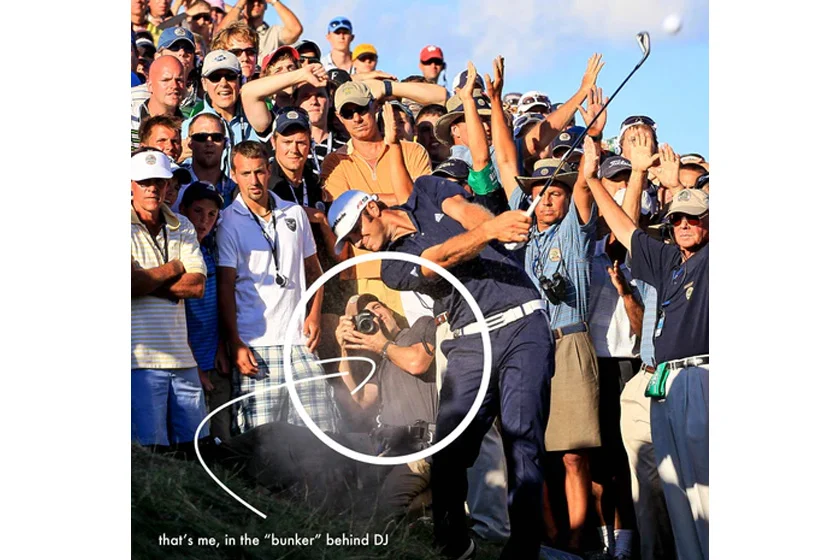
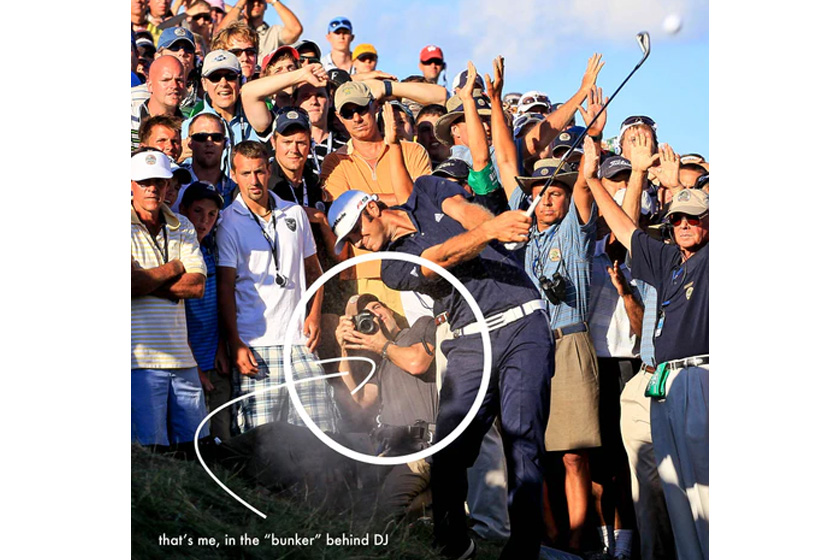
In the high-stakes world of professional photography, where split-second moments are the difference between a career-defining shot and a missed opportunity, the gear you carry is an extension of your own body. For two decades, Allan Henry occupied the sidelines for USA Today, lugging heavy glass and dual-body camera setups through the grueling environment of professional sports. This was not a career characterized by the romanticism of outdoor photography; it was a masterclass in the brutal reality of ergonomics.
When you are eight hours into a championship event, an extra pound of dead weight or a poorly positioned harness isn’t just an inconvenience—it is a physical liability that degrades your performance. This professional crucible is the origin story of Atlas Packs. Today, Henry is no longer just a user of gear; he is a disruptor in the soft goods industry. His latest endeavor, the Atlas One system, represents a shift from backcountry expedition gear to a highly refined, deliberate everyday carry (EDC) ecosystem that challenges the very foundations of how we transport our lives.
The Genesis of an Industry Disruptor
To understand the Atlas One, one must first look at the company’s trajectory. Henry’s initial foray into product design—the Adventure and Athlete packs—redefined what photographers expected from their carriers. By marrying alpine-grade, custom-sized suspension systems with highly specialized, internal camera storage, Atlas Packs bridged a gap that major manufacturers had largely ignored.
The success was immediate and profound. The Atlas Athlete Pack didn’t just sell; it earned the Carry Award for "Best Camera Bag," signaling to the industry that a solo designer with a deep understanding of biomechanics could out-engineer established global brands. However, transitioning from the wide-open spaces of the wilderness to the tight, confined requirements of urban everyday carry required a departure from the "feature-heavy" ethos that defined his early work.

Chronology of a Design Philosophy: The 365-Day Test
The development of the Atlas One was not governed by traditional market cycles or seasonal product launches. Instead, Henry initiated a period of "deliberate deceleration."
In an industry where "fast fashion" and rapid iteration are the norms, Henry took a radical approach: he produced a single, finalized prototype and lived with it for 365 days without changing a single stitch. The goal was to bypass the superficial "honeymoon phase" that most consumers experience with new gear. By subjecting the bag to a full year of seasonal shifts, varying weight loads, and constant environmental exposure, Henry observed how the panels settled, where the stress points emerged, and how the materials aged under genuine, unscripted use.
This year-long longitudinal study allowed Henry to observe the bag’s evolution through four distinct seasons. He tracked how the frameless, modified yoke shifted under varying loads and monitored how dirt and friction interacted with the body panels. By resisting the urge to make reactionary tweaks in the second or sixth month, the final adjustments were not guesses—they were data-backed refinements that prioritized long-term structural integrity over trendy aesthetics.
Community-Led Engineering: Stripping the Clutter
One of the most compelling aspects of the Atlas One’s development was Henry’s interaction with his community. Initially, Henry operated under the assumption that his core demographic—hardcore photographers who valued the rugged complexity of the Atlas Athlete—would demand a similarly complex array of specialized pockets, mounting points, and modular attachments.
To test this, he convened several focus groups. The results served as a sharp, necessary reality check. The community did not want more features; they were suffering from "feature fatigue." Instead, their demands were unanimous and centered on two non-negotiable pillars: uncompromising comfort and flawless build quality.
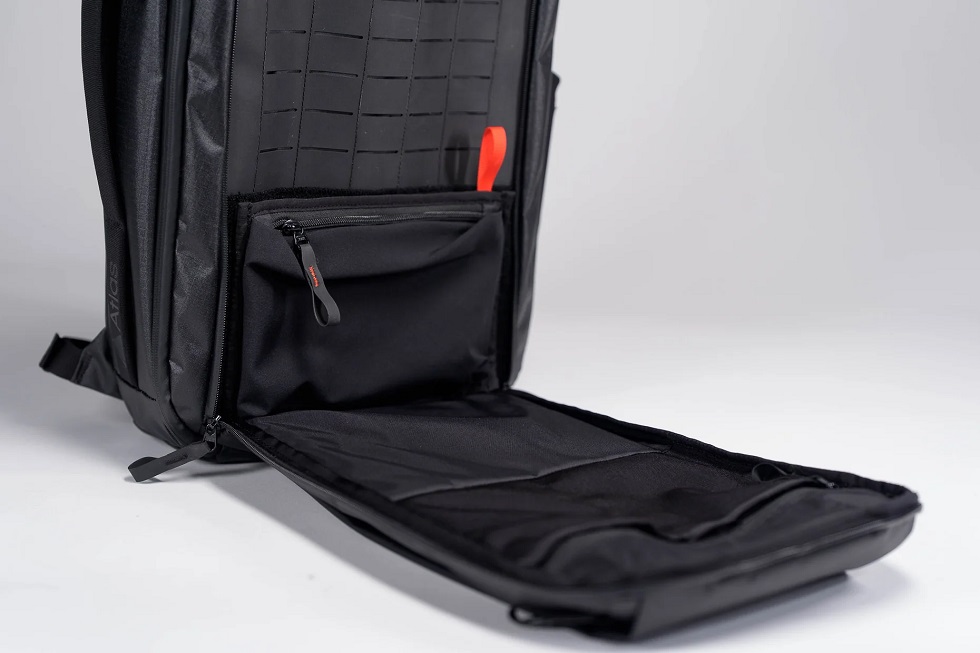
This insight fundamentally reshaped the Atlas One project. Henry aggressively cut away the clutter. He shifted his focus from the "bells and whistles" that look good on a spec sheet to the core tactile experiences of the bag. He poured his energy into optimizing touchpoints—zipper pulls, harness foam, and internal organization—and sourcing manufacturing lines capable of surgical-level precision. The resulting product is a testament to the idea that true minimalism is not about doing less, but about caring more about the fundamentals that remain.
The "One Body, One Lens" Paradigm
Most everyday carry bags are designed as "general-purpose boxes." They provide a volume of space, and the user is expected to fill that space with tech pouches, camera inserts, and loose items, often resulting in a messy, inefficient interior filled with dead space.
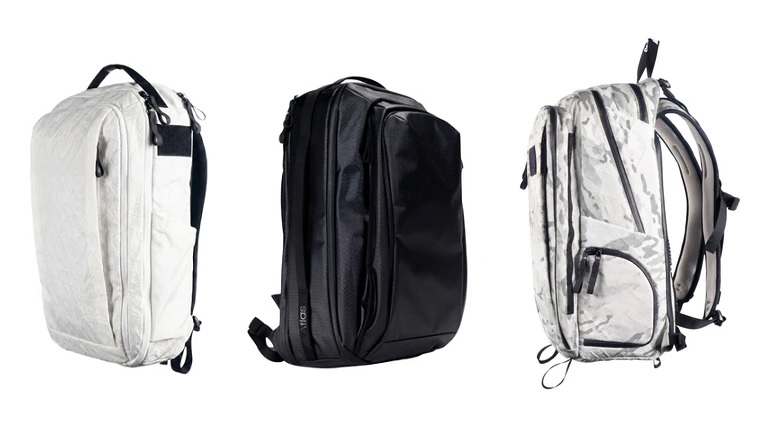
The Atlas One system rejects this. It focuses on the geometry of a "One Body, One Lens" footprint. The interior is lined wall-to-wall with premium Velex loop fabric, creating an integrated, low-profile ecosystem. This allows the user to secure gear exactly where they need it without the frustration of playing "Tetris" with modular cubes.
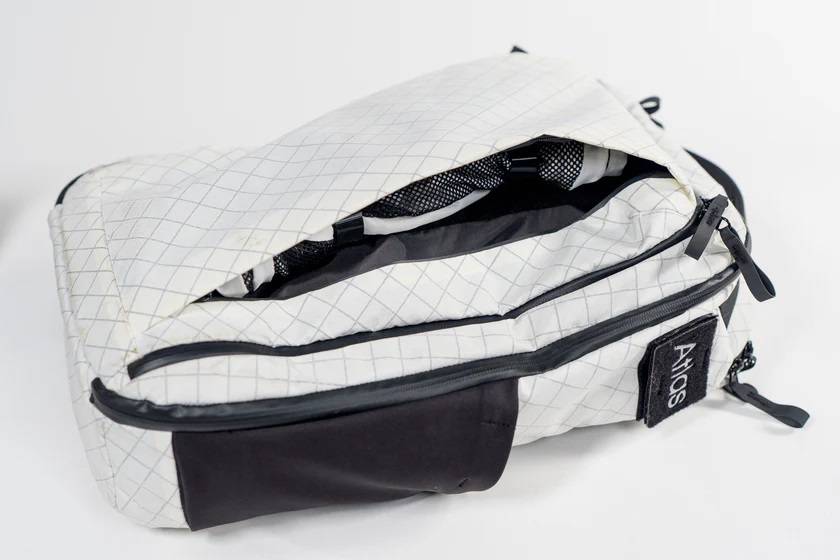
The system is defined by three distinct tiers, each catering to different needs while maintaining the same design DNA:
- The Day Pack (20–25L): An ultra-compressed unit that flattens to a mere 4.5 inches for agile, urban navigation.
- The Getaway Pack (25–32L): A deeper, more cavernous clamshell design tailored for multi-day travel and airline carry-on requirements.
- The Mission Pack (27–30L): A technical powerhouse featuring a built-in Origami Camera Core and a magnetic side door designed specifically for rapid access to larger telephoto lenses.
Henry utilizes a dynamic fabric configuration, mixing lightweight ripstops on the face panels to reduce weight, while employing high-denier technical textiles on the base and perimeter walls for maximum durability. This variable fabric strategy allows the bags to be remarkably lightweight yet resilient where it counts.
Supporting Data: Agile Manufacturing and Pricing
A unique aspect of the Atlas One is its size-agnostic pricing model. Because Henry varies the fabric configurations from batch to batch based on material availability and his own ongoing testing, the price reflects the technical complexity of the textiles used, rather than just the physical dimensions of the bag.
By managing the entire lifecycle—from the initial sketch to the small-batch production runs—Atlas Packs operates with the agility of an independent design laboratory. This model protects the brand from the pressures of global retail distribution, where margins often dictate quality. Instead, Henry can prioritize the "small-batch" approach, ensuring that every run is an opportunity to improve the product based on real-world feedback.
Official Perspective: The Designer’s Commitment
In discussing his methodology, Henry emphasizes that the Atlas One is the culmination of a career spent understanding the relationship between the human frame and the objects we carry. "Design patience is easy to talk about, but brutal to execute," Henry notes.
His commitment to leaving the prototype unedited for a year was not merely a design choice; it was a professional philosophy. By avoiding the temptation to "fix" the bag before it was ready, he allowed the product to mature. This process highlights a fundamental shift in the industry: a move away from corporate, committee-driven design toward a creator-led, community-focused approach.
Implications: The Future of Independent Soft Goods
The success and development of the Atlas One system carry significant implications for the soft goods market. First, it proves that there is a viable, sustainable path for independent micro-brands to challenge established market leaders by prioritizing intimacy with the user base.
Second, it validates the shift toward "intentional design." In an era where consumers are increasingly aware of sustainability and the environmental cost of disposable goods, a product that is stress-tested for 365 days and designed for long-term durability is a powerful value proposition.
Finally, Atlas Packs has set a new benchmark for how gear companies communicate with their audiences. By being transparent about the manufacturing process—from the use of Velex loop fabric to the decision-making behind textile selection—Henry has fostered a level of trust that is rare in modern commerce.
Conclusion: The Triumph of Fundamentals
The story of Atlas Packs is not a traditional corporate narrative. It is the story of an industry professional who, after twenty years of carrying heavy, cumbersome gear on the sidelines, decided that the only way to get the equipment he needed was to build it himself.
The Atlas One system is more than just a backpack; it is a manifestation of a clear-eyed philosophy. By stripping away the unnecessary and focusing on the core principles of ergonomics, material science, and user-centered utility, Allan Henry has created a blueprint for the future of independent design. In a world obsessed with scaling, shelf space, and the "next big feature," Atlas Packs stands as a compelling proof of concept: if you refuse to compromise on what your users truly need, your community will show up to support the vision.
The Atlas One proves that when you treat your users with respect and your design process with patience, you don’t just build a bag—you build a standard.
 Pevita Pearce
  Nana
Nana  Raul Delapena Setiawan