

For the modern professional, the "office" is no longer a physical location defined by cubicles and fluorescent lighting. It is a concept—a state of mind supported by high-speed internet and the audacity to work from anywhere in the world. However, the transition from corporate employee to global digital nomad is fraught with logistical minefields. For years, the nomadic experience was defined by a desperate, often futile search for a quiet corner in a bustling coffee shop or the frustration of an Airbnb host’s "high-speed" Wi-Fi that failed to load a simple email.
The post-pandemic surge in remote work has accelerated a shift in travel infrastructure. We are moving away from the era of "hunching over hostel tables" toward a more sophisticated model: the coliving space. These environments, which blend the functional requirements of a professional office with the social dynamism of a high-end shared home, are fundamentally changing how we define productivity on the road. At the forefront of this movement is Outsite, a global network that has become the gold standard for those seeking to balance deep work with the serendipity of travel.
The Genesis of the Coliving Movement
Founded in 2015, Outsite began with a singular vision in Santa Cruz, California: to create a space where surf culture and software development could coexist. What started as a niche experiment for location-independent entrepreneurs has blossomed into a global powerhouse, currently boasting over 5,000 members and 50 locations across continents.
The fundamental premise of Outsite is to eliminate the "isolation penalty" associated with remote work. While working from a beach in Bali or a city center in Bordeaux sounds idyllic, the reality for many is a lonely existence spent staring at a laptop screen in a sterile hotel room. Outsite addresses this by providing an environment that feels less like a corporate hotel and more like the home of a "very wealthy, very cool friend."
Chronology of a Nomad’s Transition
To understand the efficacy of the Outsite model, one must look at the typical lifecycle of a digital nomad’s stay.
Phase 1: The Booking and Integration. Unlike standard booking platforms, the Outsite experience begins before arrival. Once a stay is secured, guests are integrated into local digital ecosystems, most notably private WhatsApp groups. This early contact serves to mitigate the anxiety of arriving in a foreign city alone.
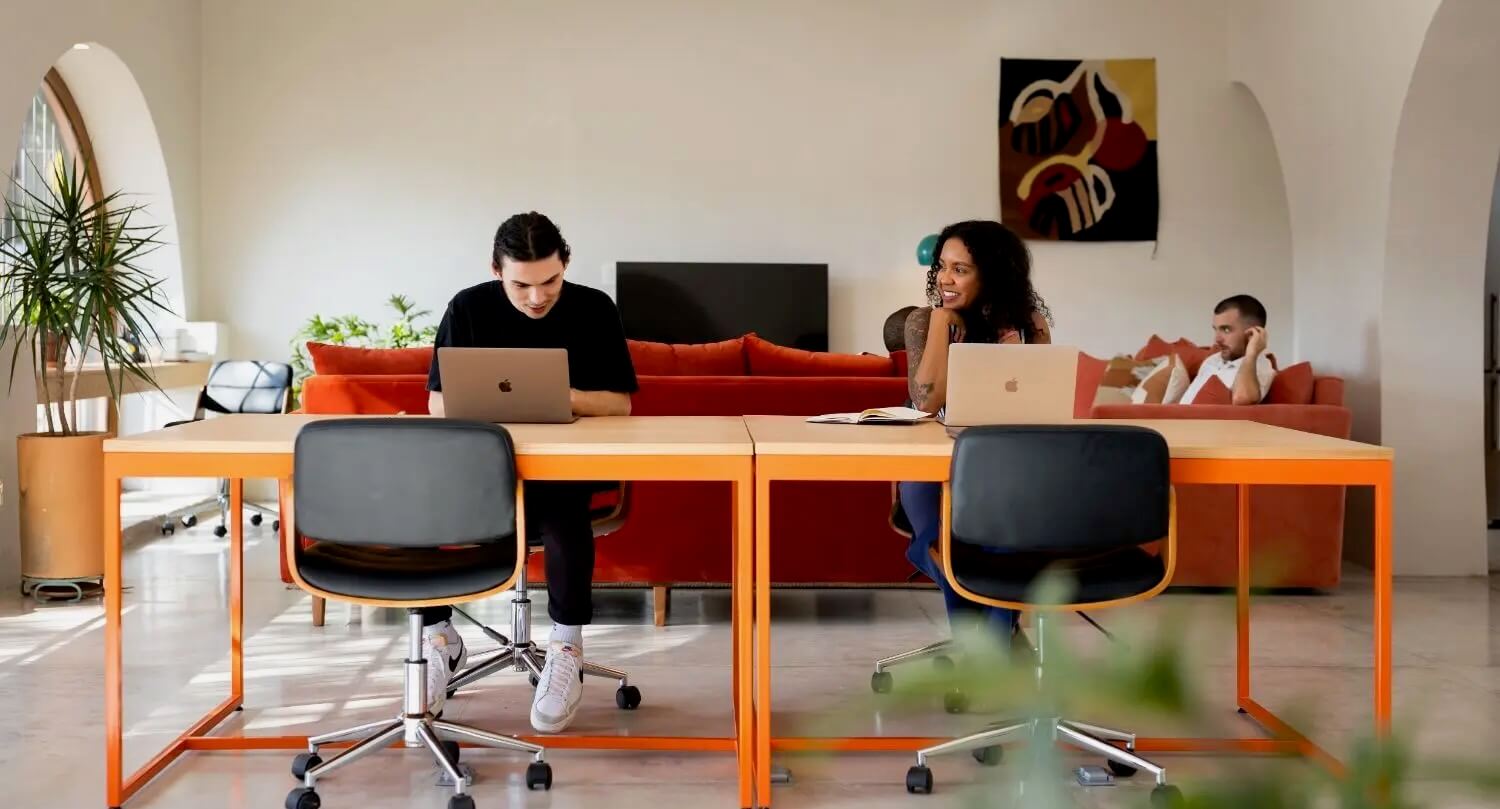
Phase 2: The Infrastructure Setup. Upon arrival, the transition from travel to work is seamless. Unlike the "hit or miss" nature of vacation rentals, every Outsite location is purpose-built with professional-grade infrastructure: ergonomic seating, multi-monitor setups, and enterprise-grade, redundant internet connections. This allows for a "plug-and-play" productivity cycle that is rarely achievable in standard short-term rentals.
Phase 3: The Social Catalyst. The presence of a dedicated Community Manager is the secret sauce of the Outsite model. During a recent residency at the Bordeaux location, the Community Manager functioned not just as a host, but as a cultural navigator, organizing weekend tapas crawls, family-style dinners, and group yoga sessions. These organized touchpoints are designed to bypass the surface-level interactions of traditional hostels, fostering deeper connections among a cohort of working professionals.
Supporting Data and Membership Economics
The financial structure of Outsite is designed to reward the "long-tail" traveler. While non-members can book stays, the value proposition is heavily skewed toward those who opt for the membership model.
- Yearly Membership: $199
- Lifetime Membership: $499
These memberships grant access to a tier of perks that arguably render the upfront cost negligible for frequent travelers. Benefits include:
- Priority Access: 50% off during flash sales.
- Extended Stay Incentives: 40% discounts on longer bookings.
- The "Newbie" Perk: One week free in new destinations, allowing for discovery without financial risk.
- The Professional Ecosystem: Access to a curated job and sublets board, providing a networking advantage that extends beyond the physical walls of the properties.
When calculating the total cost of a nomadic month—renting an Airbnb, paying for a monthly coworking pass, and the hidden costs of food and social isolation—the coliving model often emerges as the more economical and efficient choice.
The Professional Standard: Infrastructure and Design
The shift toward coliving is driven by a demand for "professional-grade" living. Unlike the backpacking aesthetic, Outsite prioritizes ergonomic design and environmental psychology. The spaces are curated with natural light, indoor greenery, and local art, creating a workspace that is intellectually stimulating rather than draining.
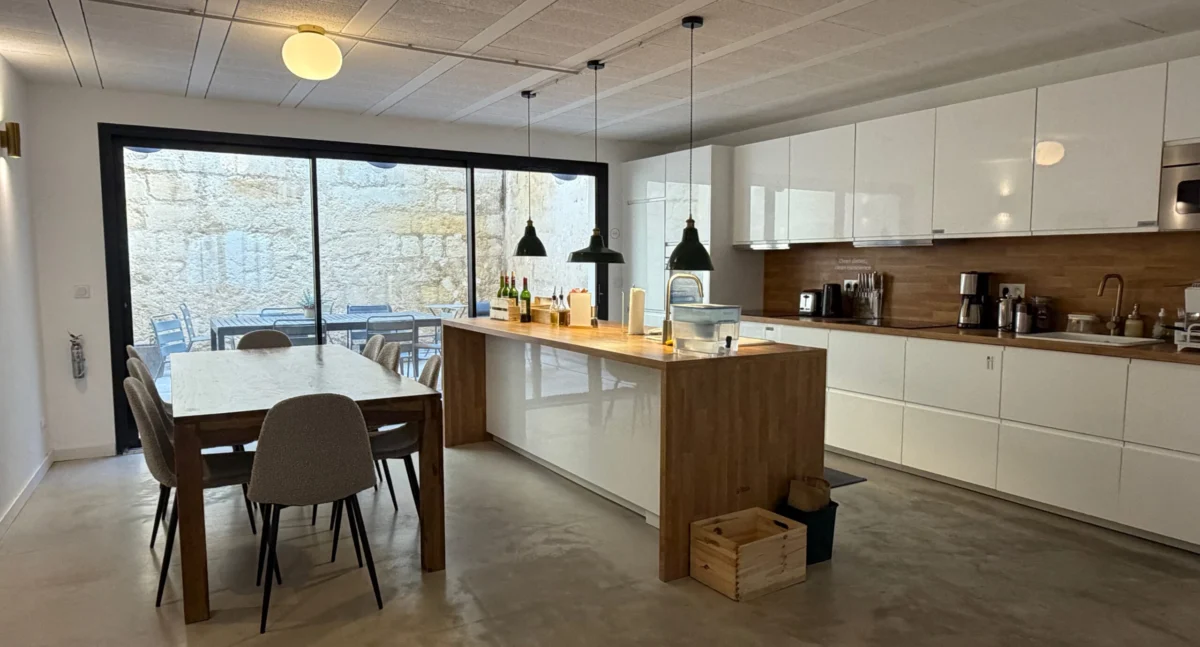
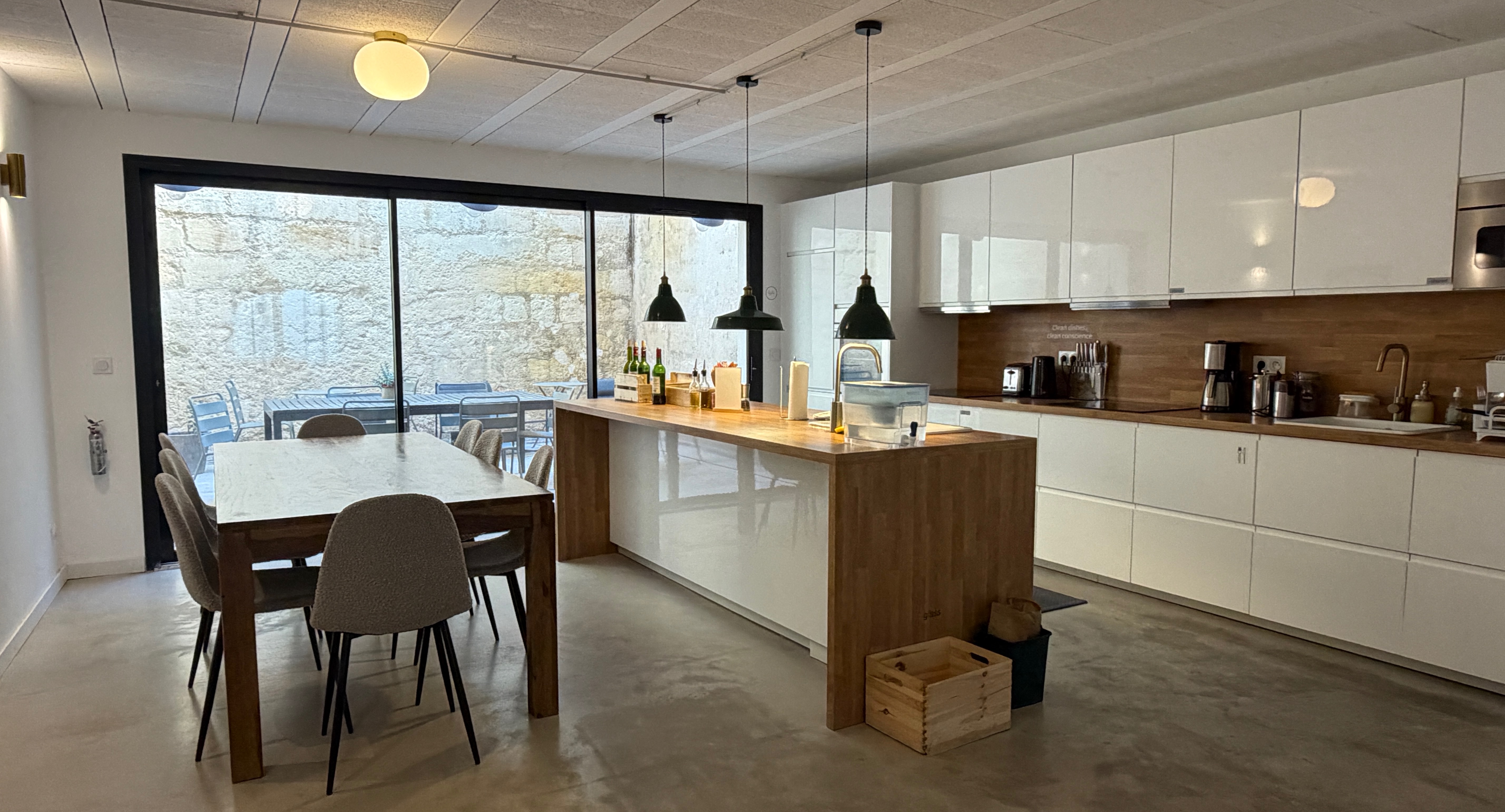
The kitchens are a primary focal point of this design philosophy. Outfitted to a professional standard, these communal spaces encourage "community cooking," a departure from the solo-dining culture of the traditional nomad. This shared experience is where the, often, transactional nature of travel becomes transformative.
Implications for the Future of Work
The rise of platforms like Outsite signals a broader shift in the corporate landscape. We are entering an era where companies are increasingly comfortable with their workforce being distributed, yet those workers are simultaneously demanding better environments for their craft.
However, this transition is not without its challenges:
- Supply vs. Demand: The popularity of top-tier destinations (such as Lisbon or Costa Rica) has created a supply-demand imbalance. Booking these locations requires foresight, often necessitating reservations months in advance, which clashes with the spontaneous nature of the "nomadic" lifestyle.
- The Demographic Filter: While there is no official age limit, the environment naturally skews toward working professionals in their late 20s to 40s. This creates a more focused, professional atmosphere compared to the party-centric hostels, but it also means that those seeking the "backpacker budget" will find the price point prohibitive.
- Regulatory Hurdles: In major urban centers, local housing laws are becoming increasingly restrictive regarding short-term rentals. This has forced some locations to implement 30-day minimum stays, which may alienate the "weekend warrior" demographic.
The Human Element: An Official Perspective
The success of the Outsite model highlights a critical truth: humans are social creatures who require intellectual stimulation to sustain productivity. In our interview-style assessment of the Bordeaux experience, the takeaway was clear: you don’t have to choose between a thriving career and a global lifestyle.
By removing the logistical friction of travel—the unreliable Wi-Fi, the search for a desk, the isolation of the hotel room—platforms like Outsite are enabling a new class of "professional nomads." They are not just selling a bed; they are selling a turnkey lifestyle that allows for the synchronization of professional output and human connection.
Conclusion: Finding Your Tribe
The digital nomad life, once viewed as a fringe existence for the restless, is becoming a mainstream professional choice. However, the sustainability of this lifestyle depends on the quality of one’s environment. For those who value their career trajectory as much as their passport stamps, the coliving model provides a necessary bridge between the professional office and the open road.
Whether you are a software developer, a creative freelancer, or an entrepreneur, the ability to walk into a new city and immediately plug into a community of like-minded individuals is invaluable. It transforms the world from a series of isolated destinations into a interconnected network of professional homes. As you plan your next departure, the question shouldn’t just be "where am I going," but "where can I thrive?" In the evolving landscape of global work, the answer increasingly points toward the comfort, community, and productivity of a well-curated coliving space.
For those looking to master the art of the nomadic lifestyle, it is recommended to combine these high-quality housing choices with a robust logistical toolkit. Always utilize reliable search engines for flights and ensure that your travel insurance is comprehensive, as the stability of your digital career is only as strong as your contingency planning. Whether you are using a travel credit card to maximize your points for your next flight or utilizing a car rental service to explore the outskirts of your new base, the goal remains the same: to create a life where travel and work are not in conflict, but in perfect, professional harmony.
 Lina Hope
  Jia Lissa
  Ammar Sabilarrohman