


For nearly two decades, the name "Ko Lipe" existed in my mind as a sacred geography. In 2006, I spent a transformative month on this remote speck of sand in the Andaman Sea. Back then, the island was the embodiment of the "backpacker’s idyll": electricity was a luxury provided for only a few hours each evening, basic beach bungalows could be secured for the equivalent of $2 USD, and the arrival of the "last boat" of the season signaled a genuine, quiet isolation.
Days were measured not by schedules, but by the rhythm of the tides. My routine was simple: read, snorkel, eat at one of the five available restaurants, and share a beer at the island’s solitary beach bar. It was a place where people didn’t just visit; they got stuck, turning long weekends into month-long residencies. I learned Thai, forged lifelong friendships, and lived the kind of authentic travel experience that defined my career.
However, after 19 years of avoidance—fearing that returning would only serve to shatter those cherished memories—I finally returned to Ko Lipe this past New Year’s Eve. What I found was not the paradise I left behind, but a cautionary tale of environmental and social decay.
A Chronology of Transformation: From Frontier to Franchise
The evolution of Ko Lipe is a study in the rapid, often violent, acceleration of tourism. In the mid-2000s, the island operated on a frontier economy. Infrastructure was nonexistent, and the local community—largely comprised of Urak Lawoi (sea gypsies)—maintained a traditional lifestyle intertwined with the sea.
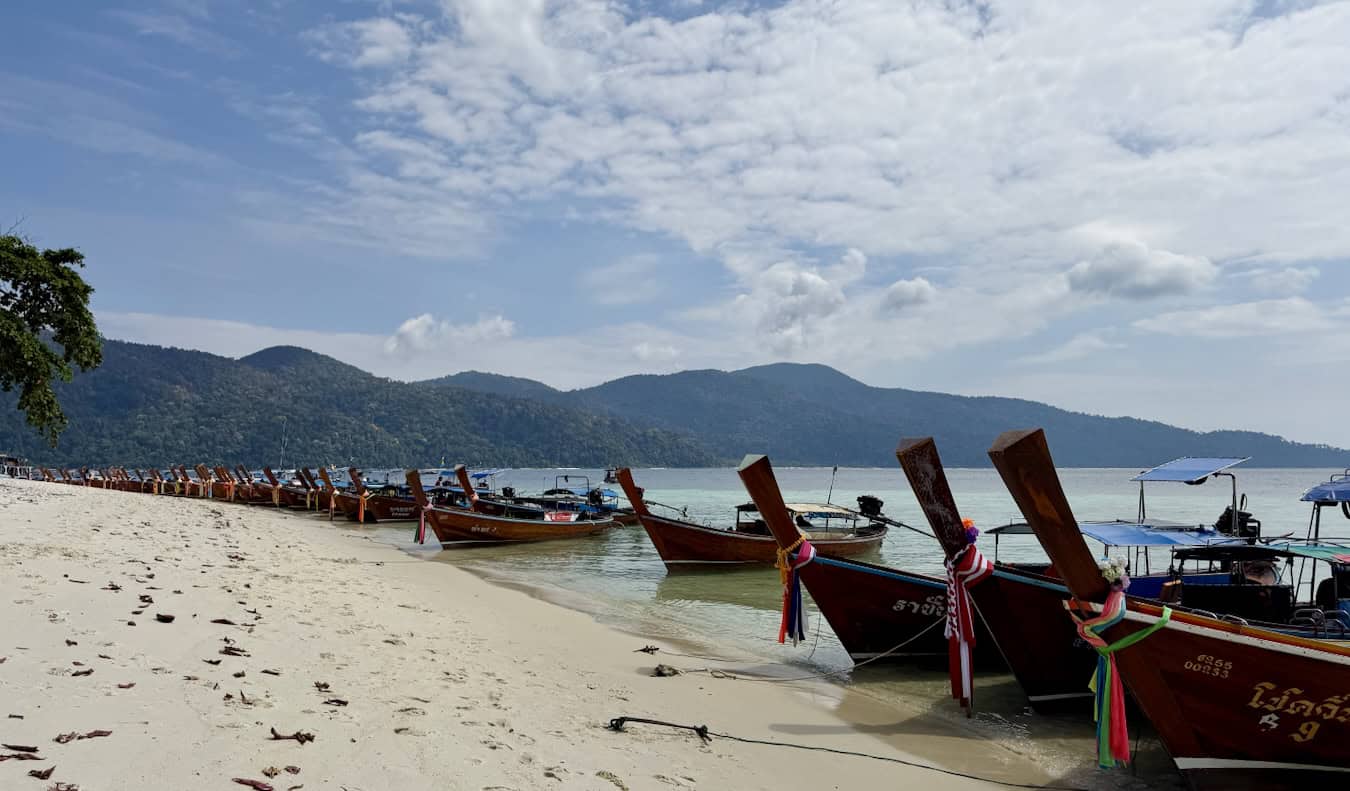
By the 2010s, as social media began to dictate travel trends, Ko Lipe’s "untouched" status became its marketing pitch. The subsequent "Phi Phi-ization" of the island followed a predictable, destructive pattern:
- 2006–2010: The arrival of reliable electricity and high-speed internet paved the way for small-scale boutique tourism.
- 2011–2018: The transition from dirt footpaths to concrete roads began to accommodate increased construction traffic and motorized vehicles.
- 2019–Present: The landscape has been largely paved over. Palm groves have been cleared to make way for high-end resorts, many featuring swimming pools—a resource-heavy luxury on an island with no natural water supply.
The recent holiday season served as the breaking point. Where I once found quiet, I now found a congested, over-developed hub that struggles to support the sheer volume of humanity descending upon its shores.
Supporting Data: The Cost of Over-Tourism
The degradation of Ko Lipe is not merely a matter of aesthetic preference; it is a measurable environmental crisis. The island’s current trajectory suggests a total exhaustion of its natural carrying capacity.
The Ecological Toll
The most alarming impact is the destruction of the surrounding marine ecosystem. The coral reefs, once vibrant and teeming with life, are now suffering from a trifecta of stress:
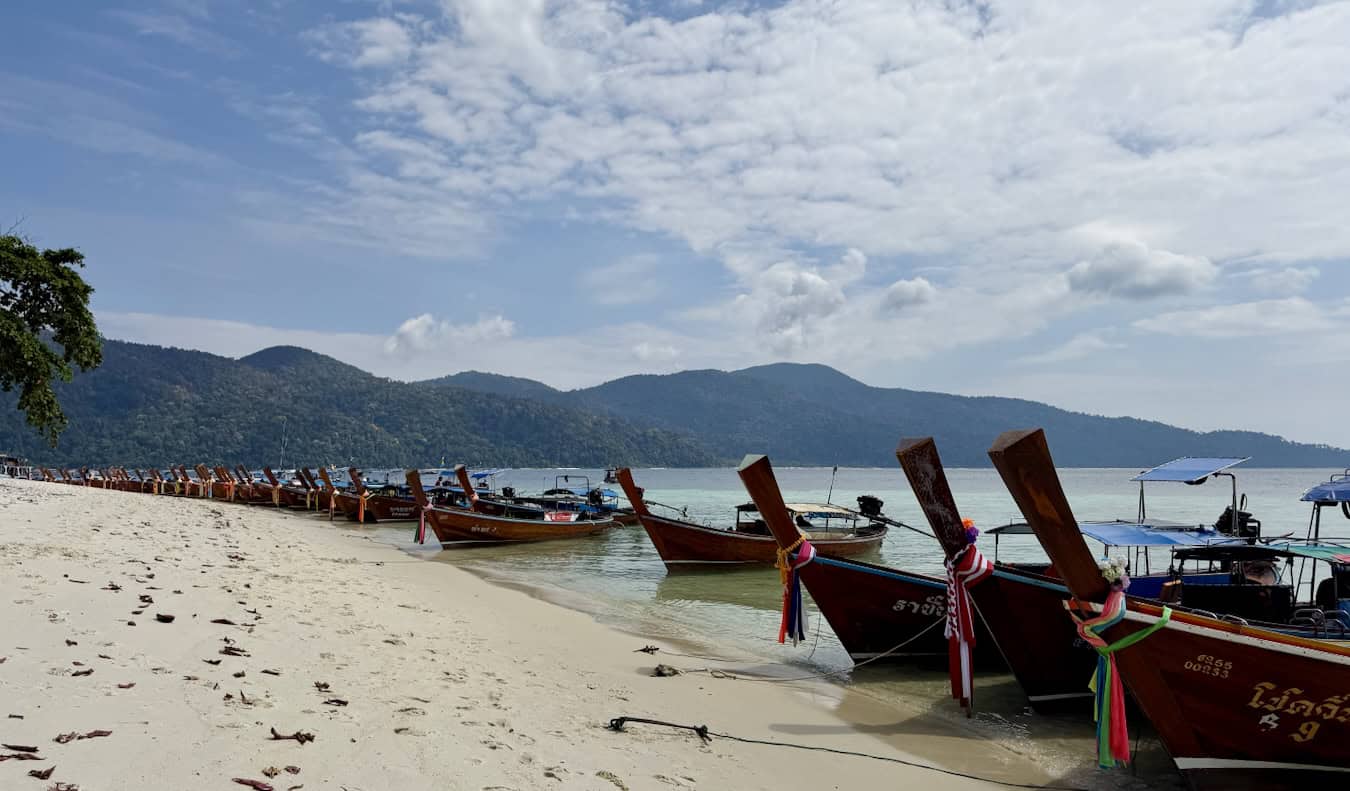
- Chemical Pollution: Boats lined along the beaches spill fuel and exhaust directly into the shallows, creating visible oily films on the water’s surface.
- Anchor Damage: The sheer density of tourist vessels has decimated the sea floor, as anchors are dropped repeatedly onto protected coral beds.
- Waste Management: The island’s infrastructure cannot handle the waste generated by thousands of daily tourists, leading to concerns regarding sewage runoff and plastic management.
The Social Displacement
Beyond the ecology, the human cost is equally profound. The economic boom has not been an equitable one. As land values skyrocketed, many local residents were incentivized or forced to sell their ancestral property to mainland developers. Consequently, the current workforce is largely imported from the mainland, meaning the profits of the tourism industry rarely remain within the island’s original community. The cultural fabric that once made Ko Lipe unique has been replaced by a homogenized, service-oriented economy catering to international demands for Westernized food and comfort.
Official Responses and the Regulatory Gap
While the Thai government has made attempts to manage tourism via the Department of National Parks, Wildlife and Plant Conservation, the reality on the ground reflects a lack of enforcement. Policies intended to protect the Tarutao National Marine Park—of which Ko Lipe is the gateway—are frequently bypassed in favor of economic growth.
Regional authorities have occasionally floated proposals for carrying-capacity limits or "rest days" for certain islands, yet Ko Lipe continues to operate at maximum output. There is a systemic tension between the national desire for tourism revenue and the local necessity for environmental preservation. Without stringent, binding regulations on building height, water consumption, and boat traffic, the "build, build, build" mentality continues to dominate local governance.
The Implications: Why You Should Skip Ko Lipe
My return to Ko Lipe has brought me to a difficult, but necessary, conclusion: the island is no longer a sustainable destination.
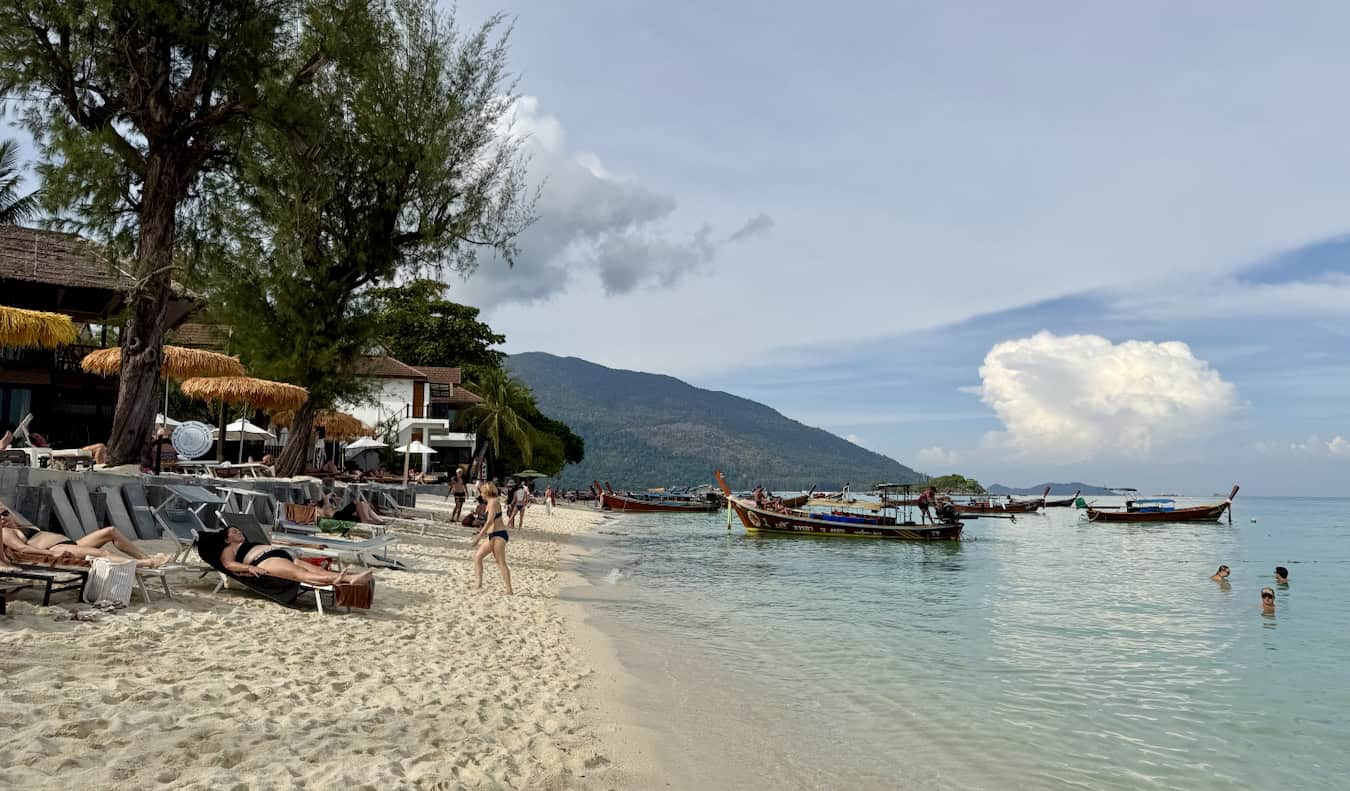
For the first-time traveler, Ko Lipe may still appear "postcard perfect" because of its azure waters and white sands. However, we must evolve beyond the superficial assessment of a destination. When we visit an island that has clearly exceeded its ecological limits, we are not just observers; we are participants in its decline.
If you are looking for an island experience in Thailand, the implications of your choice matter. By choosing to visit Ko Lipe, you are signaling that this model of development is acceptable. Conversely, by diverting your tourism dollars to better-managed islands like Ko Lanta, Ko Jum, or Ko Mook, you support communities that have prioritized sustainable growth and environmental stewardship.
The Power of Conscious Consumption
We have seen, in the past, that consumer behavior can force systemic change. The decline of the elephant-riding industry in Thailand is a direct result of tourists becoming more educated and choosing to opt out of unethical experiences. Similarly, the rise of "eco-lodges" and sustainable tourism initiatives is a market response to demand.
If enough travelers choose to skip overdeveloped destinations, the economic pressure will eventually force a change in strategy. While I am cynical about a quick recovery for Ko Lipe, the principle remains: we cannot put the genie back in the bottle, but we can stop feeding it.
Conclusion: Knowing When to Walk Away
It is painful to write this. My history with Ko Lipe is deeply personal, and watching its transformation into a victim of over-tourism is like watching an old friend lose their way. However, being a "good traveler" requires more than just curiosity; it requires accountability.
Sometimes, the most profound way to support a place is to acknowledge that it has given all it can. Ko Lipe is currently a place where "enough is enough." There is no nobility in visiting a destination that is buckling under the weight of its own popularity.
Go to Thailand, explore its islands, and support the local economies that are working to preserve their heritage and their environment. But do so with intention. Your choices are the single most powerful tool in the travel industry. Use them to protect what is left, rather than contributing to the final erasure of what used to be paradise.
 Jia Lissa
  Ammar Sabilarrohman
  Ali Ikhwan