

In the modern era of wanderlust, the definition of travel has become paradoxically narrow. For millions, the experience is defined by the “extractive” model: arriving at a destination, checking off a list of Instagram-worthy landmarks, dining at algorithmically recommended restaurants, and retreating to a hotel or short-term rental. It is a passive consumption of culture, a transient brush with geography that rarely leaves a lasting mark on the traveler or the host community.
However, a significant shift is underway. A growing segment of the global traveling population is rejecting the superficiality of the two-week vacation and the isolation of the traditional digital nomad lifestyle. Instead, they are seeking "embedded travel"—a model characterized by long-term stays, local economic integration, and meaningful contribution.
The Limits of the "Digital Nomad" Dream
For the past decade, the "digital nomad" has been the aspirational archetype of long-term travel. The narrative was simple: work remotely, earn in a strong currency, live in a lower-cost-of-living destination, and repeat. While romantic, this lifestyle has revealed its structural limitations. It requires a specific, often rare, combination of remote-friendly career paths, high income, and professional stability.
For many, the digital nomad life becomes an exercise in floating above a culture rather than within it. Work is often conducted from sterile coworking spaces or rented apartments, and social interactions are largely confined to other expatriates. The "nomad" remains a visitor, perpetually passing through, rarely establishing the roots that define a truly transformative experience.
The Rise of the Working Holiday
In contrast, "Working Holiday" programs are emerging as a more grounded, accessible, and sustainable alternative. Unlike digital nomadism, which imports a foreign professional ecosystem, working holidays encourage integration. When a traveler arrives in a new country to take on a local role—whether in hospitality, retail, conservation, or agriculture—they enter the local economy as a participant rather than a spectator.
This shift allows travelers to build a genuine life. They gain coworkers, a routine, and a reason to stay in a single location for months at a time. This duration is the secret ingredient to cultural immersion; it is only through sustained presence that one begins to understand the nuanced rhythms of a city, the local customs, and the complex realities of the host population.
Scaffolding for Success: The Role of Global Work & Travel
Transitioning to life abroad is notoriously complex. Even for seasoned travelers, the administrative burden—visa applications, job hunting, securing housing, and navigating local labor laws—can be insurmountable.
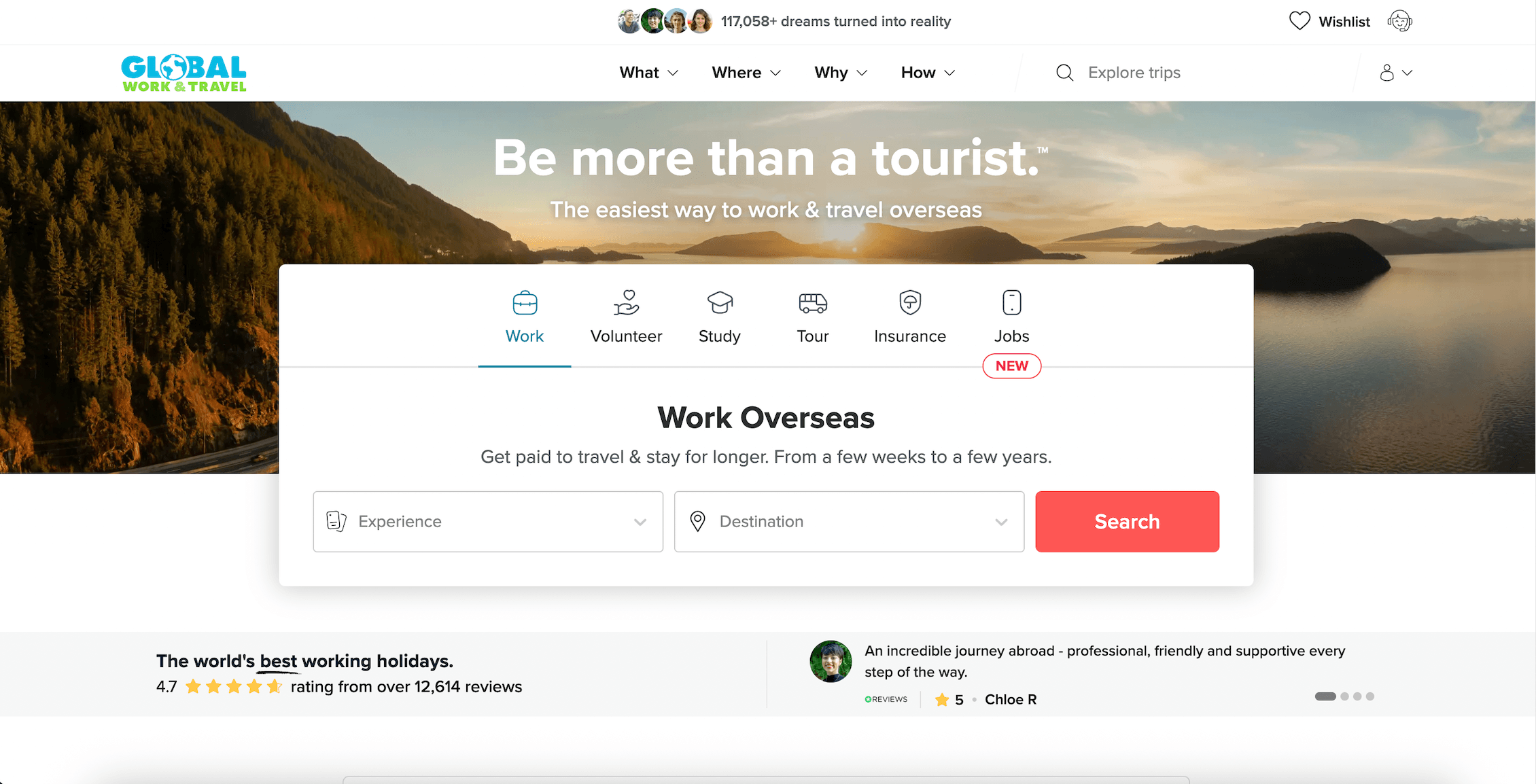
Companies like Global Work & Travel have emerged to provide the necessary "scaffolding" for this transition. With nearly two decades of experience and a track record of placing over 116,000 individuals, the company serves as an intermediary that bridges the gap between the desire to live abroad and the logistical reality of doing so.
Chronology of Support
The process of moving abroad with such a program typically follows a structured path designed to mitigate risk and maximize success:
- Consultation and Goal Setting: Travelers identify their objectives, whether they seek a professional internship, a gap-year working holiday, or a volunteer placement.
- Pre-Departure Guidance: This phase involves the critical legal and bureaucratic legwork, including visa navigation, which is often the most significant barrier to long-term travel.
- Job Matching and Placement: Rather than arriving to an uncertain job market, participants are vetted and connected with local employers, ensuring they have a source of income and professional purpose upon arrival.
- On-the-Ground Support: Through their proprietary "gWorld" portal, participants maintain access to a support network, community forums, and emergency assistance, ensuring they are never truly alone in a foreign environment.
The Ethical Imperative: Why Volunteering Matters
While working holidays offer economic integration, volunteering offers a different, more profound form of connection. However, the volunteer tourism industry—often criticized for "voluntourism" that benefits the traveler’s ego more than the host community—requires careful scrutiny.
Ethical volunteering hinges on one core principle: the work must be defined by the host community’s needs, not the traveler’s desires. Global Work & Travel addresses this by vetting programs across critical sectors: wildlife conservation, community development, education, and healthcare.
For instance, projects involving elephant rehabilitation in Thailand or community-led development in Zanzibar are not designed as luxury experiences. They are active, challenging engagements where the participant works alongside locals to solve problems the community has identified as priorities. This fosters a shift in perspective; the traveler moves from a consumer of the country’s beauty to an active contributor to its sustainability.
Supporting Data: The Value of Long-Term Engagement
The benefits of long-term, integrated travel extend beyond the personal.
- Economic Impact: By working in local economies, travelers contribute taxes and local spending rather than funneling money primarily into international travel conglomerates.
- Skill Acquisition: According to recent surveys of working holiday participants, over 85% report significant improvements in soft skills, including cross-cultural communication, adaptability, and professional resilience.
- Mental Health and Connection: Research consistently suggests that "deep travel"—defined as spending more than 30 days in a single region—leads to higher reported levels of life satisfaction and a decrease in the feelings of isolation often associated with nomadic travel.
Official Perspectives and Industry Standards
Industry experts note that the "work-and-travel" sector is experiencing record growth, particularly among the 18–35 demographic. This is attributed to a post-pandemic shift in values: young professionals are increasingly prioritizing life experiences and global citizenship over the traditional corporate "ladder."
Organizations like Global Work & Travel emphasize that their success is built on the reliability of their systems. Their commitment to consumer protection and transparent placement processes helps normalize the experience. As their FAQ sections clarify, most programs require no prior specialized experience, making global mobility a realistic option for a much wider demographic than was previously thought possible.
Implications for the Future of Travel
The implications of this shift are profound. As more people choose to "live" in a country rather than "visit" it, the travel industry itself must adapt. We are seeing a move away from mass-tourism toward hyper-local, experience-based interactions.
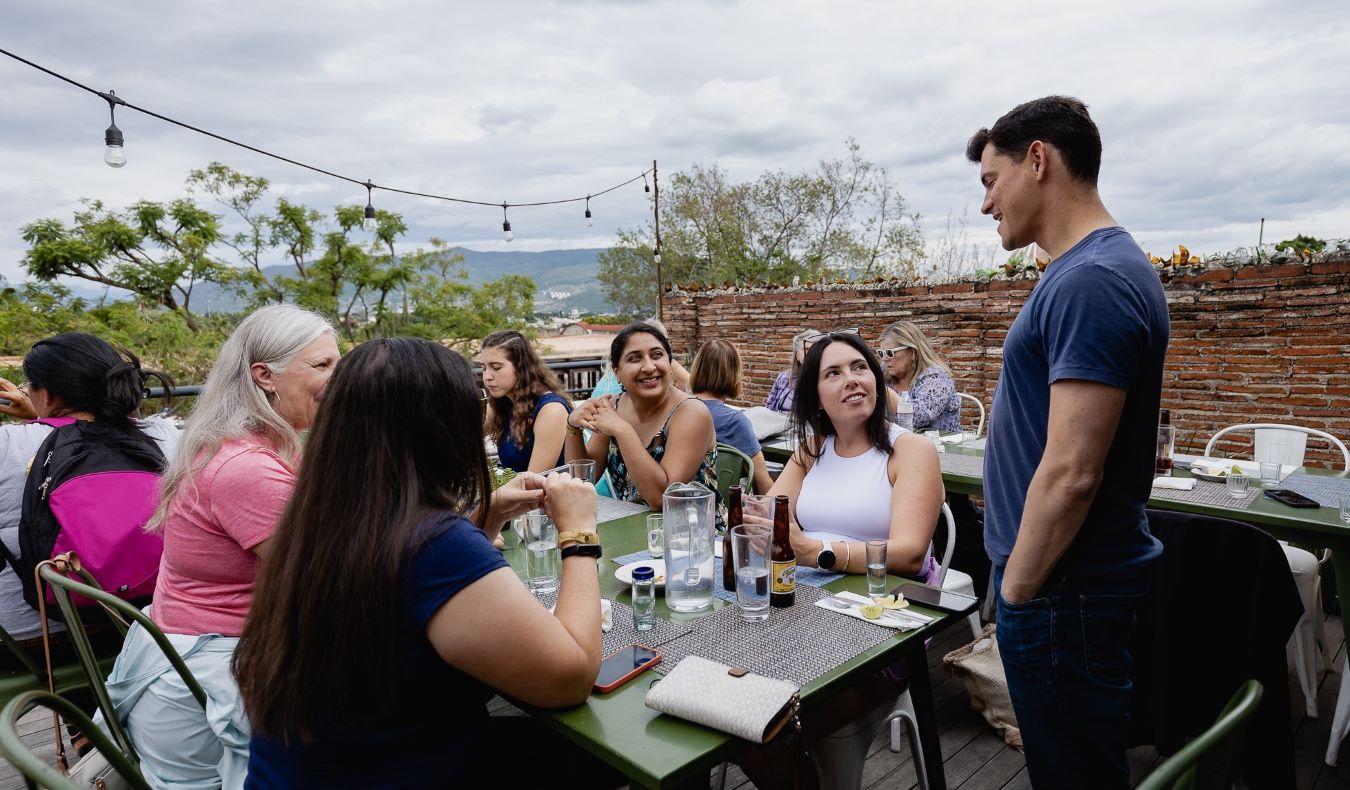
For the individual, the implication is a richer life narrative. Five years down the line, memories of a queued-up museum visit often fade. However, the experience of working a season in a foreign town, the relationships formed with local colleagues, and the challenges navigated alongside a new community remain etched in memory.
Why the Shift is Sustainable
The "working holiday" model is fundamentally more sustainable than the "digital nomad" model. By integrating into local workplaces, travelers are forced to engage with the reality of a country’s labor market and social structure. This forces a dismantling of the "tourist gaze." When you have a local boss, local coworkers, and a local paycheck, you stop viewing the country as a backdrop for your own life and start viewing it as a place of mutual exchange.
Conclusion: Turning Intention into Reality
If you have long considered the idea of spending a year abroad, the biggest hurdle is almost always the "how." The logistics of visas, job hunting, and housing can be paralyzing. However, the infrastructure now exists to turn that abstract ambition into a concrete plan.
By utilizing support networks that provide professional, ethical, and logistical guidance, the barriers to long-term travel are lower than they have ever been. Whether it is through a working holiday in Australia, a teaching position in Asia, or a conservation project in Africa, the opportunity to move beyond the postcard is available.
Travel has always been at its best when it transcends simple tourism. It is in the act of contributing, of staying long enough to be recognized, and of building a life in a new corner of the world that we find the true value of exploration. If you are ready to make the shift from spectator to participant, the world is not just a place to visit—it is a place to live.
For those ready to take the leap, using resources like the Global Work & Travel platform can simplify the logistical complexities, allowing you to focus on the experience itself. Use code NOMADICMATT to secure a discount and begin the process of building your life abroad.
 Lina Hope
  Ammar Sabilarrohman
  Ali Ikhwan