

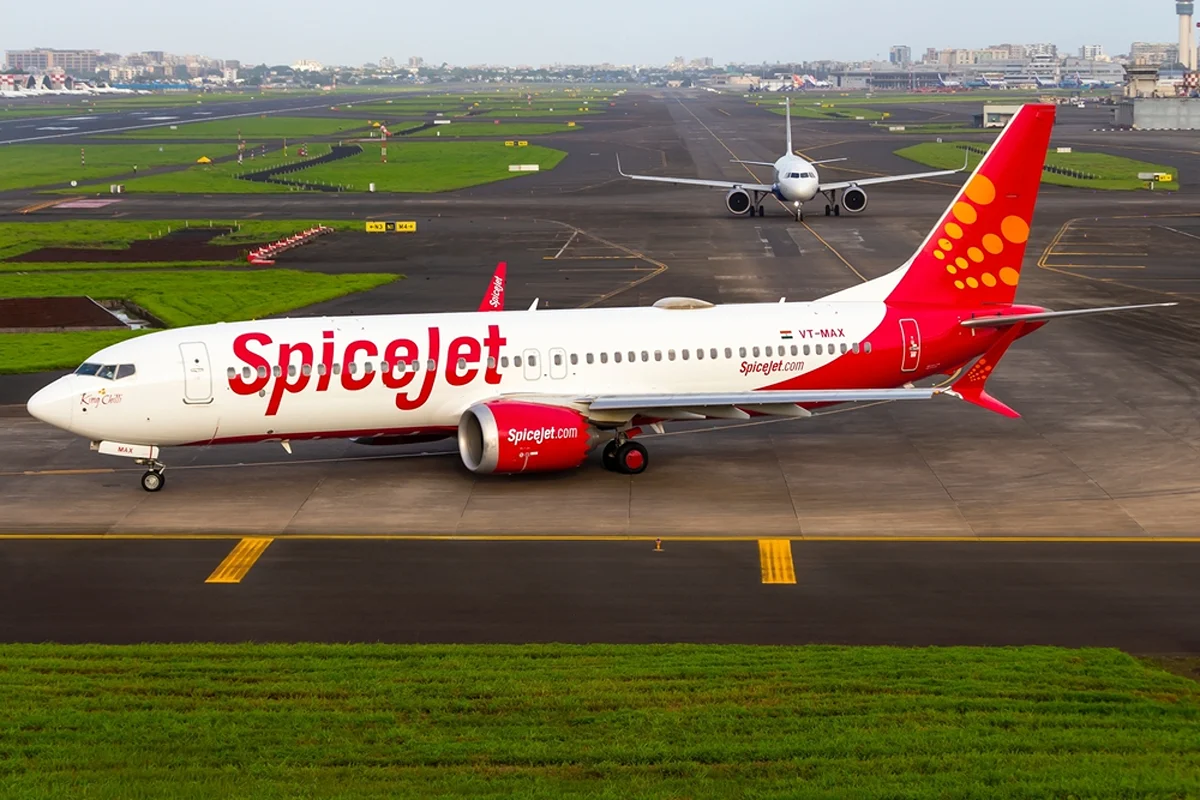
Introduction: A Carrier in the Crosshairs
The Indian aviation landscape, characterized by fierce competition and rapid growth, is currently witnessing a precarious chapter as SpiceJet, one of the country’s legacy low-cost carriers, grapples with a multifaceted crisis. Beset by severe cash flow shortages, persistent flight disruptions, and a growing backlog of employee salary payments, the airline finds itself under the intense microscope of India’s aviation regulator. As of September 2026, the Directorate General of Civil Aviation (DGCA) has intensified its oversight, raising urgent questions about the airline’s long-term viability and its ability to maintain international safety standards amidst internal instability.
The Current State of Play: Regulatory Oversight
Civil Aviation Minister Ram Mohan Naidu confirmed on September 22, 2026, that the DGCA is conducting a comprehensive audit of SpiceJet’s operations and financial health. The primary mandate of this intervention is to ensure that the airline’s mounting fiscal liabilities do not bleed into its operational safety protocols.
"Our priority remains the safety of the flying public and the prevention of further systemic disruptions," Minister Naidu stated during a press briefing. While the Ministry remains in constant communication with the airline’s leadership, Naidu emphasized the limitations of government intervention in a privately held business, noting that the onus is on the airline’s management to bridge the gap between insolvency and recovery.
Chronology of a Slow-Motion Crisis
The current turmoil is not an isolated event but the culmination of a long-standing pattern of financial instability.
- Early 2026: SpiceJet faces increasing pressure from lessors over unpaid dues, leading to the grounding of several aircraft and a contraction in market share.
- June 2026: Official data indicates the airline holds a 1.9% share of the domestic market—a significant decline from its historical peak.
- July 2026: Market share drops further to 1.6%, signaling a loss of passenger confidence and reduced operational capacity.
- August 2026: The National Company Law Tribunal (NCLT) serves as the theater for the airline’s legal woes. Bankruptcy petitions filed by various lessors reach a boiling point. The court expresses frustration as the airline strikes a last-minute settlement with one of eight lessors, forcing a postponement of the bankruptcy verdict.
- September 2026: The Ministry of Civil Aviation publicly acknowledges the depth of the crisis, confirming ongoing financial and operational checks by the DGCA.
Supporting Data: The Shrinking Footprint
The financial erosion of SpiceJet is quantifiable. Once a dominant player in the regional connectivity scheme, the airline is now struggling to maintain a consistent flight schedule. The reduction in market share to 1.6% reflects not only a lack of available aircraft but also the cascading effect of flight cancellations.
Compounding this is the human capital crisis. Reports confirm that the airline’s workforce is currently facing a staggering delay in salary payments, with many employees waiting for compensation spanning three and a half months. This creates a high-risk environment; in the aviation industry, morale and job security are inextricably linked to the rigorous attention to detail required for maintenance and ground operations.
Financial Lifelines and the "Conflict Tax"
SpiceJet’s financial struggle has been exacerbated by external geopolitical shocks. The ongoing conflict in the Middle East has disrupted fuel supply chains and increased operational insurance premiums, hitting low-cost carriers particularly hard.
In response, the Indian government extended a lifeline via the Emergency Credit Line Guarantee Scheme (ECLGS). SpiceJet has already accessed 1.5 billion rupees (approximately $15.7 million) through this facility. However, the minister noted that this is merely a stop-gap measure. The airline is currently awaiting an additional 3.5 billion rupees under the credit guarantee, but the government has made it clear: the airline must engage proactively with banking institutions to resolve its core funding deficits. The government cannot serve as a perpetual guarantor for a private entity’s operational losses.
The Strategy for Survival: Expansion and Consolidation
Despite the gloom, SpiceJet’s management continues to push a narrative of recovery. To rebuild its schedule and restore public confidence, the airline has initiated a plan to wet-lease 20 aircraft, with a target of normalizing operations by mid-October 2026.
A "wet-lease"—an arrangement where the lessor provides the aircraft, crew, maintenance, and insurance—is often a desperate but necessary move for airlines facing sudden capacity shortages. While this will allow SpiceJet to return to the skies more quickly than if they were to purchase or dry-lease new aircraft, it also carries higher operational costs, further straining a balance sheet that is already deep in the red.
Official Responses and Ministerial Stance
Minister Ram Mohan Naidu’s rhetoric suggests a delicate balance between "tough love" and industry support. By emphasizing that the ministry has "limited scope to intervene" in private business decisions, the government is insulating itself from potential accusations of bailing out a failing private company. Yet, by ordering DGCA checks, the ministry is acknowledging that the public interest—safety—is non-negotiable.
The government’s position is clear: SpiceJet must demonstrate a viable path toward solvency. The reliance on ECLGS funding is a temporary palliative, not a cure. The airline is currently in high-level discussions with investors and banking partners to secure the capital necessary to pay its mounting debts and fuel its recovery plan.
Implications for the Indian Aviation Sector
The struggles of SpiceJet hold significant implications for the broader Indian aviation market:
- Market Concentration: Should SpiceJet fail, the market share it vacates will likely be absorbed by the dominant players—IndiGo and the Tata Group-owned Air India/Vistara/AirAsia combine. This raises concerns about a duopoly or near-monopoly in the domestic sector, which could lead to higher ticket prices for consumers.
- Lessor Confidence: The legal battles in the NCLT have strained the relationship between Indian carriers and global aircraft lessors. The difficulty in repossessing aircraft from defaulting airlines in India has historically led to higher lease rates for all Indian operators.
- Regulatory Rigor: The DGCA is under pressure to prove that its oversight is not reactive. The current scrutiny of SpiceJet serves as a signal to the entire industry that financial health will be treated as a pillar of operational safety.
Conclusion: The Road Ahead
The coming weeks are decisive for SpiceJet. With the arrival of the 20 wet-leased aircraft, the airline is banking on a "rebound effect" to restore its network and generate the revenue needed to settle outstanding wages and lessor dues. However, the path is fraught with legal hurdles and the skepticism of creditors.
The Indian aviation sector has proven resilient, but it is also unforgiving. SpiceJet’s ability to survive will depend on its capacity to secure fresh equity, negotiate more favorable terms with its creditors, and convince the DGCA that it remains a safe and reliable operator. As the airline attempts to pull out of this nosedive, the aviation world watches closely—waiting to see if this is a strategic recovery or the final descent for a once-prominent carrier.
The government’s message is unambiguous: while they wish for a healthy aviation ecosystem, the era of infinite patience for systemic financial instability is over. The onus of flight is now squarely back on the cockpit and the boardroom of SpiceJet.
 Azzam Bilal Chamdy