

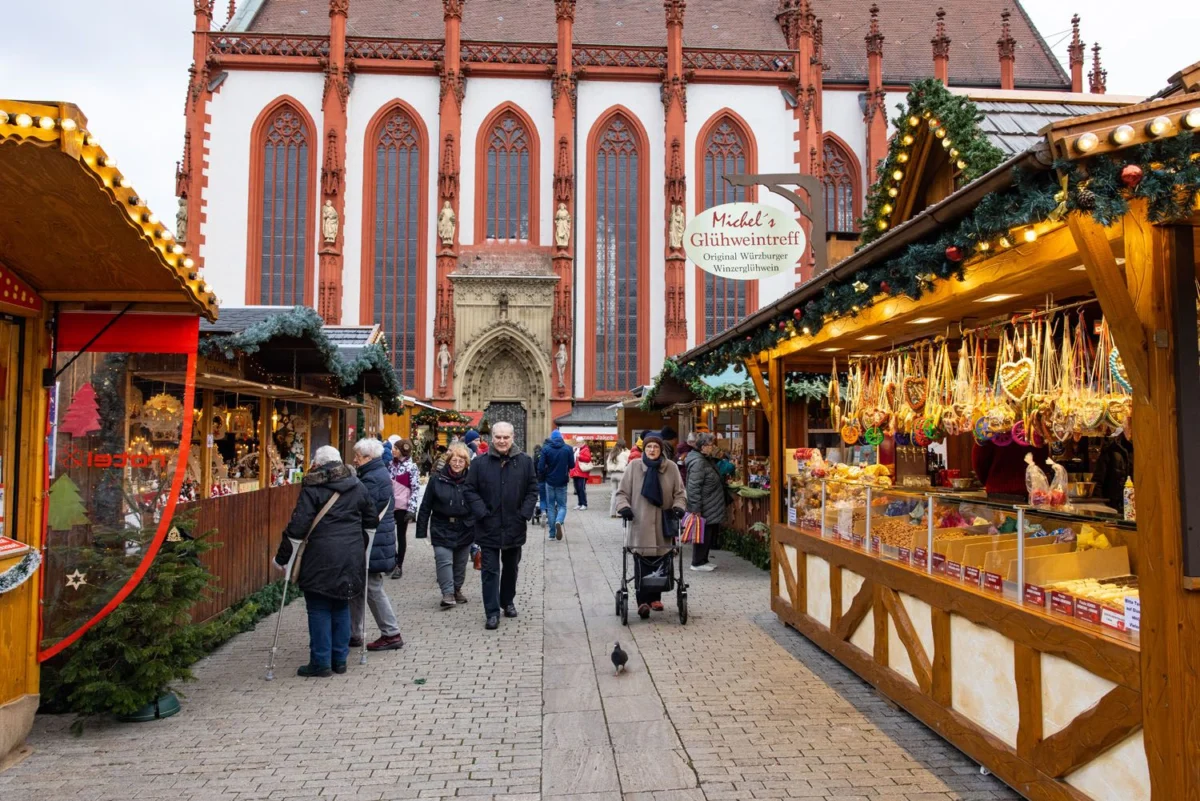
Germany is the undisputed heart of the European Christmas season. As the air turns crisp and the scent of roasted almonds, cinnamon, and pine needles fills the streets, the country transforms into a living, breathing fairy tale. From bustling urban centers to tucked-away medieval villages, the Weihnachtsmärkte (Christmas markets) are more than just a place to shop—they are a cultural institution, a sensory experience, and a testament to centuries of tradition.
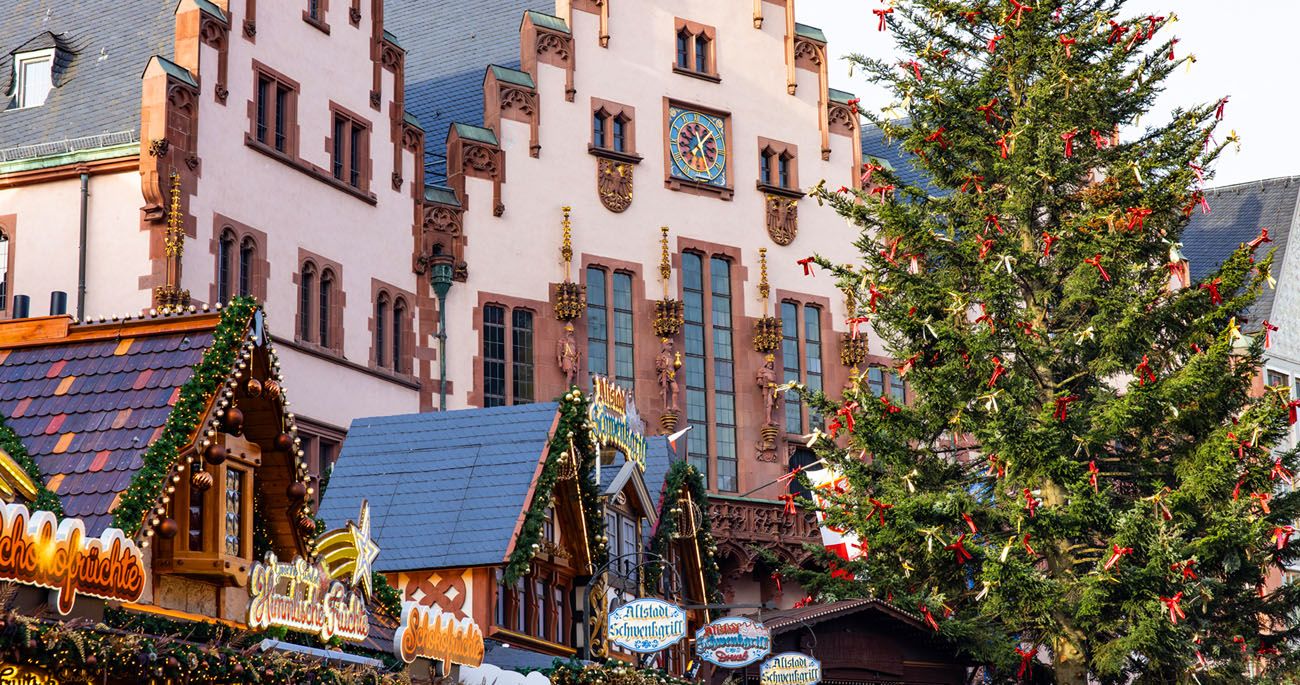
This guide explores 20 of the most significant Christmas markets in Germany, ranked by firsthand experience, atmosphere, and the quality of the festive experience.
The Anatomy of a Perfect Market: Our Criteria
What separates an average market from a truly "unforgettable" one? In our extensive travels across Europe, we have identified several key pillars that define the quality of a Christmas market:
- Atmosphere and Setting: The backdrop is paramount. Whether it is a cathedral square, a medieval town hall, or a forest gorge, the architecture dictates the "magic."
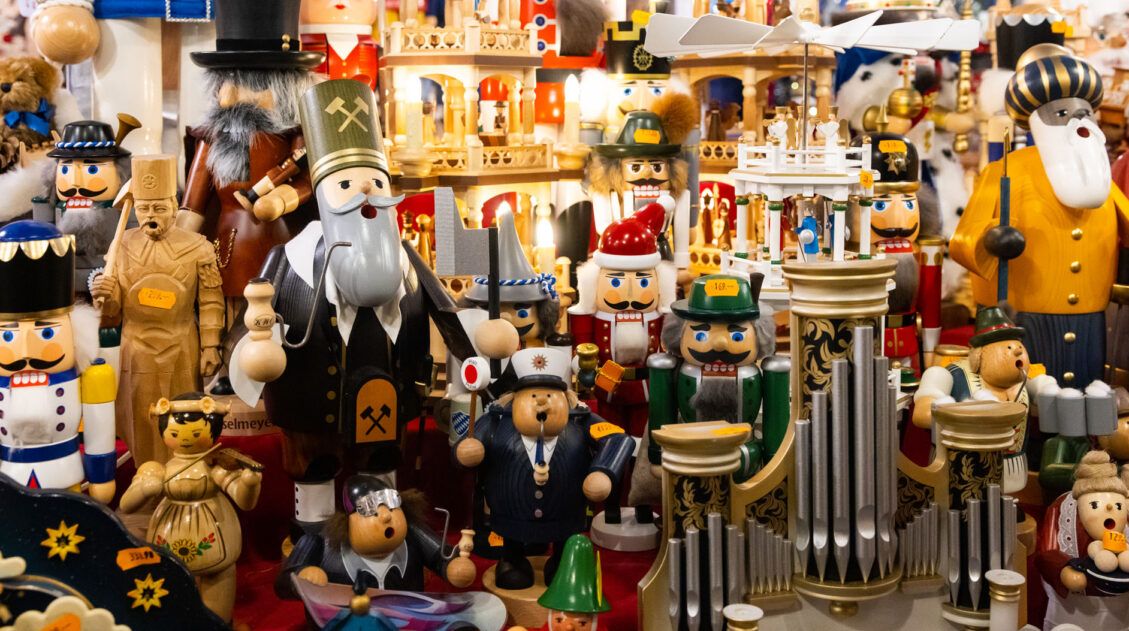
- Authenticity and Quality: We look for handcrafted goods, regional artisans, and a rejection of mass-produced plastic trinkets.
- Culinary Excellence: A market is defined by its Glühwein (mulled wine), local sausages, and seasonal sweets like Lebkuchen (gingerbread) and Quarkbällchen.
- Crowd Dynamics: While popular markets are vibrant, excessive crowding can ruin the charm. We favor balance.
Chronology and Logistics: Planning Your Visit
German Christmas markets are strictly timed to the Advent season. Understanding these dates is crucial for any traveler.
Typical Operating Windows
- Opening: Most markets launch in the final week of November, typically between November 25 and November 30.
- Closing: A large number of markets conclude on December 23 or 24. However, in major metropolitan hubs, select markets remain active through December 26, with a rare few extending to the New Year.
Navigating the Peak
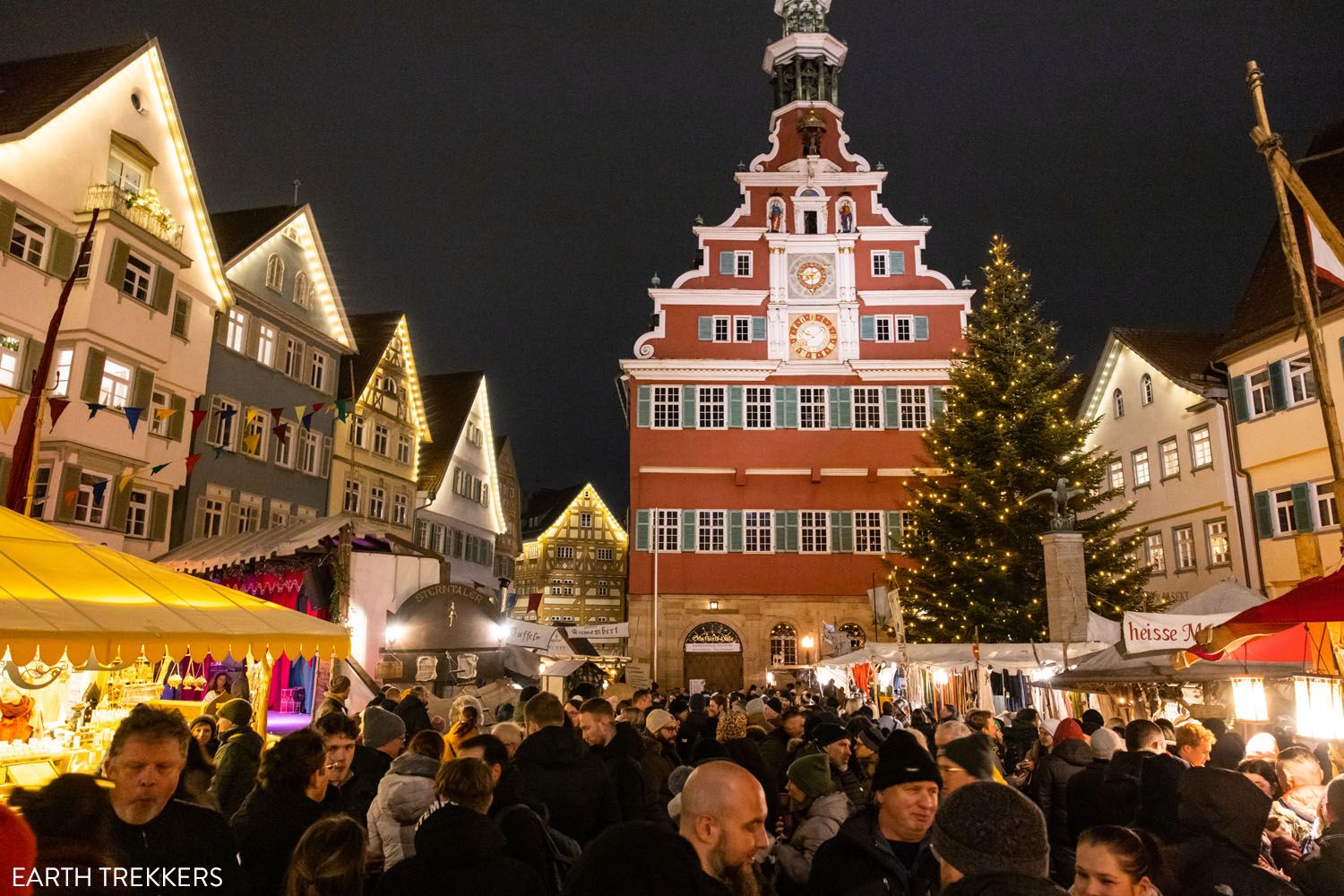
If you are planning your trip, consider the "Goldilocks" timing: late November and weekday mornings offer the most relaxed atmosphere. Conversely, the period from December 1st to the 15th—specifically Friday and Saturday nights—is the peak season. Expect high foot traffic and vibrant, crowded squares.
The Ranking: Our Top 5 Must-Visit Destinations
1. Esslingen am Neckar (The Medieval Masterpiece)
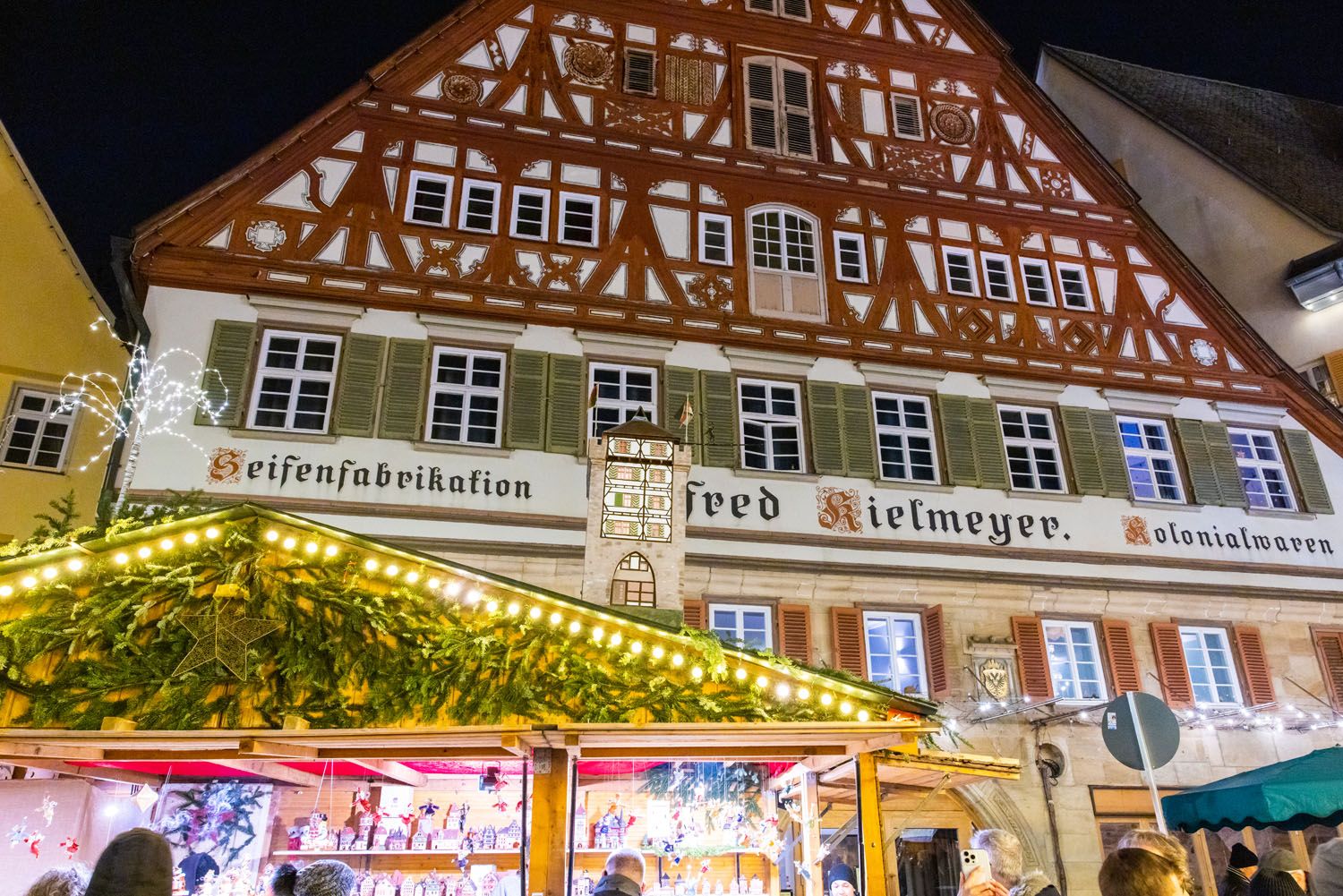
Esslingen is not just our favorite market in Germany; it is the pinnacle of the European Christmas experience. Because of its remarkably preserved half-timbered houses, the town provides an authentic medieval setting. The market features fire-eaters, live folk music, and traditional crafts like archery and candle making. It feels less like a tourist attraction and more like a time-travel experience.
2. Dresden (The Historic Standard)
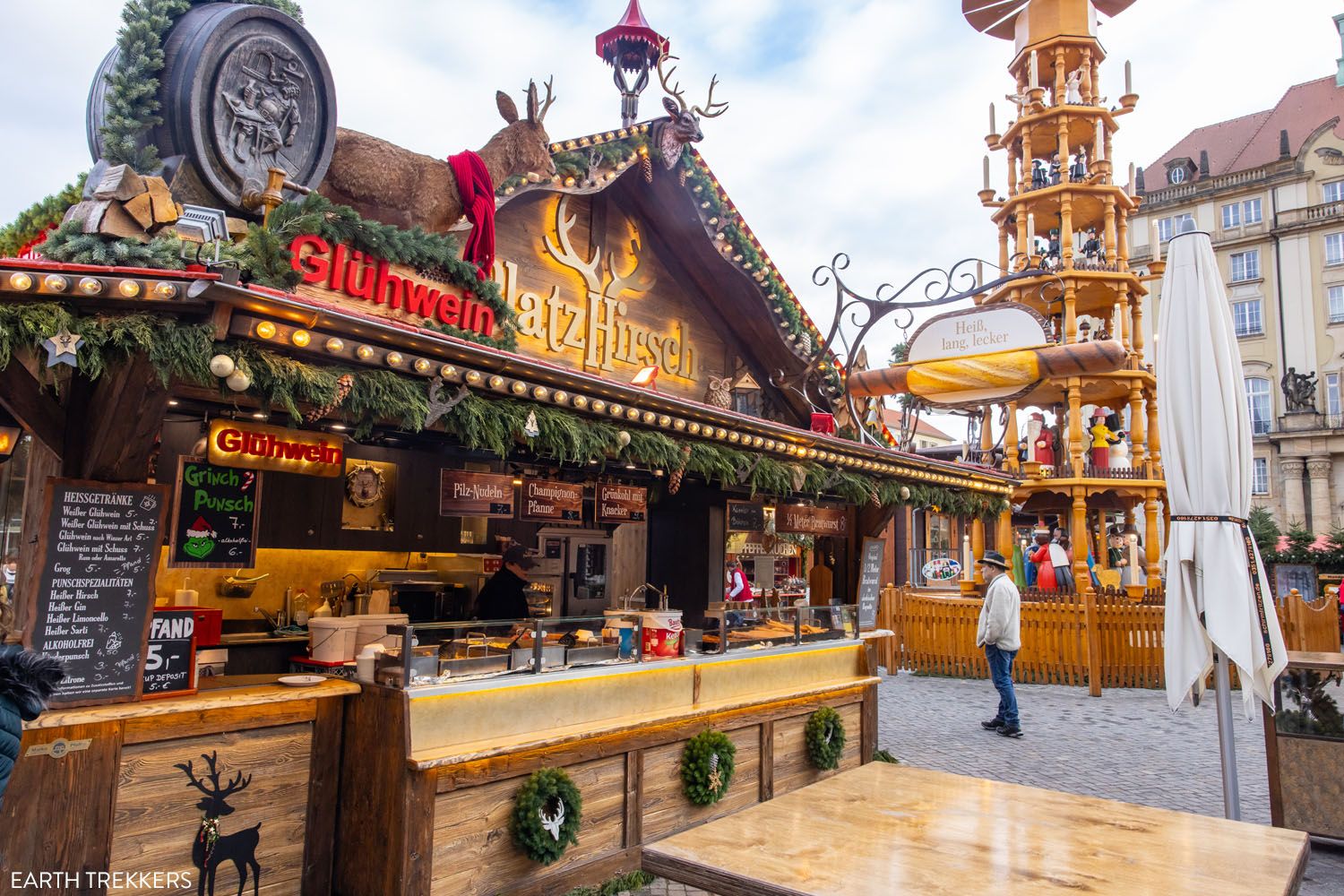
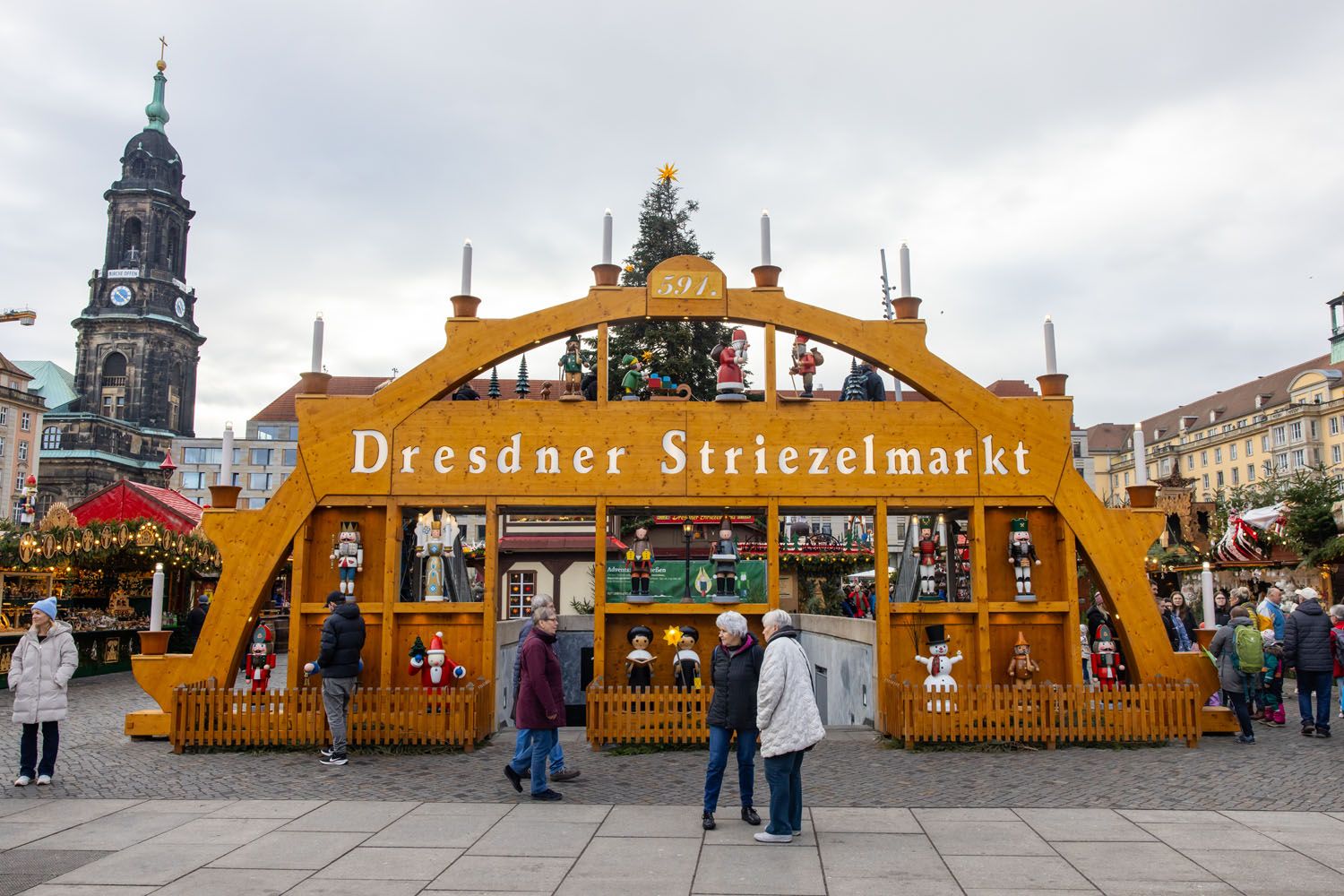
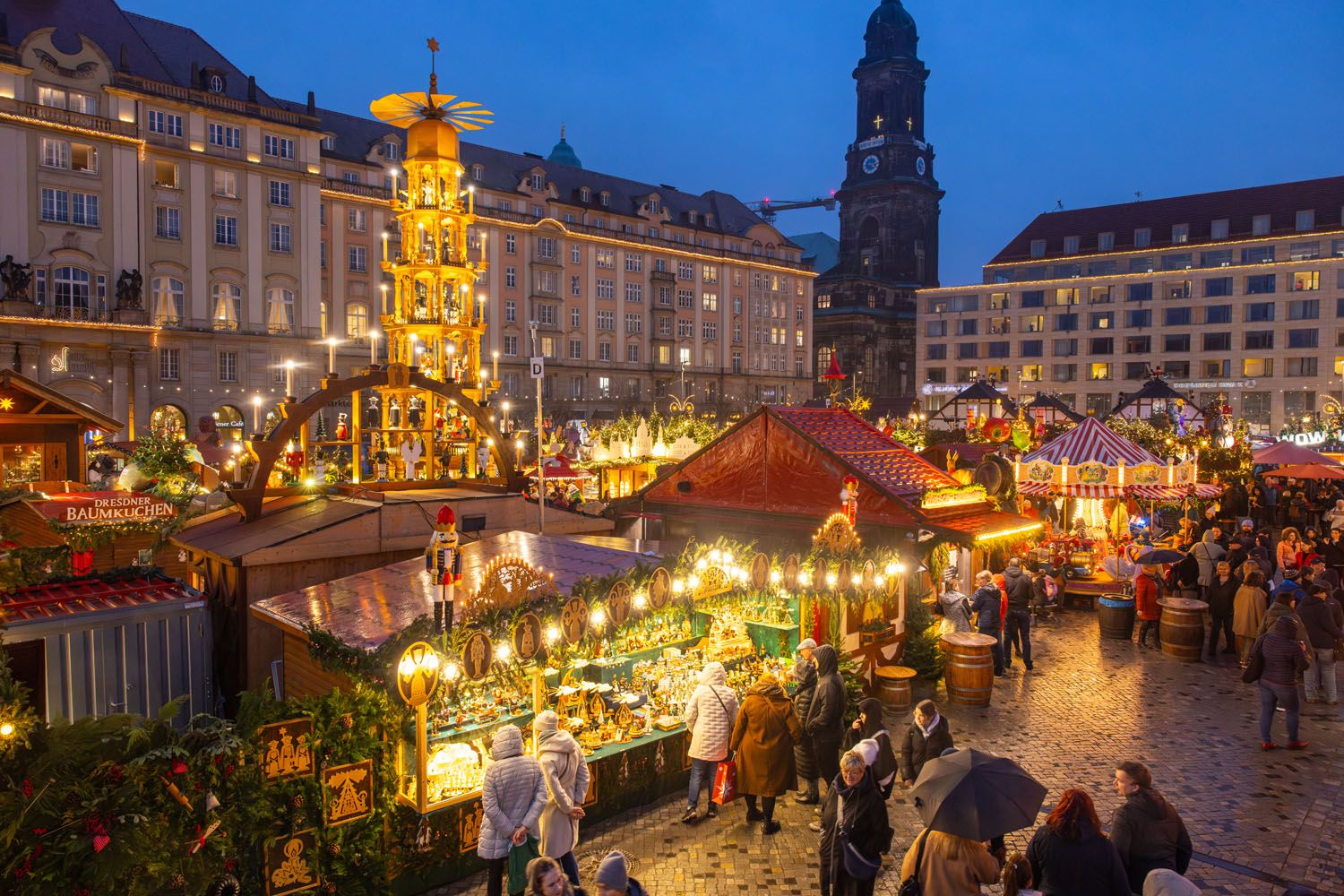
Dating back to 1434, the Dresdner Striezelmarkt is the oldest of its kind. Its centerpiece is a massive, record-breaking Christmas pyramid. With its location in the historic Old Town and multiple satellite markets—including the enchanting Stallhof Medieval Market—Dresden is a mandatory stop for any serious traveler.
3. Nuremberg (The Traditional Benchmark)
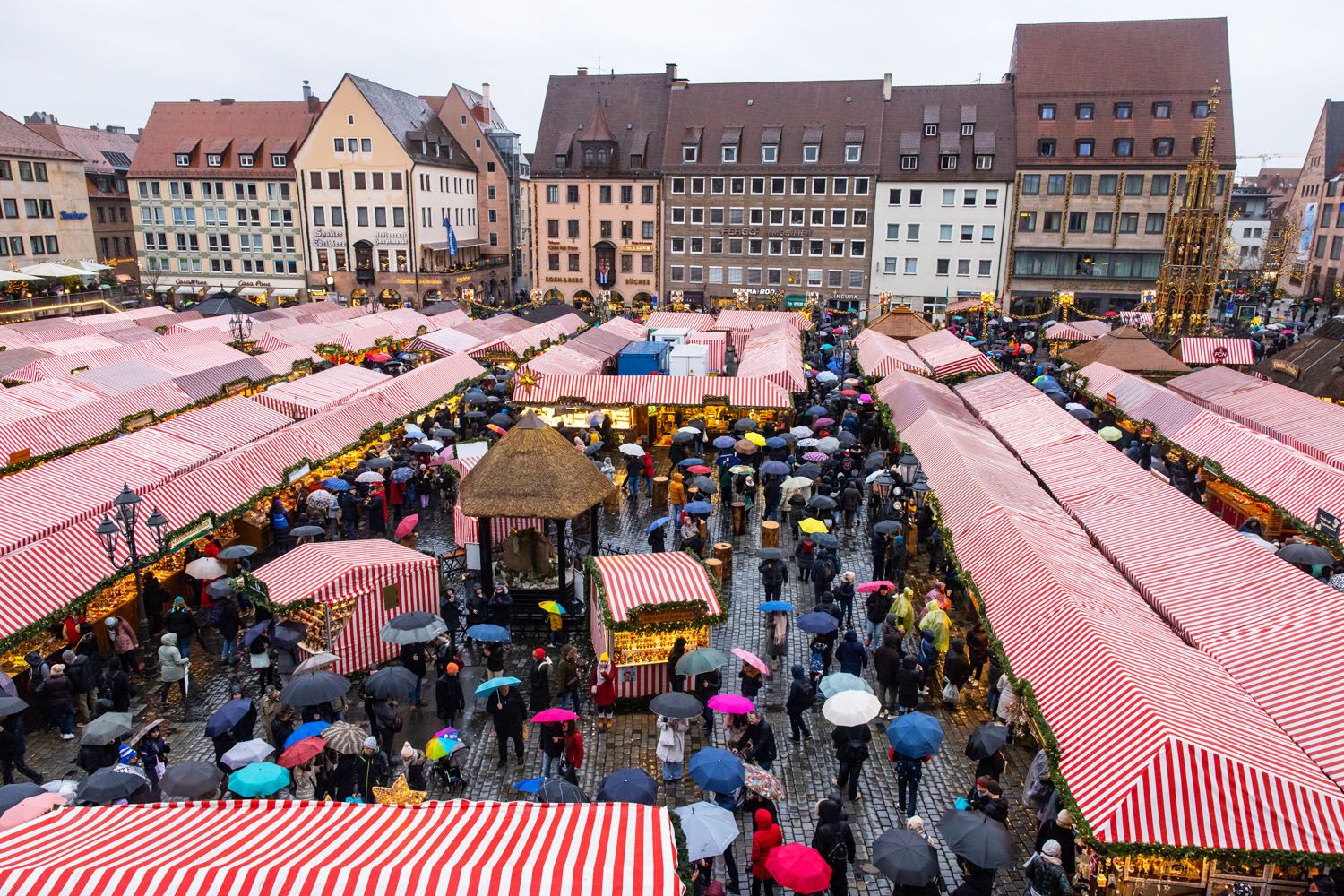
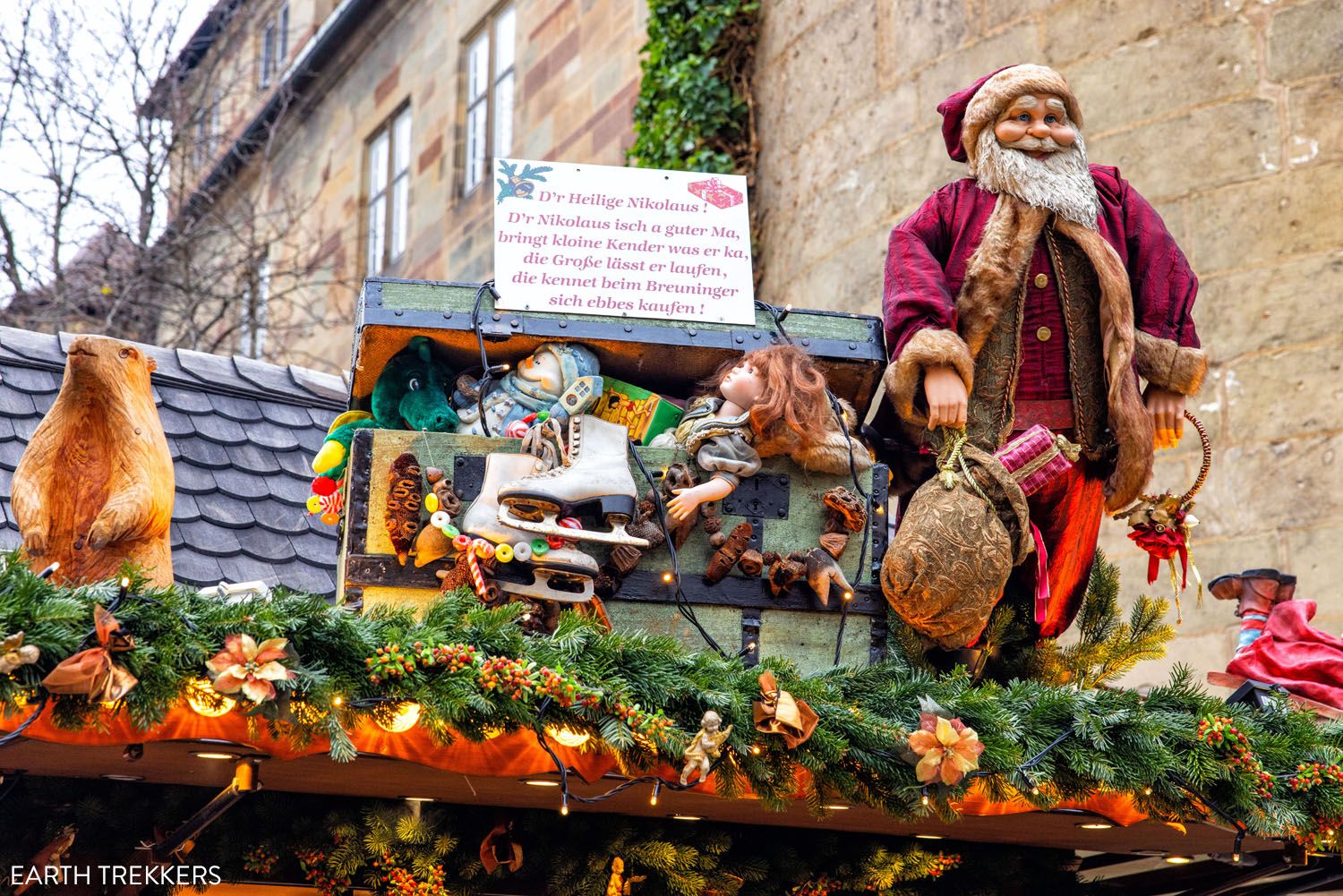
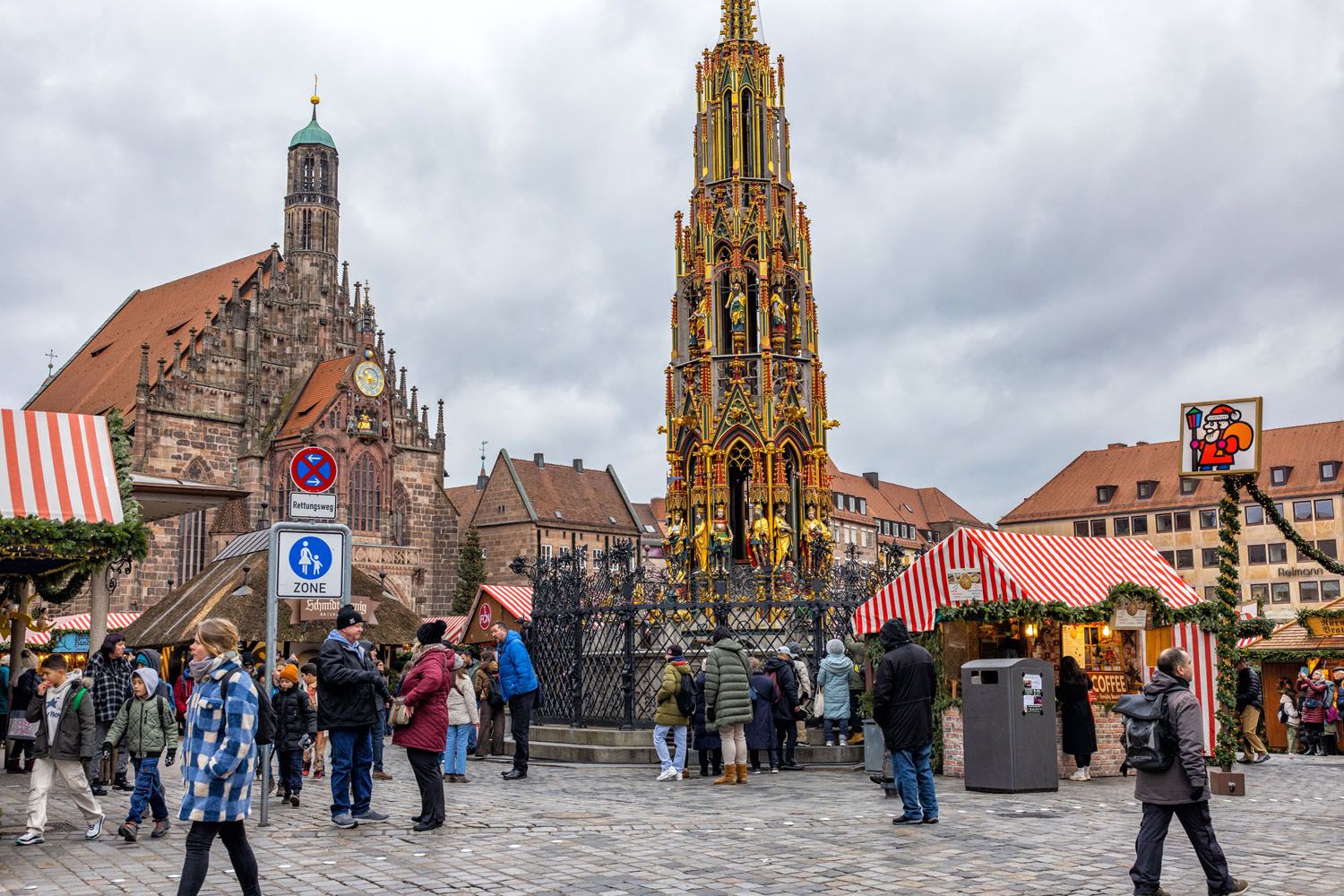
The Nürnberger Christkindlesmarkt is perhaps the most famous market in the world. It is the gold standard for traditional goods. The quality of the crafts here is unmatched. Be sure to sample the local Lebkuchen and the unique blueberry-based Heidelbeer-Glühwein.
4. Munich (The Bavarian Classic)
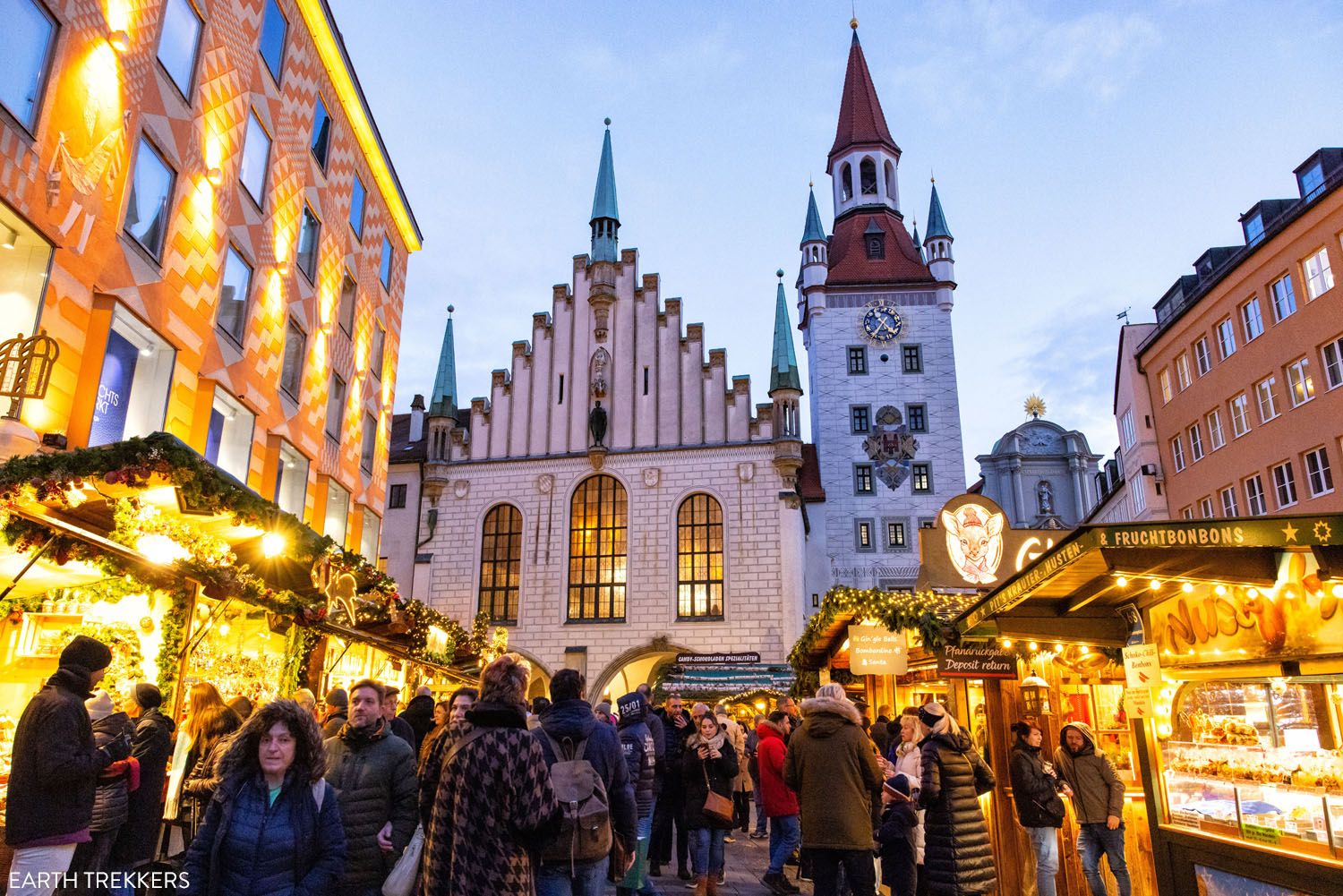
Munich offers a diverse array of experiences, from the photogenic grandeur of the main market at Marienplatz to the intimate and eccentric Medieval Christmas Market. It serves as an excellent anchor point for a broader tour of Southern Germany.
5. Stuttgart (The Aesthetic King)
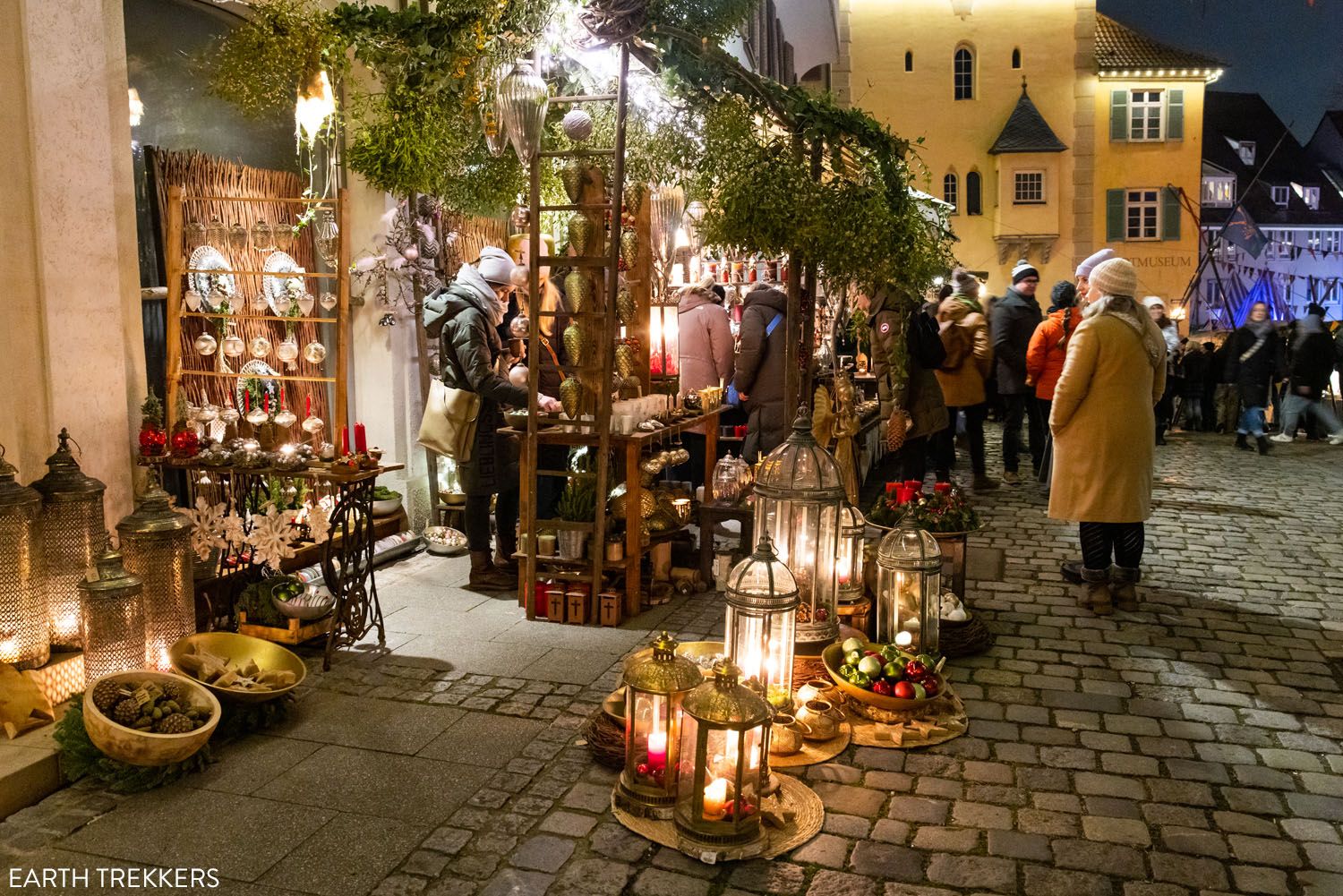
While its city center is more modern than others, Stuttgart wins for its sheer dedication to decoration. Each of the 300+ stalls is intricately adorned with elaborate statues and lights. It is, without question, the most visually stunning market in the country.
Hidden Gems and Underrated Experiences
While the "Big Five" get the press, some of our favorite memories were forged in the smaller, quieter corners of Germany:
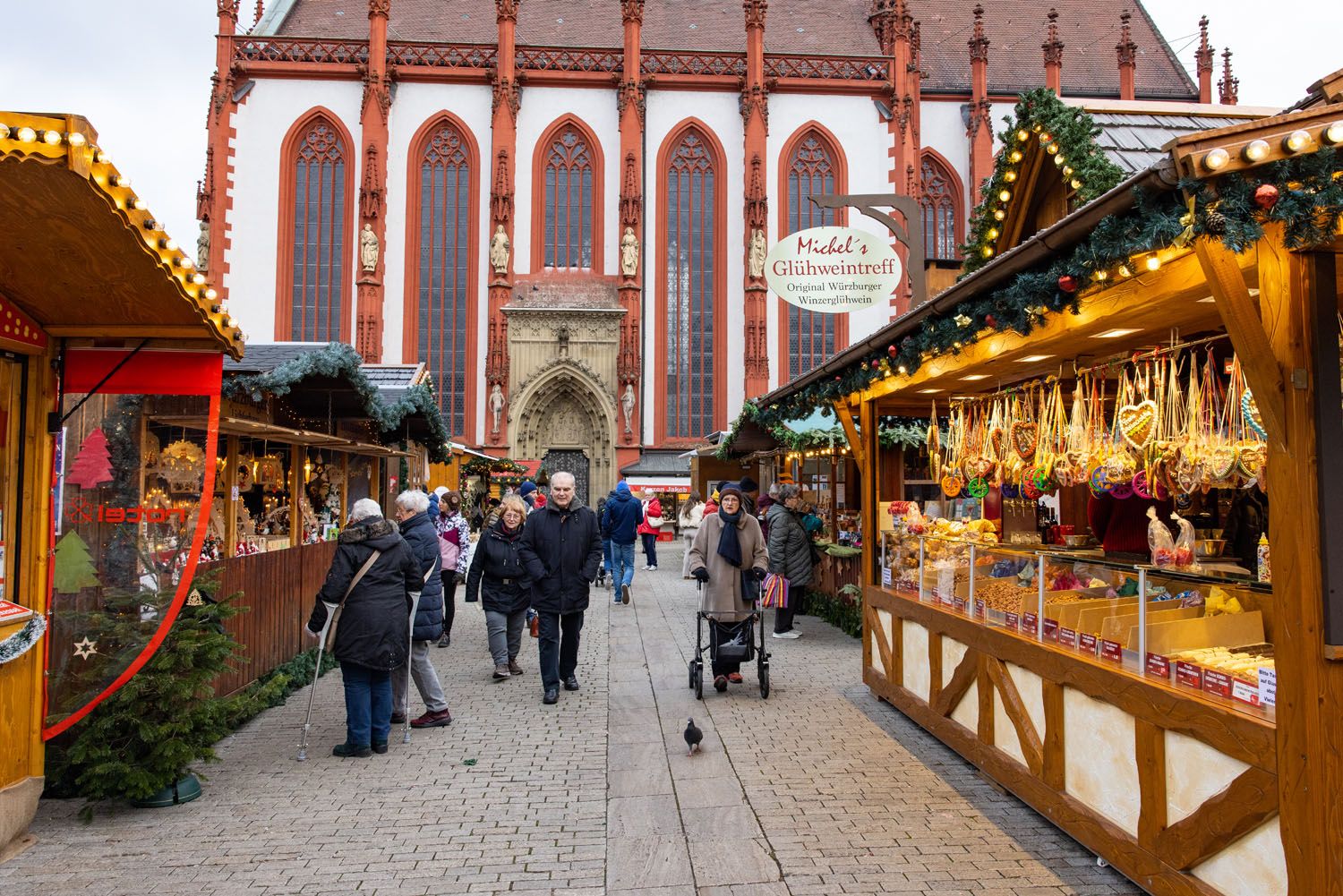
- Würzburg (#7): A Baroque-inspired gem that feels like a smaller, less frantic version of Prague. It offers a perfect balance of local flavor and architectural beauty.
- Erfurt (#8): The view of the Erfurt Cathedral and St. Severus Church looming over the market square is nothing short of cinematic. It feels like stepping onto the set of a fantasy film.
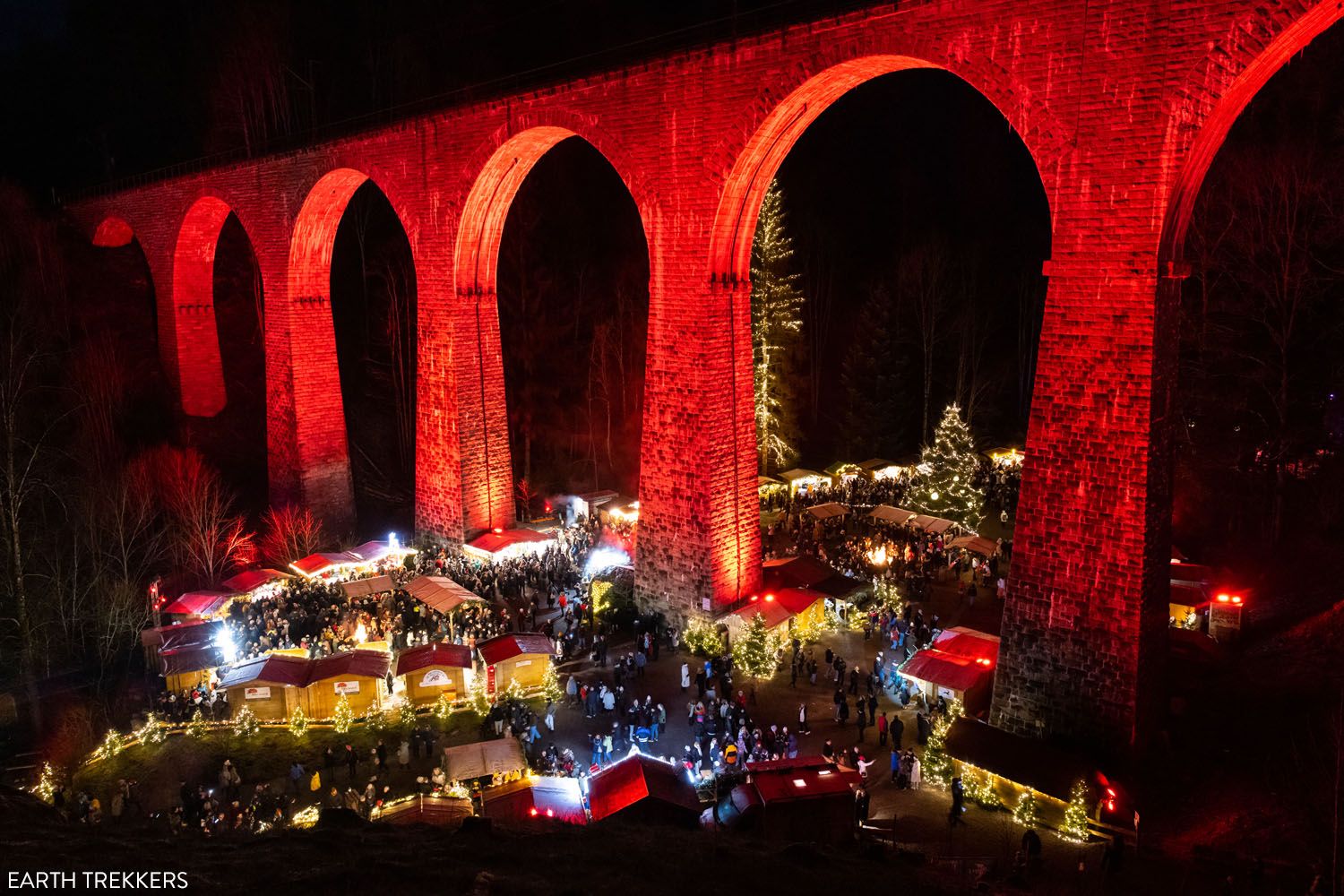
- Ravenna Gorge (#10): Located beneath a towering, illuminated railway viaduct, this is the most unique setting on our list. It requires advanced ticket booking and logistical planning, but the visual payoff is immense.
- Cologne (#6): The Heinzels Winter Markets and the Angel Market provide an upscale, sophisticated vibe that stands out against the more rustic offerings of the south.
Supporting Data: The Pfand System and Cultural Souvenirs
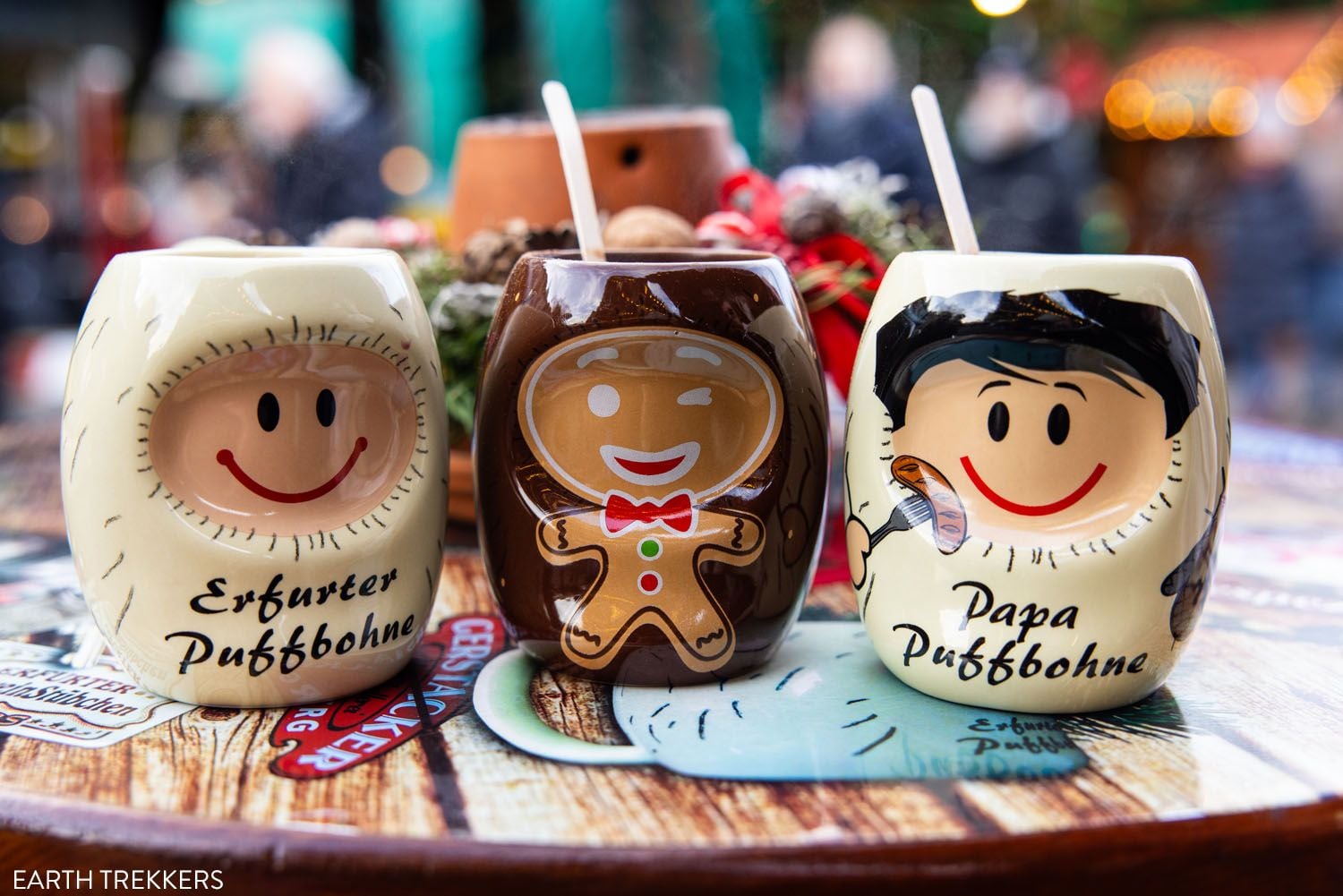
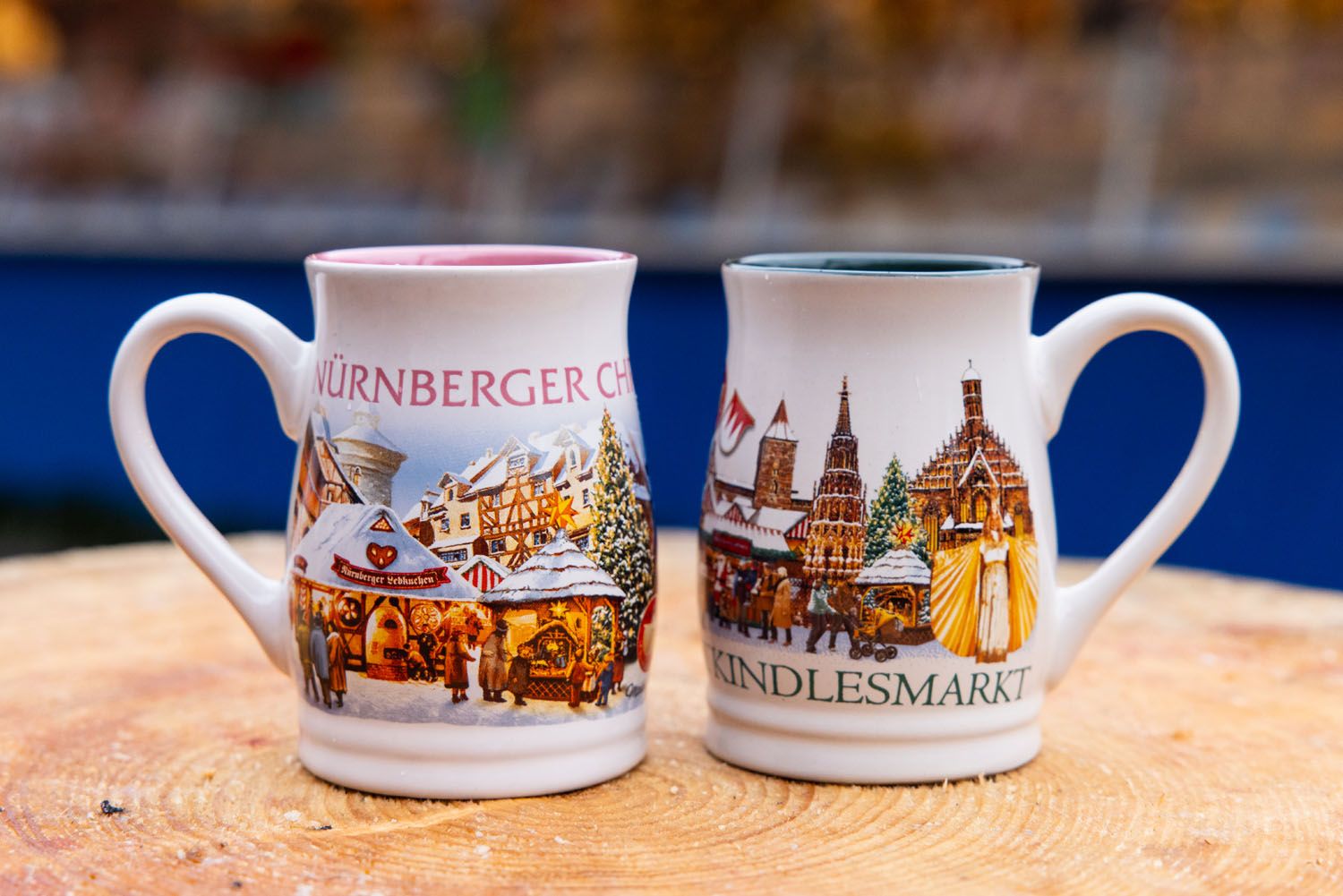
One of the most beloved traditions at German markets is the Pfand (deposit) system for mugs. When you purchase a Glühwein, you pay a small deposit. You can return the mug to get your money back, or you can keep it as a unique, year-specific souvenir.
Pro-Tip: If you plan on collecting these, bring a pack of wet wipes. Rinsing a used mug before packing it in your luggage will keep your belongings clean and prevent the sticky residue of mulled wine from ruining your clothes.
Implications for Travelers: The Reality of Crowds
The popularity of these markets has soared, leading to significant logistical challenges.
- The "Mosh Pit" Factor: In cities like Nuremberg and Cologne on a Saturday night, the crowd density can become overwhelming. Our recommendation is to prioritize weekday evenings for these high-traffic locations.
- Financial Planning: While most markets are free, the "ticketed" markets—such as the Romantic Market in Regensburg or the Ravenna Gorge—often provide a more curated, high-quality experience. Do not let a small entrance fee deter you; these are often the most well-managed and enjoyable locations.
- Transportation: Rely on the German rail network. Driving and parking in the city centers during the Christmas season is, almost without exception, a frustrating endeavor.
Summary of Secondary Markets
For those seeking to fill an itinerary, the following locations are highly recommended as secondary stops:
- Regensburg (#11): UNESCO-protected and historic.
- Ludwigsburg (#12): Baroque elegance with a very local feel.
- Aachen (#13): Charlemagne’s capital, offering deep historical significance.
- Frankfurt (#15): Surprisingly excellent for those ending their trip near the international airport.
- Berlin (#19): While it hosts 80+ markets, the sheer volume can be overwhelming. Stick to the WeihnachtsZauber Gendarmenmarkt for the best experience.
Conclusion
Visiting the German Christmas markets is an exercise in joy. Whether you are hunting for the perfect hand-carved wooden ornament, sipping steaming Glühwein under a centuries-old church, or simply wandering the cobblestone streets of a medieval town, the experience is profoundly moving.
Remember to prioritize your comfort—dress in heavy layers, wear your most comfortable walking shoes, and keep a small amount of cash on hand. While many vendors now accept cards, the smaller, most authentic stalls still operate on a cash-only basis. Above all, slow down. The beauty of the Weihnachtsmarkt is not in ticking off every stall on the list, but in soaking in the festive, shared humanity that defines the German holiday season.
 Jia Lissa
 Siti Muinah
