

In a strategic move that signals a new era for Pacific connectivity, Alaska Air Group—the parent company of both Alaska Airlines and Hawaiian Airlines—has announced a significant expansion of its international network. Beginning in the spring of 2027, the combined airline entity will launch year-round, nonstop service from Seattle-Tacoma International Airport (SEA) to two iconic international destinations: Osaka, Japan, and Papeete, Tahiti.
This expansion marks a pivotal moment for the Pacific Northwest’s aviation landscape, effectively transforming Seattle into a premier global gateway. By leveraging the operational synergy of the newly merged airlines, the carrier aims to provide seamless connectivity for travelers across the United States, linking the vibrant food culture of Japan’s Kansai region and the turquoise paradises of French Polynesia to the burgeoning Alaska Airlines hub.
The Strategic Timeline: A New Spring for Travelers
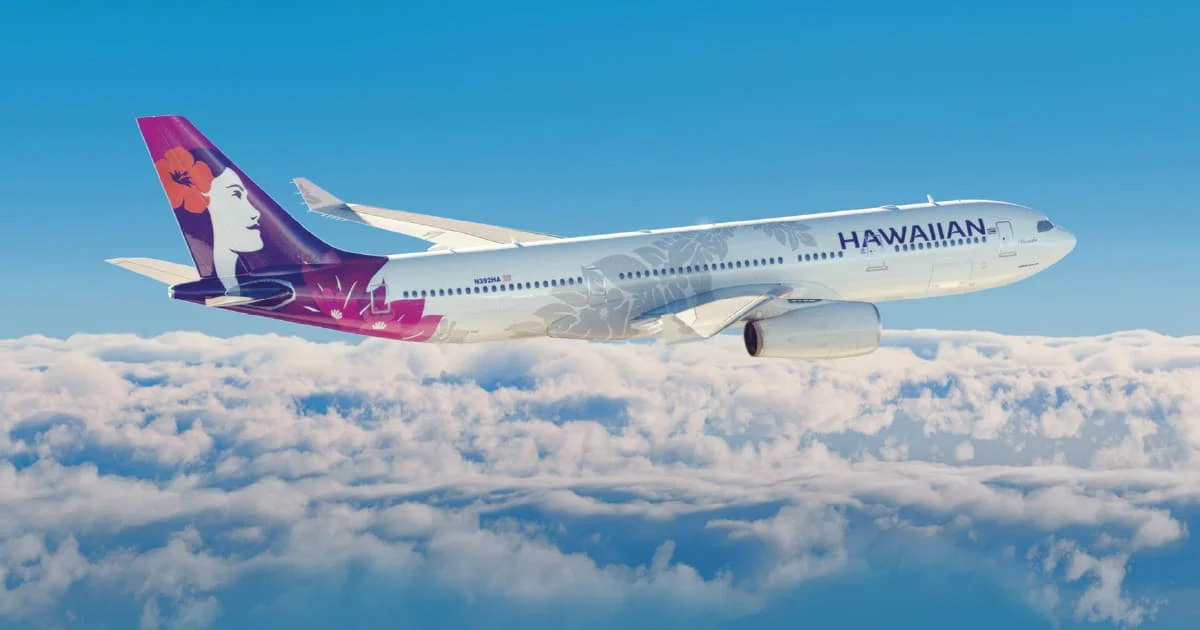
The rollout of these new routes is scheduled to commence in the second quarter of 2027, strategically positioning the airline to capture the high-demand summer travel season. Both routes will be operated by Hawaiian Airlines, utilizing their versatile and comfortable Airbus A330 fleet.
The Osaka Launch: May 2027
The Seattle-to-Osaka service is slated to begin on May 14, 2027. This route will operate with a frequency of four flights per week, providing travelers with consistent access to Japan’s third-largest city. Osaka serves as the beating heart of the Kansai region, offering travelers an unparalleled culinary experience, while also serving as a convenient transit point for visitors headed to the historic temples of Kyoto, the sacred deer parks of Nara, and the scenic landscapes of Kobe.
The Papeete Launch: June 2027
Following shortly thereafter, service to Papeete, Tahiti, will launch on June 11, 2027. Operating three flights per week, this route opens the door to the South Pacific for travelers who have previously faced complex itineraries to reach French Polynesia. Beyond the lush landscapes of Tahiti, the service is designed to facilitate seamless travel to the world-renowned islands of Bora Bora and Moorea.
Both of these ambitious projects remain subject to final government approvals, a standard procedure for international route expansion.
Beyond the Runway: Enhancing the Passenger Experience
The choice of the Airbus A330 for these long-haul flights is deliberate, emphasizing the airline’s commitment to passenger comfort during extended transit times. Hawaiian Airlines has invested heavily in modernizing the cabin experience, ensuring that the transition from Seattle to these exotic locales is as restorative as the destinations themselves.
Amenities and Connectivity
Central to the onboard experience is the inclusion of lie-flat business-class suites, which allow travelers to arrive refreshed and ready to explore. Recognizing the necessity of staying connected, even in the middle of the Pacific, the airline has integrated high-speed Starlink Wi-Fi. Through a partnership with T-Mobile, this service is offered complimentary to Atmos Rewards members, ensuring that whether for business or leisure, passengers remain in control of their digital lives at 35,000 feet.
Furthermore, the aircraft are equipped with an extensive library of inflight entertainment, featuring a curated selection of current movies and television series. This ensures that the journey remains engaging for travelers of all ages, from business professionals to families embarking on once-in-a-lifetime tropical vacations.
Strategic Implications: Building a Global Gateway
The launch of these routes is not merely an isolated expansion; it represents a core pillar of Alaska Air Group’s long-term vision. The company has publicly committed to transforming its Seattle hub into a major global gateway, with a stated objective of serving at least 15 long-haul intercontinental destinations by the year 2030.
Strengthening the Network
By adding Osaka and Papeete to an existing roster that already includes key international hubs such as London, Tokyo, Seoul, Rome, and Reykjavík, Alaska Airlines is diversifying its reach. This network growth is designed to insulate the carrier against regional economic fluctuations while providing a robust array of options for its loyal customer base.
For the Seattle market, this means increased economic activity, job creation, and strengthened cultural ties with the Asia-Pacific region. For the traveler, it represents a simplified booking process—the ability to utilize the combined Alaska and Hawaiian networks to reach remote destinations that were previously cumbersome to access.
Connecting the Islands: The Tahiti Advantage
A standout feature of the new Papeete service is the emphasis on "inter-island fluidity." Often, the most challenging part of a trip to French Polynesia is the secondary transit required to move from the international airport in Tahiti to the outer islands.
Through an expanded partnership with Air Tahiti, passengers arriving from Seattle can benefit from same-day connections to Bora Bora and Moorea. This eliminates the necessity of an overnight stay in Papeete, effectively saving travelers valuable vacation time. Moreover, the partnership extends further, allowing for same-day access to Rarotonga in the Cook Islands. This level of connectivity is expected to be a major selling point for families, who often prioritize efficiency and ease of travel when planning international trips.
Economic Accessibility: Promotional Fares
Recognizing the competitive nature of the aviation industry, Alaska and Hawaiian Airlines have introduced aggressive introductory pricing to stimulate demand for the new routes.
At the time of the announcement, the airlines revealed that round-trip Main Cabin fares from Seattle were priced starting at $1,199 for Osaka and $999 for Papeete. These promotional fares are available for booking through October 26, 2026, subject to availability. This pricing strategy is intended to incentivize early adoption among travelers, allowing the airlines to gauge demand and refine schedules ahead of the 2027 launch.
Interested travelers are encouraged to monitor the official websites of both Alaska Airlines and Hawaiian Airlines, as schedules, fares, and terms are subject to change based on regulatory and market conditions.
The Cultural and Economic Impact
The expansion into Osaka and Papeete is a testament to the evolving nature of global tourism. Osaka is a city of contrasts—a neon-lit metropolis that serves as a custodian of Japan’s most cherished traditions. The ability to fly nonstop from Seattle into the Kansai region provides a much-needed alternative to the congestion of Tokyo-based airports, appealing to both leisure tourists and those interested in the robust economic ties between the Pacific Northwest and Japan.
Conversely, the Papeete route targets the luxury and adventure travel segments. As the global travel market continues to prioritize unique, experiential trips, the accessibility of French Polynesia is becoming a high-priority asset. By simplifying the journey, Alaska and Hawaiian Airlines are positioning themselves as the primary conduits for this demand.
Official Stance and Future Outlook
While specific executive commentary remains focused on the operational logistics of the upcoming launch, the sentiment within the Alaska Air Group is one of optimism. The merger between Alaska and Hawaiian Airlines has been characterized by leadership as a "transformative opportunity" to provide a level of service that neither airline could achieve independently.
Industry analysts suggest that this expansion is a calculated risk that is likely to pay off. As Seattle continues to grow as a tech and innovation hub, the demand for high-quality, long-haul flight options has surged. By catering to this demographic, the airline is ensuring that it remains the "hometown carrier" of choice for the Pacific Northwest, while simultaneously expanding its footprint to a truly global scale.
Conclusion
The announcement of nonstop service to Osaka and Papeete is a landmark achievement for Alaska and Hawaiian Airlines. It represents a significant step forward in their mission to bridge the distance between the Pacific Northwest and the world’s most sought-after destinations. With a focus on enhanced comfort, seamless connectivity, and strategic growth, the airlines are not just adding new lines to a map; they are creating new possibilities for travelers to explore, connect, and discover.
As the spring of 2027 approaches, the aviation industry will be watching closely to see how these routes perform. If the current trajectory holds, the integration of these two major carriers will likely continue to reshape international travel for years to come, solidifying Seattle’s status as a critical node in the global aviation network. For the traveler, the world is about to get a little bit smaller, and a whole lot easier to reach.
 Ammar Sabilarrohman
 Muslim
 Nila Kartika Wati
