

By Ellen Hall, World Nomads Contributor
Updated: Tuesday, 14 April 2026
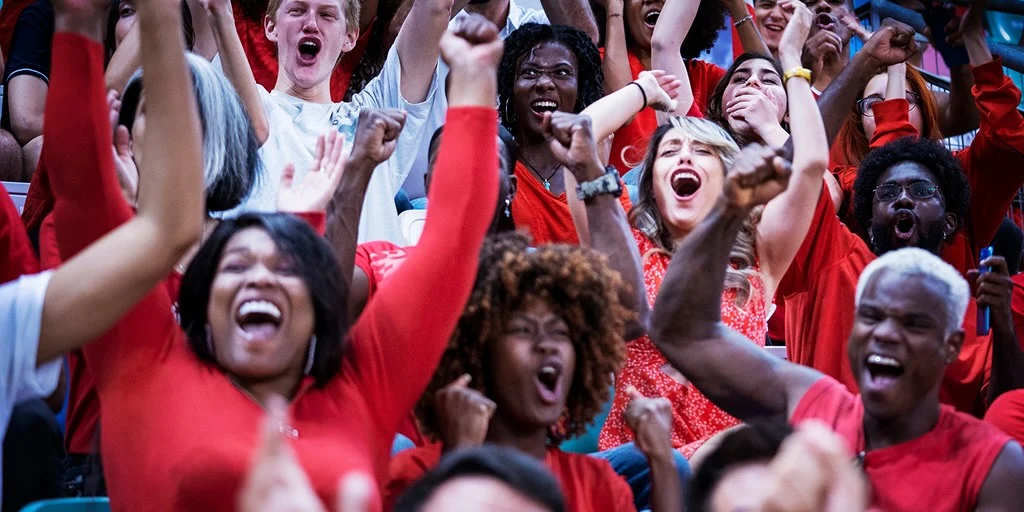
As the sun rises over the stadiums of North America this June, it illuminates more than just a pitch; it highlights the convergence of three distinct sporting cultures. With approximately five billion fans worldwide—dwarfing cricket, its nearest rival, by 2.5 billion—soccer is the undisputed global language. Yet, when the FIFA World Cup 2026 arrives in Canada, the United States, and Mexico, visitors will discover that while the rules of the game remain constant, the “fan experience” is deeply rooted in local tradition.
This tournament is historic by every metric. It marks the first time three nations have co-hosted the event, featuring 42 nations competing across 104 matches. For the uninitiated, navigating the spectacle requires an understanding of what to expect from the distinct, localized fervor that will define the summer of 2026.
The Tri-Nation Sporting Philosophy
Mexico: The Heartbeat of Fútbol
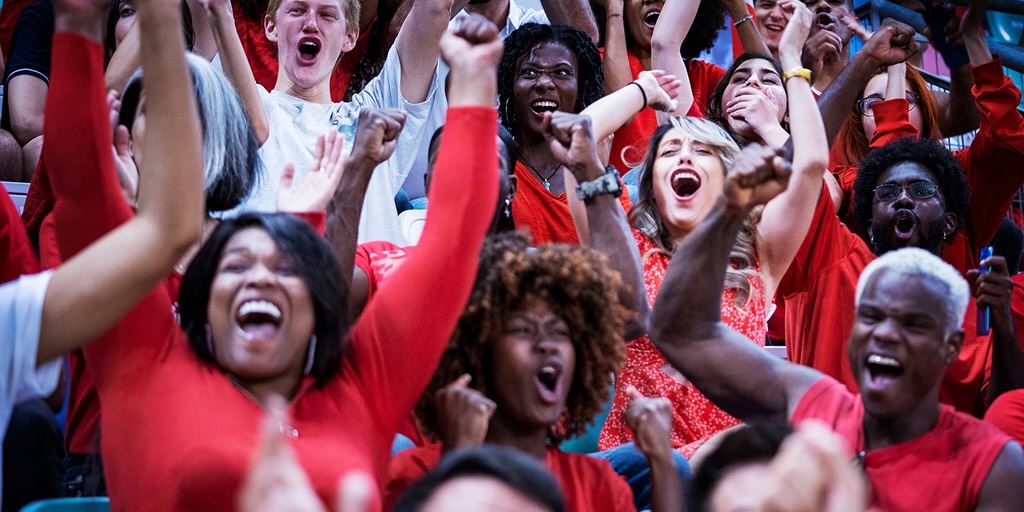
In Mexico, fútbol is not merely a sport; it is a religion. It stands alongside the great soccer cultures of Argentina, Brazil, and England in its intensity. Unlike the more sanitized spectator experiences often found in North American sports, a Mexican stadium is a sensory overload.
“Compared to the US and Canada, the atmosphere in Mexico is rowdier, more physical, and more continuous,” explains Joe Furey, a veteran correspondent who has covered the region extensively. “You have drums, flags, and chanting that doesn’t stop for 90 minutes. It’s a ritualistic expression of identity. While it may seem chaotic to an outsider, it is deeply rooted in community, and local authorities are experts at managing the energy in these massive, historic venues.”
Crucially, Mexican soccer culture remains a multi-generational affair. It is common to see grandparents, parents, and children in the same row, passing down the chants and rituals of their club or national team. For the 2026 visitor, expect a match day that feels like a festival, complete with the occasional shower of beer and popcorn during a goal celebration.
The United States: A Sleeping Giant Awakening
For decades, the American approach to soccer was viewed through a lens of skepticism. However, the narrative has shifted dramatically. While the NFL, NBA, and MLB still dominate the cultural conversation, professional soccer—bolstered by the MLS—is experiencing an unprecedented surge.
The arrival of global icons like Lionel Messi and David Beckham catalyzed a shift, proving that the U.S. is no longer a peripheral player. With over 11 million fans attending MLS matches in 2025, the appetite for the game is at an all-time high. In the U.S., the soccer culture is evolving into a blend of international influence and American stadium tradition. Supporter groups like the "American Outlaws" have mastered the art of the tifo—the massive, choreographed banner displays that define modern stadium aesthetics.
Canada: The Emerging Contender
Canada occupies a unique position in the 2026 landscape. While soccer is the most played sport among Canadian youth, it has historically sat behind hockey and basketball in the professional spectator hierarchy. That, however, is changing. The Canadian Men’s National Team has ascended to its highest-ever FIFA ranking, transforming the perception of the sport domestically. The "Voyageurs," the national team’s dedicated supporter group, have seen membership numbers skyrocket, reflecting a newfound national pride that will be on full display during the tournament.
Chronology of the 2026 Tournament Preparations
The road to the 2026 World Cup has been a decade-long project of infrastructure and diplomacy:
- 2018: FIFA officially awards the hosting rights to the United bid (Canada, Mexico, US).
- 2023: Host cities finalize stadium renovations, focusing on "soccer-specific" configurations to meet FIFA standards.
- 2025: A record-breaking season for the MLS sets the stage for the tournament, with stadium attendance metrics providing a blueprint for World Cup logistics.
- December 2025: Final preparations for Fan Festivals are announced, including the selection of iconic venues like the Los Angeles Memorial Coliseum and Mexico City’s Zócalo.
- June 2026: The opening match, marking the start of 104 matches across 16 cities.
Supporting Data and Market Trends
The scale of the 2026 tournament is unprecedented. According to FIFA’s 2021 Vision Report, the sport’s footprint continues to expand, and the 2026 data reflects this growth:
- 11 Million+: Attendance figures for the 2025 MLS season, signaling the highest sustained interest in North American soccer history.
- 65 Million: The estimated number of Mexican national team supporters living within the United States, suggesting that even in U.S. stadiums, the "home" crowd may lean heavily toward the Mexican team.
- 10,000+: The number of fans from the "Orange Army" (the Netherlands) expected to descend on single host cities, highlighting the massive international influx planned by European supporter associations.
- 100,000: The capacity for crowd engagement at Mexico City’s Zócalo during the official FIFA Fan Festival.
Official Responses and Security Protocols
FIFA and local organizing committees have prioritized a "safe but spirited" atmosphere. Given the potential for intense rivalries, authorities have implemented strict protocols.
"Our goal is to ensure the passion of the fans remains within the bounds of sport," says a FIFA spokesperson. "Security will be visible but designed to be welcoming."
A significant measure in this tournament is the proactive approach to "troublemakers." Building on recent international precedents, authorities have coordinated with global law enforcement to identify and ban individuals with documented histories of hooliganism from entering the host countries. These measures are designed to preserve the family-friendly nature of the sport, particularly in the fan zones where crowds are expected to be diverse and international.
Implications of the Tournament: A Cultural Shift
The 2026 World Cup is more than a sporting event; it is a test of how North American cities adapt to the specific demands of a global audience.
The Dynamics of Rivalry
The energy of the tournament will inevitably be dictated by the pairings. The "USA vs. Mexico" rivalry is the tournament’s crown jewel, a tension-filled match-up that has evolved from a 1934 historical footnote into a modern tactical and cultural clash. Chants of "Dos a Cero" (a reference to the U.S. team’s frequent 2-0 wins over Mexico in the early 2000s) remain a flashpoint of competitive banter.
Similarly, the U.S.-Canada rivalry, while often overshadowed by hockey, carries a weight of its own. With the current geopolitical and sporting overlap, these matches are expected to draw record television ratings and high-intensity stadium crowds.
The "Fan Zone" Legacy
One of the most important implications of this tournament is the creation of the Fan Festivals. By hosting free, public viewing events in locations like Los Angeles and Mexico City, organizers are democratizing the experience. These zones act as a bridge between the ticket-holding elite and the casual observer.
The legacy of these zones will likely be an increase in grassroots investment. By showcasing the beauty of the game to tens of millions of North Americans who have previously remained on the periphery of soccer culture, FIFA is looking to cement the sport’s status as a primary pillar of the North American sports landscape for the next 50 years.
Conclusion: What to Expect in the Stands
If you are planning to attend, do not expect a uniform experience. In Mexico, you will be swept up in a tide of rhythmic, unrelenting sound. In the U.S., you will witness a high-tech, professionally produced spectacle that highlights the sport’s rapid ascent. In Canada, you will encounter the polite yet fierce passion of a nation that has finally found its rhythm on the global stage.
Whether you are a die-hard fan with a tifo in your backpack or a curious traveler hoping to catch a glimpse of the "beautiful game," the 2026 World Cup promises to be a defining moment for international sport. It is a unique opportunity to witness how the world’s most popular game is interpreted through three very different cultural lenses, all united by a single, simple objective: the ball hitting the back of the net.
 Reynand Wu
  Asro
Asro  Neng Nana