

By Phil Sylvester
Updated: October 2023
Estonia, a pint-sized Baltic nation that reclaimed its independence from the Soviet Union in 1991, is frequently overlooked on the European travel map. Yet, for those who venture to its shores, the reward is a landscape defined by pristine forests, a well-preserved medieval history in Tallinn, and a culture of efficiency and cleanliness. Beyond its aesthetic charm, Estonia boasts an enviable safety record, characterized by a near-total absence of significant natural disasters over the last century.
However, travelers should not mistake this tranquility for a lack of environmental hazards. Estonia’s extreme northern latitude dictates a life rhythm fundamentally different from that of Southern or Central Europe. From the biting, pitch-black winters to the tick-dense forests of summer, navigating the Estonian climate requires preparation, local knowledge, and a strict adherence to national safety regulations.
Main Facts: The Climate-Safety Nexus
Estonia’s geographical position—nestled on the eastern shores of the Baltic Sea—creates a climate that is as demanding as it is beautiful. The primary safety concerns for visitors are not rooted in crime or civil unrest, but in the environment.
The Darkness and the Reflector Mandate
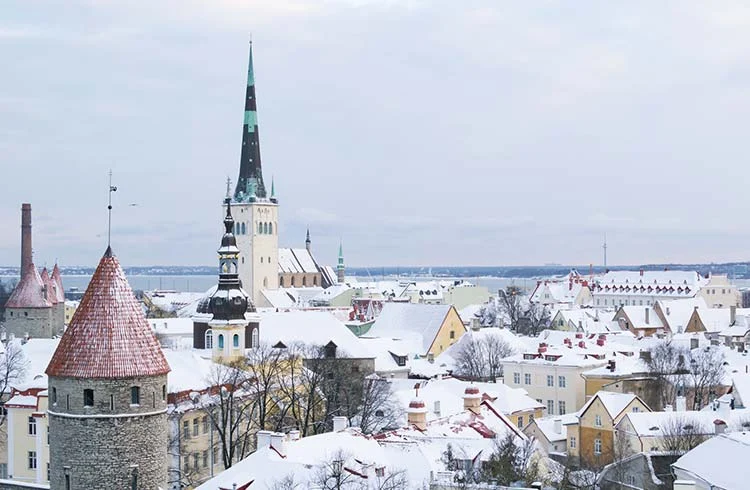
Between October and April, Estonia experiences a profound seasonal shift. Daylight dwindles to as little as six hours a day, casting the country into a long, gray, and often freezing slumber. In these conditions, visibility becomes a matter of public safety.
Estonian law is remarkably proactive regarding pedestrian safety. It is mandatory for all pedestrians to wear a reflector—a reflective tag or badge—after dark. These are not merely suggestions; they are life-saving devices. With rural roads lacking street lighting and drivers battling low visibility, a pedestrian in dark winter clothing is effectively invisible until it is too late. These reflectors can be purchased at almost any supermarket or retail outlet, and failure to wear one can result in a fine. Notably, local authorities treat the safety of intoxicated pedestrians with even greater severity; the fines for those caught without reflectors while under the influence can be ten times higher than standard penalties.
Chronology: Seasonal Hazards and Preparedness
To understand Estonia, one must understand its calendar. The country operates on a binary seasonal logic that dictates the safety protocols of its citizens.
October – April: The Winter Endurance
For roughly 100 days a year, the Estonian landscape is buried under snow. For travelers arriving from warmer climates, this requires a significant shift in expectations. While the national infrastructure is robust, the weather can be capricious. Snowstorms often materialize with little warning, frequently overwhelming municipal snow-clearing crews.
- The Driving Challenge: The combination of ice, plummeting temperatures, and perpetual darkness makes driving particularly treacherous. Even if a road appears clear, "black ice" is a constant threat.
- Wildlife Hazards: Outside of urban centers, the landscape is dominated by dense, old-growth forests. These areas are home to large populations of moose, deer, and wild boar. These animals frequently cross roads, creating significant collision risks. Unlike pedestrians, these animals do not comply with the reflector mandate, making vigilance essential for all drivers.
- The "Skiing" Contingency: It is a running joke among locals that one should keep skis in the trunk of their rental car. In reality, it is a nod to the fact that when snowdrifts block rural routes, vehicle mobility can drop to zero. Always plan for delays, and never assume that a map-marked road will be passable during a blizzard.
May – September: The Summer Transition
When the thaw arrives, the country transforms. The long summer days bring the "White Nights," where the sun barely sets. However, this season introduces a new set of risks.
- Tick-Borne Encephalitis: As the forests thaw, the tick population becomes active. Estonia is a high-risk area for tick-borne encephalitis and Lyme disease. Hikers and those enjoying the lush countryside must prioritize protective clothing and regular tick checks.
- Spring Flooding: As the massive snowpack melts, low-lying areas—particularly near riverbanks—can experience periodic flooding. While these events are usually well-managed, they can disrupt local transport routes.
Supporting Data: Infrastructure and Urban Risks
While Estonia ranks high in global safety indices, there are specific structural concerns that travelers often overlook.
Fire Safety and Building Codes
A legacy of the Soviet era is the existence of older structural and electrical codes in many buildings. While the government has made massive strides in modernization, historical buildings and older apartment blocks may not meet the fire safety standards common in Western Europe.
Safety Recommendation: Upon checking into any accommodation—be it a boutique hotel in Tallinn’s Old Town or a rental cabin in the countryside—immediately locate the fire exits. Do not assume that fire alarms or sprinkler systems are present or functioning in older structures. Familiarize yourself with the evacuation plan, as many of these older buildings feature narrow, winding staircases that can become hazardous during an emergency.
Official Responses: The Zero-Tolerance Stance
Estonia’s legal framework is uncompromising regarding public safety, particularly in the realm of traffic law.
Drunk Driving Policy
Estonia maintains a "zero-tolerance" policy regarding alcohol consumption for drivers. The legal blood alcohol limit is effectively zero. The penalties for violating this are severe, including heavy fines, loss of licensure, and, in many cases, immediate imprisonment.
This policy is not limited to passenger cars on highways. Even those transporting their vehicles via ferry across the Baltic are subject to random breathalyzer checks. The Estonian Police and Border Guard Board are highly proactive; they utilize frequent checkpoints, particularly during holidays and weekends, to ensure compliance. Do not be surprised if you are asked to provide a breath sample even if you have only consumed a single drink. The message from the Estonian government is clear: if you are operating machinery, you must be completely sober.
Implications: The Traveler’s Mindset
Traveling to Estonia is an experience of extremes. It is a country where the modern, digital-first capital of Tallinn—often called the "Silicon Valley of Europe"—sits in stark contrast to the vast, wild, and unforgiving forests of the hinterland.
The "Tallinn Factor"
While the countryside is defined by nature, the capital presents different challenges. Tallinn is generally safe, but like any tourist-heavy city, petty crime and pickpocketing can occur in high-traffic areas like the Old Town or major transport hubs. Travelers should maintain standard urban awareness, keeping personal belongings secure and remaining cautious in nightlife districts.
Final Safety Checklist
For the prospective traveler, a safe trip to Estonia rests on three pillars:
- Reflective Visibility: Purchase a high-quality reflector immediately upon arrival. Attach it to your outer garment at knee or hip height for maximum visibility.
- Environmental Respect: If visiting in winter, ensure your rental vehicle is equipped with high-quality winter tires and carry an emergency kit (blankets, shovel, and mobile phone charger).
- Health Awareness: If hiking or camping during the summer, use insect repellent containing DEET and perform a "tick check" every evening.
Conclusion
Estonia is a jewel of the Baltic, offering a unique blend of history, technology, and untamed nature. Its safety profile is remarkably high, provided that the traveler acknowledges the limitations of the climate and the rigidity of the law. By respecting the environment and adhering to the local regulations—whether that means wearing a reflector on a dark road or keeping your blood alcohol level at zero—you ensure that your experience is defined by the country’s beauty rather than the challenges of its climate.
Whether you are seeking the cozy, snow-dusted serenity of a winter retreat or the vibrant, long-day adventures of a summer trek, Estonia rewards the prepared traveler with memories that are as enduring as its landscape. Just remember: when in Estonia, stay bright, stay sober, and always keep an eye on the sky.
 Reynand Wu
  Asro
Asro  Neng Nana