

East Africa is defined by the dramatic scars and majestic heights of its geological history. From the jagged peaks of the Great Rift Valley to the snow-capped summits of the "Roof of Africa," the region has evolved into the world’s premier destination for volcanic ecotourism. For the conscious traveler, these landscapes offer more than just aesthetic beauty; they provide a profound connection to the earth’s raw power and a chance to engage in sustainable travel that uplifts local communities and preserves fragile ecosystems.
The Geological Marvels: East Africa’s Volcanic Landscape
The East African Rift is one of the most geologically active regions on the planet, characterized by tectonic plates pulling apart to reveal the earth’s fiery core. This process has birthed some of the most iconic natural wonders in the world. Tanzania, in particular, stands as a titan of this landscape.
The region’s ecotourism hotspots are not merely tourist traps; they are vital ecological zones. Mount Kilimanjaro and Mount Meru serve as sentinels of the Tanzanian plains, while the Eastern Arc Mountains host biodiversity found nowhere else on earth. Further afield, the Volcanoes National Park in Rwanda and the rugged slopes of Mount Kenya offer high-altitude challenges for adventurers. Perhaps most unique is Oldonyo Lengai, the "Mountain of God," an active volcano that serves as a living laboratory for geologists and a sacred site for local Maasai communities.
Chronology: The Evolution of East African Ecotourism
The trajectory of tourism in East Africa has shifted significantly over the last three decades.
- The 1990s: Traditional "Big Five" safaris dominated the industry, focusing almost exclusively on wildlife spotting in national parks like the Serengeti and Ngorongoro.
- The 2000s: A surge in interest in adventure tourism led to the professionalization of Kilimanjaro climbing expeditions.
- The 2010s: The rise of "responsible travel" saw the integration of local cultural interaction, particularly within the Ngorongoro Conservation Area, where Maasai cultural engagement became a core component of the visitor experience.
- 2020–Present: Ecotourism has moved to the forefront, with travelers increasingly seeking low-impact, high-value experiences that include gorilla tracking in Rwanda, chimpanzee trekking in Gombe, and climate-conscious hiking expeditions.
Supporting Data: Why Volcanic Tourism is a Sustainable Choice
Ecotourism is defined by four pillars: traveling responsibly, minimizing environmental impact, conserving natural areas, and contributing to the economic well-being of local populations.
When travelers choose to explore the Ngorongoro Highlands—a UNESCO World Heritage site—they are engaging in a model of tourism that protects the Great Rift Valley. Walking safaris and nature treks in areas like the Olmoti and Empakai craters offer a low-carbon footprint alternative to traditional vehicle-based game drives.
Furthermore, data suggests that when visitors spend 8 to 14 days in the region, they are more likely to invest in local economies. By staying in eco-lodges and tented camps facilitated by Destination Management Companies (DMCs) like Kilimanjaro Tanzanite Safaris, travelers ensure that their financial contribution stays within the community, supporting the infrastructure of Maasai Bomas and local schools.
Official Responses and Industry Standards
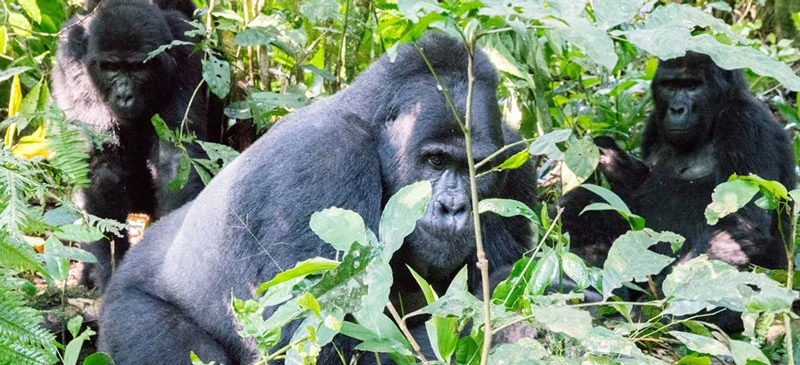
Tourism boards across Tanzania, Rwanda, and Uganda have tightened regulations regarding trekking and wildlife interaction. In Rwanda’s Volcanoes National Park, the official mandate is strictly focused on conservation. By limiting the number of daily permits for gorilla tracking, the Rwandan government has successfully managed to prevent the exploitation of these endangered primates while simultaneously funding the protection of their habitat.
Industry experts emphasize that "acclimatization" is not just a physiological necessity for climbing Mount Kilimanjaro; it is a tourism strategy. By trekking in the Ngorongoro highlands before a Kilimanjaro summit attempt, travelers spread their presence across a wider geographic area, reducing the pressure on the primary mountain routes and allowing for a more immersive, multi-day exploration of the Tanzanian landscape.
Implications: The Future of the "Gorilla-to-Glacier" Safari
The modern trend in East African travel is the "combo tour." The most sought-after itinerary involves a seamless transition from the high-altitude jungles of Rwanda—home to the mountain gorilla—to the arid, game-rich plains of the Serengeti and the glacial summits of Kilimanjaro.
The Rwanda-Tanzania Connection
The synergy between Rwanda’s primate tourism and Tanzania’s volcanic expeditions is creating a new gold standard for luxury adventure. A 4-to-5-day trip to Volcanoes National Park now frequently includes the Kigali Genocide Memorial, providing a sobering but necessary historical context to the modern Rwandan success story. When combined with a 9-day Lemosho route trek on Kilimanjaro or a Southern Circuit safari in the Udzungwa Mountains, the traveler gains a holistic understanding of East Africa’s resilience.
Economic and Environmental Impact
The implications of this shift are profound. By diversifying the tourism product—moving beyond just wildlife to include volcanic geology, primatology, and cultural anthropology—nations like Tanzania and Rwanda are creating a more resilient industry.
When a traveler books through a DMC, the priority is to provide:
- Affordable Eco-Lodging: Reducing the environmental footprint through solar power and waste management.
- Cultural Integrity: Ensuring that visits to Maasai villages are conducted with respect and financial reciprocity, helping to preserve ancient traditions.
- Educational Outreach: Providing travelers with the information they need to act as stewards of the environment, rather than mere consumers of it.
Technical Guides for the Conscious Traveler
For those preparing for their first foray into East African volcanology, the technical requirements are significant.
Planning Your Kilimanjaro Expedition
Climbing the "Roof of Africa" is a physical feat that requires careful logistical planning. Whether opting for the Lemosho route or the ice-field-rich South-North traverses, preparation is key. Engaging with specialists ensures that you are utilizing paths that adhere to the "Leave No Trace" philosophy.
Gorilla and Chimpanzee Tracking
Tracking primates is a high-stakes activity. As documented by Travel and Leisure, there are specific protocols for viewing mountain gorillas and golden monkeys in their natural habitat. Adhering to these guidelines—such as maintaining social distance and wearing appropriate gear—is essential for the health of the primates and the longevity of the park.
Conclusion: A Call to Responsible Adventure
The volcanic landscapes of East Africa are more than just a destination; they are a testament to the earth’s ongoing formation. By choosing to engage in volcanic tours, gorilla tracking, and cultural treks, travelers participate in a cycle of conservation that protects these regions for future generations.
Whether you are walking the craters of the Ngorongoro Highlands, summiting the snow-capped peaks of Kilimanjaro, or standing in the quiet presence of a gorilla family in Rwanda, your journey is a vital contribution to the local economy and the global effort to preserve our planet’s most magnificent wonders. As you plan your next adventure, remember that the best way to see the world is to leave it better than you found it—a philosophy that lies at the very heart of East African ecotourism.
For those seeking to craft their own sustainable journey, consulting with experts at Kilimanjaro Tanzanite Safaris can provide the necessary framework to turn an ambitious travel dream into an impactful reality. From the southern circuit’s hiking trails to the northern reaches of the Rift Valley, the adventure of a lifetime is waiting—one that honors the earth, the people, and the peaks.
 Laily UPN
  Siti Muinah