

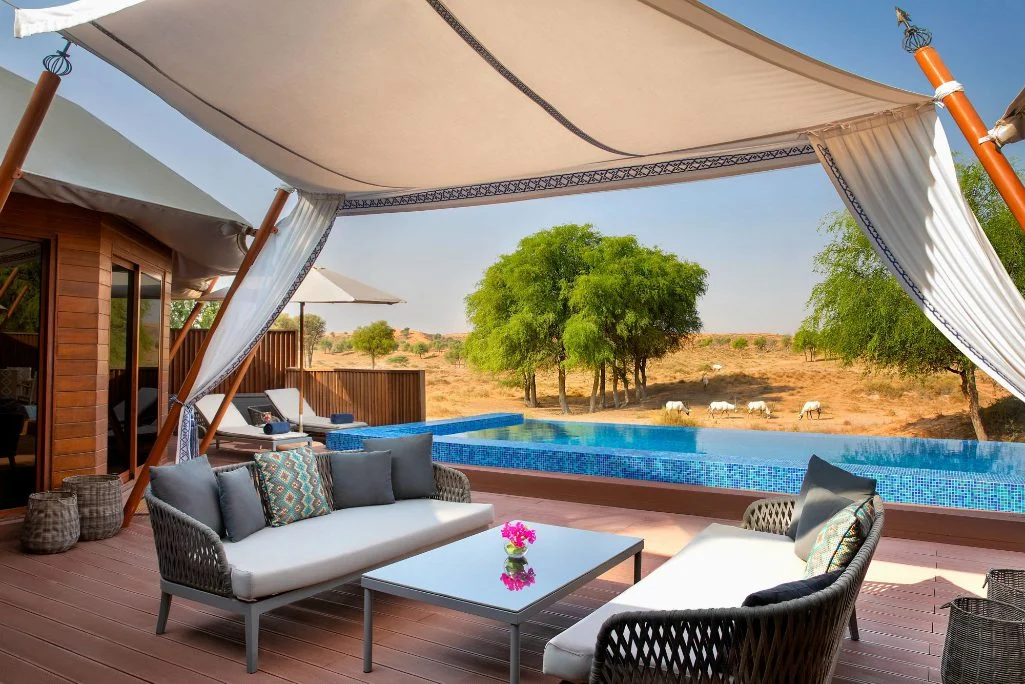
Ras Al Khaimah (RAK), the northernmost emirate of the United Arab Emirates, is undergoing a seismic transformation. Long regarded as a tranquil, value-driven alternative to the glitz of Dubai or the cultural aspirations of Abu Dhabi, the emirate is now executing an aggressive pivot toward the ultra-luxury tourism segment. By 2030, the Ras Al Khaimah Tourism Development Authority (RAKTDA) envisions a landscape dominated by high-end hospitality, marking a fundamental shift in the emirate’s economic and brand identity.
The Strategic Shift: From Value to Prestige
The core of this transformation lies in a dramatic restructuring of the emirate’s hotel inventory. Currently, the luxury five-star segment accounts for a relatively modest 13.3% of RAK’s total hotel supply. However, according to Phillipa Harrison, CEO of the RAKTDA, the goal is to flip this ratio entirely.
"By 2030, 80% of our keys are going to be premium," Harrison stated, signaling a clear mandate to move away from volume-based tourism toward a value-based model. This move is not merely about increasing room counts; it is about elevating the entire destination’s ecosystem to attract high-net-worth individuals, experiential travelers, and global luxury seekers.
The emirate is betting that its unique geography—a blend of pristine beaches, dramatic desert landscapes, and the rugged Hajar Mountains—provides a natural stage for luxury brands that require more than just urban convenience to differentiate themselves.
Chronology of Expansion: A Pipeline of World-Class Assets
The roadmap for this evolution is anchored by a series of high-profile openings that span the next several years. This phased approach ensures that the supply growth is calibrated to attract a more discerning demographic.
2024: Establishing the Foundation
The current year marks the debut of the 258-key Rotana Ras Al Khaimah — The Mangroves. This property represents the integration of eco-conscious luxury with the emirate’s natural environmental assets, setting the tone for a focus on sustainable, high-end retreats.
2025: The Rise of Mountain and Gaming Luxury
Next year is poised to be a watershed moment for RAK. The Saij Mountain Lodge by Mantis will introduce 70 keys on Jebel Jais, the UAE’s highest peak. This project is critical, as it transforms the mountain region from a day-trip destination into an overnight luxury experience. Concurrently, all eyes remain fixed on the progress of the Wynn Al Marjan Island. While the opening timeline has seen a slight adjustment, the anticipation surrounding this integrated resort—which will feature the UAE’s first legal casino—remains the centerpiece of the emirate’s tourism strategy.
2026 and Beyond: The Global Brand Wave
The years following will see a surge of international heavyweights planting their flags in Ras Al Khaimah. The pipeline includes a roster of prestigious names such as Nobu, Janu, Fairmont, W Hotels, The Unexpected, and Four Seasons. This influx serves as a validation of RAK’s new positioning; these brands do not enter markets that lack the infrastructure or the consumer demand to support premium price points.
Supporting Data: The Arithmetic of Growth
To achieve its 2030 vision, the RAKTDA has laid out an ambitious development schedule. The current capacity of the emirate stands at approximately 8,700 hotel rooms. The goal is to reach a total of 16,000 keys by the end of the decade.
The pipeline is robust, with 8,000 keys currently in various stages of development through 2030. The crown jewel of this pipeline is undoubtedly the Wynn Al Marjan Island. While the original target for the 1,530-key property was the first quarter of 2027, updated guidance now suggests a September 2027 opening. Despite this slight delay, the scale of the Wynn project remains the largest single addition to the emirate’s inventory, acting as the primary catalyst for international tourism interest.
Supply Chain and Infrastructure Metrics
- Current Inventory: ~8,700 keys.
- Target Inventory (2030): ~16,000 keys.
- Pipeline Growth: +8,000 keys.
- Luxury Shift: From 13.3% premium to 80% premium.
The data suggests that the emirate is not just building more rooms, but replacing or upgrading the existing stock to ensure that the "premium" label is backed by authentic service standards and architectural excellence.
Official Responses: Aligning Policy with Vision
The RAKTDA’s leadership has been vocal about the necessity of this shift. For years, Ras Al Khaimah thrived as a budget-friendly escape, but the Authority recognizes that long-term sustainability requires higher average daily rates (ADR) and a longer length of stay.
Phillipa Harrison and her team emphasize that this transition is not happening in a vacuum. It is supported by the UAE’s broader economic diversification strategy, "Vision 2031," which seeks to reduce reliance on hydrocarbons and bolster the tourism sector’s contribution to the national GDP.
By targeting the premium segment, RAK is intentionally positioning itself to capture a larger share of the "experience economy." The official narrative is one of "curated discovery"—encouraging visitors to explore the mountain trails and the coastline while staying in accommodations that meet the global standards of the luxury traveler.
Implications: What This Means for the Regional Market
The implications of Ras Al Khaimah’s pivot are profound, particularly for the competitive landscape of the Gulf Cooperation Council (GCC).
1. Competitive Differentiation
Ras Al Khaimah is effectively carving out a niche that distinguishes it from Dubai. While Dubai continues to be the regional hub for business and mass-market luxury, RAK is positioning itself as an "adventure-luxury" destination. The ability to market a Four Seasons or a Nobu within a mountain range or on a private island sets RAK apart as a destination for travelers seeking exclusivity rather than just the urban bustle.
2. Economic Impact
Moving toward a premium model has a direct effect on the emirate’s revenue-per-available-room (RevPAR). High-end hotels generally enjoy higher margins and attract a clientele that spends more on dining, retail, and excursions. This shift will likely stimulate the local economy, creating a demand for high-skilled service jobs and supporting ancillary businesses in the luxury retail and fine-dining sectors.
3. Sustainability and Real Estate
The transition to 80% premium inventory necessitates high-quality infrastructure. This includes improvements in transport links, airport capacity, and digital connectivity. Furthermore, the real estate market in RAK is already reflecting this change, with a surge in interest for luxury residential developments surrounding the new hotel clusters, particularly on Al Marjan Island.
4. Challenges Ahead
While the vision is clear, the path to 2030 is not without challenges. Maintaining high occupancy rates as the supply of luxury rooms nearly doubles will require consistent global marketing and a sustained effort to build RAK’s brand equity. Furthermore, the emirate must ensure that its luxury offerings remain culturally sensitive and environmentally responsible, particularly given the focus on mountain tourism and the delicate ecosystem of the mangroves.
Conclusion: A New Era for the Northern Emirates
Ras Al Khaimah is currently in the midst of a historic transformation. By prioritizing quality over quantity and aligning itself with the world’s most recognized luxury hospitality brands, the emirate is effectively rewriting its future.
The move to an 80% premium inventory is a bold, high-stakes gamble, but one that is backed by significant capital investment and a clear understanding of the evolving needs of the modern traveler. As the Wynn Al Marjan Island rises from the sand and the mountain lodges of Jebel Jais welcome their first guests, the world will be watching to see if RAK can successfully shed its "value" skin and emerge as the premier luxury destination of the Middle East.
The next five years will be defined by these construction milestones, but the decade to follow will be defined by how well the emirate integrates this new level of luxury into its social and economic fabric. For Ras Al Khaimah, the journey from the northern periphery to the center of the global luxury map has officially begun.
 Layla Zulfa
  Muslim
  Evan Lee Salim