

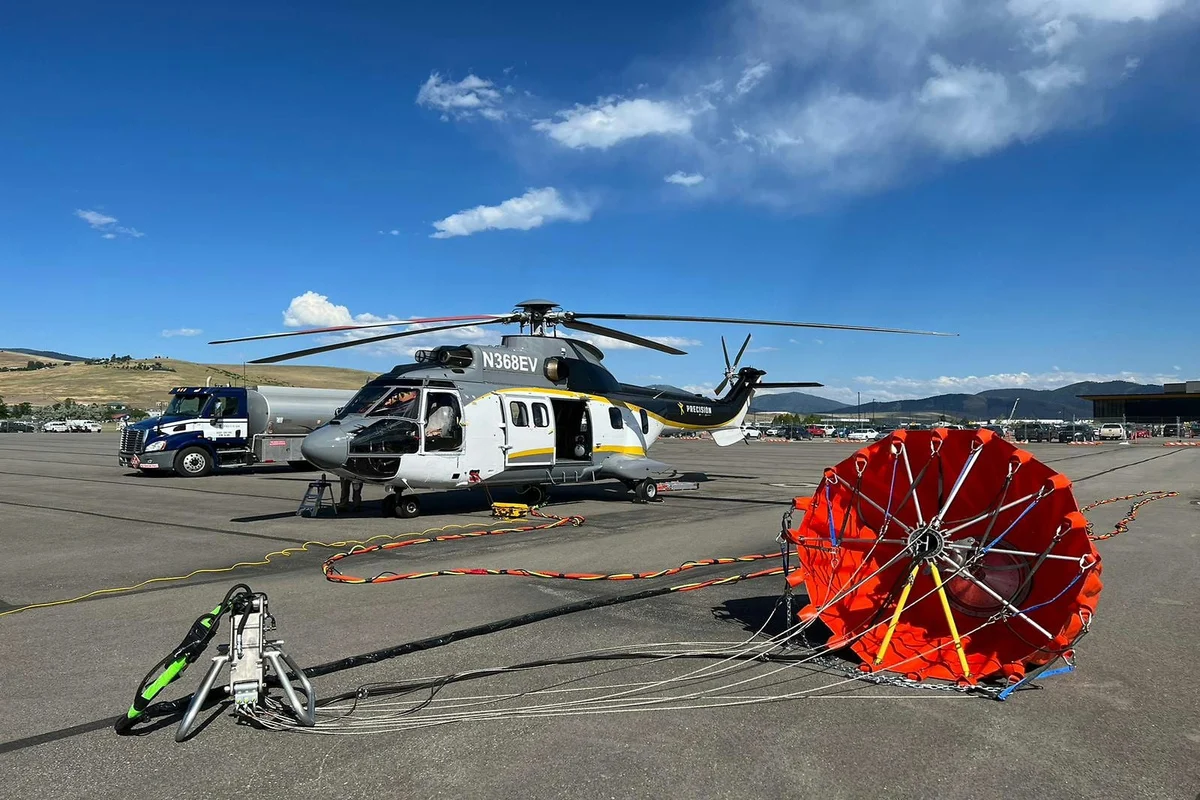
MARIPOSA, Calif. — The firefighting community is in mourning this week following the tragic loss of two crew members whose helicopter went down while engaged in aerial suppression efforts against the Dome Fire in Yosemite National Park. The crash, which occurred on the afternoon of September 20, 2026, has cast a somber shadow over the ongoing multi-agency response to a blaze that has already proven notoriously difficult to contain due to the park’s rugged and unforgiving wilderness.
Main Facts: A Fatal Mission
The accident involved a Eurocopter AS332 Super Puma, a heavy-lift utility helicopter frequently utilized in wildfire suppression for its ability to transport large volumes of water and personnel into inaccessible terrain. According to the Federal Aviation Administration (FAA), the aircraft went down at approximately 14:55 local time on September 20 near Ostrander Lake, a remote region within the boundaries of Yosemite.
Precision, the aerial firefighting operator contracted for the mission, confirmed late Sunday that two members of its flight crew were aboard the helicopter at the time of the crash. Both individuals were pronounced dead at the scene. As of the latest updates, the identities of the victims have been withheld, pending the notification of their next of kin.
The recovery operation, which commenced in the immediate aftermath of the crash, has been described by officials as "extraordinarily challenging." The combination of a high-altitude, mountainous environment and the active, unpredictable behavior of the Dome Fire has hampered ground crews attempting to reach the wreckage and secure the site for investigators.
Chronology of the Incident
The Dome Fire was first reported on September 15, originating north of the iconic Wawona Dome. By the time of the fatal crash on September 20, the fire had already grown into a complex suppression event, forcing the National Park Service (NPS) and CAL FIRE to rely heavily on aerial assets to combat the flames.
- September 15, 2026: The Dome Fire is detected. Initial suppression efforts begin; the blaze is localized but poses a significant threat to the wilderness character of the park.
- September 18, 2026: The National Park Service issues an update stating that the fire’s growth in steep, inaccessible terrain necessitates a surge in aerial support. Helicopters are deployed to shuttle ground crews into remote zones and conduct continuous water drops to support the construction of containment lines.
- September 20, 2026, 14:55: The Eurocopter AS332 Super Puma, operating under contract for the fire, goes down near Ostrander Lake. Emergency protocols are triggered immediately.
- September 21, 2026, Morning: CAL FIRE reports the fire has consumed 3,222 acres and is only 15% contained.
- September 21, 2026, Ongoing: Recovery teams navigate the fire-affected area to secure the crash site. The National Transportation Safety Board (NTSB) begins the preliminary stages of their investigation.
Supporting Data and Operational Context
The Dome Fire represents a classic example of the logistical nightmares inherent in California wildfire management. Because the fire ignited in an area characterized by massive granite formations, dense timber, and deep canyons, traditional firefighting tactics—such as the use of bulldozers or hand-crews trekking miles into the backcountry—are often insufficient.
According to data provided by the National Park Service, the reliance on aircraft like the Super Puma has been the primary factor in keeping the fire from encroaching on more sensitive areas. These aircraft serve two critical functions:
- Transport: Moving specialized "hotshot" crews into the wilderness to carve out firebreaks.
- Suppression: Delivering precise, heavy-duty water drops to cool hotspots and prevent the fire from jumping established containment lines.
The terrain around Ostrander Lake, where the crash occurred, is notoriously difficult for pilots. Erratic winds, which are common in Yosemite’s high-country canyons, combined with the "smoke ceiling" that reduces visibility, create a hazardous flight environment. While the investigation will eventually determine the cause, aviation safety experts note that the nature of "bucket work"—flying low, hovering over water sources, and maneuvering in tight, smoke-filled corridors—places maximum stress on both the pilot and the airframe.
Official Responses and Mourning
The aviation and firefighting industries have responded to the tragedy with profound grief. David Rath, CEO of Precision, issued a brief but poignant statement on Sunday evening:
"We are devastated by the loss of our colleagues. Our primary focus is currently on supporting the families of the victims and assisting the authorities in their investigation. We request that the public and the media respect the privacy of the families and our employees during this incredibly difficult time."
The National Park Service, which maintains jurisdiction over the Dome Fire, expressed its condolences to the families of the fallen crew members. "These individuals were working alongside us to protect our national heritage," a spokesperson stated. "The risks taken by our aerial crews are immense, and the debt we owe them is immeasurable."
The NTSB has officially assumed the role of lead investigating agency, with the FAA providing technical assistance. Because the crash site is located within an active wildfire zone, the NTSB’s "Go Team" faces a unique set of obstacles. Investigators must coordinate their movements with fire incident commanders to ensure that their work does not place them in the path of the fire or interfere with ongoing suppression efforts.
Implications for Future Wildfire Operations
The crash serves as a stark reminder of the hidden costs of modern fire suppression. As climate change continues to produce larger, more intense wildfires in the American West, agencies are increasingly pushing their aerial assets to the limit.
Heightened Safety Scrutiny
Industry analysts suggest that this incident will likely trigger a comprehensive review of aerial firefighting protocols, particularly regarding the use of heavy-lift helicopters in high-smoke, high-altitude environments. Questions are already being raised about whether the current tempo of operations—driven by the urgency of protecting public lands—is sustainable without risking the lives of the pilots and aircrews who are often the last line of defense.
The Role of Technology
There is a growing movement within the firefighting community to integrate more autonomous or remote-sensing technology to minimize the human presence in the most dangerous phases of fire suppression. While drones and advanced mapping have become standard, the "boots-on-the-ground" and "rotors-in-the-air" approach remains the backbone of the NPS and CAL FIRE strategy. This tragedy will likely accelerate debates regarding the necessity of risking human lives to save remote acreage versus adopting a "managed wildfire" strategy in areas where human safety cannot be guaranteed.
Mental Health and Resilience
The firefighting community, already strained by a long and arduous fire season, now faces the psychological burden of mourning their own. Counseling and peer-support programs have been mobilized for the teams working on the Dome Fire. The emotional toll of the incident is expected to reverberate through the regional firefighting community for months, as investigators work to piece together the final moments of the Super Puma’s flight.
Moving Forward
As of the latest reports, the Dome Fire continues to burn. Despite the tragic loss of the aircraft and its crew, the containment effort remains active. Ground crews continue to labor in the shadow of the Wawona Dome, fueled by the memory of the two individuals who gave their lives in service to the park.
For the families, the wait for answers will be long. For the investigators, the task is to ensure that this tragedy—or one like it—is not repeated. For the public, the crash serves as a somber testament to the reality that in the battle against nature’s most destructive forces, the price of protection is sometimes paid in the highest currency.
The NTSB expects to issue a preliminary report on the crash within the next 30 days, though a final determination of the cause could take upwards of a year. Until then, the skies over Yosemite remain a place of both essential utility and immense, unforgiving danger.
 Layla Zulfa