

As the global travel industry pivots toward more conscious, sustainable models of exploration, the ancient city of Tokat, Turkey, is positioning itself as a beacon of ecological stewardship. From July 27 to 31, 2021, this archaeologically profound and naturally diverse destination will welcome international experts, policymakers, and environmental advocates for the 16th Ecotourism and Sustainable Tourism Conference (ESTC), organized by The International Ecotourism Society (TIES).
A Confluence of Civilizations and Climate
Tokat is not merely a geographic location; it is a living timeline. Nestled between the lush, humid climate of the Black Sea and the arid, continental expanse of the Anatolian plateau, the city acts as a vital bridge between two distinct worlds. This unique transitional climate has been the silent engine behind its long history. Over the past 1,500 years—with roots stretching back to the 5th century—Tokat has served as a crossroads for 14 distinct civilizations.
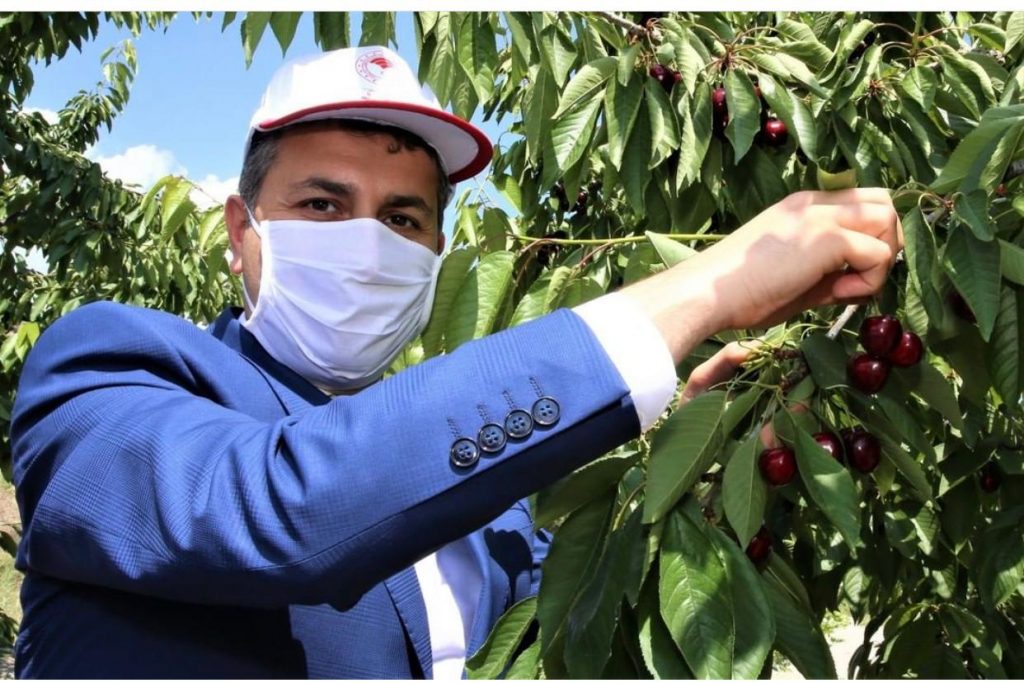
The city’s topography, characterized by elevated plateaus and fertile valleys, has fostered a remarkable ecological diversity that continues to support a thriving agricultural economy. This rich soil is the bedrock of Tokat’s identity, providing the raw ingredients for its world-renowned gastronomy. Today, the city boasts over 82 varieties of cereals, vegetables, and fruits, creating a culinary landscape that is as sustainable as it is delicious. From the celebrated Tokat Kebab—a masterpiece of regional slow-cooking—to indigenous products like local molasses, walnuts, and sun-dried grape leaves, the city’s food culture is an integral part of its appeal to the modern ecotourist.
Visionary Leadership: The Architect of Modern Tokat
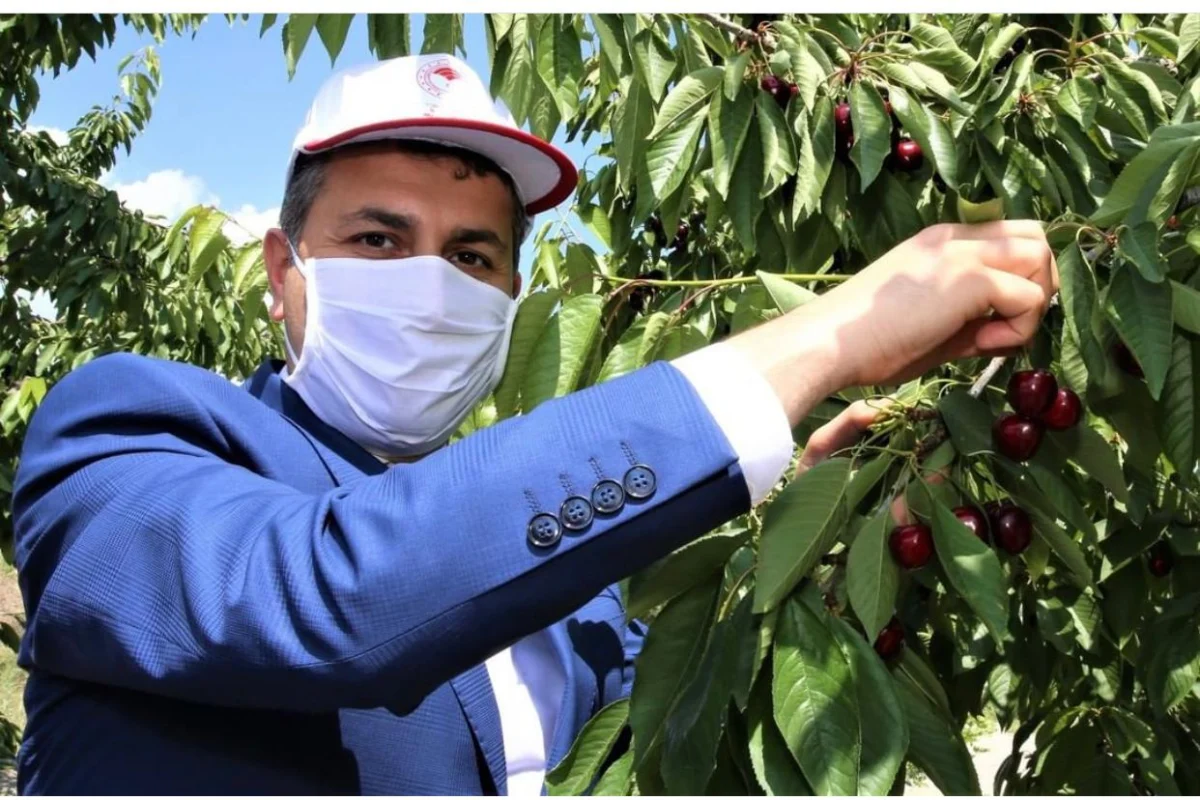
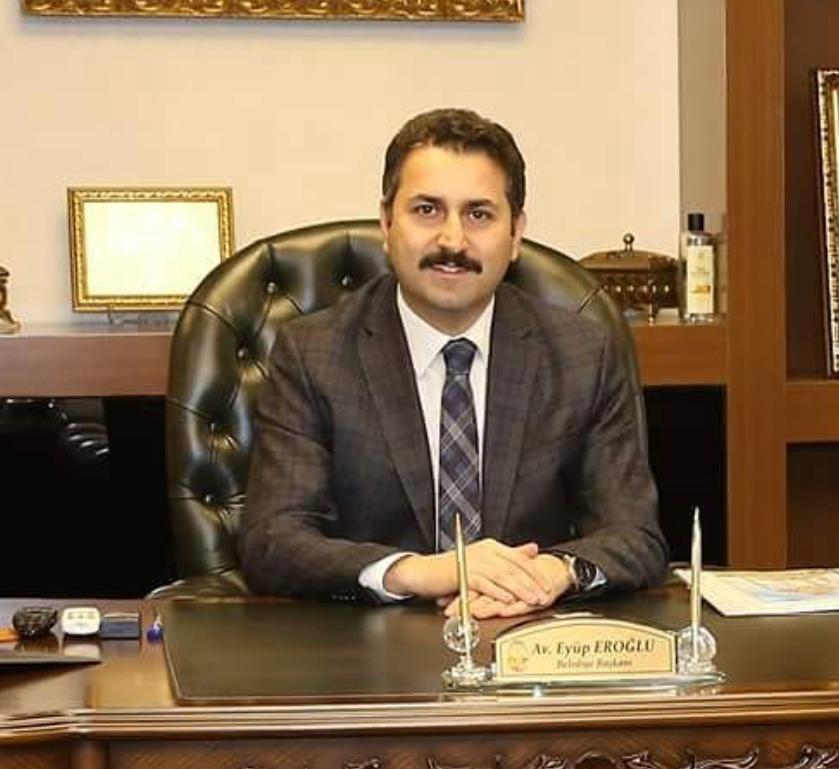
At the helm of this transition is Mayor Eyüp Eroğlu. As one of Turkey’s youngest and most proactive political figures, Mayor Eroğlu has garnered a reputation for blending traditional Anatolian values with progressive urban development strategies. His tenure has been defined by a concerted effort to place Tokat on the international map not just as a historical site, but as a model for sustainable growth.
In a recent interview regarding the upcoming TIES conference, Mayor Eroğlu emphasized that the choice of Tokat was no accident. “Along with Tokat’s friendly local people and their welcoming outlook, the Tokat Municipality will make every effort to develop our city’s tourism to be represented in the international arena, and we will accomplish this in a sustainable way,” he stated.
The Mayor’s philosophy is clear: economic development must not come at the expense of environmental or cultural integrity. By leveraging the city’s historic landmarks—most notably the formidable Tokat Castle, which has stood as a sentinel over the valley for centuries—the municipality aims to provide visitors with an immersive experience that respects both the environment and the local community.
Chronology of an Ecotourism Hub
The evolution of Tokat into a premier ecotourism destination has been a systematic process, marked by several key developments:
- 5th Century Foundations: The establishment of early settlements in the region provided the architectural and cultural baseline for the city.
- Historical Preservation Initiatives: Over the last decade, the local municipality began prioritizing the restoration of Ottoman-era buildings and the protection of the Tokat Castle, ensuring the physical history remained intact for future generations.
- Agricultural Standardization: Recognizing the economic potential of their biodiversity, local authorities worked to certify and promote the 82 unique varieties of regional crops, linking agriculture directly to tourism.
- The TIES Partnership (2020-2021): Negotiations between the Tokat Municipality and The International Ecotourism Society (TIES) solidified the city’s status as the host for the 16th ESTC, signaling international recognition of their sustainability efforts.
- Conference Integration (July 2021): The hosting of the 16th ESTC represents the culmination of these efforts, transforming the city into a global classroom for sustainable tourism practices.
Supporting Data: Why Tokat?
The decision to host the conference in Tokat is supported by both qualitative and quantitative data. In terms of sustainability, Tokat has demonstrated an ability to maintain high agricultural yields through traditional methods that minimize synthetic chemical usage. This "passive sustainability" is increasingly sought after by the global tourism market.
Furthermore, the city’s logistical infrastructure has been modernized to accommodate international travelers while maintaining a low carbon footprint. The integration of local farmers into the tourism value chain ensures that the "economic leakage" typically associated with international travel is minimized. When a visitor consumes a meal in Tokat, the capital stays within the local ecosystem, supporting the very people who preserve the land.
Official Responses and Safety Protocols
The COVID-19 pandemic introduced unprecedented challenges to international conferencing. However, Mayor Eroğlu has been vocal about the strict, multi-layered protocols in place to ensure the safety of both delegates and the local populace. "I am impressed with the care TIES has taken to ensure the safety of ecotravelers and the community of Tokat," the Mayor noted, highlighting the collaborative nature of the planning process.
The Municipality has worked closely with health authorities to ensure that venues, transportation, and accommodation facilities meet the highest standards of hygiene without compromising the authentic, open-air experience that defines the region.
Implications for the Future of Global Tourism
The 16th ESTC is expected to have far-reaching implications for the region and the broader industry. By choosing Tokat, TIES is making a statement: the future of tourism lies in "secondary" cities—destinations that are rich in heritage and ecological value but have not yet been overwhelmed by mass tourism.
Impact on Local Economy
The conference will provide a platform for local artisans, farmers, and hospitality providers to showcase their offerings to a global audience. This exposure is anticipated to create long-term partnerships, opening new export channels for Tokat’s agricultural products and encouraging a steady, sustainable flow of niche tourists interested in culture and nature.
Influence on Regional Policy
The success of this conference will likely influence other Anatolian cities to adopt similar sustainability frameworks. If Tokat can successfully host an international conference while preserving its core identity, it provides a blueprint for other regions to emulate. It proves that development is not synonymous with modernization, but rather with the preservation of one’s unique, historic, and natural assets.
Strengthening the Ecotourism Network
For attendees, the implications are equally significant. The conference serves as a vital networking event, allowing professionals to share best practices in waste management, renewable energy in hospitality, and community-led conservation efforts. Tokat will serve as a living laboratory where these theories can be tested against reality.
A Call to the Global Traveler
As the dates approach, the excitement in Tokat is palpable. The local community, known for its warm Anatolian hospitality, is preparing to open its doors to the world. Mayor Eroğlu’s invitation is heartfelt: “We hope to have the opportunity to show the world our cultural legacy and conference hospitality. We are sure that ecotourists and travelers will collect many unforgettable memories in Tokat, and witness our true Anatolian heritage.”
The International Ecotourism Society encourages all interested delegates, researchers, and travel professionals to finalize their registrations. This conference is more than a gathering; it is an invitation to engage with a city that has thrived for centuries by living in balance with its environment.
In a world increasingly looking for authentic connections and sustainable solutions, Tokat offers both. It is a place where the shadow of the ancient castle meets the forward-looking vision of a new generation, providing the perfect backdrop for the most important conversation in modern tourism. Those wishing to participate in this landmark event can register through the official TIES portal.
 rifanmuazin
  Siti Muinah