


Home to approximately 3.5 million residents, Madrid stands as the vibrant, pulsating heart of Spain. As the nation’s capital and its largest metropolis, the city is a sprawling tapestry of architectural grandeur, culinary excellence, and a legendary nightlife that defies the constraints of a standard clock. With over 10 million visitors flocking to its plazas and galleries annually, Madrid has firmly cemented its status as one of Europe’s premier cultural capitals.
Yet, for the uninitiated, the city’s sheer scale can be daunting. Madrid operates on a distinct rhythm; it is a city for the night owl, where the pace is intentionally slow, meals are savored over hours, and social life truly begins only after the sun has dipped below the horizon. To experience the authentic "Madrileño" spirit, one must surrender to this tempo. Whether you are a connoisseur of fine art or a budget-conscious traveler seeking hidden gems, this five-day itinerary provides a roadmap to navigating the city’s complexities.
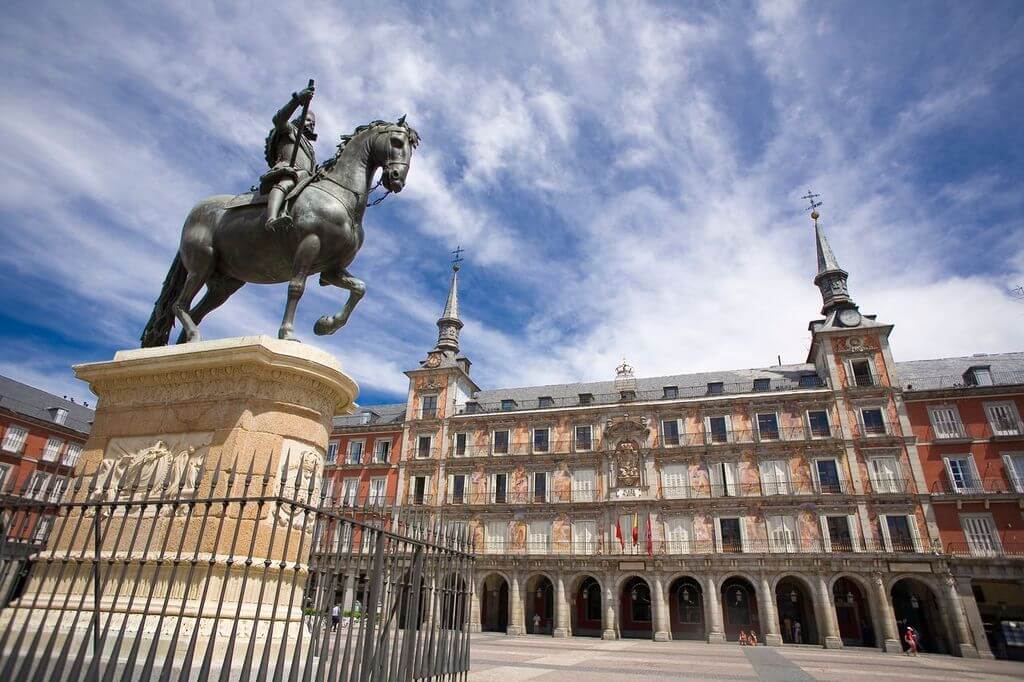
The Cultural Landscape: Why Madrid Captivates
The allure of Madrid lies in its contradictions: it is a city of historic austerity and modern exuberance. It boasts world-class museums that rival those of Paris or London, yet maintains a neighborhood-centric intimacy in districts like La Latina and Malasaña.
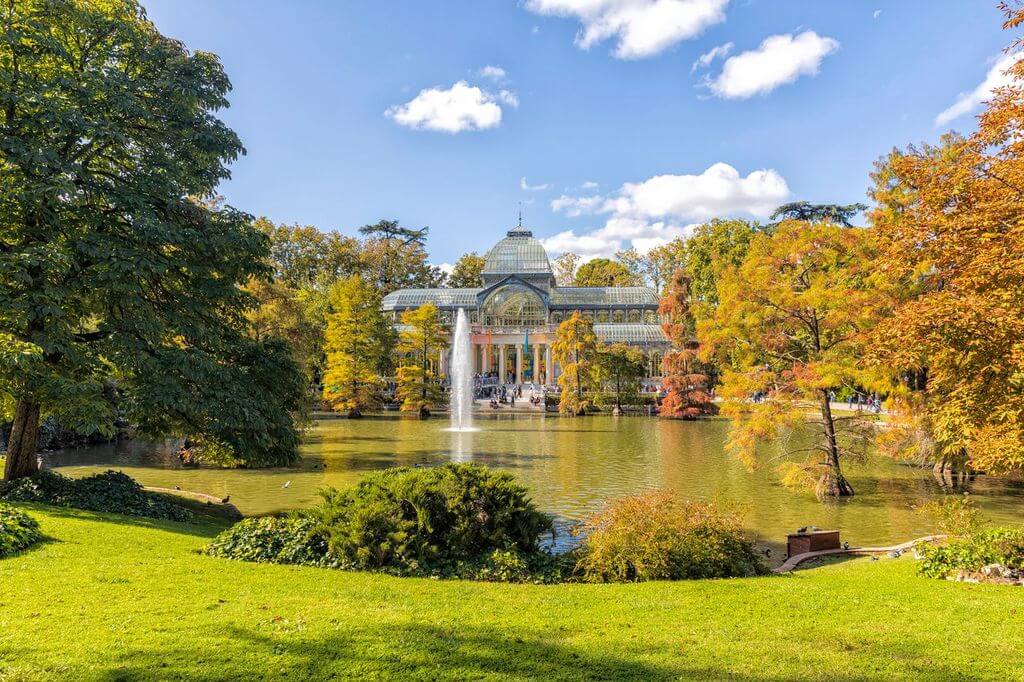
The city’s infrastructure is designed to facilitate both discovery and leisure. From the UNESCO-recognized "Landscape of Light"—a sophisticated urban corridor linking the Paseo del Prado to the sprawling El Retiro Park—to the quiet, sun-drenched courtyards of 17th-century palaces, Madrid offers a sensory experience that is as intellectual as it is visceral.
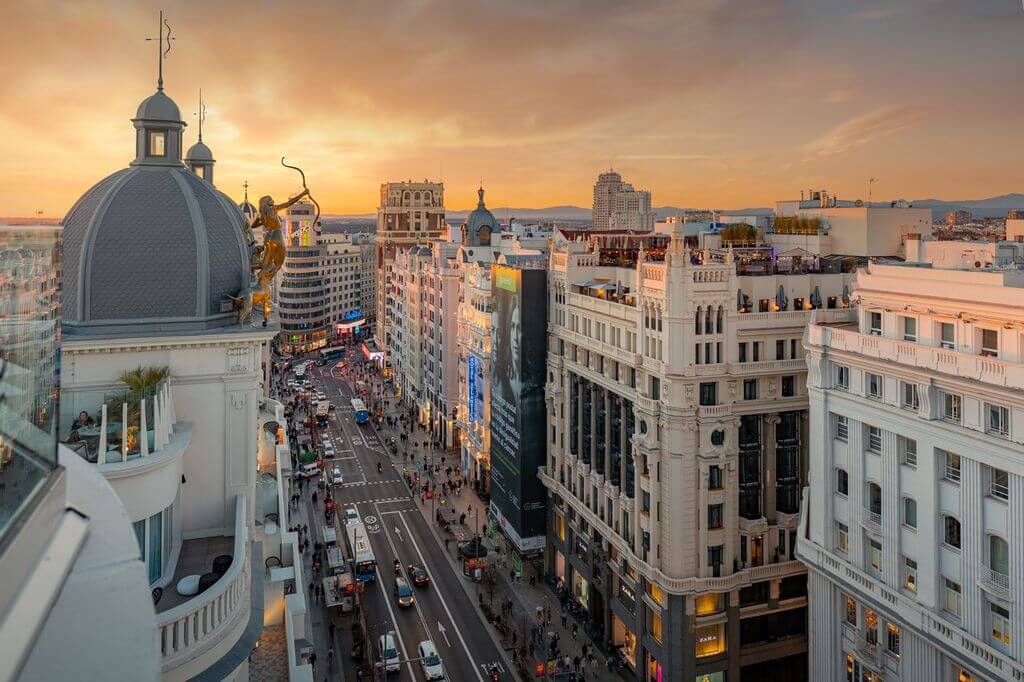
Chronology: A Five-Day Journey Through the Capital
Day 1: Immersion in the Golden Triangle of Art
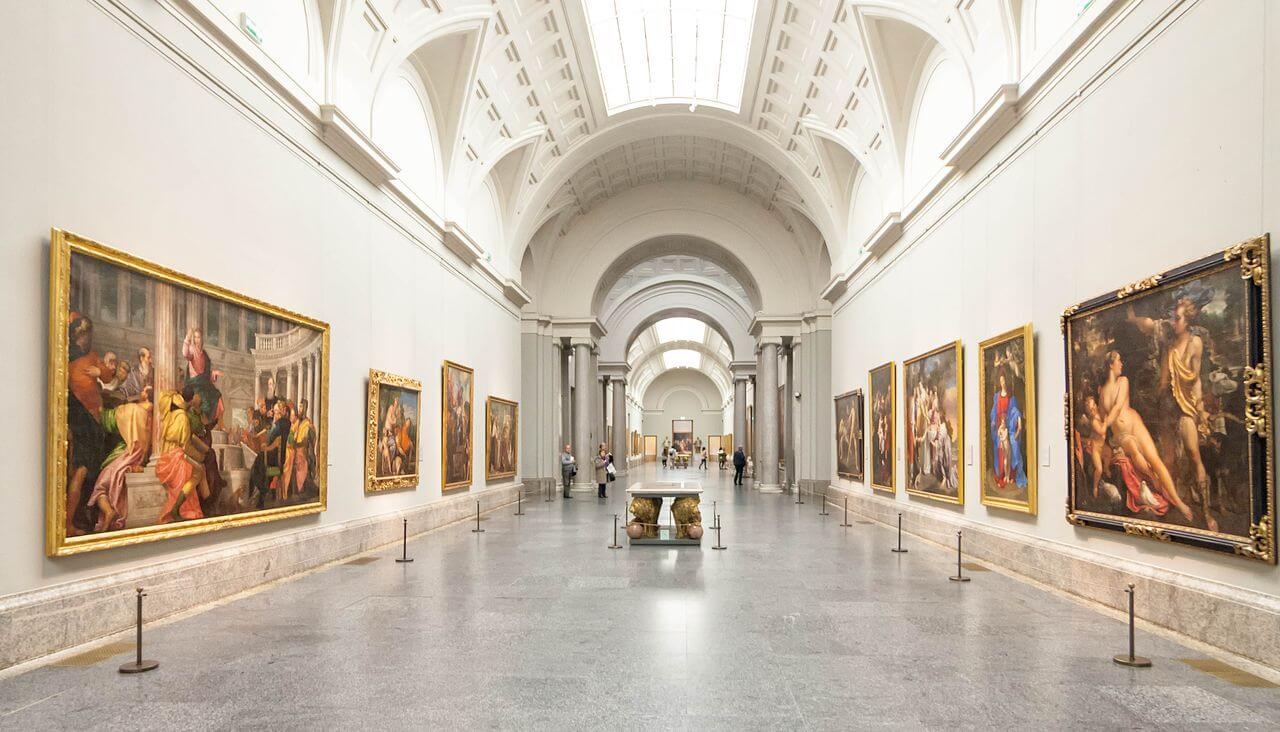
The inaugural day centers on the UNESCO World Heritage "Art Walk." Start at the Prado Museum, a repository of European art history. Featuring masterpieces by El Greco, Velázquez, and Goya, the collection is gargantuan. Dedicate at least three hours to the primary galleries to grasp the sheer scope of the Spanish masters.
Proceeding along the Paseo del Prado, stop at the Thyssen-Bornemisza Museum, which provides a bridge between the Renaissance and modern pop art, before culminating at the Reina Sofía Museum. The latter is home to Pablo Picasso’s Guernica, a haunting anti-war statement that serves as the cornerstone of the collection. Conclude the day by exploring the "House Museums," such as the Sorolla Museum, which captures the intimate, light-filled life of the "painter of light."
Day 2: The Grandeur of Habsburg Madrid
Delve into the medieval and Renaissance history of the city, known as Madrid de los Austrias. Begin at Puerta del Sol, the geographic heart of Spain, marked by the "Kilometer Zero" plaque and the iconic Bear and the Strawberry Tree statue.
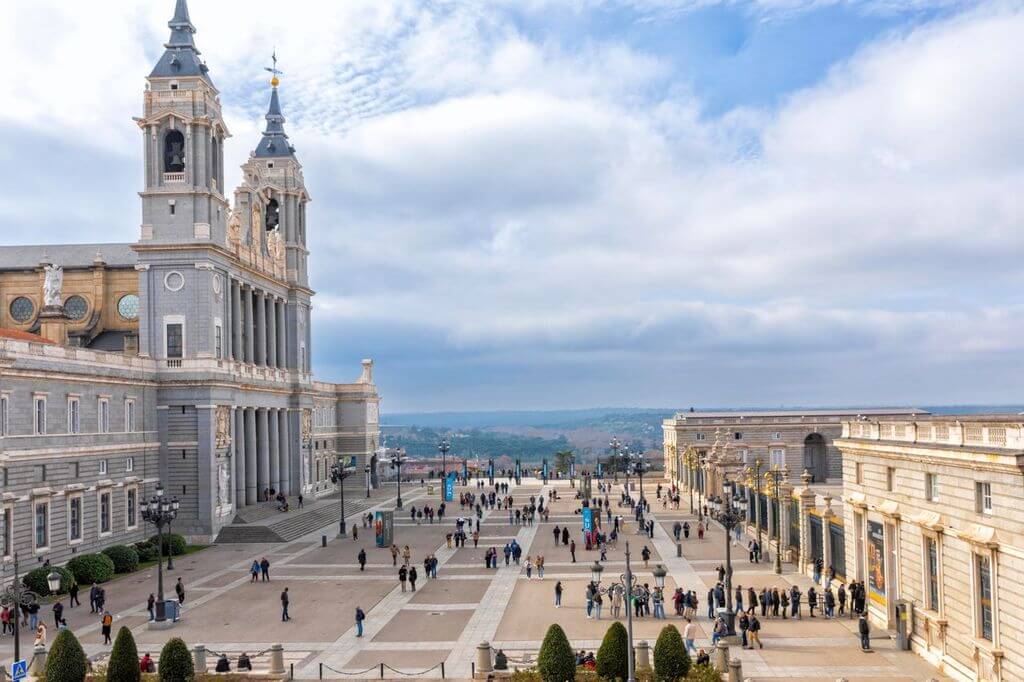
Transition to Plaza Mayor, a former stage for bullfights and royal executions, now a bustling center for social interaction. After a traditional calamari sandwich—a quintessential local snack—visit the Royal Palace of Madrid. With over 3,400 rooms, this Baroque masterpiece showcases the opulence of the Spanish monarchy. End your afternoon at the Almudena Cathedral, where the Neo-Romanesque crypt offers a quiet contrast to the architectural density of the city center.
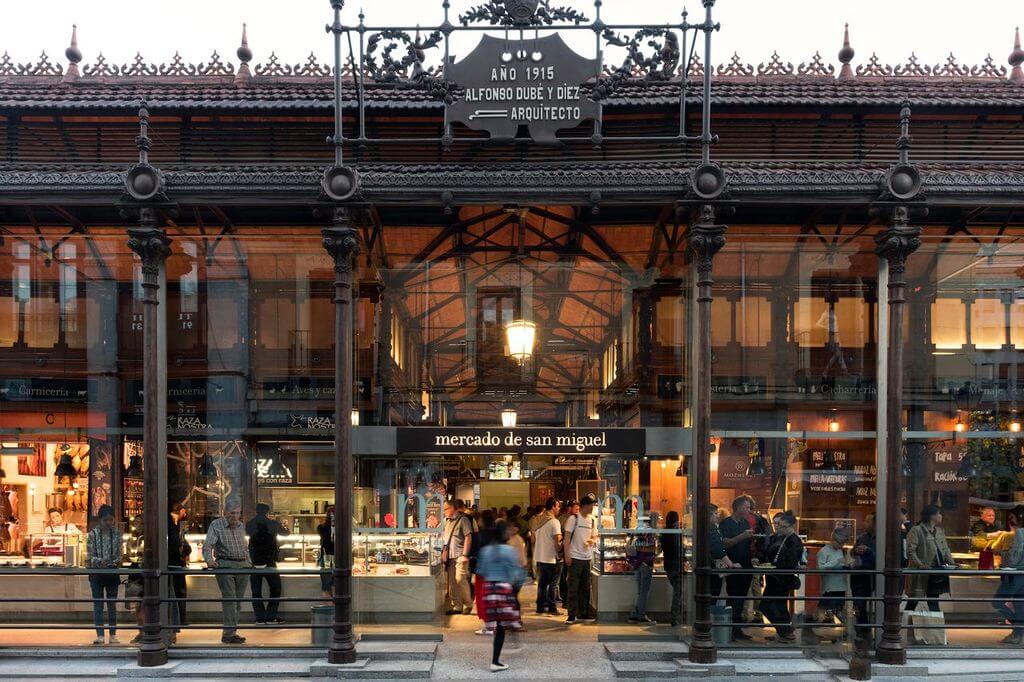
Day 3: A Culinary Odyssey
Madrid is arguably one of the most exciting food destinations in the world. Eschew the tourist traps and head to the city’s traditional markets. The Mercado de San Miguel is the gold standard for gourmet tapas, while the Mercado de Vallehermoso offers a more authentic, local experience.
For dinner, consider the history-steeped Sobrino de Botín, recognized as the oldest restaurant in the world. As night falls, explore the rooftop culture along the Gran Vía. Bars like the RIU 360° offer breathtaking views, providing the perfect vantage point to observe the city’s transition into its famous nocturnal phase.
Day 4: Beyond the City Limits
Recognizing that Madrid is a hub for historical exploration, dedicate your fourth day to UNESCO-listed day trips. The Monastery of San Lorenzo de El Escorial offers an austere, imperial perspective on the 16th century. Alternatively, the Royal Palace and Gardens of Aranjuez provide a lush, Versailles-like experience, while Alcalá de Henares offers a window into the Spanish Golden Age and the birthplace of Miguel de Cervantes.
Day 5: Off-the-Beaten-Path Treasures
Spend your final day uncovering the city’s quietest secrets. The Monastery of Las Descalzas Reales and the Royal Monastery of La Encarnación are hidden palaces housing exquisite religious art and royal relics. Finally, retreat to the Casa de Campo, the city’s largest public park. With 17 square kilometers of greenery and an artificial lake, it serves as the ultimate "lung" of the city, offering a peaceful space to reflect on your journey while overlooking the Royal Palace from across the water.
Supporting Data and Travel Logistics
To ensure a seamless visit, consider these logistical pillars:
- Budgeting: Madrid remains one of the most affordable Western European capitals. Utilize local markets for lunches and take advantage of the free entry hours at the Prado and Reina Sofía museums (usually in the late afternoon/early evening).
- Connectivity: Skyscanner is recommended for flight comparisons, while platforms like Hostelworld and Booking.com remain the most reliable for securing accommodation across varying price points.
- Insurance: Given the city’s popularity, petty theft can occur in crowded areas. Travel insurance is highly recommended to protect against cancellations, health emergencies, and theft.
Official Perspectives and Cultural Implications
The local government of Madrid, through initiatives like the "Paisaje de la Luz" UNESCO designation, has actively sought to preserve the city’s cultural heritage while managing the pressures of over-tourism. By promoting "slow tourism"—encouraging visitors to stay longer and explore beyond the central hubs—the city aims to sustain its traditional businesses and neighborhoods.
The growth of the vegan and vegetarian scene in areas like Malasaña is a testament to Madrid’s ability to evolve. While rooted in tradition, the city is increasingly aligning itself with modern, sustainable, and diverse culinary standards, proving that its "cool" factor is not merely a product of its past, but a reflection of its forward-thinking population.
Final Reflections
Madrid is a city that rewards patience. It does not reveal itself in a single weekend or a whirlwind tour of landmarks. It reveals itself in the quiet clink of glasses at a taberna at 11:00 PM, in the golden light filtering through the gardens of the Sorolla Museum, and in the sheer tenacity of its history. Whether you are walking the hallowed halls of the Prado or wandering the sprawling paths of the Casa de Campo, Madrid invites you to step out of your routine and into the rhythm of one of Europe’s most magnetic, historic, and vibrant capitals.
 Lina Hope
  Jia Lissa
  Ammar Sabilarrohman