

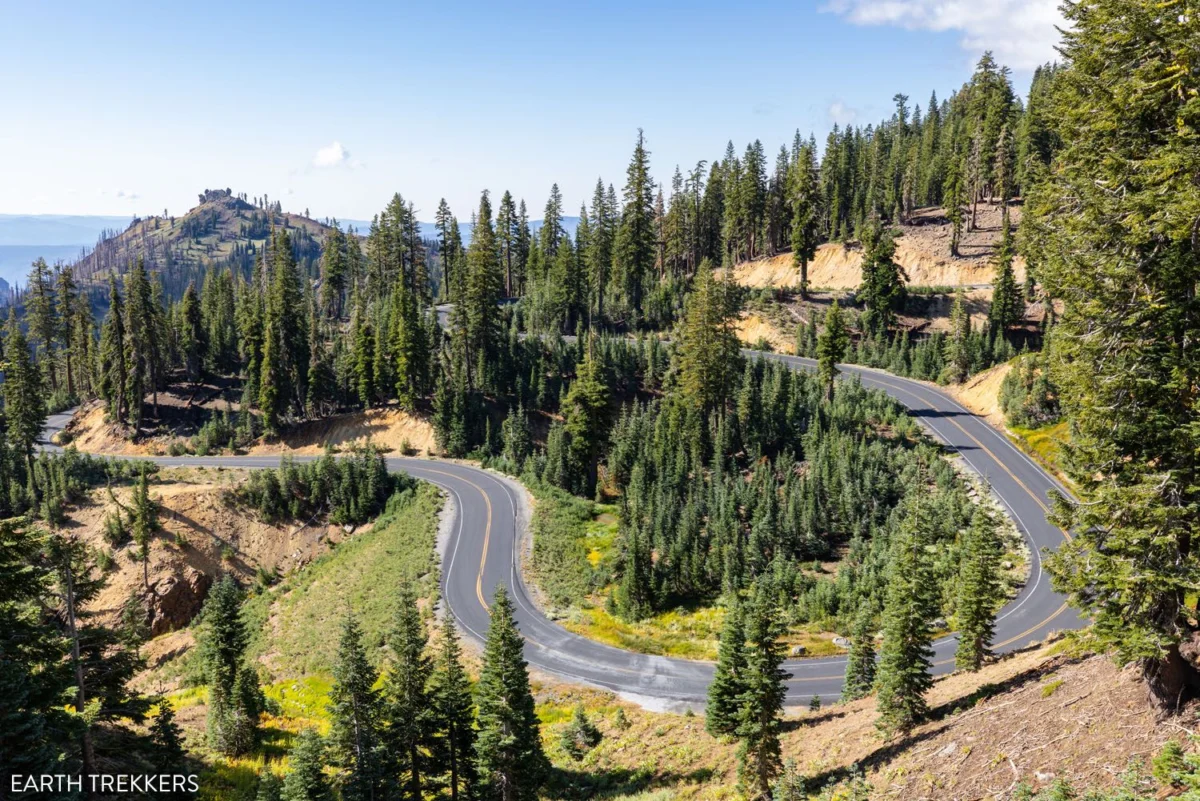
Lassen Volcanic National Park, often overshadowed by the high-profile giants of the Sierra Nevada, remains one of the American West’s best-kept secrets. Ranking as the 53rd park in the National Park system, it offers a dramatic, geologically volatile landscape that feels remarkably intimate compared to the bustling corridors of Yosemite. For the first-time visitor, a two-day itinerary provides the perfect window to experience the park’s primary geological spectacles while leaving just enough space to venture into its wild, remote corners.
Understanding the Landscape: A Geography Primer
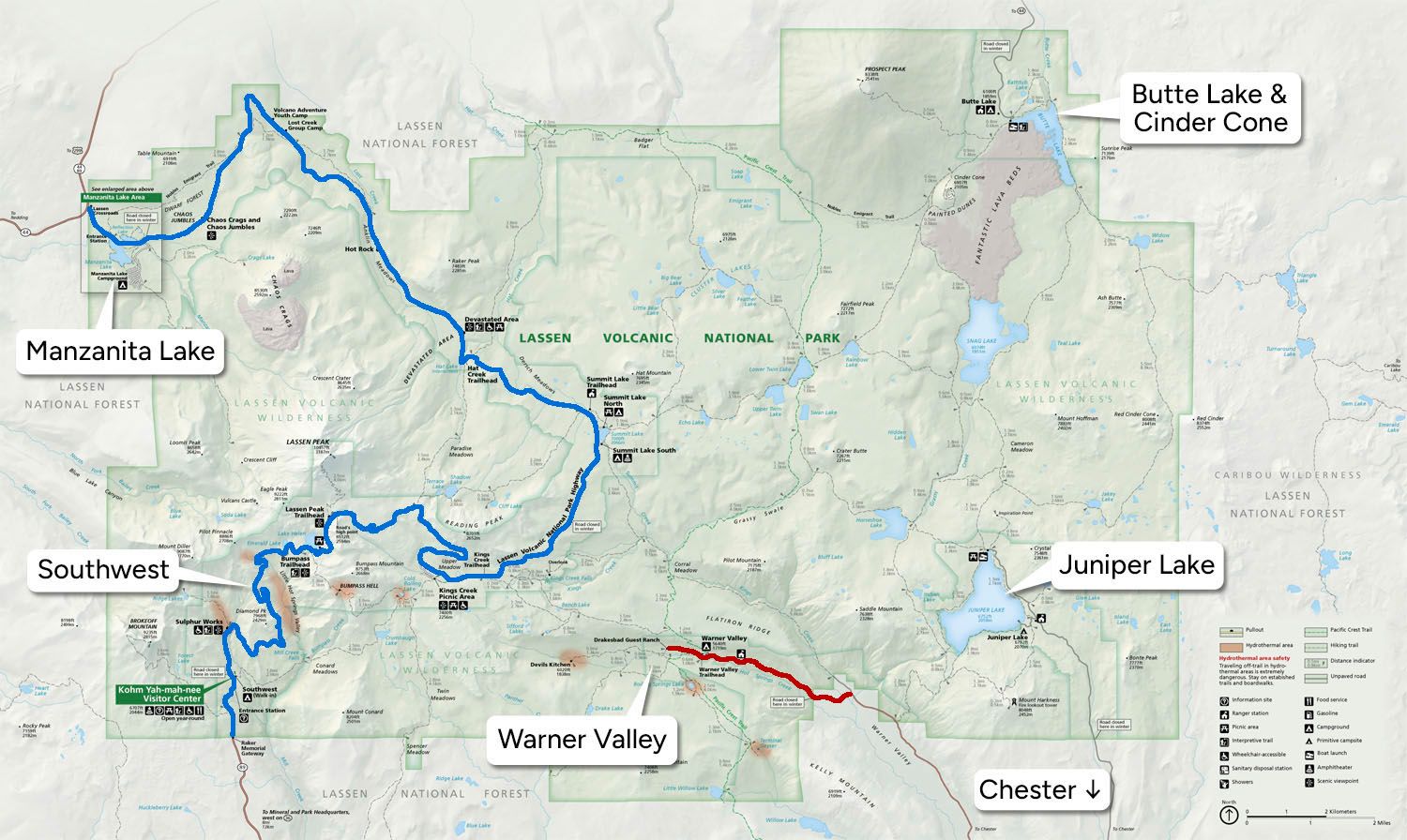
Lassen Volcanic is not a singular, easily traversed route; it is a sprawling, fragmented landscape divided into five distinct regions. Most visitors center their journey along Highway 89, the park’s scenic corridor. This road serves as the gateway to the "Southwest" and "Manzanita and Summit Lakes" regions, where the iconic hydrothermal wonders—such as the bubbling mud pots of Bumpass Hell and the mirror-like stillness of Manzanita Lake—are found.
However, the park’s true wild character is found in the periphery. The Warner Valley in the south, Juniper Lake in the southeast, and the Butte Lake area in the northeast represent isolated pockets of the park. Crucially, these regions are not directly connected by a single through-road; traveling between them requires significant drive time outside the park boundaries. When planning your visit, recognize that the "map distance" is rarely indicative of the actual time required to navigate these rugged volcanic zones.
Day 1: The Main Corridor and Hydrothermal Wonders
The primary objective of your first day is to traverse the 30-mile stretch of Highway 89. This road is a masterclass in volcanic topography, passing through scorched forests, active steam vents, and alpine basins.
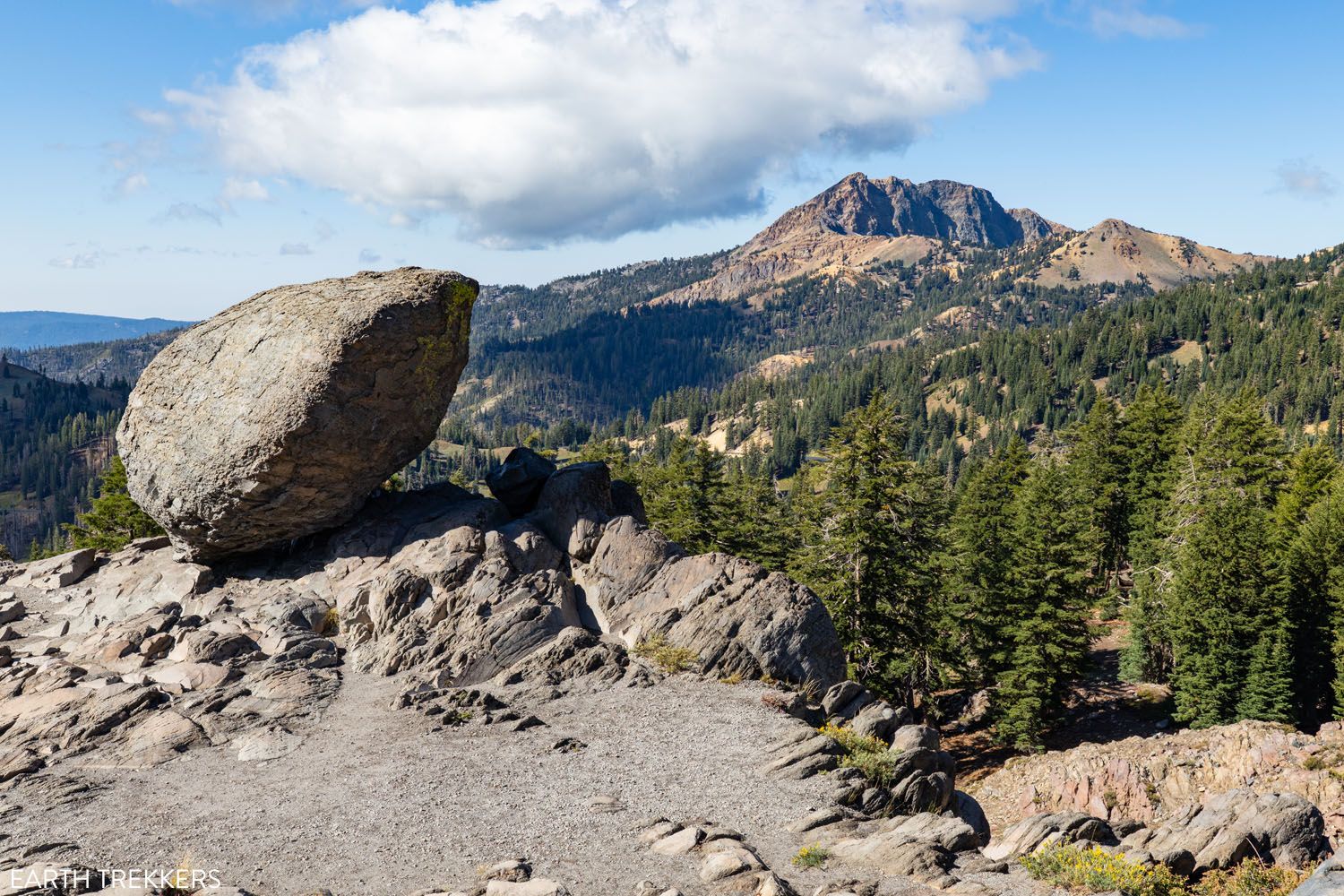
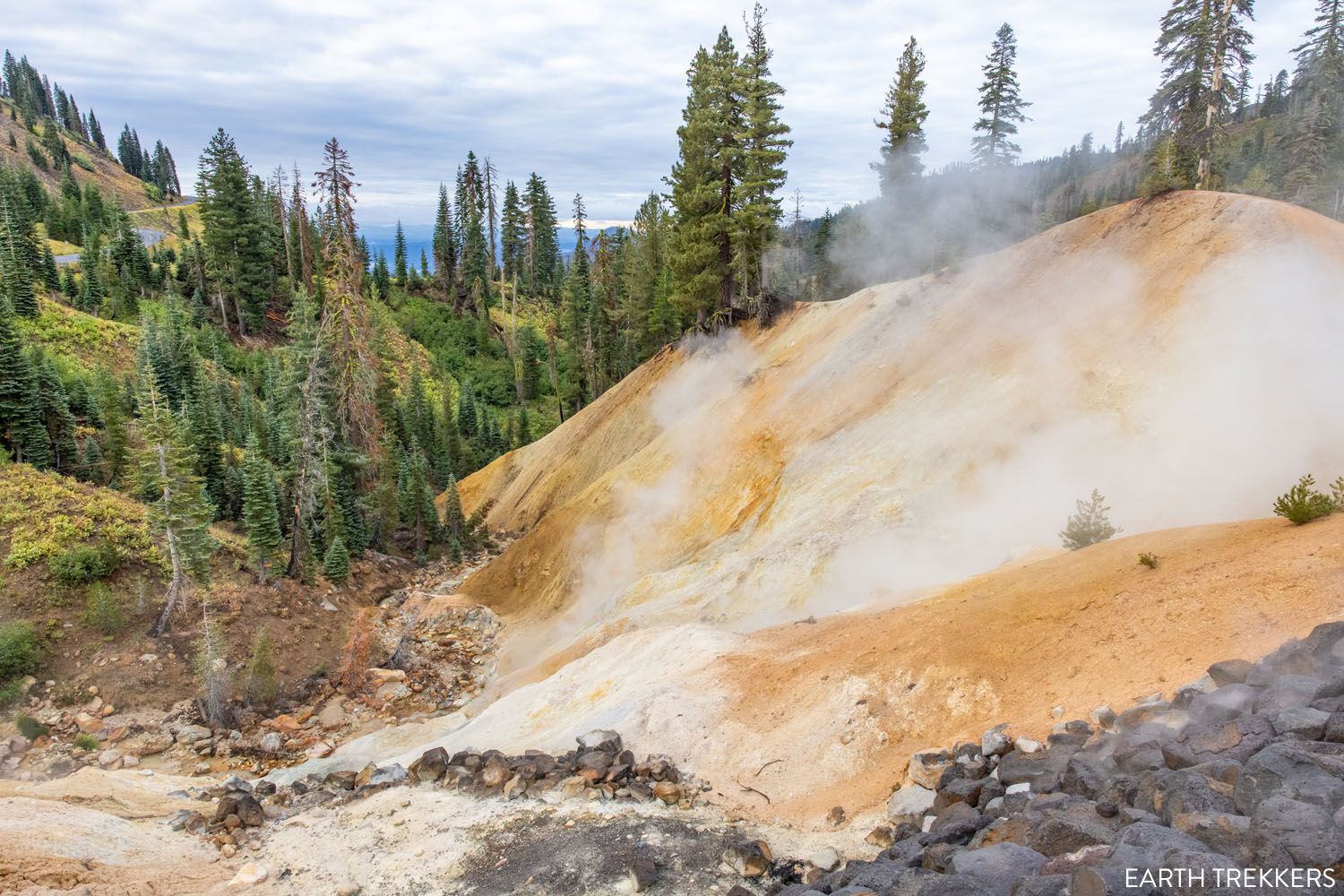
8:00 AM: Arrival and the Sulphur Works
Entry via the Southwest entrance sets a brisk pace. Within a mile, you encounter the Sulphur Works, a vivid introduction to the park’s subterranean power. Here, the scent of sulfur—often described as "rotten eggs"—is a constant reminder of the active geothermal systems beneath the surface. It is a compact, accessible area perfect for a quick, sensory-heavy start to the day.
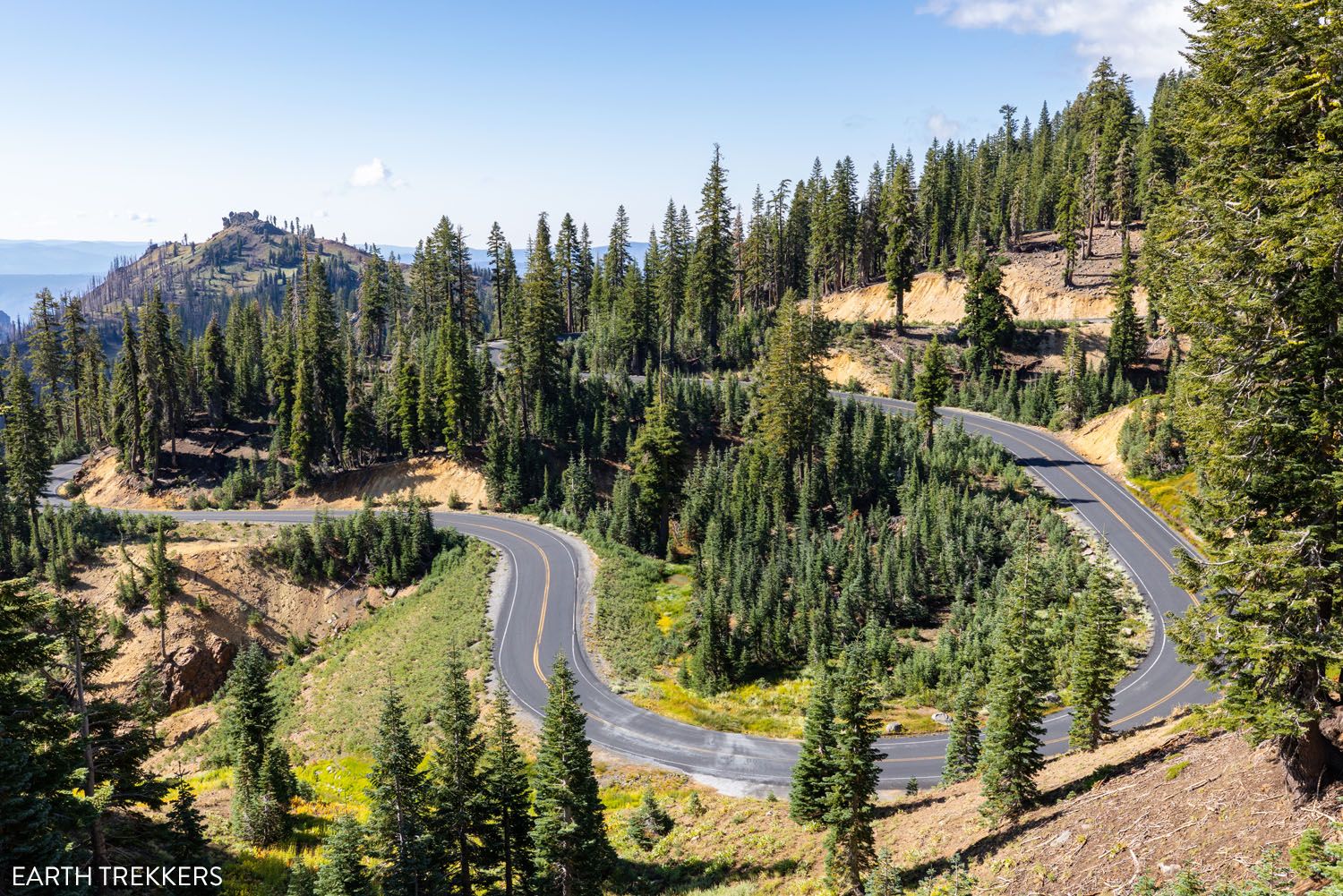
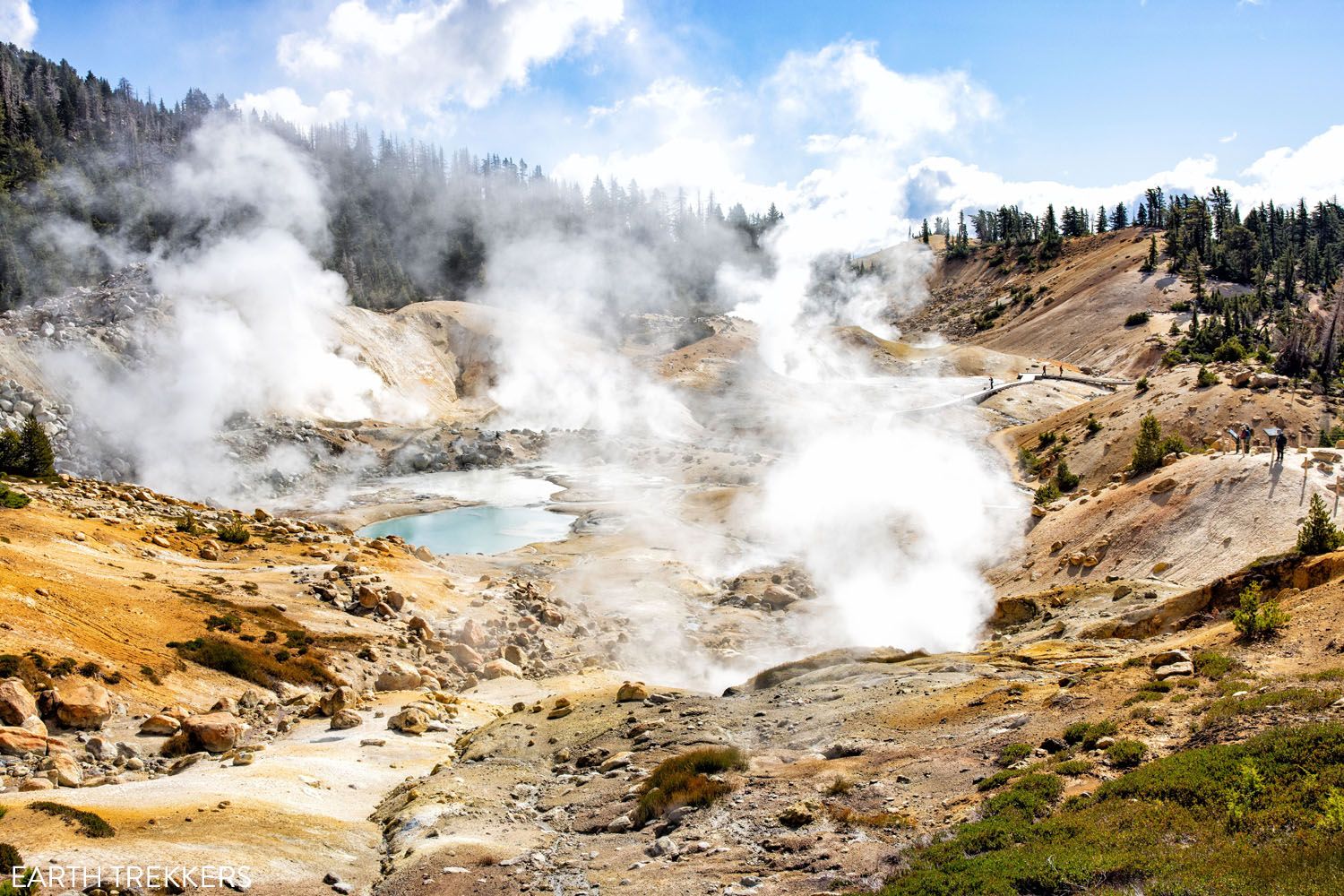
9:00 AM: The Bumpass Hell Expedition
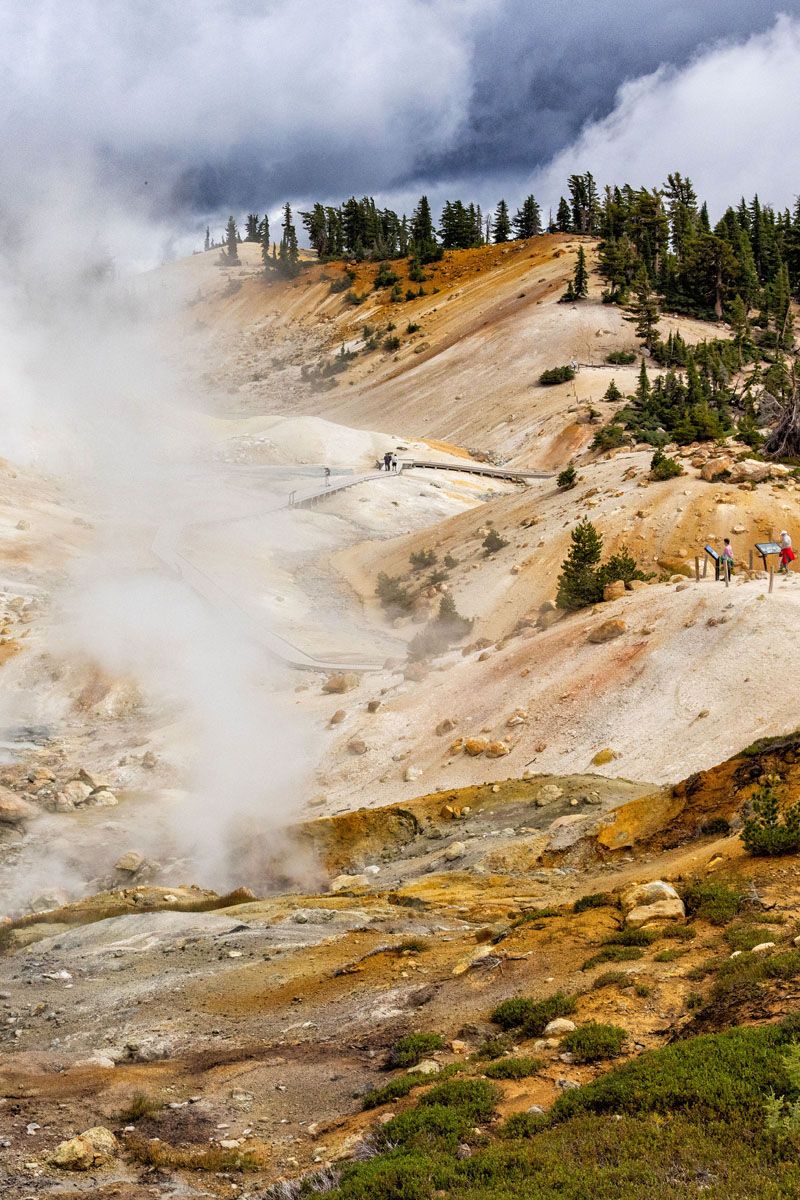
Bumpass Hell is the park’s crown jewel of hydrothermal activity. Spanning 16 acres, the boardwalk trail winds through a surreal, otherworldly landscape of boiling pools and fumaroles. The hike is a 3-mile round trip, moderately graded, and serves as a vital orientation for the park’s geological history. Arriving by 9:00 AM is essential; the parking area is notoriously tight, and the morning light provides the best conditions for photography before the inevitable afternoon cloud cover arrives.
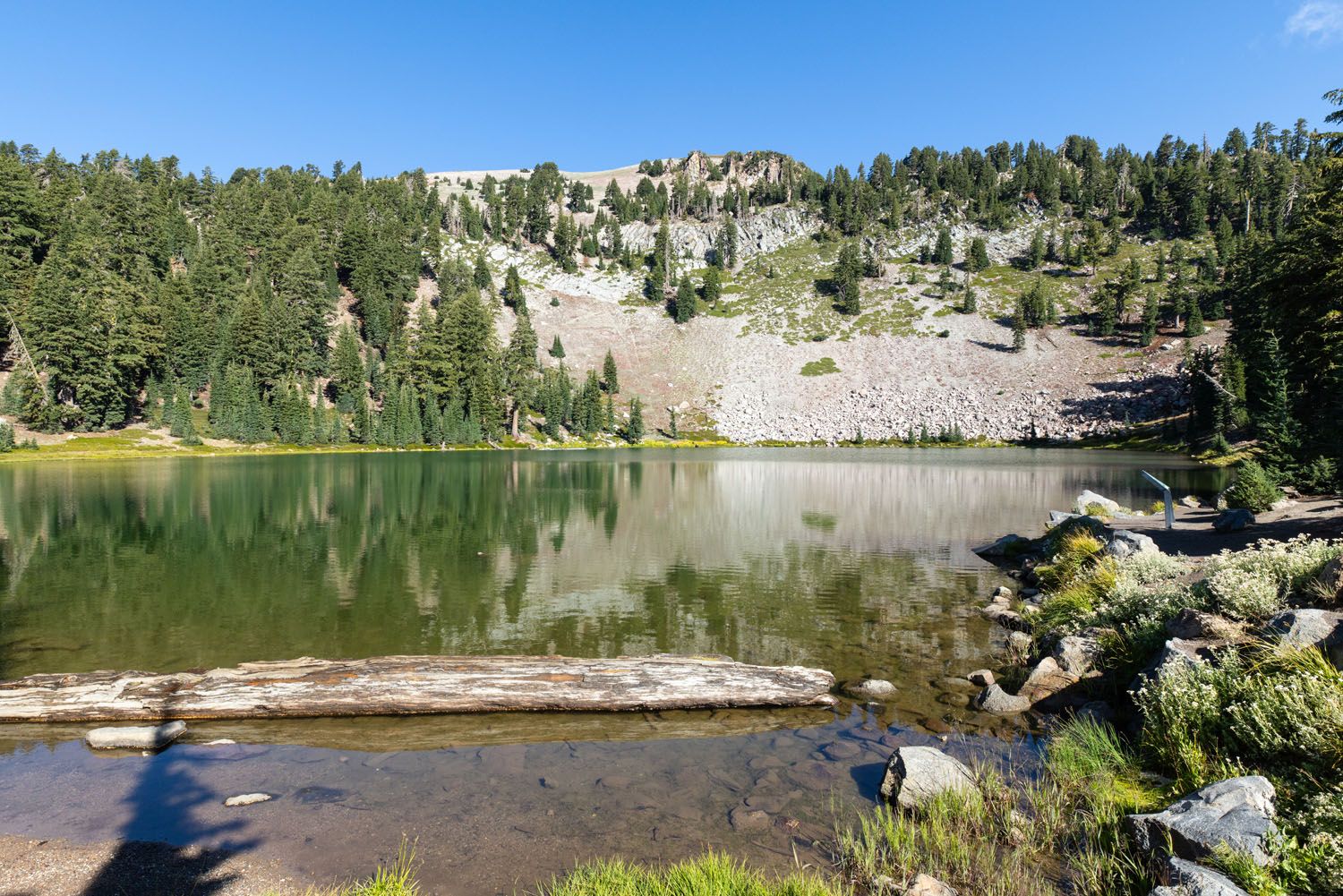
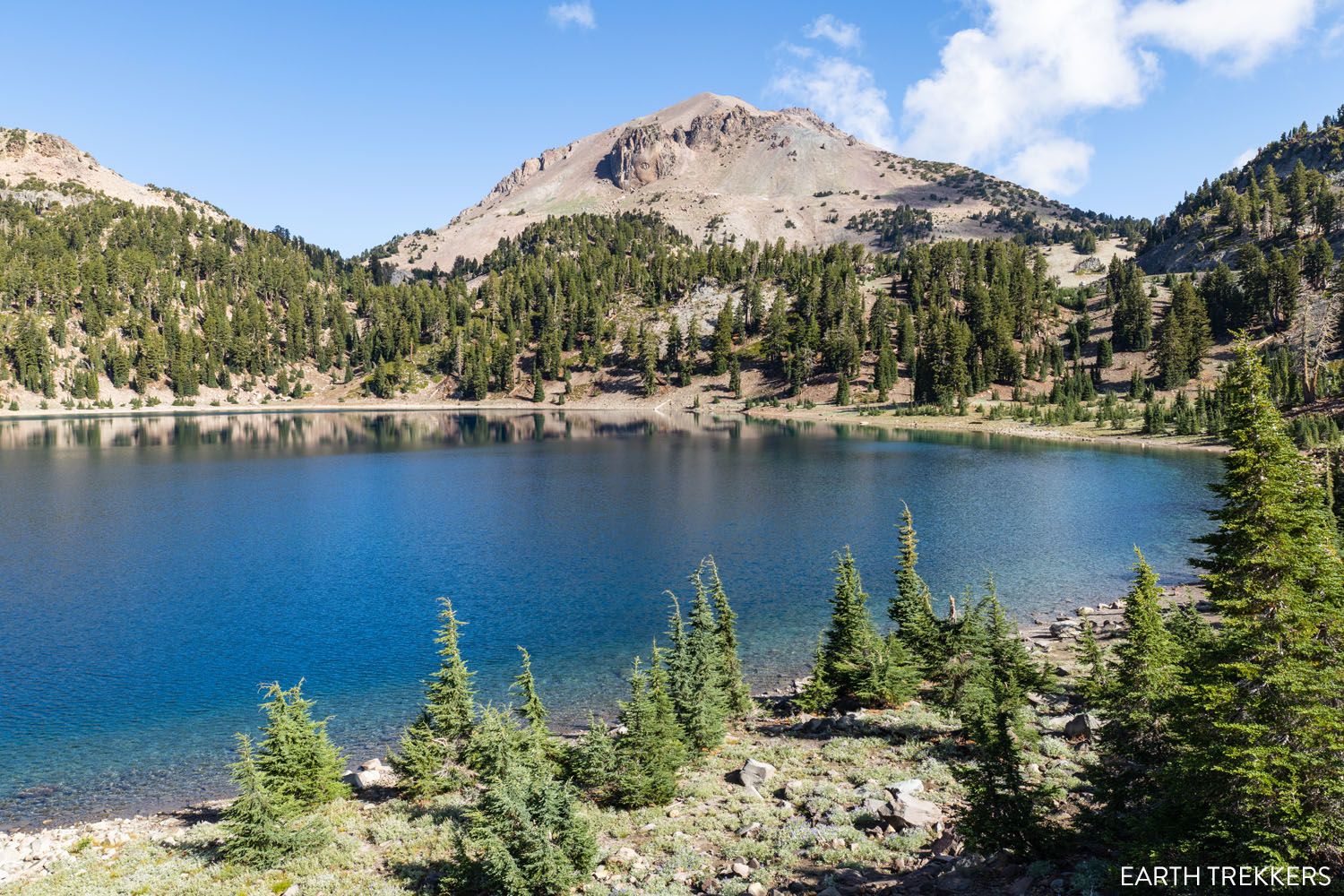
11:00 AM: Alpine Repose at Lake Helen
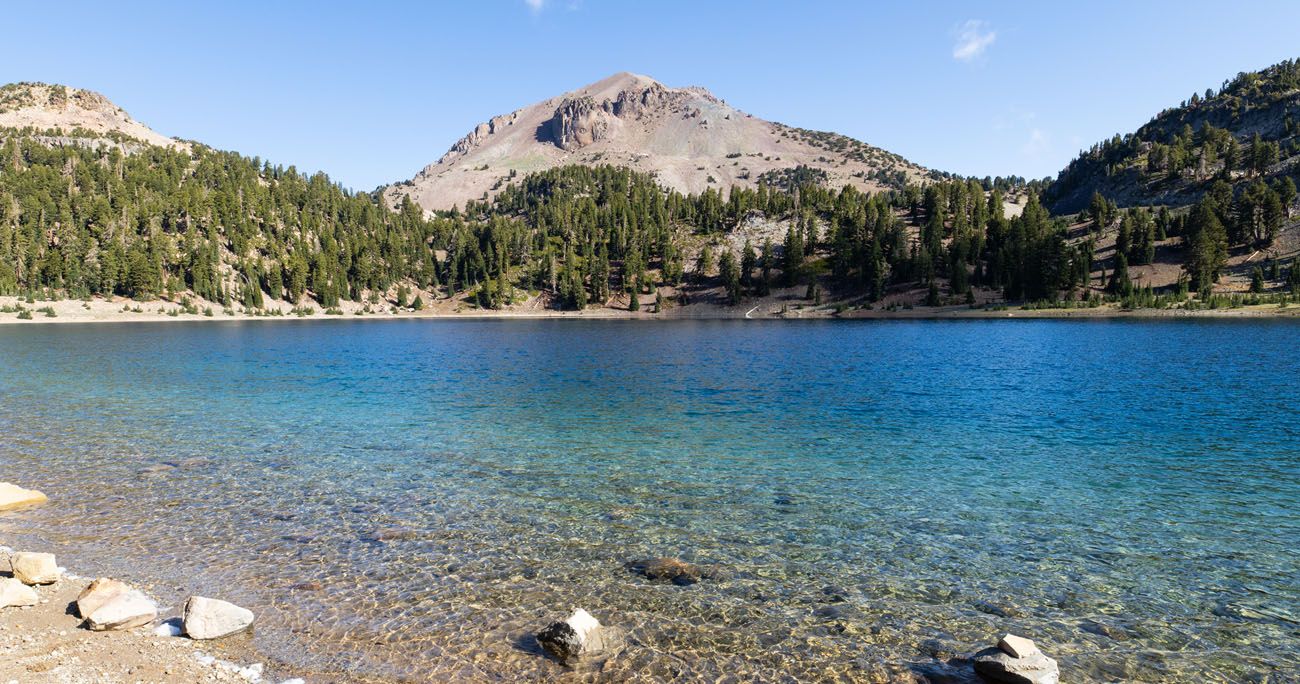
Following the intensity of the hydrothermal basins, Lake Helen offers a serene counterpoint. Situated at 8,038 feet, its deep blue waters reflecting the towering Lassen Peak provide an ideal setting for a picnic. It is one of the most photographed vistas in the park, serving as a reminder of the park’s glacial and volcanic dual heritage.
12:00 PM: The Kings Creek Falls Challenge
The hike to Kings Creek Falls is deceptive. At 2.5 miles, it appears straightforward, but the return journey features a significant, steady ascent via a stone staircase. The route takes you through areas scarred by the 2021 Dixie Fire, offering a sobering, educational look at the regenerative power of the forest.
2:00 PM: Eruption History and Manzanita Lake
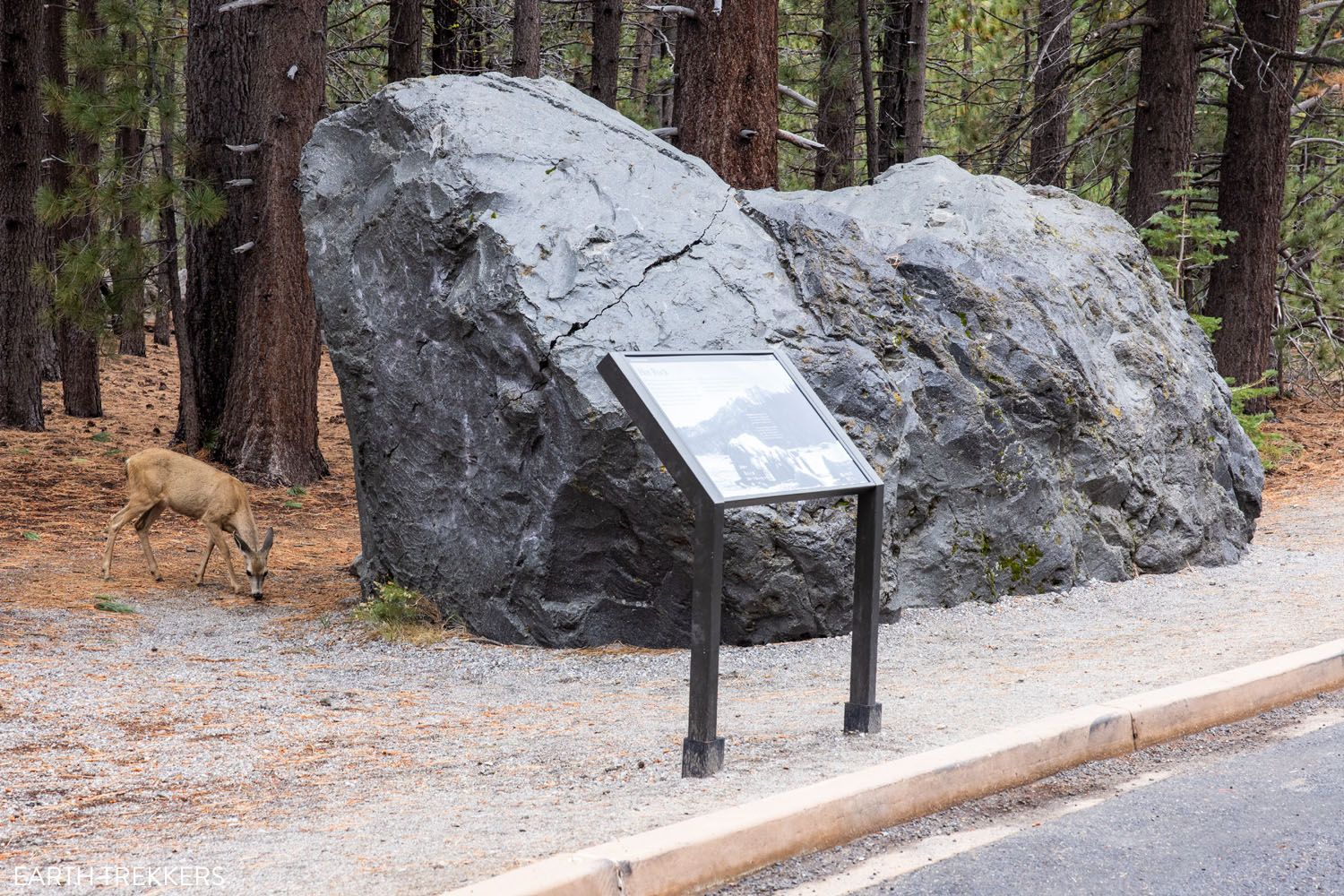
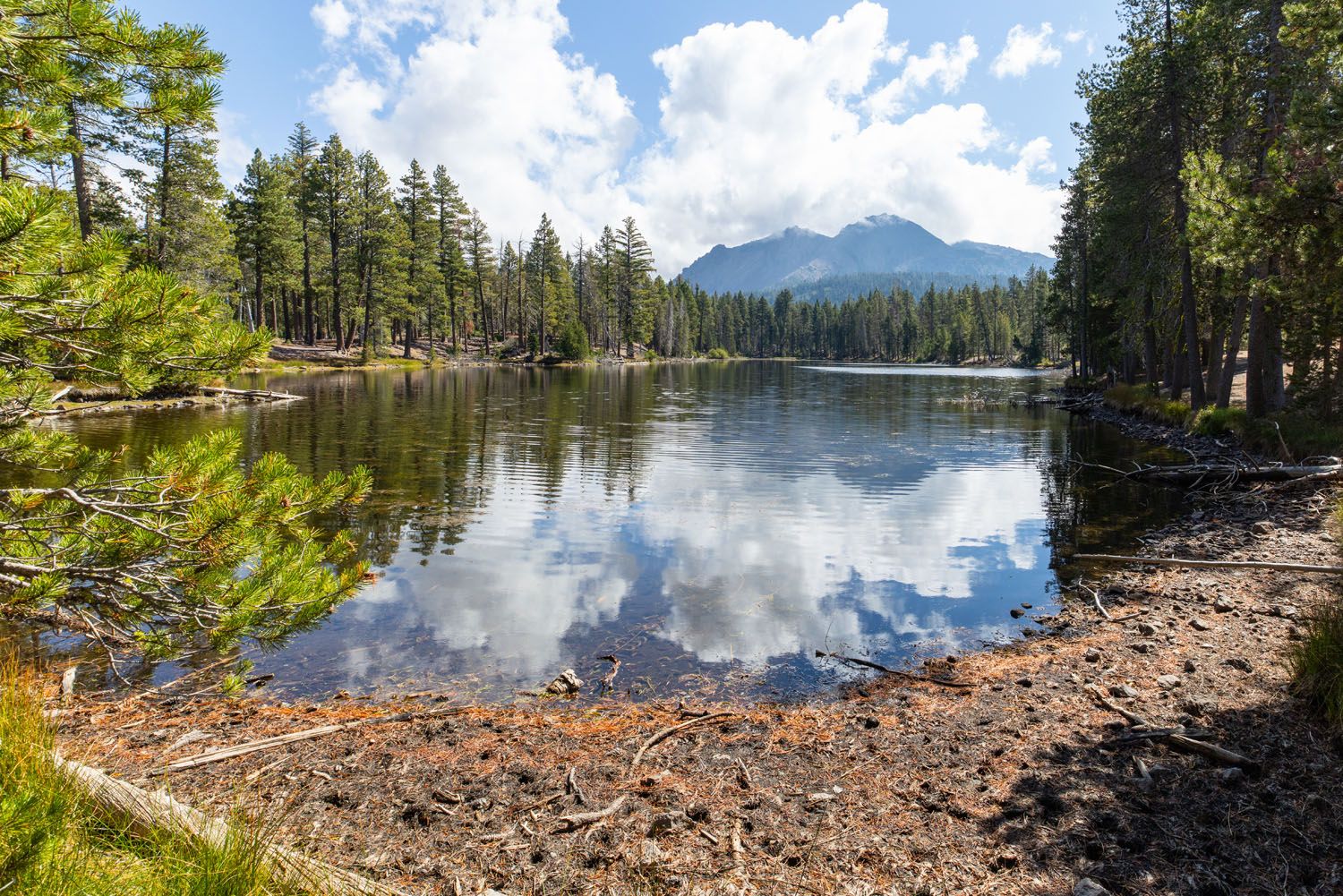
The Devastated Area Interpretive Trail and the massive "Hot Rock"—a boulder ejected during the 1915 eruption—provide necessary historical context. Conclude your day at Manzanita Lake and the nearby Reflection Lake. The Loomis Museum, located here, is an essential stop for any serious traveler, housing the original photographs that documented the 1914–1915 eruptions, the catalyst for the park’s federal protection in 1916.
Day 2: Scaling the Peaks and Remote Exploration
Your second day is designed to test your mettle. Whether you opt to summit a massive volcano or trek into the deep wilderness, the morning hours are your greatest asset.
The Summit Decision: Lassen Peak vs. Brokeoff Mountain
- Lassen Peak: As the largest plug-dome volcano in the world, standing at 10,457 feet, this is the definitive bucket-list climb. The 5-mile round-trip hike is a strenuous, non-technical ascent. It is a test of altitude endurance; visitors from sea level should be wary of the thin air.
- Brokeoff Mountain: For those seeking solitude, this 7.2-mile trail offers a more rugged experience. While slightly more strenuous than the peak, it provides arguably the best panoramic views of Lassen Peak itself, framed by the valley below.
Afternoon: The Remote Wilderness
- Cinder Cone: If you choose this route, you are heading to the remote northeast. This is a "wow-factor" hike. The trail involves a steep ascent up loose, volcanic scree, but the reward is a view into the caldera, the Painted Dunes, and the sprawling lava beds—a sight that feels entirely removed from the rest of the park.
- Warner Valley: If the intensity of Cinder Cone is not to your liking, the Warner Valley offers a peaceful alternative. The hike to Devil’s Kitchen and Boiling Springs Lake is a gentle, immersive walk through meadows and bubbling thermal features, offering a much quieter, contemplative experience.
Supporting Data: Infrastructure and Logistics
- Best Time to Visit: Mid-July through September. Outside of this window, the high-elevation snowpack frequently renders key trails and portions of Highway 89 inaccessible.
- Budgeting: Entrance fees are $30 per vehicle during the peak season.
- Cellular Connectivity: Expect minimal to no service. Digital maps must be downloaded in advance.
- Accommodations: For those preferring not to camp, the town of Chester provides a comfortable, quiet base. The Best Western Rose Quartz Inn is highly regarded for its proximity and reliability, while local spots like the Timber House Brewery provide essential refueling after long days on the trail.
Official Responses and Safety Implications
The National Park Service (NPS) emphasizes the "Leave No Trace" protocol as the cornerstone of park preservation. Due to the fragility of the hydrothermal crusts at sites like Bumpass Hell, visitors are strictly required to remain on designated boardwalks.
From a health perspective, the NPS warns of altitude sickness. Both Lassen Peak and Brokeoff Mountain place hikers in environments above 8,500 feet. Hydration and a slow, measured pace are not merely suggestions—they are requirements for safety. Furthermore, weather in the Cascade Range is notoriously mercurial; even in mid-summer, afternoon thunderstorms can manifest with little warning, posing a significant risk to those on exposed summits. Always consult the park’s official website for real-time updates on road closures and snow conditions before beginning your ascent.
Conclusion: Why Two Days?
While three days allows for a more relaxed, buffer-filled schedule, two days remains the "sweet spot." It is long enough to cover the major geological highlights and short enough to maintain a high level of engagement. Lassen Volcanic is a park that demands attention—not for its size, but for the raw, visceral history written into its soil. By following this itinerary, you move beyond the role of a casual tourist and into the role of a participant in one of the most dynamic landscapes in the American West.
 Muslim
  Lina Irawan
  Nila Kartika Wati