

Cologne is more than just a city; during the holiday season, it transforms into a sensory masterpiece. With the towering Gothic spires of the Cologne Cathedral providing an awe-inspiring backdrop to a collection of world-class Christmas markets, the city has cemented its reputation as a premier destination for festive travelers. Having explored over 20 Christmas markets across Germany, it is clear that Cologne offers a unique blend of history, atmosphere, and culinary indulgence that is difficult to rival.
Main Facts: The Pulse of Cologne’s Holiday Season
The Christmas season in Cologne begins in mid-November and continues through late December, with some markets extending their operations into the first days of January. The city hosts several distinct markets, each with a unique personality and theme.
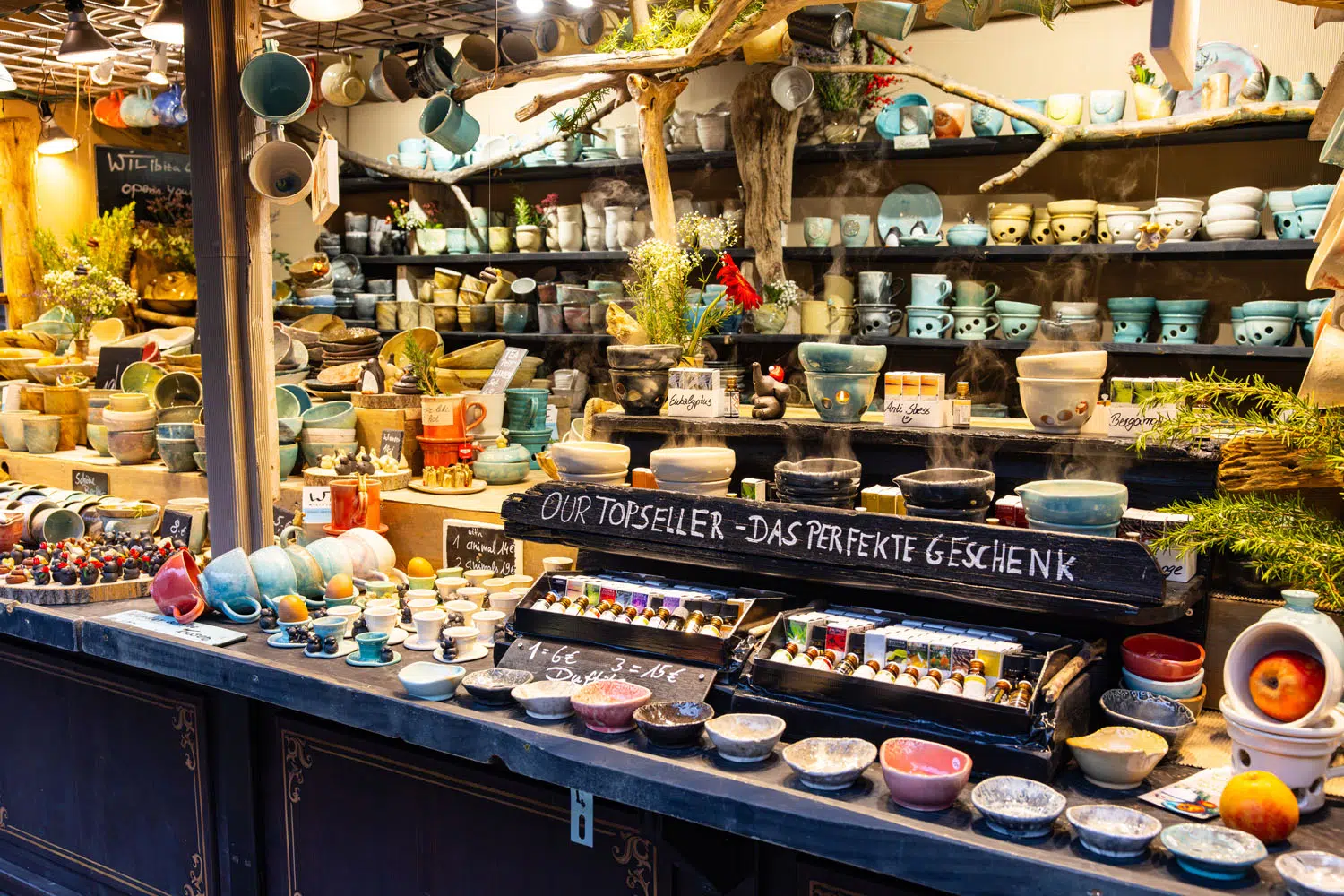
For travelers, the most important logistical factor is the "Pfand" system. When purchasing a hot drink—typically Glühwein (mulled wine)—you will pay a small deposit of €3 to €5 for the glass or mug. This is fully refundable upon returning the vessel to any stall, though many visitors choose to keep the mugs as charming, affordable souvenirs. It is also critical to note that while the city is modern, many individual market vendors operate on a cash-only basis; carrying a modest amount of Euros is essential to avoid being sidelined.
Chronology of the Festivities
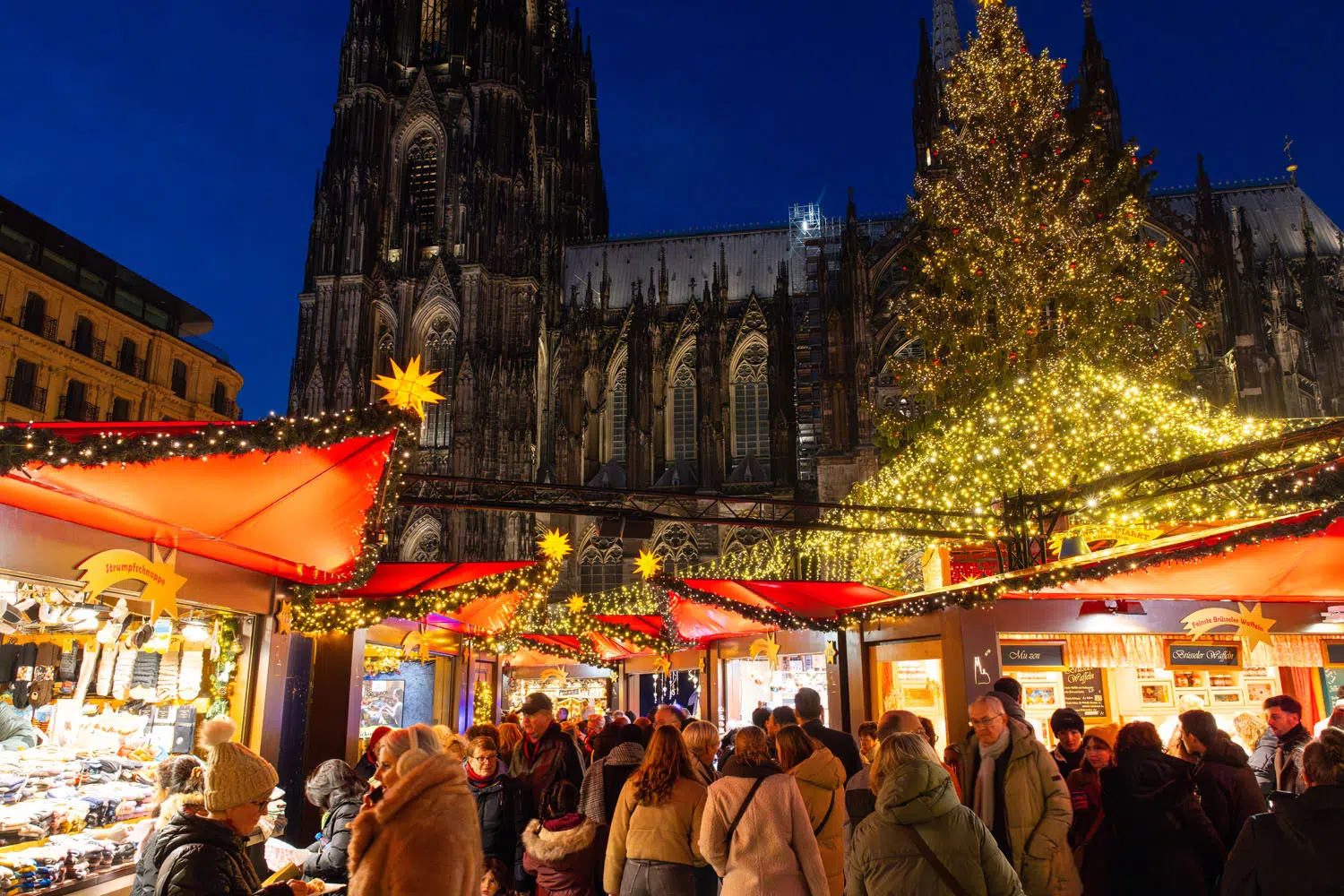
The holiday rhythm in Cologne follows a well-established pattern. Mornings are generally serene, offering the best opportunity to observe the intricate craftsmanship of the stalls without the interference of massive crowds. As the sun dips below the horizon, the city undergoes a metamorphosis. By 5:00 PM, the markets are fully illuminated by millions of fairy lights, creating an enchanting glow that makes the city feel like a living advent calendar.
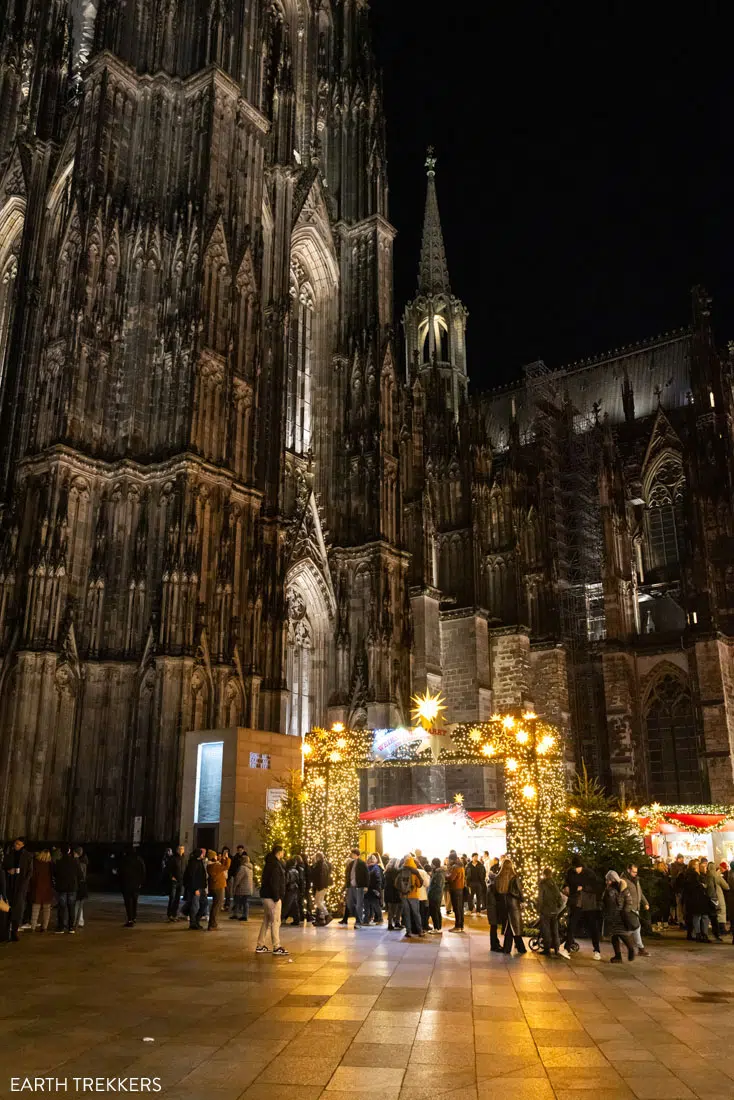
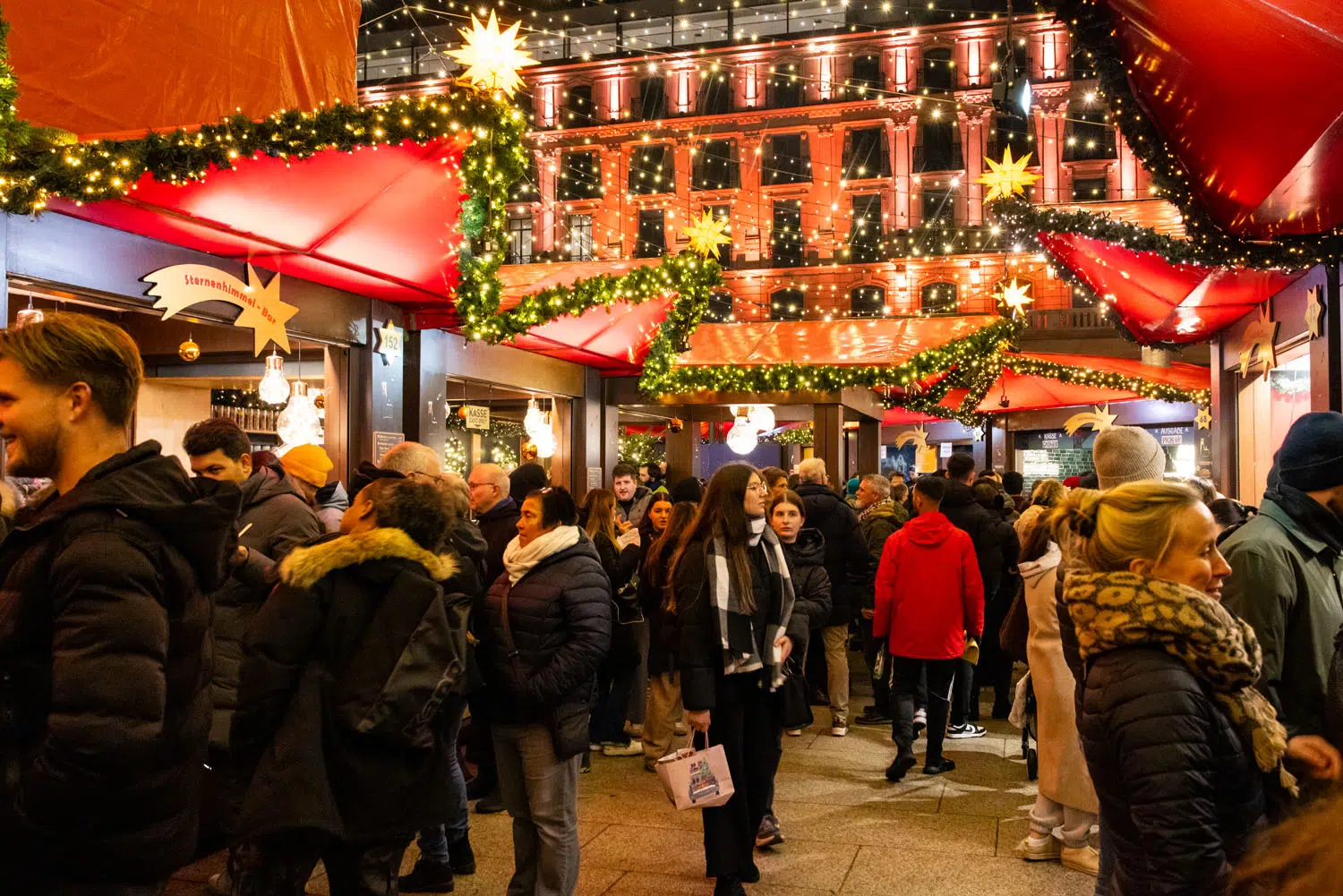
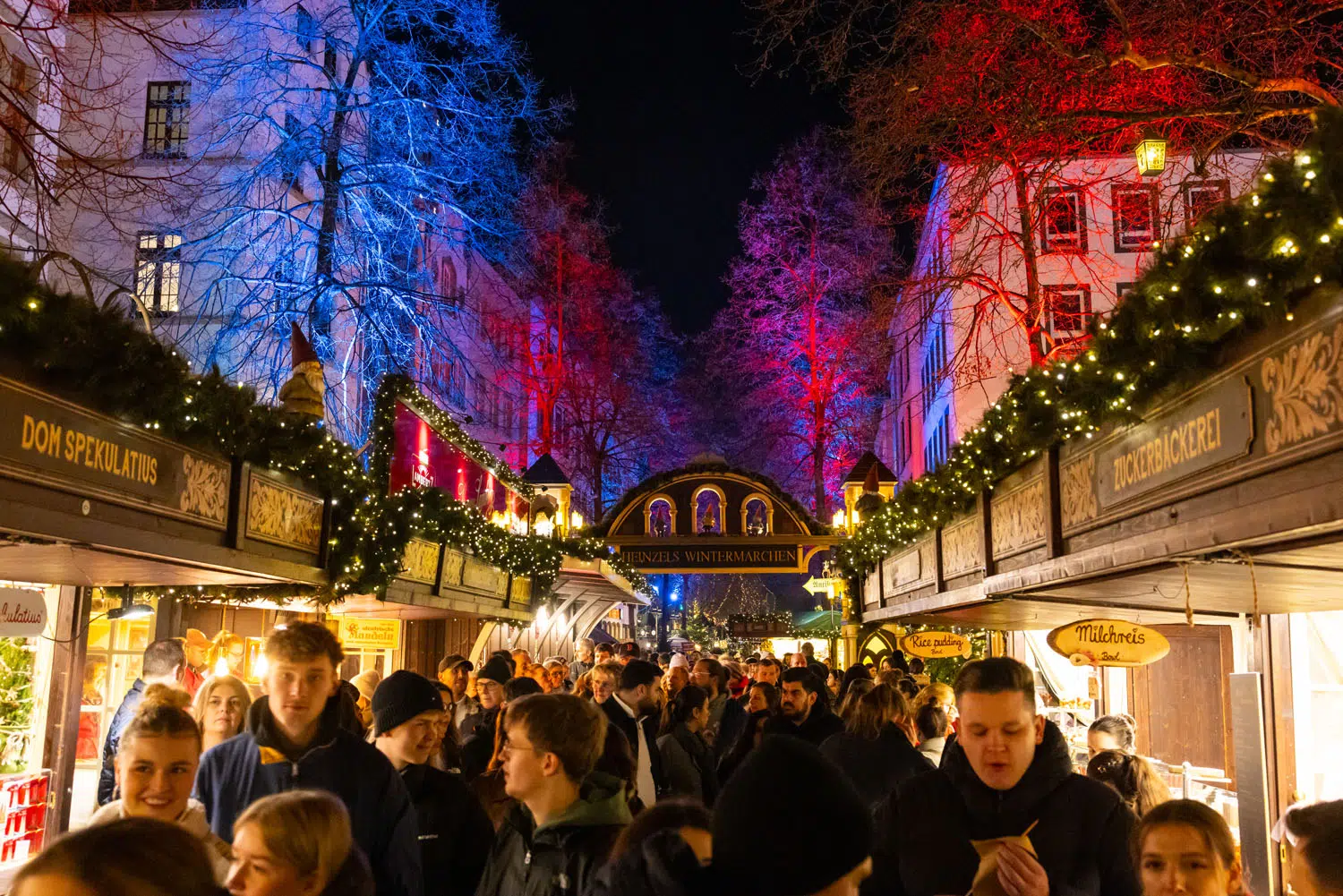
While the markets operate daily from roughly 11:00 AM to 10:00 PM, the weekend experience is vastly different from the weekday experience. Saturday nights, in particular, see the city center swell with both locals and international tourists, leading to intense crowding in the heart of the Old Town.
Exploring the Markets: A Curated Selection
1. Weihnachtsmarkt am Kölner Dom
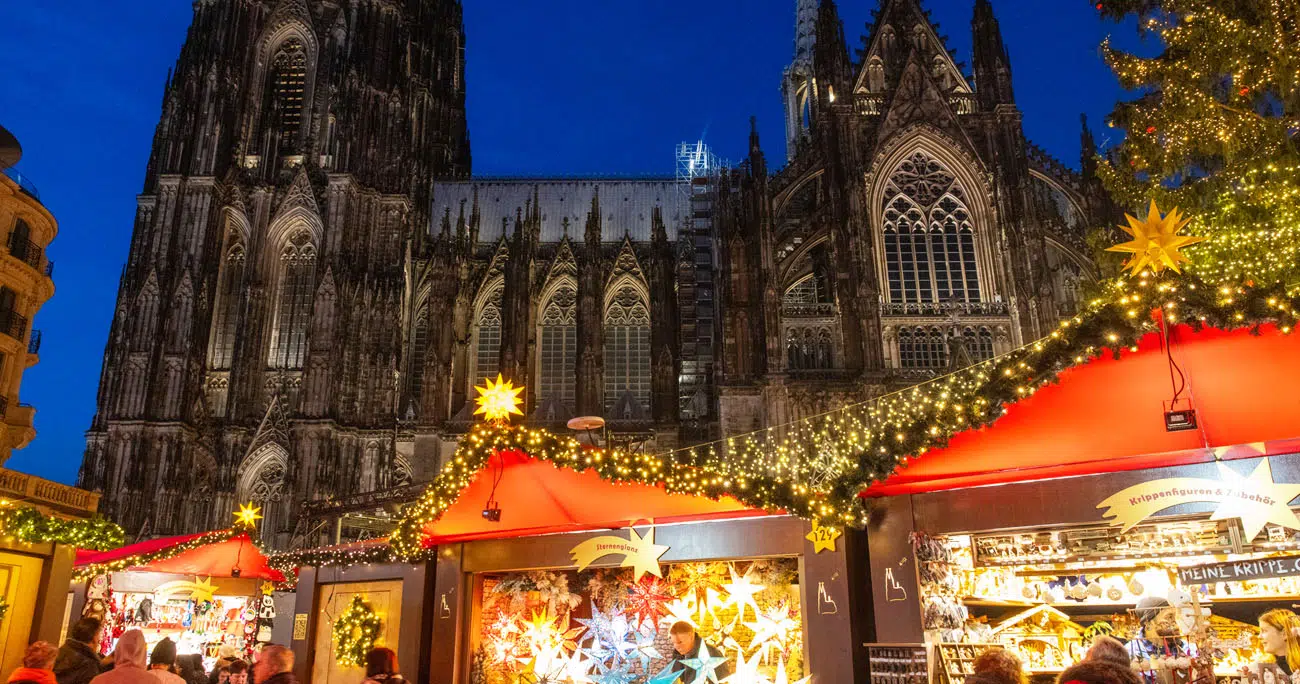
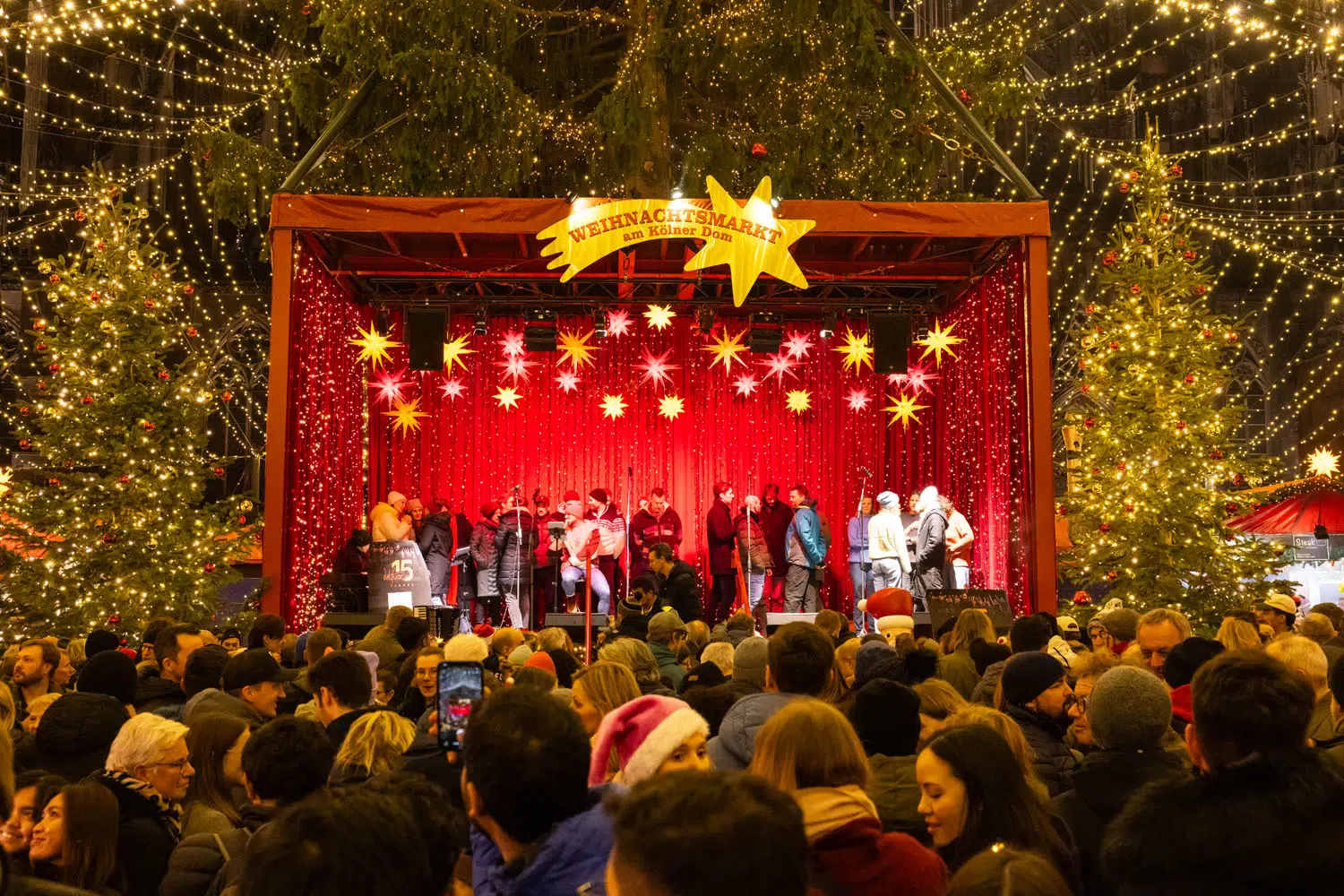
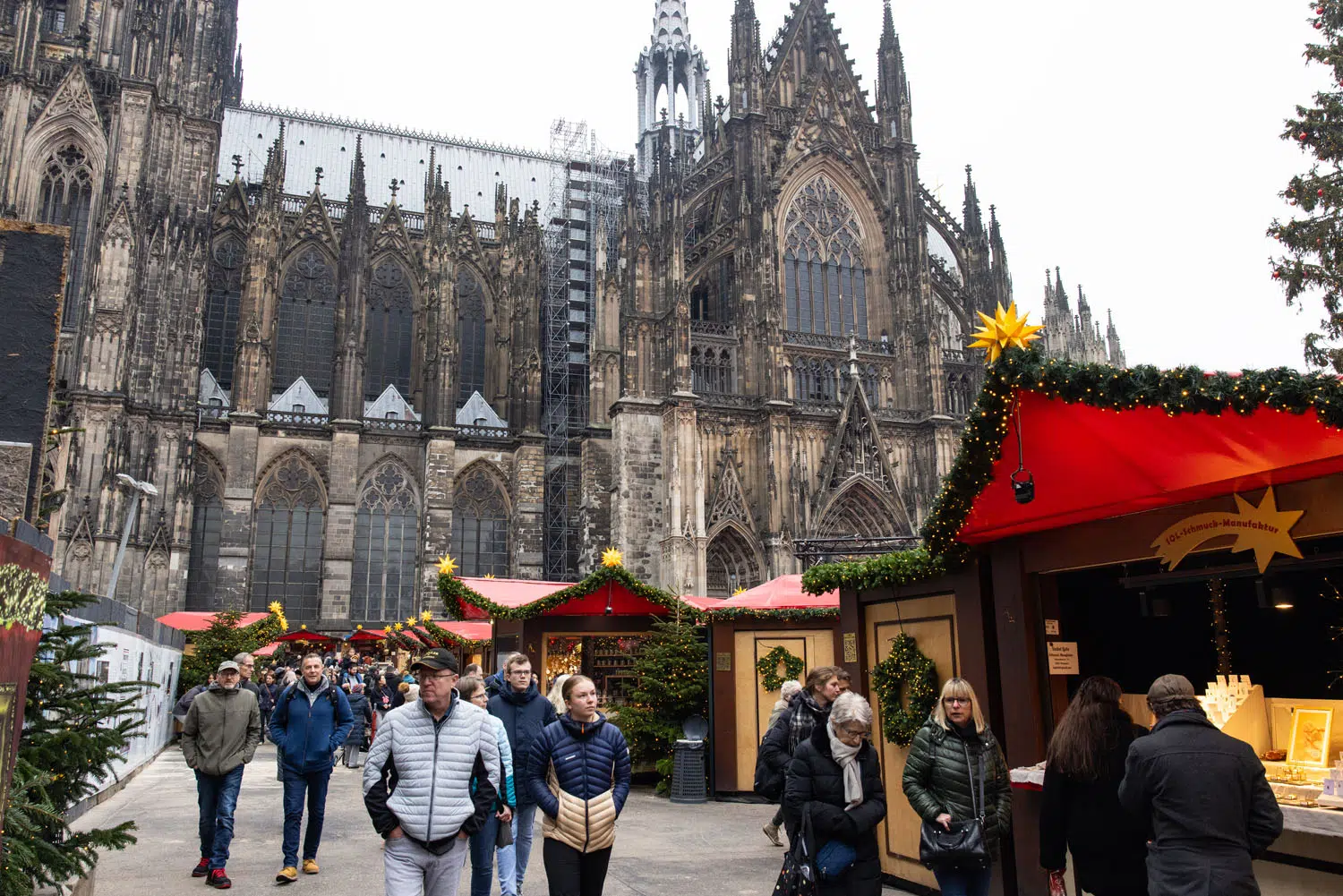
As the city’s most iconic market, this venue is a mandatory stop. Situated directly on Roncalliplatz beneath the UNESCO-listed Cologne Cathedral, it hosts over 4 million visitors annually. Its centerpiece is a massive, light-drenched Christmas tree. While it is undeniably the most visually striking, it is also the most densely packed.
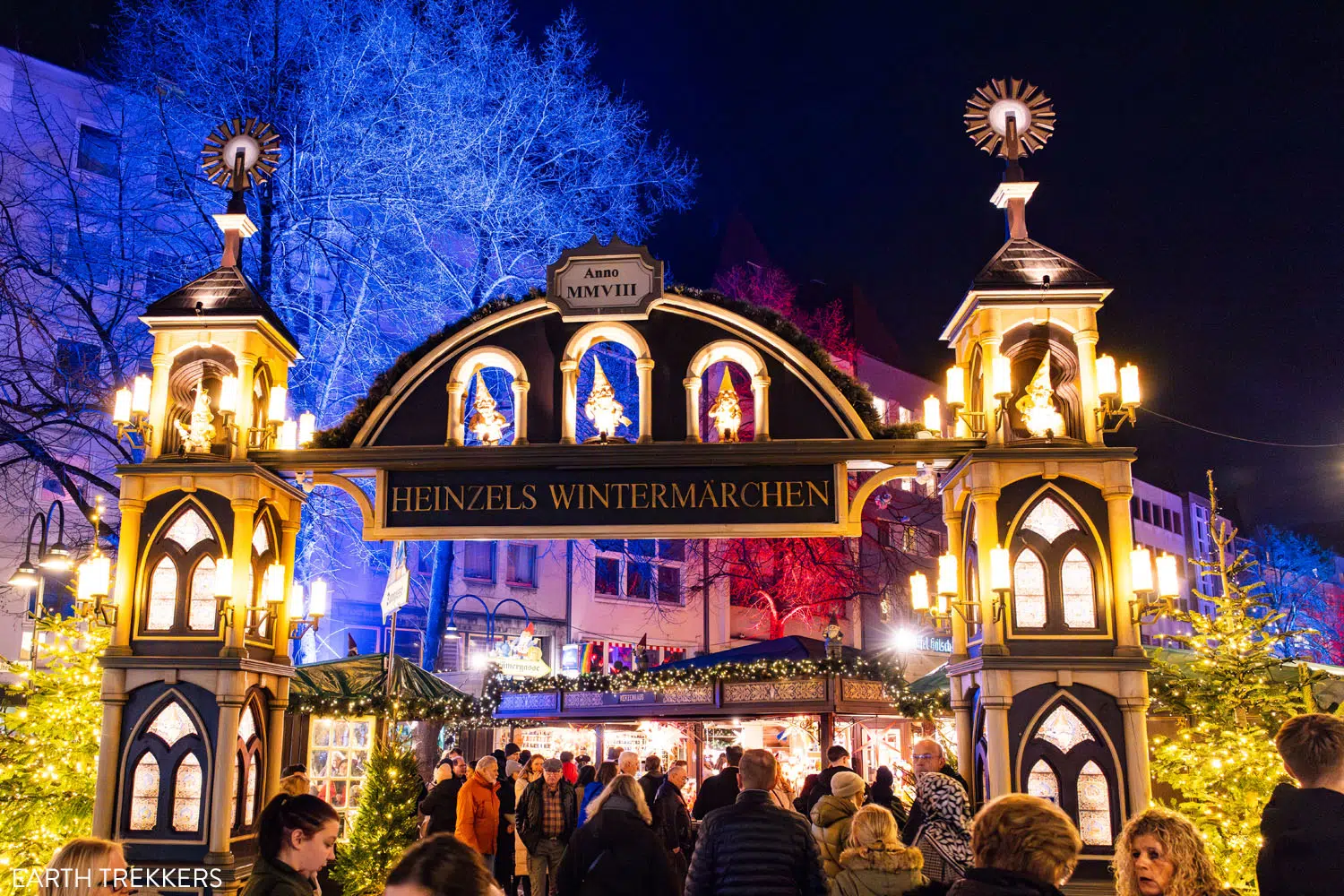
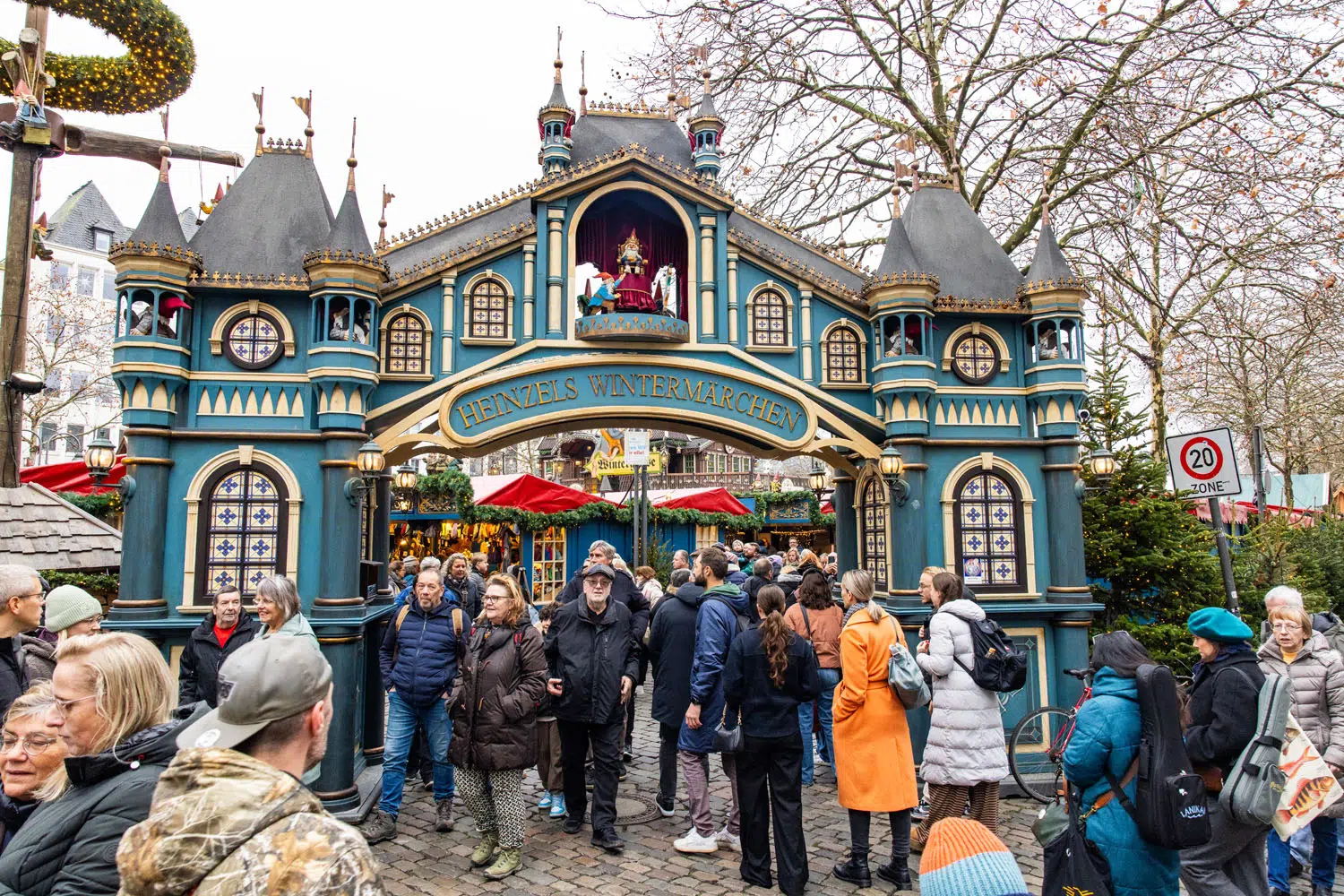
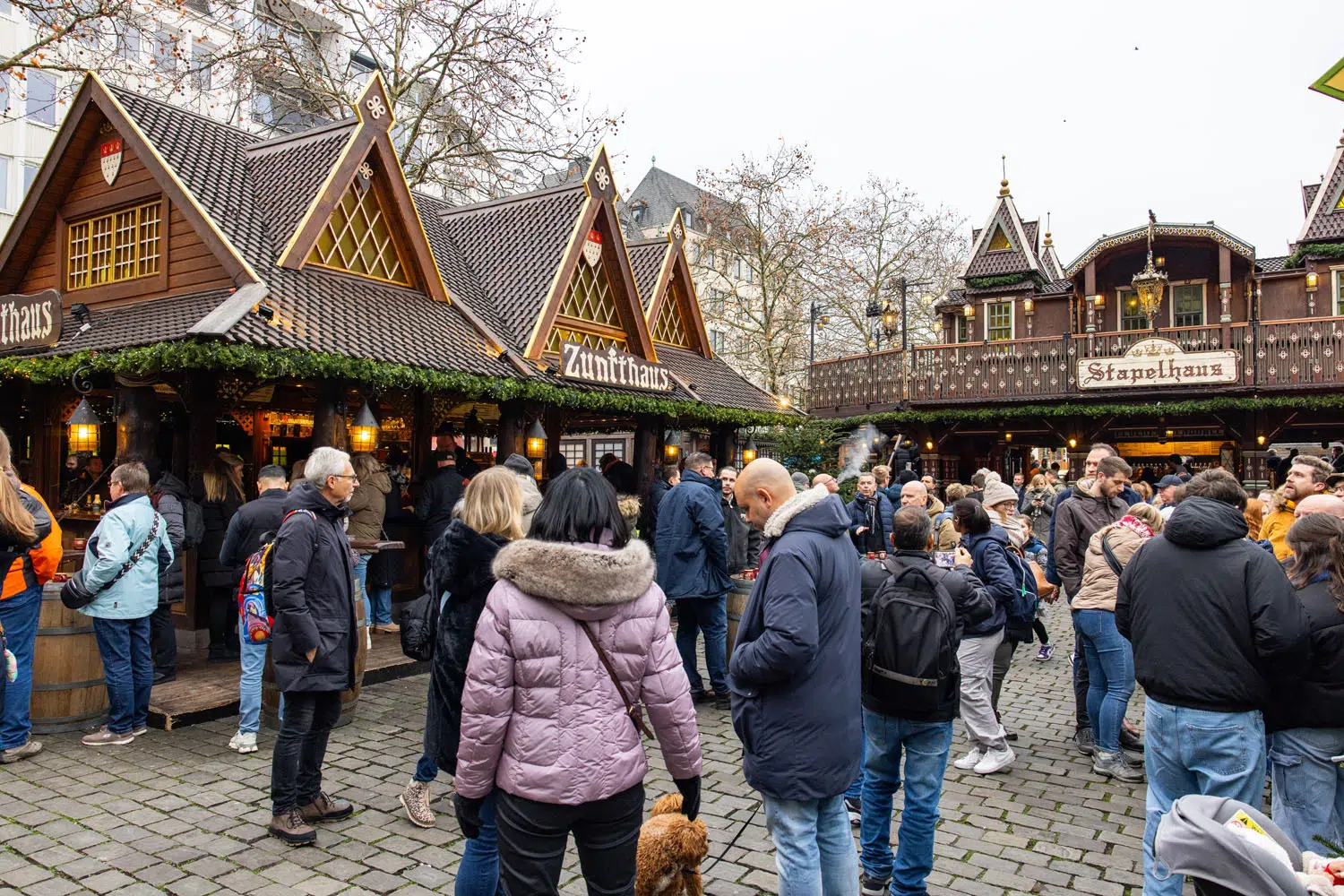
2. Heinzels Wintermärchen (Alter Markt & Heumarkt)
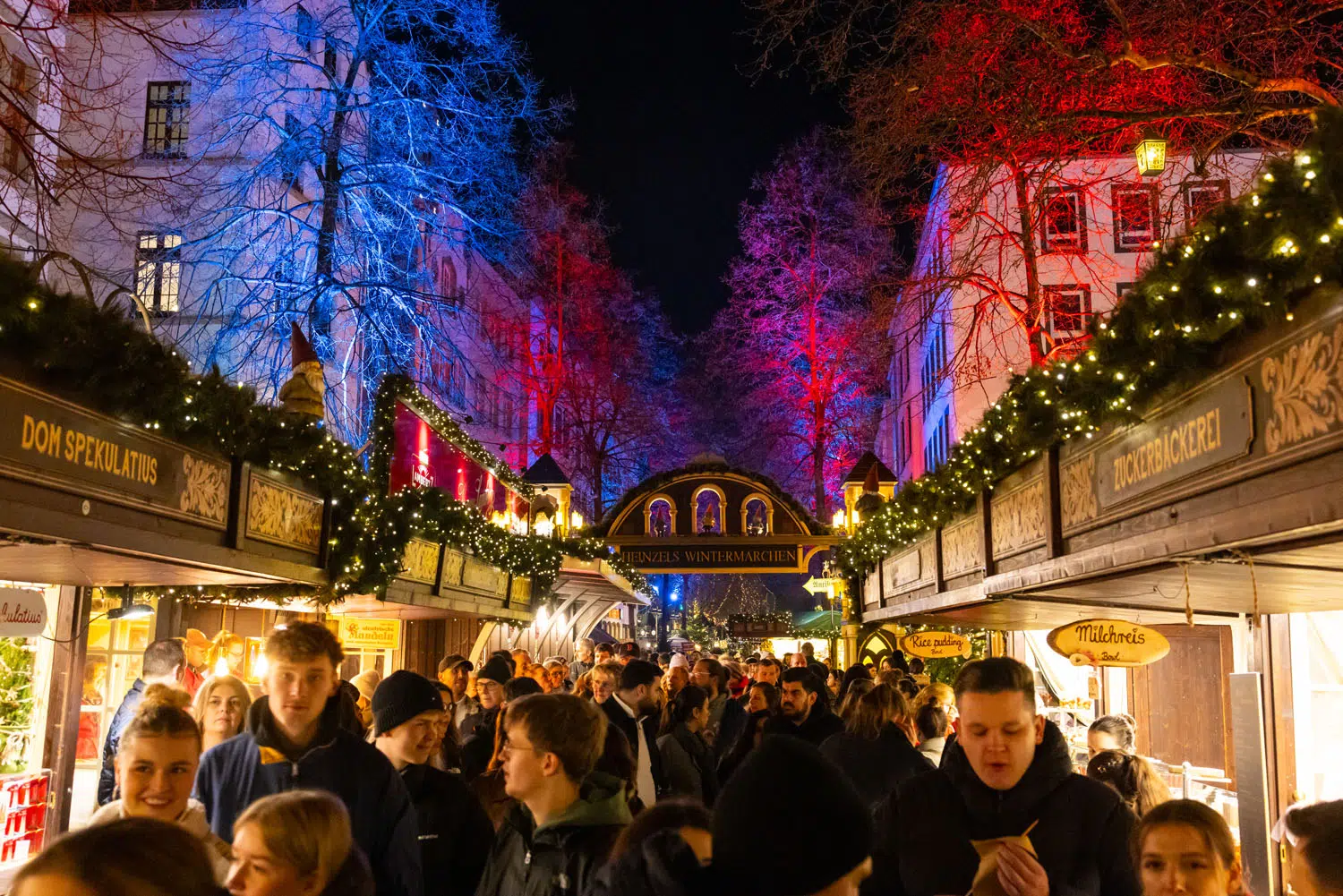
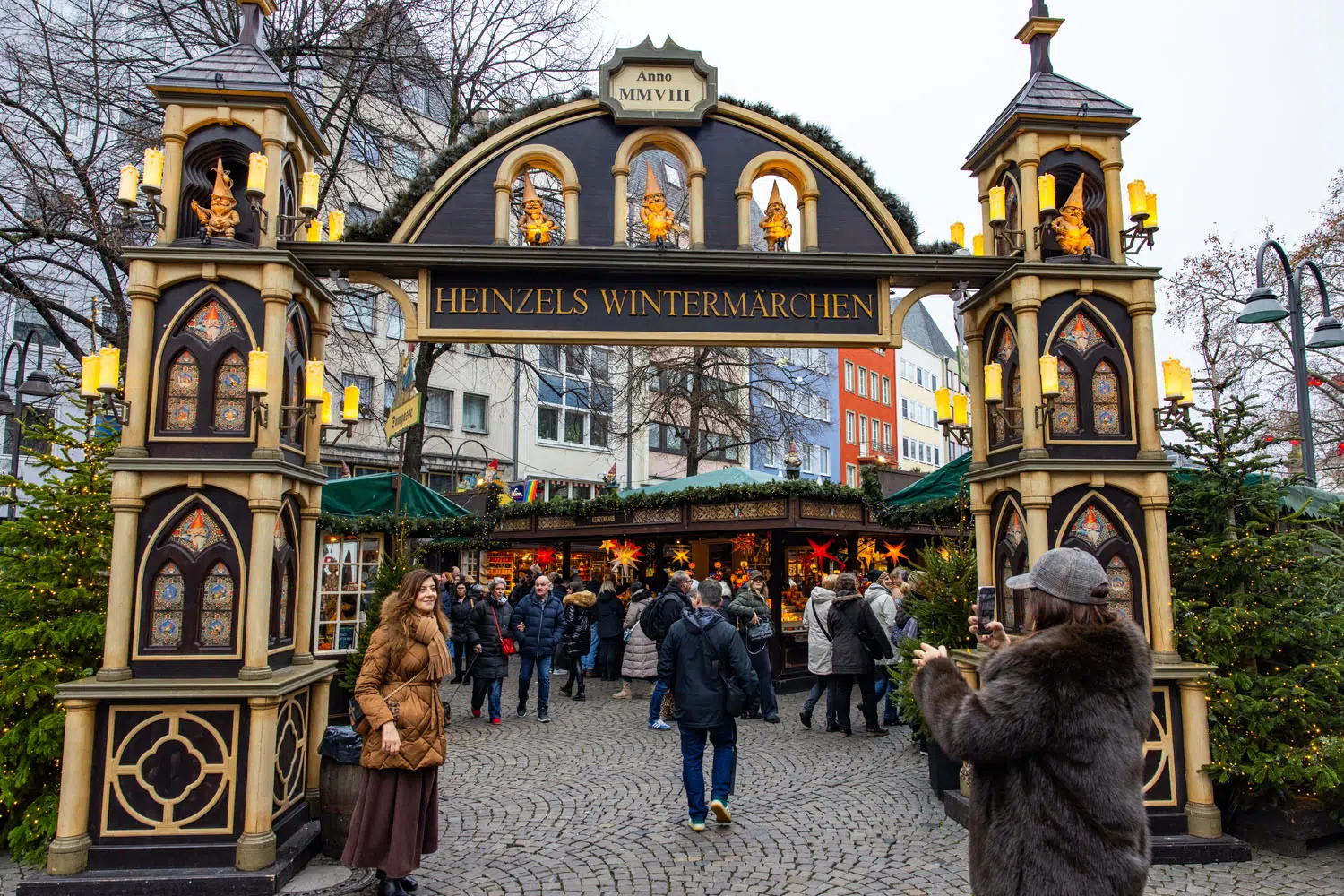
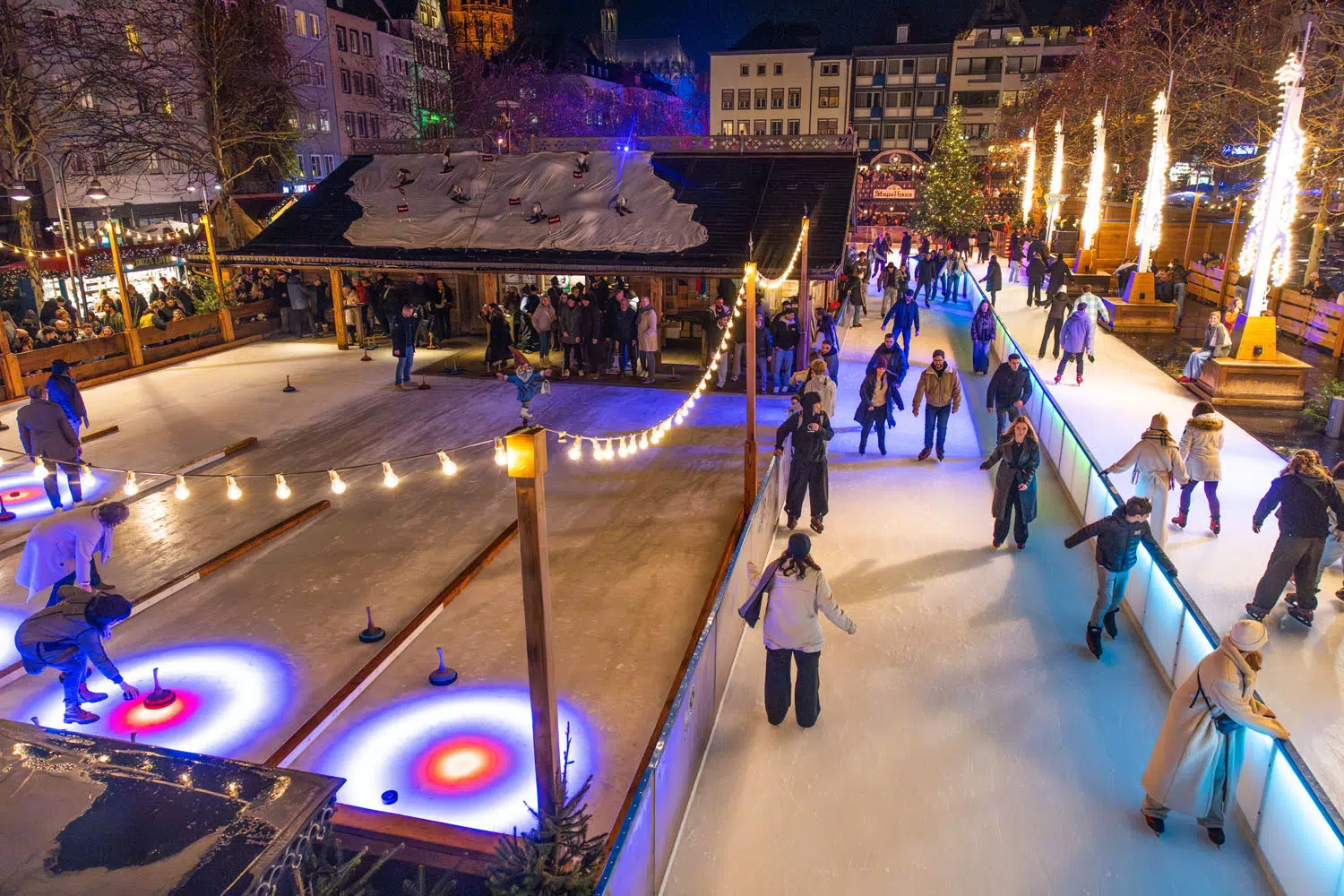
Widely considered the finest experience in the city, the "Heinzels" markets are split between two interconnected squares. The Alter Markt offers a classic, storybook aesthetic with traditional wooden huts, while the Heumarkt features a massive, sprawling ice rink. The proximity of these two markets allows for a seamless transition between shopping and active leisure.
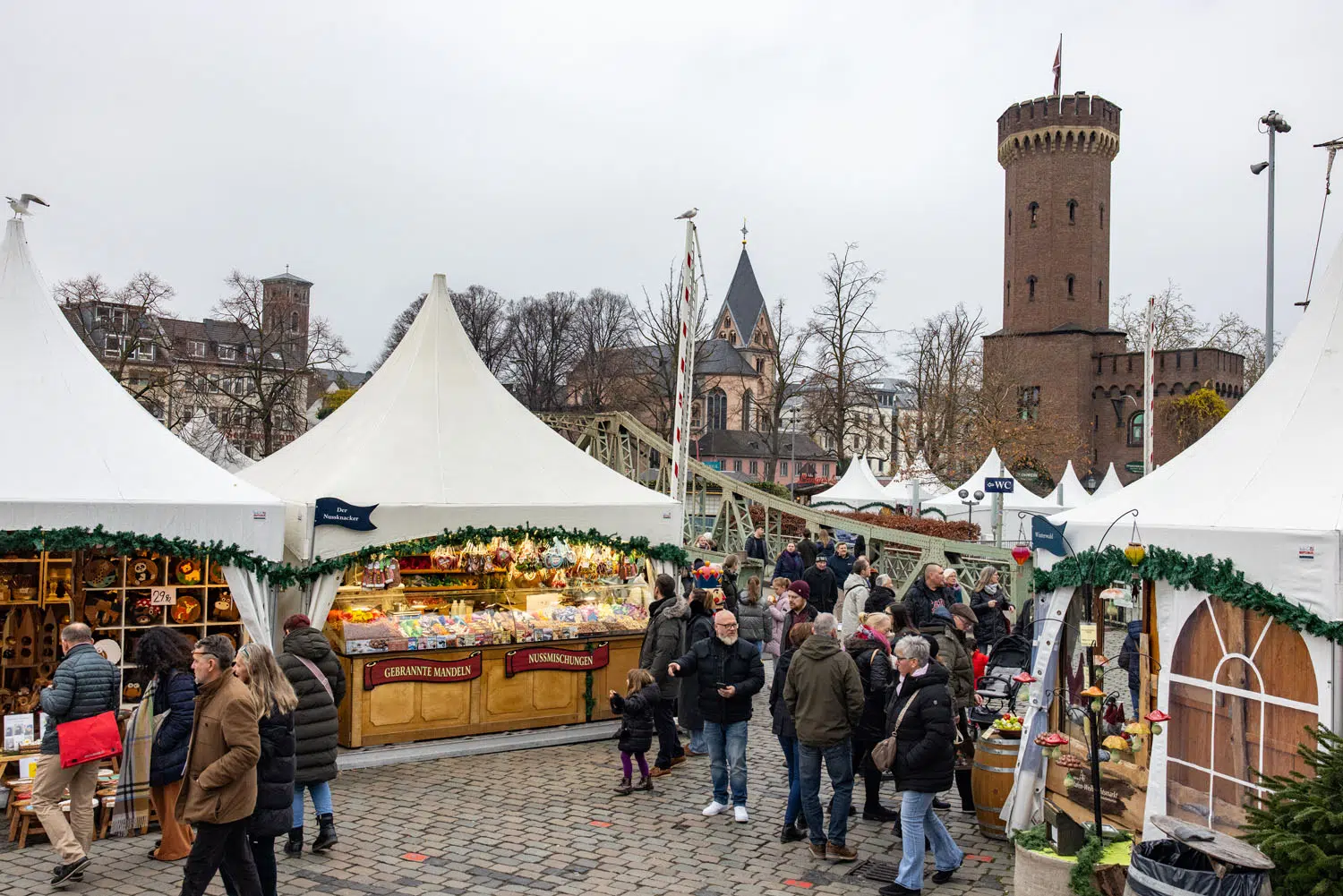
3. Hafen-Weihnachtsmarkt (Chocolate Museum)
Located on the banks of the Rhine, this maritime-themed market offers a refreshing departure from the traditional wooden huts. It is situated adjacent to the Chocolate Museum, making it a favorite for families and those with a penchant for sweets. Its waterfront location provides stunning views of the illuminated riverboats at night.
4. Markt der Engel (Neumarkt)
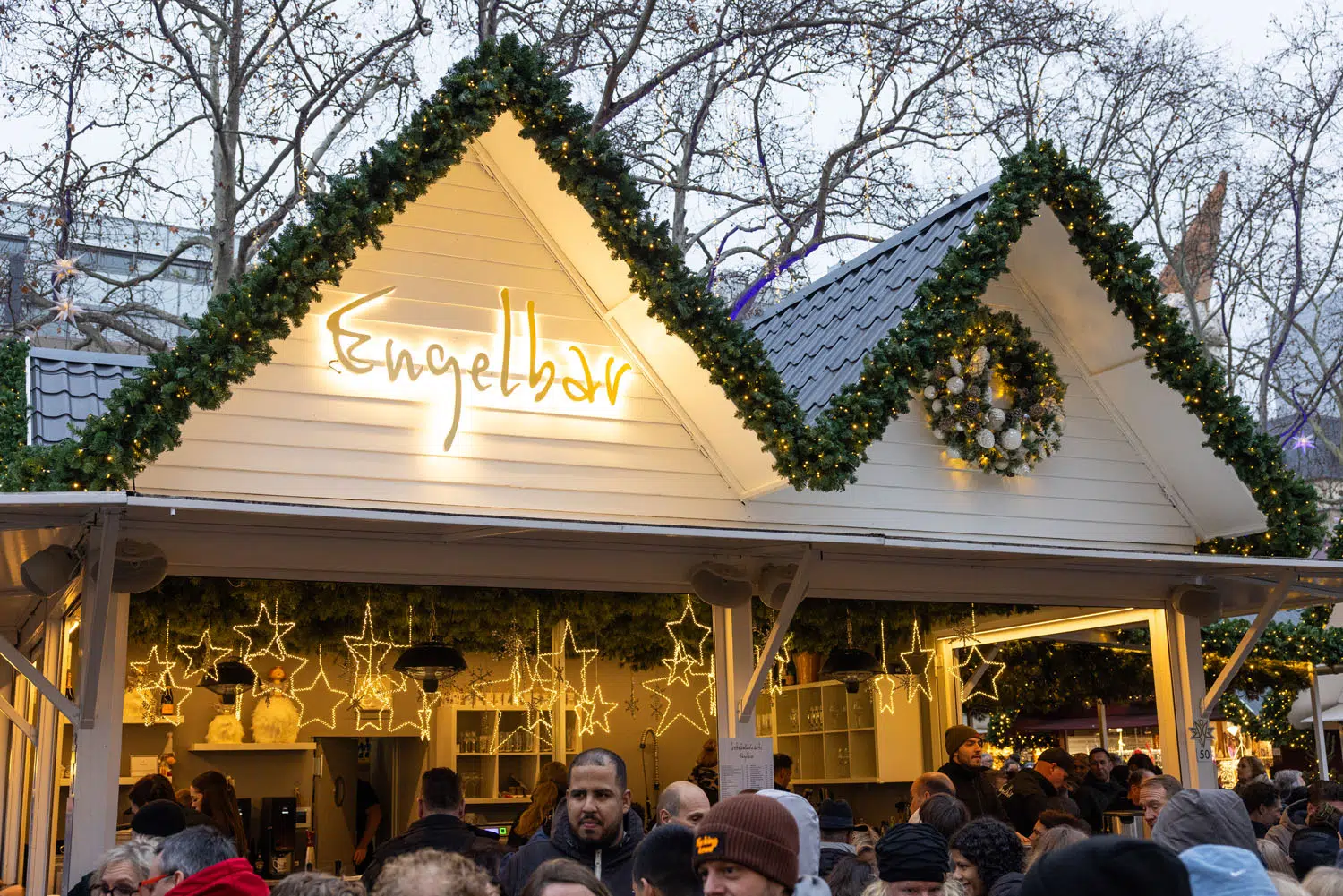
The "Angel Market" is arguably the most elegant in Cologne. With its white, modern-style stalls adorned with glowing stars and fairy lights, it feels like an upscale, contemporary village. This is the place to visit if you wish to trade traditional mulled wine for an Aperol Spritz or a glass of fine sparkling wine.
5. Nikolausdorf (Rudolfplatz)
Nestled at the base of the 13th-century Hahnentor, this market offers a quieter, more intimate atmosphere. It is the best location for those looking to enjoy live music or catch a glimpse of St. Nicholas himself, who frequently makes appearances in the late afternoon.
Supporting Data: Navigating the Crowds
The popularity of Cologne’s markets is a double-edged sword. On peak days, the density of visitors in the Old Town can reach levels that inhibit movement. Data from recent seasons indicates that visitors who prioritize a weekday morning visit report a satisfaction rate significantly higher than those who attempt to navigate the city on a Saturday night.
- Optimal Visit Time: Weekdays (Monday–Wednesday) between 10:00 AM and 3:00 PM.
- Peak Congestion: Friday and Saturday evenings.
- Accessibility: Most major markets are within a 30-minute walk of one another, though the local tram and U-Bahn network remains the most efficient way to reach the outlying markets like those at Rudolfplatz.
Official Perspectives and Cultural Context
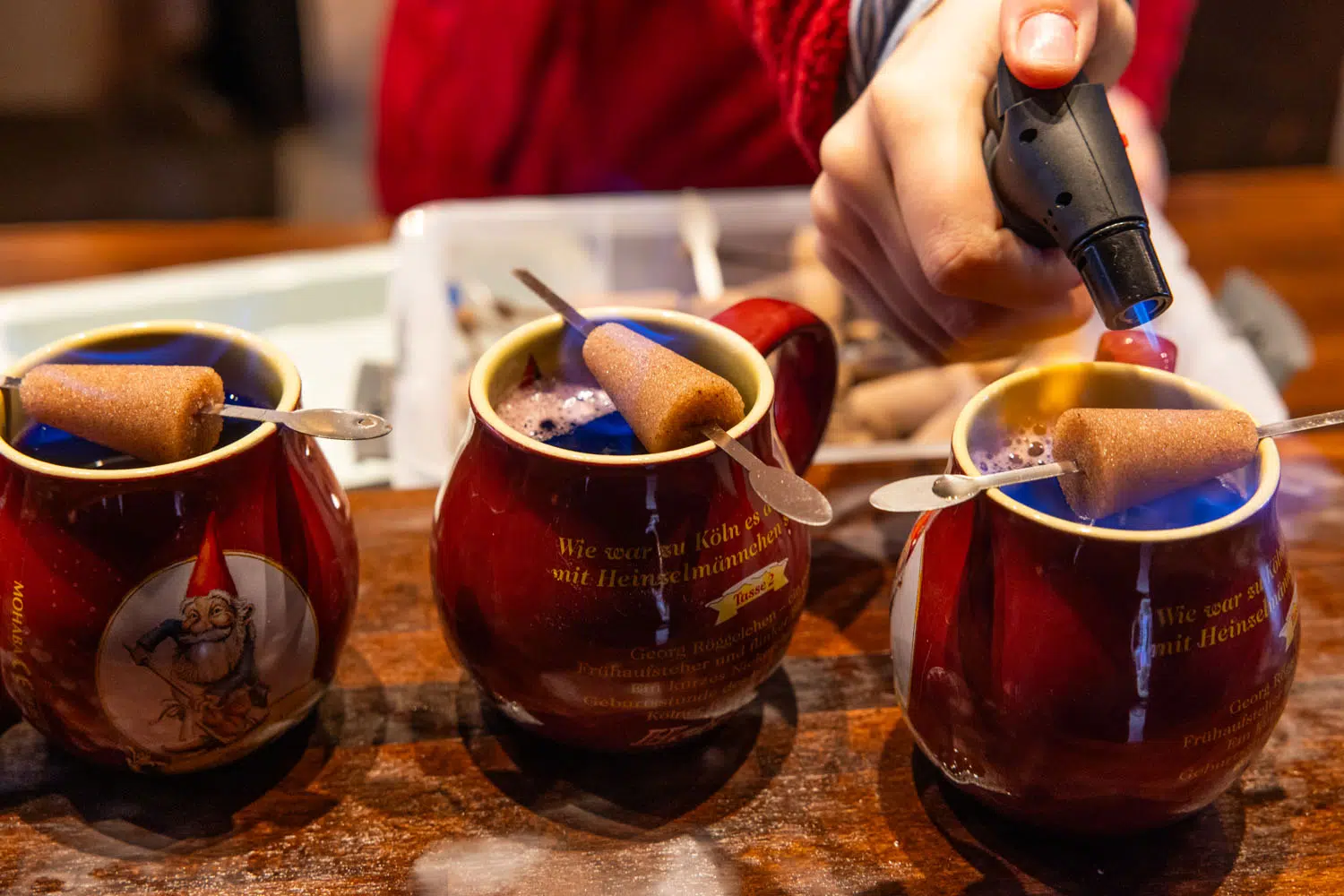
Local officials and heritage organizations emphasize that these markets are not merely retail events; they are cultural institutions. The tradition of the Feuerzangenbowle—a sophisticated punch where a rum-soaked sugar cube is set ablaze over a pot of mulled wine—is a point of local pride.
Tourism boards in Cologne note that the city’s ability to host such diverse markets is due to the integration of historical architecture. Whether it is the medieval gates of the Hahnentor or the Gothic grandeur of the Cathedral, the setting is designed to honor the deep-rooted German tradition of Gemütlichkeit (coziness and belonging).
Implications for the Modern Traveler
For those planning a trip, the implications are clear: Strategy is paramount.
If your goal is to experience the full breadth of the city’s festive spirit, a three-day itinerary is ideal. This allows for one full day dedicated to the primary markets, one day for cultural exploration—such as visiting the Museum Ludwig or the Cologne Cathedral treasury—and a third day for a regional excursion.
Cologne’s geography makes it a perfect hub for day trips. Cities like Aachen, famous for its historic thermal baths and gingerbread (Printen), and the unique underground wine cellar markets of Traben-Trarbach, are easily accessible by train.
Essential Tips for Success:
- Footwear: You will be walking on cobblestones for hours. Prioritize comfort over fashion.
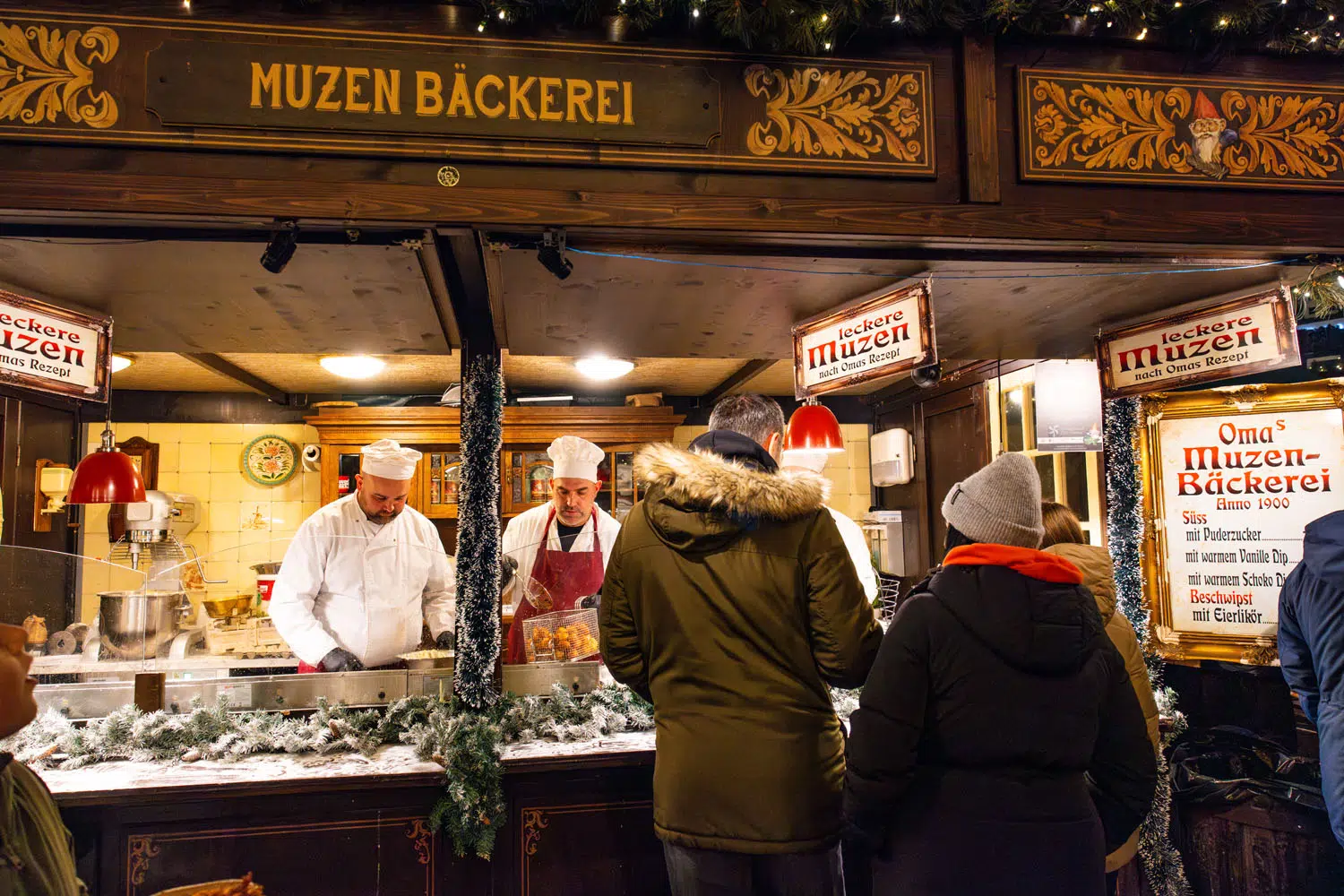
- Dining: Don’t limit yourself to just Bratwurst. Explore regional specialties like Flammlachs (flame-grilled salmon), Spätzle, and various types of Lángos.
- Photography: The best time for photography is during the "Blue Hour"—the time just after sunset when the sky is a deep blue and the market lights are at their most vibrant.
- Accommodation: Staying in the city center near the Central Station provides the best access, but be prepared for higher prices. If you prefer a quieter stay, look for hotels on the eastern bank of the Rhine, which offer spectacular skyline views of the illuminated Cathedral.
Conclusion: A Festive Legacy
Cologne has mastered the art of the Christmas market. While the crowds at the Cathedral can be overwhelming, the hidden gems found in the Neumarkt or the medieval charm of the Nikolausdorf provide a balanced experience for every type of traveler. By planning ahead, respecting the local customs, and allowing yourself the time to wander, you will find that Cologne’s festive season is not just a destination, but a memory that endures long after the lights have been packed away.
Whether you are a first-time visitor or a veteran of European holiday markets, Cologne’s blend of ancient history and modern cheer remains a standard-bearer for the world. Prepare your itinerary, keep your cash at the ready, and immerse yourself in the magic of a German Christmas.
 Muslim
  Lina Irawan
  Nila Kartika Wati