

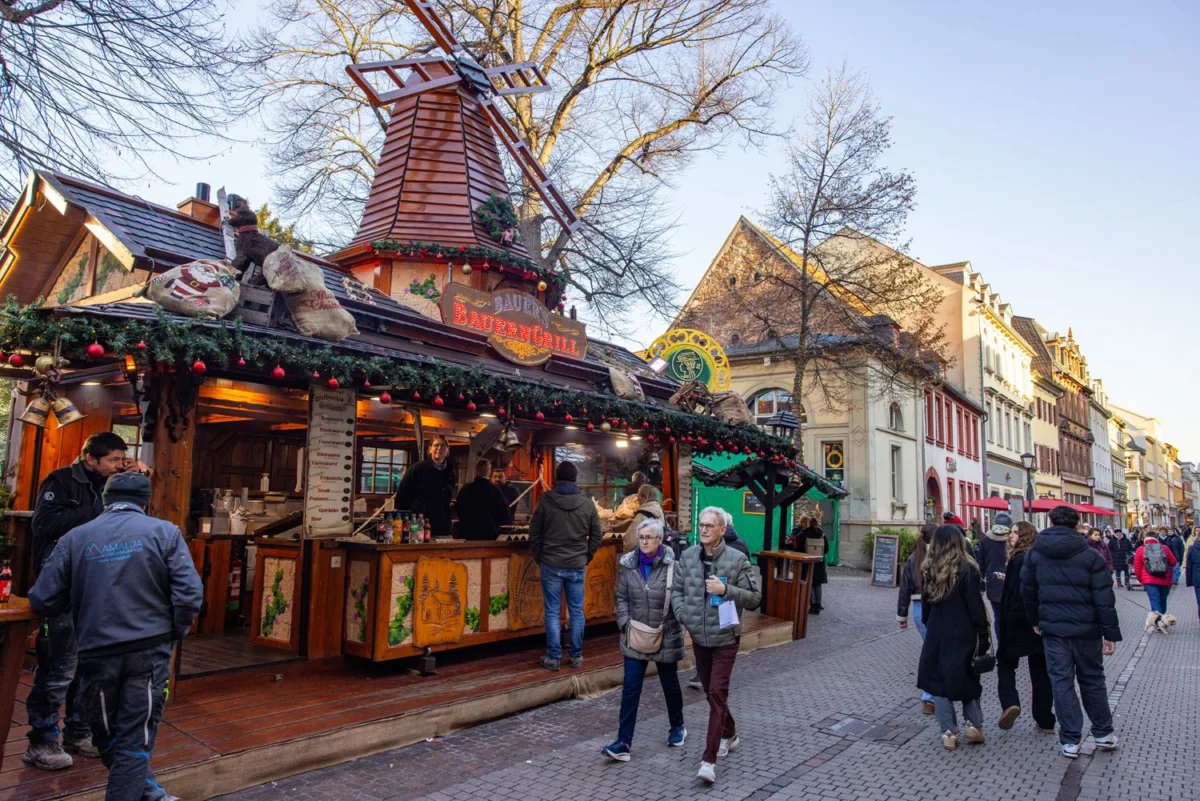
In the landscape of Germany’s legendary festive season, few destinations capture the essence of a winter fairy tale quite like Heidelberg. Nestled in the valley of the Neckar River and framed by the dramatic, vine-covered ruins of its 16th-century castle, this historic university town offers a Christmas market experience that feels personal, intimate, and decidedly romantic. While global travelers often flock to the sprawling, high-energy spectacles in Cologne or Frankfurt, Heidelberg remains a sophisticated, underrated gem for those seeking the authentic heartbeat of German holiday tradition.
Main Facts: The Spirit of Heidelberg at Christmas
The Heidelberg Christmas market is not a singular event, but rather a series of interconnected festive hubs that stretch through the heart of the Altstadt (Old Town). Spanning from the bustling transit hub of Bismarckplatz to the shadow of the majestic castle at Karlsplatz, the market is characterized by a "trail" format that encourages visitors to wander through centuries of architectural history.
- 2026 Season: November 23 to December 22, 2026.
- Operating Hours: Sunday to Friday, 11:00 AM – 9:00 PM; Saturday, 11:00 AM – 10:00 PM.
- Admission: Free.
- Atmosphere: Unlike the overwhelming density of major metropolitan markets, Heidelberg offers a pedestrian-friendly, boutique atmosphere, blending high-quality local craftsmanship with a refined culinary scene.
Chronology: A Day-Trip Blueprint
For the modern traveler, Heidelberg is an ideal day-trip destination, particularly for those based in Frankfurt or Stuttgart. A well-structured itinerary can turn a single day into an immersive cultural experience.
Morning: The Ascent and the History
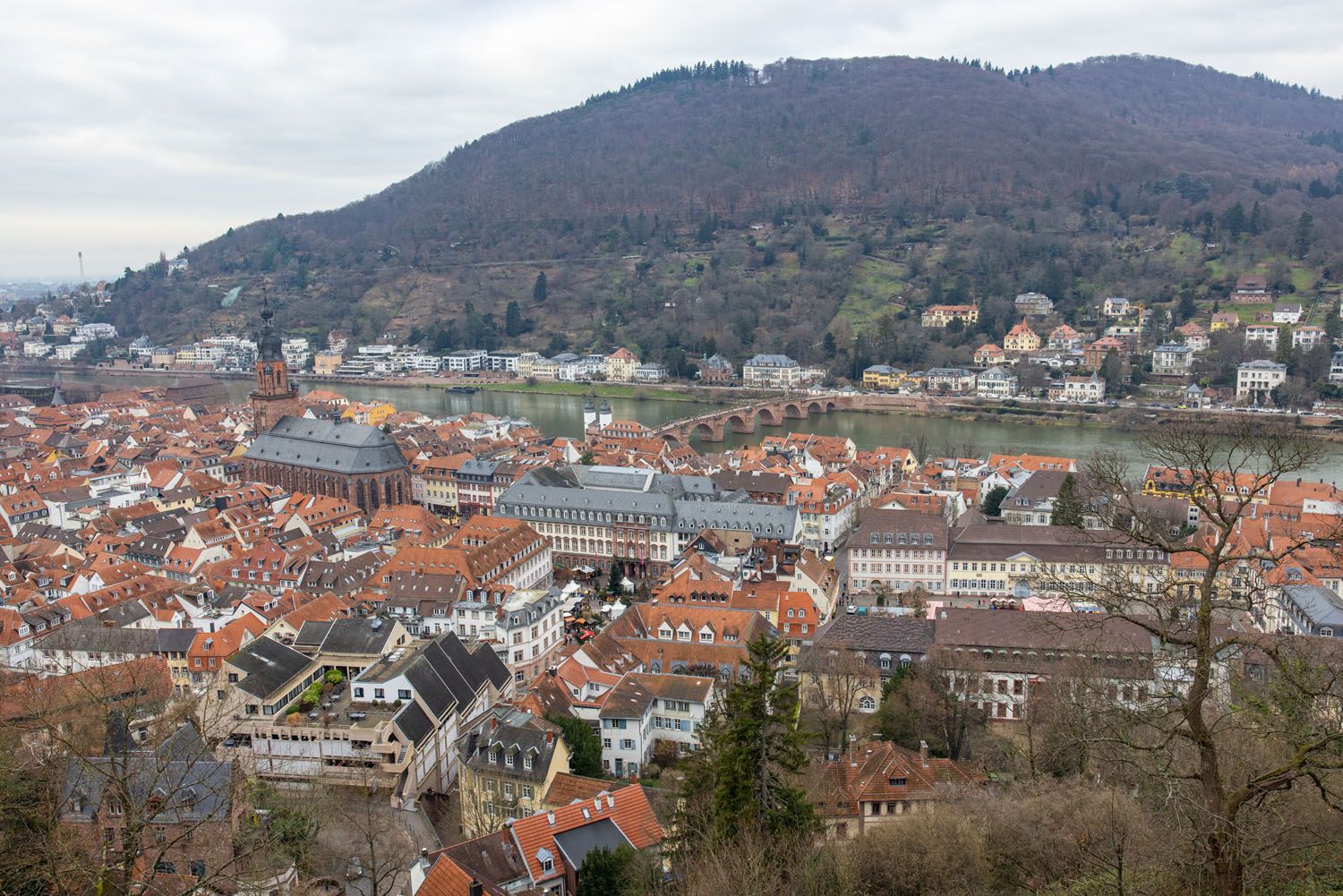
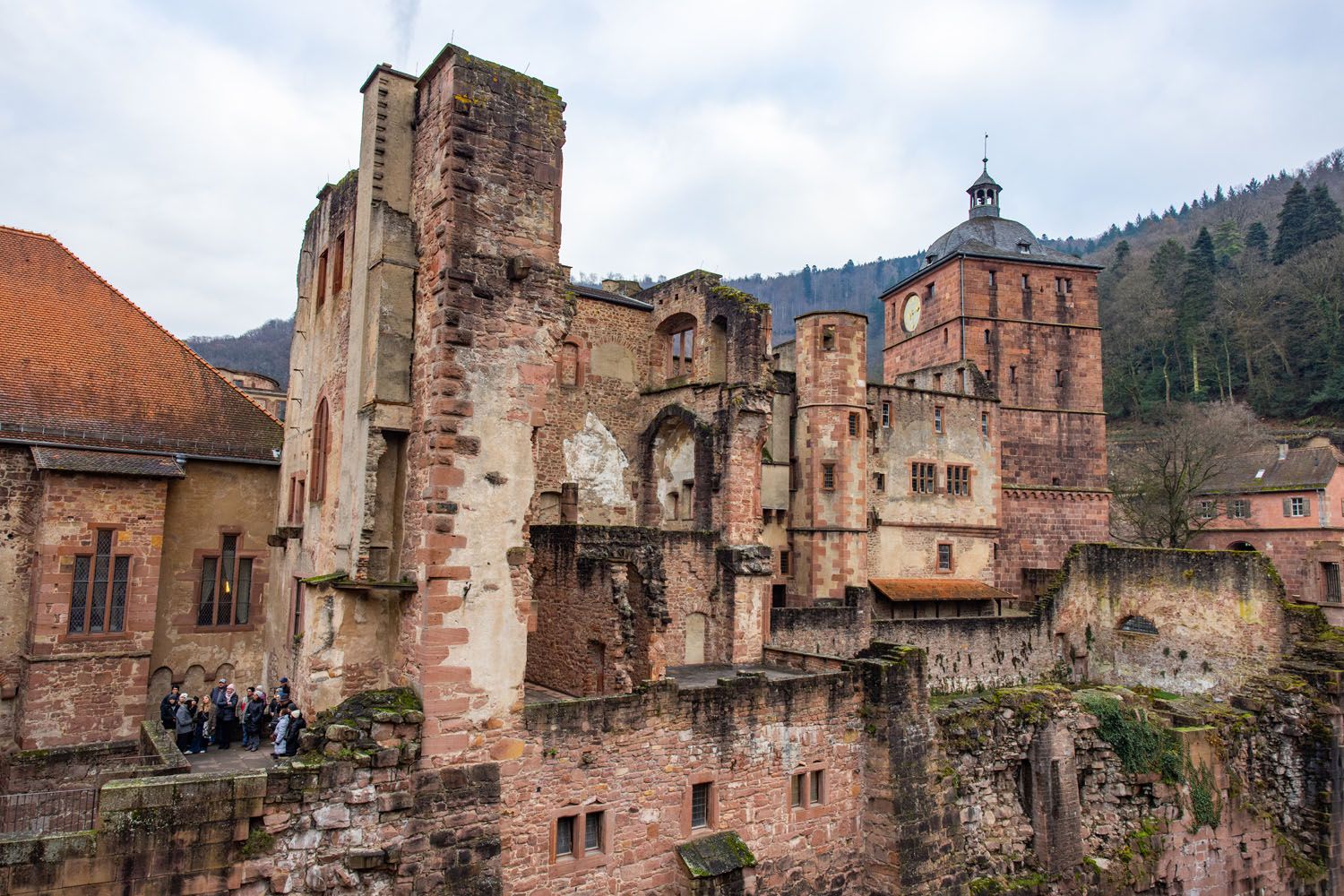
Begin your day by arriving at the Heidelberg Hauptbahnhof. From here, transition into the Old Town via tram or a brisk 20-minute walk. Your first priority should be the Schloss Heidelberg (Heidelberg Castle). Taking the funicular from the station near Kornmarkt provides a seamless ascent to the terrace. Spend the morning exploring the castle’s exterior ruins, the monumental Great Vat, and the sweeping panoramic views of the Neckar Valley.
Afternoon: The Market Trail
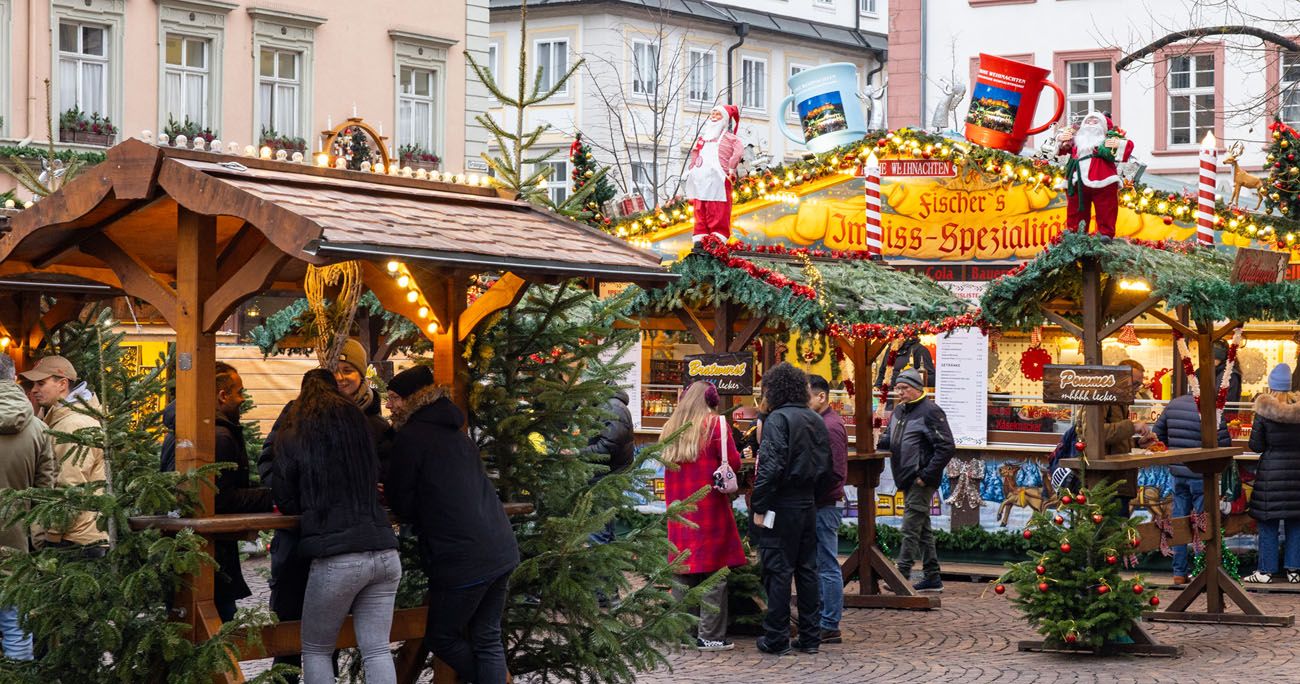
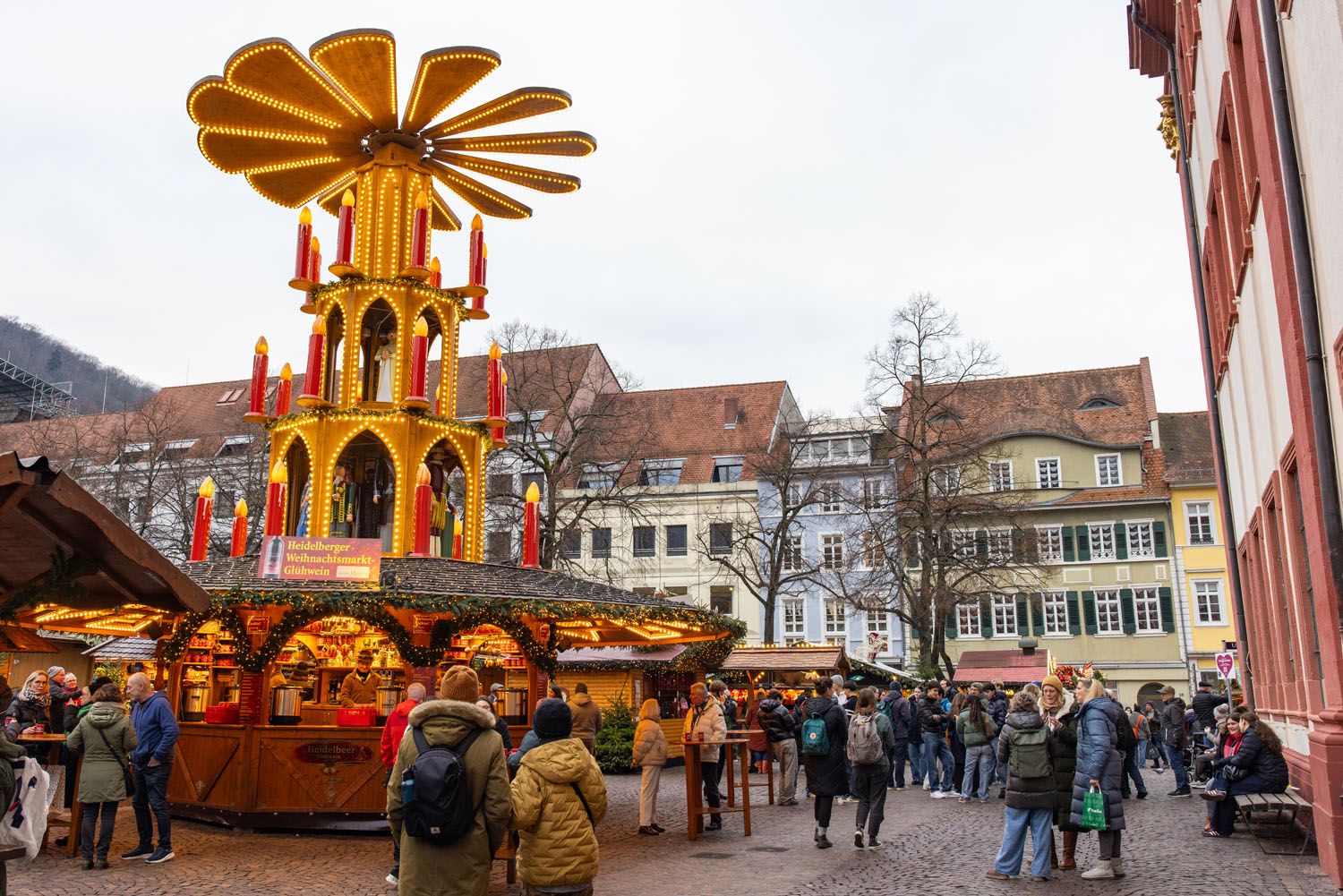
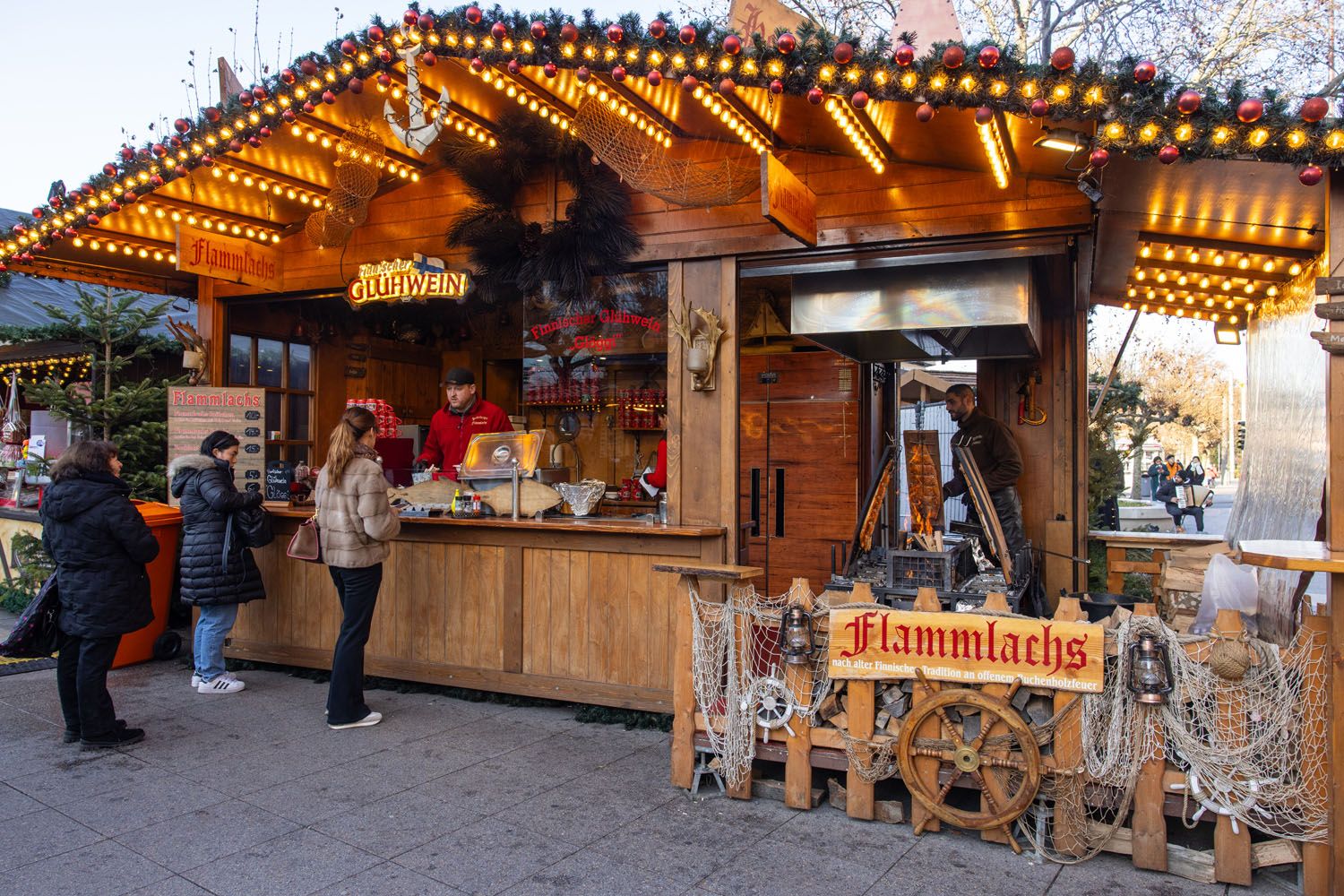
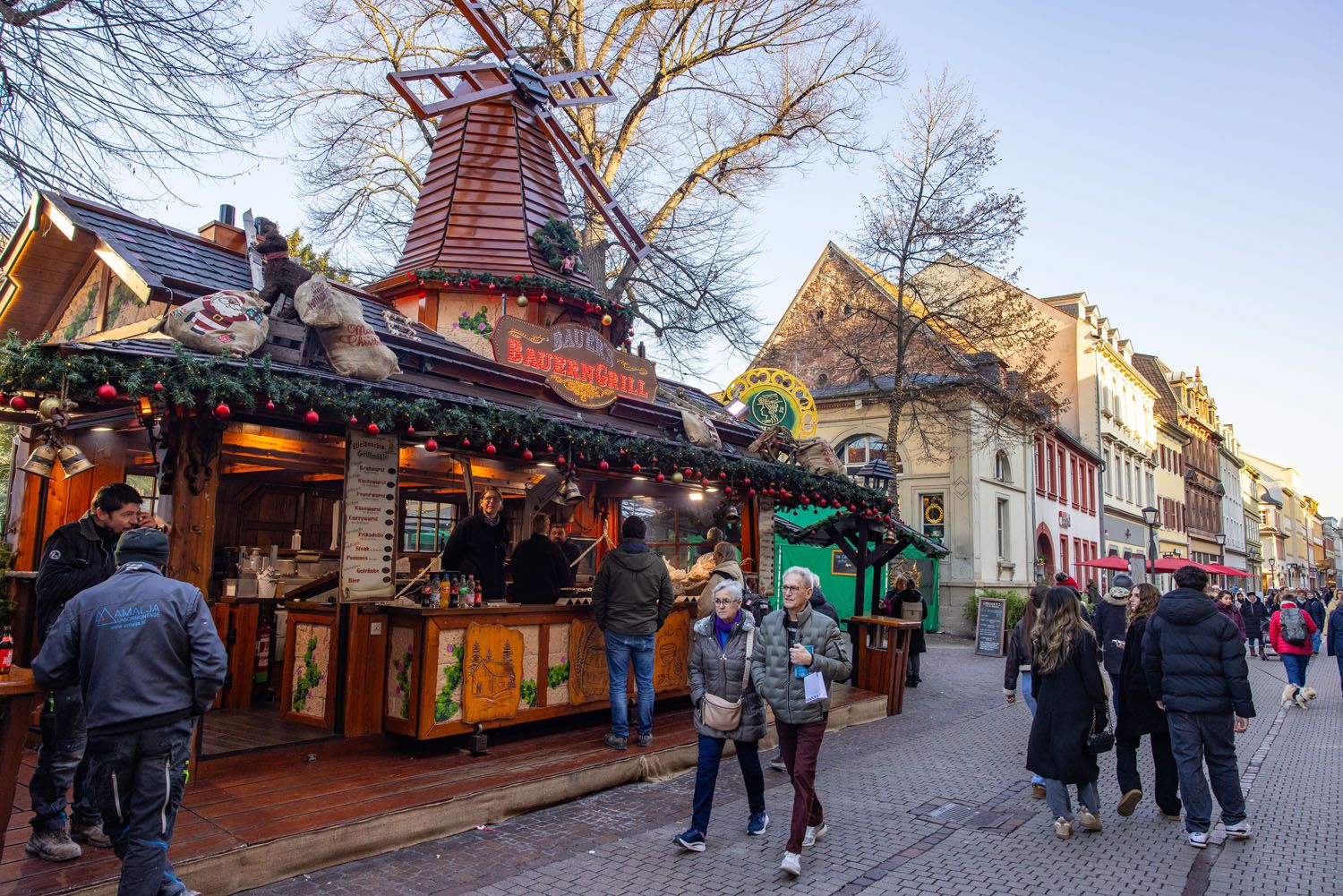
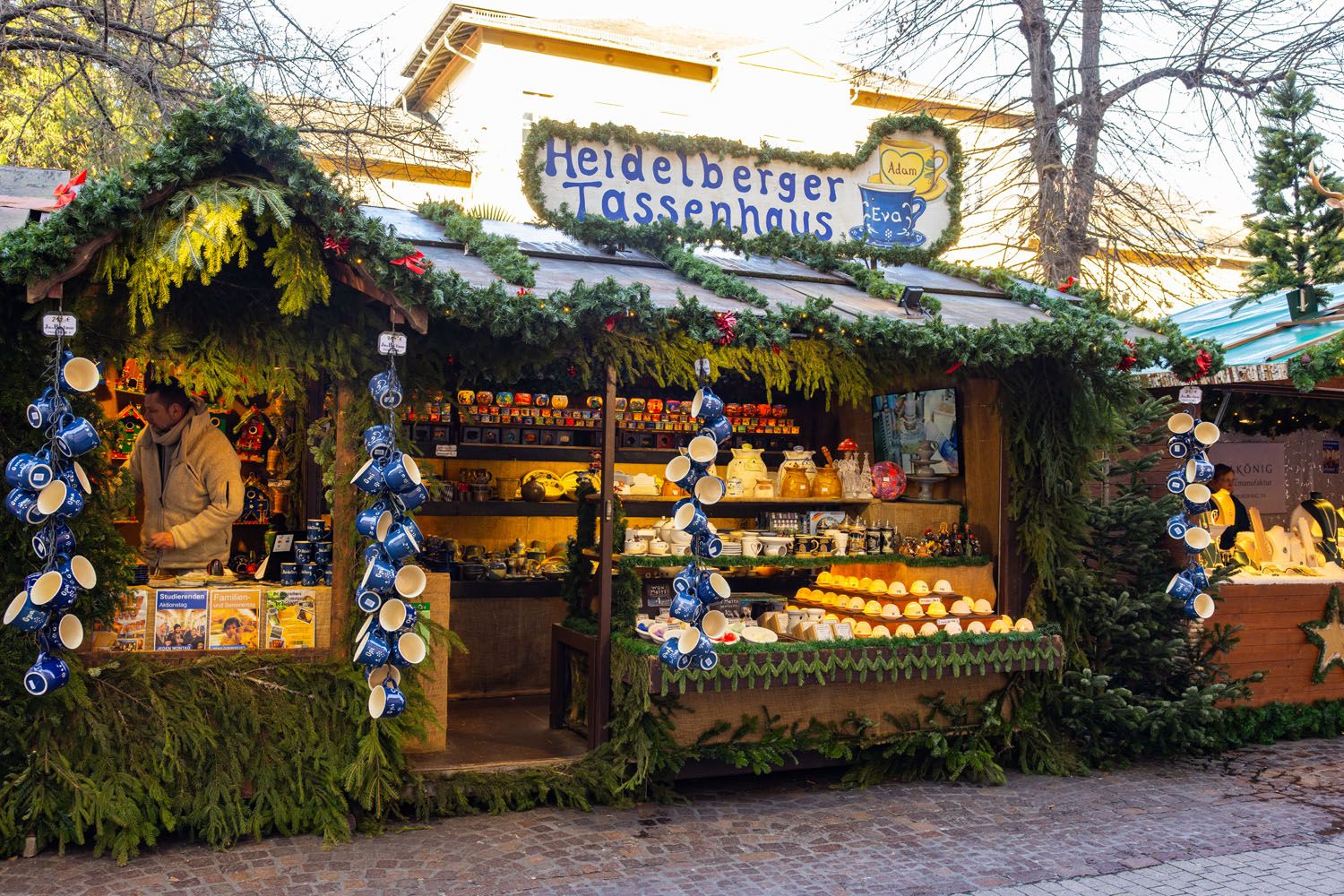
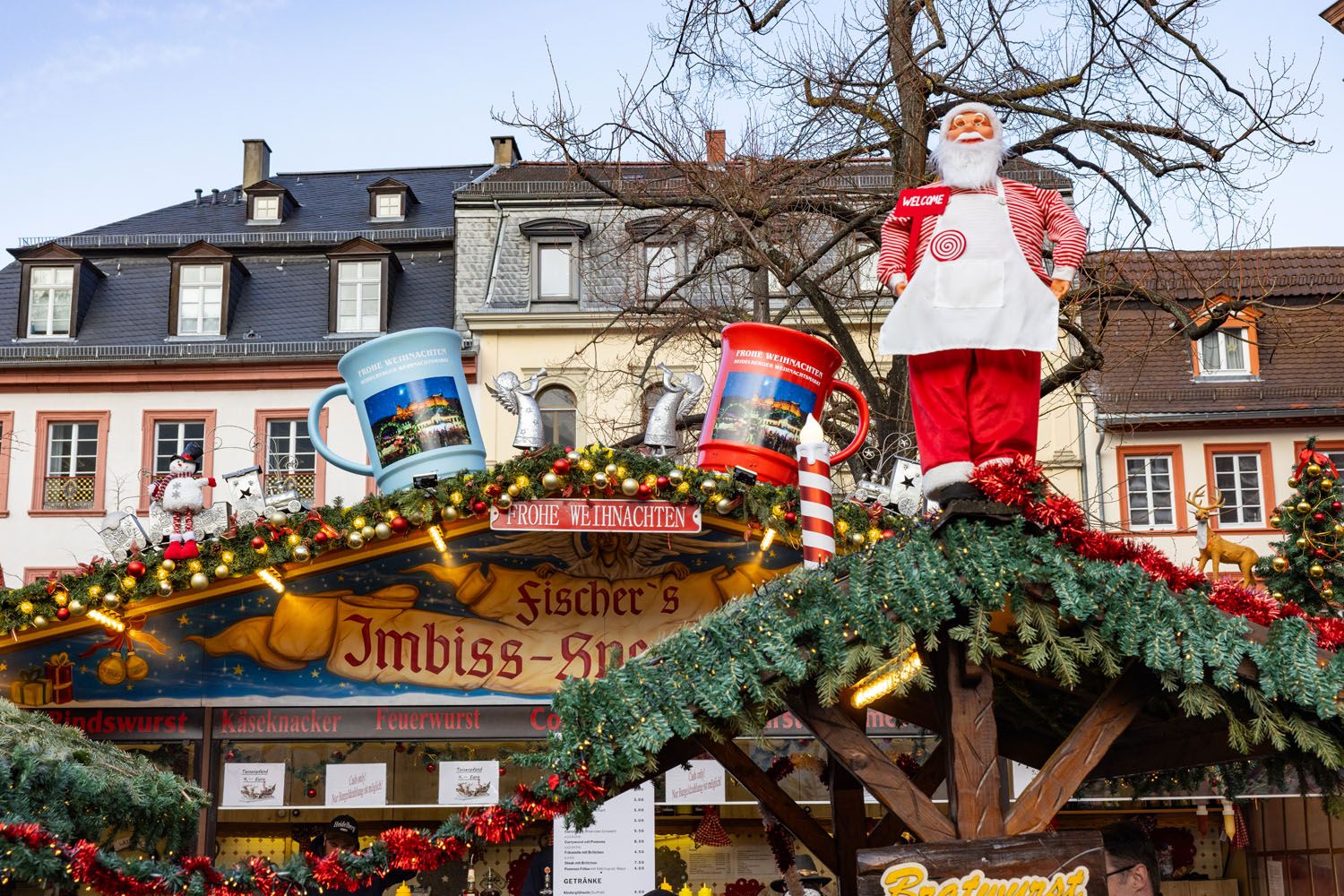
Descend back into the city to begin the market circuit. Start at Anatomiegarten, which serves as an excellent introduction to the town’s artisan stalls. Proceed toward the crown jewel of the experience: Universitätsplatz. As the largest and most vibrant of the squares, this is where the sensory experience peaks—the scent of Glühwein (mulled wine) and fresh Bratwurst fills the air, surrounded by traditional wooden stalls illuminated by thousands of fairy lights.
Late Afternoon: Riverside Reflections
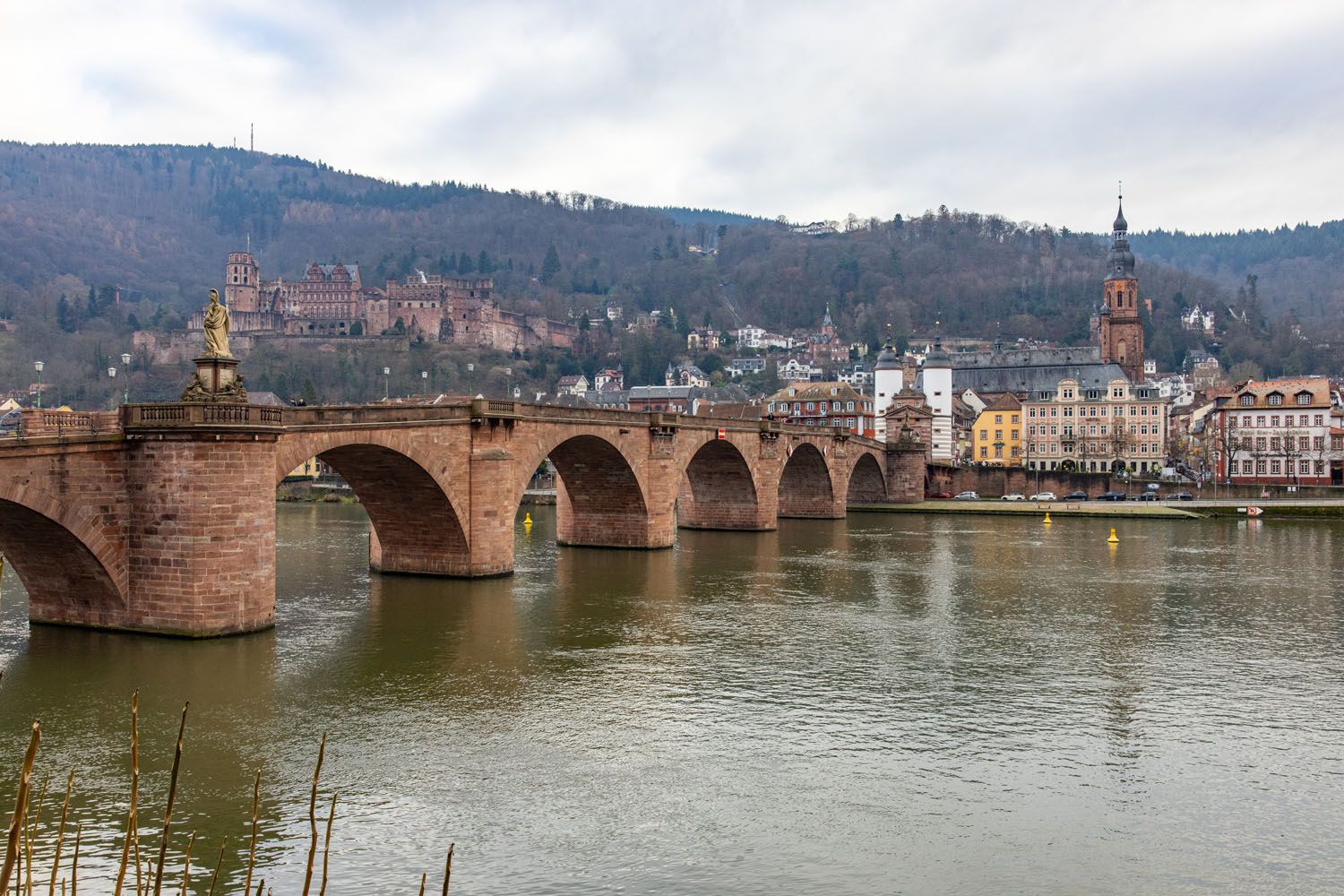
As twilight descends, move toward Marktplatz. Situated at the base of the Heiliggeistkirche (Church of the Holy Spirit), the setting is arguably the most photogenic in the city. After browsing the offerings here, conclude your walk at the Alte Brücke (Old Bridge). The sight of the illuminated bridge against the dark, moody silhouette of the castle ruins is a quintessential German Christmas memory.
Supporting Data: Comparative Analysis of Market Locations
To optimize your time, it is essential to distinguish between the various nodes of the market:
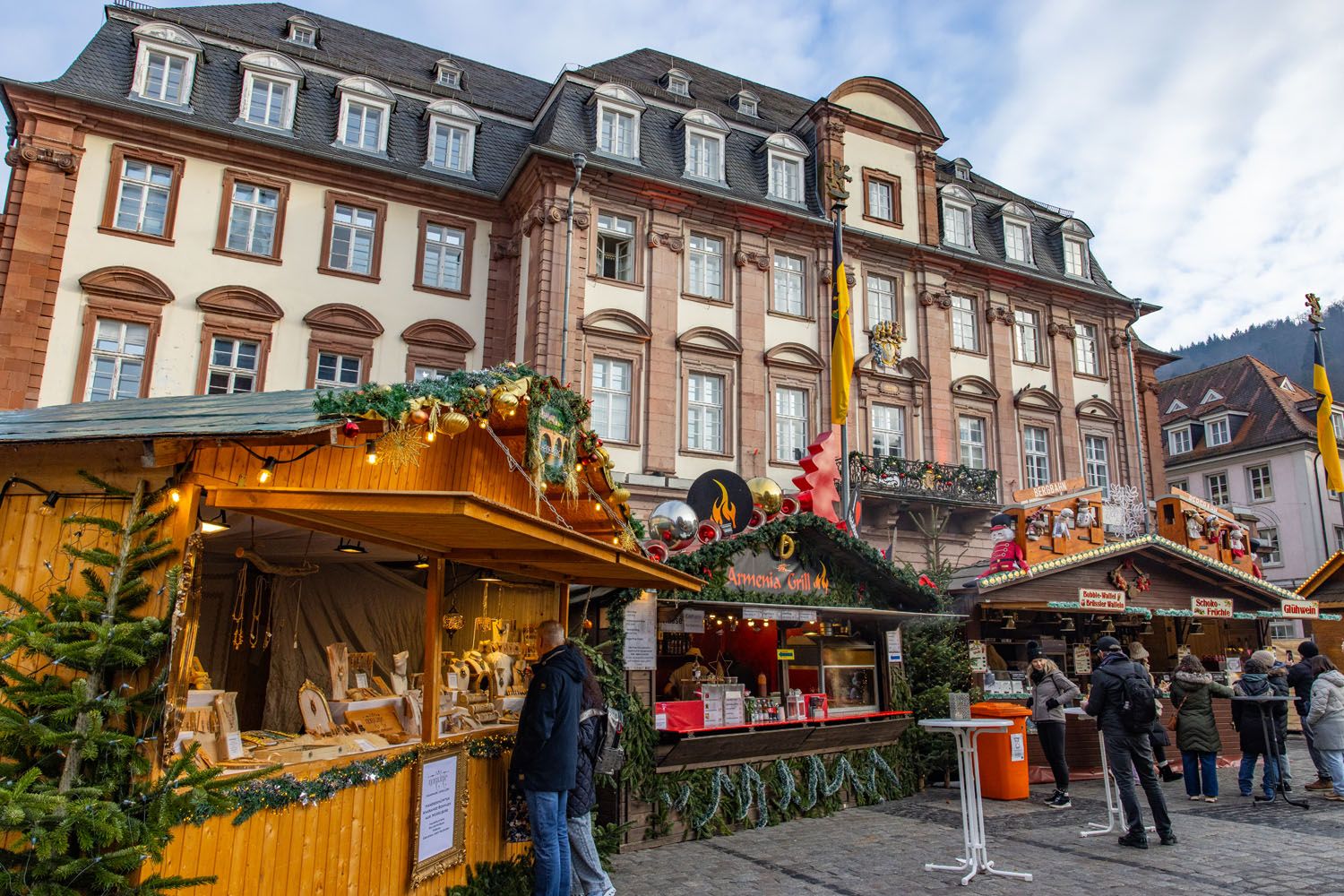
- Universitätsplatz (The Core): Unquestionably the most essential stop. It hosts the widest variety of food, drink, and artisanal crafts. It is the social hub of the market and should receive the majority of your allotted time.
- Marktplatz (The Scenic Choice): A strong runner-up. The architectural backdrop of the church adds a layer of solemn, historic beauty that distinguishes it from the more commercial feel of other areas.
- Anatomiegarten (The Authentic Feel): Located along the main shopping street, it offers a more "local" vibe with a higher density of handmade goods.
- Bismarckplatz & Kornmarkt (The Peripheral): These sections are best suited for those with excess time. While they offer a reprieve from the crowds, they lack the architectural gravitas and festive density found in the central squares.
- Karlsplatz (The Vistas): While the market stalls here are modest, the view of the castle from this vantage point is unparalleled. It is a location for photographers and those who prefer a quieter beverage.
Official Perspectives and Local Significance
Heidelberg Marketing, the organization responsible for the curation of the event, emphasizes that the market’s purpose is to preserve the "romantic identity" of the city. Unlike mass-produced tourist events, the Heidelberg market prioritizes local artisans and regional culinary specialties.
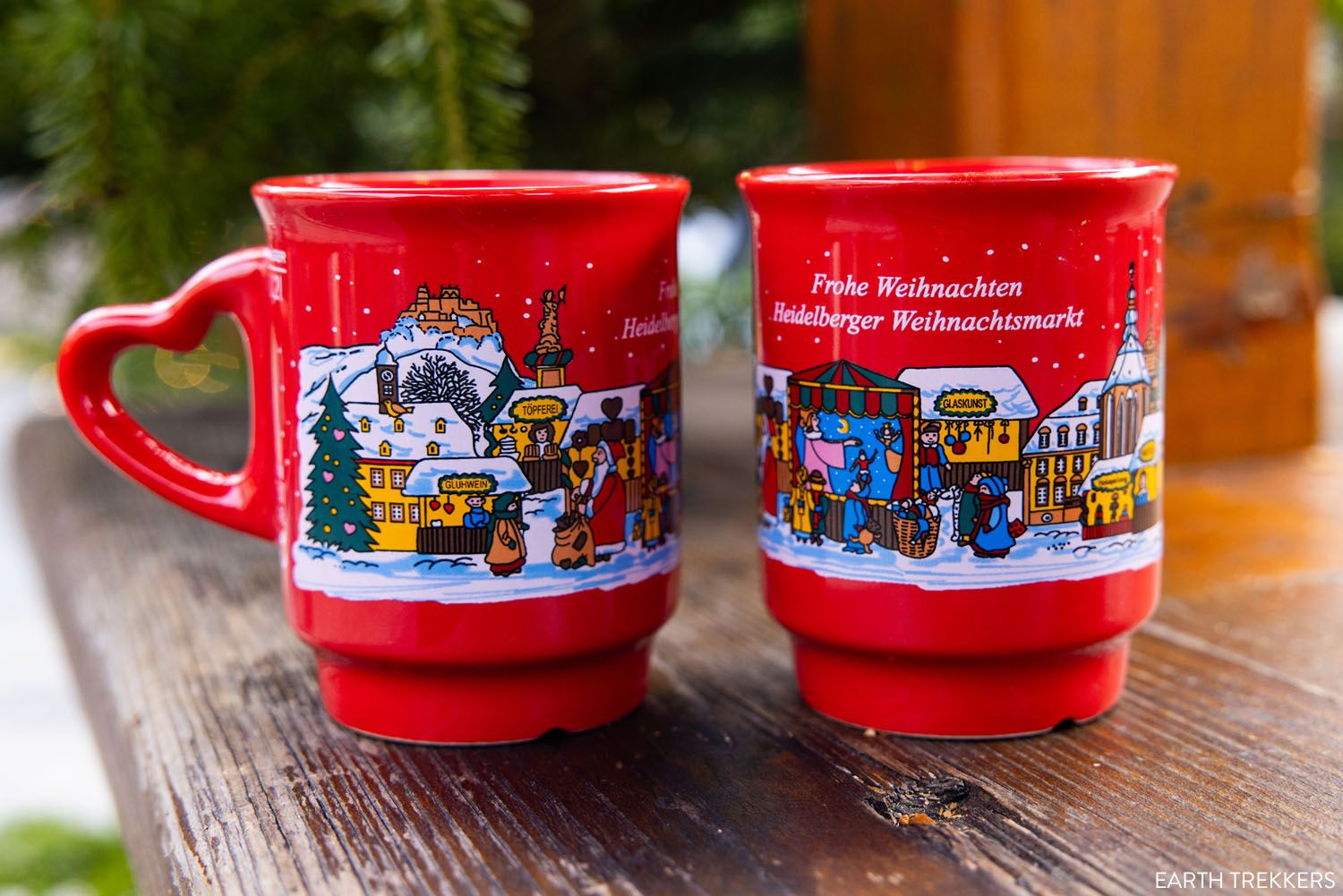
Regional tourism boards in Baden-Württemberg often position Heidelberg as a "gateway" experience. For visitors who have previously toured the high-octane markets of Bavaria—such as the massive displays in Nuremberg or the royal atmosphere of Munich—Heidelberg serves as a refreshing palate cleanser. It is the "refined" option, where the focus shifts from quantity of stalls to the quality of the environment.
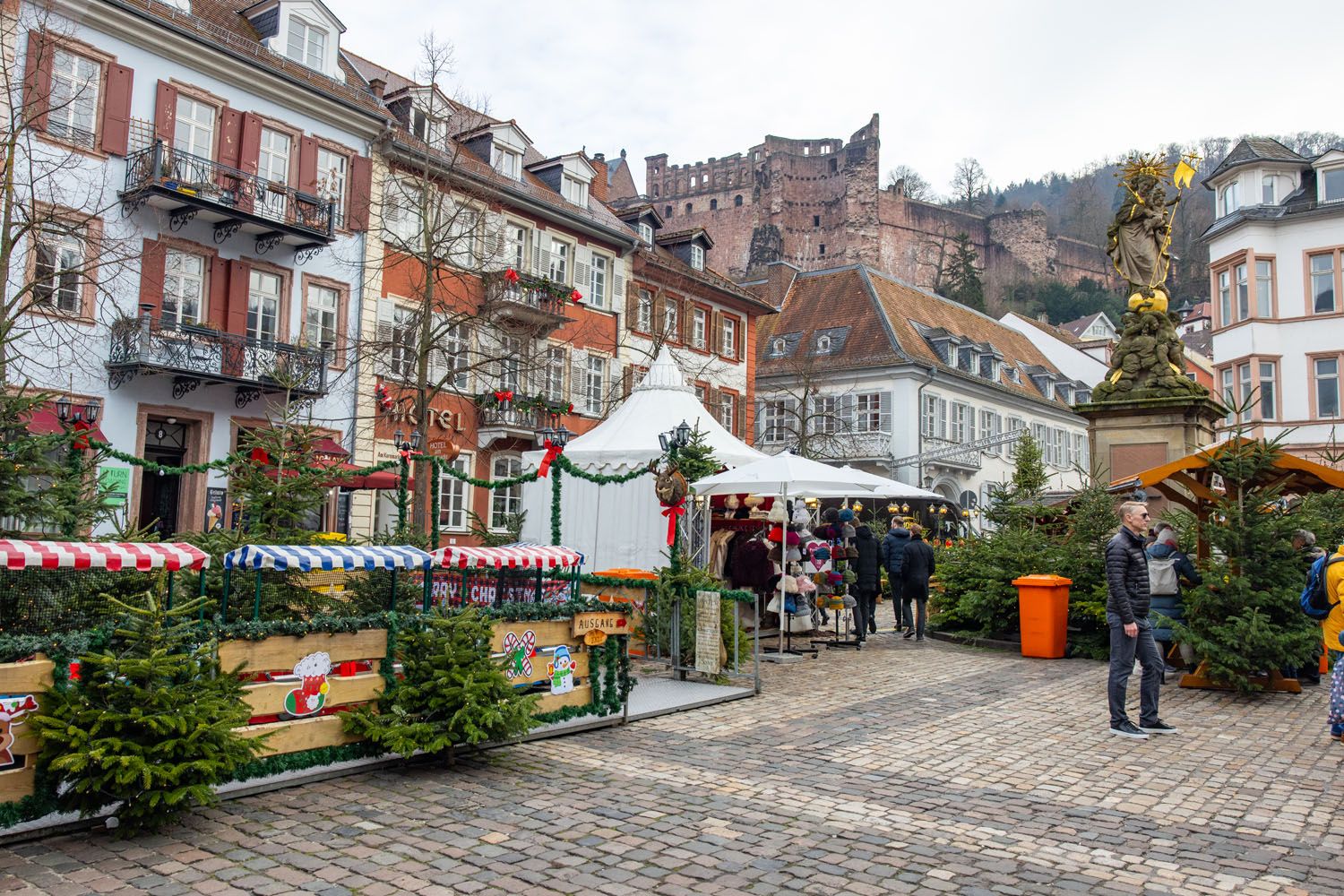
Implications for Future Travel Itineraries
Is Heidelberg worth a dedicated journey? The consensus among experienced European travelers is nuanced. If you are traveling through the Rhine-Main region, a detour to Heidelberg is not just recommended; it is essential. Its proximity to Frankfurt (a one-hour drive or train ride) makes it logistically effortless to integrate into a 10-day German itinerary.
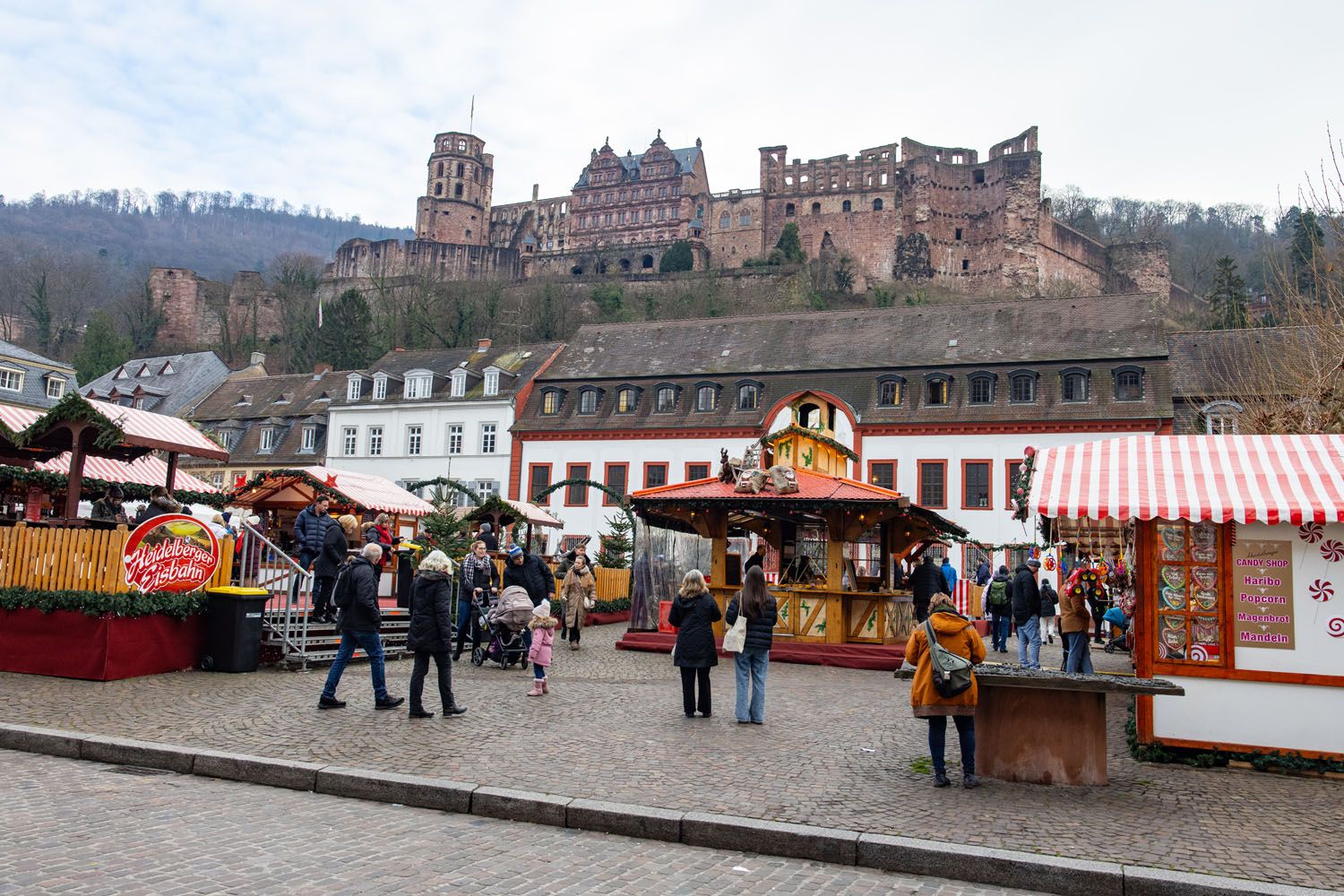
However, for travelers looking to curate a "best-of" list of European markets, it is important to manage expectations. Heidelberg is not a sprawling mega-market. It is a destination for those who value atmosphere over scale. If you are seeking the medieval grandeur of Esslingen or the unique landscape of the Ravenna Gorge market, you might find Heidelberg to be a calmer, quieter counterpart.
Strategic Planning Tips:
- Advance Booking: Because Heidelberg is a premier destination, trains can reach capacity on weekends. Secure your Deutsche Bahn tickets in advance to avoid the stress of peak-hour queues.
- Parking Logistics: If choosing to drive, avoid the temptation to park in the immediate center. Use the designated parking garages (Parkhäuser) on the outskirts of the Old Town to save time and frustration.
- The "Souvenir" Strategy: While many markets feature mass-produced items, the wooden stalls in the center of Heidelberg still feature traditional, high-quality wood carvings and regional ornaments that make for superior keepsakes compared to standard souvenirs.
Conclusion: A Timeless Experience
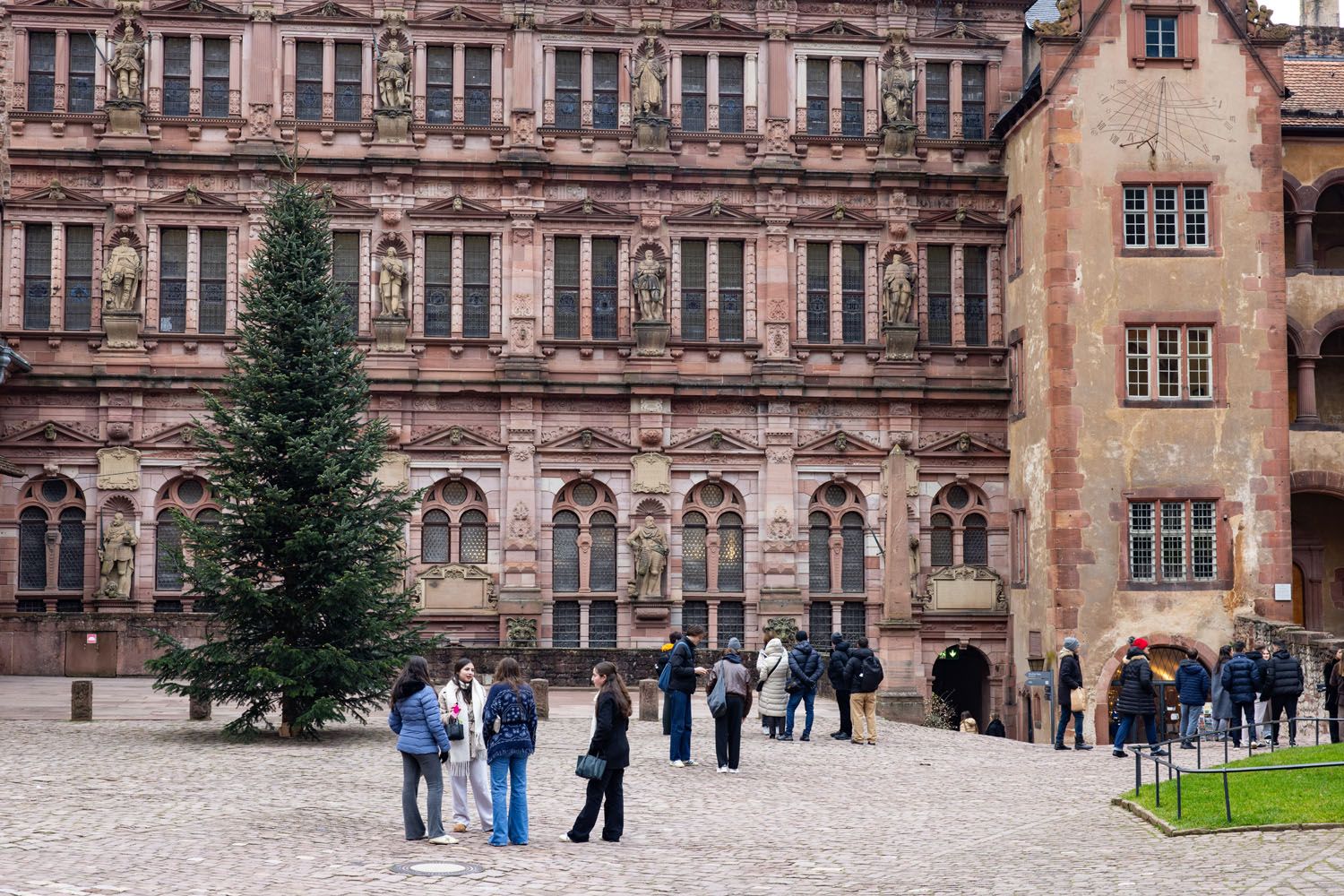
Heidelberg occupies a special niche in the European Christmas landscape. It does not attempt to compete with the sheer volume of the world’s largest markets. Instead, it leans into its identity as a historic university town, offering a backdrop of castle ruins, stone bridges, and narrow cobblestone streets that no amount of modern decoration could replicate.
For the traveler who wants to step away from the commercial noise of the holiday season and into a scene that feels as if it were plucked from an 18th-century postcard, Heidelberg is the ultimate destination. By prioritizing the central squares and pairing your visit with a walk across the Old Bridge, you can capture the magic of a German Christmas in a single, perfectly orchestrated day.
As you plan your next winter excursion, remember that the most memorable travel experiences are often found not in the loudest, busiest centers, but in the places that hold their history with grace—and nowhere is that more evident than in the glowing, festive heart of Heidelberg.
 Muslim
  Lina Irawan
  Nila Kartika Wati