


In the modern landscape of international travel, the days of landing at a foreign airport and frantically hunting down a kiosk for a physical SIM card are rapidly becoming a relic of the past. For decades, acquiring high-speed mobile data while traversing Europe meant dealing with microscopic plastic cards, SIM-ejection tools, and exorbitant roaming fees from domestic carriers. Today, the advent of the embedded electronic SIM—commonly known as the eSIM—has revolutionized how globetrotters access cellular networks abroad.
Offering unmatched convenience, instantaneous activation, and multi-network flexibility, eSIM technology allows travelers to connect to major European carriers directly from their smartphones without ever opening a SIM tray. However, navigating the rapidly expanding market of prepaid European eSIM data plans requires careful planning. From understanding carrier data caps to verifying device compatibility, travelers must weigh their options carefully to avoid unexpected connectivity hurdles.

The Main Facts: Why eSIMs Are Replacing Traditional SIMs
At its core, an eSIM is a digital version of a traditional physical SIM card. Instead of physically swapping out a chip to change your mobile network provider, users can download a profile digitally via an app or QR code.
The primary catalyst for this shift is convenience. Modern travelers rely heavily on mobile data for virtually every aspect of a European journey. Digital train tickets, real-time public transit tracking, Google Maps navigation, QR-code restaurant menus, rideshare applications like Uber, and digital payment methods all demand a reliable, high-speed internet connection. Relying on sporadic free Wi-Fi hotspots is no longer practical or reliable.

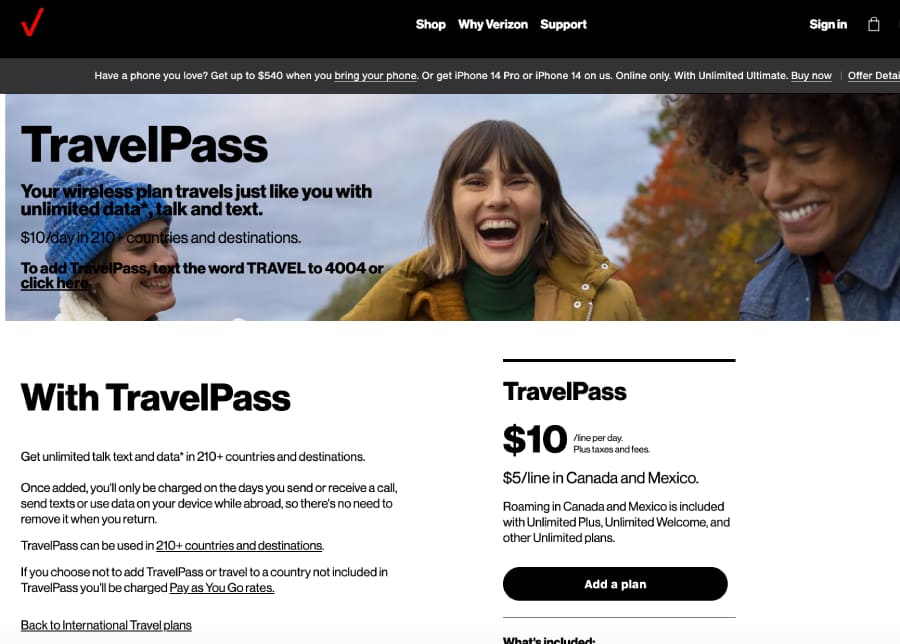
Furthermore, domestic mobile providers in North America and beyond—such as AT&T, Verizon, and T-Mobile—frequently offer international day passes or roaming plans, but these alternatives often come with severe financial and performance drawbacks. International day passes routinely cost around $10 per day, making them roughly five times more expensive than third-party prepaid eSIM alternatives. Additionally, many "unlimited" carrier plans throttle speeds down to sluggish 2G or 3G speeds after a meager daily or monthly data allowance, rendering apps like Google Maps virtually unusable.
Chronology of the Shift Toward Digital Connectivity
The transition toward eSIM technology has accelerated rapidly over the past half-decade, reshaping the telecommunications and travel industries.

- Pre-2019: International travelers relied almost exclusively on physical local SIM cards purchased upon arrival, international roaming packages from home carriers, or pocket Wi-Fi rental units.
- 2019–2021: Major smartphone manufacturers began incorporating eSIM hardware into flagship devices alongside physical SIM slots, introducing mainstream "Dual SIM" capabilities. Third-party travel tech companies began emerging to offer digital data-only profiles.
- 2022–2023: The market exploded with specialized European eSIM providers like Holafly and SimOptions, introducing competitive regional plans backed by major European telecom giants like Orange and Bouygues.
- Late 2022: Apple dropped physical SIM card slots entirely for US-market iPhone 14 models, forcing American consumers to fully embrace eSIM technology and cementing its industry dominance.
- March 2024: Apple introduced an automatic eSIM installation and activation feature with its iOS 17.4 update, significantly streamlining the user setup experience.
Supporting Data: Top European eSIM Providers Compared
Thanks to European Union regulations that outlawed mobile data roaming fees across member states, a data plan purchased in one EU country functions seamlessly across the entire bloc. Travelers can purchase a French eSIM profile and use it effortlessly in Italy, Germany, Spain, and beyond.
However, industry experts recommend sticking with plans backed by major European carriers to ensure the fastest speeds and most comprehensive network coverage. Below is a breakdown of the leading prepaid European eSIM options currently dominating the market:
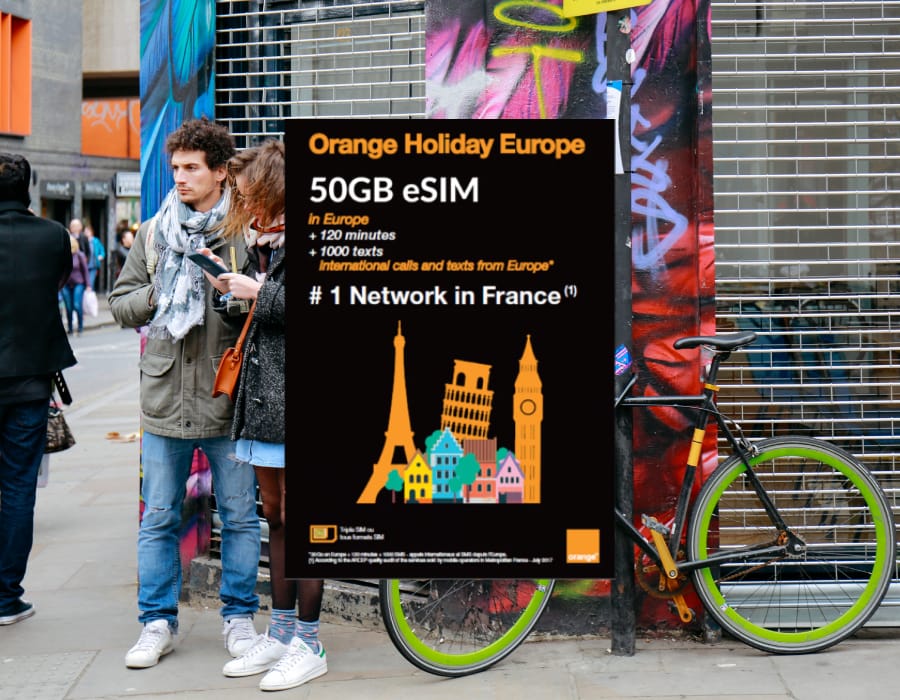
1. Orange Holiday Europe eSIM (30GB & 50GB / 70GB Plans)
Orange is one of the largest telecommunications companies in Europe, offering exceptional network reliability.
- Features: Includes generous data allowances (ranging from 30GB to 70GB), an actual French phone number, international voice calling, and text messaging capabilities that work anywhere in Europe. Mobile hotspot usage is fully supported.
- Considerations: Standard plans are typically valid for 14 to 28 days upon activation.
2. Holafly Europe eSIM (Unlimited Data)
For heavy data users who stream video or frequently upload media, Holafly provides a unique alternative.

- Features: Offers completely unlimited data plans with flexible durations ranging from 1 to 90 days, eliminating the risk of running out of data mid-trip.
- Considerations: Pricing scales by duration (averaging roughly $2.50 to $5 per day), and mobile hotspot sharing may be restricted or capped depending on the specific package.
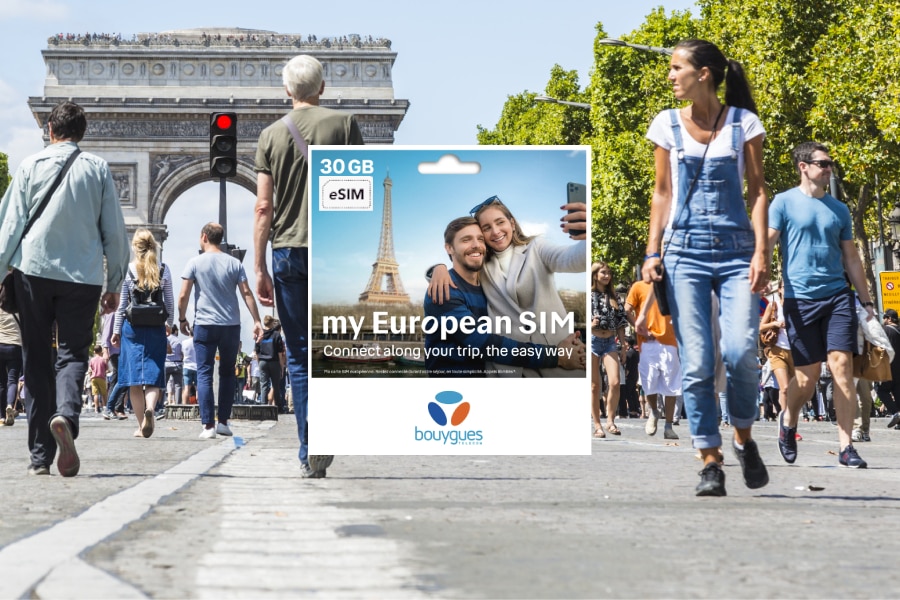
3. Bouygues My European eSIM
A major French competitor to Orange, Bouygues offers robust connectivity tailored for longer excursions.
- Features: Comes standard with 30GB of data, unlimited calls within Europe, and a 30-day validity period, making it ideal for extended backpacking trips.
4. Smart Comfort X eSIM
For budget-conscious travelers with modest data needs, this option offers a streamlined, data-only experience.
- Features: Typically provides a smaller data bucket (around 5GB) via partnered networks across different European countries.
- Considerations: Does not include a phone number, traditional voice calling, or texting.
Official Guidelines and Device Compatibility
Before purchasing an eSIM, travelers must verify that their smartphone meets two critical technical requirements: network unlocking and eSIM hardware compatibility.
Is Your Phone Unlocked?
Many domestic mobile carriers lock smartphones to their proprietary networks via software. If a phone is locked, it will reject foreign SIM profiles or third-party eSIMs. Travelers must contact their home carrier prior to departure to request an official network unlock.

Compatible Devices
Essentially all iPhones manufactured since 2019 (iPhone XS and newer) support eSIM technology, featuring dual-SIM capabilities. Notably, US-market iPhone 14 models and newer are entirely eSIM-exclusive, completely omitting the physical SIM tray. Similarly, recent Android flagship devices—including Google Pixel models and Samsung Galaxy series released since 2020—offer robust eSIM support.
Implications for Travelers: Practical Tips for Seamless Connectivity
Transitioning to a digital-first mobile strategy requires a shift in habits to maximize efficiency and avoid unnecessary expenses. Travel experts recommend following several best practices:
- Purchase and Install Before Departure: Buy your eSIM profile while still at home to take advantage of stable domestic Wi-Fi during the installation process.
- Delay Full Activation: Do not complete the final activation steps until you physically arrive in Europe. Most travel eSIM validity countdowns begin the exact moment the service activates on a network.
- Beware of Regional Outliers: While EU roaming laws cover most nations, non-EU members like Switzerland and the United Kingdom can sometimes present coverage exceptions depending on the specific carrier plan. Always check country coverage lists before purchasing.
- Manage Data Consumption Carefully: To stretch data allowances, utilize offline Google Maps downloads, rely on Wi-Fi for heavy downloads, and communicate via data-based messaging applications like WhatsApp, which is ubiquitous throughout Europe.
- Carry a Portable Battery Charger: Continuous GPS navigation, photography, and mobile data usage drain smartphone batteries rapidly. Carrying a compact portable charger, such as an Anker PowerCore, is strongly advised for long days of sightseeing.
By preparing ahead of time and selecting a reputable prepaid eSIM provider, modern travelers can bypass the friction of traditional roaming and enjoy seamless, high-speed connectivity across Europe.
 Dwi Wanna
 Nana
 rifanmuazin
