


Introduction: The Death of the Physical SIM Card and the Rise of Digital Connectivity
For decades, the ritual of touching down at a European airport involved a frantic hunt for a local kiosk, a struggle with a microscopic plastic SIM tray, and the awkward exchange of cash or credit for a physical SIM card. Today, that rite of passage is rapidly becoming obsolete.
Driven by hardware evolutions—most notably the complete removal of physical SIM slots in United States iPhone models starting with the iPhone 14—embedded subscriber identity modules (eSIMs) have transformed how international travelers access mobile data.

For visitors navigating Europe’s cobblestone streets, high-speed connectivity is no longer a luxury; it is a logistical necessity. From digital train tickets and QR-code restaurant menus to real-time public transit tracking and rideshare apps, modern European infrastructure assumes every traveler is online. However, while eSIM technology offers unprecedented convenience, choosing the right provider, understanding regional network quirks, and avoiding exorbitant carrier roaming fees require careful planning.
Main Facts: The Evolution of European Mobile Data
The transition from physical SIM cards to digital eSIM profiles represents a fundamental shift in telecommunications. Unlike traditional roaming packages offered by domestic carriers in North America or Australia—which often rely on throttling speeds or charging punishing daily fees—prepaid European eSIMs provide direct access to native networks at a fraction of the cost.

Because the European Union outlawed intra-EU mobile data roaming fees years ago, a traveler can purchase an eSIM from a major carrier based in France, such as Orange, and use it seamlessly across Italy, Germany, Spain, and beyond. This regulatory landscape ensures competitive pricing and expansive coverage, though notable exceptions like Switzerland and the United Kingdom require closer inspection due to their non-EU status.
Furthermore, the technology leverages dual-SIM capabilities found in nearly all modern smartphones. This allows travelers to maintain their domestic phone number for crucial two-factor authentication texts and bank fraud alerts while simultaneously routing heavy data usage through a low-cost European provider.

Chronology & Technological Adoption: How eSIMs Became the Industry Standard
The widespread adoption of eSIM technology has accelerated rapidly over the last half-decade, reshaping consumer habits and international travel prep:
- Pre-2019: Travelers relied almost exclusively on physical local SIM cards purchased abroad or expensive, inflexible international roaming add-ons from domestic carriers.
- 2019–2021: Major smartphone manufacturers began incorporating dual-SIM hardware (one physical SIM plus an eSIM) into flagship devices, laying the groundwork for digital-first connectivity. Third-party travel eSIM startups began entering the market.
- 2022: Apple dropped physical SIM slots entirely for iPhone 14 models sold in the United States, forcing American consumers to adopt eSIM technology and accelerating global market demand.
- 2023–2024: Established European telecommunications giants—including Orange and Bouygues Telecom—began rolling out native prepaid eSIM data plans tailored specifically to international tourists, bypassing third-party middlemen.
- Late March 2024: Apple released iOS 17.4, introducing an automatic eSIM installation and activation feature designed to streamline the user setup process significantly.
Supporting Data: Comparing International Roaming vs. Prepaid eSIMs
When planning a trip across the Atlantic, travelers face a stark financial contrast between traditional home-carrier roaming and third-party prepaid eSIMs.
Domestic Carrier Pitfalls
- AT&T: Offers an International Day Pass for $10 per day, or monthly legacy plans providing minimal data (2GB to 6GB) with steep overage penalties of $30 per gigabyte.
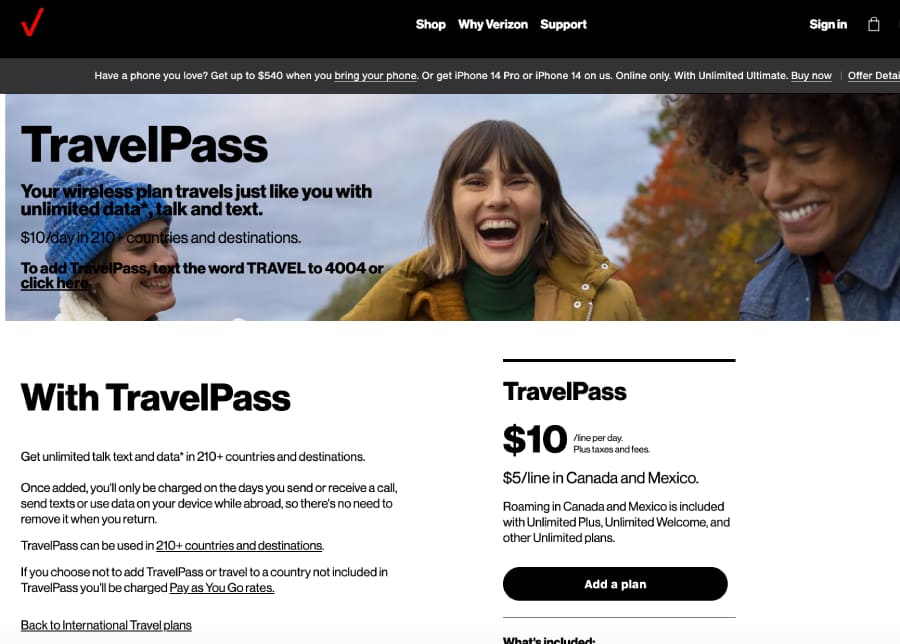
- Verizon: Imposes a $10 daily travel fee, but automatically throttles users down to sluggish 3G speeds after exhausting a 2GB daily threshold.
- T-Mobile: Frequently markets "free" international data, but aggressively throttles speeds down to 2G after a 5GB cumulative usage cap—rendering apps like Google Maps or web browsers virtually unusable.
Prepaid eSIM Alternatives
By contrast, specialized European data providers and digital retailers offer robust packages that cost roughly one-fifth of major carrier daily fees, averaging between $2 and $5 per day. Leading options include:
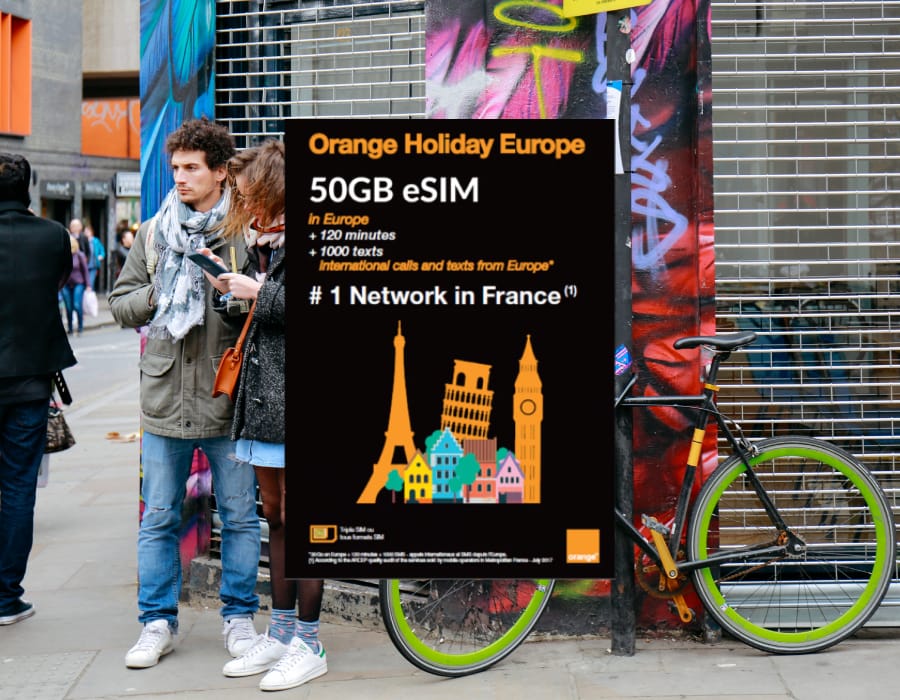
- Orange Holiday Europe eSIM (50GB / 70GB options): Priced around $59.90 for a 28-day validity period, this plan includes a native French phone number, international voice calling, texts, and mobile hotspot capabilities operating on one of Europe’s largest infrastructure networks.
- Holafly Europe eSIM: Tailored for heavy data users, Holafly provides truly unlimited data packages ranging from 1 to 90 days, with daily costs scaling down for longer durations.
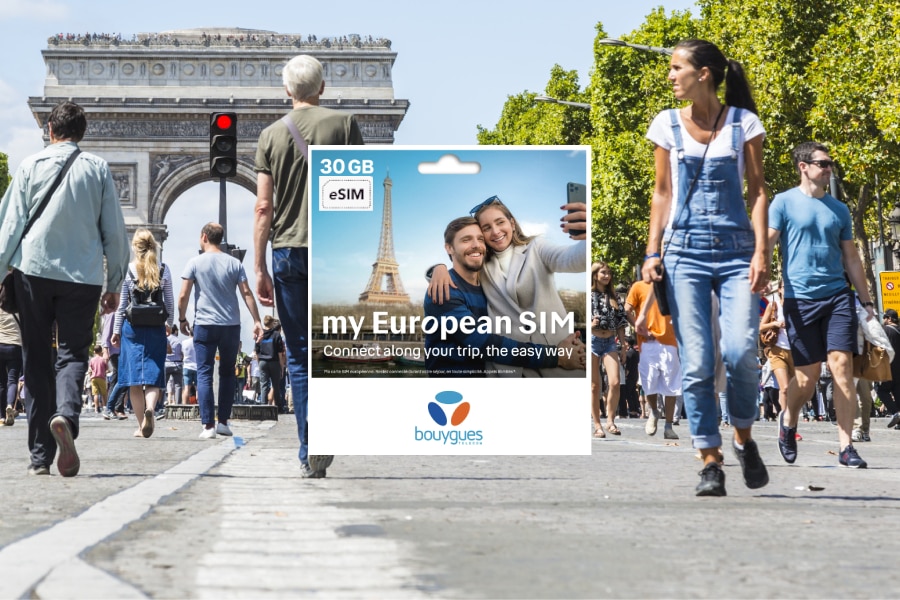
- Bouygues My European eSIM: A robust alternative offering 30GB of data, unlimited calls within Europe, and a 30-day validity window optimized for extended itineraries.
- Orange Holiday Zen: A budget-friendly alternative providing 15GB of data, unlimited European calls and texts, and limited global calling credit over a 14-day window.
- Smart Comfort X eSIM: A lightweight, data-only regional plan providing 5GB of data via partner networks across individual European nations, ideal for minimal users.
Official Responses and Industry Insights
Telecommunications analysts and consumer advocates consistently emphasize that preparation is key to maximizing digital connectivity abroad. James Feess, creator of travel resource The Savvy Backpacker, notes that while free Wi-Fi is heavily romanticized, relying on public hotspots in Europe is increasingly impractical.

"So much of modern European life requires high-speed mobile data," Feess explains. "Train tickets are digital, Google Maps needs reliable data, sporting event tickets are digital, and restaurant menus are accessed via QR codes."
Industry representatives from major European operators advise travelers to purchase and install their eSIM profiles prior to departure, utilizing home Wi-Fi networks to scan QR codes and download carrier applications. However, experts issue a strict warning regarding activation timelines: travelers must avoid fully activating their data plan until they physically arrive at their European destination. Because validity periods (typically 14 to 30 days) begin ticking the moment the service connects to a network, premature activation wastes valuable days of service.
Implications: Practical Considerations for the Modern Voyager
Transitioning to an eSIM-only travel model carries several important operational implications for tourists:
Device Compatibility & Carrier Locks
Travelers must verify that their smartphone is both eSIM-compatible and carrier-unlocked. Many domestic providers lock devices via software until contracts are fulfilled or specific requests are made. Without an unlocked device, a foreign eSIM profile cannot be installed.

Navigating Regional Outliers
While EU roaming regulations ensure broad compatibility across member states, travelers must remain vigilant regarding regional exceptions. Switzerland and the United Kingdom operate outside strict EU roaming mandates. Certain regional eSIM profiles may lack coverage in Swiss territory or incur unexpected restrictions, making it vital to review carrier coverage maps ahead of time.
Battery Management and Data Discipline
Intensive navigation, continuous translation apps, and constant photo uploading will rapidly drain smartphone batteries. Experts strongly recommend packing a compact portable battery charger (such as an Anker PowerCore) and utilizing offline tools—such as downloadable Google Maps and offline translation packages—to conserve both battery life and valuable data allowances.
By understanding the technical landscape, selecting the appropriate plan volume, and utilizing modern dual-SIM device settings, travelers can unlock a frictionless digital experience across Europe, leaving behind the logistical headaches of physical SIM cards entirely.
 Dwi Wanna
 Nana
 rifanmuazin
