

By Global Travel & Luxury Desk
Published: October 2026
Main Facts
For elite travelers planning their winter holidays, booking a luxury getaway has become an exercise in high-stakes compromise. Luxury alpine chalets from Jackson Hole to Courchevel, ultra-exclusive private villas, and premier Caribbean resorts are enforcing unprecedented stay requirements for the festive season, demanding that guests book—and pay for—minimum stays of up to 14 nights covering both Christmas and New Year’s.
Luxury travel advisors report that properties are turning away travelers who only require standard weeklong holiday blocks. From the French Alps to the sun-drenched shores of Barbados, high-end hospitality brands hold all the leverage amid an unprecedented surge in global travel demand.
While these extended minimum-stay policies maximize hotel revenue and operational efficiency, they have sparked intense pushback from American travelers whose corporate holiday schedules rarely accommodate two full weeks away from the office. Consequently, high-net-worth consumers are increasingly abandoning traditional luxury hotels altogether, turning instead to alternatives like private mega-yacht charters that offer custom itineraries without the restrictive calendar handcuffs imposed by land-based resorts.
Chronology
- Early Fall Planning (September–October): High-end travel advisors like Ashley Isaacs Ganz begin fielding holiday requests from affluent clients hoping to secure multi-room bookings for extended families over the December festive window.
- The Policy Shock: Advisors encounter immediate roadblocks. Properties across Europe, North America, and the Caribbean refuse to accept split bookings, implementing rigid rules requiring full two-week commitments spanning December 23 through January 2 (or longer).
- The Calendar Collision: With both Christmas and New Year’s Day falling on Fridays, holiday travel bottlenecks. Hotels refuse to manage mid-week turnovers on key statutory holidays, cementing the necessity of continuous, uninterrupted bookings.
- The Pivot to Alternatives (Past to Present): Frustrated by paying for ghost nights—hotel rooms left empty while guests arrive late or depart early—affluent travelers begin seeking workarounds. Clients previously loyal to five-star resorts pivot toward bespoke private yacht charters, changing their long-term vacation habits permanently.
Supporting Data
- 14-Night Minimums: Ultra-luxury properties like Les Airelles in the French Alps are enforcing strict two-week minimum stay requirements over the festive peak.
- Vetted Stays and "Rates Upon Request": Exclusive properties in winter hot spots like Aspen and Jackson Hole are screening potential guests not only for creditworthiness and social standing, but specifically for their willingness to adhere to extended length-of-stay minimums.
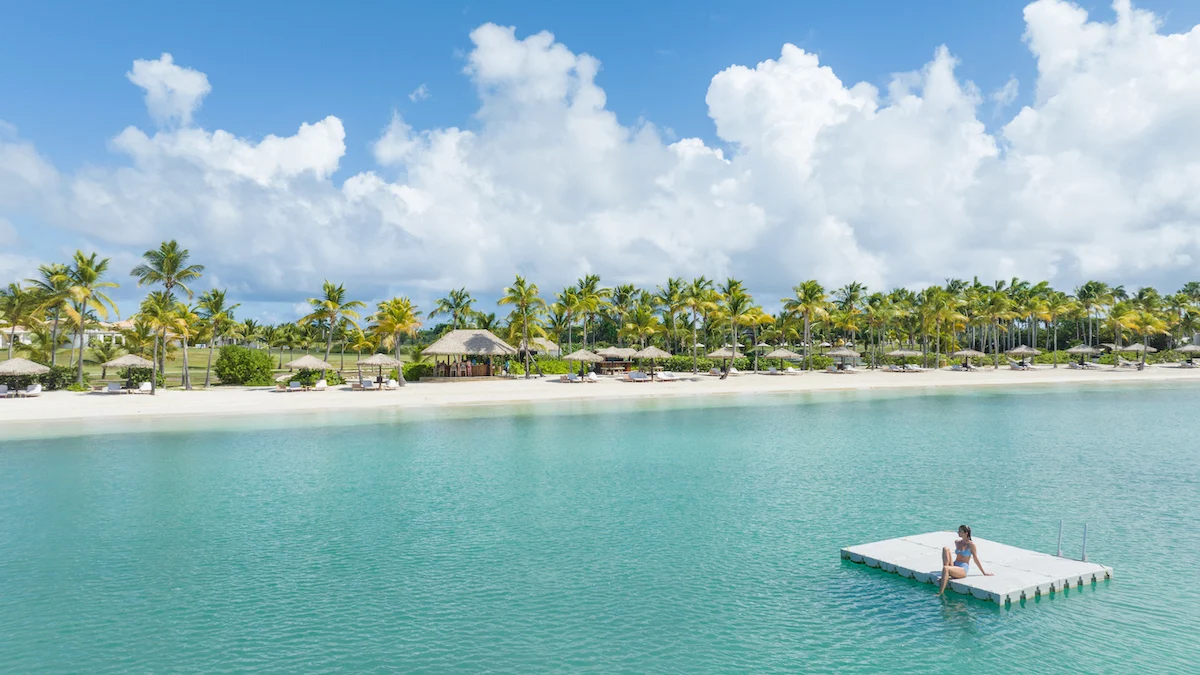
- Caribbean Outliers: Legendary Caribbean retreats, including Sandy Lane in Barbados and Jumby Bay Island in Antigua, require guests to pay for full two-week blocks over the holidays, regardless of their actual arrival and departure dates.
- The Million-Dollar Pivot: Faced with paying for unused hotel rooms across multiple properties, a high-net-worth client of EXP Journeys opted to charter a six-cabin luxury yacht for two weeks at a cost of roughly $1 million—about 20 percent more than the combined hotel bill, but offering total freedom of movement through the Bahamas.
Official Responses and Advisor Insights
Industry insiders and premier Robb Report Travel Masters have shared candid perspectives on how the luxury hospitality landscape has shifted.

-
Ashley Isaacs Ganz on the Reality of High Demand:
"People are traveling more than ever," notes Ganz. When she recently attempted to secure a multi-room festive block for a client spanning December 23 through January 2, the property politely balked, explaining that anyone wishing to stay over the festive break must commit to the full duration. "You’ve got to be willing to do what properties are asking… They can do this, because the demand is there." -
Jonathan Alder on American Work Culture:
"It’s the No. 1 thing that gets pushback from my clients," says Jonathan Alder of Jonathan’s Travels. "Americans do not have that flexibility of this much time off." While European travelers often enjoy extended statutory leave over the winter holidays, corporate executives and entrepreneurs in the United States struggle to justify or secure 14 consecutive business days away. -
Cari Gray on the "Pop-Up Country Club" Phenomenon:
According to Cari Gray of Gray & Co., there are silver linings to such strict operational rigidity. If occupancy remains locked down with the same elite clientele for an extended period, it effectively creates an exclusive "pop-up country club" vibe. "You get to know the staff and have your own ski guide for the whole time," Gray explains. Furthermore, guests enjoy the implicit security and social appeal of knowing they are surrounded exclusively by verified VIPs. -
Kevin Jackson on the Rise of Sea-Bound Alternatives:
Kevin Jackson of EXP Journeys highlights how aggressive hotel policies are backfiring among the ultra-wealthy. Recounting a client who refused to pay for vacant nights across multiple Caribbean hotels, Jackson noted that the client chartered a fully staffed, six-cabin yacht instead. "The client said, ‘We just loved it—we’re yachters now,’" Jackson reports. "And the properties have lost him as a guest."
Implications
The hardening stance of luxury winter resorts signals a profound structural shift in high-end tourism. As global demand far outstrips the supply of top-tier hotel suites and private alpine chalets, properties are prioritizing operational predictability over guest flexibility. By locking in guests for a fortnight or longer, hotels minimize housekeeping turnaround bottlenecks, streamline kitchen inventories, and guarantee maximum yield during the most lucrative weeks of the year.

However, this high-handed approach carries strategic risks. By forcing clients to pay for days they cannot physically use—due to professional obligations or travel logistics—resorts are alienating key demographics, particularly high-earning Americans.
More importantly, these rigid policies are accelerating a migration toward alternative luxury sectors. When traditional land-based properties demand seven-figure commitments for ghost rooms, private aviation, luxury villa rentals, and private yacht charters suddenly look not only more flexible, but better value. Wealthy consumers are discovering that marine charters or fully serviced private estates offer personalized itineraries, absolute privacy, and freedom from hotel bureaucracy.
For legendary alpine lodges and Caribbean island retreats, the immediate financial windfall of a fully booked, 14-night holiday season is undeniable. Yet, as loyal clientele permanently trade hotel keys for yacht anchors, hospitality brands may soon discover that short-term inflexibility leads to long-term irrelevance.
 Ammar Sabilarrohman
  Iffa Jayyana