

Published on September 3, 2026 | By the Robb Report Editorial Team
For generations, travelers charting a course through Spain often found themselves captivated by the Gothic spires and modernist whimsy of Barcelona or the sun-drenched, flamenco-infused romance of Seville. Madrid—while undeniably grand, with its sweeping neoclassical facades, monumental marble fountains, and stately Renaissance plazas—frequently played the role of the dignified statesman, respected yet occasionally overshadowed by its more flamboyant regional peers.

That narrative, however, has decisively shifted. Today, Madrid is experiencing a profound cultural, culinary, and architectural renaissance, firmly establishing itself as one of the most vibrant, high-end metropolitan destinations on the global stage. Discerning travelers are no longer using the Spanish capital merely as a transit hub, but as a primary destination for indulgence, culture, and high-octane excitement.
Main Facts: The Pillars of Madrid’s Modern Allure
The transformation of Madrid from a traditional European capital into a dynamic luxury powerhouse rests on several converging factors:

- The Cultural Hegemony: At the heart of the city lies the legendary “Golden Art Triangle” (Paseo del Arte), an unprecedented concentration of masterworks housed within the Prado Museum, the Thyssen-Bornemisza National Museum, and the Museo Reina Sofía—the permanent home of Pablo Picasso’s monumental anti-war masterpiece, Guernica.
- Gastronomic Excellence: Madrid’s culinary scene has exploded over the past decade. The city boasts 26 Michelin-starred establishments, ranging from avant-garde molecular laboratories to centuries-old traditional taverns that have perfected the art of Castilian comfort food.
- New Frontiers in Entertainment: Enhancing its global appeal, Madrid has integrated high-speed sports tourism into its portfolio, welcoming global travelers to front-row seats along its newly minted Formula 1 Grand Prix circuit.
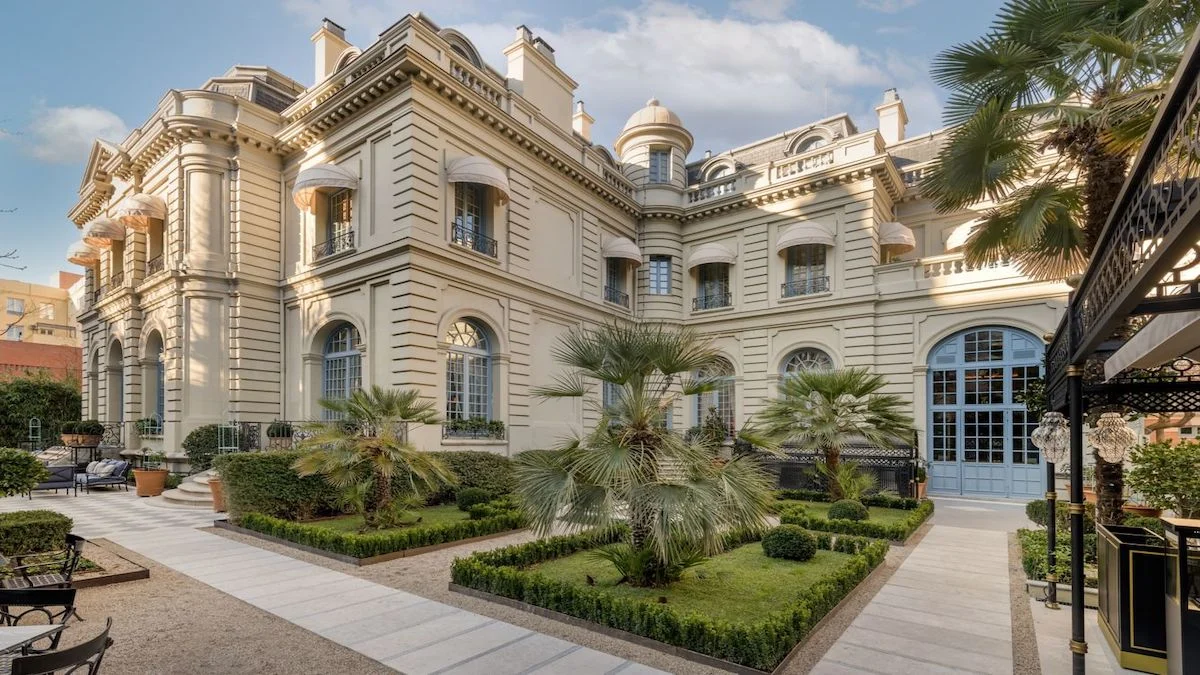
- The Hospitality Revolution: To accommodate this influx of ultra-high-net-worth visitors, Madrid’s hotel sector has undergone a massive evolution. The city now hosts some of the most sophisticated luxury properties in Europe, seamlessly fusing Belle Époque heritage with sleek, contemporary design.
Chronology: The Evolution of the Capital
Understanding Madrid’s meteoric rise requires looking at the trajectory that brought the city to its current golden age.
The Foundation of Grandeur (Pre-2010s)
For centuries, Madrid was defined by its royal lineage. Built around the grandeur of the Royal Palace (Palacio Real) and the administrative ambitions of the Habsburg and Bourbon dynasties, the city developed wide, tree-lined boulevards like the Paseo de la Reforma and magnificent parks like El Retiro. Culturally, it was a titan, but its tourism strategy remained largely conservative, catering mostly to business travelers and classical art aficionados.

The Culinary Awakening (2010–2018)
The seeds of the modern renaissance were planted during the post-financial crisis recovery, when local chefs and entrepreneurs began redefining Spanish cuisine. Moving beyond traditional tapas, young visionaries introduced international techniques to native ingredients. Concurrently, municipal investments began revitalizing historic neighborhoods like Malasaña, Chueca, and Las Letras, turning neglected historic quarters into bohemian-chic hubs for art, fashion, and design.
The Luxury Influx and Post-Pandemic Boom (2019–2024)
As global travel rebounded from the disruptions of the early 2020s, international luxury hospitality groups turned their attention toward Madrid. Recognizing that the city offered a more authentic, less saturated European experience than Paris or Rome, brands poured billions into restoring historic palaces into ultra-exclusive urban resorts.

The Zenith of 2026: A Global Stage
Today, Madrid stands fully realized. The introduction of major global events, such as the Formula 1 Grand Prix, has permanently altered the city’s seasonal rhythm, ensuring a year-round influx of affluent international travelers. The city’s infrastructure, retail sectors, and hotel portfolios now rival—and in some cases surpass—traditional European capitals.
Supporting Data: The Numbers Behind the Boom
To comprehend the scale of Madrid’s ascent, one must look at the economic and tourism metrics driving the capital:

- Hospitality Investment: Over the last three years, international hotel groups have invested upwards of €1.5 billion into Madrid’s high-end lodging sector, resulting in the opening or complete renovation of more than 15 five-star properties.
- Michelin Density: With 26 Michelin-starred restaurants within city limits (and dozens more in the surrounding Community of Madrid), the capital has officially cemented its status as one of Europe’s premier gastronomic capitals, experiencing a 40% increase in fine-dining reservations since 2021.
- The Golden Triangle Footfall: The Prado, Thyssen, and Reina Sofía collectively draw over 8 million visitors annually, with high-end private curator-led tours seeing a staggering 65% rise among American and Middle Eastern travelers.
- Average Daily Rates (ADR): Luxury hotel ADRs in Madrid have climbed steadily, reflecting a demographic shift toward affluent travelers who are willing to pay top dollar for bespoke experiences, private airport transfers, and exclusive suite accommodations.
Official Responses and Perspectives
City leaders, tourism boards, and hospitality executives have all weighed in on Madrid’s unexpected yet calculated rise to global prominence.
Almeida, Mayor of Madrid, noted in a recent municipal address:

"Madrid has always possessed the soul, the history, and the cultural assets of a great European capital. What we have achieved over the past few years is a harmonization of our historic heritage with modern, sustainable urban development. We are welcoming the world not by changing who we are, but by elevating the quality of every single experience our city has to offer."
Leading figures in Madrid’s hospitality sector echo this sentiment. Representatives from top-tier properties, such as the historic Santo Mauro hotel, point out that today’s luxury traveler seeks more than just a comfortable bed—they look for narrative-driven hospitality.

"Guests arriving in Madrid are no longer satisfied with standard luxury markers," notes a senior director of operations for a major international hotel group in the capital. "They want access to private collections, tables at reservation-only dining rooms, and a deep, authentic connection to the local neighborhood. Madrid provides that authenticity in a way that feels effortless."
Implications: What This Means for the Future of European Travel
Madrid’s ascendancy carries profound implications for the broader European luxury tourism market.

- Geographic Diversification: As traditional hotspots like Venice, Amsterdam, and Barcelona grapple with over-tourism and regulatory pushback against short-term rentals, Madrid has positioned itself as a sophisticated, well-managed alternative that absorbs high-end demand without sacrificing local quality of life.
- The Redefinition of Spanish Tourism: Spain is no longer viewed solely as a summer beach destination or a regional cultural stopover. Madrid acts as the anchor for a high-end national itinerary that can easily extend to wine country in La Rioja or coastal retreats in Andalusia.
- Real Estate and Economic Shifts: The surge in luxury tourism has triggered a broader economic boom, transforming central districts into vibrant commercial ecosystems that support high-end retail, bespoke tailoring, and contemporary art galleries.
Ultimately, Madrid’s moment in the spotlight is not a fleeting trend, but the culmination of decades of quiet confidence, cultural richness, and strategic urban renewal. For the traveler seeking a seamless blend of old-world majesty and modern, unpretentious sophistication, the Spanish capital is no longer an alternative—it is the destination.
Like this article? Get the Robb Report newsletter for similar stories delivered straight to your inbox. Sign up here.
 Ammar Sabilarrohman
  Iffa Jayyana