

By Gear & Technology Desk
Published: September 2026
Main Facts
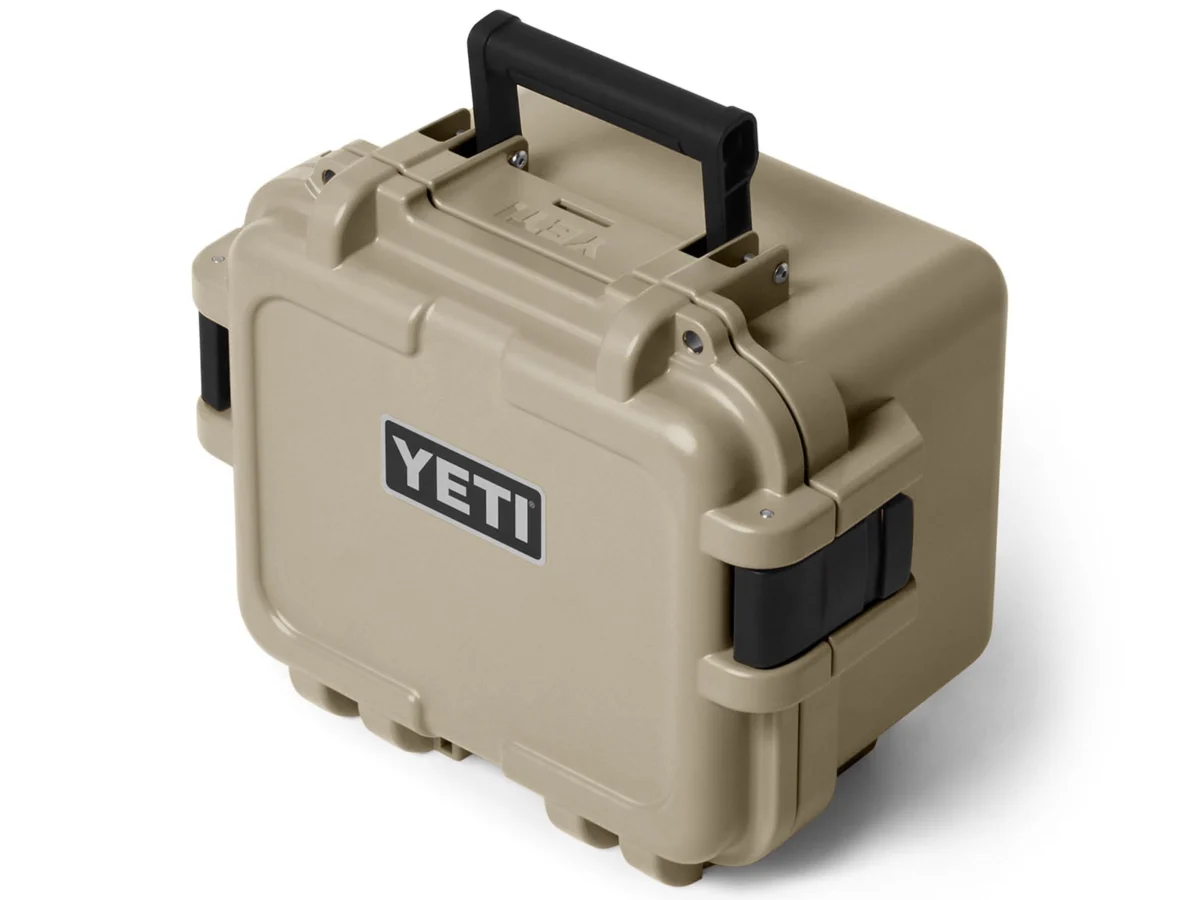
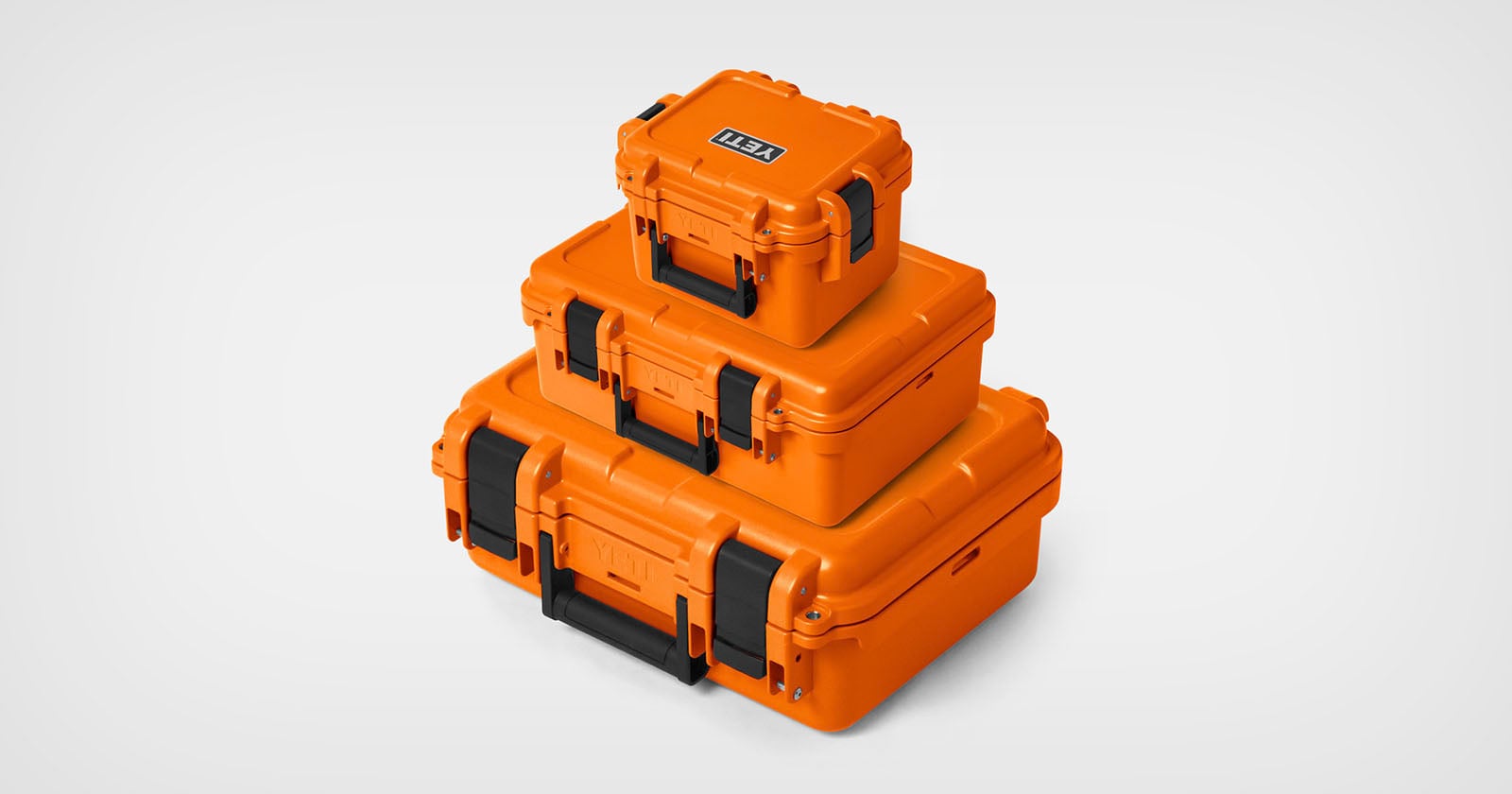
Yeti, a brand universally recognized for dominating the high-end cooler market, is aggressively expanding its footprint in the heavy-duty gear-transport sector. The company has officially announced three new additions to its popular hard-shell storage lineup: the Loadout GoBox 8, the Loadout GoBox 10, and the Loadout GoBox 20.
Engineered specifically to offer robust, indestructible protection for sensitive electronics, audio gear, and particularly photography and videography kits, these three new sizes bridge the gap between bulky industrial utility cases and sleek, everyday-carry solutions.
- Yeti Loadout GoBox 8: Designed as the most compact option in the new trio, the GoBox 8 boasts a capacity of 8.65 liters and weighs 4.2 pounds empty. It is tailored for carrying minimalist camera setups, such as a compact mirrorless or DSLR camera body paired with a short prime or zoom lens, alongside essential accessories like batteries, memory cards, and filters.
- Yeti Loadout GoBox 10: Stepping up in capacity to 10.11 liters while maintaining a slim, briefcase-style profile, the GoBox 10 weighs 4.7 pounds empty. It is built to accommodate a full-frame camera body accompanied by two to three smaller lenses or secondary electronic devices like portable hard drives and field monitors.
- Yeti Loadout GoBox 20: The largest of the new lineup, the GoBox 20 features a thicker, higher-volume briefcase design with 21.37 liters of internal space, tipping the scales at 6.8 pounds empty. This heavy-hitter is engineered to safely transport substantial production kits, including large-sensor cinema or DSLR cameras outfitted with bulky, professional-grade telephoto or zoom lenses.
Beyond the hard shells themselves, Yeti has introduced customizable interior solutions—most notably the Loadout KOR Protective Inserts. Utilizing advanced vacuum-form technology and an included hand pump, these inflatable, infinitely reconfigurable inserts allow users to mold the interior padding precisely to the contours of their gear. Paired with existing Loadout Gear Cubes featuring zippered soft-shell compartments, the new GoBoxes transform from heavy-duty storage boxes into tailored, shock-absorbing vaults for fragile equipment.
All three new cases share Yeti’s signature rugged DNA. They feature dustproof and waterproof construction boasting IP65 and IP67 ratings (meaning they are completely dust-tight and capable of surviving full submersion in up to one meter of water for 30 minutes), non-slip feet, integrated tie-down slots, robust locking ports, and heavy-duty lockdown latches.
The GoBox 8, 10, and 20 join Yeti’s established catalog of heavy-duty transport cases, which previously included larger models such as the GoBox 15, 30, and 60.
Chronology of the GoBox Expansion
To understand how Yeti arrived at the launch of the GoBox 8, 10, and 20, it is helpful to look back at the strategic evolution of the brand’s storage division.
Phase 1: Venturing Beyond Coolers
For years, Yeti was synonymous with rotomolded coolers designed to keep ice frozen in the backcountry for days. However, the company recognized that outdoor enthusiasts, anglers, hunters, and working professionals—such as photographers, drone pilots, and field researchers—faced a common problem: protecting delicate, expensive gear from the same harsh environments where Yeti coolers thrived.
Phase 2: The Original Heavy-Duty Launch
Yeti entered the hard-case market with oversized storage solutions like the Loadout GoBox 30 and 60. While these containers were exceptionally tough, weatherproof, and modular, they were optimized for bulk storage—camping kitchen gear, heavy straps, emergency supplies, and large toolsets. They were simply too large and heavy to serve as dedicated, grab-and-go camera cases for day-to-day shoots or fast-paced travel.
Phase 3: Refining the Footprint
Responding to consumer feedback from creators, adventurers, and working professionals who loved the durability of the GoBox but needed something scaled down for optics and electronics, Yeti began developing intermediate sizes. The introduction of mid-tier sizes eventually laid the groundwork for the ultimate refinement: ultra-portable, briefcase-style form factors optimized specifically for cameras, drones, and delicate field tech.
Phase 4: The 2026 Micro-Case Revolution
With the simultaneous release of the GoBox 8, 10, and 20, Yeti has completed its ecosystem. By offering incremental volume steps under 25 liters, the company has directly targeted the heart of the consumer and professional photography market, pitting itself directly against entrenched legacy brands in the protective case industry.
Supporting Data and Specifications
A side-by-side comparison of the new Yeti Loadout GoBox lineup highlights the thoughtful engineering behind the volume and weight distribution:
| Model | Internal Capacity | Empty Weight | Primary Target Use Case | Price (Case Only) | Price (With KOR Insert) |
|---|---|---|---|---|---|
| GoBox 8 | 8.65 Liters | 4.2 lbs | Compact mirrorless/DSLR + short lens | $100 | $200 |
| GoBox 10 | 10.11 Liters | 4.7 lbs | Full-frame camera + multiple small lenses | $115 | $230 |
| GoBox 20 | 21.37 Liters | 6.8 lbs | Large professional camera + big zoom/telephoto | $150 | $275 |
Durability and Environmental Ratings
- IP65 Dustproof Rating: Completely sealed against fine dust, sand, and particulate ingress, making it ideal for desert environments, construction sites, and dusty dirt roads.
- IP67 Waterproof Rating: Certified to withstand accidental drops into rivers, lakes, or coastal surf, remaining completely watertight at a depth of up to one meter for up to 30 minutes.
- Hardware: Heavy-duty lockdown latches designed to prevent accidental opening during transit, paired with reinforced metal locking ports to secure gear with padlocks against theft.
Pricing and Colorways
The GoBox 8, 10, and 20 are available immediately through Yeti’s official retail channels and authorized dealers.
- Color Options: Classic Black, High-Visibility Orange, and a versatile Tan colorway.
- Pricing Breakdown:
- GoBox 8: $100
- GoBox 10: $115
- GoBox 20: $150
- KOR Protective Inserts: Sold separately (or bundled via custom configurations), priced at $100 for the GoBox 8 insert, $115 for the GoBox 10 insert, and $125 for the GoBox 20 insert.
Official Responses and Design Philosophy
In marketing materials and product briefings accompanying the release, Yeti representatives emphasized that the primary design goal was not merely to build a smaller box, but to solve the perennial compromise creators face between rugged outdoor protection and interior organization.
"When you take expensive camera gear off the beaten path, you shouldn’t have to choose between a bulky industrial case that weighs you down and a flimsy bag that leaves your equipment vulnerable to the elements," a Yeti product spokesperson noted during the rollout.
The introduction of the KOR Protective Insert is considered by company engineers to be a major leap forward in interior customization. Traditional hard cases rely either on pick-and-pluck foam—which degrades over time, creates messy crumbs, and cannot be reconfigured once plucked—or rigid, pre-cut dividers that rarely match unique lens configurations.
By utilizing vacuum-form technology coupled with an integrated hand pump, the KOR insert functions similarly to an inflatable mattress or technical sleeping pad. Users can place their equipment inside the uninflated bladder, pump air into the system until the internal chambers swell to cradle the gear securely, and achieve a custom-molded, shock-absorbent fit. If a photographer upgrades to a new lens next month, they can simply release the air, rearrange their kit, and re-inflate the insert for a brand-new custom fit.
Industry Implications and Competitive Landscape
The launch of the GoBox 8, 10, and 20 sends a clear signal across the protective gear industry. For decades, legacy manufacturers like Pelican and Nanuk have dominated the professional photography and industrial hard-case market. While Pelican cases are legendary for their indestructible nature, they have traditionally leaned toward a purely industrial aesthetic—utilizing heavy resin walls and metal hardware that prioritize brute-force strength over modern lifestyle appeal.
By contrast, Yeti has mastered the art of lifestyle-driven outdoor gear. The company’s products are prized not only for their performance but for their aesthetic cohesion, bold colorways, and prestige branding. With the introduction of the sleek, briefcase-formatted GoBox 8, 10, and 20, Yeti is directly poaching creators who might previously have defaulted to Pelican’s 1510 or specialized camera backpack systems.
What This Means for Photographers and Videographers
- Enhanced Modular Options: Creators now have access to ultra-durable storage solutions that match the exact scale of their daily assignments, eliminating the need to haul an oversized 30-liter case for a simple two-lens shoot.
- The Rise of Inflatable Protection: If the KOR Protective Insert performs well in real-world field tests, it could disrupt traditional foam manufacturing standards across the entire camera-luggage industry, offering a sustainable, infinitely adjustable alternative to single-use pluck foam.
- Heightened Competition: As Yeti continues to innovate in the protective transport space, legacy brands will likely face increased pressure to modernize their internal organizational accessories and aesthetic options.
Ultimately, the expansion of the GoBox family proves that Yeti’s ambitions reach far beyond the campsite. Whether navigating a dusty African safari, shooting surf photography on a saltwater coast, or simply commuting through a rainy urban environment, outdoor professionals and content creators now have a versatile new arsenal of armor for their most valuable gear.
 Suro Senen
  Nana Muazin