

Published: August 20, 2026
Source: Robb Report Desk
Main Facts
The global luxury travel sector is undergoing a profound paradigm shift. Driven by shifting climate patterns across traditional European hot spots, a surge in "set-jetting" cultural tourism, and an insatiable appetite among high-net-worth individuals for hyper-exclusive, remote experiences, the map of high-end tourism is being redrawn.

Western Europe—long the crown jewel of international leisure—is facing unprecedented ecological and infrastructural pressures. Blistering summer temperatures and recurring wildfires have strained the capacity of classic Mediterranean destinations, prompting affluent travelers to rethink their itineraries. At the same time, cultural phenomena continue to concentrate hyper-tourism in specific pockets, such as the Côte d’Azur, which has recently been confirmed as the filming backdrop for Mike White’s cultural phenomenon, The White Lotus.
In response to these dual pressures, luxury travelers are venturing further afield. The modern elite are no longer satisfied with the predictable glamour of legacy capitals; instead, they are seeking out wilder, untamed landscapes paired with uncompromising five-star hospitality. New high-end hotels, eco-lodges, Michelin-starred culinary outposts in emerging regions, and once-in-a-lifetime expeditionary experiences are defining the new vanguard of global hospitality.

Chronology
To understand how the luxury travel market reached this pivotal juncture in August 2026, one must look at the gradual convergence of environmental, media, and economic catalysts over the past several years:
- Late 2024 to 2025: A succession of record-breaking heatwaves across Southern Europe—affecting parts of Spain, Italy, and Greece—begins to shift booking windows. Travelers begin inquiring about shoulder-season travel or pivoting away from traditional inland Mediterranean locations toward cooler coastal climes or lesser-known northern European retreats.
- Early 2025: HBO officially announces the French Riviera (Cannes, St. Tropez, and surrounding coastal enclaves) as the primary filming location for the upcoming season of The White Lotus. Real estate and luxury hospitality booking agencies immediately note a spike in forward-looking inquiries for the region, previewing an incoming wave of "set-jetters."
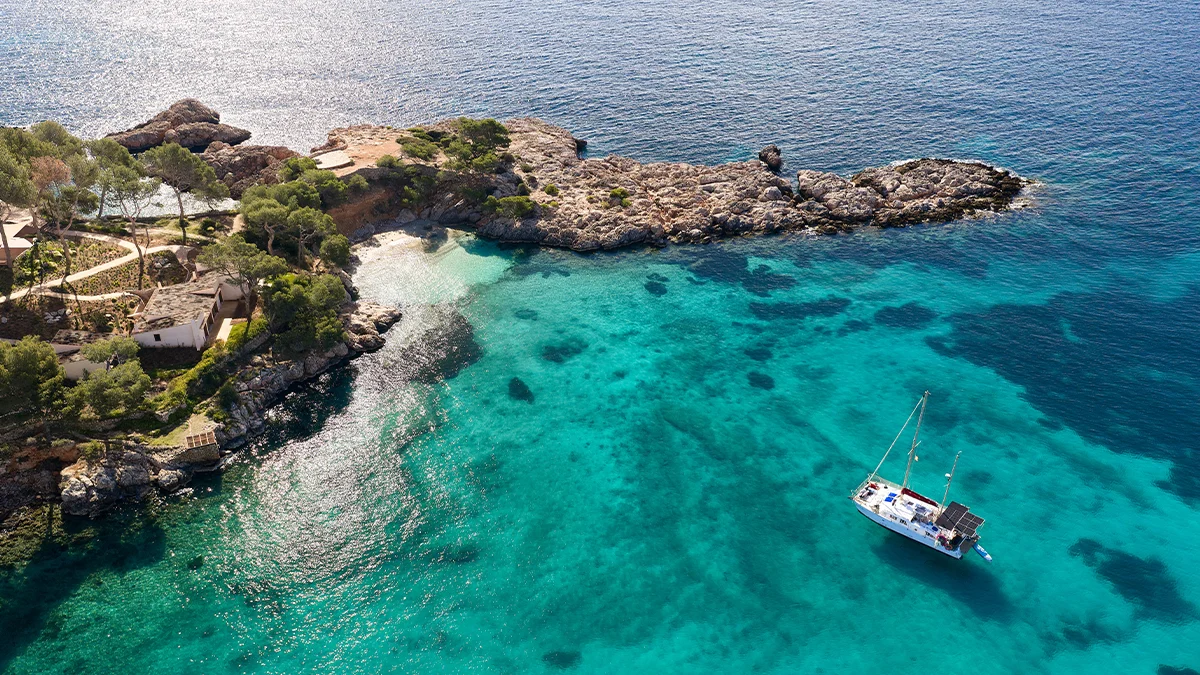
- Late 2025: Major hospitality groups, including Mandarin Oriental, Rosewood, and Aman, accelerate development pipelines for properties in untapped micro-destinations. Notable developments—such as the Mandarin Oriental Punta Negra in Mallorca—showcase a design philosophy centered on secluded coves, private access, and deep integration with surrounding nature.
- Spring 2026: As global tourism numbers break pre-pandemic records, overcrowding peaks in traditional European hubs. Industry analysts report a 35% year-over-year increase in high-end travelers requesting off-the-beaten-path itineraries, remote wilderness lodges, and private-reserve style experiences.
- August 2026: Recognizing the structural transformation in consumer behavior, luxury travel curators release definitive rankings of the world’s hottest emerging destinations, advising travelers to look beyond overcrowded mainstays and embrace newly minted luxury infrastructure in untamed regions.
Supporting Data
The transformation of the luxury travel market is supported by compelling shifts in consumer behavior, tourism economics, and climate metrics:

- Climate-Driven Migration: According to European tourism monitoring boards, summer bookings in Southern European rural interiors dropped by roughly 12% between 2024 and 2026, while demand for coastal micro-destinations, high-altitude alpine summer resorts, and Northern European luxury retreats rose by nearly 20%.
- The "White Lotus" Effect: Economic impact studies from past seasons of the HBO series indicate that host regions experience a 50% to 300% surge in tourism-related search queries within six months of a season’s premiere. Industry projections for the Côte d’Azur anticipate record-breaking seasonal yields through 2028, driven heavily by fans seeking immersive film-set tourism.
- Investment in Remote Luxury: Global hospitality real estate reports highlight a 28% increase in capital allocation toward luxury eco-resorts and remote wilderness properties over the past 24 months. High-net-worth travelers are increasingly prioritizing privacy, wellness isolation, and experiential authenticity over urban luxury shopping trips.
- The Rise of "Micro-Destinations": Rather than exploring entire countries, elite travelers are focusing on hyper-specific locales—such as isolated Mallorcan coves, lesser-known Greek islets, and protected Patagonian fjords—where new luxury properties offer boutique, low-density environments.
Official Responses
Industry leaders, hospitality executives, and cultural analysts have weighed in on how the sector is adapting to these dramatic shifts in traveler mindset:
- Hospitality Developers: Speaking on the design philosophy behind properties like the Mandarin Oriental Punta Negra, leading architects note that modern luxury consumers demand sanctuaries rather than mere hotels. “The expectation used to be marble lobbies and downtown convenience,” notes a senior European hospitality developer. “Today, our guests want seclusion, natural preservation, architectural discretion, and direct, uncrowded access to the sea or wilderness. Privacy is the ultimate currency.”
- Tourism Boards: Regional authorities in the Mediterranean have begun implementing sustainable tourism caps to manage the dual pressures of climate change and pop-culture-driven influxes. In southern France, local tourism offices are collaborating with production companies to channel set-jetting traffic away from fragile ecological zones and toward sustainable cultural hubs along the coast.
- Luxury Travel Advisors: High-end travel curators emphasize that even within well-known regions, the definition of luxury has evolved. “You don’t necessarily have to cross an ocean to find something new,” explains a leading luxury travel consultant. “It’s about unlocking secret corners of established destinations—accessing private estates, booking private after-hours museum tours, or dining at newly minted Michelin-starred restaurants tucked away in fishing villages that tourists bypassed a decade ago.”
Implications
The evolution of luxury travel in 2026 carries far-reaching implications for the global tourism economy, environmental conservation, and the hospitality industry at large:

1. The Redefinition of "Exclusive"
For decades, exclusivity was defined by status symbols: famous addresses in Paris, Milan, or the heart of the French Riviera. Today, true luxury is increasingly defined by space, silence, and scarcity. Destinations that were once considered too remote or logistically challenging—ranging from untamed coastal sanctuaries in the Balearic Islands to remote wilderness lodges in Scandinavia and South America—are capturing the attention of the world’s most affluent travelers.
2. Environmental Realism and Adaptation
The recurring extreme weather events across Western Europe are forcing the tourism industry to adopt long-term climate resilience strategies. Properties are investing heavily in sustainable architecture, renewable energy, water conservation, and low-density zoning. Furthermore, the shift toward shoulder-season travel (spring and autumn) is helping alleviate the environmental strain caused by hyper-concentrated summer tourism.

3. Economic Redistribution
As travelers venture beyond traditional hubs, emerging destinations are experiencing unprecedented economic growth. Local economies in lesser-known micro-regions are seeing investments in infrastructure, culinary arts, and high-end service training. This decentralization helps distribute tourism revenue more equitably, preventing the severe over-tourism crises that have plagued cities like Venice, Barcelona, and Santorini.
4. The Cultural Power of Entertainment Media
The enduring impact of "set-jetting"—exemplified by the cultural juggernaut that is The White Lotus—proves that media consumption remains one of the single most powerful drivers of global travel trends. Destination marketing organizations must increasingly partner with television and film productions to manage visitor flows proactively, ensuring that sudden surges in popularity translate into sustainable, high-yield tourism rather than ecological degradation.

Ultimately, the luxury travel landscape of 2026 is one of balance: a delicate equilibrium between chasing the thrill of the new, protecting fragile natural environments, and satisfying an unyielding human desire for beauty, discovery, and connection.
Did you enjoy this analysis? Get the Robb Report newsletter delivered straight to your inbox for the latest insights into luxury living, travel, and design. Sign up here.
 Iffa Jayyana