

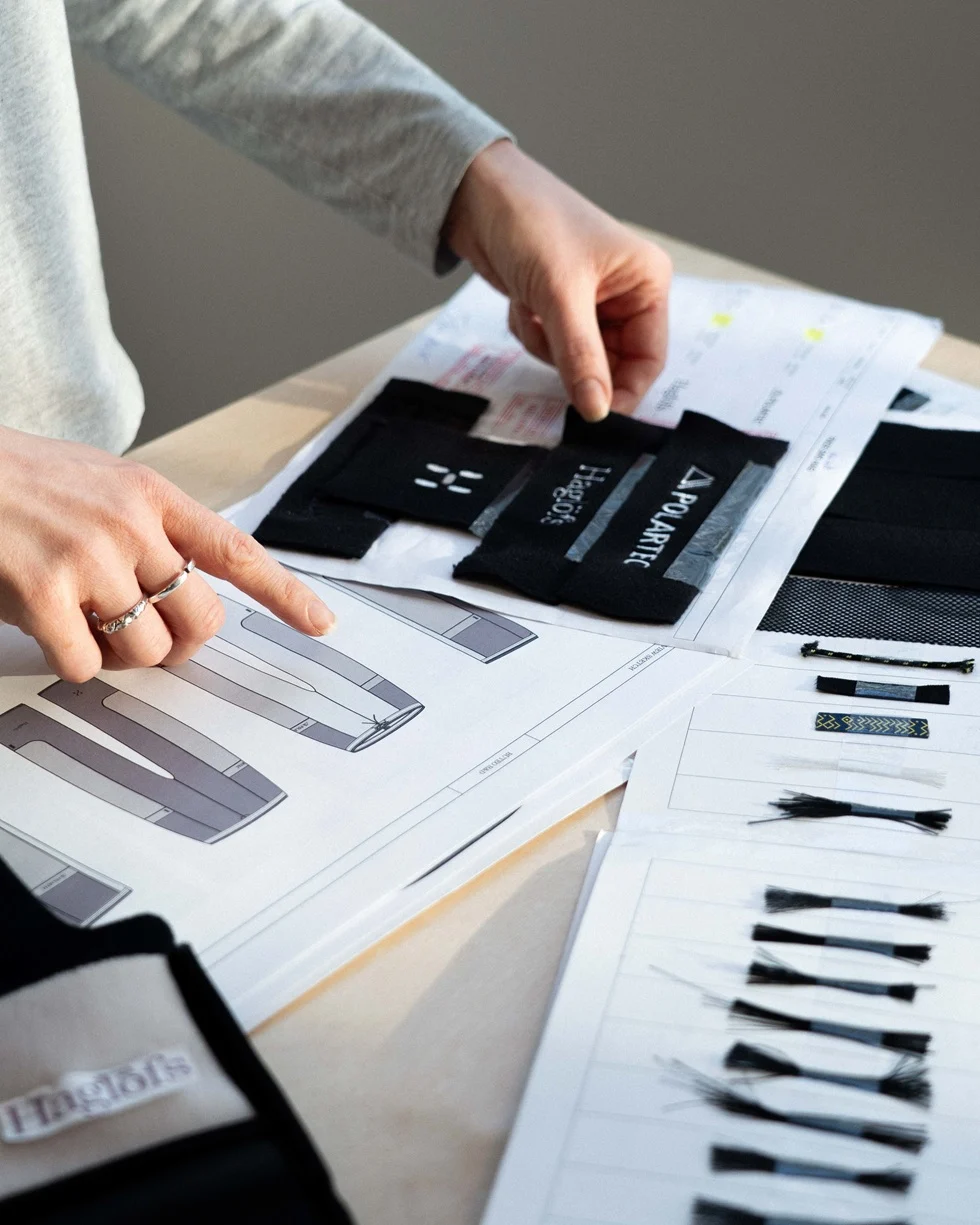
There is a problem hiding in plain sight in every outdoor gear retailer on the planet. Walk down the fleece aisle of any high-end outfitter, and you will be greeted by a sea of black garments. To the casual observer, they appear uniform—a staple color for technical mid-layers, prized for its versatility and stealth. However, if you hold two swatches together under the harsh light of a studio, the illusion of uniformity shatters. You will see shades ranging from charcoal and slate to blue-black and brownish-tinged variations.
This is not a matter of style; it is a symptom of a systemic inefficiency. These garments, often made from identical Polartec fleece, are commissioned by different brands, processed in separate dye houses, and subjected to unique chemical cocktails. The result is a fractured supply chain that consumes massive quantities of water and energy to produce variations of a color that the end consumer cannot even distinguish.
The Dye Problem: A Hydrophobic Hurdle
To understand the absurdity of this situation, one must look at the chemistry of synthetic textiles. Unlike natural fibers like cotton or wool, which possess an inherent affinity for water-based dyes, polyester is hydrophobic—it literally repels water.
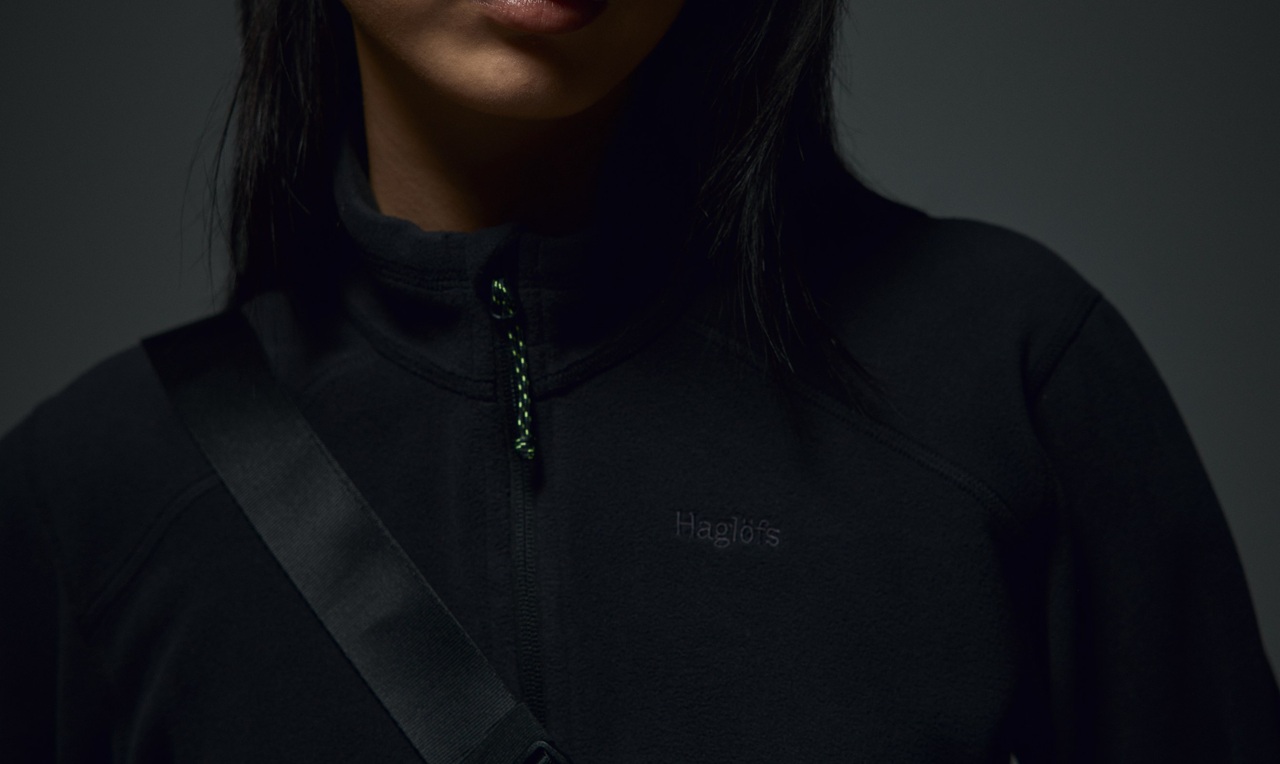
To introduce color into synthetic fleece, manufacturers must employ disperse dyes. This process requires high-pressure, high-temperature aqueous baths, typically reaching 130°C or more. Black is notoriously the most demanding color in the spectrum; it is not a single pigment but a complex layering of multiple dye molecules. Achieving a deep, neutral, and consistent black requires multiple fixation cycles, significant energy to maintain heat, and massive volumes of water.
The textile industry is currently responsible for roughly 20% of global industrial water pollution, with dyeing and finishing operations acting as the primary offenders. A single kilogram of dyed polyester can require between 30 and 150 liters of water. By forcing every brand to independently commission their own "shade of black," the industry is effectively multiplying its environmental footprint without offering any tangible benefit to the consumer.
Chronology: From Experimental Capsule to Industrial Standard
The shift toward a unified solution began with a provocative experiment: the Black Capsule Project. Haglöfs, in collaboration with fabric innovator Polartec, sought to expose the sheer volume of waste generated by the current dyeing status quo.
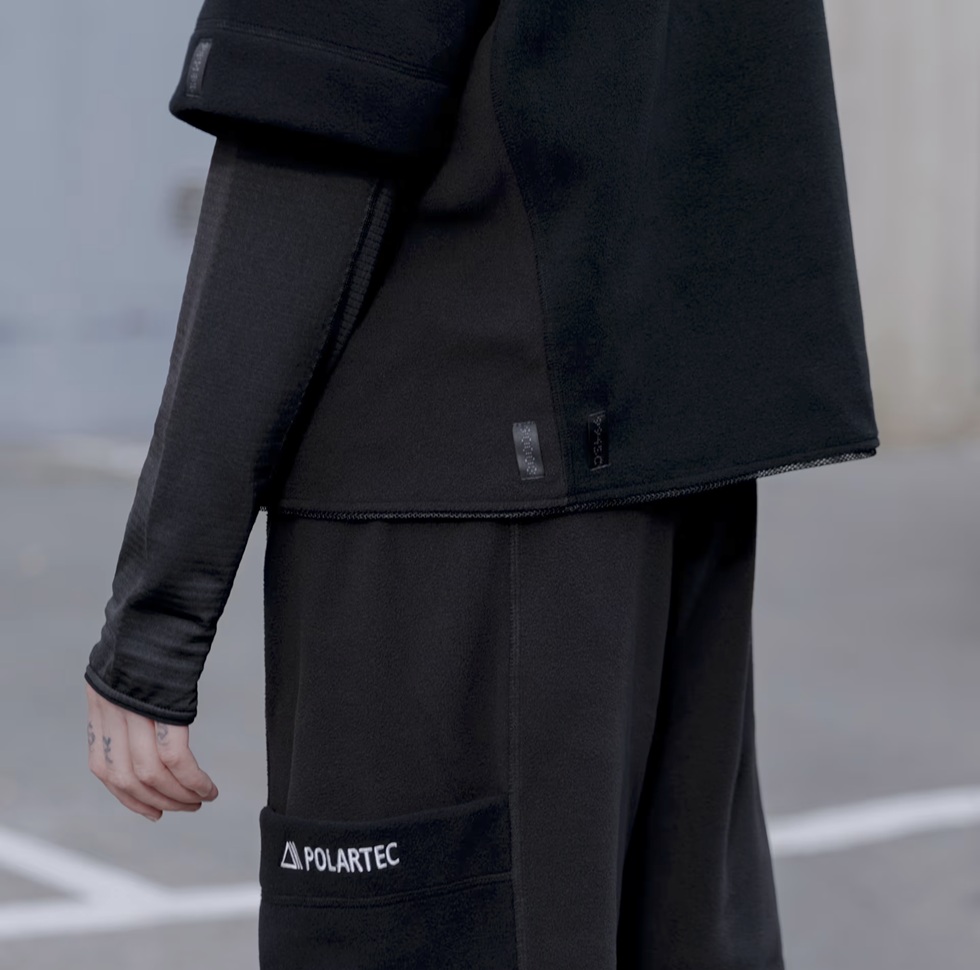
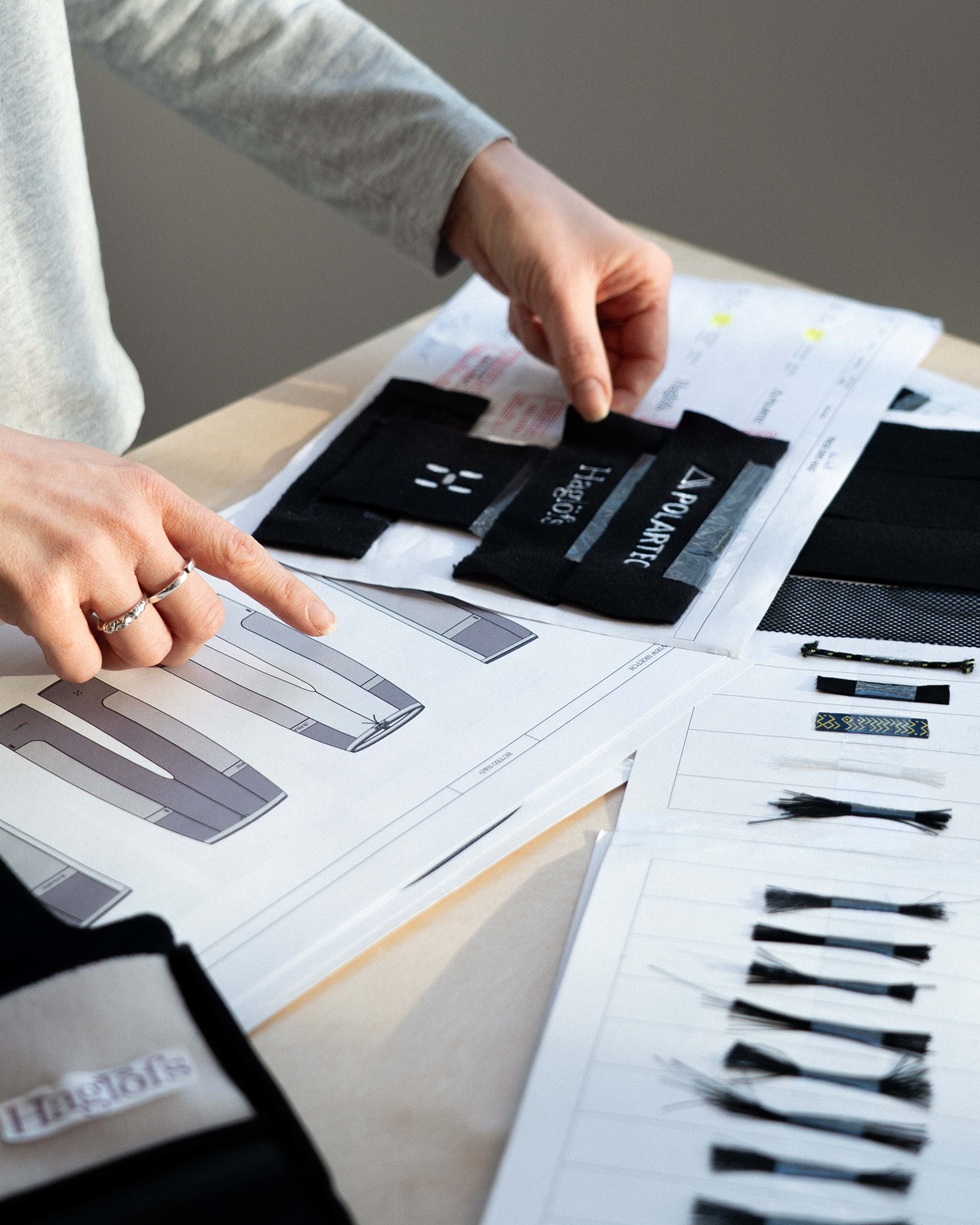
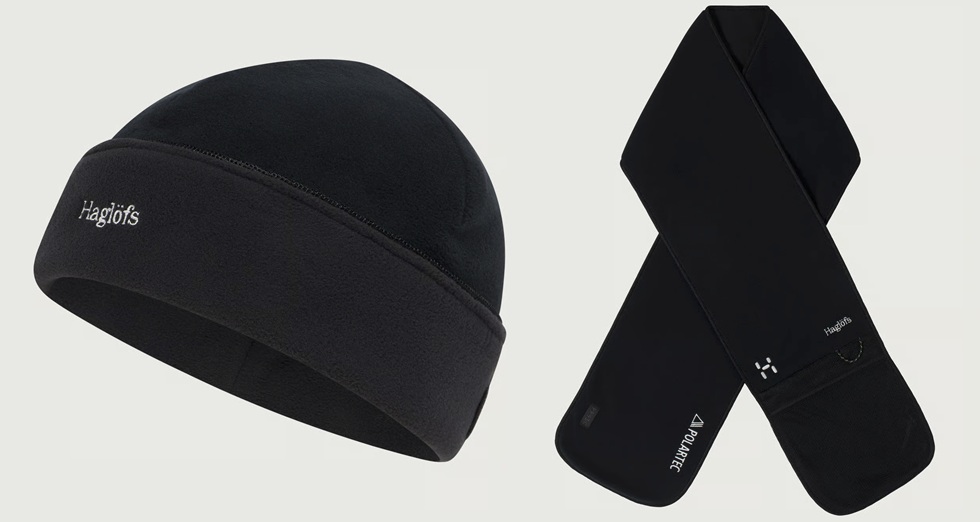
- The Conceptual Phase: Haglöfs began by sourcing leftover black Polartec fleece from various production runs. They assembled a limited collection—including a Project Tee, beanie, scarf, and pants—where every panel was sourced from a different "batch."
- The Visualization: To drive the point home, each panel on these garments was tagged with its specific dye batch number. The labels were a visual audit, proving that multiple, separate industrial processes had been used to create what was effectively the same color.
- The Realization: Through this process, Haglöfs and Polartec calculated that the fragmentation of dye runs was driving unnecessary water and energy consumption.
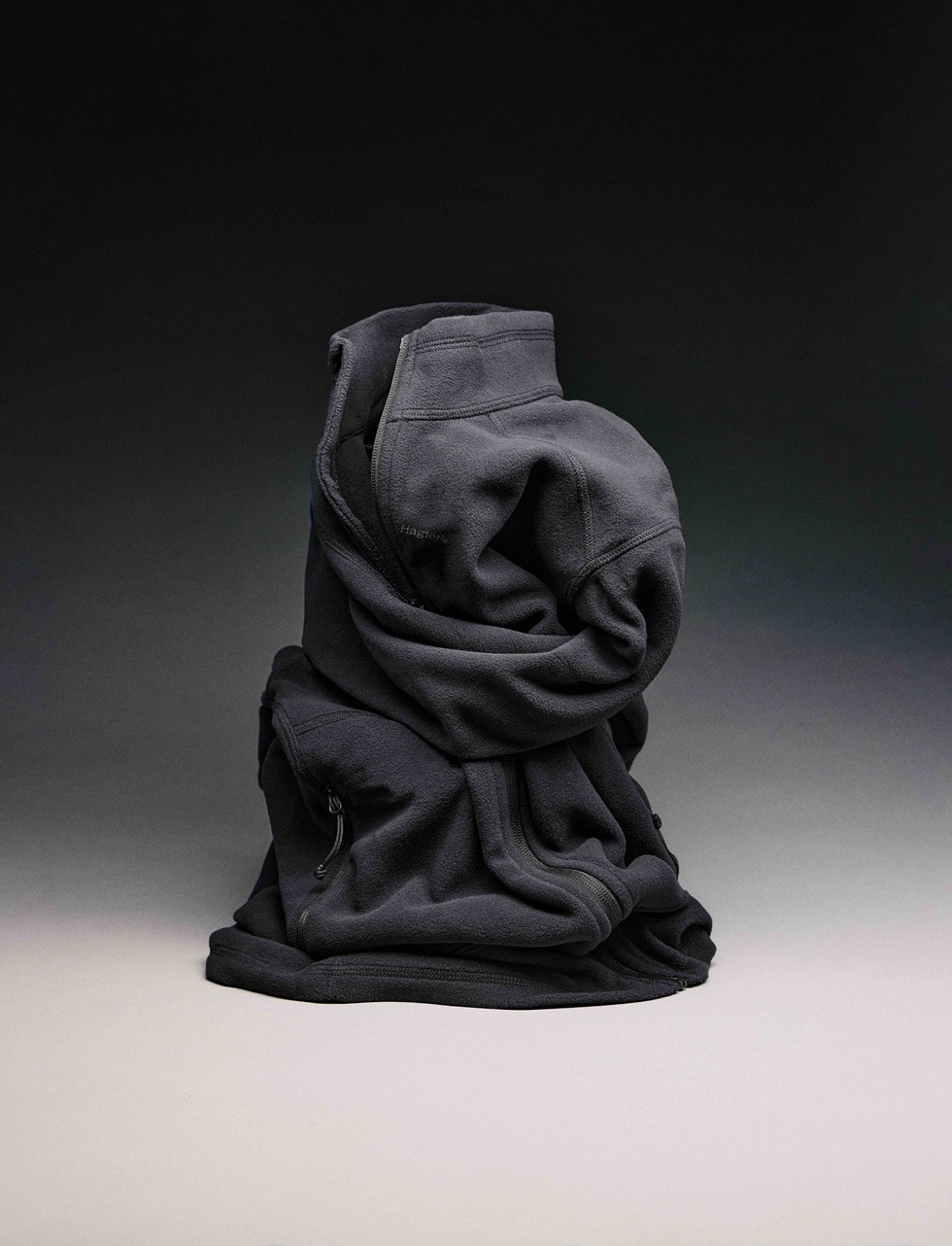
- The Implementation (FW26): Moving from theory to practice, the two companies developed "Standard Issue Black™." The initiative culminated in the launch of the Buteo Mid II jacket, the first high-volume commercial product to utilize this standardized, shared colorway.
Supporting Data: The Arithmetic of Efficiency
The environmental case for Standard Issue Black™ relies on the economic principle of scale. When dozens of small, fragmented dye batches are consolidated into a single, massive production run, the efficiency gains are not merely incremental—they are transformative.
Haglöfs’ internal production assessments, while company-supplied, offer a compelling look at the potential impact:
- Water Consumption: A reduction of over 50% compared to traditional, brand-specific piece-dyed fabrics.
- Energy Consumption: A minimum 20% reduction in energy expenditure due to fewer machine start-ups, less chemical mixing, and optimized dye cycles.
These numbers reflect a basic truth in industrial chemistry: the more you aggregate, the less waste you generate. By treating black as a commodity standard rather than a proprietary brand asset, the industry could theoretically slash its total environmental impact by a significant margin overnight.
Official Responses: Redefining Design Freedom
The primary objection to this initiative is the "Creativity Question." Designers often fear that standardization is the enemy of artistic expression. However, leadership at Haglöfs argues that the current obsession with custom-dyed black is a misplaced priority.
"Standardization doesn’t have to limit creativity," says Eva Weiss, Head of Design and R&D at Haglöfs. "With the right framework, it gives us the freedom to work together in the same creative direction and make a bigger impact. Having one defined black simplifies the design process, and brands could still differentiate themselves through other colors, cuts, and design elements."
Weiss draws a parallel to the hardware industry, specifically YKK zippers. Decades ago, the outdoor industry standardized on a handful of high-quality zipper systems. Today, no designer feels that their creative vision is "stifled" because they use a industry-standard zipper. Instead, they use that saved energy to focus on ergonomics, technical specifications, and aesthetic details. Standard Issue Black™ argues that color, when it comes to the functional base layer, should be treated with the same pragmatic approach.
Implications: The Battle Against Institutional Inertia
The true test for Standard Issue Black™ will not be technical, but behavioral. The outdoor industry has a long history of well-intentioned sustainability initiatives that fail because they require brands to cede a small amount of control or abandon established, albeit inefficient, workflows.
The "Green Premium" vs. The New Normal
Often, sustainable initiatives carry a "green premium"—a higher price point that consumers are hesitant to pay. Standard Issue Black™ sidesteps this entirely. Because it relies on economies of scale, the cost is neutral or potentially lower than current processes. It is a rare "win-win" in the sustainability space.
Institutional Inertia
The remaining hurdle is what experts call "institutional inertia." Brands are accustomed to controlling every aspect of their supply chain. Asking them to share a standard—even a non-proprietary one—requires a fundamental shift in mindset. It requires moving away from the "siloed" mentality where every brand acts as its own island, and toward a collaborative model where the industry acts as a unified ecosystem.
The Future of "Standard"
If Standard Issue Black™ is adopted by other major players, it could set a precedent for other categories. Could we see standardized shades for common blues, greys, or even technical fabrics like DWR coatings? The Buteo Mid II is currently acting as a litmus test. By placing this standard in a high-volume, best-selling jacket rather than a niche "eco-collection," Haglöfs is making a bold statement: this is not a one-off marketing stunt. It is intended to be the new baseline.
The success of this project will ultimately be measured in volume. If enough brands join the movement, the environmental benefits will compound, proving that the outdoor industry is capable of self-correction. If they ignore it, the industry will continue to consume vast resources to produce an identical, invisible difference.
Standard Issue Black™ does not ask the industry to stop the machine; it simply asks the industry to run it more intelligently. Whether the outdoor sector is ready to embrace such a simple, logical, and impactful shift remains the defining question of the next decade in apparel manufacturing.
 Nana Muazin
  Suro Senen