

Main Facts
For the world’s ultra-high-net-worth individuals, the traditional playbook of high-end travel—characterized by mega-yachts idling off St. Tropez, crowded tables in Mykonos, and red-carpet strolls through St. Barts—is rapidly losing its luster. In its place, a powerful new paradigm of luxury has emerged, defined not by conspicuous consumption and social visibility, but by profound isolation, pristine nature, and absolute discretion.
At the epicenter of this shift is Riksgränsen, Sweden’s northernmost ski resort. Situated 125 miles shy of the Arctic Circle, this remote outpost boasts a population of roughly 60 people, vastly outnumbered by seasonal elk, reindeer, and grouse. Accessible via a 17-hour sleeper train from Stockholm, Riksgränsen is an unruly, untamed landscape where winter weather is so severe that even snowmobiles frequently get buried and lost. Yet, during the winter months, this subzero sanctuary becomes a magnet for finance moguls, tech titans, and C-suite executives. Rather than waiting in lines for a conventional chairlift, these affluent powderhounds pay top dollar to access 2,000 square miles of off-piste powder via 360-degree heli-skiing.
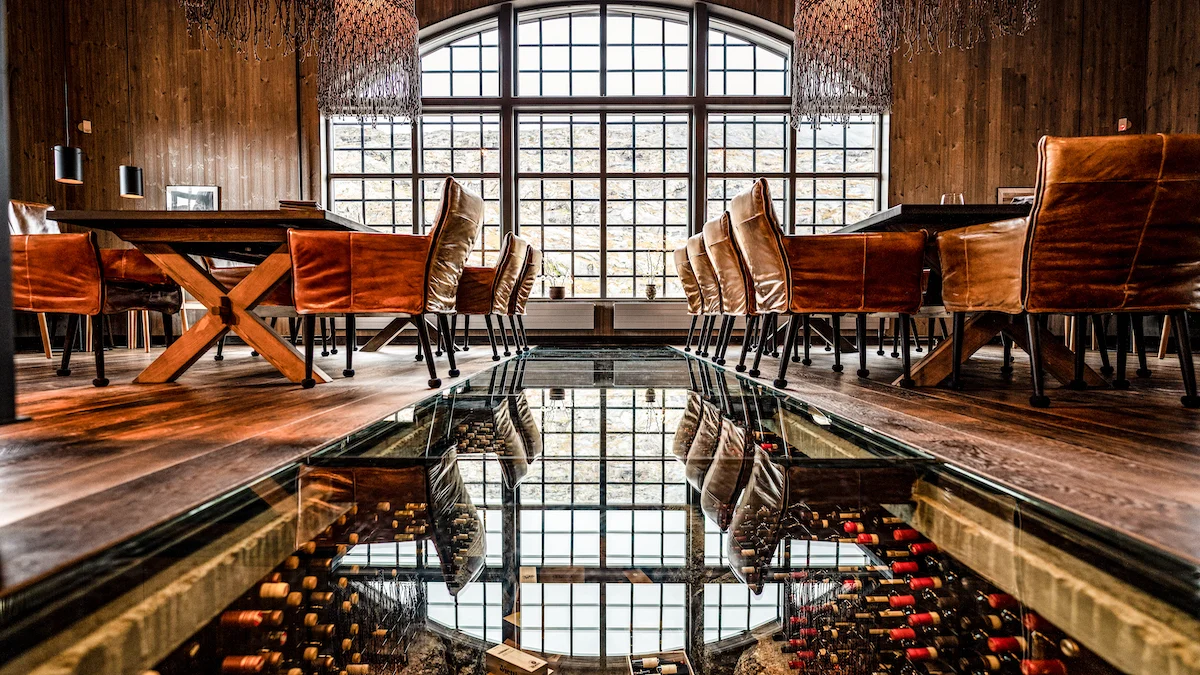
While the destination lacks the historic glitz of St. Moritz or Courchevel—and proudly refuses to host properties from traditional mega-hospitality groups like Belmond or Cheval Blanc—it offers something far more valuable to the modern elite: complete immersion in Europe’s last great wilderness. At the heart of the village sits the Niehku Mountain Villa, a 14-double-room boutique lodge where nightly rates hover around $730. Featuring authentic Swedish saunas complete with professional aufgussmästare (sauna masters), Hästens beds, and a subterranean cellar stocking 3,000 bottles of rare wine (including crates of Romanée-Conti), Niehku represents a new tier of high-end hospitality that marries rugged adventure with uncompromised comfort.
Chronology: The Evolution of Remote Luxury
The transformation of extreme wilderness travel from a niche mountaineering pursuit into a multi-billion-dollar luxury sector did not happen overnight. Its trajectory traces a clear path over the last two decades:

- The Late 2000s (The Birth of Glamping): The precursor to today’s wilderness palaces emerged in the late noughties with the popularization of "glamping." For the first time, affluent travelers sought out canvas and timber setups in remote corners of the globe, proving there was an appetite for outdoor adventure without sacrificing thread counts.
- 2011 (The Blueprint is Cast): Chad Pike and his designer wife, Blake, established Eleven Experiences by transforming the Scarp Ridge backcountry ski lodge in Colorado. This project served as an early blueprint for high-end, adventure-focused accommodations that paired rugged locations with elite service.
- Post-2020 (The Pandemic Catalyst): According to data from Deutsche Bank Wealth Investment, the real explosion in luxury wilderness lodges occurred in the wake of the COVID-19 pandemic. Global wealth, capital, and a collective psychological desire for space converged, prompting a massive influx of investment into "experience-rich assets."
- 2023–Present (The Independent Lodge Boom): Hundreds of high-end nature retreats, safari camps, and ultra-lodges have debuted worldwide. In the Nordics alone, more than a dozen luxury lodges have opened since the pandemic, culminating in the late-2025 debut of the ultra-exclusive Octola II in Finnish Lapland.
Supporting Data and Market Trends
The flight from urban and traditional coastal hotspots to remote wilderness lodges is backed by hard financial data and real estate trends:
- Real Estate Parallels: According to UBS luxury real estate reports, international demand for second holiday homes and chalet-style lodges in alpine regions has driven prices well above historical averages. Resorts like Verbier and Gstaad have climbed the rankings to become Switzerland’s most expensive tourist destinations, nipping at the heels of St. Moritz.
- Investment Inflows: Deutsche Bank Wealth Investment highlights that post-pandemic capital has steadily shifted toward independent experiential assets. While no official global database tracks the exact number of independent luxury lodges, the sector has seen exponential growth since 2023, spanning continents from New Zealand to Botswana, Scotland, and Bhutan.
- Pricing and Buyouts: While individual rooms at properties like Niehku Mountain Villa start around $730 a night, full buyouts—priced at roughly $11,000 per night—have become standard practice for media moguls and corporate titans looking to secure absolute privacy for their inner circles. Similarly, properties like the newly opened Octola II in Finland offer total compound buyouts for groups of up to 17, keeping both their exact financial tariffs and geographic coordinates strictly confidential.
Official Responses and Expert Insights
Industry insiders, luxury travel curators, and hospitality executives agree that the surge in remote, nature-led travel is a structural shift in consumer psychology rather than a fleeting fad.
-
Lindsay Messina, Cofounder of Fioraé Luxury Travel:
"The category is having a moment. The rise of luxury lodges is a very exciting shift in high-end travel. For those who’ve already experienced top hotels many times over, they crave something more immersive, intimate, and rooted in place. A lodge isn’t a building type—it’s a feeling of being completely immersed in a place. Once clients experience it, they often don’t want to go back."

-
Joachim Jacob, General Manager of Four Seasons Megève (French Alps):
"Across Europe, there is clearly growing demand for experiential luxury and nature-led hospitality. Travelers are increasingly drawn to destinations that combine exceptional service with outdoor experiences, wellness, and a strong sense of place. It is no longer simply about accommodation. It is about the emotional value of the experience and the sense of belonging it creates."
-
Janne Honkanen, Founder of Octola:
"Octola was built around the idea that true luxury is privacy, silence, space, and a genuine connection with nature. We didn’t want to build just another luxury hotel which is increasingly standardized now. For us, luxury is not about excess. It’s about exclusivity, authenticity, and the freedom to experience one of the world’s last great wilderness."

-
Jason Squatriglia, Founder of Your Favorite Travel Agent and Robb Report Travel Master:
"In a hyperconnected world, we need to disconnect to reconnect. The modern traveler is beginning to circle back to the reality that time is their greatest asset—privacy is non-negotiable. HNWT individuals and families alike are seeking more off-the-grid vacations, mainly because discretion is in and flaunting wealth is out."
-
Johan “Jossi” Lindblom, Founder and Co-Owner of Niehku Mountain Villa:
"Seasoned travelers and explorers constantly long for the most hard-to-reach destinations. Our purpose for opening Niehku comes from our own thirst to bring meaning to why we travel. This is Europe’s last wilderness, and we make it accessible."

Implications
The rapid acceleration of the luxury wilderness lodge sector carries profound implications for the global travel and hospitality industries:
- The Pivot of Legacy Hotel Brands: Major hospitality groups—traditionally known for towering urban high-rises or sprawling beach resorts—can no longer afford to ignore the trend. Brands like Four Seasons, Aman, and One&Only are actively expanding into private homes, wilderness estates, and secluded villas to protect their market share among ultra-wealthy clientele.
- Redefining Status Symbols: The currency of wealth among the global elite has officially transitioned from the ostentatious to the intangible. Being seen on a superyacht in the Mediterranean has been eclipsed by the ultimate status symbol of the 2020s: an unlisted, highly secure wilderness coordinates sheet where cellular signals fail, helicopters provide the only transit, and absolute silence reigns.
- Conservation and Local Integration: Unlike mass tourism, which often strains local infrastructure and alters cultural landscapes, high-end remote lodges operate on low-volume, high-yield models. By relying on local guides, indigenous foraging cultures, and sustainable building methods, these properties present a viable economic model for preserving remote ecosystems like Finnish Lapland and Northern Sweden while funding their long-term conservation.
 Ammar Sabilarrohman
  Iffa Jayyana