

Few cultural phenomena in recent television history have exerted as profound and immediate an influence on high-end tourism as HBO’s Emmy-winning satire, The White Lotus. With each successive season, creator Mike White has dispatched affluent, dysfunctional characters to secluded, hyper-exclusive luxury resorts, inadvertently transforming these paradisiacal sanctuaries into viral bucket-list destinations overnight.
What began as a clever pop-culture obsession has officially matured into "set-jetting"—a dominant, multi-billion-dollar force in the global hospitality industry. Yet, as this trend accelerates, leading voices within the luxury travel sector are sounding the alarm. Industry insiders warn that the relentless commodification of legendary properties for social media backdrops risks hollowing out the very exclusivity and authentic cultural exploration that define true high-end hospitality.
Now, as the anthology prepares for its anticipated fourth season on the French Riviera, the friction between televised fantasy and geographic reality is reaching a boiling point. Leaving behind its traditional single-resort bubble—and concluding its formal marketing partnership with Four Seasons—The White Lotus is trading isolated island tranquility for the high-stakes, hyper-public pressure cooker of the Côte d’Azur.
Main Facts: The Anatomy of Season Four
Season four marks a radical structural departure for the franchise. Rather than confining its narrative to a single, self-contained resort where wealthy guests isolate themselves from the outside world, the upcoming installment expands its canvas across the French Riviera, with primary production hubs in Cannes, Saint-Tropez, Monaco, and Paris.

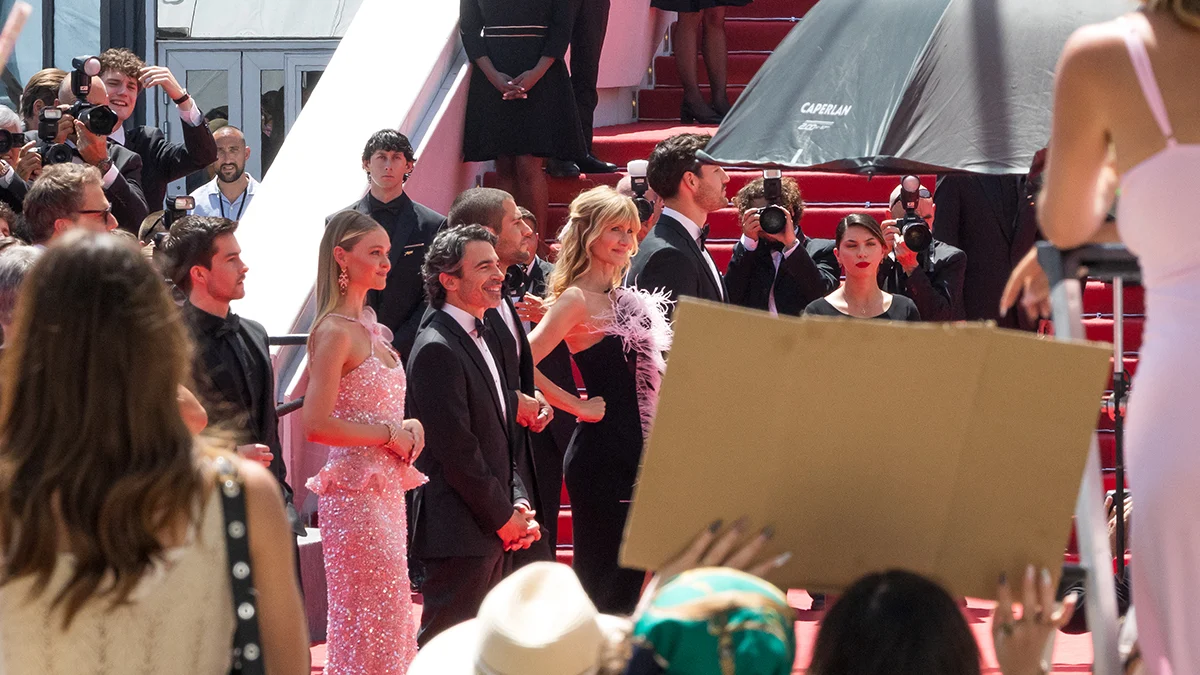
According to reports from Variety and Deadline, the plot shifts its satirical lens toward the global entertainment industry, exploring the life of an artist and the psychological toll of fame, success, and status anxiety. The narrative reportedly hinges on two rival film crews arriving on the coast for competing entries at the Cannes Film Festival.
- The Properties:
- The White Lotus Cannes: Portrayed by the legendary, art-deco Hôtel Martinez, situated directly along the historic Croisette.
- The White Lotus du Cap: Brought to life by the ultra-exclusive Airelles Château de la Messardière, perched high on the hills above Saint-Tropez.
- The Creative Shift: Executive producer David Bernad revealed at the Cannes International Series Festival that the season examines how professional ambition and artistic output warp personal identity. Production crews have already been spotted filming high-energy sequences right outside the iconic Palais des Festivals.
Chronology: The Evolution of Set-Jetting
To understand the cultural earthquake accompanying season four, it is necessary to trace the trajectory of the series’ geographic footprint:
- Season One (Maui, Hawaii): Centered on the Four Seasons Resort Maui at Wailea. The debut season introduced audiences to the formula of wealthy ennui against a backdrop of passive leisure, instantly spiking booking requests for the property.
- Season Two (Taormina, Sicily): Anchored by the San Domenico Palace, A Belmond Hotel. This season relied on a famous spatial illusion, leading viewers to believe the cliffside former monastery sat directly on a sandy beach.
- Season Three (Thailand): Continued the single-resort enclave model, cementing the show’s symbiotic marketing relationship with global hospitality giants like Four Seasons.
- Season Four (French Riviera): Announced as a multi-destination urban and resort panorama. By moving away from the Four Seasons partnership and filming in bustling European urban and festival centers, the show transitions from passive resort relaxation to active, high-stress professional environments.
Supporting Data & Geographic Realities: The Television Illusion
While The White Lotus thrives on creating immersive, seamless worlds, its portrayal of the French Riviera relies heavily on classic television geography and romanticized aesthetics.
Industry veterans point out a glaring logistical disconnect between the show’s fictional universe and actual European geography. In the narrative, the two rival hotel factions appear to operate in close proximity. In reality, Airelles Château de la Messardière in Saint-Tropez is separated from the Hôtel Martinez in Cannes by roughly a three-hour drive along winding coastal roads.

"Americans have no idea where these places are located," notes Jonathan Alder, founder and CEO of Jonathan’s Travels. "Most people are going to think Saint-Tropez is next to Cannes."
Furthermore, travel experts emphasize that Cannes is fundamentally a conference and trade-show city rather than an idyllic, sun-drenched leisure destination. Outside of the frantic two-week window of the Cannes Film Festival in May, primary luxury properties like the Carlton and Le Majestic Barrière cater heavily to corporate events and business travelers. Visitors expecting a perpetual red-carpet experience may find a decidedly corporate reality off-camera.
Official Responses and Industry Perspectives
The high-profile move has deeply divided the luxury travel community, sparking a fierce debate over the long-term value of pop-culture exposure versus brand preservation.
The Critics: Diluting Exclusivity
Jaclyn Sienna India, founder and CEO of luxury travel firm Sienna Charles, views the show’s immense footprint as a symptom of a troubling trend she labels the "celebritization of travel." She argues that the series encourages tourists to chase hyped-up camera locations over genuine cultural immersion, turning storied hotels into social media backdrops.

"Wealth has become a zoo," India states bluntly. She warns that luxury brands risk sacrificing their long-term cachet for short-term media buzz. Once the season airs, she says she would hesitate to recommend either featured hotel to her discerning clientele, suggesting cultural hubs like Nice—and properties such as the newly opened Hôtel du Couvent—as more authentic alternatives.
The Optimists: The Power of Aspirational Escapism
Conversely, other top advisors see massive commercial upside, particularly for independent ultra-luxury brands. Stacy Fischer-Rosenthal, president of Fischer Travel and a member of Four Seasons’ advisory board, believes that Airelles stands to gain exponentially more from the spotlight than a sprawling global chain.
"Saint-Tropez is a more sexy, vibey, glamorous destination," Fischer-Rosenthal notes. "It definitely fits The White Lotus themes of wealth, excess, romance, and intrigue. The grounds at Les Airelles are so prominent and incredible that those grounds couldn’t exist in a Cannes property. It just doesn’t have the space."
Michel Cottray, general manager of the Hôtel Martinez, echoed a "sense of quiet excitement" regarding the production, emphasizing the hotel’s deep-rooted connection to the history of the Cannes Film Festival. Meanwhile, representatives for Airelles declined to comment on their specific involvement in the series.

Implications: Preserving Luxury in the Age of Viral Tourism
As The White Lotus trades secluded resort enclaves for the public, high-octane stage of the French Riviera, the long-term implications for European hospitality are manifold.
- The Economic Firewall of Ultra-Luxury: Despite concerns over overtourism and the dilution of exclusivity, industry experts note that ultra-luxury pricing acts as a formidable natural barrier to entry. With peak summer rates at properties like Airelles regularly exceeding €3,000 per night, astronomical costs help preserve a degree of exclusivity regardless of how many millions of viewers watch on screen.
- The Shift from Leisure to Status Anxiety: By focusing on the Cannes Film Festival and the frantic realities of artistic ambition, the show mirrors a broader cultural shift. Modern luxury travel is increasingly driven by status anxiety, deal-making, and the desire to inhabit spaces associated with high-profile cultural capital.
- The Creation of Manufactured Realities: Ultimately, the greatest legacy of season four may be psychological rather than physical. The White Lotus is not merely documenting the Côte d’Azur; it is actively manufacturing a cinematic, highly dramatized version of it. Millions of travelers will soon spend small fortunes attempting to chase a fictional ideal—proving that even when television shows characters behaving despicably in paradise, the allure of the gilded life remains impossible to resist.
 Ammar Sabilarrohman
  Iffa Jayyana