

Central Europe remains the quintessential destination for travelers seeking a profound connection to history, architectural majesty, and alpine serenity. Stretching from the beer halls of Bavaria through the imperial grandeur of Vienna to the gothic spires of Prague, a well-planned two-week journey offers an immersive experience that balances urban exploration with the quiet beauty of small-town life. This 14-day itinerary is designed for travelers who prioritize efficiency and discovery, utilizing Europe’s robust rail network to navigate from Munich to Prague, with strategic stops in Salzburg, Hallstatt, and Český Krumlov along the way.
Main Facts: The Central European Experience
This itinerary focuses on a point-to-point progression, allowing visitors to minimize backtracking while maximizing their time on the ground.
- Route: Munich → Salzburg (with day trips to Berchtesgaden and Hallstatt) → Vienna → Prague (with a day trip to Český Krumlov).
- Logistics: The route is entirely accessible by train, eliminating the need for car rentals and the associated stress of cross-border driving.
- Best Time to Visit: While the region is a year-round destination, late April through June and mid-September through October offer the best balance of pleasant weather and manageable crowds. December is recommended specifically for those interested in the world-renowned Christmas markets.
- Trip Style: This is a fast-paced but rewarding cultural odyssey, perfect for first-time visitors to Europe who want to witness the distinct shifts in atmosphere, cuisine, and heritage across Germany, Austria, and the Czech Republic.
Chronology: A Day-by-Day Roadmap
To fully appreciate the diversity of the region, the following schedule balances iconic landmarks with personal discovery.
Days 1–3: The Bavarian Capital
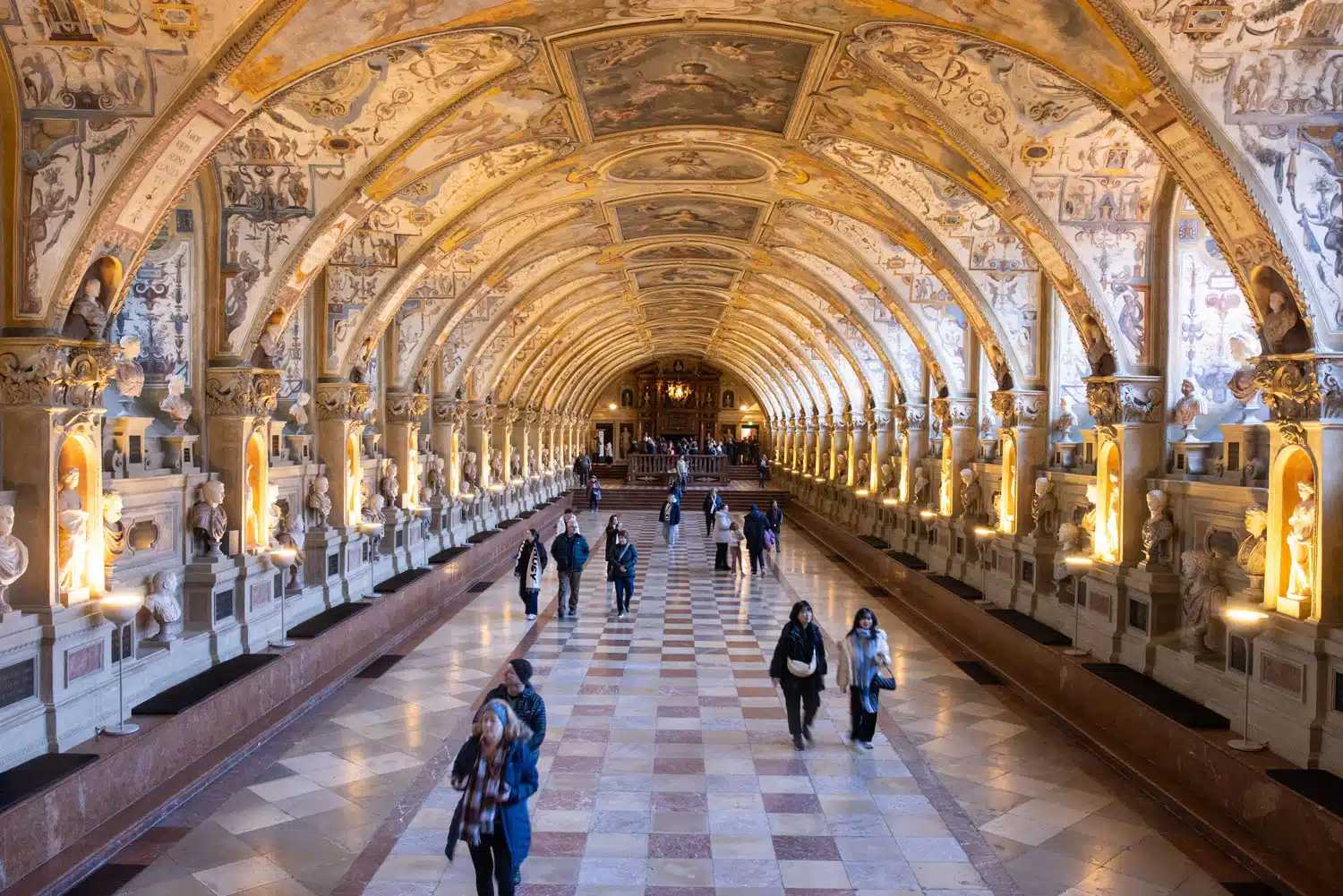
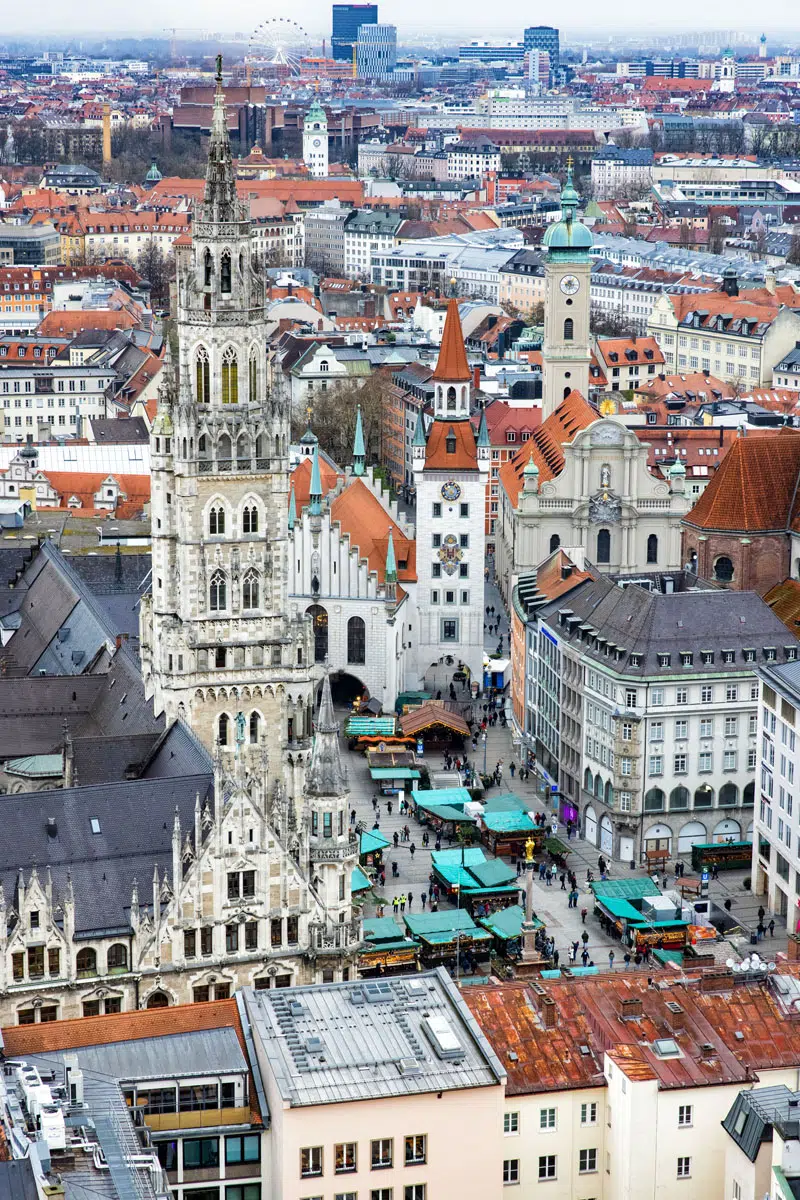
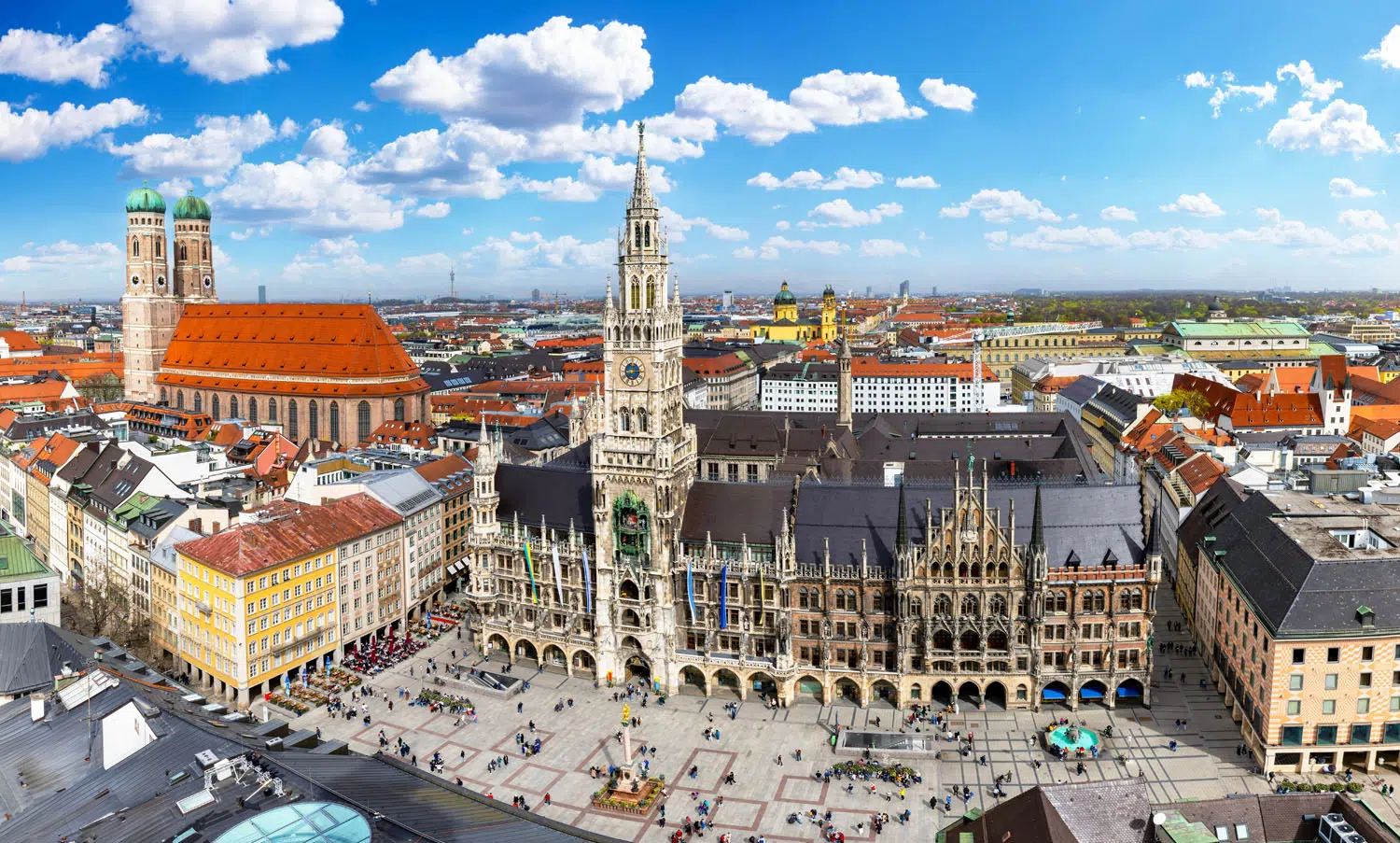
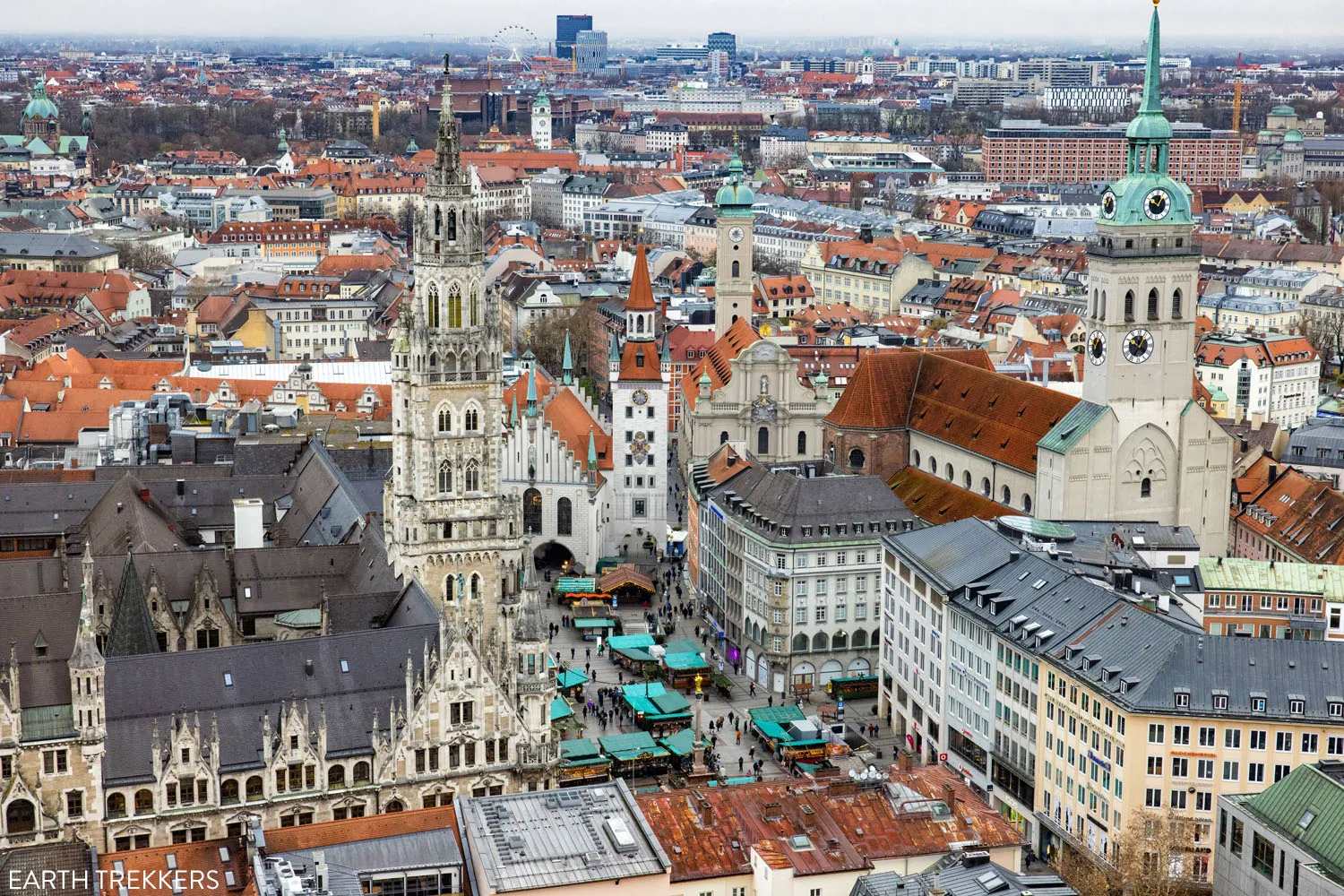
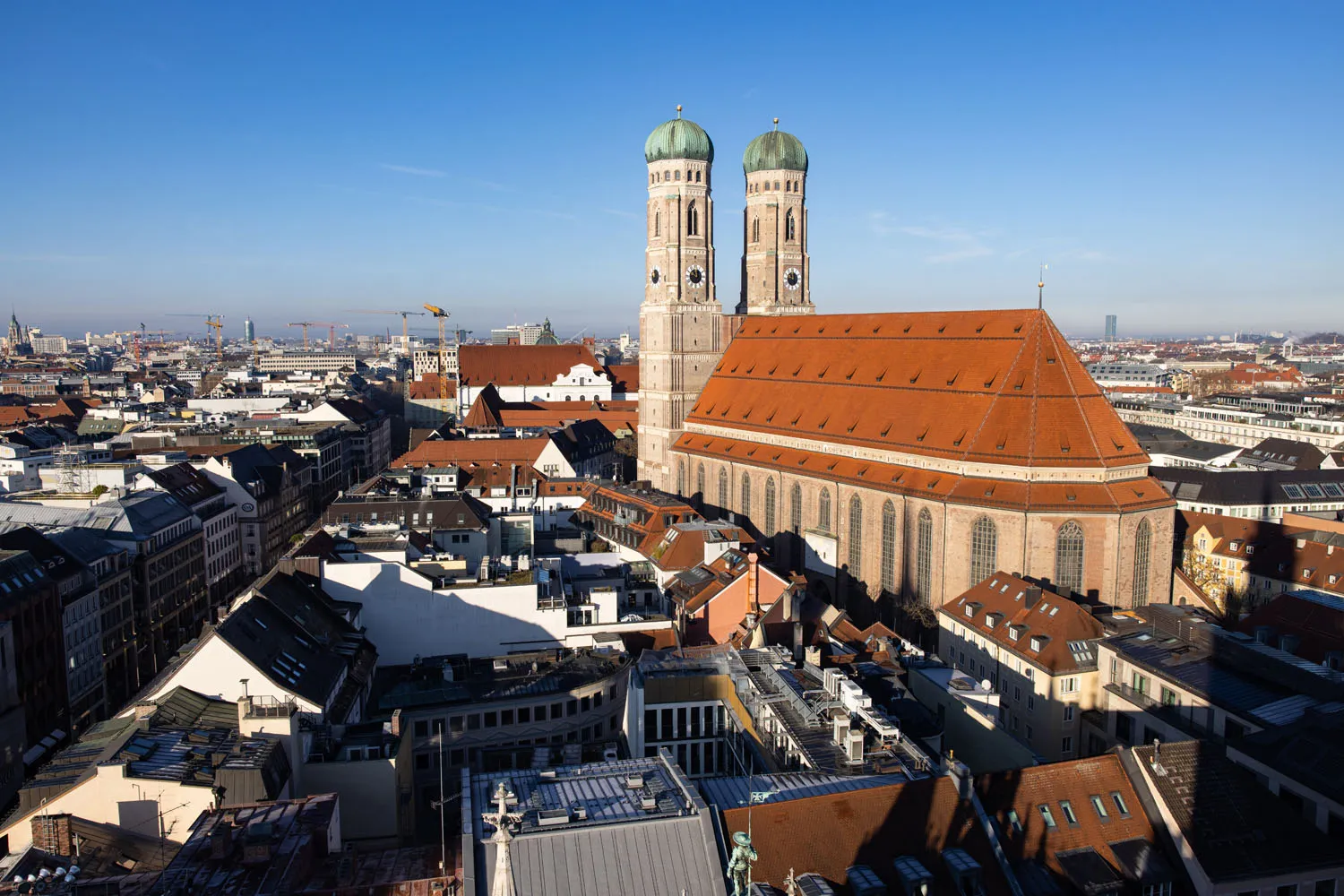
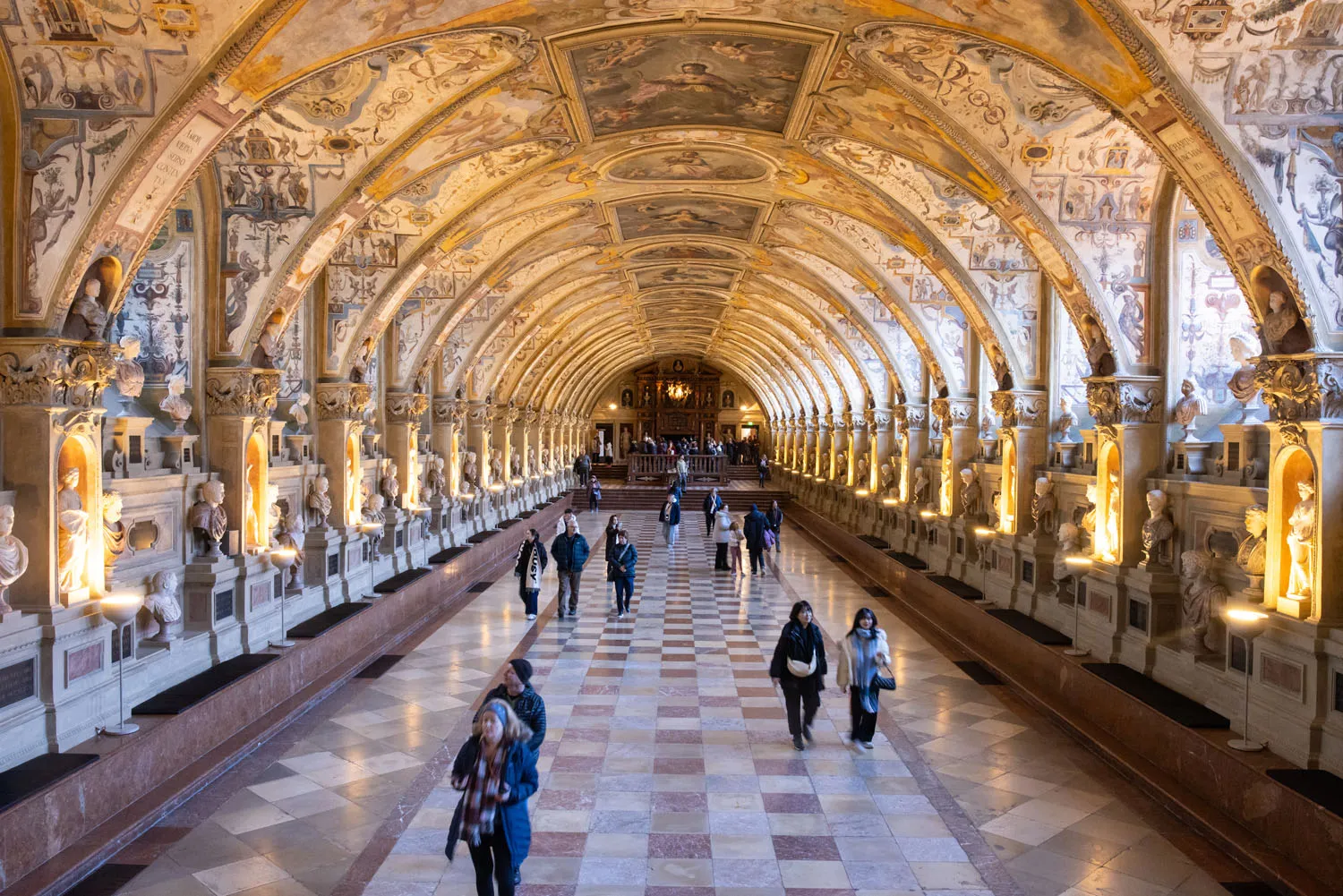
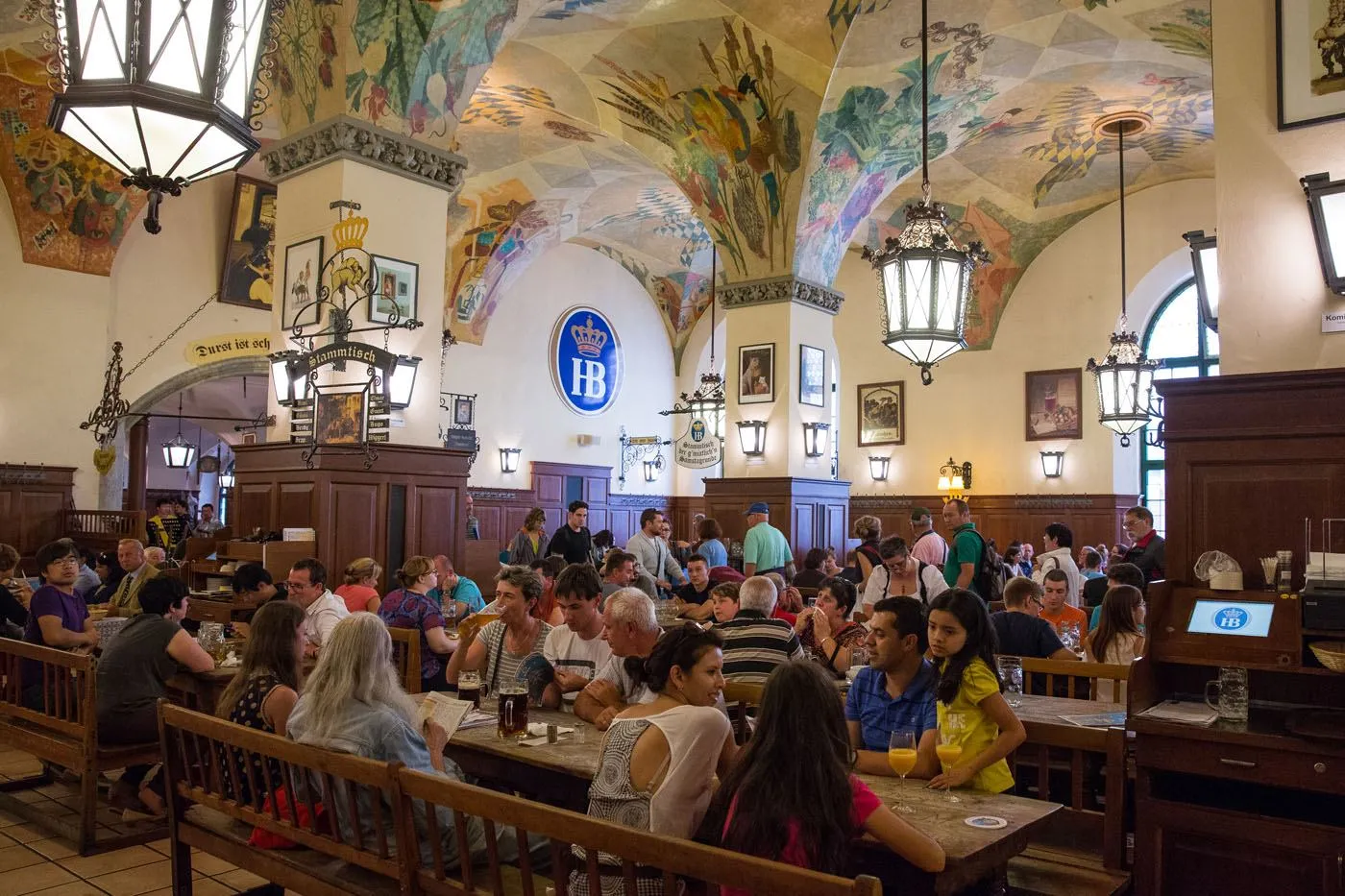
Your journey begins in Munich. Spend your first day settling into the Altstadt (Old Town), visiting Marienplatz, and taking in the city views from the Rathaus tower. Dedicate your second day to the Residenz Palace or the somber but essential Dachau Concentration Camp Memorial. On the third day, enjoy a final morning in the English Garden before catching a train to Salzburg, a short 1-hour and 40-minute journey.
Days 4–6: The Austrian Alps and Fairytale Towns
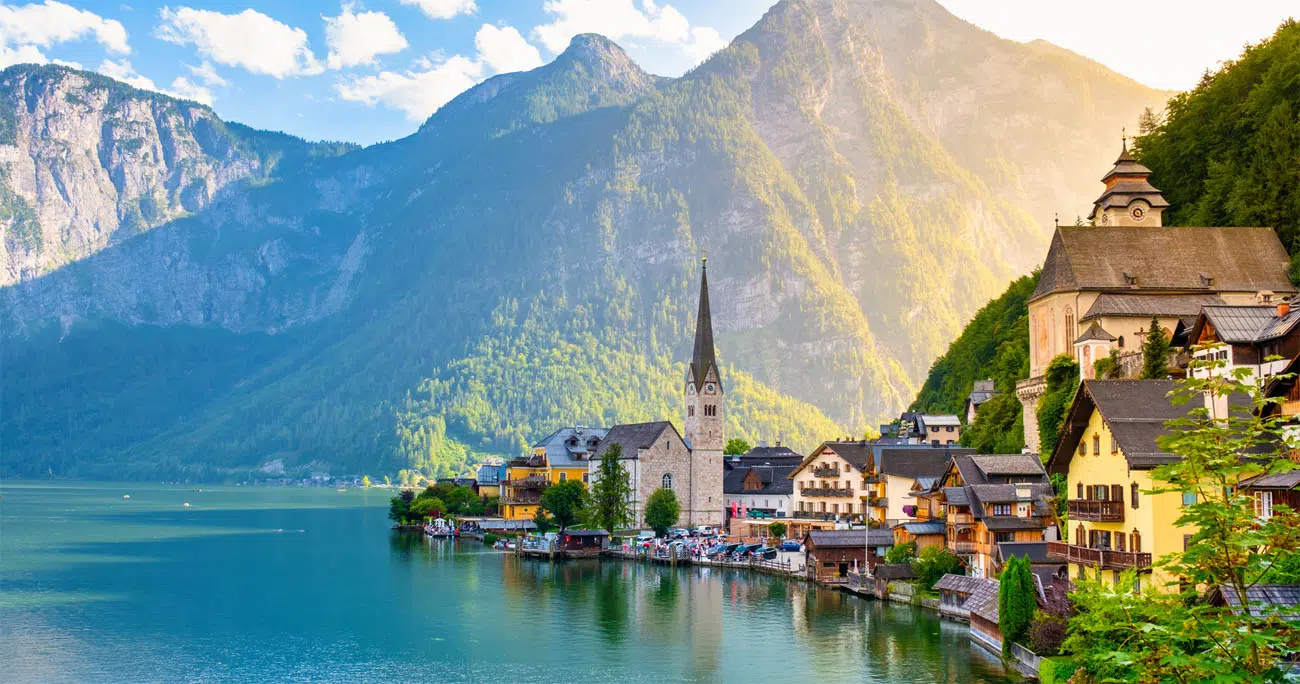
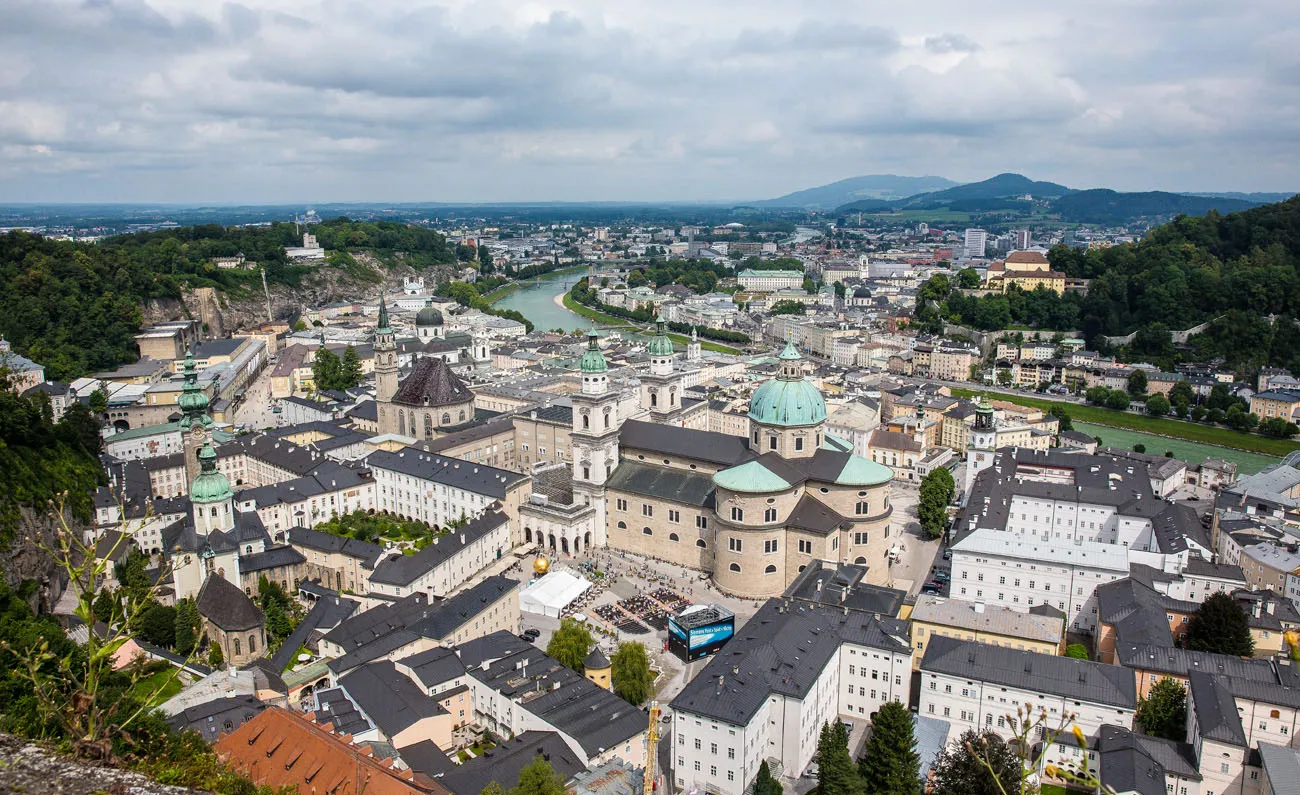
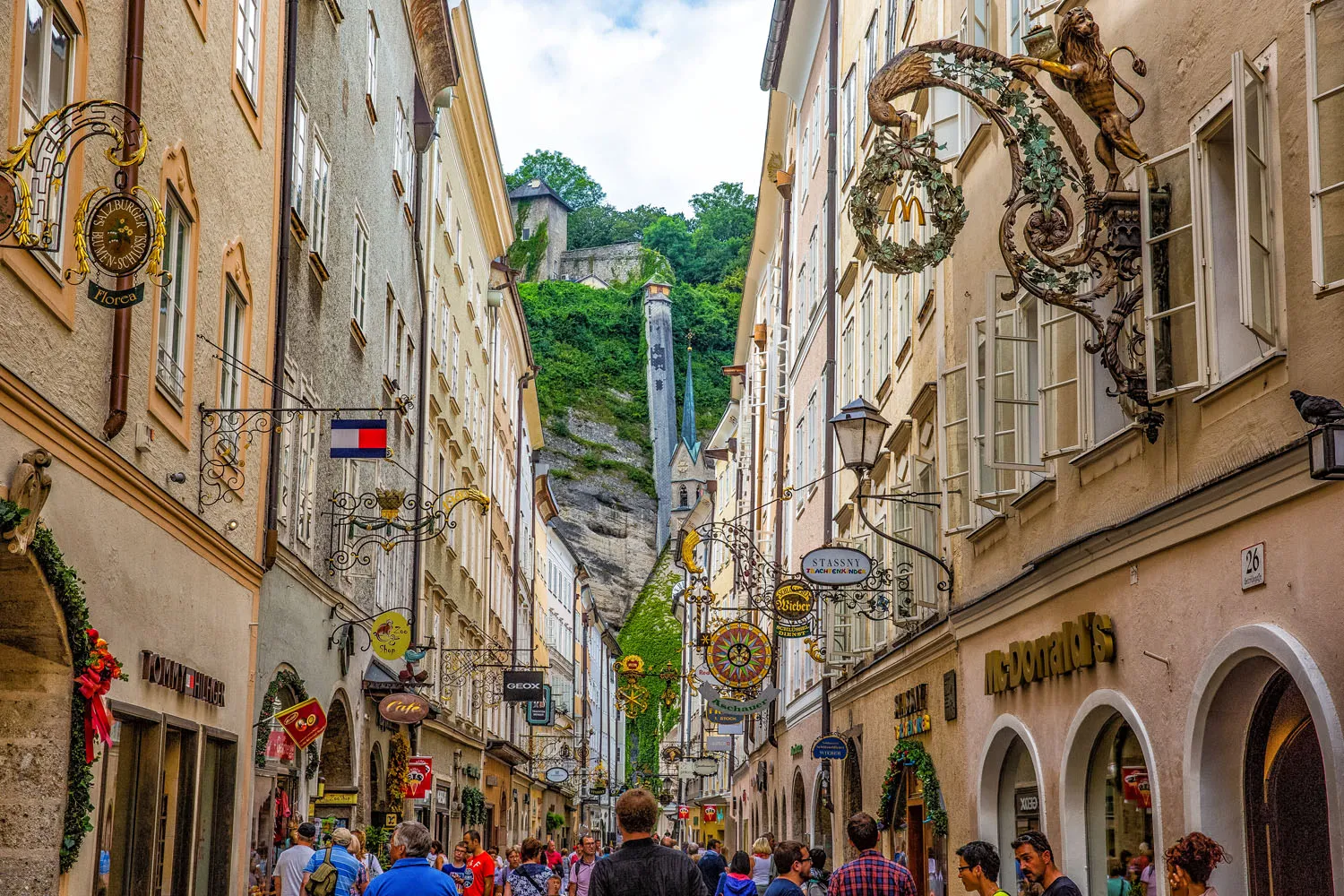
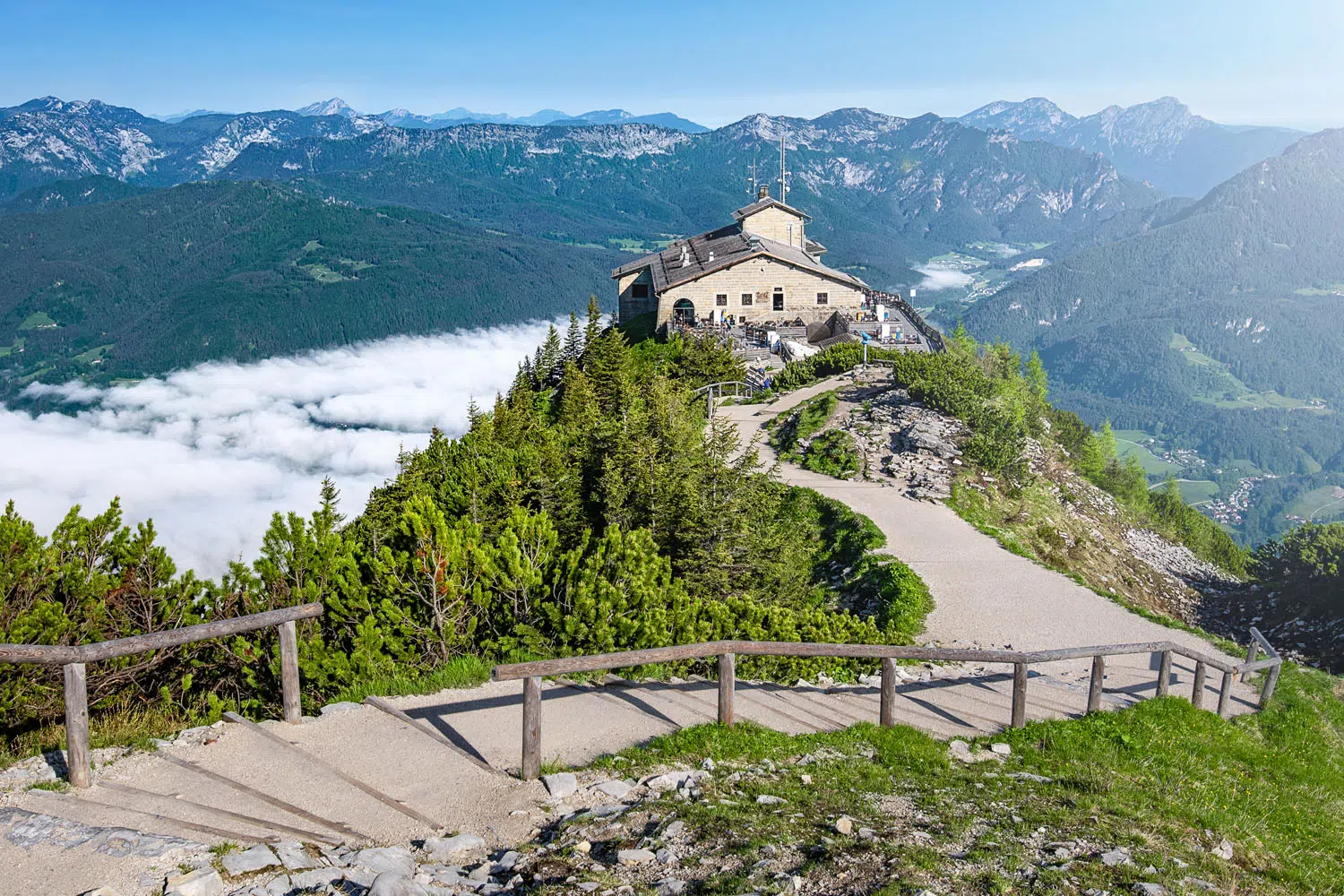
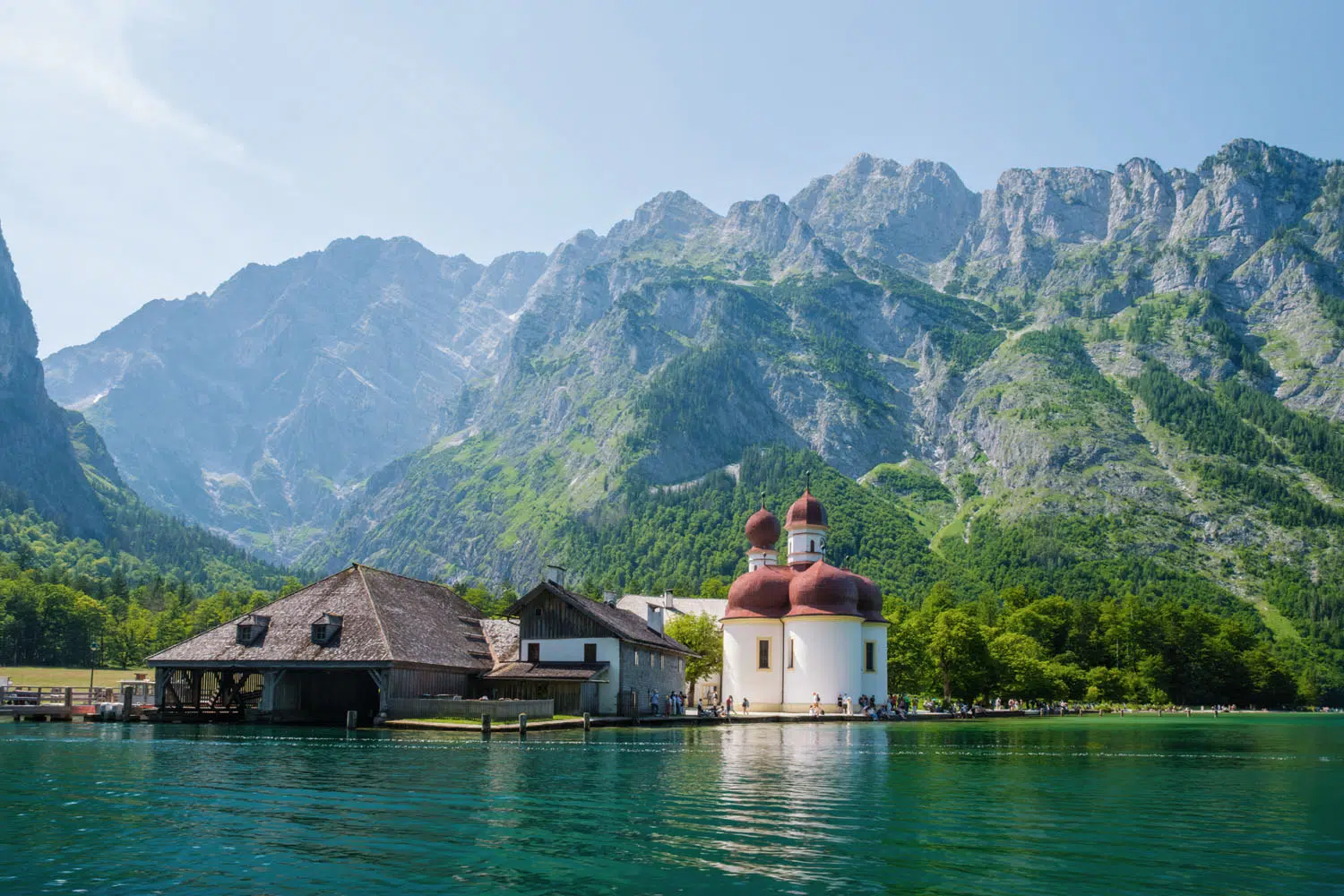
Salzburg serves as an ideal base for three days. Dedicate day four to the Hohensalzburg Fortress and Mozart’s birthplace. Day five should be reserved for Berchtesgaden in Germany, where the Eagle’s Nest and Lake Königssee await. On day six, head to Hallstatt. Whether you take a day trip or choose to spend a night in the nearby town of Obertraun, the alpine scenery here is unparalleled.
Days 7–9: Imperial Vienna
Travel by high-speed rail to Vienna, the heart of the former Habsburg Empire. Over the next three days, immerse yourself in the city’s legendary coffee house culture. Highlights include the Hofburg Palace, the Kunsthistorisches Museum, and the architectural splendor of Schönbrunn Palace.
Days 10–14: The Bohemian Finale
On day ten, transition to Prague. The train ride is approximately four hours. Once in the Czech capital, you have three full days to explore the Charles Bridge, the Jewish Quarter, and the towering Prague Castle. Dedicate day thirteen to a day trip to Český Krumlov, a UNESCO-listed town that feels as though it has been preserved in amber. Your final day is reserved for departure from Prague (PRG).
Supporting Data: Navigating the Region
Train vs. Car
While some travelers are tempted to rent a car for the flexibility it offers in alpine regions, the rail network in Central Europe is exceptionally efficient. Trains between Munich, Salzburg, Vienna, and Prague are frequent, reliable, and comfortable. Booking through official national rail sites—such as ÖBB (Austrian Railways) or Deutsche Bahn—is highly recommended to secure the best fares. If you do choose to drive, be aware of the "vignette" requirement (a toll sticker) in Austria and the Czech Republic, and prepare for significant drop-off fees if you return a rental car in a different country than where you picked it up.
Budgetary Considerations
For a mid-range traveler, this two-week trip requires a realistic budget. A 3-star hotel will generally average $200 per night, with food and drink costs adding $50–$70 per person, per day. Factoring in inter-city train tickets and entrance fees for museums and palaces, travelers should expect to spend between $3,800 and $4,400 per person (excluding international airfare). Couples can achieve economies of scale by sharing lodging, which remains the single largest expense.
Official Responses and Perspectives: Seasonal Variations
Local tourism boards often emphasize that the "best" time to visit depends entirely on the traveler’s tolerance for crowds and climate.
- The Case for Spring/Fall: Experts agree that shoulder seasons are the "sweet spot." The weather is mild, the crowds are thinned, and the cultural landscape—cafés, galleries, and parks—is fully operational.
- The Winter Perspective: In December, the atmosphere shifts. While the weather is undeniably cold, the festive illumination of Munich’s Marienplatz and Vienna’s Rathausplatz offers a unique cultural experience that cannot be replicated in the summer months.
- Summer Realities: Summer is the peak of the tourist season. Destinations like Hallstatt can become overwhelmed by day-trippers. For those visiting in July or August, early morning starts are not merely a suggestion; they are a necessity to enjoy the tranquility of these sites.
Implications: A Lasting Impression
This 14-day itinerary is more than a checklist of landmarks; it is a lesson in the evolution of Central European identity. From the organized, industrious spirit of Bavaria to the refined, aristocratic traditions of Vienna and the mystical, bohemian charm of Prague, the route provides a cohesive narrative of European history.
For the first-time visitor, this itinerary serves as a confidence-building exercise. By mastering the rail system and navigating three different languages and currencies, travelers return home not only with photographs but with a genuine understanding of how these neighboring cultures interact. Whether you are standing on the Charles Bridge as the sun sets over the Vltava or enjoying a Sacher-Torte in a Viennese café, the experience is designed to leave an indelible mark on your worldview.
Final Travel Tips
- Connectivity: Download the local transit apps (like MVV for Munich) before arrival for real-time updates.
- Luggage: Because you will be navigating train stations, travel light. A single carry-on and a daypack are ideal for this multi-stop trip.
- Reservations: For high-demand attractions like the Eagle’s Nest or the Residenz Palace, always book your entry tickets online in advance to bypass long ticket office queues.
- Flexibility: While this itinerary is comprehensive, do not fear the occasional "empty day." The best moments in Central Europe often happen when you simply sit in a square, order a coffee, and observe the world passing by.
 Nana Wu
  Raul Delapena Setiawan
  Iffa Jayyana