

Frankfurt am Main is often misunderstood. To the casual observer, it is a gleaming forest of glass-and-steel skyscrapers, a powerhouse of European finance, and a transit hub for millions of international travelers. However, beneath the shadow of its "Mainhattan" skyline lies a city of profound historical depth, Roman roots, and an undeniable festive soul.
Whether you are visiting in the depths of winter to experience one of the world’s most venerable Christmas traditions or arriving in the height of summer to explore its world-class museums and medieval squares, Frankfurt offers a sophisticated, rewarding experience for the curious traveler.
Main Facts: The Essence of Frankfurt
Frankfurt is a city of duality. It is simultaneously one of the most modern cities in Germany and a guardian of ancient traditions.
- Geographic Significance: Situated on the banks of the Main River, it serves as the beating heart of the Rhine-Main metropolitan region.
- Historical Pedigree: With roots tracing back to Roman times, it served as the site for the election and coronation of Holy Roman Emperors.
- The Christmas Market: Documented as early as 1393, the Frankfurt Christmas Market is not merely a seasonal event; it is a cultural institution that spans the entire historic center, from the Römerberg to the banks of the Main.
- Accessibility: As a global aviation hub, the city is arguably the most accessible destination in Europe, linked to virtually every major international city and connected internally by a seamless high-speed rail network.
A Chronology of the Frankfurt Christmas Market
The Frankfurt Christmas Market is not a singular, cordoned-off event but a sprawling, organic expansion of the city’s historic identity.
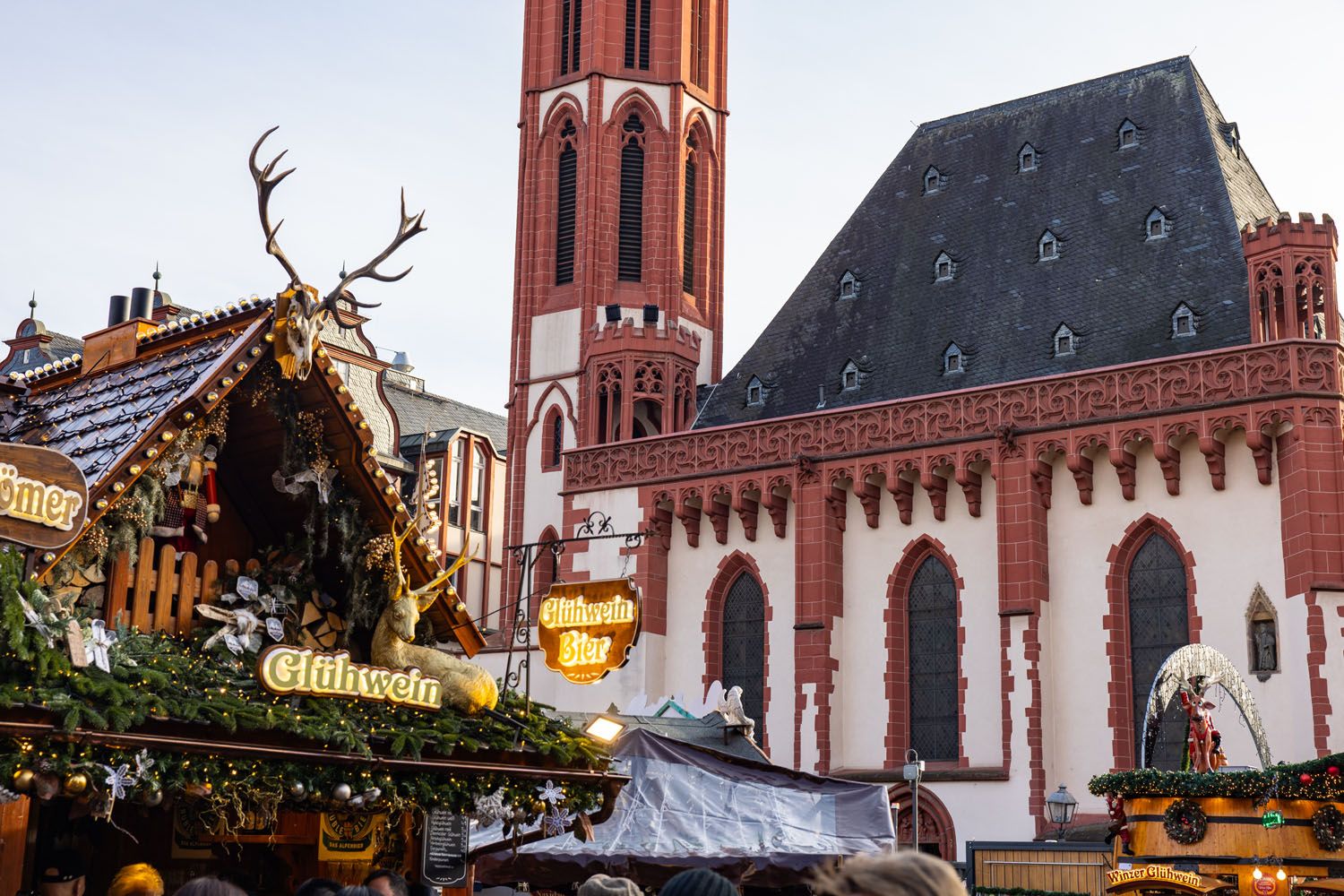
The Origins (1393–18th Century)
The market dates back to the late 14th century. Historically, it was a vital gathering place for citizens to prepare for the long winter months, characterized by the exchange of goods, artisanal crafts, and seasonal delicacies. Its longevity has made it one of the oldest and most significant markets in the German-speaking world.
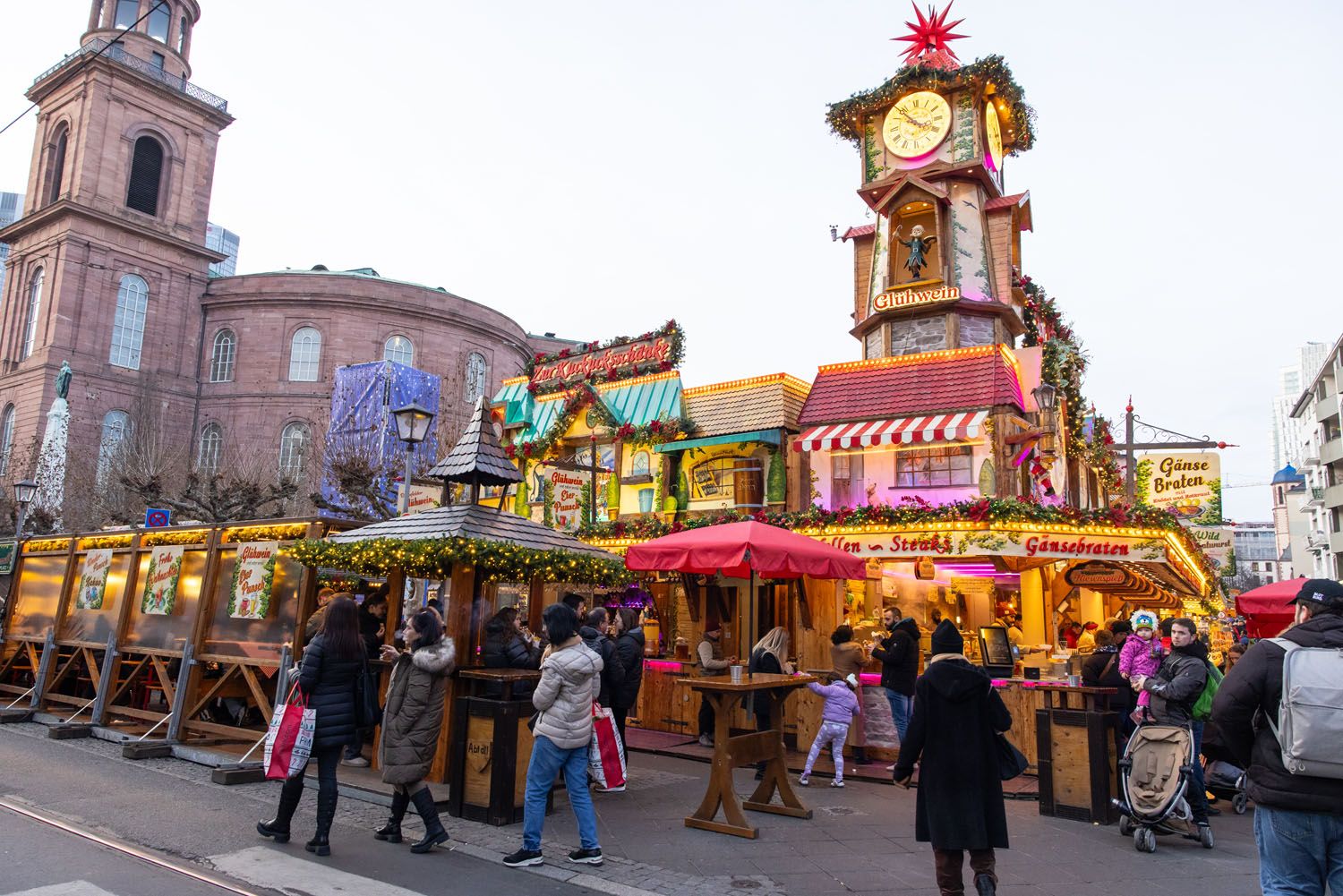
The Modern Evolution
Today, the market officially runs from late November through December 22. While it maintains its medieval charm, the contemporary experience is a tapestry of various "zones."
- November 23, 2026 – December 22, 2026: This year’s window provides a nearly month-long opportunity for visitors to immerse themselves in the festivities.
- Operating Hours: Monday through Saturday, 10:00 am to 9:00 pm; Sundays, 11:00 am to 9:00 pm. Admission remains free to the public, reflecting the city’s commitment to open, communal holiday celebrations.
Supporting Data: Navigating the Festive Landscape
The market is effectively a series of interconnected squares, each offering a distinct atmosphere.
Römerberg: The Iconic Heart
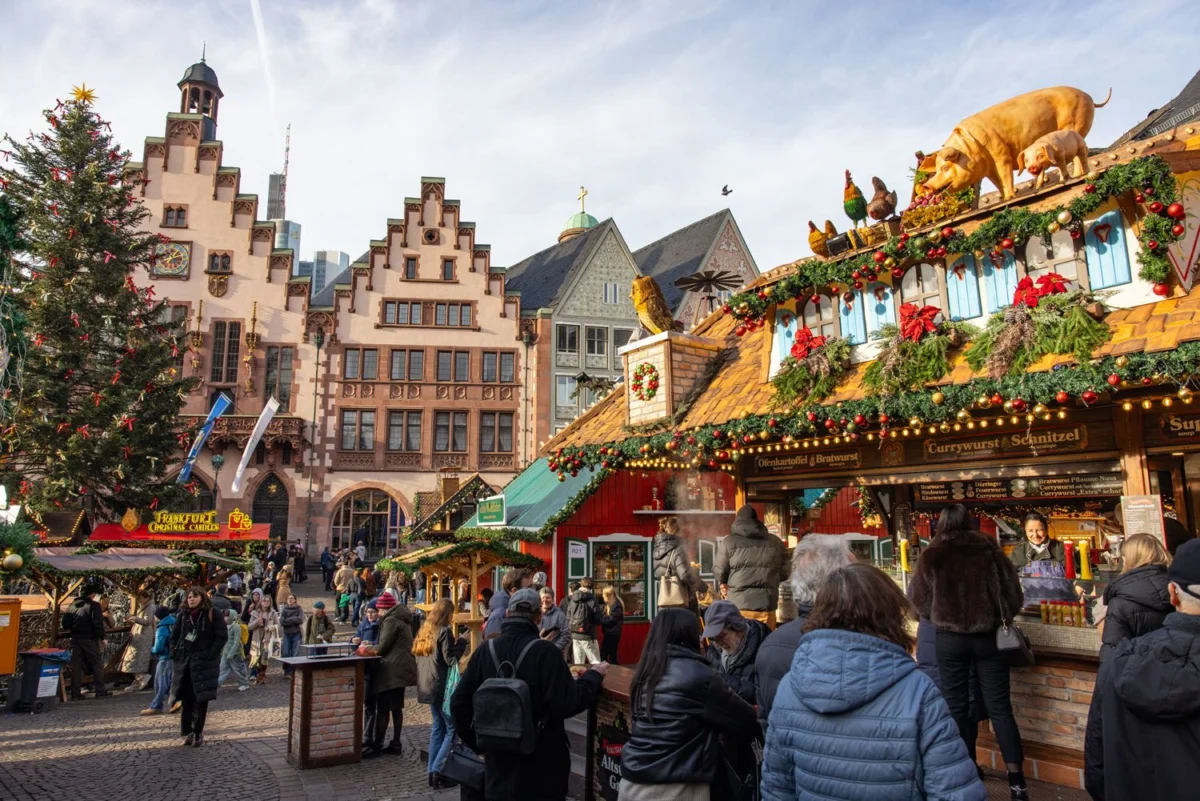
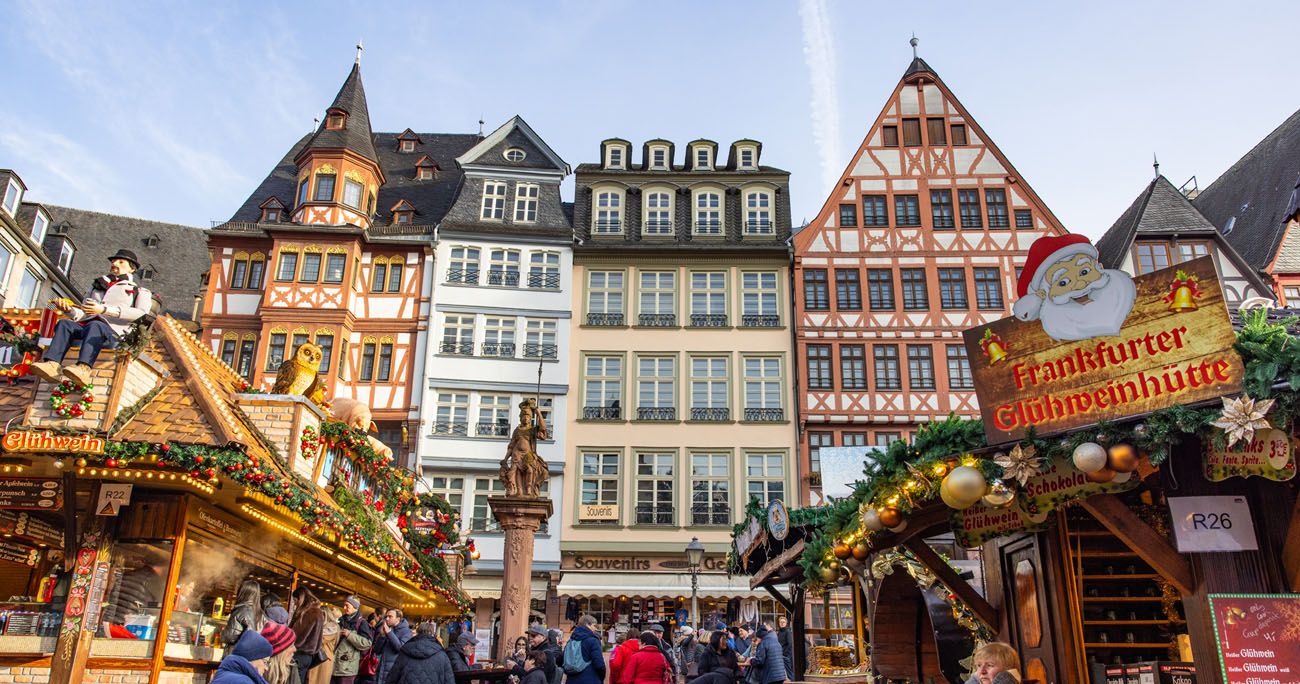
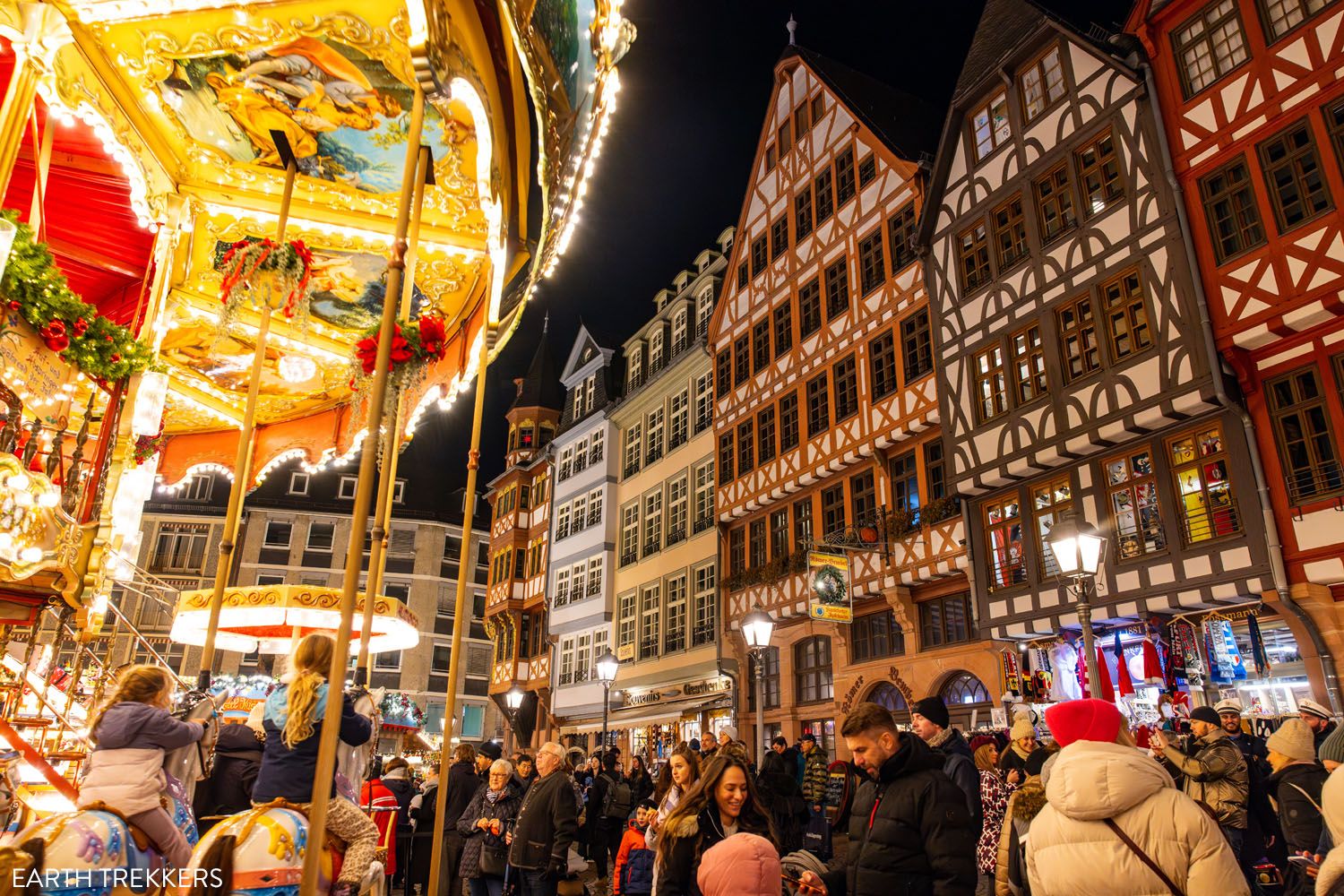
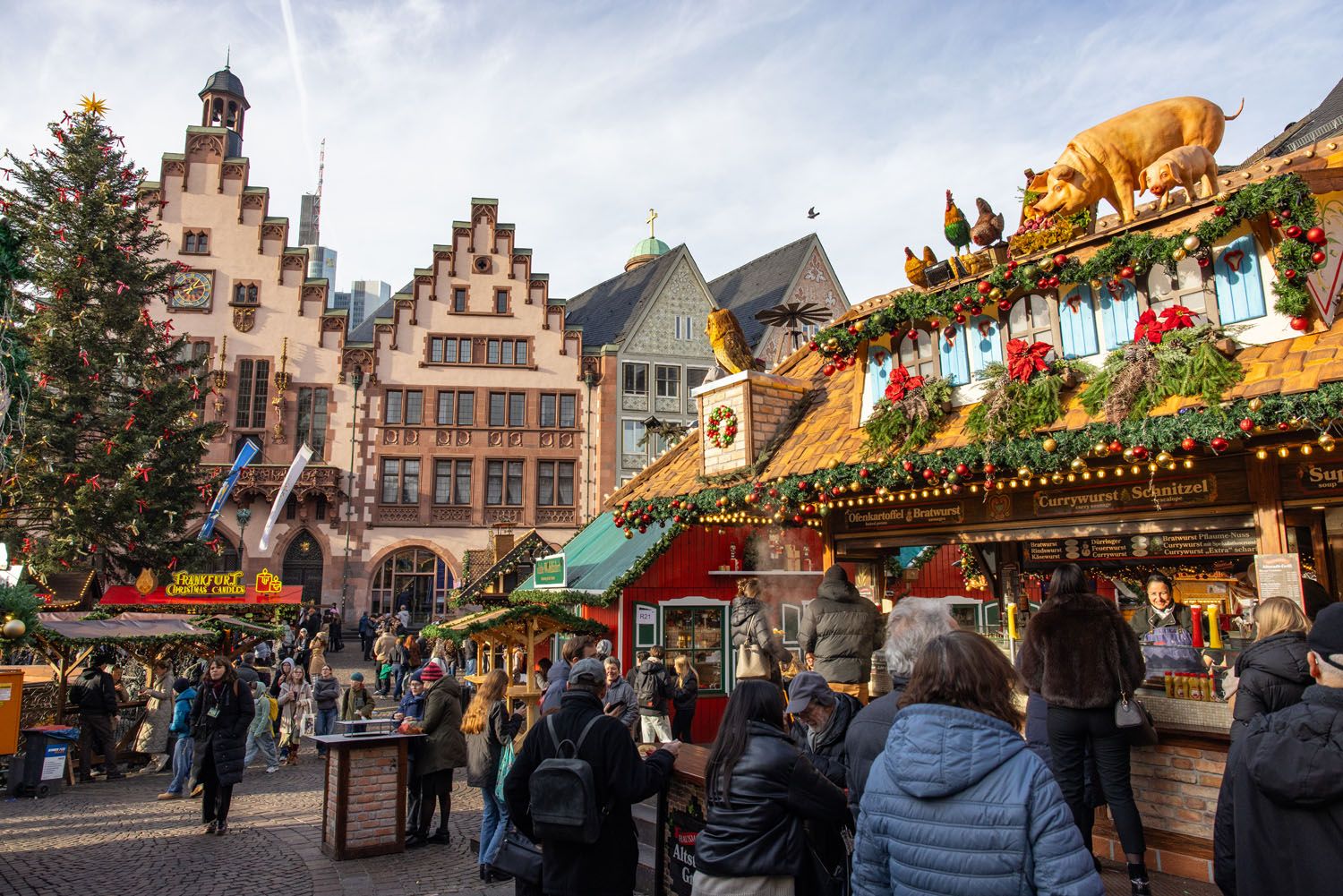
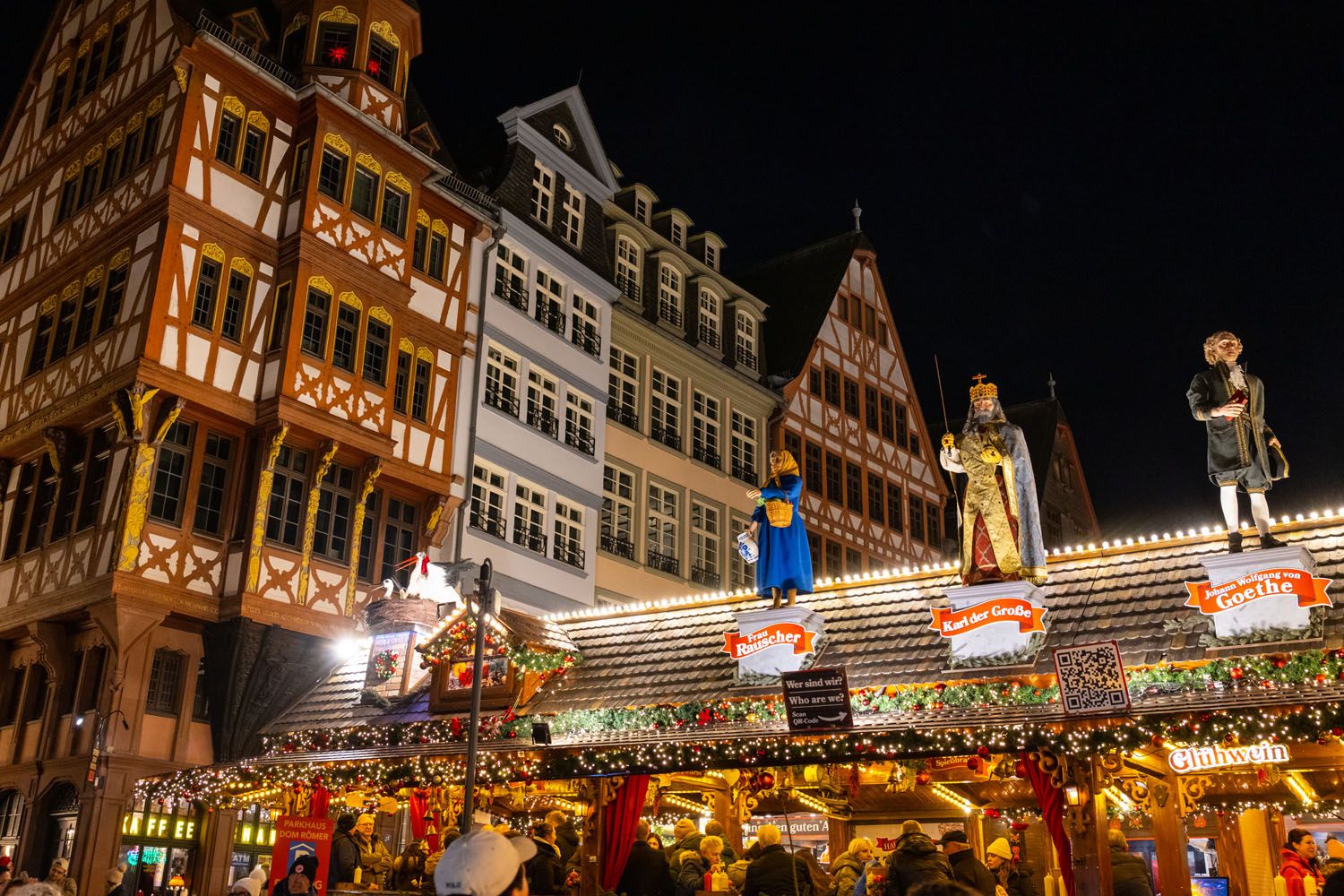
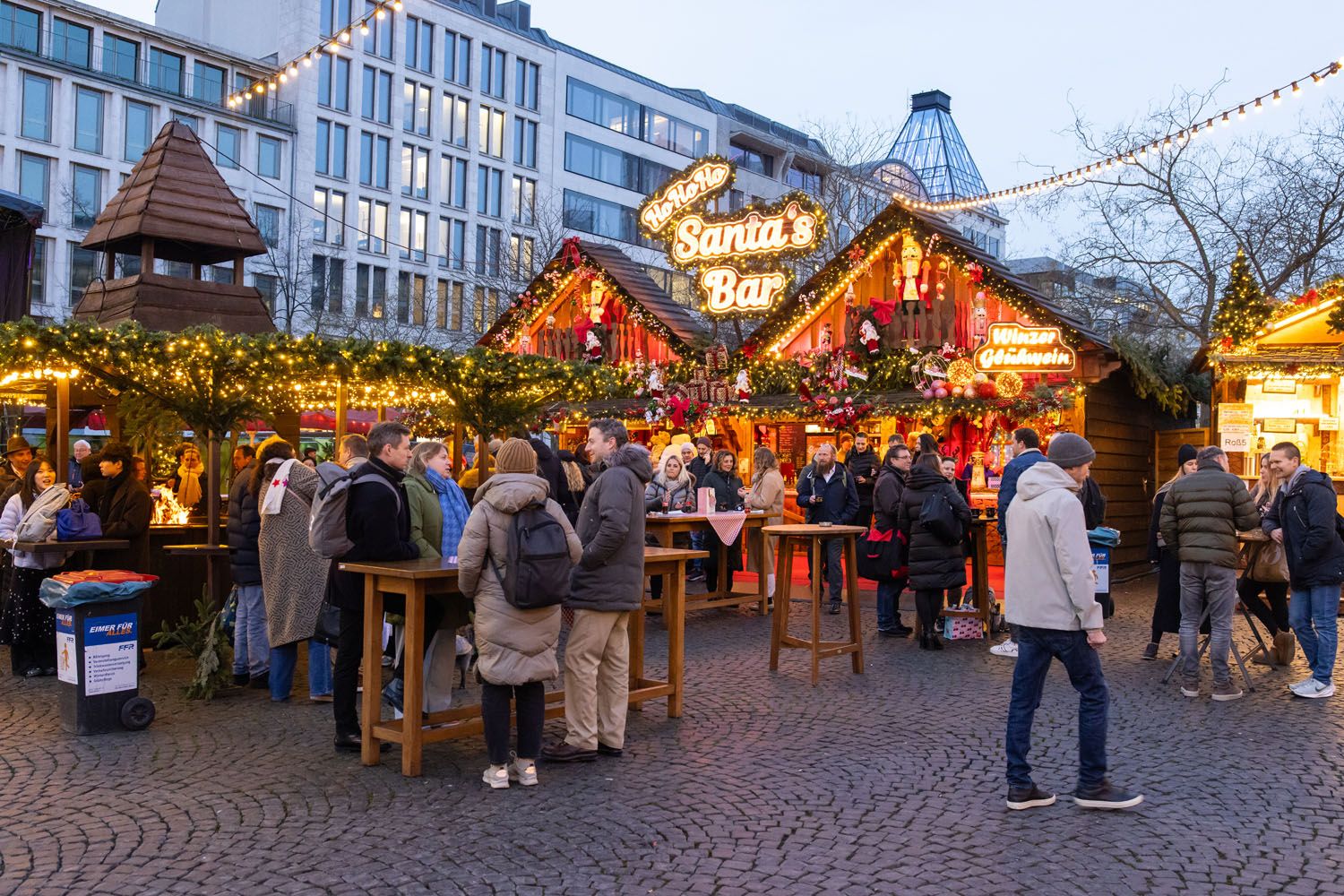
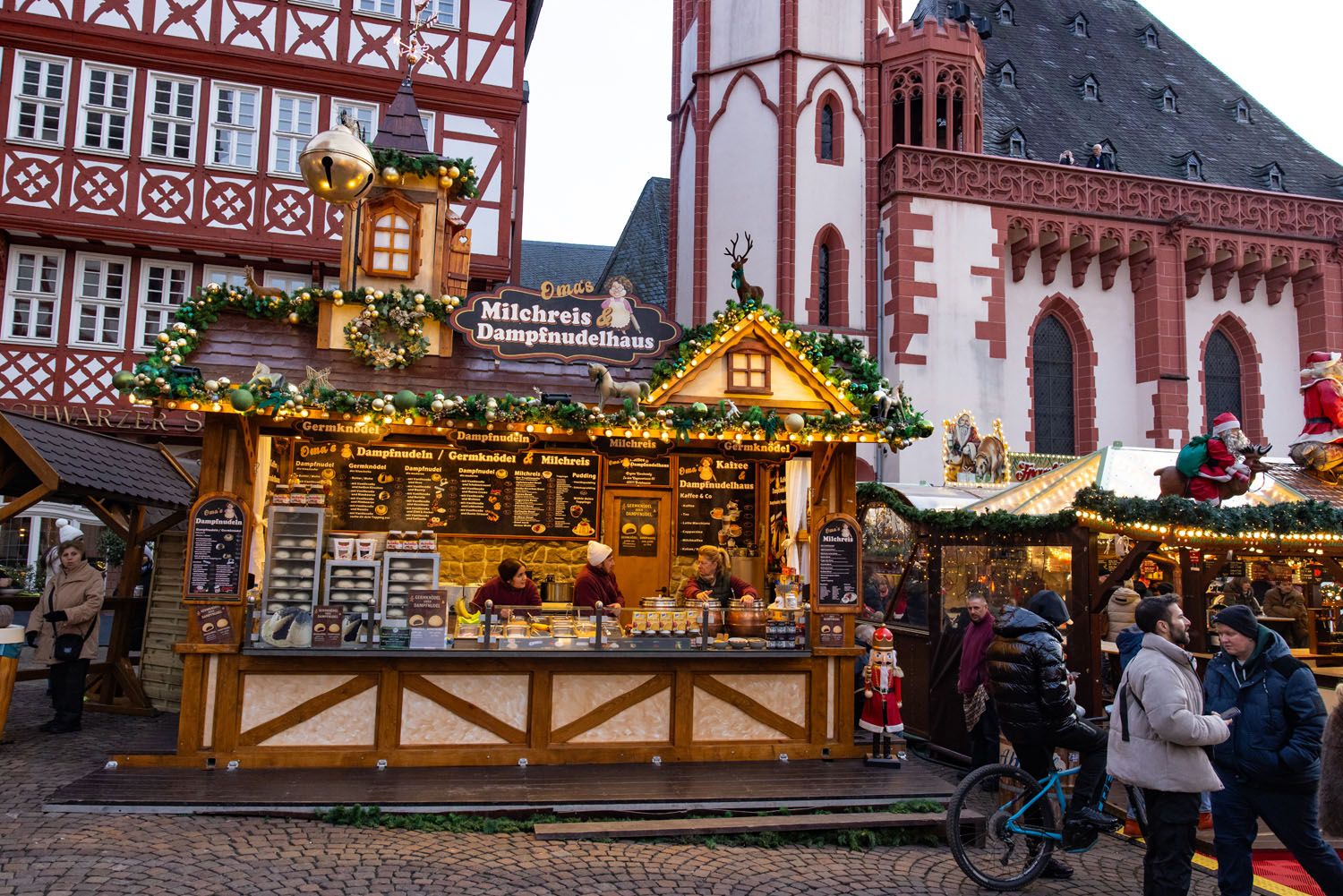
Römerberg Square is the aesthetic anchor of the market. Surrounded by meticulously reconstructed half-timbered houses and the imposing Frankfurt Cathedral, this area is the quintessential German Christmas experience. Here, visitors encounter elaborate wooden stalls adorned with animatronic figures and festive lights. It is the premier location for traditional fare: bratwurst, roasted nuts, and, most notably, local apple wine served warm with seasonal spices.
Rosa (Pink) Christmas: A Modern Twist
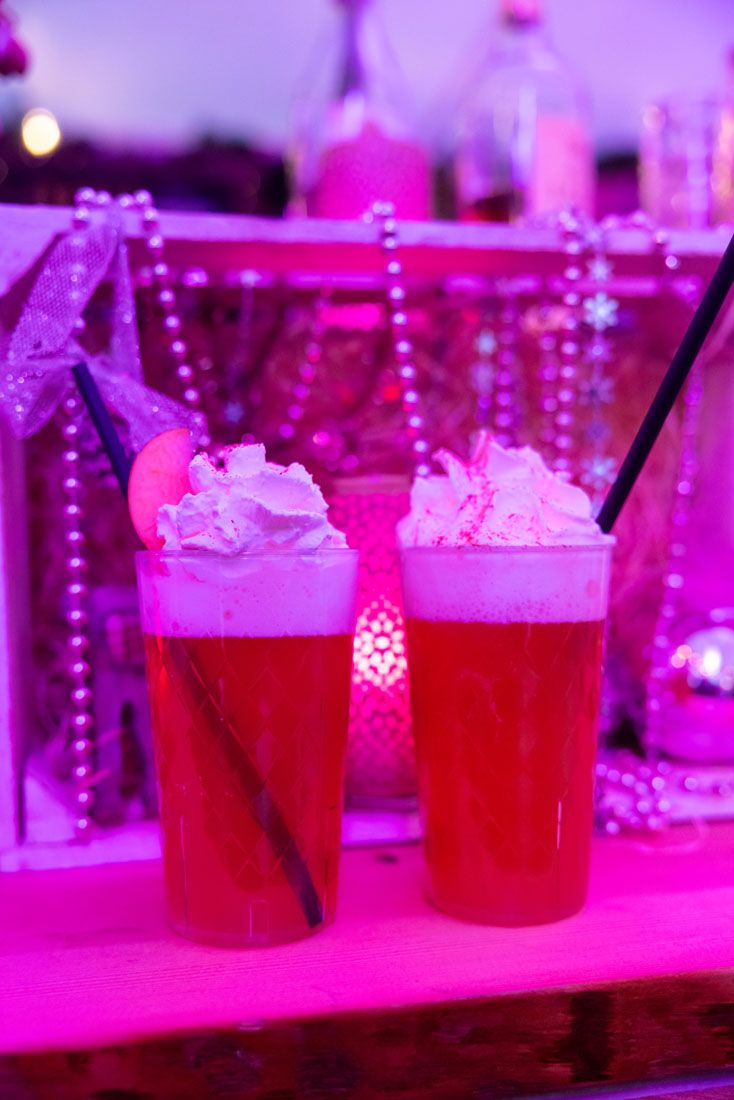
Located on Friedrich Stoltze Square, "Pink Christmas" offers a contemporary counter-narrative to the traditional market. It is a vibrant, neon-lit hub known for its bold aesthetic, creative cocktails, and an energetic, social atmosphere that appeals to those seeking a modern interpretation of holiday celebrations.
The Children’s Market (Mainkai)
Recognizing the importance of multi-generational travel, the city designates the Mainkai area for families. With storytellers, live theater, and interactive craft stations, this segment ensures that the tradition is passed down to a new generation.
Official Insights: Beyond the Market
While the Christmas market draws the largest crowds, Frankfurt’s year-round cultural infrastructure is arguably more impressive.
Historical and Political Landmarks
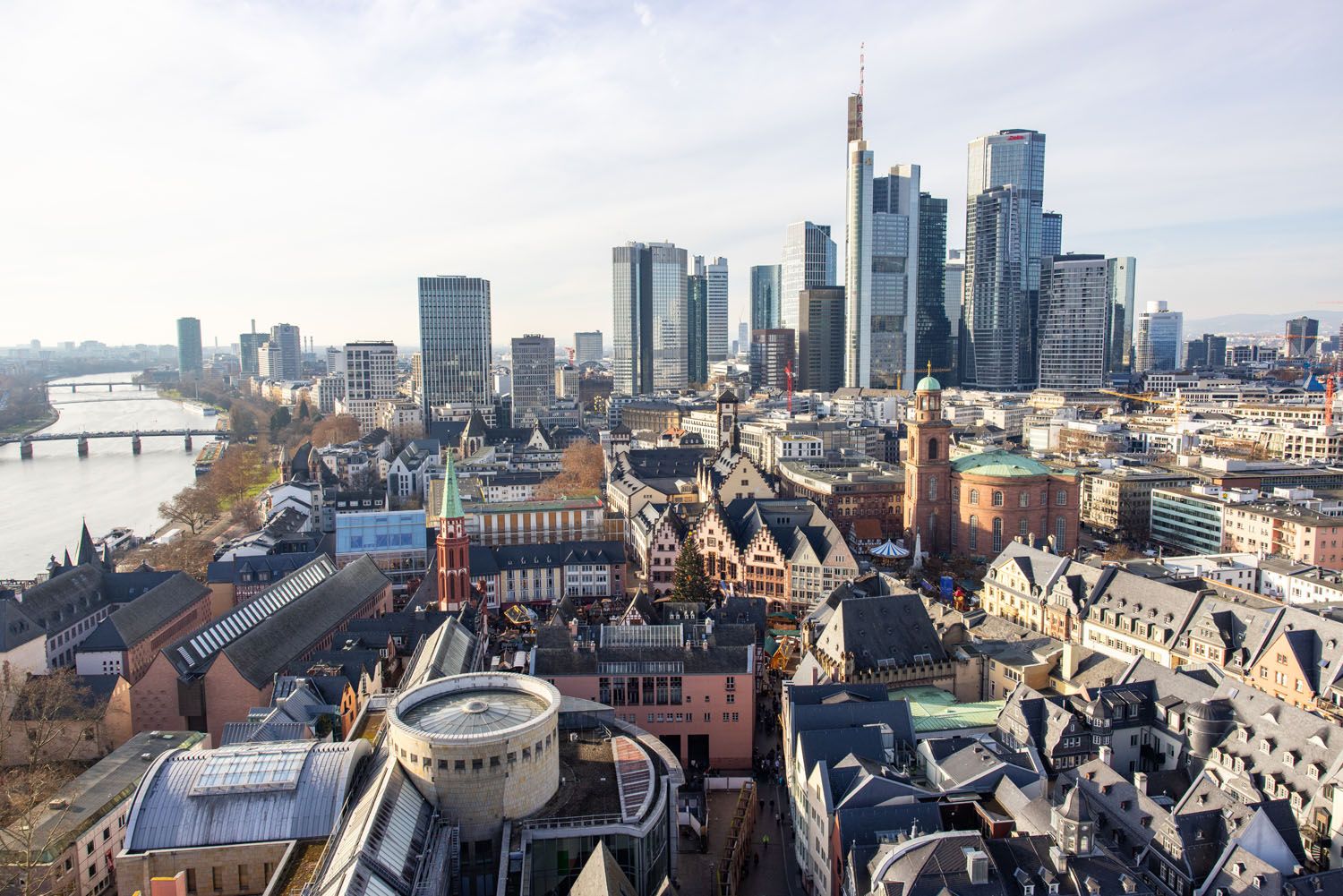
- Cathedral of St. Bartholomew: A soaring Gothic structure that served as the site for ten imperial coronations. The 328-step climb to the top of the tower is an essential activity, offering a panoramic view that juxtaposes the medieval old town with the modern financial district.
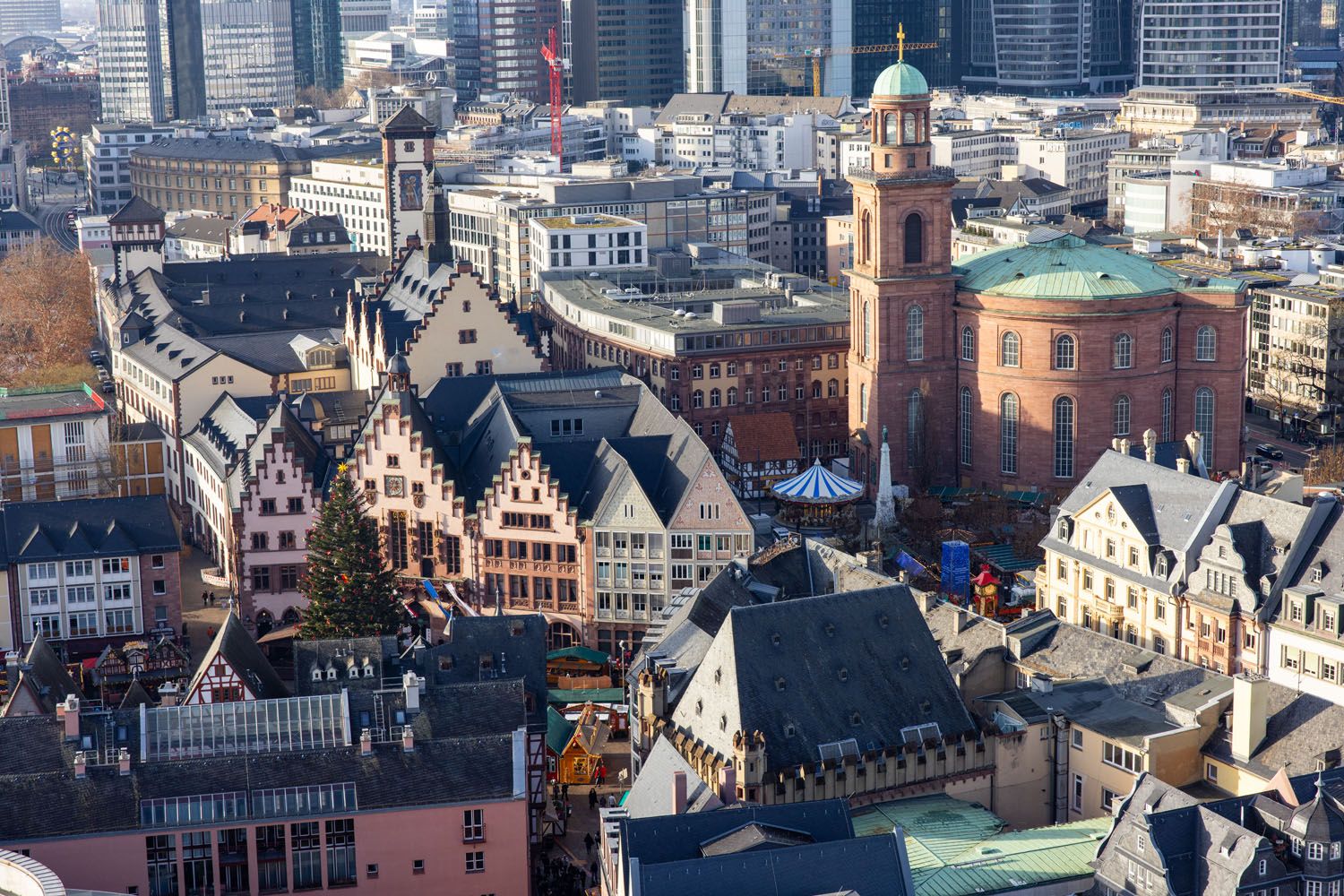
- St. Paul’s Church (Paulskirche): The cradle of German democracy. It was here in 1848 that the first freely elected German parliament convened. It remains a poignant symbol of national unity and political progress.
- Kaiserpfalz Franconofurd: An archaeological site adjacent to the cathedral, providing a window into over 2,000 years of habitation, from Roman baths to medieval cellars.
Art and Intellectual Heritage
- Städel Museum: One of the most important art institutions in Germany, holding a collection that spans 700 years.
- Liebieghaus: A sculpture museum housed in a Gründerzeit-era villa that feels more like an aristocratic estate than a public institution.
- Goethe House: The childhood home of Johann Wolfgang von Goethe, offering a rare, intimate look at the domestic life of Germany’s greatest literary figure.
Implications for the Modern Traveler
Frankfurt is a city of high-velocity transit, but it is also a city that rewards the "slow traveler." While one day is sufficient to cover the historic core, those who dedicate 48 hours are better positioned to appreciate the nuances of the city’s diverse neighborhoods.
The Sachsenhausen Experience
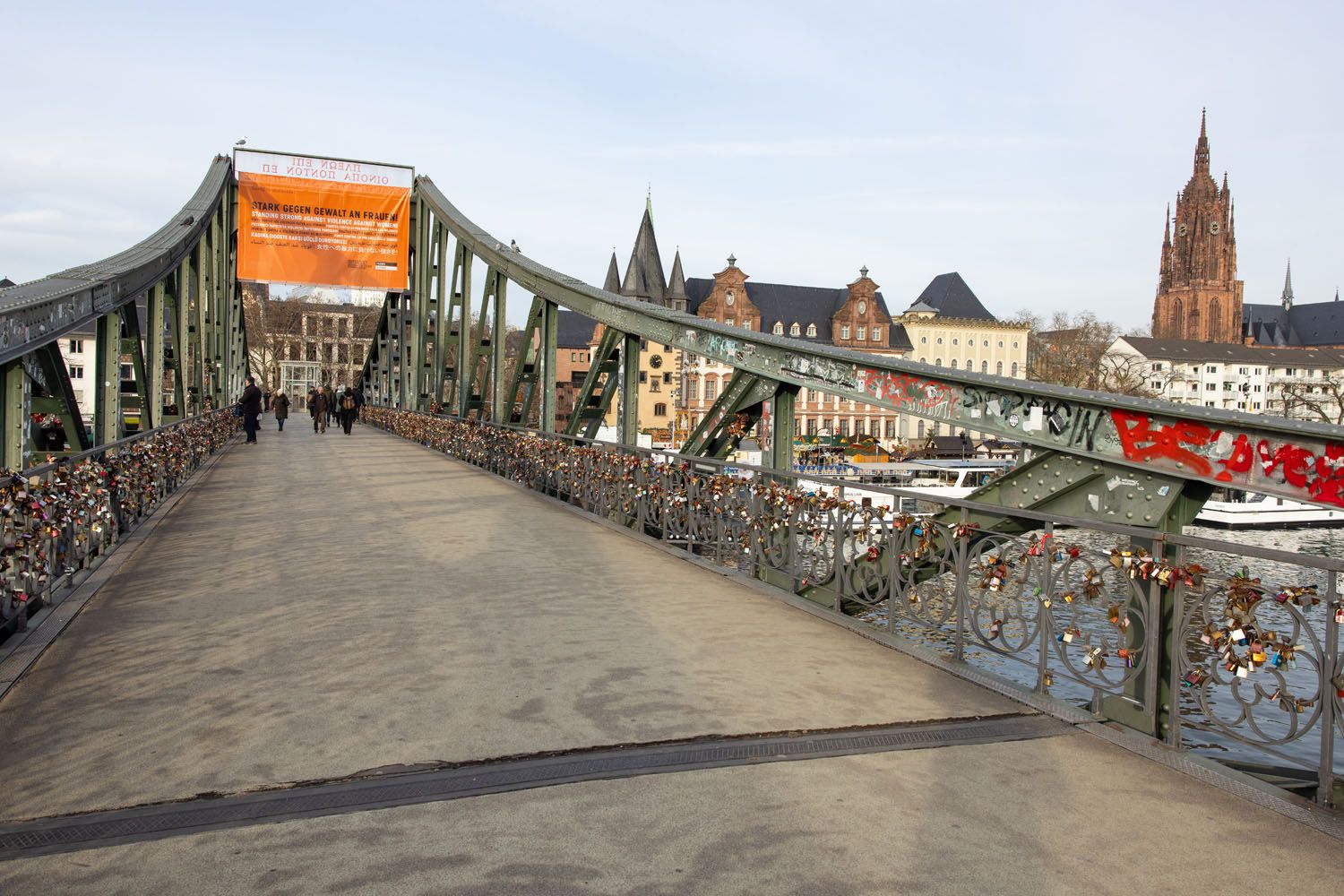
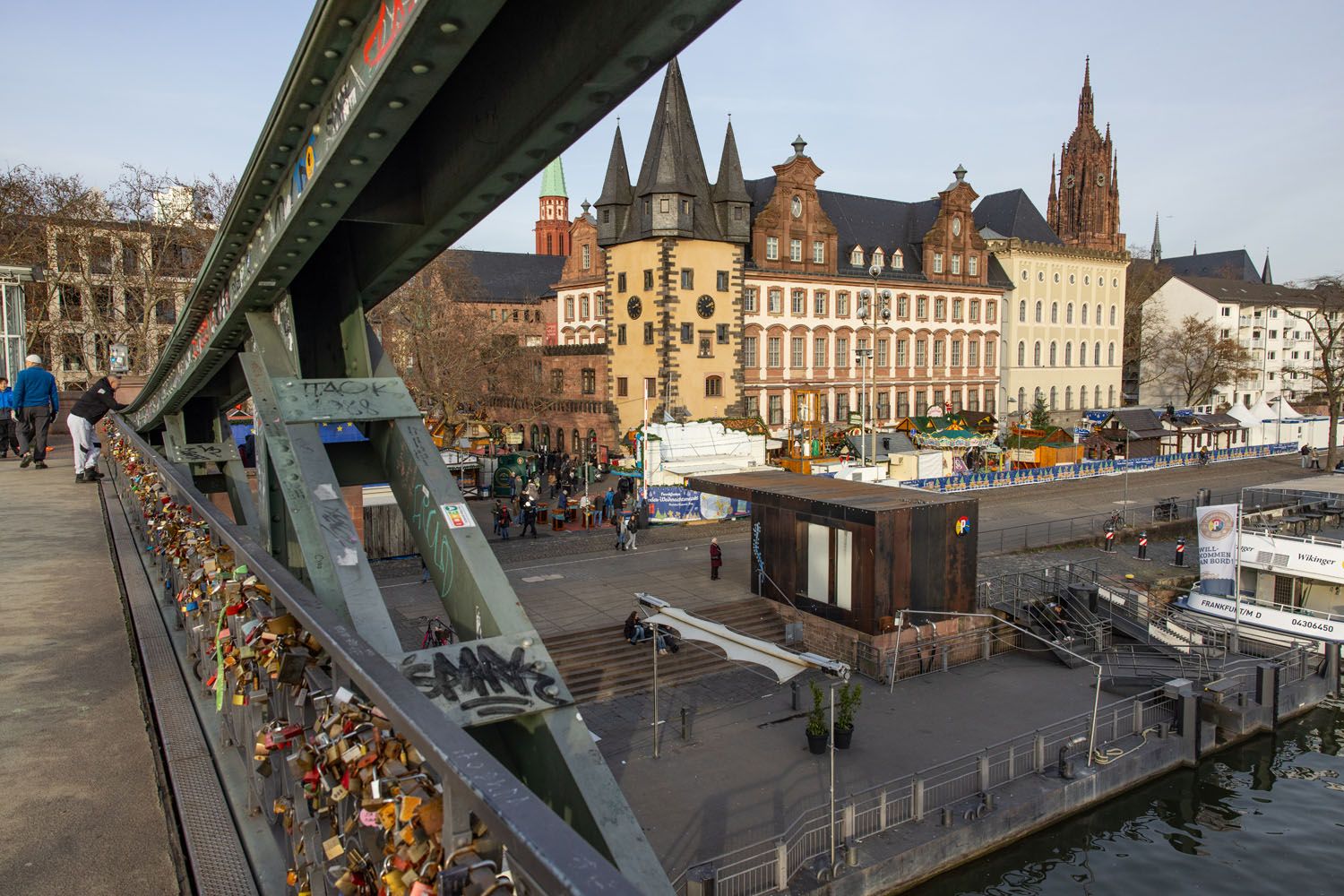
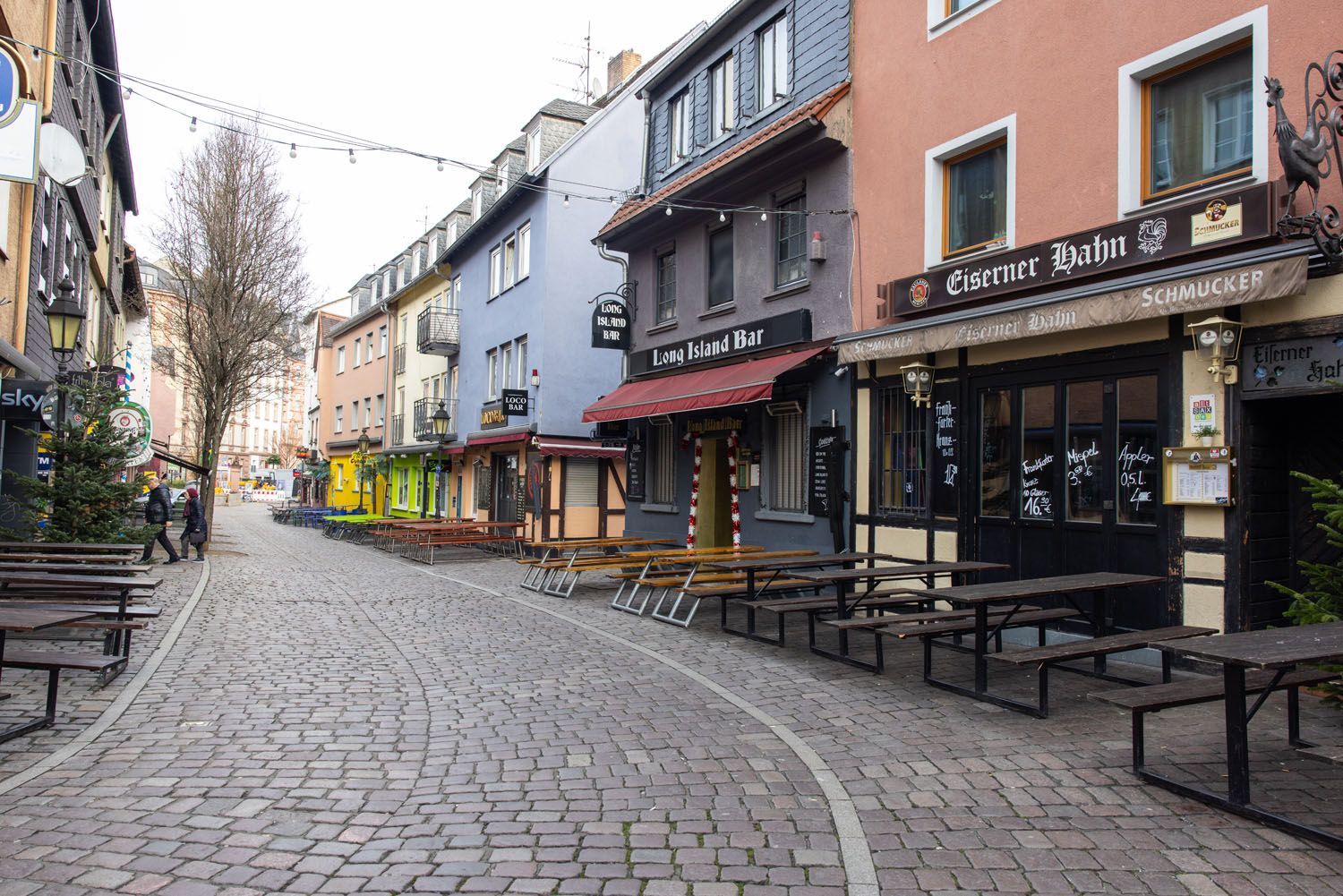
Across the Iron Footbridge (Eiserner Steg) lies the district of Sachsenhausen. Known for its traditional taverns and cobblestone streets, it is the home of Apfelwein (apple wine). A visit to an authentic Apfelweinwirtschaft—such as Dauth Schneider—is not just a meal; it is a cultural initiation into Hessian tradition.
Strategic Day Trips
Frankfurt’s location makes it a perfect base of operations.
- Heidelberg (1 hour): Renowned for its Baroque charm and hilltop castle, it is the quintessential German "romantic" town.
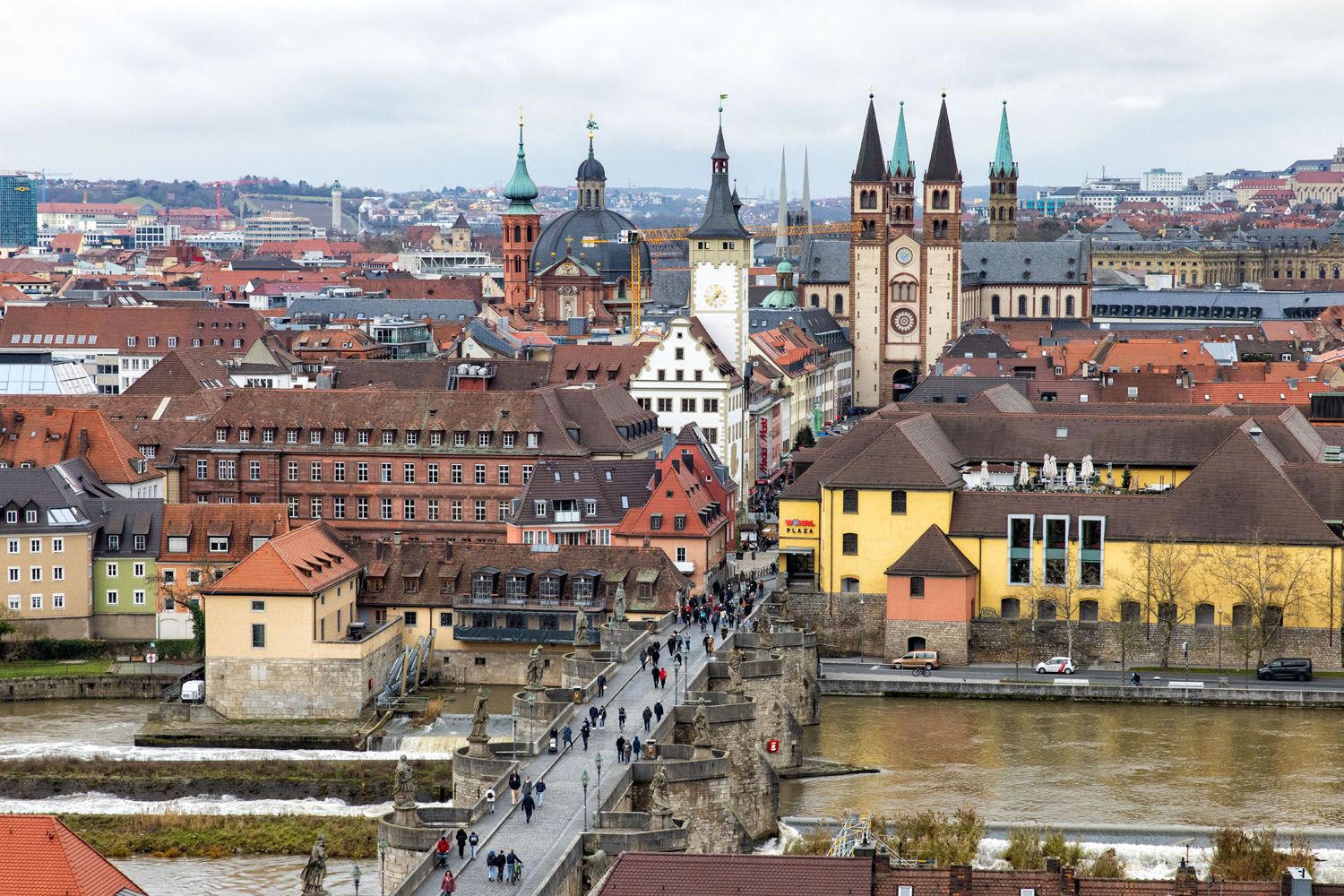
- Würzburg (1.5 hours): A UNESCO-listed city featuring the stunning Würzburg Residence and a fortress that dominates the skyline.
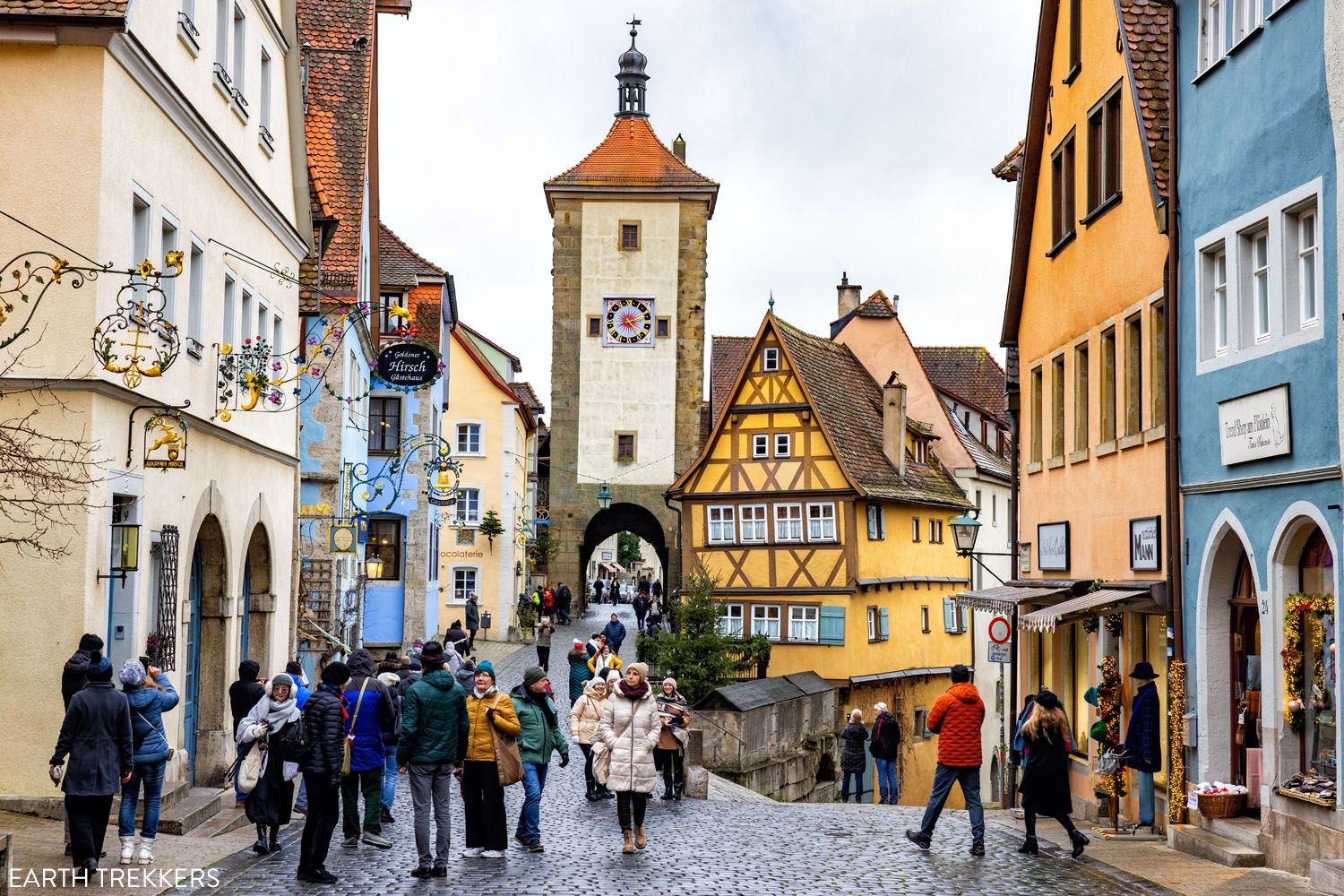
- Rothenburg ob der Tauber (3 hours): While a longer transit, its intact medieval walls and fairytale architecture make it an essential pilgrimage for those interested in German history.
Conclusion
Frankfurt challenges the visitor to look closer. It is a city that has been destroyed and rebuilt, a city that balances the aggressive progress of global banking with the gentle, persistent traditions of the Christmas market. It is not merely a stopover on a flight itinerary; it is a destination of immense historical gravity and seasonal warmth.
For those planning their visit, the best approach is to embrace the contrast. Spend your morning in the shadows of the skyscrapers at the Main Tower, your afternoon in the silent, vaulted halls of the Städel Museum, and your evening with a warm mug of Glühwein in the heart of the Römerberg. In doing so, you will find that Frankfurt does not just hold your interest—it earns your respect.
Quick Tips for Your Frankfurt Visit
- Navigation: The historic center is highly walkable. For longer distances, the city’s public transit (U-Bahn and S-Bahn) is world-class.
- Accommodation: Look for hotels in the city center or near the Hauptwache to minimize travel time to the major sites.
- Photography: The Iron Footbridge at sunset offers the best contrast between the historic cathedral and the shimmering glass skyline.
If you have further questions regarding your upcoming trip to Frankfurt or need specific itinerary adjustments, feel free to consult our extended guides on European travel or reach out for personalized recommendations.
 Nana Wu
  Raul Delapena Setiawan
  Iffa Jayyana