

The Dominican Republic is renowned for its turquoise waters and palm-fringed coastlines, but for a growing contingent of endurance athletes, the region has become synonymous with a different kind of challenge: the IRONMAN 70.3 Cap Cana. As a race that pairs the pristine beauty of the Caribbean with some of the most grueling climatic conditions on the global circuit, it stands as a unique test of mental and physical fortitude.
Following the 2026 race, this report breaks down the anatomy of this deceptively difficult event, offering insights into the course, the unique environmental factors, and the strategic preparation required to survive—and thrive—in one of triathlon’s most beautiful destinations.
The Core Facts: Understanding the Course
At its surface, the IRONMAN 70.3 Cap Cana appears to be a “fast” course. It lacks the steep mountain passes of European races or the technical descents of North American circuits. However, to view it as merely a flat, easy course is a mistake that has claimed many ambitious PR attempts.
Race Logistics at a Glance
- Location: Cap Cana, Dominican Republic
- Timing: Typically held in May
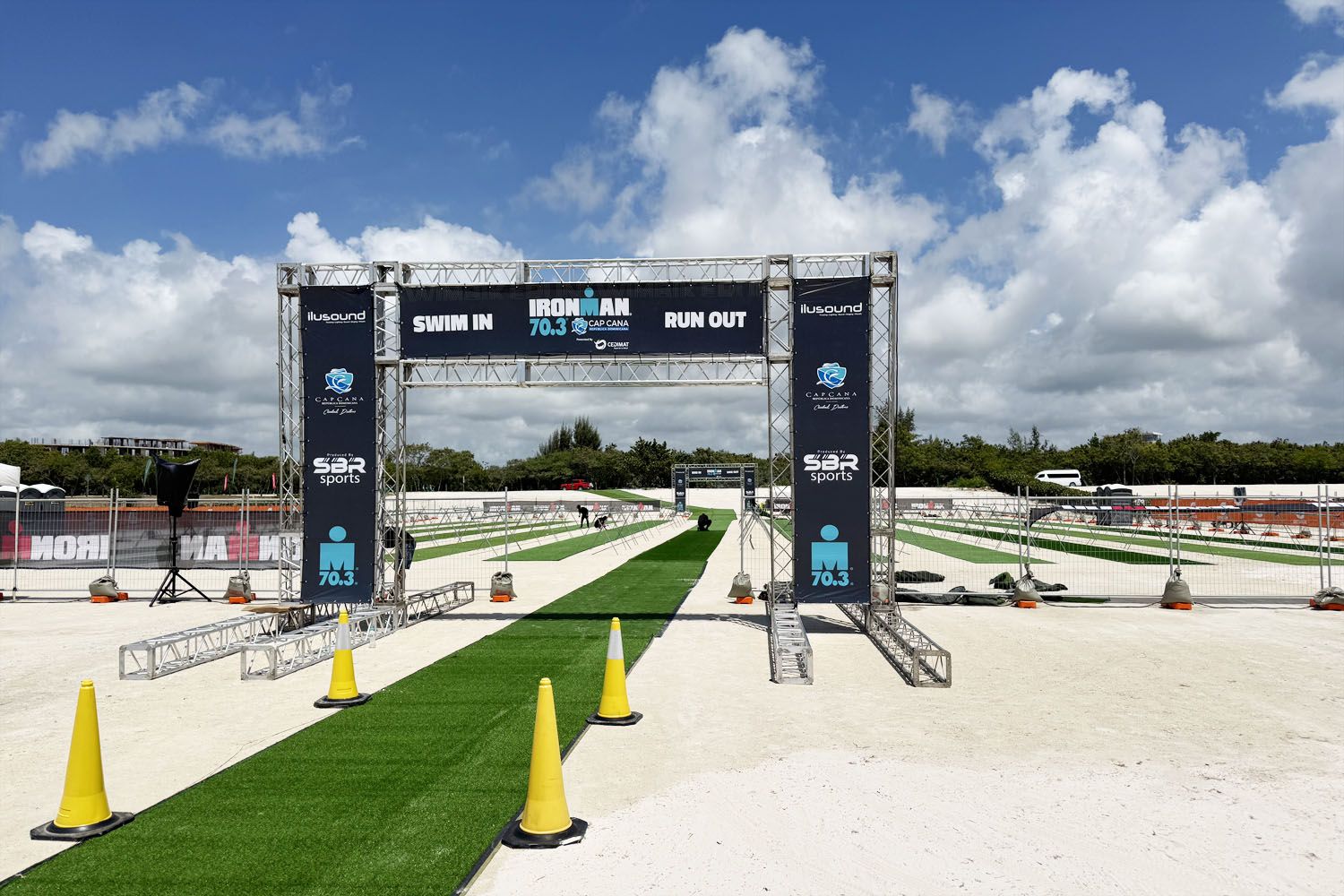
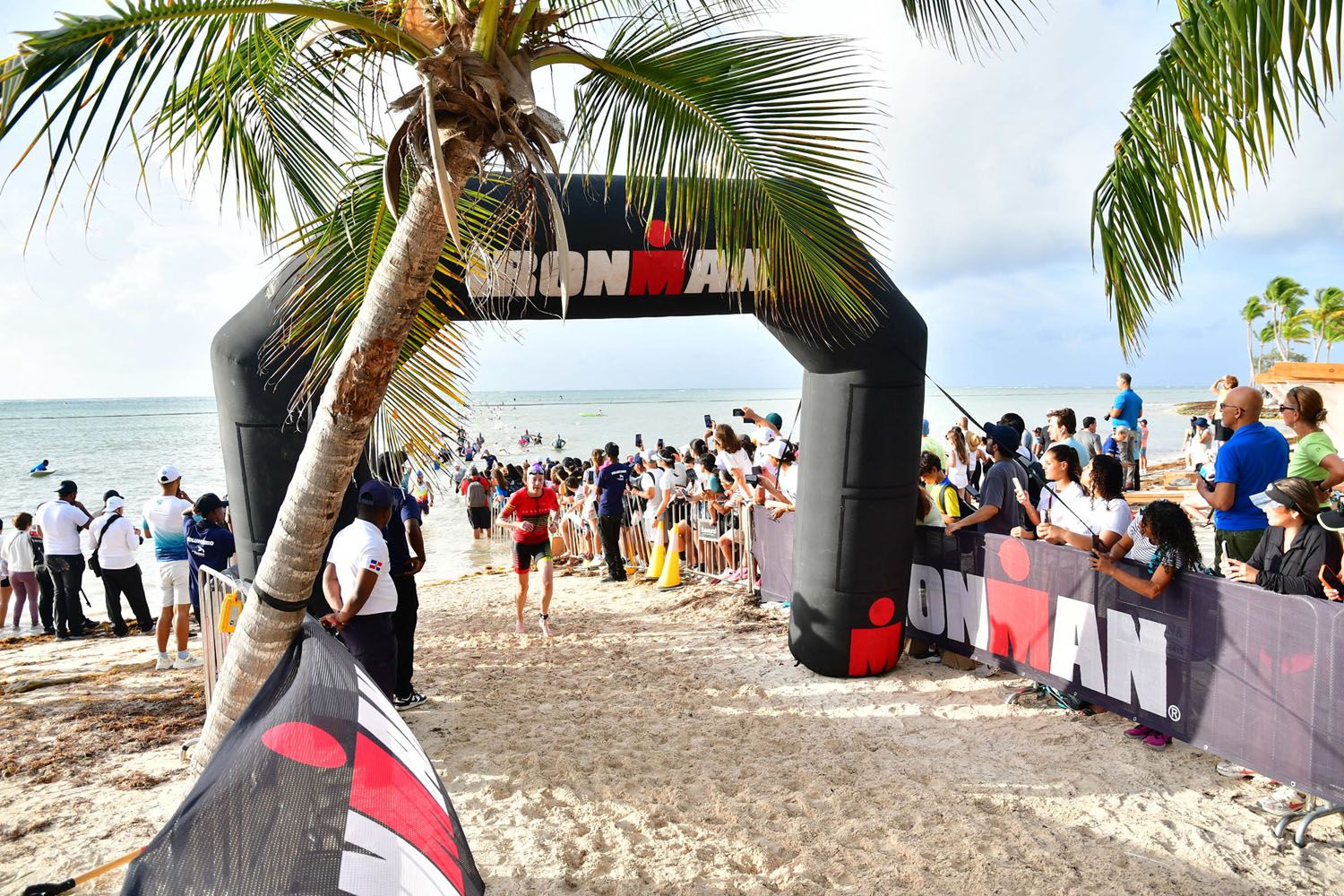
- Swim: 1.2-mile single loop in the Caribbean. Beach start, remarkably shallow, minimal current, non-wetsuit legal.
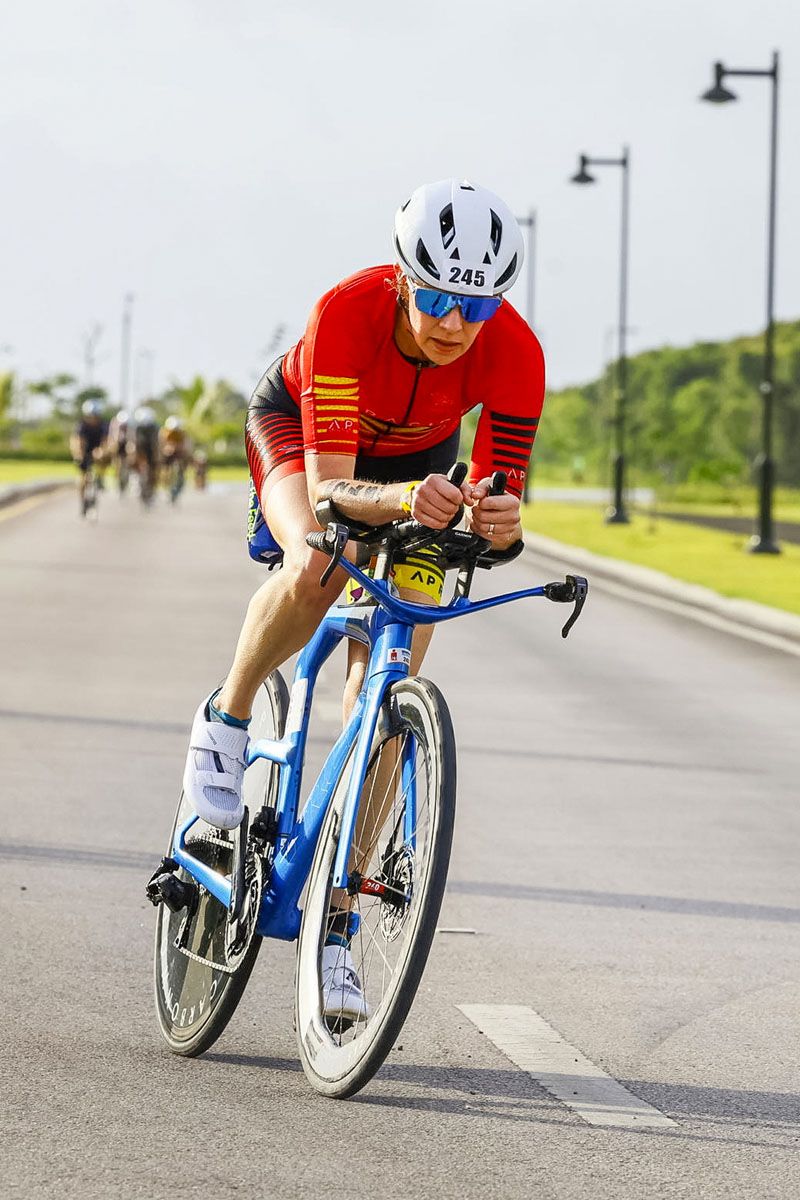
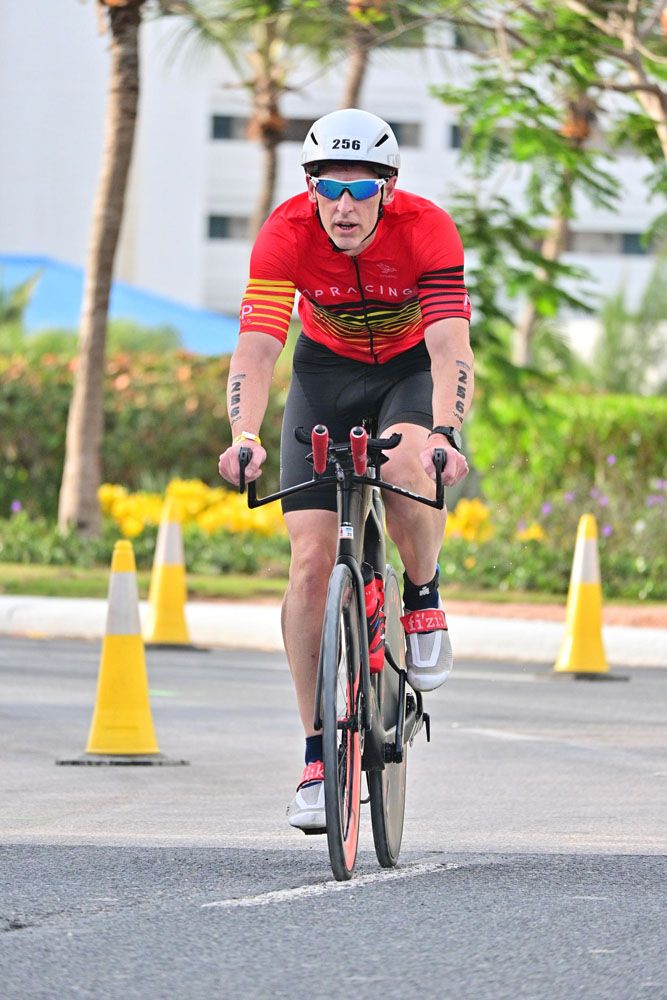
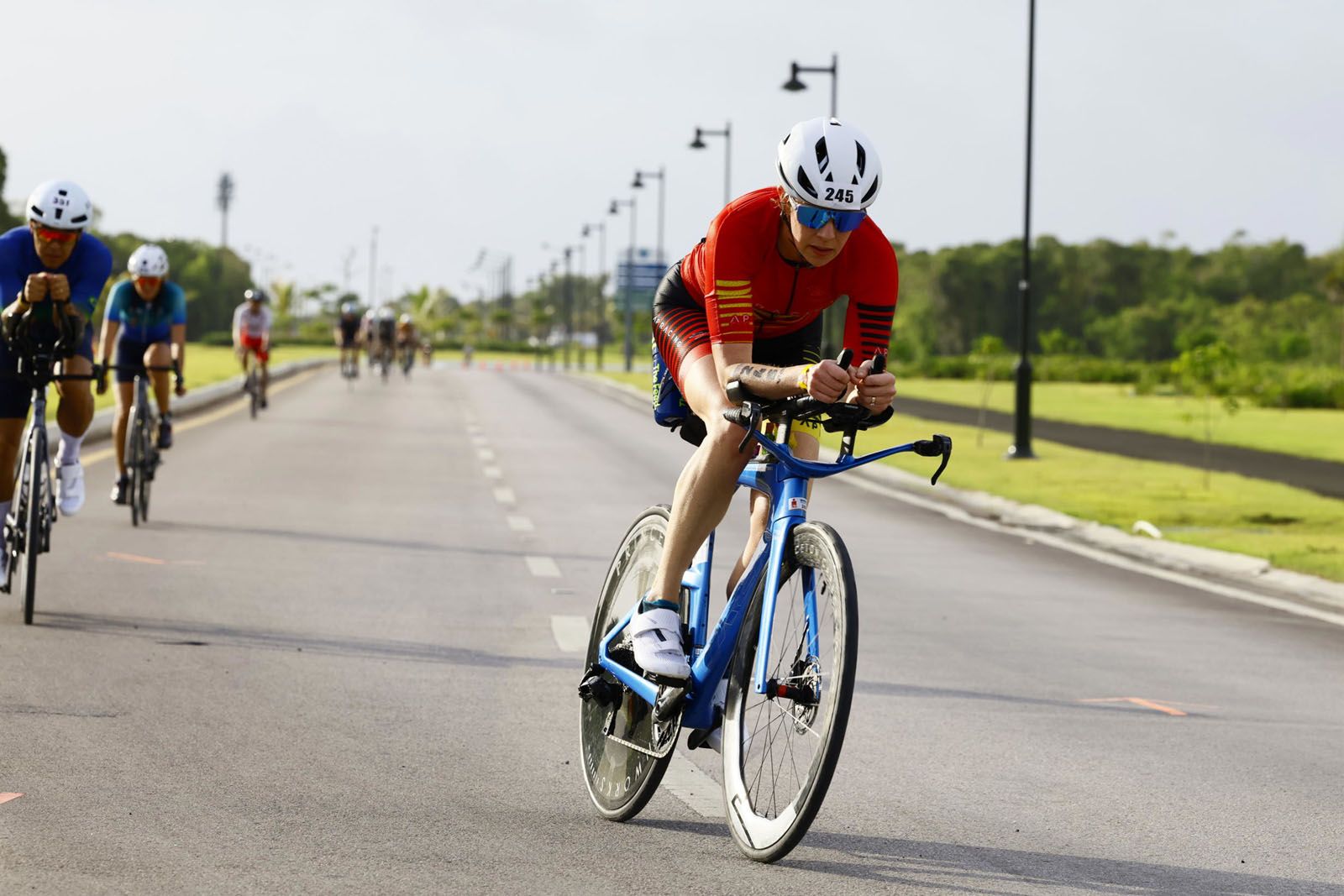
- Bike: 56-mile out-and-back route featuring rolling terrain, clean pavement, and a notorious return-leg headwind.
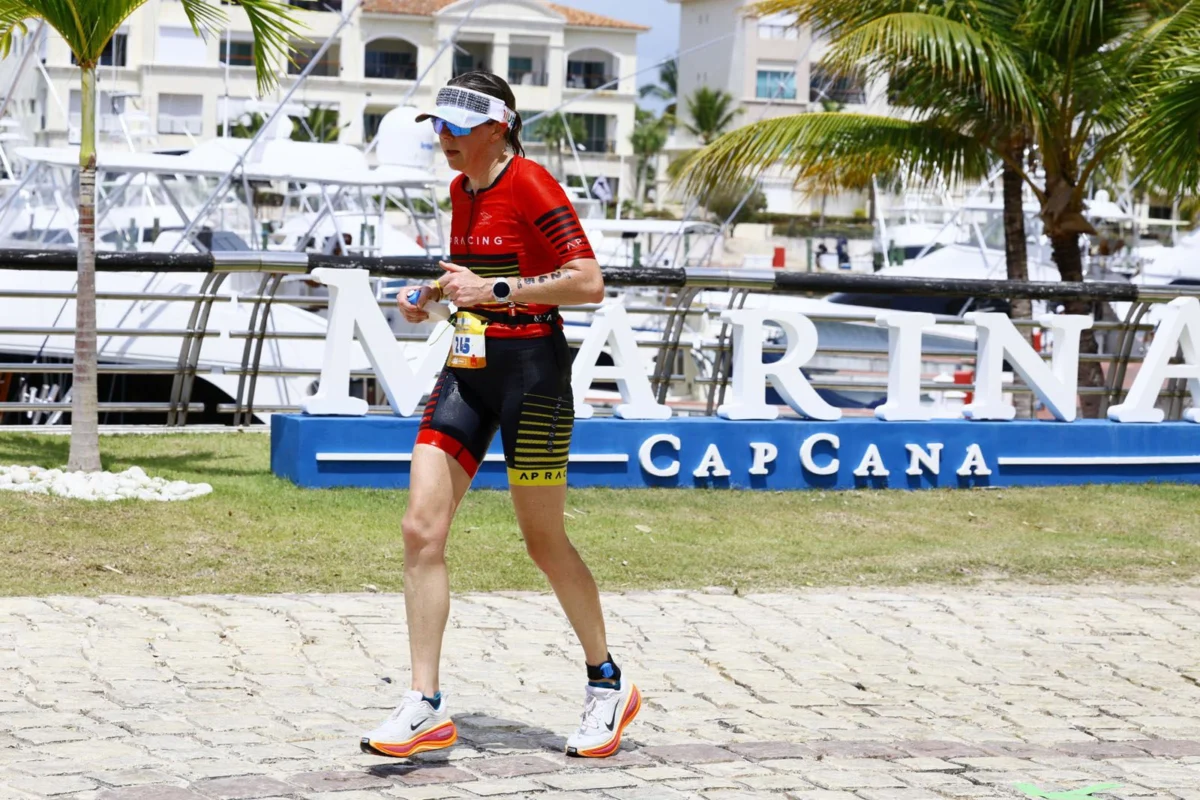
- Run: 13.1-mile lollipop course with two loops through the Cap Cana Marina, characterized by intense humidity and high heat index.
The race is ideal for athletes who struggle with open-water anxiety, as the shallow nature of the swim allows participants to stand and re-orient themselves with ease. Conversely, it is a formidable test for those who are sensitive to heat and high humidity.
A Chronological Breakdown: From Transition to Finish
Pre-Race Preparation
The 2026 race saw athletes arriving as early as the Wednesday before the Sunday start to acclimatize to the tropical conditions. Staying at host resorts like the Hyatt Ziva or Dreams Cap Cana is standard practice, as these venues provide immediate access to the swim course for final practice sessions.
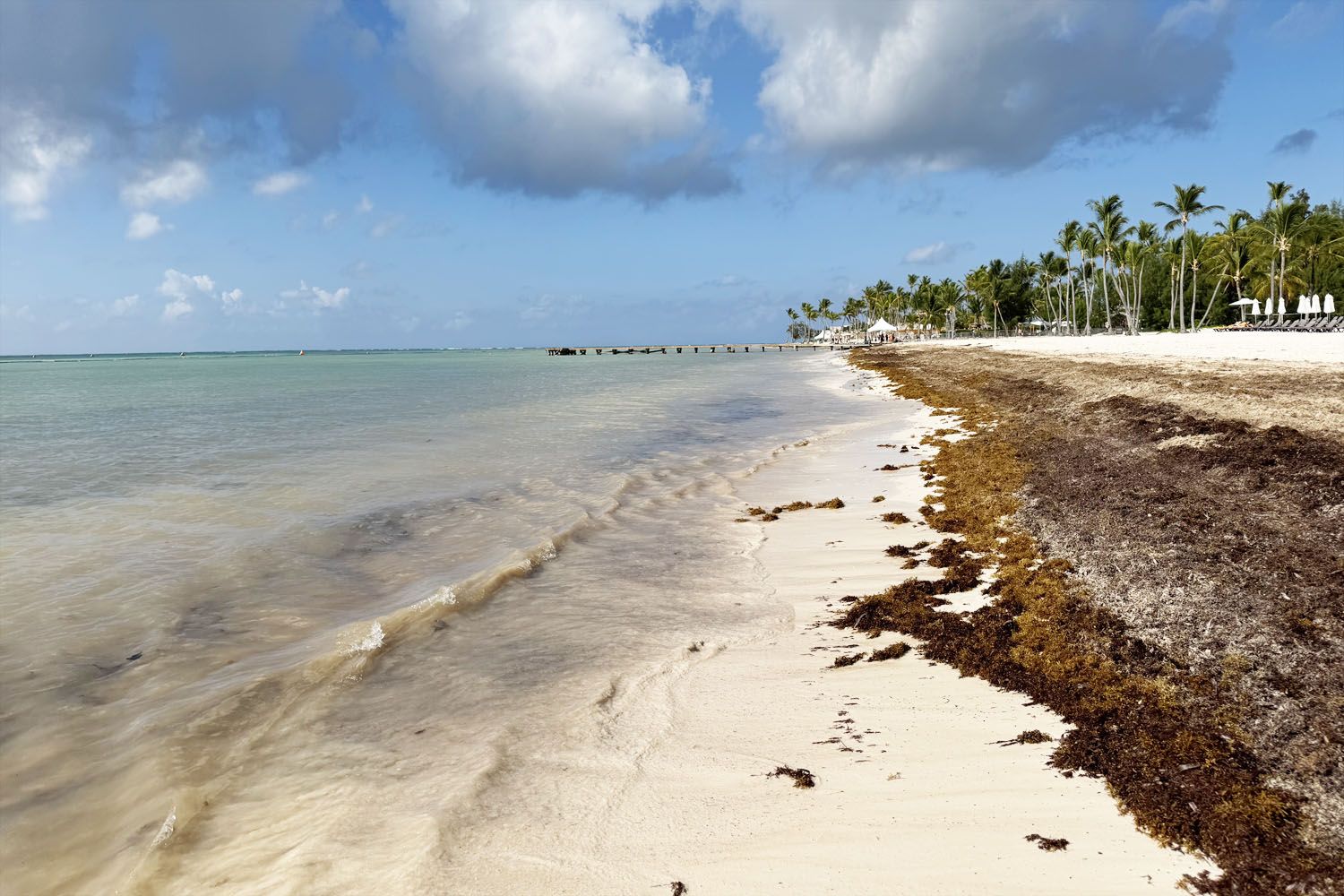
A major environmental hurdle in May is the seasonal arrival of seaweed. Organizers deploy protective fencing to maintain a clean swimming corridor, but athletes should be prepared for the reality of the Caribbean ecosystem. Engaging in practice swims that cross these boundaries is highly recommended; knowing the sensation of seaweed against your skin during a test swim prevents panic when it happens during the high-stress environment of race morning.
The Swim: Calm Waters, Warm Temperatures
With water temperatures hovering around 85°F–86°F, the event is strictly non-wetsuit legal. While swim skins are permitted, many athletes forgo them to avoid unnecessary body heat retention. The shallow water is the defining feature; in several sections, participants can effectively walk or stand to clear their goggles. However, athletes must remain vigilant for occasional submerged concrete blocks and the potential for "murky" visibility caused by the stirring of sand by faster swimmers ahead.
The Bike: Deceptive Rollers and Headwinds
The bike leg is often the "happy place" for seasoned triathletes, but the Cap Cana course demands patience. The first eight miles wind through roads connecting the marina to the Punta Cana highway. While the road surface is world-class, the heat begins to climb mid-morning.
The highway segment is defined by long, gradual rollers. While the inclines are modest (1–3%), they are persistent. The primary challenge is the return leg: after the turnaround at mile 28, athletes face a steady headwind. Combined with the rising sun, this section requires disciplined pacing and aggressive hydration to stave off the nausea that often plagues athletes in high-heat events.
The Run: The "Car Wash" Experience
The run is where the race is often won or lost. The course features a mix of paved roads and the red-painted surfaces of the marina, which absorb and radiate heat.
The highlight of the run—and perhaps the entire event—is the aid station support. By late morning, the heat index frequently pushes toward 100°F. The local volunteer force provides what athletes describe as a "car wash" experience: dousing runners with ice-cold water, filling race kits with ice, and maintaining an infectious, high-energy atmosphere that keeps morale from collapsing.
Supporting Data: The Impact of Climate
The data from recent years confirms why this race is so challenging:
| Year | High Temp | Low Temp | Water Temp |
|---|---|---|---|
| 2026 | 88°F | 77°F | 85.5°F |
| 2025 | 92°F | 73°F | 82.0°F |
| 2024 | 92°F | 77°F | 82.0°F |
The humidity is the "silent killer" of race times. Even if the thermometer reads 88°F, the heat index significantly exceeds that, leading to high rates of attrition among those who did not incorporate specific heat-acclimatization training into their prep cycles.
Official Perspectives and Organizational Excellence
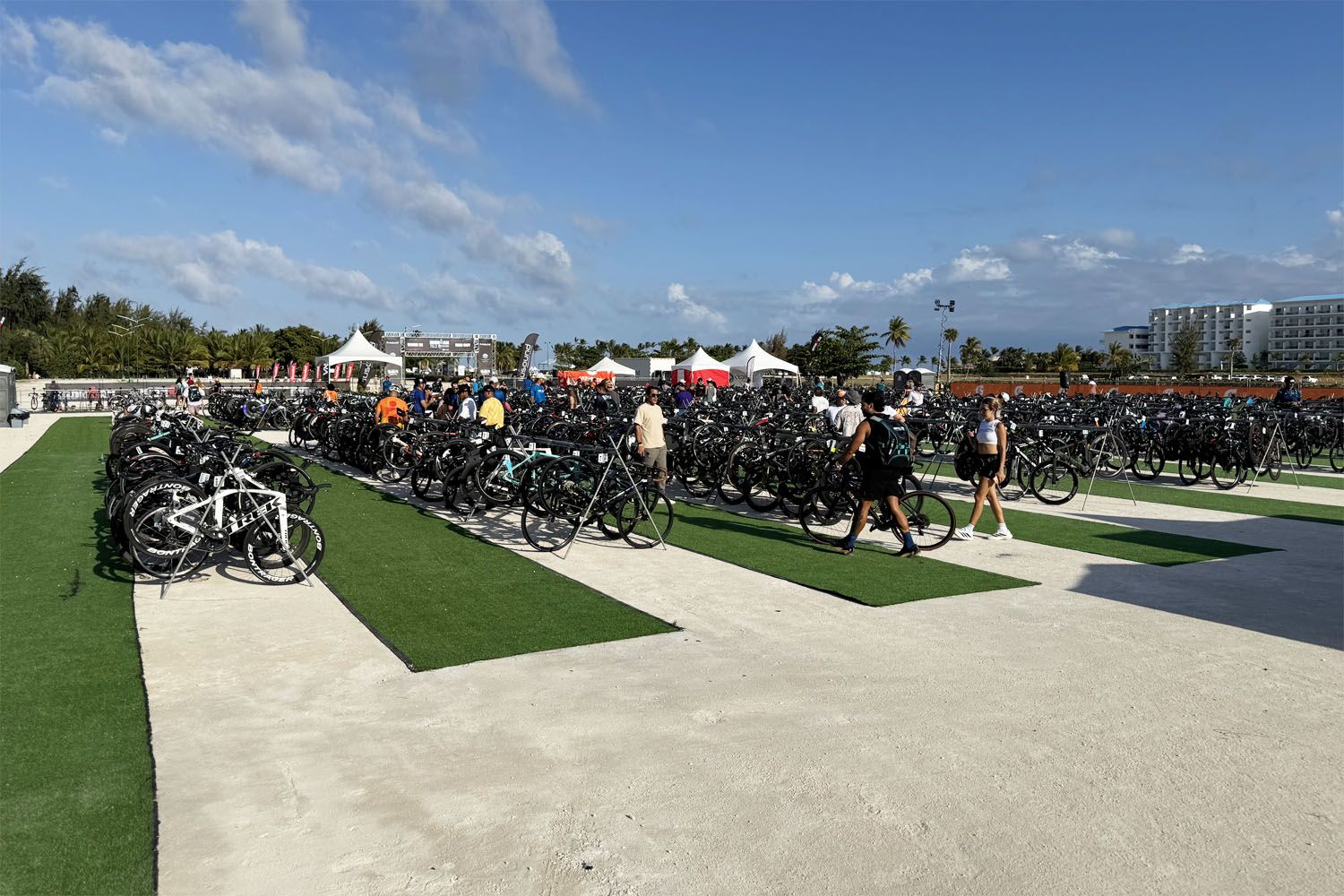
IRONMAN 70.3 Cap Cana is widely lauded for its organizational efficiency. Despite being a smaller race—typically hosting around 750 participants—the coordination of transition areas, the deployment of aid stations, and the medical support are on par with much larger world-series events.
Official feedback from race directors consistently emphasizes the "boutique" feel of the event. Because the field size is smaller than major urban races, the transition areas are rarely chaotic, and the athlete-to-volunteer ratio provides a high level of personalized care during the most difficult segments of the race.
Implications for Future Participants
For those considering this race for their 2027 or 2028 calendar, the takeaway is clear: Respect the environment.
Strategic Advice
- Heat Training is Non-Negotiable: If you are traveling from a temperate climate, you must implement sauna sessions or indoor heat-training protocols at least four weeks prior to the event.
- Hydration Strategy: Relying solely on the provided Gatorade may not be enough. Many successful finishers carry their own concentrated electrolyte flasks to supplement the course offerings.
- Cooling Gear: Consider using specialized cooling apparel, such as visors with cooling stones, though frequent manual ice-dousing remains the most effective way to keep your core temperature in check.
- Logistics: The airport transfer service (such as Amstar) is highly recommended, especially for athletes traveling with bike boxes. Simplifying the transit process allows for more recovery time, which is essential given the tropical climate.
Beyond the Race
One of the distinct advantages of Cap Cana is its dual-purpose nature. The region offers world-class recovery options. Whether it’s snorkeling in the reefs near Cabo Engaño, exploring the subterranean cenotes at Scape Park, or simply enjoying the luxury amenities of the local all-inclusive resorts, the area provides a perfect backdrop for a "race-cation."
Conclusion
IRONMAN 70.3 Cap Cana is a masterpiece of destination racing. It forces athletes to look beyond their power meters and heart-rate monitors, compelling them to listen to their bodies as they navigate the extremes of the Caribbean climate. While it is undeniably one of the toughest races on the calendar due to its heat and humidity, the reward—a finish line nestled under palm trees, supported by arguably the best volunteers in the world—is an experience that justifies the struggle.
For the triathlete looking for a challenge that is as beautiful as it is brutal, the Dominican Republic awaits.
 Nana Wu
  Raul Delapena Setiawan
  Iffa Jayyana