

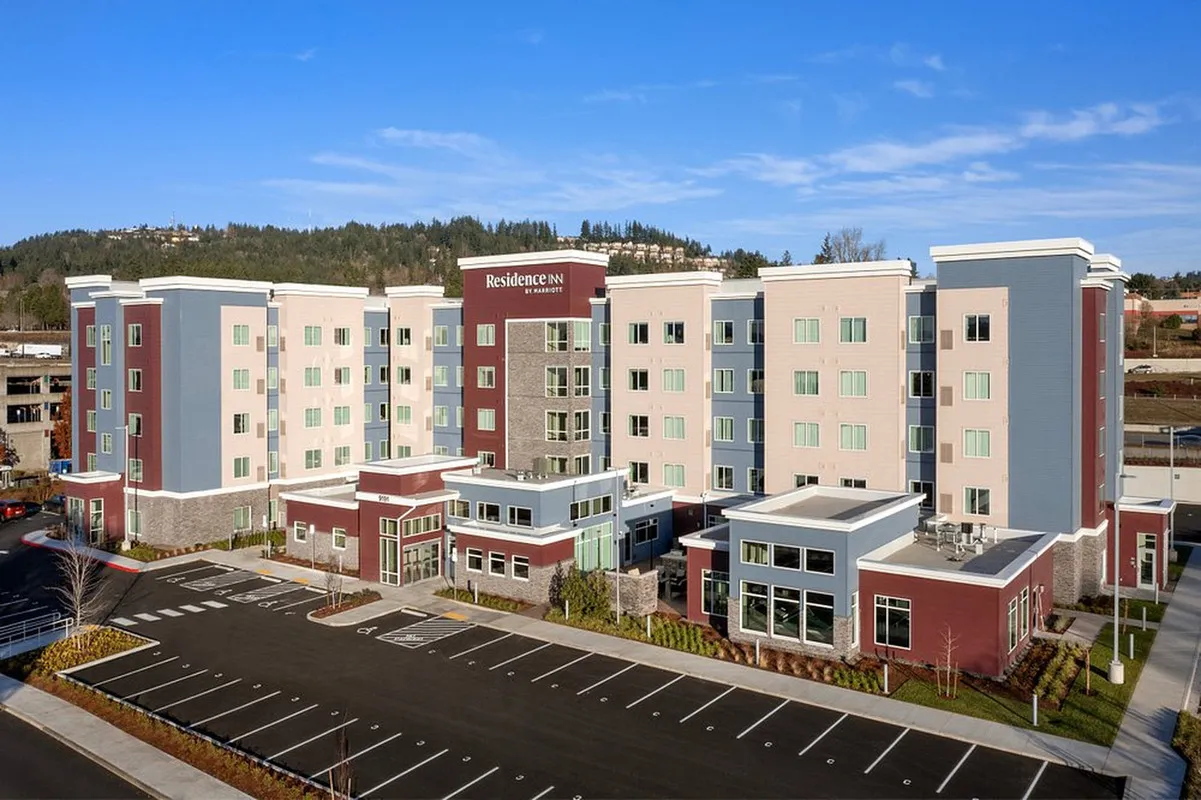
In an era defined by high interest rates, tightened lending standards, and widespread transactional paralysis, the hospitality sector has largely remained in a defensive crouch. Most institutional investors have spent the last eighteen months waiting for the proverbial "other shoe to drop." However, Atlanta-based Noble Investment Group has opted for a radically different strategy. Rather than waiting for the market to normalize, Noble has become the most aggressive buyer in the U.S. lodging space, executing a massive acquisition spree that has seen the firm add nearly 150 hotels to its portfolio in just a year and a half.
As the broader market grapples with a dearth of new supply and prohibitive financing costs, Noble’s leadership is betting that the current malaise is not a permanent state, but a fleeting window of opportunity. By focusing on specific segments—branded long-term accommodations, value-add upscale select-service, and upscale extended-stay hotels—the firm is positioning itself to capture the next wave of travel demand.
The Strategy: Betting on Secular Demand
While competitors fret over rising construction costs and the cost of debt, Noble Investment Group’s founder and CEO, Mit Shah, views the current economic environment through a lens of structural opportunity.
"We believe in the long-term secular demand trends," Shah stated, emphasizing that the underlying appetite for travel—both corporate and leisure—remains resilient despite macroeconomic headwinds. For Noble, the strategy is twofold: aggressive acquisition of existing assets from stressed or scaling sellers, and the tactical development of new projects that can bypass the "broken" economics of traditional development.
The firm’s portfolio expansion has been staggering. In 2025, the group acquired 124 hotels, a pace that sent shockwaves through the industry. So far in 2026, they have already added another 25 properties. This volume is not a result of indiscriminate buying, but rather a calculated effort to consolidate high-quality, cash-flowing assets while others are sidelined by liquidity concerns.
A Chronology of Aggression
The current acquisition cycle did not happen overnight; it is the culmination of a decade of preparation and a sharp pivot during the post-pandemic recovery.
2024: The Foundation of the Spree
Following the initial volatility of the post-COVID interest rate hikes, Noble began identifying structural imbalances in the market. As REITs and private owners faced pressure to deleverage or rationalize their portfolios, Noble emerged as a "liquidity provider of choice." Throughout 2024, the firm began quietly aggregating assets, focusing on properties that required operational repositioning or those situated in high-growth secondary markets that were being ignored by coastal institutional capital.
2025: Scaling the Portfolio
The year 2025 served as the breakout period for the firm. By acquiring 124 properties, Noble moved from a regional player to a dominant national force. This phase involved large-scale portfolio acquisitions, often purchasing assets from distressed individual owners who found it difficult to refinance their maturing debt. By stepping into these transactions, Noble was able to acquire assets at a significant discount to replacement cost.
2026: Consolidation and New Development
As the firm enters the current year, the focus has shifted. With 25 additional acquisitions already closed, the strategy is now focused on optimizing the newly acquired portfolio while simultaneously launching a fresh development platform. Noble is no longer just buying the "old"; they are actively building the "new," targeting properties that meet specific, high-yield criteria.
Decoding the 10x Unlevered Yield
Perhaps the most significant insight from Shah’s recent commentary is his candid assessment of the development landscape. He notes that for the past five years, very few hotel development deals have "penciled"—meaning they could not mathematically justify the cost of construction against projected returns.
However, Noble has identified a niche where development is not only feasible but highly profitable. The firm’s target is the "10x unlevered yield." In real estate finance, this is a gold standard metric: it implies that a property generates enough debt-free cash flow to recover the initial purchase or development price within a decade.
"We’ve seen a tremendous opportunity to acquire assets, everything from REITs to individual owners with scale, and then build out a new development platform that works," Shah explained. By achieving these yields, Noble protects itself against the interest rate volatility that has crippled competitors. If a project pays for itself in 10 years without the aid of leverage, the eventual use of debt financing becomes an enhancement to returns rather than a prerequisite for survival.
Supporting Data: Why Extended-Stay and Select-Service?
The choice of asset classes is deliberate. Noble’s focus on "value-add upscale select-service" and "upscale extended-stay" is backed by shifting consumer behaviors.
- The Rise of Extended-Stay: The blurring lines between business and leisure travel have made extended-stay properties the darling of the industry. These hotels operate with leaner staffing models, higher margins, and a more predictable revenue stream compared to full-service luxury resorts.
- Select-Service Efficiency: By removing high-cost, low-margin amenities—like massive banquet halls or multiple full-service restaurants—Noble can focus on the core components of the guest experience. These assets are easier to manage, require less capital expenditure (CapEx) to maintain, and are more resilient during economic downturns.
- Branded Power: By sticking to branded properties (Marriott, Hilton, IHG, etc.), Noble gains the benefit of global reservation systems, loyalty programs, and standardized operating procedures, reducing the risk profile of each acquisition.
Implications for the Hospitality Industry
Noble’s rapid expansion is sending a signal to the rest of the market. First, it suggests that the "valuation gap"—the difference between what sellers want and what buyers are willing to pay—is beginning to close, provided the buyer has the operational expertise to drive value.
Second, the move signals a shift in power. As institutional players like Noble continue to aggregate assets, the fragmented landscape of independent hotel ownership may become a thing of the past. Scale, in the current high-interest-rate environment, is the ultimate protection. Larger portfolios allow for better purchasing power, more efficient management, and improved access to capital markets.
Finally, Noble’s success challenges the narrative that development is "dead." By proving that there are still segments—specifically within the upscale extended-stay market—where the numbers work, Noble is setting a blueprint that other developers are likely to emulate in the coming quarters.
Official Responses and Strategic Outlook
The firm remains tight-lipped about the specific targets for the remainder of 2026, but the tone from leadership is one of sustained confidence. The ability to "solve for the development puzzle" is, according to Shah, the primary differentiator. While many firms are paralyzed by the inability to find deals that work on a spreadsheet, Noble is spending its time engineering solutions that make those deals work.
"That’s the opportunity where you build these, you solve for the development, and you capture the demand that the market is currently missing," Shah remarked.
The Path Ahead
As we look toward the second half of 2026, the industry will be watching Noble Investment Group closely. If their acquisition pace continues, they will have effectively reshaped the middle market of U.S. hospitality.
However, the strategy is not without its risks. Rapidly scaling a portfolio requires immense operational bandwidth. Integrating over 150 properties into a singular management framework is a Herculean task that will test the firm’s back-office capabilities. Furthermore, should the macroeconomic environment shift—either through a sudden recession or a further tightening of credit—the reliance on these assets performing to a 10x unlevered yield will be tested.
Yet, for now, Noble stands as a testament to the idea that in hospitality, the best time to buy is often when the rest of the world is too fearful to act. By focusing on fundamental demand, operational efficiency, and a disciplined approach to development math, Noble Investment Group is not just riding the market; it is actively defining the next chapter of the American hotel industry.
Summary of Core Principles
- Contrarian Investing: Buy when the market is sluggish and sellers are under pressure.
- Asset Selection: Focus on high-margin, scalable asset classes (Extended-Stay, Select-Service).
- Financial Discipline: Prioritize unlevered yields to insulate the portfolio from interest rate spikes.
- Operational Consolidation: Use scale to drive efficiencies across a massive, diversified portfolio.
As the industry watches, the "Noble approach" may soon become the gold standard for how to grow during a period of economic uncertainty. Whether they can maintain this velocity remains to be seen, but for now, they are undeniably the most influential buyer in the room.
 Reynand Wu
  Lina Hope
  Basiran