

Introduction: A Shift in the Wyndham Playbook
For decades, the name "Wyndham Hotels & Resorts" has been synonymous with scale, efficiency, and a dominant presence in the budget and mid-scale segments. With a portfolio that spans 25 brands, the company has historically grown through the art of the acquisition—buying established names and integrating them into its massive, global distribution engine. However, this week’s announcement at the Annual Hospitality Conference in Manchester signaled a departure from that long-standing strategy.
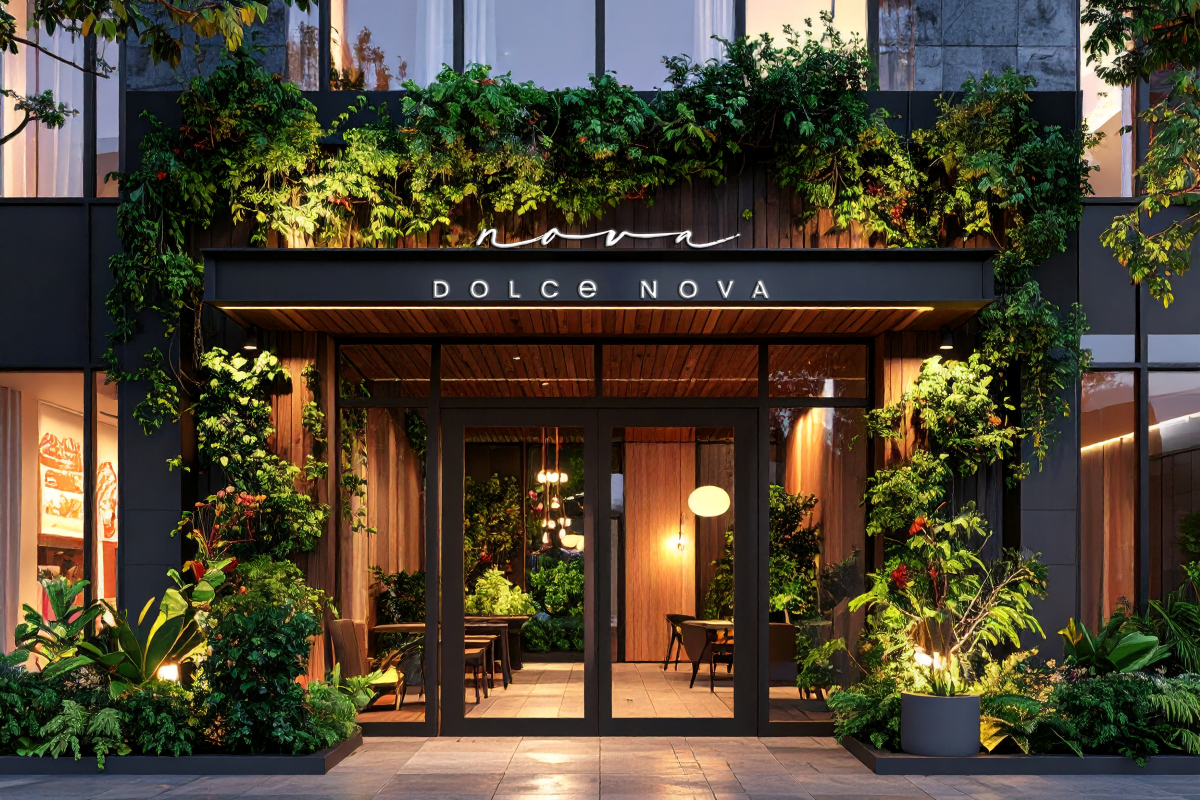
Wyndham has officially unveiled Dolce Nova, an upper-upscale boutique brand extension of its existing Dolce Hotels & Resorts banner. Unlike the acquisition-heavy growth of the past, Dolce Nova is an "in-house" creation, conceived and developed by the company’s EMEA (Europe, Middle East, Eurasia, and Africa) team. This move represents more than just a new nameplate; it signifies a fundamental shift in how Wyndham views its future, moving away from pure volume toward design-led, curated guest experiences.
Main Facts: The Anatomy of Dolce Nova
Dolce Nova is positioned as a boutique, upper-upscale evolution of the Dolce Hotels & Resorts brand, which Wyndham acquired in 2015. While the original Dolce brand built its reputation as a powerhouse for corporate retreats, meetings, and large-scale events, Dolce Nova is designed to pivot toward a more lifestyle-oriented, leisure-seeking demographic.
- Brand DNA: Dolce Nova focuses on "restraint and design," moving away from the mass-market utility of Wyndham’s budget brands to a sophisticated, aesthetic-forward guest experience.
- Origin Story: This is the first time a Wyndham brand concept has been developed internally by the EMEA division rather than being acquired through a merger or acquisition.
- Target Market: While the original Dolce brand caters to the MICE (Meetings, Incentives, Conferences, and Exhibitions) sector, Dolce Nova seeks to capture the burgeoning market of affluent travelers who prioritize boutique hotel experiences, local integration, and high-end design.
- Growth Strategy: Wyndham plans to leverage the existing equity of the Dolce name while layering on a fresh, modern aesthetic to appeal to younger, more discerning travelers.
Chronology: The Evolution of a Giant
To understand the significance of Dolce Nova, one must look at the timeline of Wyndham’s expansion:
- 2015: Wyndham Hotels & Resorts acquires Dolce Hotels & Resorts. At the time, the brand is firmly established as a leader in the meetings and conference space, boasting properties with footprints ranging from 200 to 400 rooms.
- 2015–2023: Wyndham continues a rapid-fire acquisition strategy, integrating brands like La Quinta and expanding its footprint across the Americas, Europe, and Asia. During this period, the company’s internal culture is one of "buying growth" rather than "creating brands."
- Early 2024: Internal discussions within the EMEA team regarding the future of the luxury and upper-upscale portfolio lead to the realization that existing offerings are too focused on corporate utility and lack a "leisure-lifestyle" component.
- September 2024 (Annual Hospitality Conference, Manchester): Dimitris Manikis, President for EMEA at Wyndham, formally announces the launch of Dolce Nova, marking a pivotal moment where the company pivots from a pure consolidator to a brand incubator.
Supporting Data: Why the Shift is Necessary
The decision to launch Dolce Nova is rooted in a changing landscape for hotel ownership and guest preferences.
The MICE vs. Lifestyle Balance
Data consistently shows that while the MICE sector remains a cornerstone of hotel revenue, the "bleisure" (business and leisure) traveler is becoming the dominant force in travel. By 2027, the global boutique hotel market is expected to grow at a CAGR of approximately 6-8%, driven by travelers who view their accommodation as an extension of their lifestyle rather than just a place to sleep.
Acquisition Costs vs. Internal Development
According to financial reports, the cost of acquiring a mature, luxury boutique chain in the current economic climate is prohibitive. By utilizing the existing Dolce infrastructure—its brand recognition, operational standards, and loyalty program integration—Wyndham avoids the "premium" price tag associated with acquiring a new entity.
"Why would we spend a lot of money to buy something when we actually can create an extension of the Dolce brand and introduce it to a new consumer base?" asked Dimitris Manikis during his presentation in Manchester. This sentiment reflects a broader trend in the industry: the "in-house" brand launch is becoming the preferred vehicle for organic growth.
Official Responses: The Strategic Vision
The launch of Dolce Nova has drawn significant attention from industry analysts and stakeholders. The consensus is that Wyndham is testing its ability to curate an experience that requires a higher level of "sensory" management than its budget counterparts.
Dimitris Manikis has been clear about the philosophy behind the brand: "We are moving into a space where restraint is the new luxury. We aren’t looking to replicate the sheer volume of a Days Inn. We are looking to create a dialogue between the property and the guest."
Industry insiders note that the success of Dolce Nova will depend entirely on whether Wyndham’s corporate culture—historically built on the operational rigor of franchised budget hotels—can support the "soft skills" required for high-end boutique hospitality. The company’s response has been to empower the EMEA team with significant autonomy, allowing them to iterate on design and guest services in a way that feels independent of the larger, more rigid corporate structure.
Implications: A New Chapter for Wyndham
The birth of Dolce Nova has profound implications for the hospitality industry at large.
1. The Death of the "One-Size-Fits-All" Model
Wyndham’s pivot suggests that even the largest hospitality conglomerates are recognizing that the "everything for everyone" model is becoming obsolete. The modern traveler is increasingly tribal, seeking out brands that align with their personal aesthetic and values. By launching Dolce Nova, Wyndham is creating a "lifestyle vertical" that can compete with the likes of Marriott’s Autograph Collection or Hilton’s Curio Collection.
2. EMEA as an Incubator
The fact that this brand originated in the EMEA region is a significant signal to the market. Traditionally, Wyndham’s innovation has been driven by its US headquarters. By giving the EMEA team the "keys to the car," Wyndham is acknowledging that regional nuance is essential for success in the boutique sector. If Dolce Nova succeeds, we can expect to see more regional incubation centers across Wyndham’s global map.
3. The Challenge of "Restraint"
The greatest challenge for Wyndham will be maintaining the boutique "feel" as the brand scales. The core competency of Wyndham is scale—the ability to add 500 rooms to a system overnight. Boutique hotels, by definition, rely on uniqueness and local context. The implication here is a test of culture: Can a company built on the efficiency of mass-market franchising learn the delicate art of bespoke, curated hospitality?
4. Competitive Pressure
Competitors will be watching closely. If Wyndham can successfully transition its loyalty members (who are accustomed to earning points at roadside motels) to upscale, design-led boutique properties, it will create a "sticky" ecosystem that is difficult to disrupt. This move puts immediate pressure on other mid-market giants who have yet to successfully bridge the gap into the boutique lifestyle segment.
Conclusion: The Road Ahead
The launch of Dolce Nova is a bold, necessary experiment for Wyndham Hotels & Resorts. It represents a maturation of the company’s business model—a transition from a firm that merely manages rooms to one that curates experiences.
While the budget and mid-scale brands will remain the bread and butter of the company’s balance sheet, Dolce Nova serves as the "halo" brand, proving that Wyndham can compete in the upper-upscale space. Whether it can maintain the "restraint" promised by its leadership while navigating the pressures of a public company will be the defining story of the next few years.
For now, the industry has its eyes on Manchester and the EMEA team. If they succeed, the Dolce Nova brand could become the blueprint for how large-scale hospitality companies reinvent themselves in an era where the guest demands less, but expects more. As Manikis aptly noted, the future of the brand isn’t about how many hotels they can open, but how many travelers they can inspire through a different, more refined kind of hospitality.
 Pevita Pearce
  Evan Lee Salim
  Sagoh
Sagoh 