

Few cultural phenomena in recent memory have wielded as much influence over high-end tourism as HBO’s Emmy-winning satire, The White Lotus. With each successive season, creator Mike White has dispatched affluent, deeply flawed characters to secluded luxury retreats, turning once-quiet paradises into viral, bucket-list destinations almost overnight. From the sun-drenched coastlines of Hawaii to the ancient cliffs of Sicily and the lush jungles of Thailand, the show has become the undisputed catalyst for "set-jetting"—the pop-culture-driven travel trend where fans flock to filming locations in search of on-screen fantasies.
However, as set-jetting evolves from an entertaining quirk of social media into a dominant and sometimes disruptive force in global hospitality, luxury travel insiders are sounding the alarm. The upcoming fourth season, which moves production to the glamorous and high-stakes backdrop of the French Riviera, promises to test the fragile equilibrium between televised fantasy and destination reality like never before. Marking a departure from the show’s traditional single-resort bubble and concluding HBO’s formal marketing partnership with Four Seasons, this next chapter forces an urgent industry-wide conversation: Are television-driven tourist surges eroding the exclusivity and authenticity that define the world’s most storied hotels?
Main Facts: Season Four’s Shift to the Côte d’Azur
Season four of The White Lotus represents a structural evolution for the franchise. Rather than confining its narrative to a single, isolated resort where guests attempt to disconnect from the pressures of modern life, the upcoming installment expands its scope across the French Riviera, with filming locations spanning Cannes, Saint-Tropez, Monaco, and Paris.
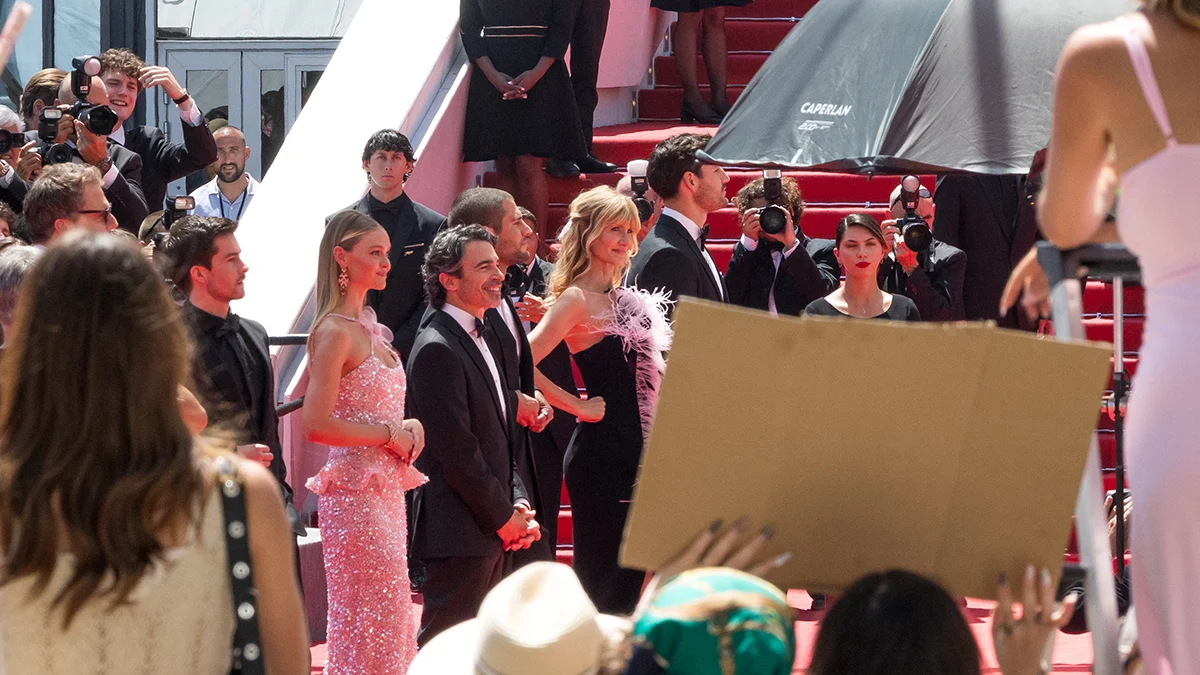
According to details reported by Variety, the plot shifts its satirical lens from passive leisure to the frenetic energy of the creative and corporate elite. The narrative centers on a high-stakes week during the Cannes Film Festival, tracking two rival film crews arriving with competing entries.

- The Cannes Enclave: One crew checks into the fictional "White Lotus Cannes," brought to life by the iconic Hôtel Martinez situated directly on the famed Croisette.
- The Saint-Tropez Enclave: The rival crew decamps to the fictional "White Lotus du Cap," portrayed by the ultra-exclusive Airelles Château de la Messardière in Saint-Tropez.
This expansion thrusts the characters out of their gilded isolation chambers and directly into the public sphere of international trade shows, red-carpet premieres, and intense industry deal-making.
Chronology of Production and the Evolution of "Set-Jetting"
The journey of The White Lotus from a niche dark comedy to a global hospitality juggernaut has been swift and disruptive.
- The Genesis (2021): Season one premiered during the pandemic, introducing audiences to the fictional Maui resort (filmed at the Four Seasons Resort Maui at Wailea). Viewers locked down at home instantly latched onto the pristine Hawaiian backdrop.
- The Mediterranean Pivot (2022): Season two shifted international attention to Taormina, Sicily, utilizing the San Domenico Palace (a Four Seasons hotel). The season generated unprecedented search traffic for Sicilian luxury accommodations, though it introduced viewers to the show’s first major geographic illusion (portraying the hotel as sitting directly on the beach, when it actually sits high upon a cliff).
- The Expansion to Asia (2025): Season three continued the formula in Thailand, further cementing the show’s symbiotic marketing relationship with top-tier hospitality brands.
- The French Riviera Transition (2026): Production crews were spotted filming outside the Palais des Festivals in Cannes, signaling a departure from the single-resort formula. Executive producer David Bernad, speaking at the Cannes International Series Festival, revealed that the new season explores "the life of an artist" and the psychological toll of fame and success. At the time of Robb Report‘s interviews, filming at properties like the Hôtel Martinez was just beginning to ramp up.
Supporting Data and Geographic Realities
Behind the glossy, cinematic sheen of the French Riviera lies a complex matrix of logistics, geographic trickery, and economic barriers that experts say many travelers fail to comprehend.
The Saint-Tropez vs. Cannes Illusion
While television magic will undoubtedly stitch the fictional properties together as close neighbors, travel experts point out a stark geographic reality. Airelles Château de la Messardière sits perched high above Saint-Tropez, roughly a three-hour drive away from Cannes.

“Americans have no idea where these places are located,” notes Jonathan Alder, founder and CEO of Jonathan’s Travels. “Most people are going to think Saint-Tropez is next to Cannes.” This spatial distortion mirrors season two’s Sicilian sleight-of-hand, proving that television geography frequently bends reality for the sake of narrative pacing.
A Convention City vs. A Vacation City
Industry veterans also warn travelers about the seasonal realities of the Riviera. While May brings the intoxicating, star-studded chaos of the Cannes Film Festival, the rest of the year tells a different story.
“Cannes is a conference city—it’s not a vacation city,” Alder points out. Primary hospitality landmarks along the coast, such as the Carlton and Le Majestic Barrière, cater extensively to corporate conventions and trade shows. Visitors arriving outside of peak festival windows expecting continuous red-carpet glamour may find a destination engineered primarily for business and high-end commerce rather than laid-back leisure.
The Ultra-Luxury Economic Buffer
Despite concerns over overtourism and the dilution of exclusivity, industry stakeholders note that ultra-luxury pricing serves as a natural defense mechanism. With peak summer rates at properties like Airelles and the Hôtel Martinez regularly exceeding €3,000 per night, astronomical costs act as a financial barrier to entry, preserving a baseline of exclusivity regardless of how many millions of viewers tune in on HBO.

Official Responses and Industry Insights
The hospitality community remains deeply divided over the long-term impact of The White Lotus effect.
- Jaclyn Sienna India (Founder and CEO, Sienna Charles): Taking a sharply critical view, India argues that the show has accelerated the "celebritization of travel," encouraging tourists to chase hyped-up social media backdrops rather than engaging in authentic cultural discovery. Describing the current state of wealth-centric tourism, she bluntly warns, “Wealth has become a zoo.” India stated she would not recommend either featured hotel to her high-net-worth clients post-broadcast, warning that properties risk sacrificing long-term cachet for short-term exposure. She instead points cultural travelers toward emerging hubs like Nice—and properties such as Hôtel du Couvent—though she cautions that smaller boutiques lack the infrastructure to absorb massive tourist influxes.
- Jonathan Alder (Founder and CEO, Jonathan’s Travels): Alder highlights the psychological paradox underpinning the show’s appeal: “It inspires travel through dilemma—showing horrible people frequently doing horrible things, and yet it makes people want to go to a place.” He notes that shifting the setting to Cannes fundamentally alters the emotional core of the series, moving from passive resort relaxation to the anxieties of work and status.
- Stacy Fischer-Rosenthal (President, Fischer Travel): Offering a more optimistic perspective, Fischer-Rosenthal believes independent ultra-luxury brands stand to reap massive rewards. Noting that Airelles operates a tightly controlled portfolio of just seven properties, she suggests the global spotlight will generate unprecedented brand equity. “Saint-Tropez is a more sexy, vibey, glamorous destination,” she says. “It definitely fits The White Lotus themes of wealth, excess, romance, and intrigue. The grounds at Les Airelles are so prominent and incredible that those grounds couldn’t exist in a Cannes property. It just doesn’t have the space.”
- Michel Cottray (General Manager, Hôtel Martinez): Expressing enthusiasm from the ground in Cannes, Cottray reported a “sense of quiet excitement” among staff regarding the hotel’s inclusion, emphasizing the landmark’s deep-rooted ties to the history of the local film festival.
Implications for the Future of High-End Hospitality
As The White Lotus prepares to air its fourth season, the broader implications for the travel sector are profound. The show is no longer merely highlighting real-world destinations; it is actively manufacturing an idealized, highly cinematic version of the Côte d’Azur that millions of consumers will attempt to replicate.
For elite hospitality brands, walking the tightrope between lucrative pop-culture exposure and the preservation of discreet, uncompromised luxury has never been harder. While boutique resorts and grand dames alike will undoubtedly welcome the booking surges and global recognition, the underlying tension remains: When a sanctuary of wealth and privacy is beamed into living rooms across the globe as a satirical playground for the absurd, can it ever truly retain its untainted allure?
For now, as production crews pack up their gear along the Croisette and head toward Paris and Monaco, travelers are left holding a glossy, television-scripted map—eager to find a paradise that may only truly exist on screen.
 Basiran
  Sagoh
Sagoh  Raul Delapena Setiawan