

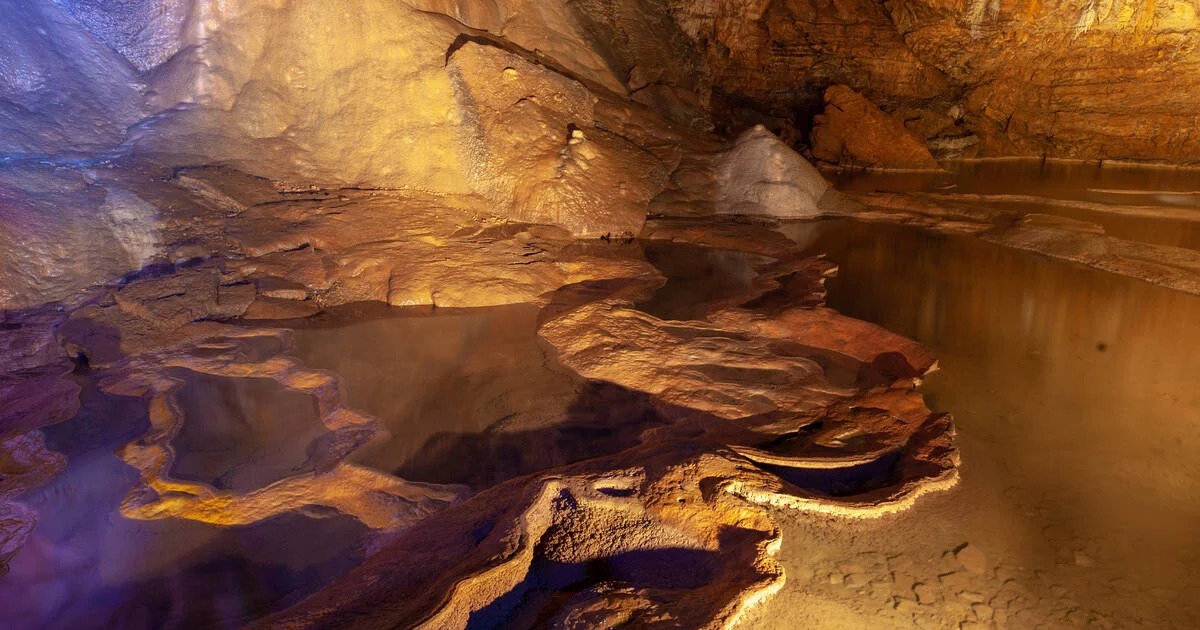
RAVNO, Bosnia and Herzegovina – On 19 June 2026, the quiet municipality of Ravno became the epicenter of a landmark dialogue concerning the intersection of ecological preservation and cultural heritage. The Public Forum, titled "Sustainable protection of World Heritage and the environment in Bosnia and Herzegovina," brought together a diverse cohort of stakeholders to address the existential challenges facing the nation’s most pristine natural treasures.
This gathering was not merely a series of academic presentations; it represented a strategic mobilization of government officials, environmental scientists, civil society leaders, and, most importantly, the next generation of stewards—young people tasked with the long-term protection of the Vjetrenica Cave, a site of unparalleled evolutionary significance.
1. Main Facts: A Convergence of Heritage and Ecology
The forum served as the flagship event for a broader UNESCO-supported project, "Raising Awareness of Environmental Protection and World Heritage in Bosnia and Herzegovina – Engaging youth through educational materials and public forums." Implemented by the Public Institution "Vjetrenica" Ravno, the initiative is funded by the World Heritage Fund’s International Assistance program.
The core objective of the forum was to bridge the gap between policy-making and ground-level environmental stewardship. With Vjetrenica Cave having been inscribed on the UNESCO World Heritage List only two years prior, in 2024, the site remains a focal point for international conservation efforts. The cave is renowned for its exceptional subterranean biodiversity, housing a complex web of endemic and relict species that serve as a living laboratory for evolutionary biology.
The forum’s timing was deliberate, following closely on the heels of World Environment Day 2026. By aligning the discussion with the global theme of climate action, organizers underscored that the preservation of World Heritage is not a static task but a dynamic, climate-conscious endeavor.
2. Chronology of the Initiative
The road to the 19 June forum was paved by several months of preparatory work and strategic planning. The timeline of the project highlights the systematic approach taken by the Vjetrenica management team:
- 2024 (Inscription): Vjetrenica Cave is formally inscribed on the UNESCO World Heritage List, bringing global recognition to its subterranean ecosystems.
- Early 2026 (Project Launch): With support from UNESCO, the Public Institution "Vjetrenica" Ravno initiates a project aimed at capacity building and youth engagement.
- June 2026 (Preparation): Educational materials are drafted to serve as pedagogical tools for local schools, focusing on the Outstanding Universal Value (OUV) of the cave.
- 15 June 2026: Global observances of World Environment Day spark regional discourse on climate resilience.
- 19 June 2026: The Public Forum is convened in Ravno. High-level representatives from the Ministry of Civil Affairs and the Federal Ministry of Environment and Tourism meet to formalize cooperation frameworks.
- Post-Forum (July 2026): Stakeholders begin the process of synthesizing the forum’s recommendations into actionable policy memos for regional environmental boards.
3. Supporting Data: The Biological Significance of Vjetrenica
To understand the urgency of the forum, one must understand the biological rarity of the Vjetrenica system. The cave is not merely a tourist destination; it is a vital repository of the Earth’s evolutionary history.
The Subterranean Ecosystem
Vjetrenica is one of the world’s most significant hotspots for cave-dwelling biodiversity. According to current environmental data:
- Endemic Species: The cave hosts an unprecedented number of subterranean species, many of which are found nowhere else on the planet.
- Evolutionary Relicts: The cave serves as a sanctuary for "living fossils"—species that have survived climatic shifts that wiped out their surface-dwelling ancestors.
- Environmental Sensitivity: The cave ecosystem is hyper-sensitive to changes in hydrology and air quality. Any surface pollution or climate-induced shifts in groundwater levels pose an immediate threat to the endemic fauna.
Youth Empowerment Metrics
A core component of the project involves measuring the impact of education. By engaging students in the Ravno region, the project aims to move beyond "passive awareness" toward "active guardianship." Preliminary feedback from the forum indicated that young participants were particularly interested in the intersection of digital technology and environmental monitoring—specifically, using sensor networks to track cave health in real-time.
4. Official Responses and Institutional Alignment
The forum featured opening remarks from a cross-section of Bosnian and Herzegovinian leadership, signaling a unified approach to the management of World Heritage.

Davor Baković, Director of the Public Institution "Vjetrenica" Ravno, emphasized the responsibility inherent in holding World Heritage status. "Our stewardship is not for ourselves; it is for the global community. The forum is a testament to our commitment to keep this subterranean wonder pristine," Baković noted.
Biljana Čamur Veselinović, Secretary of the Ministry of Civil Affairs of Bosnia and Herzegovina, highlighted the state’s commitment to its international obligations. "As a nation, we recognize that the protection of Vjetrenica is intrinsically linked to our national identity and our responsibility to the international heritage community," she stated.
Siniša Šešum, Head of the UNESCO Antenna in Sarajevo, provided a broader perspective, noting that the project aligns with UNESCO’s global strategy for capacity building. "We are not just protecting a cave; we are building a framework for cooperation that can serve as a model for other sites across the Balkans," Šešum said.
Representing the environmental sector, Stjepan Matić from the Federal Ministry of Environment and Tourism addressed the legislative aspects of the project, focusing on how local conservation efforts must be supported by federal policy to ensure long-term sustainability.
5. Implications for the Future: Integrated Stewardship
The forum reached several critical conclusions that will shape the management of Vjetrenica for years to come.
A New Model for Conservation
The traditional "top-down" approach to heritage management is increasingly viewed as insufficient. The forum argued for an "Integrated Stewardship Model," which includes:
- Cross-Sectoral Cooperation: Breaking down silos between government agencies, NGOs, and the scientific community.
- Community-Driven Protection: Recognizing that the people of Ravno are the first line of defense against environmental degradation.
- Educational Integration: Ensuring that the science behind Vjetrenica is accessible, translating complex biological data into educational curricula that inspire the next generation of researchers.
Addressing Climate Change
The link between World Environment Day and the forum was more than symbolic. As the region faces hotter, drier summers and unpredictable rainfall patterns, the hydrogeology of the cave is under stress. The forum underscored that the protection of the cave requires a landscape-level approach. This means protecting the surface forests and water tables that feed the subterranean streams of Vjetrenica.
Long-Term Sustainability
The project’s success will be measured by its ability to create permanent channels of communication. By formalizing the dialogue between institutions and the local population, the forum has created a roadmap for "informed decision-making." The challenge moving forward will be to secure the necessary funding and political will to maintain these partnerships as the initial project cycle comes to an end.
Conclusion: A Legacy in the Dark
The 19 June 2026 forum in Ravno serves as a beacon of progress. In a world where environmental degradation often feels inevitable, the dedication shown by the stakeholders in Bosnia and Herzegovina offers a template for hope. By bringing together the wisdom of the scientific community, the authority of the state, and the energy of the youth, the Vjetrenica project is ensuring that the "Outstanding Universal Value" of the cave remains protected, not just for the next decade, but for the next millennium.
As the echoes of the forum settle, the work continues. The subterranean world of Vjetrenica—silent, dark, and fragile—now has a louder, more robust network of voices committed to its survival. The integration of environmental protection with heritage conservation is no longer just a theoretical goal; in Ravno, it has become a living, breathing reality.
 Asep Darmawan
  Evan Lee Salim
  Jia Lissa