

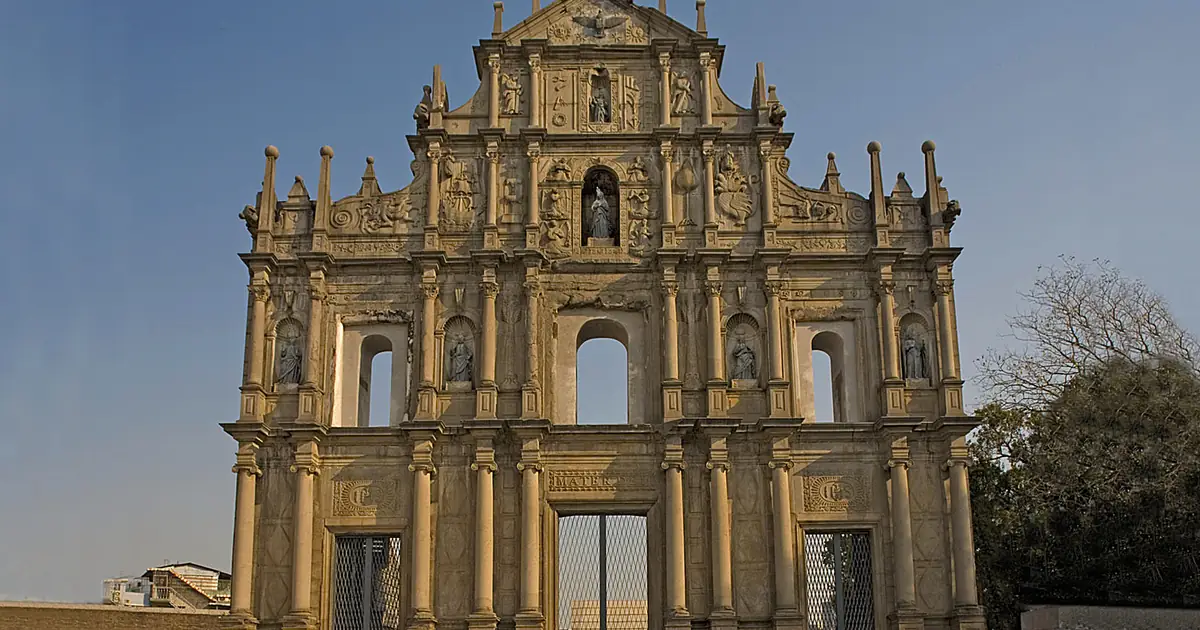
MACAO SAR, CHINA — In an era defined by rapid urbanization, mounting climate risks, and unprecedented development pressures, the safeguarding of cultural and natural heritage requires far more than passive preservation; it demands dynamic, forward-thinking, and professionally managed governance. Addressing this critical imperative, the World Heritage Institute of Training and Research for the Asia and the Pacific Region (WHITR-AP, China)—operating under the auspices of UNESCO—has officially launched its global call for applications for a flagship capacity-building initiative.
Entitled “Asia Pacific Regional Capacity Building on Management for World Heritage Sites – From Theory to Practice,” the intensive program is scheduled to take place from 6 to 15 December 2026, in the historically rich and culturally vibrant setting of Macao Special Administrative Region (SAR), China.
Jointly organized by WHITR-AP Shanghai and the Cultural Affairs Bureau of the Government of the Macao SAR, this high-level training initiative seeks to bridge the persistent gap between theoretical conservation frameworks and the complex realities of on-the-ground site management. As heritage properties across the vast Asia-Pacific region grapple with escalating threats, this December 2026 workshop emerges as a timely, vital intervention designed to equip regional practitioners with cutting-edge tools, methodologies, and peer networks necessary to protect irreplaceable cultural and natural landmarks for posterity.
Main Facts: At a Glance
- Event Asia Pacific Regional Capacity Building on Management for World Heritage Sites – From Theory to Practice
- Dates: 6 – 15 December 2026
- Location: Macao Special Administrative Region (SAR), China
- Organizers: World Heritage Institute of Training and Research for the Asia and the Pacific Region (WHITR-AP Shanghai) in partnership with the Cultural Affairs Bureau of the Government of the Macao SAR.
- Application Deadline: 15 September 2026
- Core Focus: Transitioning from theoretical conservation policies to actionable, practical management methodologies for World Heritage properties.
- Strategic Alignment: Grounded in the Regional Framework Action Plan for Asia and the Pacific (2023–2030) and the World Heritage Capacity-Building Strategy 2025–2035.
- Key Curriculum Elements: Historic Urban Landscape (HUL) approach, Heritage Impact Assessments (HIA), participatory learning, peer-to-peer exchange, and hands-on field exercises.
Chronology of Context: The Path to the 2026 Macao Capacity-Building Initiative
To fully understand the significance of the upcoming December 2026 program, it is essential to trace the historical and strategic trajectory of heritage conservation efforts within the Asia-Pacific region over the past decade.
1. The Escalation of Regional Vulnerabilities (2015–2022)
During the mid-to-late 2010s, international bodies and state parties noted a troubling acceleration in threats facing World Heritage sites in the Asia-Pacific. Rapid economic expansion and unfettered urban development began encroaching upon historic cores. Concurrently, intensifying natural disasters—exacerbated by global climate change—posed severe structural and environmental risks to ancient monuments, archaeological complexes, and vulnerable ecosystems. Evaluations by the UNESCO World Heritage Centre and its advisory bodies (ICOMOS, ICCROM, and IUCN) frequently cited management system deficiencies and a lack of institutional preparedness as primary vulnerabilities.
2. Strategic Realignment: The Regional Framework Action Plan (2023)
Recognizing that isolated, ad-hoc interventions were insufficient, heritage stakeholders collaborated to draft and adopt the Regional Framework Action Plan for Asia and the Pacific (2023–2030). This landmark strategic document outlined regional priorities for heritage protection, emphasizing capacity building, institutional strengthening, risk preparedness, and community engagement. It served as the structural blueprint for nations seeking to modernize their conservation policies in alignment with contemporary sustainable development goals.
3. The Global Vision: World Heritage Capacity-Building Strategy (2025–2035)
Complementing regional efforts, the international conservation community formulated the World Heritage Capacity-Building Strategy 2025–2035. This comprehensive global roadmap established a renewed vision for professionalizing heritage management worldwide. It prioritized bridging the divide between high-level international conventions—such as the 1972 World Heritage Convention—and the day-to-day administrative realities faced by site managers, municipal planners, and government officials.
4. The Genesis of the Macao Partnership (2025)
Building directly upon the momentum of the 2025–2035 Global Strategy, WHITR-AP Shanghai and the Cultural Affairs Bureau of the Macao SAR initiated intensive planning discussions throughout 2025. Recognizing Macao’s unique status as a living laboratory where East meets West—exemplified by its own inscribed Historic Centre featuring a dense matrix of heritage monuments and urban fabrics—the two entities formulated the concept for the December 2026 “Theory to Practice” workshop.
5. Launch of the Call for Applications (Current Phase)
With preparations finalized, WHITR-AP formally opened the global application portal. Prospective candidates from across the Asia-Pacific region now have a clear runway leading up to the 15 September 2026 deadline to submit their credentials for evaluation.
Supporting Data & Structural Challenges in Asia-Pacific Heritage
The urgency of the December 2026 training program is underscored by demographic, environmental, and institutional data gathered from across the Asia-Pacific region.
The Urbanization Pressure Index
The Asia-Pacific region hosts some of the fastest-growing urban agglomerations in human history. According to regional development indices, urban populations in East Asia, Southeast Asia, and South Asia have burgeoned, putting unprecedented pressure on historic city centers. World Heritage properties embedded within urban environments—such as historic towns, archaeological capitals, and cultural routes—face continuous demands for infrastructure modernization, commercial expansion, and mass transportation networks. Without rigorous management tools, these developments frequently compromise the Outstanding Universal Value (OUV) for which the sites were inscribed.
Management Deficiencies vs. Resource Constraints
Evaluations conducted under UNESCO’s Periodic Reporting cycles consistently highlight recurring challenges across Asia-Pacific World Heritage sites. Among these, institutional and human resource constraints rank near the top:
- Over 45% of reporting state parties in the region historically cite a lack of adequately trained personnel specialized in modern heritage impact assessment techniques.
- Nearly 40% report challenges in translating international conservation charters into binding local statutory planning laws.
- Climate and disaster risk preparedness plans are absent or insufficiently integrated into master management plans in a significant percentage of regional sites.
The Curriculum Solution: HUL and HIA
To combat these structural deficits, the curriculum developed by WHITR-AP and the Macao Cultural Affairs Bureau directly targets high-yield intervention areas. Participants will undergo rigorous training in:
- The Historic Urban Landscape (HUL) Approach: Moving beyond the narrow preservation of isolated monuments, HUL integrates heritage conservation into broader urban development frameworks, balancing economic vitality with cultural integrity.
- Heritage Impact Assessments (HIA): Equipping managers with predictive analytical tools to evaluate the potential impacts of proposed infrastructure projects, tourism developments, and zoning changes on heritage attributes prior to project approval.
- Participatory Management Models: Emphasizing community-centered conservation that engages local stakeholders, indigenous populations, and civic groups as active custodians rather than passive observers.
Official Responses and Institutional Perspectives
The announcement of the Macao training program has elicited strong support from international heritage bodies, national governments, and regional institutions, reflecting a shared consensus on the necessity of proactive capacity building.
Dr. Jing An, Director of WHITR-AP Shanghai, emphasized the transformative nature of the program during the launch announcement:
"We are living in a period of profound transformation across the Asia-Pacific. While our heritage sites are testaments to our shared human history, they are also living spaces facing intense contemporary pressures. Our objective with the ‘From Theory to Practice’ initiative is not merely academic; it is operational. We are empowering the custodians of our heritage with the precise instruments—ranging from Impact Assessments to urban landscape management—needed to navigate complex development realities without sacrificing their cultural soul."
Representing the host jurisdiction, a senior spokesperson for the Cultural Affairs Bureau of the Government of the Macao Special Administrative Region highlighted Macao’s unique qualification as a host venue:
"Macao SAR is honored to partner with WHITR-AP to bring this vital capacity-building activity to our city. As the steward of the Historic Centre of Macao—a site where centuries of architectural, artistic, and cultural dialogues between East and West are preserved—we understand firsthand the delicate balance required to manage a thriving modern city that also holds World Heritage status. We look forward to welcoming regional colleagues, sharing our operational experiences, and learning from the diverse challenges and triumphs of our neighbors across the Asia-Pacific."
International observers from advisory bodies such as ICOMOS (International Council on Monuments and Sites) have similarly praised the alignment of the workshop with the World Heritage Capacity-Building Strategy 2025–2035. Experts note that by institutionalizing peer-to-peer learning and practical, hands-on field exercises, the program directly addresses the operational bottlenecks that frequently lead to reactive crisis management at threatened heritage properties.
Implications for the Future of Regional Heritage Conservation
The staging of the “Management for World Heritage: From Theory to Practice” workshop in Macao in December 2026 carries profound implications for the long-term trajectory of heritage preservation across the Asia-Pacific.
1. Elevating Professional Standards Across Borders
By bringing together mid-to-senior-level heritage managers, urban planners, and government officials from diverse national jurisdictions, the program fosters a robust regional network of expertise. Graduates of the 10-day intensive course will return to their respective institutions equipped with standardized, internationally recognized methodologies. This diffusion of knowledge elevates baseline professional standards across the entire Asia-Pacific zone, ensuring greater consistency and rigor in site management.
2. Proactive Risk Mitigation and Policy Integration
A key limitation in historical heritage management has been the reactive posture adopted by authorities—often intervening only after damage has occurred or after development projects have crossed irreversible thresholds. The incorporation of rigorous Heritage Impact Assessments (HIA) and the Historic Urban Landscape (HUL) framework shifts this dynamic. Trained managers will possess the statutory and technical backing to engage urban planners, investors, and municipal leaders before projects break ground, ensuring that heritage considerations are integrated into early-stage municipal planning.
3. Strengthening Synergies with Global Frameworks
The initiative serves as a practical testing ground for global policies. By directly operationalizing the goals of the Regional Framework Action Plan for Asia-Pacific (2023–2030) and the World Heritage Capacity-Building Strategy (2025–2035), WHITR-AP and the Macao SAR are demonstrating how macro-level international commitments can be successfully translated into micro-level, localized capacity-building deliverables.
4. Fostering Intercultural Dialogue and Peer Solidarity
Heritage conservation is rarely a purely technical endeavor; it is deeply social, political, and cultural. The collaborative environment of the Macao workshop—characterized by participatory learning and peer exchange—creates a platform for professionals to share best practices, discuss common failures, and build enduring transnational partnerships. Such solidarity is invaluable when managing complex transnational serial properties or navigating shared regional environmental crises.
Call to Action and Application Guidelines
With the application window officially open, WHITR-AP and the Macao Cultural Affairs Bureau encourage qualified professionals, heritage site managers, researchers, and government officials operating within the Asia-Pacific region to review the eligibility criteria and submit their applications well ahead of the 15 September 2026 deadline.
Detailed information regarding participant prerequisites, selection criteria, financial support mechanisms, and the online application portal can be accessed directly through the official announcement page hosted on the WHITR-AP Official Website.
As the world looks toward a sustainable future, initiatives such as the December 2026 Macao training program ensure that the guardians of our collective past are fully empowered to shape, protect, and sustain our shared heritage for generations to come.
 Layla Zulfa
 Pevita Pearce
