

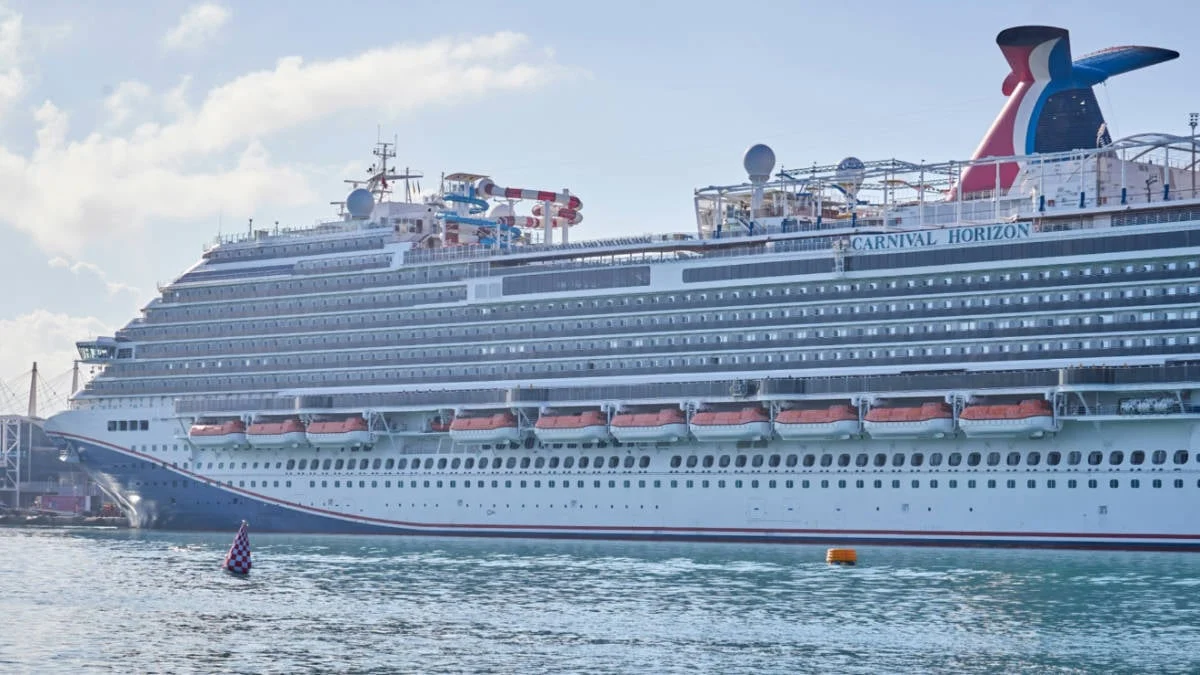
FLORIDA — More than 18,700 Carnival Cruise Line guests are preparing for a temporary throwback to traditional cruising as five different ships spanning four distinct homeports execute full, in-person safety briefings ahead of their departures between September 26 and September 28, 2026.
While the modern era of cruising has largely favored the streamlined convenience of the "e-muster"—where passengers watch a brief instructional video on their smartphones or stateroom televisions before checking in at their designated muster station—federal and international maritime regulations require a return to the classic, all-hands-on-deck physical assembly twice a year.
Carnival Cruise Line has proactively reached out to all booked passengers scheduled on these specific late-September sailings, ensuring that travelers are fully informed of the requirement and understand what to expect upon arrival. The cruise line aims to eliminate confusion and streamline the embarkation day process, emphasizing that passenger safety remains its highest operational priority.
Main Facts: What Passengers Need to Know
The upcoming compliance mandate will impact nearly 19,000 vacationers as they board their respective vessels. Rather than casually strolling the lido deck or unpacking in their cabins immediately after boarding, these travelers will be required to physically report to their assigned muster stations for an in-person briefing before the ships cast off.
Carnival’s official advisory email sent to booked guests reads:
“The safety of everyone on board is always our priority, and we are dedicated to maintaining responsible and secure operations. Shortly before departure, a full safety drill will take place on your upcoming sailing. This is a mandatory procedure, and all guests will be required to participate in this brief but essential exercise.”
For travelers accustomed to the quick-scan mobile check-in and virtual safety video, the prospect of standing shoulder-to-shoulder with thousands of fellow guests at an assigned muster station can come as a minor surprise. However, cruise line officials stress that the exercise is brief, highly organized, and crucial for maritime preparedness.
Chronology of the September 2026 Fleet-Wide Drills
The late-September enforcement window spans a busy three-day period across multiple regional hubs. The logistics require precise coordination between port authorities, shipboard staff, and embarking passengers.
The departure schedule and vessels implementing the full in-person safety briefings include:
- Friday, September 26, 2026: Operations begin as select vessels implement the mandatory assembly protocols.
- Saturday, September 27, 2026: Mid-weekend departures ramp up the volume of affected guests across multiple U.S. homeports.
- Sunday, September 28, 2026: The final wave of ships concludes the weekend’s mandated physical drills before heading out to sea.
Departure Times and Logistics
Four of the five participating vessels—Carnival Horizon, Carnival Panorama, Carnival Vista, and Carnival Firenze—are scheduled to slip away from their respective homeport piers at precisely 3:30 p.m. Meanwhile, Carnival Sunshine will depart from its homeport in Norfolk, Virginia, slightly later at 4:00 p.m.
For all five ships, the rule is absolute: the full safety briefing must be completed in its entirety before the vessel is permitted to clear the pier and head into open waters.
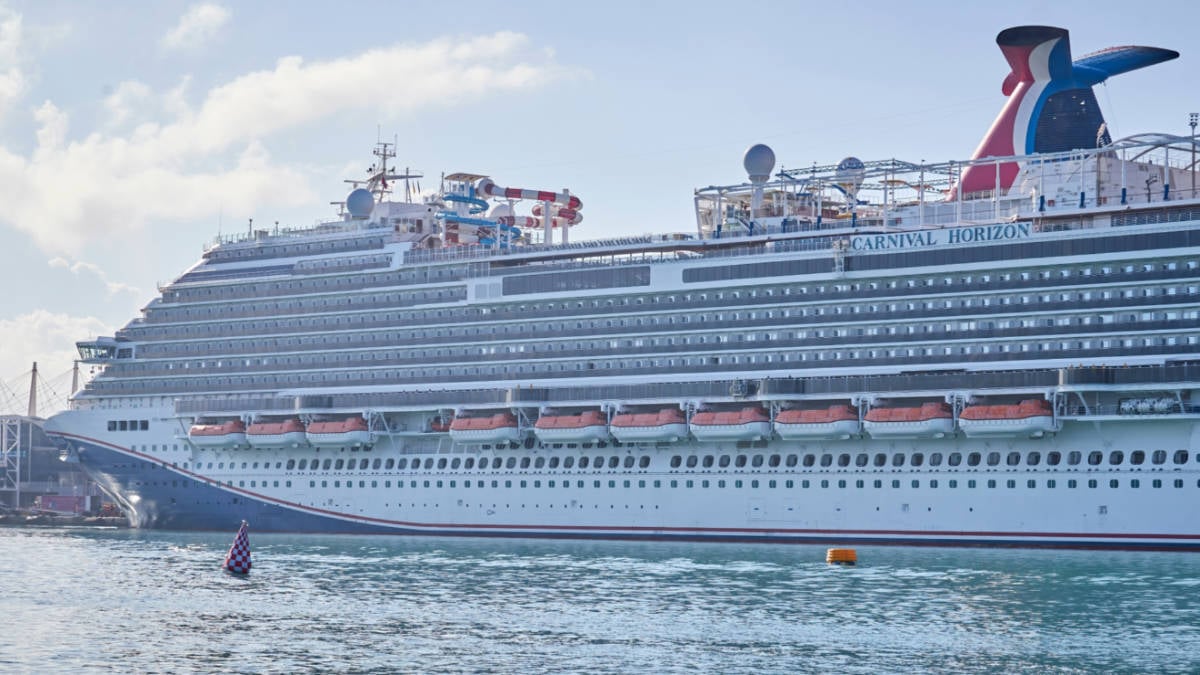
This weekend rollout follows a similar operational pattern seen earlier in the month. Cruise Hive reported that two other Carnival ships, Carnival Magic and Carnival Paradise, successfully executed full safety briefings on their respective departures on September 13 and September 14, 2026.
Supporting Data and Regulatory Requirements
For seasoned cruisers who view the e-muster as a modern luxury, the return of the traditional drill can feel disruptive. Yet, these physical assemblies are not a corporate whim; they are a strict legal requirement governed by a patchwork of national and international oversight bodies.
Carnival Cruise Line’s outspoken Brand Ambassador, John Heald, has repeatedly addressed passenger inquiries regarding these periodic operational shifts. In statements explaining the reasoning behind the drills, Heald emphasized that regulatory bodies mandate physical training to ensure peak emergency readiness.
“This is something that every single ship needs to do twice a year as per US Coast Guard, Australian Coast Guard, and other government agencies, and SOLAS, Safety of Life at Sea,” Heald explained.
The Anatomy of a Full Safety Briefing
Understanding how the process unfolds can help travelers navigate embarkation day with minimal stress. The choreography of a full muster drill involves several distinct phases:
- Stateroom Access: Typically, passenger staterooms are opened to guests by approximately 1:30 p.m. on embarkation day, allowing travelers to drop off carry-on luggage without needing to drag heavy bags to the muster station.
- Onboard Announcements: Ship-wide public address systems sound periodic chimes and voice prompts providing clear guidance on the impending drill.
- Service Suspensions: Shortly before the drill commences, all food and beverage services across the ship temporarily pause to encourage guests to transition to their stations.
- Assembly and Instruction: Guests gather at their assigned muster stations. Crew members provide live, hands-on demonstrations on how to properly don life vests, the correct procedures for boarding lifeboats, protocols for reuniting children from youth programs with their parents, and an explanation of the ship’s emergency signals.
- The Emergency Signal: As a mandatory audio demonstration, the ship’s loud alarm—consisting of seven short blasts followed by one long blast—is sounded so that passengers and crew alike recognize the acoustic warning.
- Resumption of Voyage: Once instructions conclude, the all-clear is given, guests are officially dismissed, and normal onboard services and cruise operations instantly resume as the ship gets underway.
Official Responses and Industry Context
While routine crew training occurs daily and weekly behind the scenes, maritime authorities recognize that managing thousands of untrained civilians in an emergency requires a different tier of preparedness. Crew members undergo rigorous simulations, but practicing crowd management with a live passenger complement is essential for identifying potential bottlenecks or communication gaps.
Maritime safety experts point out that while virtual briefings are effective for imparting basic rules, they lack the spatial orientation training provided by a physical walkthrough. Walking the physical path to a muster station helps travelers—particularly first-time cruisers—build muscle memory regarding where they need to go if an unexpected situation arises at sea.
Implications for Future Cruisers
As the cruise industry continues to evolve post-pandemic, the integration of digital tools has streamlined many vacation processes, from mobile check-in to digital room keys. However, the strict enforcement of SOLAS (Safety of Life at Sea) guidelines serves as a powerful reminder that cruise ships are floating cities governed by strict international maritime law.
For the 18,700-plus guests sailing on these five specific late-September voyages, the brief detour from vacation relaxation represents a minor inconvenience. Spending twenty to thirty minutes learning life-saving protocols is universally recognized by travel professionals and safety advocates as a small price to pay for absolute peace of mind on the high seas.
Carnival Cruise Line remains committed to transparency, ensuring that future passengers on subsequent sailings receive advance notice should their voyage fall on one of the mandated semi-annual physical muster dates. As long as ships sail under the flags of international oversight, the classic muster drill—in all its synchronized glory—remains a cornerstone of responsible modern cruising.
 Siti Muinah
  Ammar Sabilarrohman
  Asep Darmawan